As you read this, Cam is desperately waiting to get out of his tiny cage. He is trapped in a bile bear farm in Hai Phong province in Vietnam.
When we visited him at the farm, he was pacing around in the cage, climbing up and down and biting the bars, trying everything to escape this sad and barren environment.
We don’t know anything about his past but can see he is pretty young. He still has his whole life ahead of him.
Without help, his life would consist of nothing but the bars of this cage.
Never getting the chance to feel the grass under his feet. Never climbing up a tree. Never playing with another bear.
Nothing would make us happier, than bringing him to our beautiful BEAR SANCTUARY Ninh Binh. How excited would he be, when he discovers the huge outdoor enclosure for the first time? Experiencing all the lush vegetation, trees, climbing platforms and pools to swim in. Experiencing what a bear life can look like.
Mark, we can’t leave Cam behind, right? Will you help to free the young bear from his tiny cage?
C’est Assez! supports the European Citizens’ Initiative #StopFinningEU to end the European Union’s shark fin trade
22 April 2021
C’est Assez
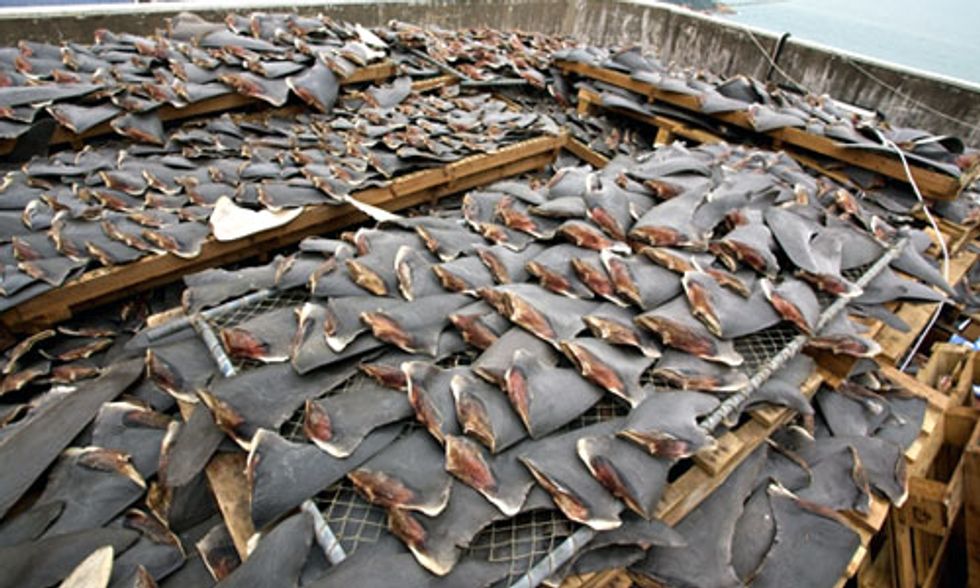
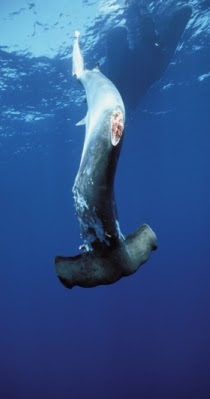
The EU exports approximately 3,500 tonnes of fins per year, with a total value of around 52 million euros. 73 million sharks are slaughtered each year for this purpose
While shark finning is prohibited on EU vessels and in EU waters, and sharks must be caught with fins attached to their bodies, the EU is one of the world’s largest exporters of fins and a significant transit area for the global fin trade.
More than forty European NGOs, including our member C’est assez!, have pledged their support to compel the European institutions to ban all forms of finning and their transportation in EU countries. The European Citizens Initiative (ECI) has now received over 200,000 signatures in opposition to shark finning.
It is past time to stop this barbaric traffic and take action to protect sharks, which are critical to the health and balance of the oceans.
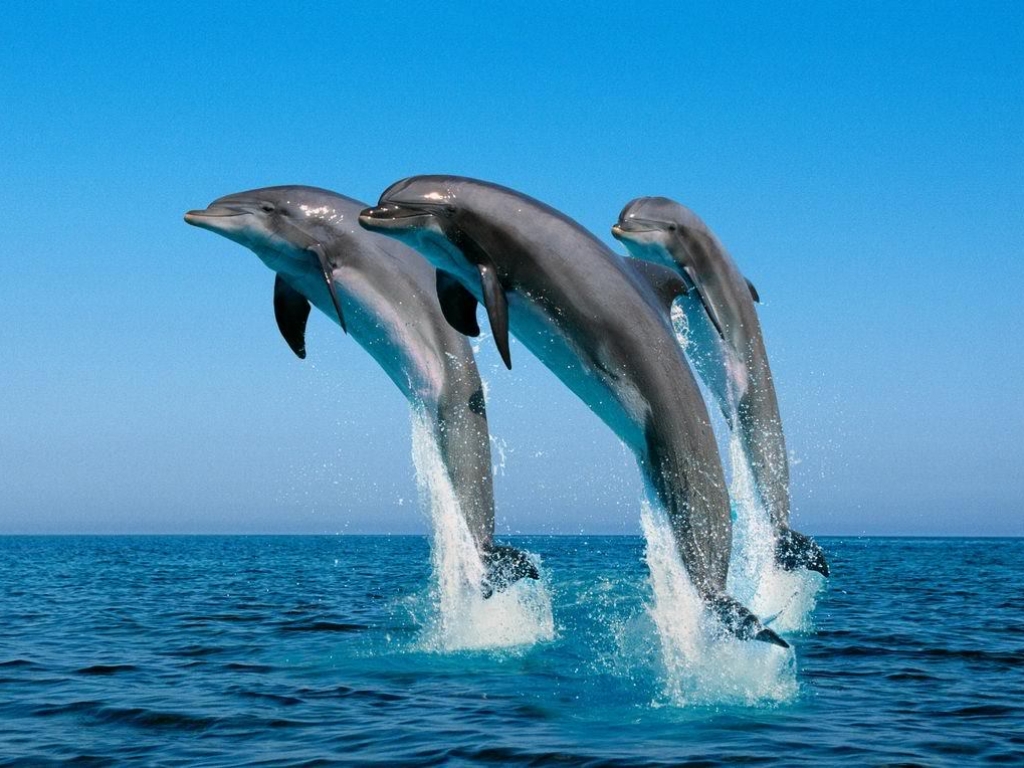
How they should be – Dolphins swim free in the Oceans.
The rapid closing of dolphinariums poses a threat to dolphins
22 April 2021
Sea First Foundation
Public opinion around dolphins in dolphinariums is clearly changing.
But what happens to dolphins when the parks get closed? Talks with policymakers are underway and several dolphin rehabilitation programs are getting implemented in Europe, but none are yet operational. The very complex nature of such a pilot project may be to blame.
As long as no appropriate alternative is found, the dolphins are relocated to other marine parks. Unfortunately, this causes a great deal of animal distress, and is often fatal. For example, in 2016, three dolphins were moved from Finland’s Särkänniemi Zoo to Attica Zoo in Athens, where one of the animals died after a short period of time.
Dolphin attractions were also closed with immediate effect in France, Spain, and Switzerland as a result of government decisions made in response to pressure from protestors who probably just meant well.
Dolphins become ill from time to time and may not survive such abrupt changes or transportation. The animals’ extreme stress and anxiety can be fatal.
Many who survive the transport are relocated to other parks in countries where public pressure is less severe. This results in ever-increasing dolphin numbers in Europe’s remaining dolphinariums, causing overpopulation and additional stress for the animals.
The marine parks in China are still developing, and it is likely that the next step will be to export European animals to China.
In conclusion, before we start putting more pressure on governments to close sea parks in Europe, it is important that we get our rehabilitation projects fully operational as soon as possible.
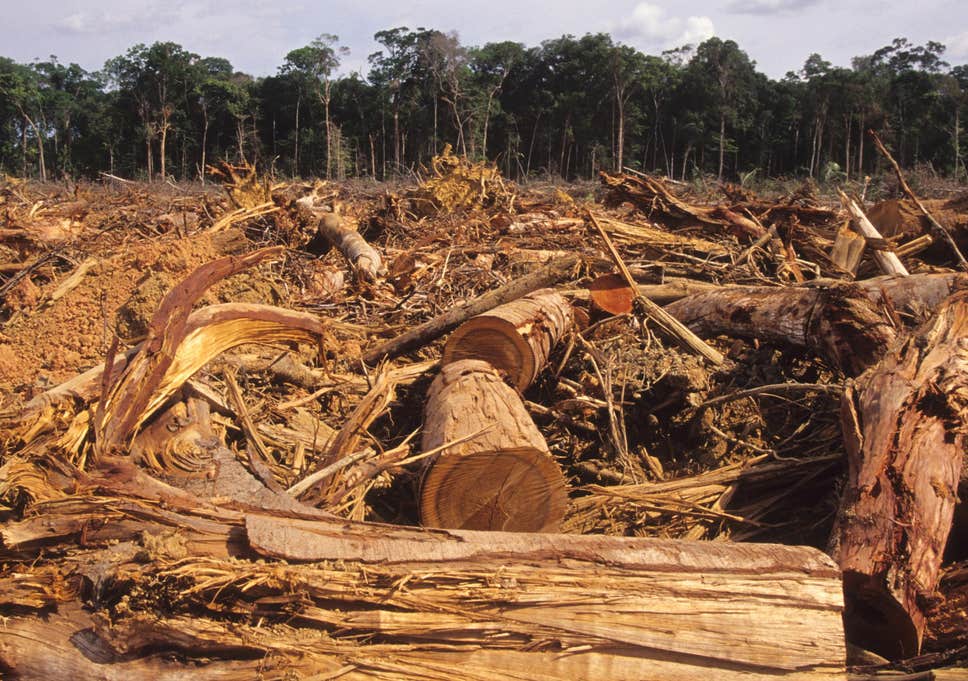
Beef production drives deforestation five times more than any other sector
22 April 2021
A research published in the World Resources Institute in March 2020 found that two of the main products responsible for deforestation are beef and soy, the latter being used for animal feed. The EU, as net importer of these products, should address the impact of such imports on the environment and on animals to ensure coherence between EU trade policy and the EU Green Deal.
According to a research by Global Forest Watch, the total loss of tropical forest increased by 12% overall between 2019 and 2020. Agriculture is the top source of worldwide deforestation (40%), and among the top commodity-drivers of deforestation, beef holds the first place.
Overall, beef is responsible for 36% of all agriculture-linked forest-replacement. The huge responsibility borne by the beef industry is due to the conversion of forests into cattle pasture, which amounted to 45.1 Millions hectares of lands deforested between 2001 and 2015 – a rate that is five times higher than for any other analysed products.
Soy also ranks seventh in the study, as it is responsible for the destruction of 8.2 million hectares of forests between 2001 and 2015. Soy is widely produced to serve as animal feed, notably in the poultry (37%) and pigs sectors (20%). Therefore, the role played by the meat industry in global deforestation largely exceeds the role played by the beef sector itself.
The findings by Global Forest Watch are deeply alarming, as rampant deforestation has clear impacts on wildlife and their habitats and can lead to the extinction of species that only exist in one specific region. 80% of terrestrial species live in forests, and the world is currently undergoing the sixth great mass extinction of species, which is mainly due to agriculture, according to Global Forest Watch’s report. Deforestation is also a source of many welfare-related concerns. With the increase in wildfires, animals -wildlife, but also pets – are suffering and many do not manage to escape. For the surviving wild animals, many are displaced and will generally suffer from starvation and social disruption.
Whilst hot spots of deforestation vary by sector, the beef industry related deforestation is highly concentrated in the Amazon, which is home to millions of species.In Brazil alone, which hosts the largest part of the Amazon, over half of the deforestation came from pasture in the last twenty years. The responsibility borne by agriculture (including the beef sector) on the Amazon’s deforestation is much higher than in other parts of the world, reaching 56% in 2020 whereas agriculture is generally responsible for 40% of deforestation.
Considering that agriculture-driven deforestation is permanent (whereas lands that suffer from deforestation caused by fires may regenerate), this adds a sense of urgency for the EU to uphold its sustainable agenda. Mercosur is already the largest supplier of beef to the EU, accounting for 73% of total EU beef imports. If the EU-Mercosur trade deal was implemented as it stands, imports of beef would increase between 30% and 64%. The Ambec report – the impact study commissioned by the French government – concluded that, as it stands, the EU-Mercosur agreement would generate an extra 25% of deforestation in the Amazon in the six years following its entry into force.
As Eurogroup for Animals has been continuously advocating, the unconditional liberalisation of animal products foreseen in the EU-Mercosur trade deal would fuel intensification of animal farming, which not only is extremely detrimental to animal welfare, but would also highly contribute to fuel deforestation. We thus call on the EU to uphold the objectives of the Farm to Fork Strategy, which are to use trade policy “to obtain ambitious commitments” from partners in key areas such as animal welfare.
The EU must take the opportunity of the EU-Mercosur agreement to negotiate the adoption by Mercosur countries of EU-equivalent legal standards in key sectors (beef, but also broiler chicken and laying hens), as well as in terms of transport, or to agree on conditions to access tariff-rate quotas or liberalisation in animal products, including the respect of EU-equivalent animal welfare standards.
Shocking video! Dog dragged behind car! Now in safe hands.A shocking video emerged last night – dog dragged behind car for kilometers!
Outrage as videos emerge of a dog being dragged behind a car with a rope tied around the dog’s neck to the car.
The dog could obviously not keep up with the car, had fallen on his side, and was being choked to death as the rope cut into his neck. Caring people forced the car to stop, but the dog continued to struggle to breath even once the car stopped and the rope was removed. Many people saw the horrific scene and were so appalled they reported to authorities.
The ISF were quick to act, the driver was arrested and investigation was opened.
Animals Lebanon had continuous phone calls with relevant authorities to figure out the actual facts and ensure the dog is taken for emergency care. Late at night, we were able to transport the injured dog to the vet. The dog Leo suffered from severe trauma, hyperventilation, and the skin on his paws has been degloved leaving open wounds that needs daily care. On top of the physical damage, he is also extremely stressed out.
As the ISF continue their investigation and follow up, Animals Lebanon will ensure the dog is brought back to health and in good hands. This is the second case this month of a dog being dragged by a car, the animal welfare law completely forbids such actions. The law came into effect in 2017 after years of effort, and in such extreme cases the law must be enforced by the authorities to ensure that the sanctions and penalties are applied.
We will continue to care for Leo to ensure fully recovery and make sure to know he is safe and loved.
Thank you all for making the cat trip happen! We were finally able to send 15 special need cats to the states last month. Blind, two legged and even cases with complicated wounds got this second chance. Thanks to Tabby’s Place, Lambertville Animal Welfare & Monmouth County SPCA – USA these 15 special cats finally have the life they deserve!
Lebanon is going through a very tough period. The unstable political situation, the lack of a government, the deteriorating economic situation, the coronavirus pandemic, the lockdown and the Beirut Blast have taken their toll on the country. So many people are leaving the country and leaving their pets behind and so many abuse cases are occurring. The high number of such cases and the care and follow up they need is a huge task.
We are trying our best to help as much as we can, but with the current dire situation it is getting more and more difficult.
And I mean…“Education is key and we were taught that eating animal products was good for us but we’ve been lied to for 100s of years,” said the Formula 1 world champion.
So many celebrities advertise openly and with conviction against meat consumption!
Who would have believed 30 years ago that we would still experience all of this?
… everyone thought of a utopia.
Many thanks to the vegan Lewis Hamilton for fighting for animal rights
Several cases of bird flu have been discovered in Denmark. The authorities ordered the animals concerned to be slaughtered.
After a new outbreak of bird flu, 19,000 geese and ducks have to be killed in Denmark. As the veterinary and food authority announced on Wednesday, they want to start culling the animals on Thursday in order to prevent the pathogen from spreading further.
“We were on the verge of lifting the restricted zones after the recent outbreaks in West Zealand and were looking forward to an end to the epidemic,” said Deputy Head of Department Tim Petersen.
“So it is unfortunate that we have a new outbreak.”
The H5N8 avian flu is a deadly disease for birds. Poultry flocks could be infected by wild birds foraging for food.
Bird flu has been affecting Danish poultry farms for five months.
The current outbreak was the 15th since November, the message said. Due to the epidemic, chicken and poultry owners across Denmark are required to keep their animals under or locked away.
In addition, each outbreak creates additional local restricted areas for owners of chickens and other birds.
And I mean…First tons of fur animals and now the poultry. Just the expression “they want to start culling the animals …” reminds us of the mass murder of fur animals and shows what fascism we live in when it comes to other animals.
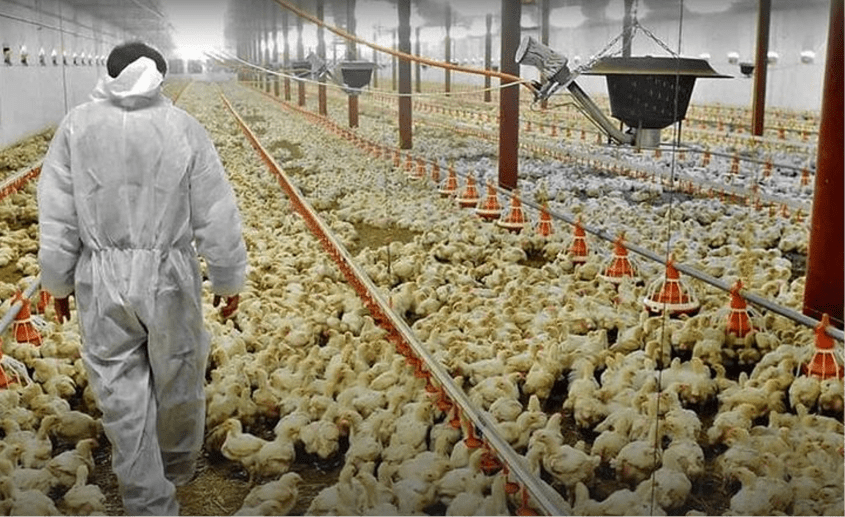
Just take a good look at the picture above for 1 minute.
Concentration camp – that is the cruel and torturous factory farming.
Thousands upon thousands of animals in a confined space in artificial light.
No wonder when epidemics break out, such animals are very often pumped full of antibiotics. With such animal husbandry, the risk of epidemics and severe diseases increases enormously.
First with animals and then with humans.
And then we banish the danger for us, human animals with – as always – the mass murder of the innocent.
Wouldn’t it have been a good strategy for Corona to “cull” too?
EARTHDAY.ORG’s mission is to diversify, educate and activate the environmental movement worldwide. Growing out of the first Earth Day in 1970, EARTHDAY.ORG is the world’s largest recruiter to the environmental movement, working with more than 75,000 partners in over 192 countries to drive positive action for our planet.
Our world needs transformational change. It’s time for the world to hold sectors accountable for their role in our environmental crisis while also calling for bold, creative, and innovative solutions. This will require action at all levels, from business and investment to city and national government.
That’s where you come in: As an individual, you yield real power and influence as a consumer, a voter, and a member of a community that can unite for change.
Don’t underestimate your power. When your voice and your actions are united with thousands or millions of others around the world, we create a movement that is inclusive, impactful, and impossible to ignore.
Every Earth Day can drive a year of energy, enthusiasm, and commitment to create a new plan of action for our planet
Near Bidnija in the north of the Mediterranean island, walkers discovered two plastic bags with seven freshly shot Marsh Harriers last Sunday.
The animals belonged to a larger group of consecrations that had spent the night in the nearby fields and were caught under fire by several poachers when they left the roost.
(Footage provided by BirdLife Malta and Kurt Galea Pace).
“We assume that the men were disturbed and therefore did not take the birds with them,” said committee spokeswoman Fiona Burrows.
Colleagues from our partner association BirdLife Malta documented the terrible find on video and informed the police.
Upon closer examination of the alleged carcasses, it turned out that one of the birds was still alive. The animal was immediately taken to a veterinarian but has little chance.
The find is the previous low point of this year’s hunting season, which lasts until April 30th.
Several dozen protected migratory birds have been reported to “Birdlife Malta” since Easter, including numerous marsh harriers and lovebirds, two kestrels, a steppe harrier, a cuckoo, and a red chalk hawk.
Today we received more information about illegal kills.
Even if we are currently only working with one team on the island, we will do everything we can to secure the resting places of the birds that are now strongly migrating.
Due to the numerous violations of nature conservation and hunting law, we expect the Maltese government to put an immediate end to spring hunting, which is illegal under EU law (!!)
And I mean…So far, the useless leaders in the EU have shown very little interest in fighting these illegal Maltese massacres and have not been able to ensure that Malta, as an EU country, also participates in European hunting regulations.
A major failure is that corrupt politicians and lobbyists from the island who change and repeal ad libidum these rules, which apply to the whole EU, will not be punished.
It shouldn’t really be a problem to finance an extra special unit against the mass murderers of Malta, considering that mainly we, as the largest net payer, finance this EU practically from the beginning.
In view of this situation, the work of the Committee against Bird Murder is all the more important, and this organization should also be supported in its work.






 Symbol picture: Instagram



 World Animals Voice