Month: March 2022

Germany-White-tailed eagle shot down

White-tailed eagle shot down in Saxony – Anhalt (Germany)

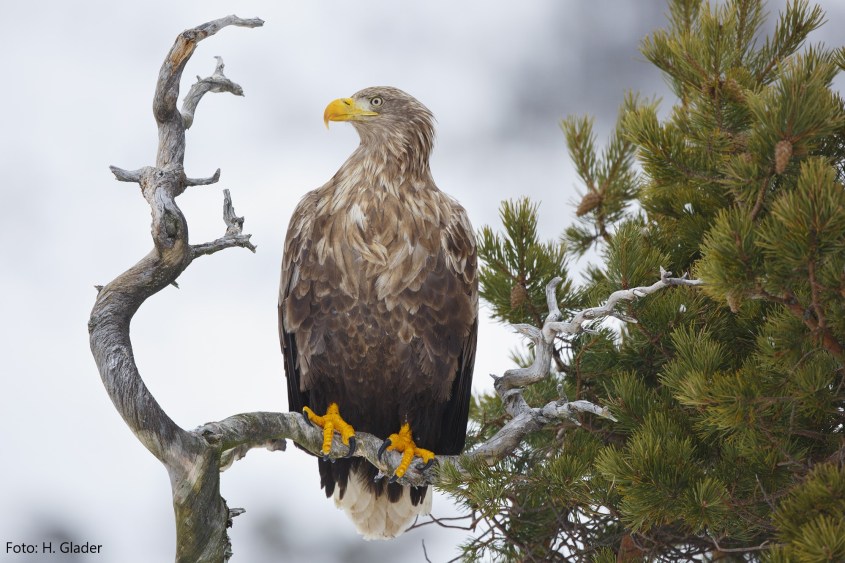
“Flight recorder data” convict hunters as perpetrators! Last week, a strictly protected white-tailed eagle was shot down by an irresponsible hunter in the state of Saxony-Anhalt.

What the shooter didn’t know:
The rare bird of prey carried a GPS transmitter from the LIFE EUROKITE species protection project, which – like a flight recorder – precisely recorded the course of the crime.

According to the project manager Dr. Rainer Raab, it is the first time in Germany that the illegal shooting down of an eagle with the help of a transmitter could be documented meticulously and to the meter.
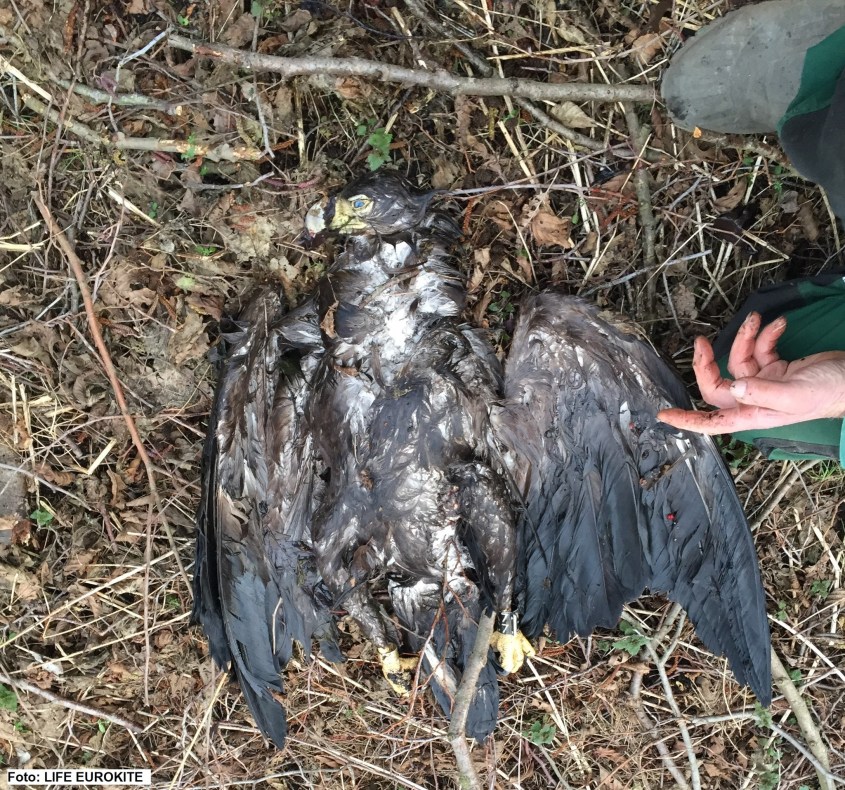
The evaluation of the transmitter data showed that the carcass was transported to a residential building after the death on February 24 and kept there overnight.
After a check revealed that the address was the residence of the responsible hunting tenant, the nature conservation authority carried out an inspection there.

Confronted with the allegations, the 81-year-old man admitted shooting down the eagle with a hunting rifle and taking it home with him.
Apparently, the man didn’t notice until the next morning that the bird was wearing a transmitter.

In order to cover up the crime, according to the nature conservation authority, the transmitter was tied to a piece of wood and thrown into the Biese river the following day.
The dead bird was also later “disposed of” in a body of water.
During a search, both the eagle and the transmitter were recovered and secured as evidence.
White-tailed eagles are one of the strictly protected bird species in Germany and enjoy a year-round closed season.

The committee against bird murder and LIFE EUROKITE have now filed criminal charges for violating the Federal Nature Conservation Act, the Animal Welfare Act and the Federal Hunting Act.

If convicted, the accused hunter faces up to five years in prison, a hefty fine and the withdrawal of his hunting license.

Read the detailed press release of the “Committee Against Bird Slaughter” and LIFE EUROKITE here: https://www.komitee.de/de/aktuelles/presse-meldungen/2022/protected-white-tailed-eagle-shot-in-germany/

And I mean…According to the Committee against Bird Murder, a total of 1,626 cases with more than 2,213 victims have become known in Germany since 2005, including 67 white-tailed eagles.

In Saxony-Anhalt in particular, 40 cases have been reported in recent years, including 15 captures, 10 nest destructions, seven shootings, six cases of poisoning and two cases of illegal husbandry.
And that’s just the tip of the iceberg; as experience has shown that more than 90% of all crimes go undetected.

The perpetrators who have been convicted to date are almost always pigeon or poultry breeders or hunters who regard birds of prey as competitors.

This case happened on March 1st and both the prosecutor’s office and the police who took over the investigation have not provided any information on the case yet!!
One speaks of the revocation of the hunting license in this case.

Based on previous experiences, no effective conviction of the killer can be expected
And that’s why no one obeys the law.

My best regards to all, Venus

Women’s Day

On International Women’s Day, we recognize the countless women working to create a world where animals are respected and protected. The contribution of women to the fight for justice for animals is vital and cannot be ignored.

Women throughout history have led the animal protection movement, from the first animal shelter in America founded by Caroline Earle White, to the first suffragettes who gathered at vegetarian restaurants.

Women in the animal rights movement are becoming stronger, united and present, not only in the fight for animal liberation, but also in the convergence that this social justice movement has with the feminist fight.
For decades, bold, brave and passionate women have been on the front lines, defending animals and fighting to create a more compassionate and just world.

Fortunately, many people around the world are working to end animal cruelty.
But among all these people, and in the front line, we find many women.
Indeed, the animal rights movement is a movement led primarily by women.

In hunting sabotage, in actions in bullfighting arenas, in rescuing animals from stables and laboratories, in undercover filming… courageous and determined women are present.

We pay tribute and honor to all the courageous women of the animal rights movement.

My best regards to all, Venus
Our daily egg – intolerable suffering for hens

Switzerland-Lucerne Newspaper, 23.02.2022

97 percent of all laying hens have a broken sternum: X-rays with shock results!

Egg laying non-stop: The work of laying chickens has surprising consequences for the animals, as new analyzes by the University of Bern (Switzerland) show.

Organic hens from supermarket chain “Migros” and “Coop” are also affected, as reported by “K-Tipp” (a Swiss consumer magazine which is the magazine with the most readers in Switzerland. .

This result makes your egg stick in your throat: researchers from the University of Bern regularly X-rayed 150 laying hens in Switzerland over a period of ten months to analyze the physical consequences of their egg production.

They came to the conclusion that 97 percent of the animals had a broken sternum.
This is reported by the “K-Tipp” in its current issue.

On average, each chicken had three broken bones – in some animals it was as many as eleven.
According to the consumer magazine, the problem is not new, but the results indicated that it is bigger than previously known.
In earlier studies, for example, many fractures went undetected because the researchers only felt the bones and did not X-ray them.

Water with painkillers

That’s what Michael Toscano, head of the Center for Animal Welfare at the University of Bern, suspects.
“You often don’t see the pain in the chickens.
Nevertheless, there is evidence that a condition is present: Hens with broken bones move less.
They take longer to get off their perches.
And they choose to drink water that contains painkillers more often,” Toscano told “K-Tipp”.

According to the University of Bern, there are various reasons for the fractures.
But it is clear that the bones of the overbred chickens are brittle.

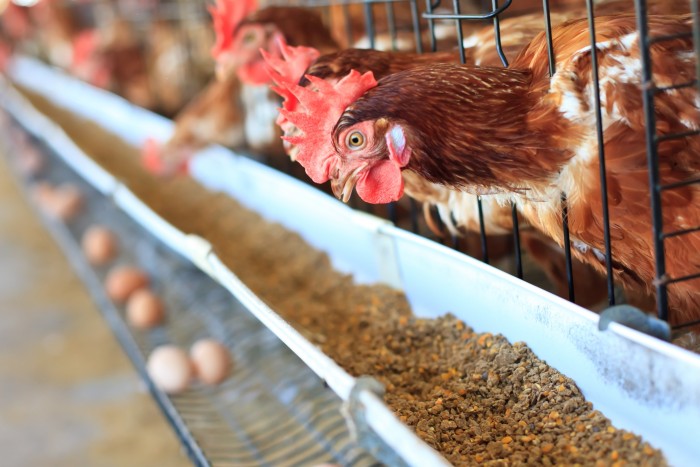
On average, a laying hen produces 323 eggs – almost one egg a day.
Chickens get the calcium they need for eggshells from their own bones.
The assumption of veterinarians is that the bones do not regenerate this calcium completely and therefore become porous.

Worldwide suffering

According to the report, it is also possible that some animals start laying eggs too early when their bones are not yet developed.
With the result that just a violent flapping of the wings or a collision with the perch causes the breastbone to crack.

Hanno Würbel, Professor of Animal Welfare at the Faculty of Veterinary Medicine in Bern, criticizes sharply the situation:
“With today’s keeping and breeding of chickens, pain and suffering for many animals is inevitable.
And that’s just not sustainable.”

The extent of suffering is enormous worldwide.

According to Würbel, almost all laying hens used in Switzerland are affected in all forms of husbandry, including free-range and organic farms that are sold in Swiss supermarkets.

The Swiss supermarket chain “Migros” only tells the magazine that the issue affects the entire industry.
She does not want to comment further on the broken bones.

According to the report, egg producers around the world keep the same high-performance breeds.
Their breeding is therefore in the hands of a few corporations such as the German EW Group or the Dutch Hendrix Genetics.

They are currently trying to breed hens that are less prone to fractures.
The federal government and the egg producers are also counting on this.

Low alternative offer

Instead, the animal protection organization recommends switching to dual-purpose chickens, which provide meat as well as eggs.
These lay 70 to 100 fewer eggs per year and are therefore likely to be significantly less affected by fractures.

However, of the 3.4 million laying hens in Switzerland today, just under 20,000 are dual-purpose chickens.

https://www.luzernerzeitung.ch/wirtschaft/neue-studie-roentgenbilder-mit-schock-resultat-97-prozent-aller-legehennen-haben-ein-gebrochenes-brustbein-ld.2254714

And I mean…Almost 70 percent of all “farm animals” in Switzerland are chickens.
After fish, chickens are the animals we kill the most every year-worldwide.

The strongest intensification has taken place in poultry fattening. Approximately 63% of the chickens in Germany live in huge halls with up to 6,000 animals.
High-performance breeds are bred to lay a particularly large number of eggs in a short period of time.
After about a year, the animals are so exhausted that they can no longer perform well and are killed.

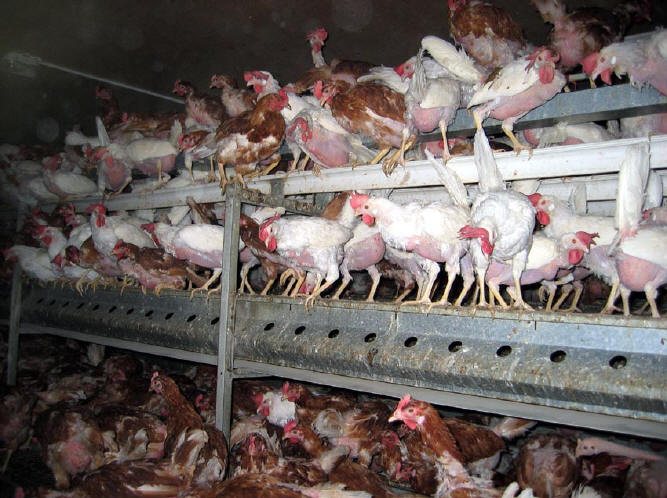
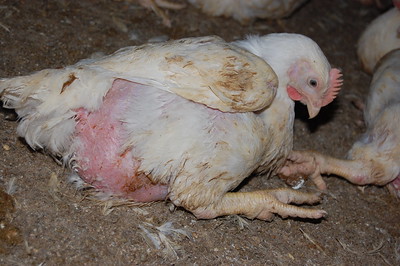
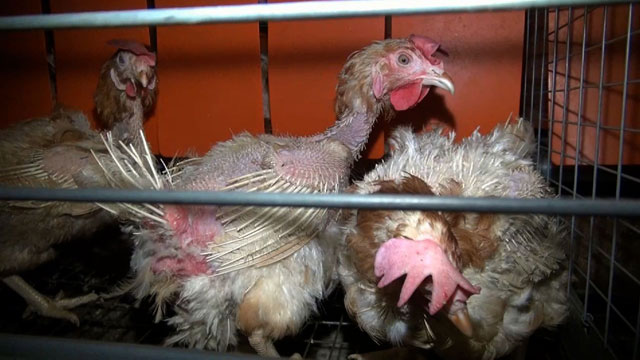
At the end of their lives, the animals are severely weakened by their cruel life, have an inflamed cloaca and almost no feathers left, partly because they peck at each other due to the poor keeping conditions.
They are kept in confined spaces, often without natural light, and live in cramped stalls on their own dung.

Male chicks must be discarded because they don’t lay eggs and weren’t bred to put on a lot of meat in a short amount of time—and so aren’t profitable.
Every year in the EU, more than 300 million chicks are crushed alive in a shredder or gassed immediately after hatching.
In Switzerland alone there are 2.3 million annually.

At the age of 12-15 months, the animals are slaughtered and often still marketed as soup chickens, turkeys are 3-4 months old at the time of slaughter..
When the chickens are caught, panic often breaks out in the coop, and many chickens are injured or suffocate under their own kind.

The brutal egg industry is responsible for massive animal suffering and apparently this is not uncommon and not country-related.

Dead hens, inflamed cesspools, broken legs and bones, bare pecked animals and wrongly declared eggs, the egg industry is gambling away a cruel reality with rosy advertising promises of allegedly happy chickens.

The global chicken business is a bad thing.
Locked up by the thousands in a very small space, the suffering of these animals bred for maximum performance never ends.
Using animals as disposable goods is unethical and reprehensible.

The tragic irony is that none of this all is actually necessary – because there are plenty of alternatives.
Good food is also possible without eggs, without meat, without animal products, i.e. without animals having to suffer and die for our food.

My best regards to all, Venus

Alaska’s Wildlife: There’s nowhere like it- and yet it is in danger!

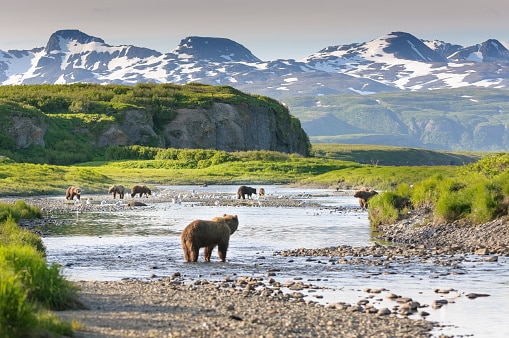
Alaska is home to countless animals and the largest and most pristine remaining wilderness in the United States.
If any remnant of the original wild glory of our country remains, it is there.
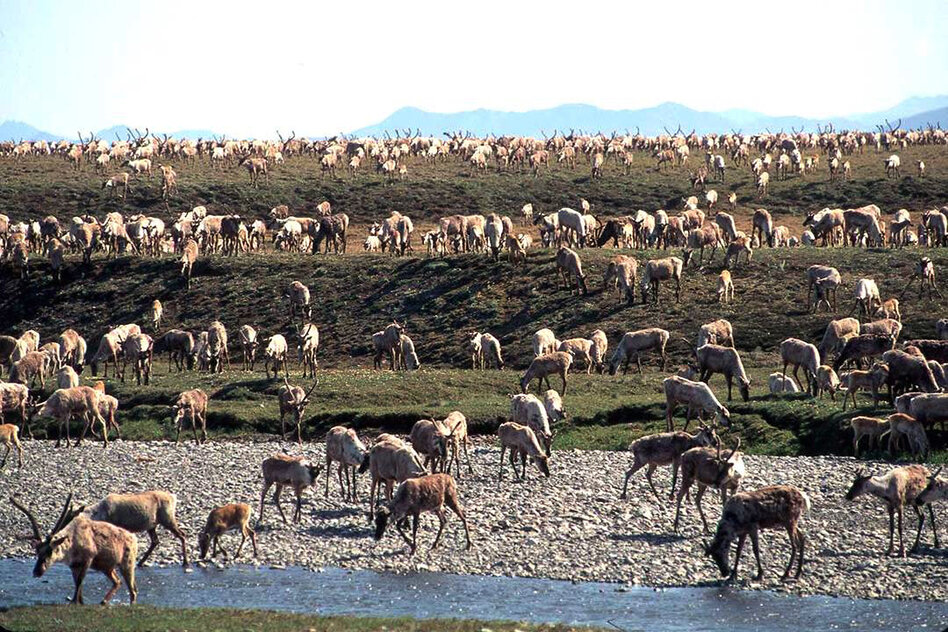
Unfortunately, human greed knows no bounds, and malignant forces are aligning to bulldoze and cement over wildlands by developing a 211-mile industrial access road straight through the heart of the Alaskan wilderness, where it would ravage the pristine landscape and disrupt the migration pathway of the largest caribou herd left in North America.

https://taz.de/picture/4340903/948/25764665-1.jpeg

Roads are one of the most destructive forces against animals and their natural habitats. Animals are frequently struck by vehicles.
Some die instantly, but others are maimed and must endure long, agonizing deaths. In the United States alone, over 1 million vertebrate animals are killed by vehicles every day.

The proposed development could include four or more large-scale mines, along with hundreds of smaller ones across the region.
It would require 48 bridges and 3,000 tunnels to cross 11 major river systems and thousands of smaller wetlands, rivers, and streams.

Roads also fragment habitats by preventing animals from crossing.

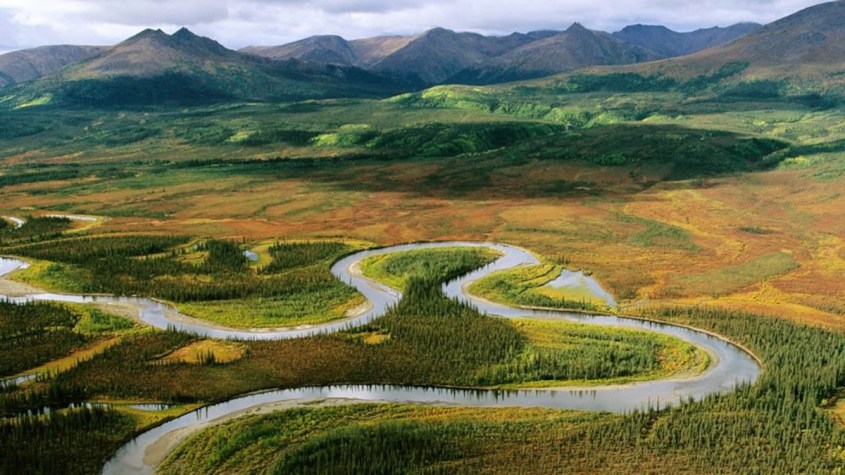
This reduces the size of local populations, making them more vulnerable to inbreeding and extinction.
Roads, besides being ongoing massive killers of wild animals, are also a source of pollution, which degrades the natural environment around them.
Trucks emit fossil fuels and leak and spill oil.
Light and noise pollution are also harmful to animals.

On top of all this, the road would slice through Gates of the Arctic National Preserve, a U.S. national park established to protect the wilderness area and the animals who live in it.

This is the future in store for the Western Arctic Caribou Herd, whose members undertake one of the longest land migrations on Earth if the Ambler mining road is built.
The herd is already stressed and in decline, and it is entirely possible this road, in severing its migration pathway, could drive the herd to extinction.

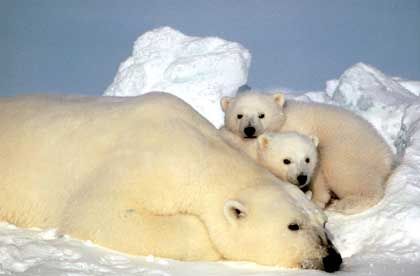
Other local species will also be devastated should the road be built.

Urge the Department of the Interior and the Army Corps of Engineers to halt plans for the Ambler mining road!

https://www.idausa.org/campaign/wild-animals-and-habitats/latest-news/alaska-caribou/

And I mean…The Road would pose a multitude of threats to wildlife, fish, and soil-, air-, and water-quality…not to mention the visual impacts of such a major development and associated infrastructure marring an otherwise pristine landscape unmatched in but a few places on Earth.

One need only look to similar operations over the world with mines –all are for terrible examples of toxic levels of windblown lead and zinc dust, and the enormous naturdamages through wastewater discharge issues.

Let’s be clear here: we are on the brink of irrevocably alterning one of the last great wildernesses on Earth so that a Canadian company can grow ever wealthier by selling the “product”.

It’s the same tired story that’s been repeated time and again the world over; but the stakes are much higher now because these untrammeled landscapes are truly endangered, if not extinct already by most practical measures.
The idea of making a short-term monetary gain from the loss of species, a homeland and a way of life is, well, kind of criminality.

We have to mobilize us, it is our duty to to save them! with petitions, letters, demonstrations… rather than selling this nation’s greatest wealth to the most convenient bidder.

My best regards to all, Venus

Wales (UK): Animal Equality Exposes the True Cost of Milk.

7 March 2022

Animal Equality

Investigation

Click below – ‘Watch on YouTube’:

Animal Equality has released disturbing undercover footage of deliberate violence and neglect on Madox Farm, a large dairy farm in Carmarthenshire, South Wales, which holds over 650 cows and their calves.

Animal Equality’s investigator covertly filmed troubling scenes spanning several months, including a number of serious legal violations. The footage reveals workers kicking and punching cows in the face and stomach, twisting their tails, and hitting them with sharp, metal shovels.

Footage from the investigation was broadcast to millions of people on BBC One’s Panorama. The program also featured an interview with Animal Equality’s investigator, who spoke about the violent methods he witnessed farm workers using to attempt to get a cow who had collapsed back to her feet.

Managers on Madox Farm were also found on several occasions to knowingly leave cows to suffer in severe, prolonged pain. On one occasion a cow was left in excruciating pain after her unborn calf had died inside of her. Despite a veterinarian who was visiting the farm recommending prompt euthanasia, which would have put the cow out of her misery, the on-site manager opted to delay action. The veterinarian was recorded saying that “this is one place where they’d rather just save the money”. The cow died overnight.

Animal Equality has investigated four UK dairy farms over the past six years and found violent treatment of cows and/or illegalities on each one. They assert that it is never the case of just one farm or worker being a ‘bad apple’ ­­– the entire dairy industry is built on exploitation and as a result, animal suffering is at its core.

Animal Equality is therefore demanding that the UK Government puts in place critical changes to the law to license farms, increase farm inspections and better protect farmed animals. They want to ensure that animal abusers are held accountable.

Read more at source

Join their crucial call by adding your name to Animal Equality’s petition.

Regards Mark

USA: Iditarod, The Cruelest Dog Race In The World, Has Started.

Iditarod

What we are told:

Iditarod Trail Sled Dog Race

Iditarod Trail Sled Dog Race
DateMarch
LocationAnchorage to NomeAlaska, United States
Event typeSled Dog Race
Distance938 mi (1,510 km)
Established1973
Course recordsMitch Seavey, 2017, 8d 3h 40m 13s
Official siteiditarod.com

The Iditarod Trail Sled Dog Race, more commonly known as The Iditarod, is an annual long-distance sled dog race run in early March. It travels from Anchorage to Nome, entirely within the US state of AlaskaMushers and a team of 14 dogs, of which at least 5 must be on the towline at the finish line, cover the distance in 8–15 days or more. The Iditarod began in 1973 as an event to test the best sled dog mushers and teams but evolved into today’s highly competitive race.

Teams generally race through blizzards causing whiteout conditions, sub-zero temperatures and gale-force winds which can cause the wind chill to reach −100 °F (−73 °C). A ceremonial start occurs in the city of Anchorage and is followed by the official restart in Willow, a city 80 miles (129 km) north of Anchorage. The restart was originally in Wasilla through 2007, but due to too little snow, the restart has been at Willow since 2008. The trail runs from Willow up the Rainy Pass of the Alaska Range into the sparsely populated interior, and then along the shore of the Bering Sea, finally reaching Nome in western Alaska. The trail is through a rugged landscape of tundra and spruce forests, over hills and mountain passes, and across rivers. While the start in Anchorage is in the middle of a large urban center, most of the route passes through widely separated towns and villages, and small Athabaskan and Iñupiat settlements. The Iditarod is regarded as a symbolic link to the early history of the state and is connected to many traditions commemorating the legacy of dog mushing.

Iditarod Trail Sled Dog Race – Wikipedia

Our recent posts -see the full list, including videos, by clicking on the following:

Search Results for “iditarod” – World Animals Voice

Search Results for “musher” – World Animals Voice

Race Map – click on ‘Checkpoints’ for more details of each. 

Race Map – Iditarod

Main website  Iditarod

Dog Care ? – see our video links given above –  Leaders in Dog Care – Iditarod

Regards Mark

“Human suffering is lamented, animal suffering is ignored”

From the Facebook page of the Austrian philosopher and animal ethicist Helmut F. Kaplan:

“Obscene from an animal perspective *:
Human suffering is lamented, animal suffering is ignored

Photo: Frankfurter Allgemeine

Animals are deliberately exposed to the conditions of nuclear war to determine how long they will survive and how they will die.
Animals are tied up and shot at with guns to explore the effects of new munitions.
Animals are ruthlessly frightened, expelled, injured and destroyed in the “opening” of nature, in the demolition of buildings, in the construction of roads, in the construction of dams and so on and so on.
Flocks of birds that impede airport operations are ruthlessly massacred.

Gassing and poisoning squads are on the move everywhere and without interruption in order to “exterminate” “vermin” and other “pests” in the most brutal way.
Not to mention from the round-the-clock, routine massacres in experimental laboratories and slaughterhouses around the world”  ( from his book “Animal Rights and Human Rights: One Unit”)

* (His statement came after an article in the German newspaper “Frankfurter Allgemeine” entitled: “The situation in Ukraine: the population is already on the brink”).

https://www.facebook.com/tierrechte/

“Animals are almost always in the position of being (much) weaker than humans!
By nature, because we are mostly rationally and practically superior to them, ‘by civilization’, because we scientifically optimized and technically perfected exploit and kill them in animal factories and slaughterhouses. In experimental laboratories, animals are even deliberately humiliated and terrorized.” (Helmut F. Kaplan)

He said everything, actually.
Who else wants to comment here…

regards and good night, Venus

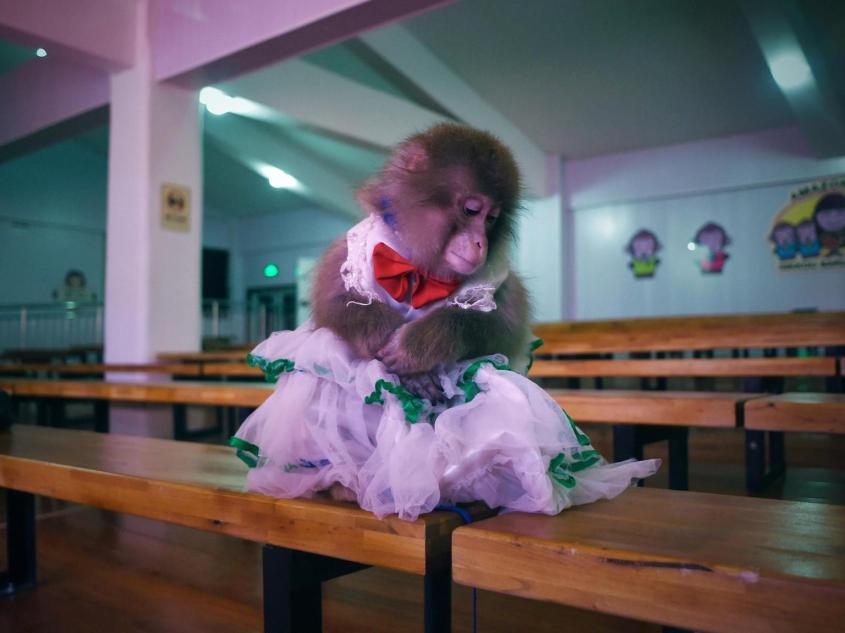
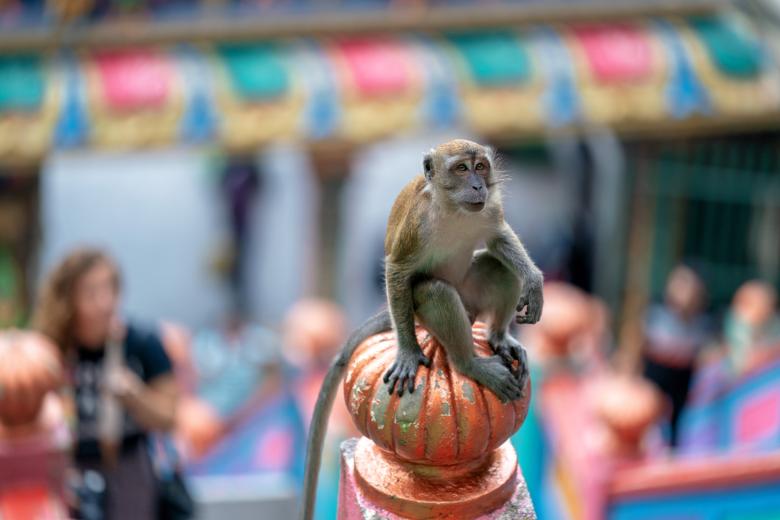
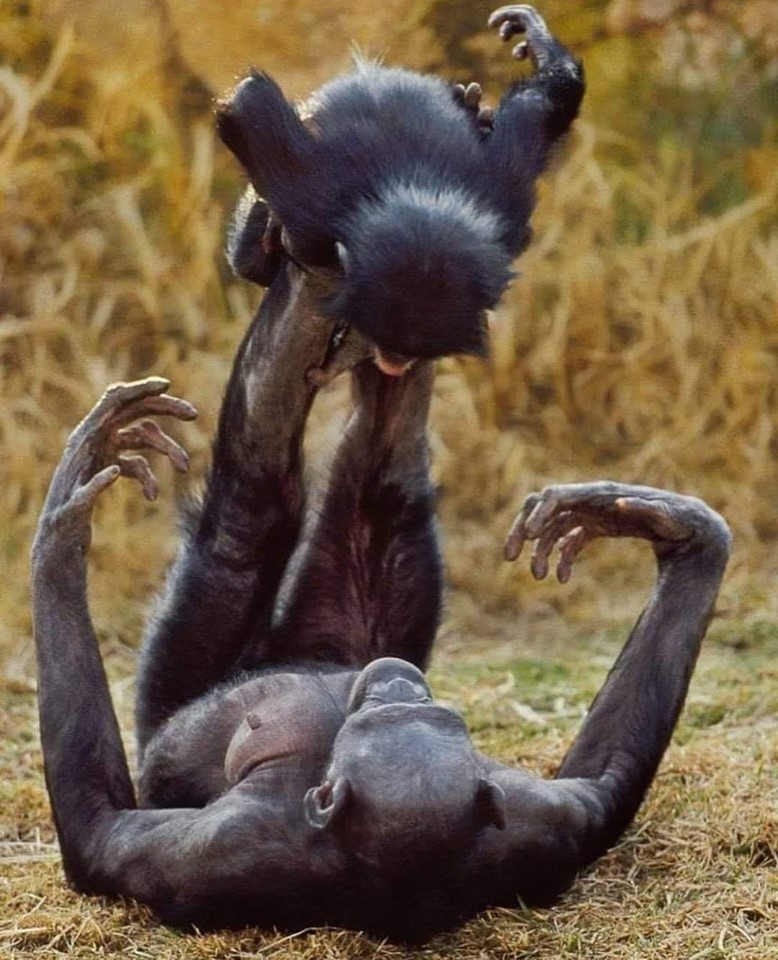
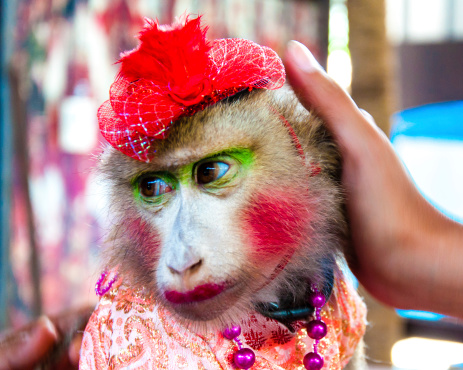
Primates as “Pets”- a life of misery and suffering

A new bill has been introduced to spare primates a life of misery and suffering as “pets.”

The Captive Primate Safety Act will ban the trade of prohibited primate species in the United States for private possession.
Please urge your U.S. congressional legislators to end the cruel primate pet trade today!

The Captive Primate Safety Act (CPSA) would ban the “importation, exportation, transportation, sale, receipt, acquisition, and purchase of any ‘prohibited primate species’ for private possession.”
The species prohibited under this bill include c​​himpanzees, galagos, gibbons, gorillas, lemurs, lorises, monkeys, orangutans, tarsiers, or any hybrid of such a species.

Humans are primates and we share undeniable similarities with other primates.
We are all mammals with enhanced vision, large brains relative to our body size, front-facing eyes that allow for depth perception, five digits to grasp objects, and we experience slow growth and longer lifespans.

Females birth a few offspring throughout their lifespans, typically one at a time, and nurse their young.
Primates engage in complex social structures and communicate through vocalizations, facial expressions, gestures, touching, and more.

Just like humans, other primates can learn and have the ability to utilize tools to accomplish tasks.
They feel joy, fear, pain, anger, and grief.
Some species, such as chimpanzees, have even been known to have exceptional senses of humor and laugh at each others’ jokes.

Nonhuman primates are native to tropical and subtropical forests where they are adapted for temperature, precipitation, vegetation, diet, and space.
Confining these animals as “pets” deprives them of socialization with their species.
They are also denied the mental stimulation they would naturally experience as they are unable to explore and learn in their natural habitats.
Primates confined as “pets” are also unable to follow their instincts to procreate and care for their families, and are generally deprived of everything wild animals need to thrive.

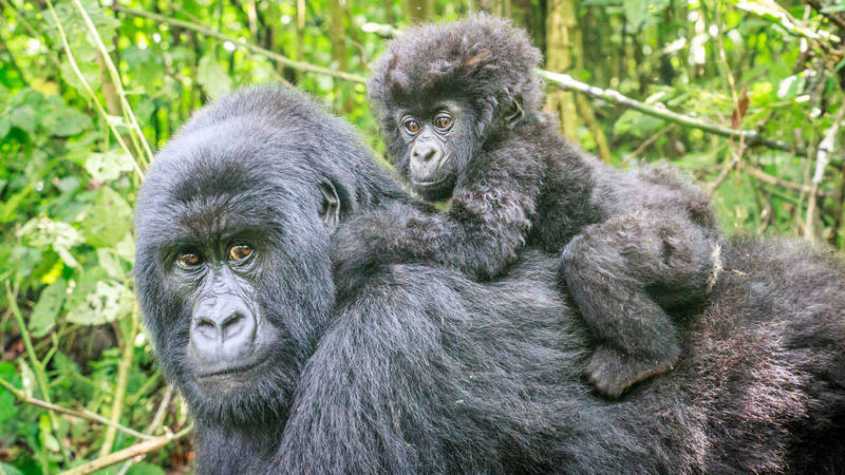
Nonhuman primates are typically ripped away from their mothers and sold as babies.
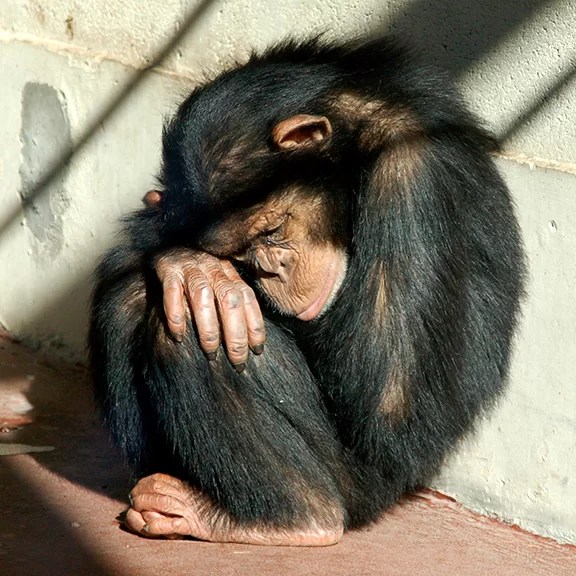
As they grow, their wild nature makes it evident that they suffer in captivity and cannot be controlled, creating a dangerous situation for the animals and their captors.

Sadly, primates are not only exploited within the pet trade.
They are held captive for profits in zoos, experimented on in science labs, and used for entertainment purposes.

The Captive Primate Safety Act would end the primate pet trade only, but it is a significant step in the right direction.

https://www.idausa.org/campaign/wild-animals-and-habitats/latest-news/stop-primate-pet-trade/

And I mean…For every baby monkey that ends up in zoos or as pets, an average of ten adult monkeys die because they are highly sensitive animals that will defend their young at any cost.

The decline affects the species differently.
The number of chimpanzees has fallen by at least 40 percent, and there are still around 300,000 animals in West and Central Africa. The number of gorillas fell by at least 35 percent to an estimated 300,000 specimens.
All great ape species are threatened with extinction.

It is a highly lucrative business for the pet traders.

While the poachers get between $50 and $100 for the babies, the pet traders charge up to $250,000 for the monkeys.
The illegal trade in rare animal species is the fourth most lucrative illegal business in the world after drug and human trafficking.

Scientists estimate that unless concrete action is taken to help primates, they may become extinct within the next decade.

These animals are invaluable to tropical biodiversity as they are important for forest regeneration and stable ecosystems.
If they die out, that is an alarm signal that these habitats will no longer be usable for humans in the long term.

My best regards to all, Venus

THIS is the reality about dog sledding-a musher describes it

“Forget the dog sledding propaganda you’ve been fed and see the reality on this video”.

https://fb.watch/bzfZajR4WA/

https://www.facebook.com/official.peta

Some on that: The dogs used in the Iditarod have to walk up to 160 kilometers a day.
They traverse freezing winds, sub-zero temperatures, dangerous sheets of ice and blizzards in which they can hardly see anything.
While some dogs wear snowshoes, many dogs suffer cuts, bruises, and abrasions from walking the long distances on frozen ground.
Most states in the US have laws that prohibit animal overcharging—not so Alaska.

And the dogs also suffer off the track.
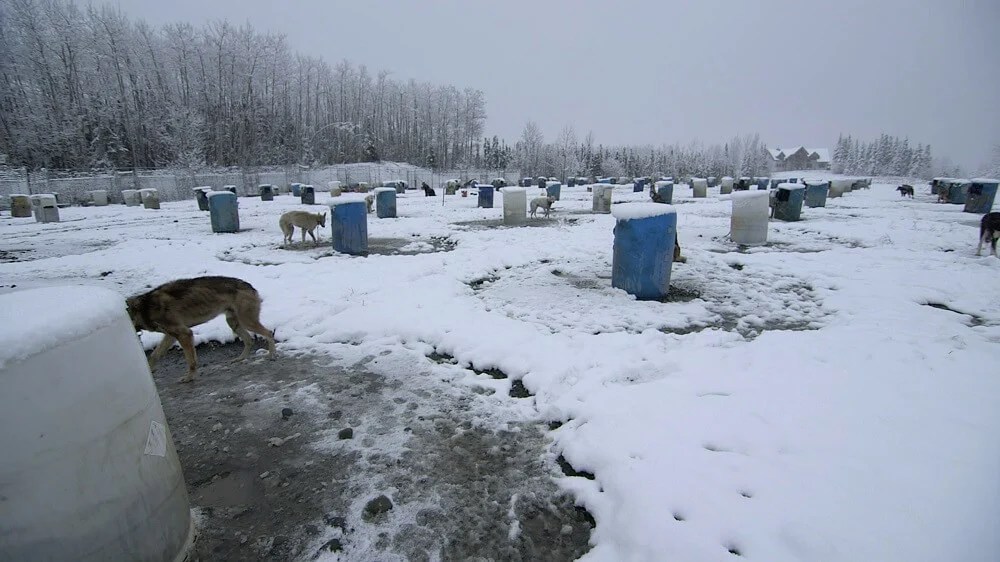
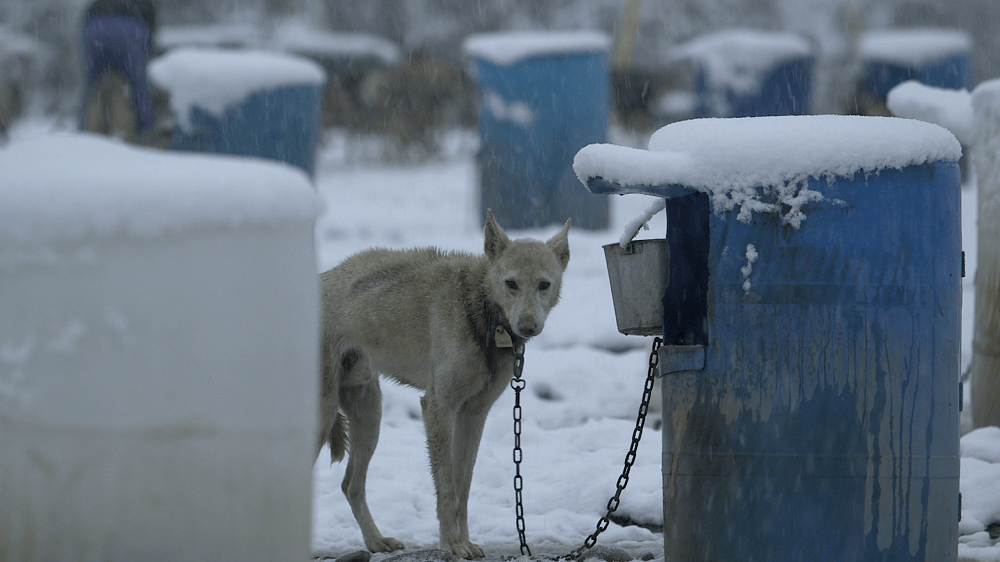
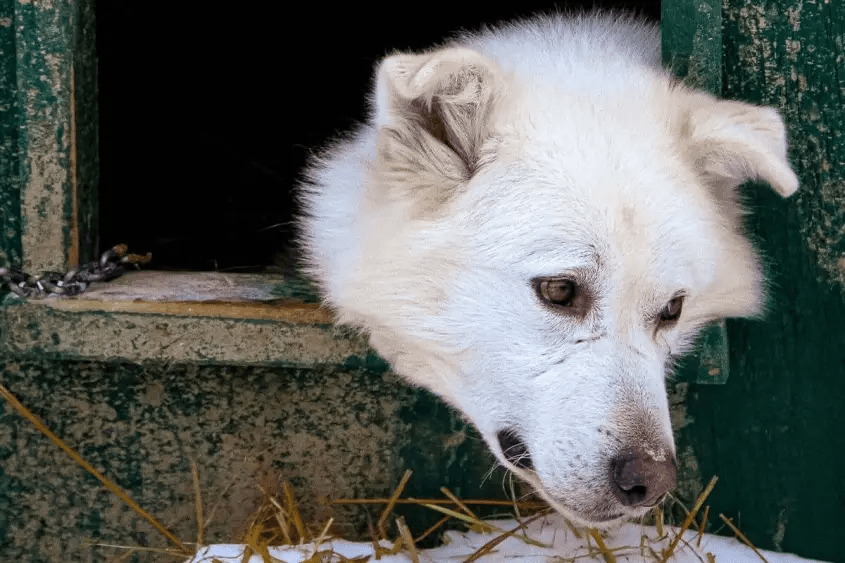
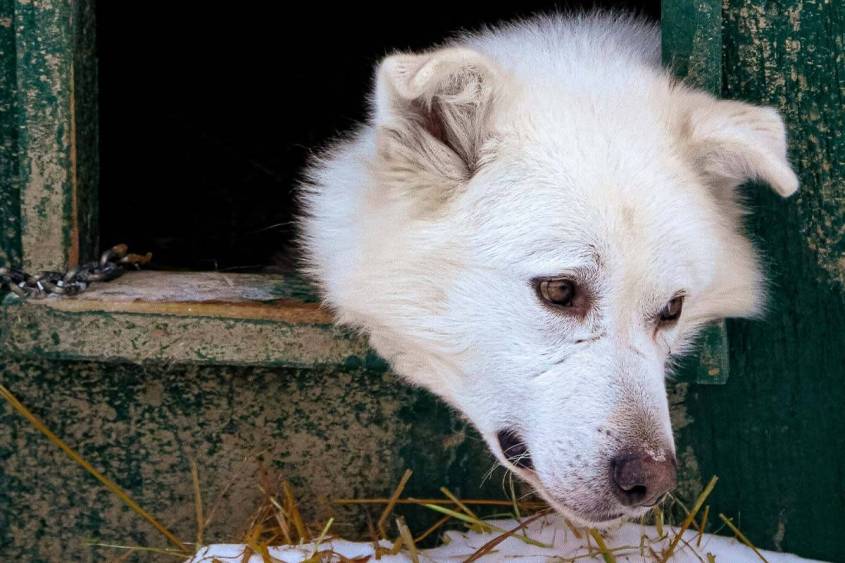
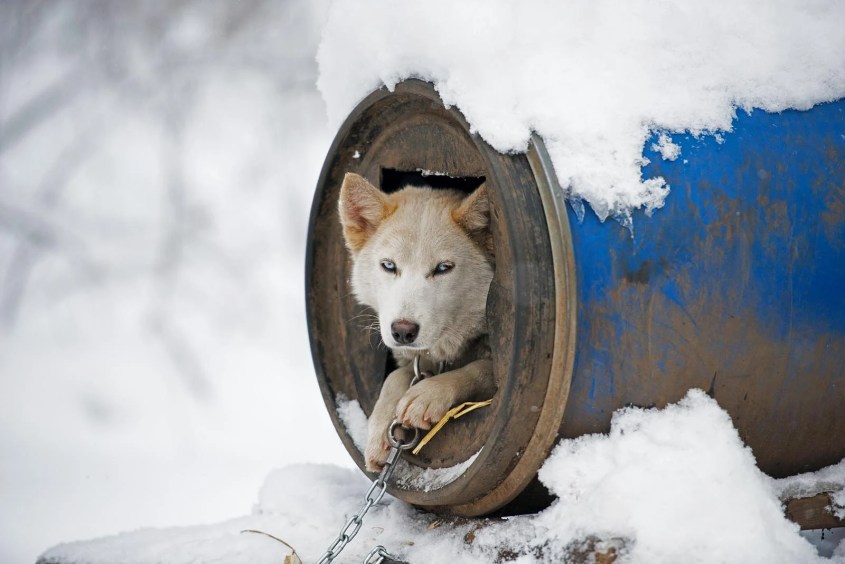
Most of the animals used in sled races are chained.
These dogs usually only have an upturned barrel or a run-down hut for protection.
Dogs that aren’t the best runners (like in the video) are often treated like faulty equipment.

In the past, such dogs have been beaten, shot, abandoned or abandoned in already overcrowded animal shelters.

Iditarod fatalities are not uncommon
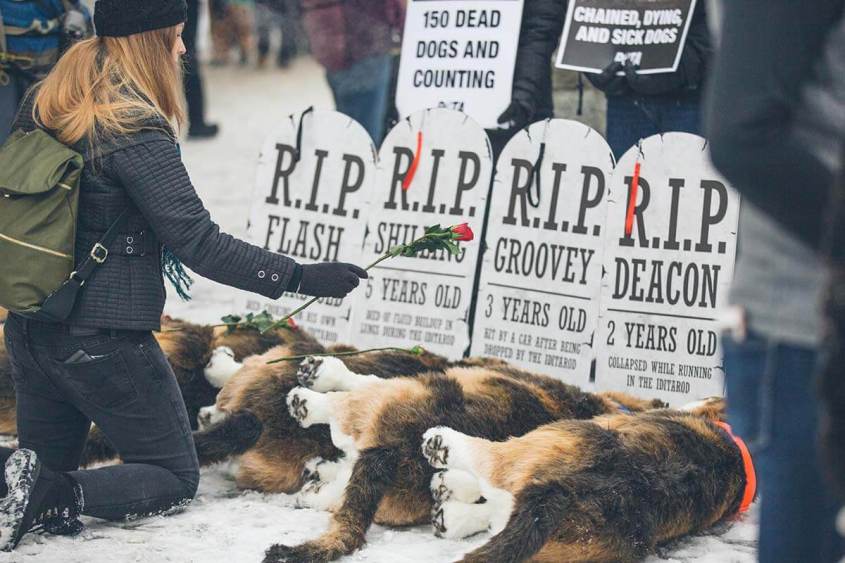
At least 150 dogs used in the Iditarod have died since 2004. In 2015, dogs Stiffy and Wyatt died on the track.

Countless dogs are injured – for example, some dogs belonging to musher Yuka Honda, who crashed into a sled and was then run over by another!!
And Laura, a five-year-old dog who was reportedly virtually “blind” and often appeared “confused.”
Nevertheless, the musher Kelly Maixner let them compete.

In March 2020, over 220 dogs were withdrawn from the race because they were exhausted, ill or injured.
The good news: An international campaign against this cruelty to animals, numerous protests and the support of countless animal lovers showed success!
In 2019, Coca-Cola said goodbye as a sponsor of the race.
In January 2021, ExxonMobil also announced that it would no longer support the race from 2022.
In early 2022, the hotel chain Millennium Hotels and Resorts announced that it would end its sponsorship.

We must not let up. Endurance counts in animal protection.
This cruel dog sled race must no longer be encouraged and the suffering of the dogs must finally end.

The Formula 1 owners support the infamous Iditarod dog sled race in Alaska as a sponsor.
There is a petition against it.
If you haven’t already – please sign this petition and urge Formula 1 owners to stop supporting the deadly Iditarod sled dog race.

https://www.peta.de/aktiv/iditarod/#petition

My best regards to all, Venus