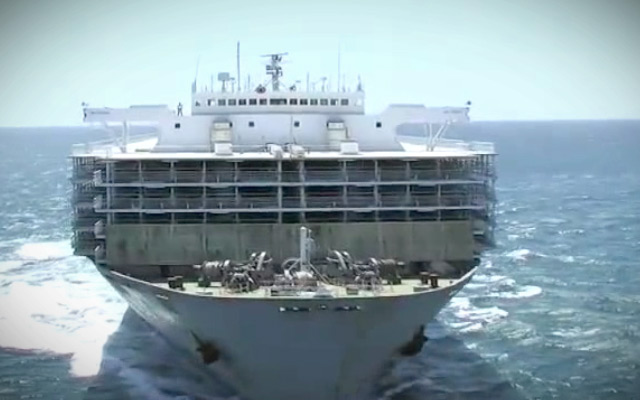
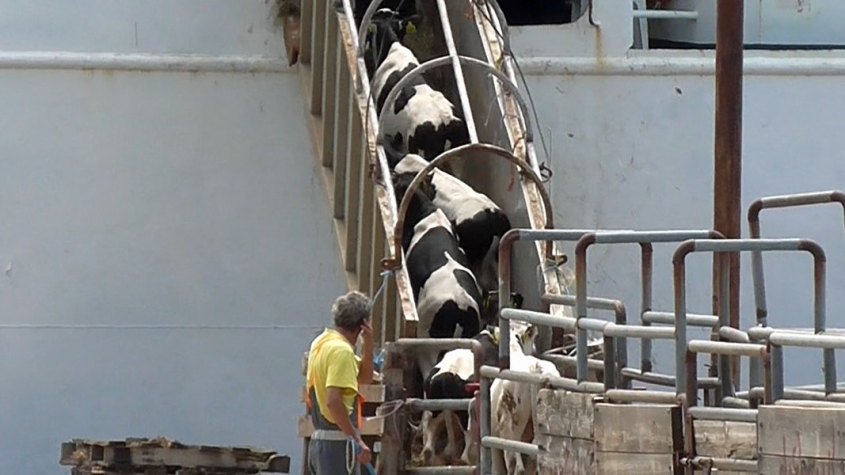
In late December, some 1,800 bulls left Spain for Turkey aboard a ship called the Elbeik. The trip was supposed to take around 11 days, then the cattle were to be sold, mostly to halal slaughterhouses, where they’d be killed with minimal suffering, as required by religious law.
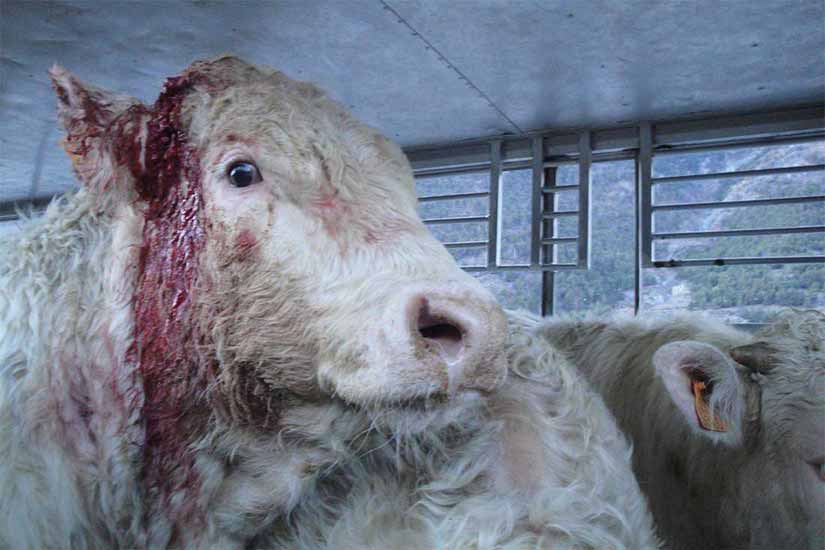
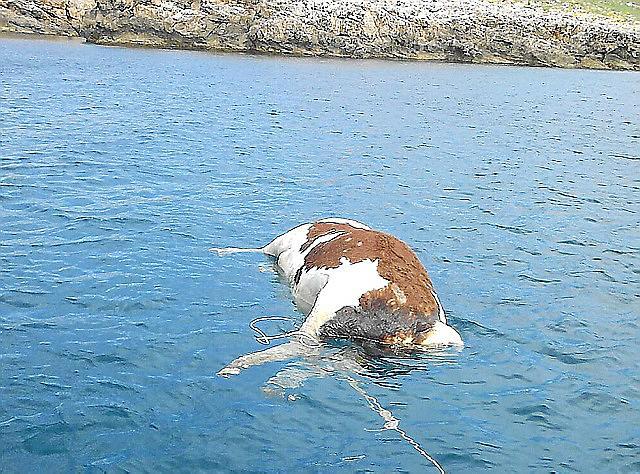
At least it would have been swift. For the next three months, as the pandemic began to wreak havoc on global shipping, the vessel failed to unload its cargo, and the animals began to starve, according to an investigation by the Spanish government. Nearly 10% of the bulls died, their corpses thrown overboard or left to fester in the pens among the living. When the Elbeik returned to Spain, authorities ruled its remaining 1,600 animals were too sick to sell and had to be put down.
The Elbeik has become Exhibit A in the mounting case to ban the controversial, $18 billion cross-border trade in live animals. The pandemic has worsened conditions for the roughly 2 billion cows, sheep, goats, pigs and chickens that are exported each year, and epidemiologists have joined the calls for reform. Animals have been stuck in transit far longer than expected and safety inspections have been dramatically curtailed. With new sensitivity to risks that diseased animals can pose to humans, a growing number of countries are limiting or phasing out the practice altogether.
“When it comes to animal welfare, transport by sea is a big black hole,” said Thomas Waitz, an organic farmer from Austria who is a European parliamentary representative on a committee charged with updating the rules for the cross-border shipping of animals. “Ship transports completely fall outside of any regulations or animal-welfare standards. Public health is at risk if animals are transported in conditions where germs and bacteria can flourish.”
The EU, which accounts for more than 75% of the world’s live animal exports, is “incapable of guaranteeing animal welfare,” according to a report commissioned by the committee, which is expected to recommend a new, tighter set of regulations for exporters by the end of the year. The U.K. has gone further, planning to ban the transport of live animals for slaughter altogether, though it hasn’t set a date yet. New Zealand in April said it will phase out trade in live animals by 2023.
Some 39 million tons of meat were exported globally in 2019, most of it slaughtered, packaged and frozen or chilled beforehand — a process that’s more lucrative for meat producers and avoids the health and safety issues of transporting live animals. But as consumers in countries like China and Vietnam have grown wealthier, they’ve added more meat and dairy to their diets, amping up demand for breedstock and dairy animals. The robust market for halal meat among devout Muslims also means demand has spiked in recent years. Prices for live cattle from Australia are at record highs.
Is the EU actually starting to listen to its voting citizens ?
On 23 June 2016 an EU referendum took place and the people of the United Kingdom (UK) voted to leave the European Union (EU).
The UK formally left the EU at the end of 31 January 2020, after being an EU member state since joining on 1st January 1973, along (at that date) with other nations Denmark and the Republic of Ireland.
Why did the UK vote ‘out’ – or ‘Brexit’ ? – a lot of UK citizens were seeing the EU and many (most) of its MEP politicians and Commissioners, as monolithic invertebrates who did little for the wishes and demands of the electorate; the requests of the ‘normal’ EU citizen, it was simple a case of the politicians riding the EU ‘gravy train’; often bettering themselves (in many ways), whilst dismissing the wishes of good European people with ‘yukspeak’ returns to their letters and e mails, asking them why this and that was not being addressed in the EU Parliament.
So, after years of basically very little worthy of mention from the EU, the vertebrate citizens of the UK said they had been given enough rubbish by the EU; and so they voted out, to leave, Brexit. People wanted their personal parliament back with regards rules and regulations, free to decide rather than be told to by the EU.
Personally I was one of them – an ‘outer’. It was not a simple question to ask yourself at tea time one day – do I stay or do I go ? type thing; I debated the issue with myself for months in advance; largely keeping my opinions to myself. There were reasons for this which only other animal campaigners probably understand.
As an animal activist, and having been to the EU in Brussels many times on animal issues; and authoring endless amounts of complaints, reports and investigations into animal suffering issues within the EU, I had over the years, simply been lied to, given false promises, and made to believe time and time again that there were all the regulations and rules in place by the EU masters which thus prevented the evidence I presented at the table from being ‘true’. In other words; the EU political system was basically calling me a liar, and the evidence which I personally presented, along with many other wonderful groups and people in the EU, was simply being dismissed and put into a file known as the ‘EU trash bin’.
As a person with decades of experience dealing with animal transport abuses along with many others; a voice had to be shouted and my opinion noted. Consequently, I voted out of the EU, monolithic, invertebrate, gravy club; and decided that ‘going it alone’ would be the only way for the UK to get back the legislation needed as required by the citizens of the UK. For example; for decades I had been attending demonstrations all over England asking for a ban on the live transport of animals. But, under EU rules, and this is still the case for other EU member states; they (member states) are not allowed to introduce their own national legislation to ban live animal transport. The EU says ‘No’, so no it is; despite overwhelming evidence from a multitude of EU animal welfare organisations showing the EU legislation, in the form of Reg. 1/2005 for the so called ‘protection of animals in transport’, simply was not working. It never has worked, it does not work now, and it never will work in the future. ‘Yukspeak’ to the EU citizen from Brussels; as I have said before.
So, I have been somewhat surprised and amazed to read over the last few weeks, that there is going to be progress in the form of bans on animal cages in the EU.
And the news this morning, 12/7/21; that the European Parliament, is answering to a call from cross party MEPs to clarify how the Commission is planning to deliver on its commitment to proactively reduce and replace the use of animals in EU laboratories
Finally, is the requests of the EU citizen; the ‘normal’ person; being listened to, and more importantly, acted on, by the hierarchy in the ivory tower known and EU Brussels ?
Is there a reason for this ? – are all the years of bullshit and non sensical returns from the EU starting to show them that there are dissident things brewing around Europe ? – is it finally a case of bullshit no longer; the common man now sees clearly through the smokescreen that we, as a EU Parliament and Commission(s), have hidden behind for decades ? – is the emperor starting to lose his clothes ?
The link (source) given at the end is very interesting reading:
Italy would be the most likely of the “Big Four” member states to consider exiting the European Union if Brexit proves to be beneficial to Britain, according to a Euronews-commissioned poll.
Data from the Redfield and Wilton Strategies survey found that nearly half of Italians would be likely to support their country leaving the EU if the UK and its economy are regarded to be in good health in five years.
In the event, France and Spain both showed moderate support for changing its relationship with the bloc, while Germany was the member state least likely of the four major players to consider leaving the Union.
The time came many years ago when the EU should have listened and acted to the wishes of its voting electorate. They failed big time; and only now are we witnessing this rash of new promises and proposals which should make life a bit better for suffering animals. The truth will be in the results and the realities.
On animal transport; as always, there is nothing in the way of real improvement. I read nothing about a ban on live animal long distance transport; instead, I am fed spoonful’s of ‘farm to fork strategies’ on how things are going to be so much better – or in other words; am kind of acceptance by the EU masters that the current system does not really work. Hmm; has this not been said by many for decades ? – why now does the sleeping monolith awaken ?
With the UK being out of Europe, it does not mean that we wipe our hands of EU animal issues; far from it. It does mean though that by getting out, we can set our own better standards in the UK as well as continuing the fight for animal rights with all of our wonderful friends in Europe.
Oh, and by the way; since the UK left the EU a little while ago; the UK government is now putting legislation through parliament which will BAN the export of live animals from British shores.
Reports indicate that the livestock delivered to Israel were living in horrid conditions in the cargo ship, which caused them great suffering.
In 2018 alone, 685,000 animals came to Israel from Australia and Europe. Photo: imago
More than 500,000 calves and lambs passed through Israeli ports in cargo ships during the first half of 2021, according to the Agriculture Ministry, and the Knesset should “act urgently and stop the madness of live shipments,” Animals Now, an Israel-based animal-rights group, said Wednesday in a press release.
Animal shipments to Israel this year have increased 59% compared with 2020, it said. Almost half a million animals were delivered to the country in 2017, it added.
Shipments of animals to Israel come from Australia, Sweden, France and elsewhere.
A bill proposed by Likud MK Miki Zohar would end this practice within three years.
However, in November 2018, the legislative process to pass it was halted due to early elections. Since then, multiple bills have been submitted to stop live animal shipments.
A few bills have been submitted to the current Knesset, spearheaded by Zohar and MKs Sharren Haskel (New Hope), Ibtisam Mara’ana-Menuhin (Labor) and Mossi Raz (Meretz).
The Agriculture Ministry has not imposed sanctions on importers or ship owners who have not complied with the ministry’s guidelines, “Animals Now” said.
Reports indicate that animals that were delivered to Israel were living in horrid conditions while in the cargo ship, which caused them great suffering, it said.
“They do not care about animals,”Animals Now said. “They are only interested in the money they [make] from cramming animals into crowded and polluted ships. We call on MKs and the government to act urgently and stop the madness of live shipments.”
And I mean…In 2019, the bloated carcass of a calf washed up on Zuk Beach in northern Tel Aviv.
A few days later the gruesome incident was repeated. “Where do the dead animals come from?” Asked the bathers angrily. The answer came on the evening news: from the animal transports that regularly ship hundreds of thousands of cows and sheep to Israel.
Died and thrown overboard.
Workers were filmed torturing calves and lambs with electric shocks while they were being unloaded from the ship’s belly. The 20,000 young animals were transported from Australia to the port of Eilat in a week-long journey.
Workers were filmed torturing calves and lambs with electric shocks while they were being unloaded from the ship’s belly. The 20,000 young animals were transported from Australia to the port of Eilat in a week-long journey.
Unloading alone took five long days.
These are images that shock and shake even the toughest.
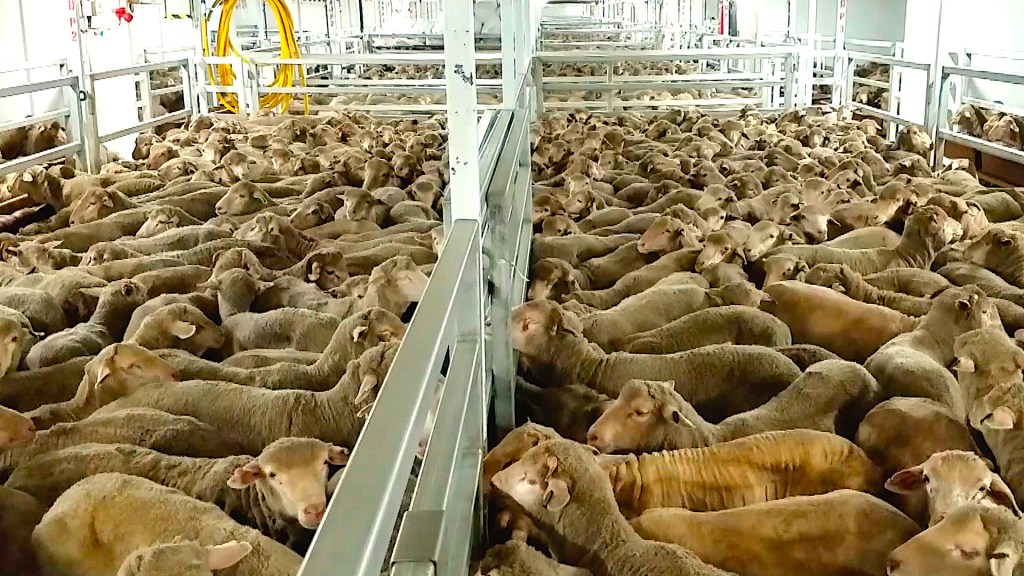
Sheep, cows, calves and lambs, crammed together in the overheated storage rooms of ships, pounding in front of them and then mistreated.
In between sick and dead animals, smeared with excrement and blood.
Many suffer injuries and broken bones from the rough seas.
Israeli animal welfare organizations reported those responsible for cruelty to animals according to the pictures published by TV channel 13.
The spokesman for “Israel Against Live Shipments” said that in the 15 years the group has been active, he has never seen such cruelty to animals. And yet it is not an isolated case, but a daily reality when transporting live animals.
According to the animal welfare organization, it is common practice to simply throw sick or dead animals overboard. “Many even alive.”
In July 2018, a draft to end live transports was accepted by the Legislative Committee in a preliminary reading.
The proposal aims to reduce the shipping of live animals – hundreds of thousands annually – within the next three years and then ban them completely.
Only meat (chilled or frozen) should then be allowed to be transported to Israel.
Sixty rabbis also wrote a public letter in which they made it clear: “This is neither the Torah nor human morality to allow such cruelty to animals.”
Nothing has happened since then.
“They do not care about animals” says Animals Now.
Neither do our corrupt politicians. And not in the whole world.
They control and organize the animal transports according to their economic profit.
No other exploiter is politically and economically more powerful than the meat mafia.
The meat industry makes most of its profits from the suffering and exploitation of animals.
On the other hand, animal exploitation would be unthinkable without the support of a society that still consumes meat in perverse numbers.
We fight against the meat mafia and against this inveterate, meat-oriented ideology of today’s society.
We have had some small successes, but there is still a long way to go.
And we’ll go it.
WAV Comment: For decades, we (in past forms), along with other massive numbers of animal welfare groups across Europe, have been calling for this. Are we now going to see the EU Commission finally wake up and listen to what people have been asking for years ?
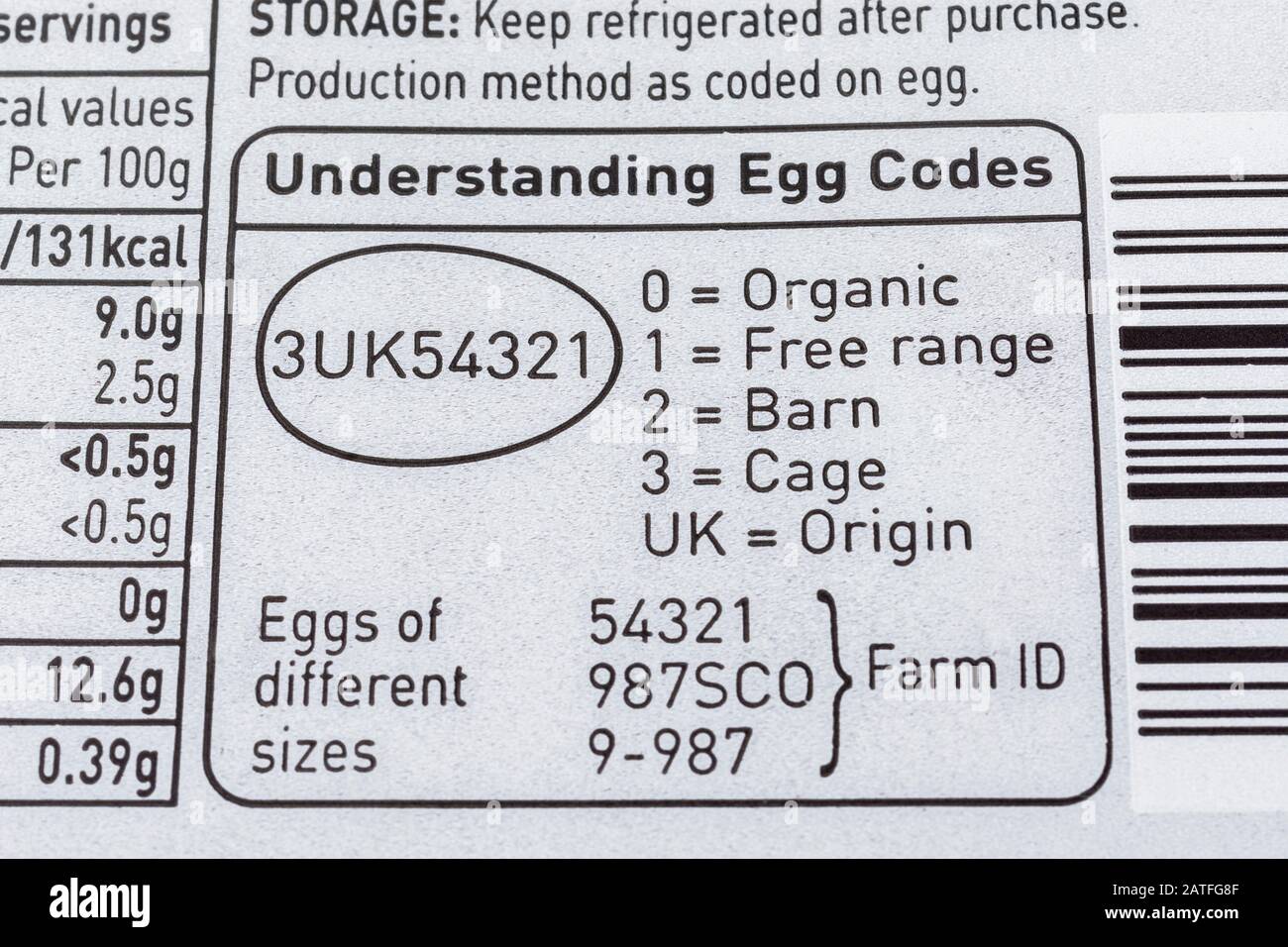
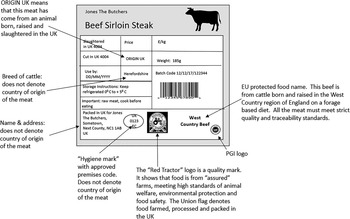
One EU wide labelling system is drastically needed, rather than the current dozen different labelling schemes that include farm animal welfare criteria in at least six European countries. Consumers need to know how their food is produced; is it free range or intensive ? (hopefully cages will go but we need this info earlier); stunned in a slaughterhouse or to religious standards (non stunning / ritual) only ? – we would like to see the country of origin and the country of slaughter; as this will no doubt involve the consumer if the animal involved has suffered live transportation. Labelling needs to apply to ALL products, and to an informative standard, rather than the yukspeak people have had so far. If people knew the facts; we think shoppers would amend their shop drastically. Is this why the EU has never moved on this issue ?
It is time for change, as it was time for change twenty years ago, but then, the EU considered itself above us / more important to bother with issues such as this. People power is now demanding change, and they want it now; as we have seen with the cage systems; consumers want to know where their food comes from. We regard this one standard labelling system as a positive move, but ALL aspects of animal welfare must be given / included to a nowdays much informed consumer.
The days of buying products and not being given any useful information on them has passed, it is now time for change. Bring it on !
Regards Mark
European Commission gives green light for a comprehensive labelling system displaying the well-being of animals over the whole animal food production cycle
7 July 2021
Today, the European Commission’s Subgroup on Animal Welfare Labelling published its final recommendations giving green light for an EU-wide label on animal welfare which will create greater transparency, better opportunities for farmers and a progression framework to improve animal welfare. In order for the labelling system to be effective, it is, however, important the European Commission commits to a mandatory Method Of Production + (MOP+) label which guarantees a harmonised uptake across food industries in the EU.
MOP+ is the most transparent, progressive and fair labelling method. It gives clear and transparent messaging to consumers about how animals are reared as well as allowing for a benchmarking platform amongst existing labels. It also allows for a progression on animal welfare standards by stimulating improvements on animal welfare and providing a full range of products with different levels of welfare to the consumers. On top of that, it provides farmers with a transparent way of demonstrating their achievements on animal welfare, allowing for a fair compensation of their efforts.
The conclusions foresee the labelling to start off as voluntary and state that the possibility of becoming mandatory should be evaluated at a later stage. They also state that a voluntary label represents a great risk to the impact of the label, since not only could the uptake be low but it would also be likely to only be adopted by producers already committed to higher animal welfare standards. The impact of a voluntary label on animal welfare would therefore be lower than of a mandatory label. This would not serve the purpose of providing full transparency to consumers and a fair level playing field for farmers and certainly would not serve the purpose of improving animal welfare across the EU.
Further to that, the recommendations do not mention the coverage of the label in terms of range of production systems. It states animal welfare labels should cover as many individuals as possible. Eurogroup for Animals asks for the scope to be from minimum EU standards to premium standards, also clearly indicating products that do not comply with the minimum EU animal welfare standards, to guarantee the label’s effectiveness.
Other positive key points of the recommendations:
EU animal welfare label should also protect the use of terms and claims indicating a better welfare for animals.
The scope should include not only the rearing but also the slaughter and transport phase. Standards used in animals that are directly involved in the production as sows or cleaner fish should also be included in the label.
Besides fresh products, processed products or products used in food services should also be covered.
The EU label should help harmonise and take existing labels into consideration, helping the consumer gain more clarity on those.
Active participation of all stakeholders is necessary in the creation of an EU wide animal welfare related label and its development should be monitored and evaluated.
Animal welfare is an important part of sustainability, but in case of labelling integration, animal welfare can never be diluted.
Currently, there are a dozen different labelling schemes that include farm animal welfare criteria in at least six European countries, risking the Single Market to becoming fragmented.The European Commission aims to counter this trend and is expected to put forward a proposal for a harmonised food labelling scheme in the context of its Farm to Fork strategy (F2F). At the end of last year, the Council of the European Union on Agriculture and Fisheries also adopted Council Conclusions which had called for an EU-wide animal welfare label aimed at improving animal welfare for as many food producing animals as possible.
WAV Comment – we have taken liberty and snatched a few images from our archives (from Animals Australia etc) just to add what this is about. We still dont think that they have the capacity to understand what this whole issue is about.
We will leave it to our Patron, Philip Woolen to make it clear:
PETA Sends Meat-Themed Crossword to Scott Morrison and Barnaby Joyce
Amid increased discussion about ways to mitigate farmed animal-generated methane – a greenhouse gas that’s up to 30 times more potent than carbon – PETA has sent a unique meat-themed crossword puzzle to Prime Minister Scott Morrison and Deputy Prime Minister Barnaby Joyce, among others, urging them to “get a clue” when it comes to the problems with meat.
The puzzle’s clues include, “A small, native marsupial facing extinction, largely because of land clearing for meat production” (koala) and “A slab of muscle, cut from the corpse of an animal who wanted to live” (steak).
In an accompanying letter, we warn leaders of placing all their focus on changing cows’ diets and digestive systems, saying, “No matter what ‘solution’ is latched onto next, be it tinkering with cows’ feed or their microbiomes, it’s always only going to be part of the puzzle.”
As scientists warn that carbon dioxide and other greenhouse gases must fall by between 25% and 50% to limit global warming to below 2°C, it’s little wonder that animal agriculture and governments are scrambling to try anything – from seaweed to vaccines – to limit the sector’s methane output.
However, we can’t help but notice that by zeroing in on this one problem with meat – when there are so many others – Australia is overlooking the simplest solution: making the transition to a kinder, greener vegan future.
Click the link below for the solutions to the crossword.
Can Morrison and Joyce work it out, or do they need to be given the answers ?
Council Conclusions on live transport by sea: unwelcome, unnecessary and unhelpful
28 June 2021
Press Release
Member States send all the wrong signals to the Commission, as EU citizens expect a ban on live exports and animals deserve better.
At the insistence of the Portuguese Presidency, Agriculture Ministers from across the EU today adopted formal Conclusions on animal welfare during sea transport to third countries, a formal expression of the opinion of all 27 Member States, but one that risks hindering progress.
Better rules for live sea transport won’t mitigate the serious risks associated with this outdated trade. Recent incidents as well as a recent new study by our member Animal Welfare Foundation (AWF) and Robin des Bois on EU- certified livestock carriers proved, once again, that live animal export is not a correct practice with regards to animals, humans and the environment.
While the fitness check process is still ongoing, today’s Conclusions also demonstrated added impetus for a new Transport Regulation. The Council still “invites the Commission to submit a proposal for a revised regulation on animal welfare during transport, if possible, sooner than indicated in the Farm to Fork Strategy”, which is more than welcome.
At the same time though, the Council stresses the need to prioritise short term improvements and monitoring, in order to improve the implementation of the current Regulation.
While Eurogroup for Animals welcomes short-term improvements to relieve the immense suffering of animals, it believes that the revision of the Transport regulation should introduce a much shorter maximum journey duration for animals as well as a ban on live exports. Such an approach would fit with the objectives of the EU’s Farm to Fork strategy to significantly shorten supply chains.
In this respect, we applaud the German, Dutch and Luxembourgish Ministers who presented a paper stating that these Conclusions can only be considered as short term measures, but want to see live exports ended through the forthcoming legislative revision.
As stated in the Conclusions, “animal welfare during transport is a priority at EU level and should be ensured at all levels and stages of the journey during the international long-distance transport of live animals including to third countries, while favouring, and supporting, as far as possible, the transport of genetic material and meat”.
We trust the European Commission will keep working on the revision of the Transport Regulation and towards phasing out live exports. The shift to meat and carcasses trade is the only way forward to protect animals, people and the environment. The Council Conclusions are simply unwelcome, unhelpful and unnecessary.
WAV Comment: With a Prime Minister like Justin Trudeau (JT) attempting to be at the helm of Canada; is it any wonder that transport regulations have not changed for 40 years – just like ‘Mr no action’ and the mass seal clubbing that obviously has his support – otherwise, would he not have taken action by now ?
A very good article which probably reflects how many Canadians feel. and the National Animal Care Council – paid money to do what ? – does ‘animal care’ actually come into the equation ?
We totally unite with our campaigner friends at Toronto Pig Save, and all other campaigners across the beautiful country that is Canada – I (Mark) have visited and enjoyed many times. We wish them all well with their campaigns and the fight for justice for sentient beings. And we think things are bad in the EU ? – well they are, disgusting when it comes to live animal transport; but Canada really has to move into this day and age and not live 40 years ago, when the obvious putrid regulations were formed.
Live animal transport – archaic in Canada; disgusting in Europe; so about time politicians woke up, yawned, and then did something in the way of action !
Justin Trudeau; very much living in the past.
‘JT’ Living in the past – and JT stands for ……………………………. we suggest he listens to it sometime.
We’re outraged when dogs are kept in hot cars. Why not pigs in transport vehicles?
In Canada, there are no laws regarding temperatures above or below which farmed animals cannot be transported
A dog suffering in a hot car will typically cause people to react with immediate action and outrage. They break windows, call the police, and the atrocity might even be documented on the news or social media, leading to floods of angry comments and demands that owners be punished. Today the act of locking an animal inside a hot car is widely condemned, considered dangerous, deadly and morally repugnant.
But what if that animal is not a dog, but rather a pig? And what if it is not a car, but a large metal transport truck? What if it is not one, but dozens of pigs crammed together, panting and suffering, after traveling up to 36 hours in the sweltering summer heat?
How do we feel then?
Canada is known for having some of the worst animal transport standards in the Western world. (Dave Ritchie/CBC)
Pigs in distress
Last week, animal rights activists with Toronto Pig Save and The Light Movement shared footage and photos on social media allegedly recorded outside of a slaughterhouse in Burlington, Ont. The videos show pigs inside trucks breathing rapidly, some foaming at the mouth, some lying on their sides in obvious distress.
Environment Canada issued a heat warning for the region the day that footage was shot, with temperatures reaching 33 degrees Celsius in some areas.
But heat warnings don’t stop meat production.
In Canada, there are no laws regarding temperatures above or below which farmed animals cannot be transported.
Though the National Animal Care Council does have recommendations regarding transport of farmed animals in extreme weather, they are merely guidelines — not law — and are vaguely worded and rarely enforced.
This differs greatly from farmed animal transport standards in the European Union, which requires trucks be outfitted with forced ventilation systems that maintain a temperature range between five and 30 degrees Celsius, along with temperature-monitoring systems to alert drivers when limits are reached.
In Canada, where weather fluctuations are arguably more extreme, transport trucks typically employ simple open-air ventilation systems and are not required to have mechanical climate controls or monitoring.
There are also notable differences between Canadian regulations and those of other countries in terms of the lengths of time in which farmed animals can be in transport without food, water or rest.
In the EU, where advocates are currently fighting for even shorter times, cows can be transported for a maximum of 14 hours, pigs up to 24 hours and chickens for 12 hours. In the U.S., there is a law that limits all farmed animal transport to 28 hours.
In Canada, however, cows can be transported for up to 52 hours straight, and pigs and chickens for 40 hours.
That these animals are enroute to their death is no justification for causing them such prolonged suffering: suffering that in no way fits into our general cultural view that animals — all animals — in Canada are to be treated humanely.
Jenny McQueen, a member of Toronto Pig Save, filed a complaint to the Canadian Food Inspection Agency regarding what her group observed and recorded last week, but says she is not confident much will come of it. “I’m used to filing complaints and having no action taken,” she says.
That’s because even though what is seen in the footage could technically be considered against the law, lack of enforcement is also a major problem. “Technically there’s a strong case that the law prohibits it, but in practice it happens every day and the laws go unenforced,” says Anna Pippus, a Canadian animal rights lawyer with Animal Justice.
Outdated regulations
Canada is known for having some of the worst animal transport standards in the Western world, and despite years of protest from animal advocates, it appears legislators are in no rush to update the 40-year-old regulations in order to protect animals from extreme weather. This is in spite of a 2015 poll conducted by NRG Research Group, which showed eight out of 10 Canadians agreed that animal-transport regulations should be updated to reduce animal suffering, including protection from extreme weather.
That means that as the hot summer sun continues to bear down on Canada, farmed animals in hot metal trucks will continue to suffer, day after day.
Canadians do have some power to elicit change within this system of cruelty — apart from lobbying legislators — by simply not contributing to the demand for these products. We can opt instead for plant-based proteins and meat alternatives, access to which has never been easier as vegan restaurants boom across the country. Even Canada’s largest distributor of packaged meat, Maple Leaf Foods, plans to extend its product line to include plant-based protein products.
While the sight of a dog locked in a hot car is sure to elicit strong public reaction, so too should these images of pigs suffering inside transport trucks. Though the majority of us may not want to know how the sausage is made, as Einstein once said, “Think occasionally of the suffering of which you spare yourself the sight.” These animals and the systematic cruelty they endure deserve our attention, our outrage and our action.
The UK government announced back in 2017 that it did not intend to transfer the hard won EU animal sentience regulation into (UK) national law as a result of leaving the EU (Brexit).
British animal welfare campaigners were outraged with this – so it was time to turn up the heat with the British government, who always talk loudly about animal welfare issues. Why suddenly, on leaving the EU, would UK animals NOT still be covered by laws that gave them some protection as an EU member state ?
Battle lines were drawn between the campaigners and the government. The campaigners won, and by the end of the year the UK government was forced into a major U turn.
Despite words from the government, legislation did not materialise. In 2019, a coalition of more than 40 animal welfare organisations joined together, along with over 100,000+ signatures from British activists on a Parliamentary petition, asking Ministers to:
(Note – it has to be remembered that under UK law, if a petition exceeds 100K signatures, then the issue concerned (whatever it is about) has to be debated in the British Parliament, London).
Demands from the people included;
Impose a legal duty on governments to pay all due regard to the welfare needs of animals as ‘sentient beings’.
Recognise animal sentience when formulating and implementing policies.
Ensure clear, consistent processes for for all Ministers to deliver against their animal sentience duties.
Create an Animal Welfare Commission to monitor the government performance against animal sentience law.
As stated, with over 100k signatures on the petition, the petition was debated in Parliament as it had to be. The result being that Victoria Prentis MP (Defra) stated that the government would introduce the necessary legislation on animal sentience as soon as they could.
The people had won with their campaigning ! – efforts had resulted in victory.
But they still had to keep up the pressure for over a year longer to get the legislation. In the Queens Speech on 11th May 2021, defining the schedule for government legislation in the next parliamentary session, the government finally announced legislation would exist under UK law to recognise animals as thinking, feeling (sentient) beings.
The ‘Animal Welfare Sentience Act’ was introduced to parliament 2 days later, and will:
Formally recognise animals as sentient beings under UK law.
Establish and ‘Animals Sentience Committee’, or ASC, to ensure that across all government departments, policy making and implementation considers animal sentience.
Requires Ministers to respond to reports from the ASC, to ensure that they remain politically accountable.
This new law ensures that all farm animals are treated with respect and kindness, and that their experiences and feelings DO matter. This new law is a critical step towards the final goal of ending factory farming and replacing it with sustainable, compassionate alternatives, such as organic and free range farming.
The new legislation is currently working its way through parliament at this very time to become law.
What do we learn ?
Victory is never delivered on a plate.
As with the sentience Bill; the Brits had to work and fight hard to get it; but they did, and they achieved result. Brits are generally good animal welfare people; (II am one of them) – tell them that sentience does not matter and they will probably manhandle you out to the nearest airport, and put you on a one way ticket flight to a distant land.
But importantly, as we always ay in the UK, ‘politicians work FOR YOU’; they are not gods; as they can be put out to pasture whenever the electorate feels the need. So activists everywhere; keep on with your fights, whatever issue it is for, and in the end you will achieve. Personally, I have fought live exports in the UK for over 32 years; but only now, this year, 2021, have we seen the government listen to us and make first moves to get a ban on. Never give up; unite and fight the fight; good (us) always overcomes evil (them) in the end.
I take inspiration from wonderful Jill at Animals Asia (video above), and the multitude of other excellent campaigners dotted all over the globe; unsung heroes who fight endlessly for better welfare and the rights of animals – you all have my greatest admiration and respect. Look at the fur industry – it is on its knees and desperately hanging on in there attempting to survive much because the good, normal people have said ‘No’ to the disgusting abuses that are placed before them by the fur rabble humans.
It is a victory of the people, by the people, for the people but very much for the animals also.
Tuesday 22/6/21 will see the 9th meeting of the EU Animal Welfare Platform
The EU Presidency is urrently held by Portugal for the period 1 January 2021 – 30 June 2021.
In case you are not aware, the EU Presidency is held for a 6 month period by each of the EU member states in turn. It is known as a ‘Rotating’ Presidency, giving each member state a period to set out agendas. When Portugal completes its time, the Presidency will be taken over by Slovenia. You can view all past and future presidencies via this link:
Hopefully there will be some positive news and information; relating to long distance animal transport and also the the ‘End the Cage Age’ relating to the ban on intensive animal farm systems throughout Europe. Other issues discussed will include equine (horse) welfare and the alternative methods to pig surgical castration, and welfare issues associated with dairy cattle.
I think that with the excellent news relating to the ending of intensive cage systems for farm animals –
The citizen of Europe is finally being listened to. Politicians know they have to meet the EU citizens demands or face being un elected whenever the next chance arises. So now we see positiveaction on intensive cages; as demanded by EU citizens. Hopefully there will be positive progress on animal transport to third countries; but we will have to wait and see what news the meeting brings.
All the more reason to add your name to petitions and letters when you have the chance. It may not seem much at the time; but these are very effective ways to make your feelings know; so plese take part.
Rergards Mark
9th Meeting Overview:
The 9th meeting of the Animal Welfare Platform will open with a message from Health and Food Safety Commissioner, Stella Kyriakides, who will give an update on the progress of the ongoing European Commission’s actions under the Farm to Fork Strategy.
Agenda – View the Agenda details via the following:
The agenda of the meeting includes presentations by the Commission of the outcomes of the evaluation of the EU Strategy for Protection and Welfare of Animals (2012-2015), the preliminary results of the Fitness Check of the EU animal welfare legislation and the conclusions of the sub-group on animal welfare labelling. In addition, the third EU Reference Centre for the welfare of ruminants and equines, which was recently designated, as well as the Code of Conduct for responsible business and marketing in relation to animal welfare, will be presented.
MEP Paolo de Castro will introduce the main elements of the recently adopted European Parliament Resolution on the ECI “End the Cage Age”. Furthermore, the Portuguese Presidency will present updates on their work on long distance transport to third countries.
The two first sessions of the meeting will be conducted as part of the United Nations Food Systems Summit 2021 Dialogues to underline the key role that animal welfare plays in the sustainability of food systems. The Platform will have an opportunity to contribute to these dialogues, which are part of the preparations for the Summit in September.
The one-day meeting will be web-streamed (from 09:30 CET).
New study examines for the first time the seaworthiness of 78 EU-certified animal transport vessels.
European NGOs call for a ban on exports of live animals
The EU is exporting its surplus live animal production to third countries in livestock vessels.
Specifically, Spain is one of the main exporters of the EU and its shipments of live animals to third countries do not stop increasing.
In 2020, it exported 193,085 cattle; 9.2% more than the previous year and 906,517 sheep; 20% more than in 2019.
The recent study carried out by the organizations Robin des Bois(France), Animal Welfare Foundation (AWF, Germany) and Animal Welfare Association Zurich (TSB Zürich, Switzerland) examines for the first time the seaworthiness of the 78 certified livestock transport vessels operating in the EU and reaches devastating conclusions:
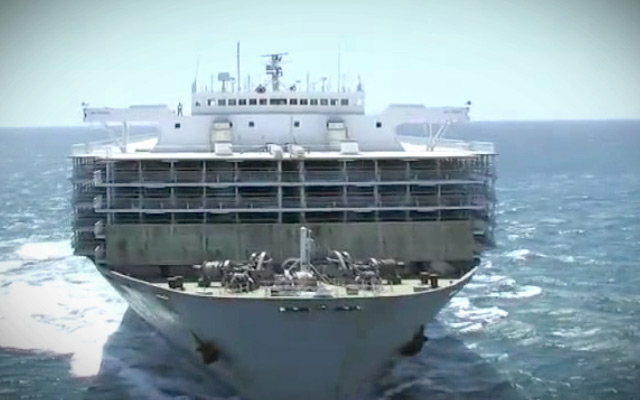
“Livestock ships are the most dangerous in the world. At an average age of 41, the ships are too old, contribute to the pollution of the seas, cause enormous animal suffering, drive mostly under black flags of convenience, and have been approved for navigation by companies doubtful »
(Conclusions of the authors of the report).
Only 6% of the approved vessels were built to transport animals.
Of the 78 ships certified by the EU, only five were built expressly for the transport of live animals.
73 ships were previously used as container ships, ferries or freighters (!!)
‘The global average age of shipbreaking ships is 30 years. However, the 78 vessels evaluated were already an average of 29 years old when they became EU approved livestock transport vessels. They already had a useful life behind them »
(Conclusions of the authors of the report).
Furthermore, these conversions do not take into account the behavior and needs of the animals during sea transport, or which species are to be transported.
Only 6% of EU approved vessels were originally built to transport animals, which means that 94% of vessels were built without taking into account the specific needs of each species.
The retrofitting of old ships involves greater safety risks as they were not originally designed for additional cargo.
Increasing additional cargo decks is a problem as they shift the ships’ center of gravity further up.
In heavy seas and with moving cargo, like animals, the ship loses stability more quickly.
In fact, this has been the cause of several accidents in recent years, the authors report.
Usual practice: Changes of ownership and flags of convenience to avoid responsibilities


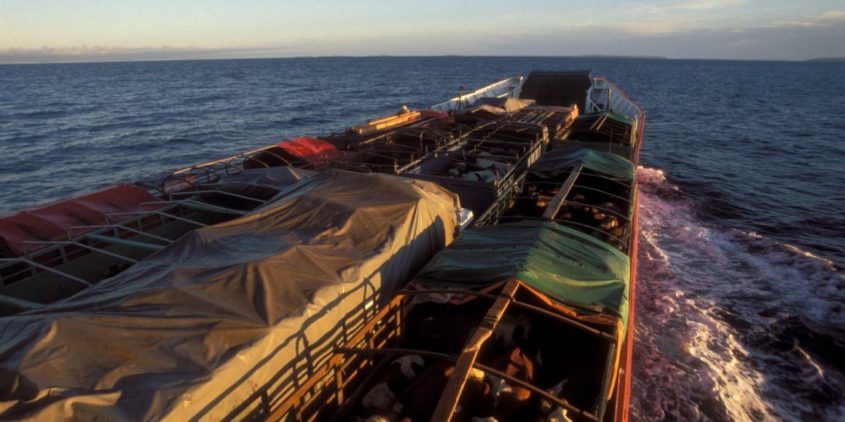 In 2018 alone, 685,000 animals came to Israel from Australia and Europe. Photo: imago