Month: September 2020

Martin celebrates his 15th Birthday

(from the diary of the animal sanctuary “Butenland”, Germany)

Today, Martin, a heavyweight Butenlander, celebrates his 15th birthday, who only knows the suffering of the other members of the herd from their stories. Just like Mattis, this ox was born right here on the farm after a bull from the neighborhood managed to get past our fences and had a short rendezvous with Martina.

A good 9 months after this intense flirtation Martin saw the light of day.

The only problem he had to live through since then is his rather resolute mum.

For 18-year-old Martina is by no means a mother hen like Dina, Jette, or Tilda, but has instead fully embraced the concept of independence and accordingly pressed the stable keys into Martin’s claw after only 12 months of parenthood.
After that, the two of them did have contact from time to time, but our softie could only dream of mother’s milk and the encounters with his mum were limited, if at all, for a short morning greetings.
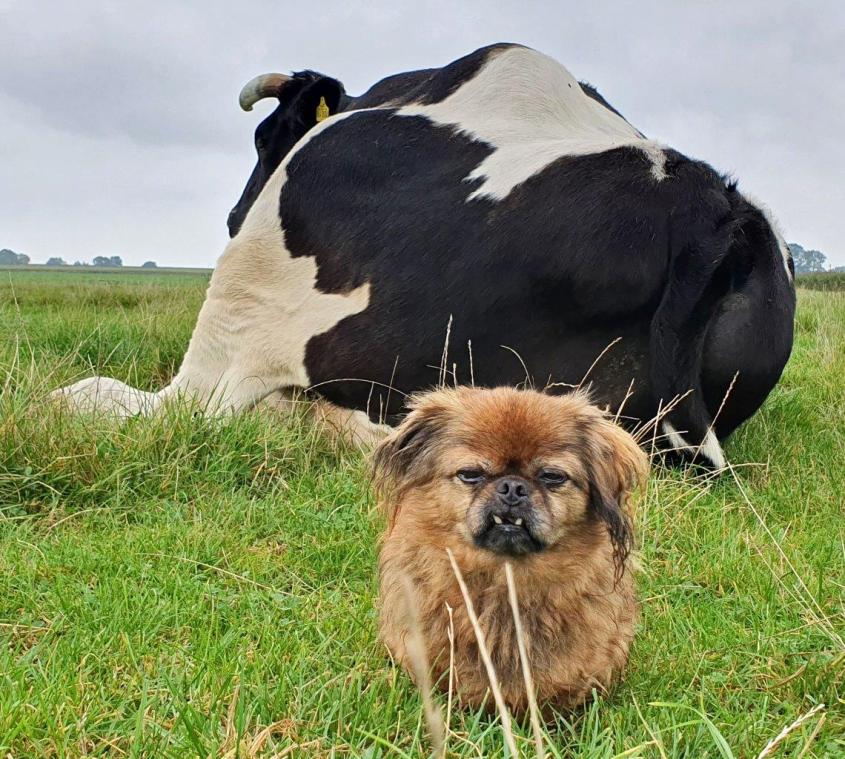
But this did not harm Martin, he still grew up to an impressive 1,200-kilo ox, which has the most individual horns on all of Butenland.
Of course, we check them regularly to make sure they don’t press on his forehead. However, a newspaper can still fit through the gap to his head at any time and, purely in terms of the course of growth, this will most likely not change.

Julchen was invited to the birthday party and of course the professional party-crasher team Anna and Fine also paid their respects.

At the end of the party, even Mama Martina came over to eat leftovers.
No wonder that the party was a real blast and the birthday child had a lot of fun.

And I mean…“A different coexistence of humans and animals is possible. This is shown by this sensitive film” is on the cover sheet of the video.

Yes! we agree! There is nothing better than that we can experience the animals in freedom, happiness, and peace.
Some sanctuaries made it their life’s mission and one of them is Hof Butenland, one of the best in Germany.
There is also a movie about this “cow paradise”.

The movie “Butenland” shows how old and sick animals can live in peace on the farm of the same name until they die.
You can see some excerpts here.

My best regards to all, Venus
The Typhoon Maysak ensures justice

The ship was hired by Australasian Global Exports, based in Australia, to transport the cattle.
“Our thoughts and prayers also go with the ship’s officers, crew and other employees and their families,” said Australasian Global Exports.
Here one speaks of a tragedy and one means the 43 human persons of the occupation.

Now, after this accident, New Zealand’s Ministry of Primary Industries (MPI) has announced that New Zealand will TEMPORARILY stop live cattle transports.
He’s got a problem because it’s about human victims.

If the occupation had saved themselves, neither the minister nor the press would speak of a tragedy.
As was the case with similar tragedies in the past.

We remember the ship accident with “Queen Hind”- cattle truck in Midia, with the 14,000 sheep in autumn 2019.
The same transports,  over the same wrecks, are still going on, despite our protests, because: All crew members – 22 Syrian nationals – were rescued at that time!!
We notice again whose life counts.

We mourn for the animal victims of the Gulf Livestock 1.
Our sad thoughts are with the drowned animals.

There were several pregnant mothers on board who, according to the law, never had to be transported.
Soon these mothers would have a small family too, perhaps on the floating coffin of the Gulf Livestock 1, if they had to bring their babies on board in those 17 days under appalling conditions

Usually, in such cases, self the crew rescues first, but this time the Typhoon “Maysak” kept justice on board!

We are firmly convinced that if in the future a “Maysak” will more and more often decide the fate of people and animals in animal transports, animal transports will soon be abolished.

We will continue to fight the floating and moving coffins, now more than ever, and we believe that we will soon be able to do it.

My best regards to all, Venus

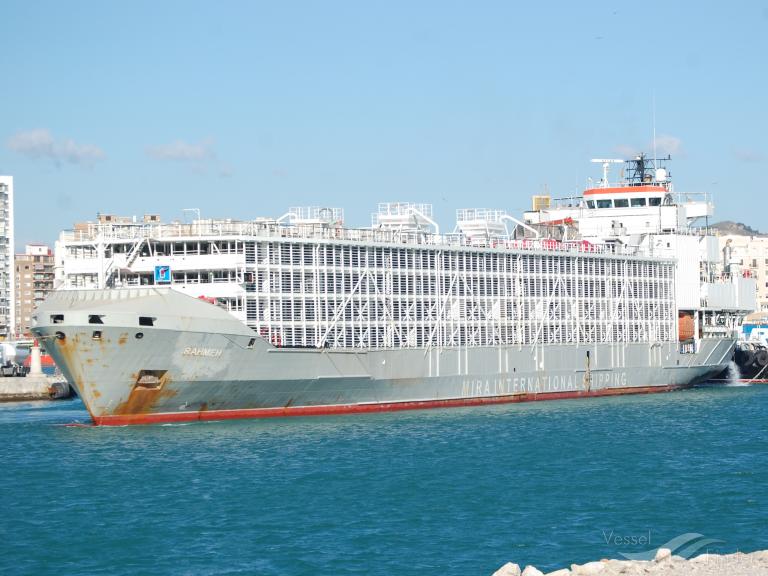
Gulf Livestock 1.

CREWS have a choice to sail – ANIMALS do NOT.

GULF LIVESTOCK 1, Livestock Carrier – Details and current position – IMO 9262883 MMSI 353947000 – VesselFinder

GULF LIVESTOCK 1 photo

The Gulf Livestock 1 is a 139m (450ft), Panamanian-flagged cargo vessel built in 2002

The vessel is owned by UAE shipowner Gulf Navigation and prior to conversion in 2012 was a 630 teu boxship.

IMO number9262883
Vessel NameGULF LIVESTOCK 1
Ship typeLivestock Carrier
FlagPanama
Homeport
Gross Tonnage11947
Summer Deadweight (t)8372
Length Overall (m)134
Beam (m)20
Draught (m)
Year of Built2002
 

History: Vessel Name Registered Owner Year

GULF LIVESTOCK 1
2019 RAHMEH
2015 CETUS J. Jungerhans
2012 DANA HOLLANDIA Jungerhans
2006 CETUS J. Jungerhans
2002 MAERSK WATERFORD Jungerhans    

Further Link::

https://www.nzherald.co.nz/nz/news/article.cfm?c_id=1&objectid=12361791

3/9/20 – Japan Live Export News. More – Appears Ship Has Sunk and 1 Crewmember Survives.

Cargo ship with 43 crew and nearly 6,000 cattle sank off Japan, survivor says | World news | The Guardian

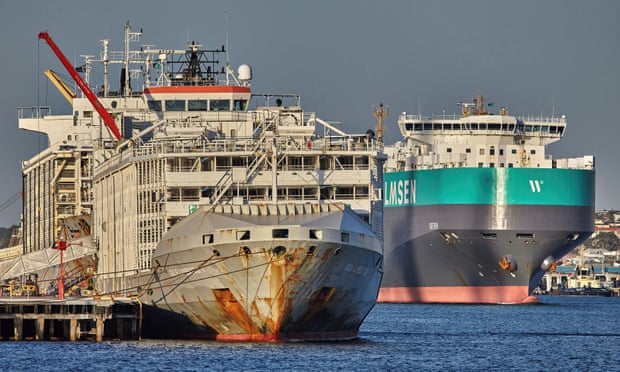
The Gulf Livestock 1 is seen at Fremantle Harbour

https://www.theguardian.com/world/2020/sep/03/typhoon-maysak-ship-with-43-crew-and-nearly-6000-cattle-missing-off-japan

A cargo ship carrying 43 crew and nearly 6,000 cattle sank off Japan after reportedly losing an engine in rough seas caused by Typhoon Maysak, a survivor has said.

The Filipino crew member, named as Sareno Edvarodo, a 45-year-old chief officer, was rescued late on Wednesday after Japanese navy P-3C surveillance aircraft spotted him wearing a life vest and waving while bobbing in the water.

Cargo ship with 43 crew and nearly 6,000 cattle sank off Japan, survivor says | World news | The Guardian

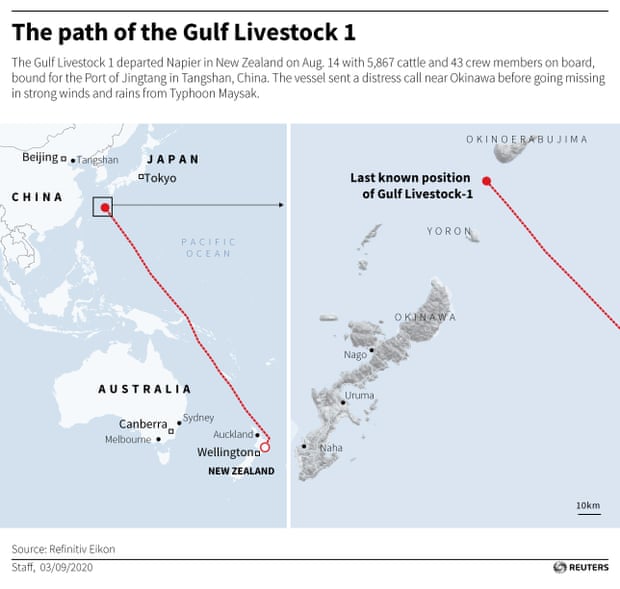
The path of the Gulf Livestock 1 before it disappeared due to Typhoon Maysak near the island of Okinawa

Edvarodo, who was in good health, told rescuers the ship capsized before sinking, said Yuichiro Higashi, a spokesman for the Japanese coast guard’s regional headquarters conducting the search.

The Panamanian-registered vessel, called Gulf Livestock 1, sent the distress call from the East China Sea early on Wednesday, to the west of Amami Oshima Island in south-western Japan, Japanese public broadcaster NHK reported.

According to Edvarodo, the ship lost an engine before it was hit by a wave and capsized, a coastguard spokeswoman said.

Crew were instructed to put on lifejackets as the ship capsized, he said, adding that he had jumped into the water and had not seen any other members of the crew before he was rescued.

The crew comprises 39 Filipinos, two Australians and two New Zealanders, Kyodo news agency said.

The Australian Department of Foreign Affairs and Trade (Dfat) said it was in touch with the families of the two Australians on board.

“The Australian government is providing consular assistance to the families of two Australian crew members on board a cargo vessel reported missing in Japanese waters,” Dfat said.

The cause of the distress was not immediately known, but the weather was rough in the area due to Typhoon Maysak. Strong winds and torrential rain from the typhoon had initially hampered the search operation, but the weather has improved, Higashi said.

The vessel, owned by Gulf Navigation Holding based in the United Arab Emirates, departed Napier in New Zealand on 14 August with 5,867 cattle on board, New Zealand’s foreign ministry told Reuters.

The vessel was en route to the Port of Jingtang in Tangshan, China, with an estimated journey of approximately 17 days, it said.

New Zealand animal rights organisation SAFE said the tragedy demonstrated the risks of the live animal export trade.

“These cows should never have been at sea,” said campaigns manager Marianne Macdonald.

“This is a real crisis, and our thoughts are with the families of the 43 crew who are missing with the ship. But questions remain, including why this trade is allowed to continue.”

Typhoon Maysak had weakened to a tropical storm as it arrived off the east coast of North Korea on Thursday.

North Korean state TV showed flooding along the eastern coast but there were no immediate reports of casualties.

The country is vulnerable to natural disasters due to its poor infrastructure, with flooding in deforested mountains and hills a particular concern.

Earlier on Thursday, the typhoon had caused brought down trees and caused flooding in parts of South Korea, knocking out power to more than 270,000 homes and leaving at least one person dead.

Breaking 3/9/20: Livestock Transporter Ship Carrying 43 Crew and Almost 6,000 Cattle Missing in Typhoon Off Japan.

Reports say the Gulf Livestock 1 issued a distress signal at around 1:20 a.m. local time Wednesday (3/9/20) while around 115 miles west of Amami Oshima Island in southwestern Japan. … The ship is reported to be carrying 43 crew members.19 hours ago

The Japanese Coast Guard is searching for a livestock carrier with 43 crew members on board after a distress signal was sent from the vessel on Wednesday.

Reports say the Gulf Livestock 1 issued a distress signal at around 1:20 a.m. local time Wednesday while around 115 miles west of Amami Oshima Island in southwestern Japan.

The ship is reported to be carrying 43 crew members.

The search is being conducted in the general vicinity of Typhoon Maysak, which was last reported to be packing 130 mph winds, equivalent to a Category 4 hurricane.

The Gulf Livestock 1 was reportedly transporting cattle from Napier, New Zealand to Tangshan, China. The vessel was built in 2002 and registered in Panama. It is owned by Dubai-based Gulf Navigation.

In late July, the Philippine Navy rendered assistance to the Gulf Livestock 1 after it lost propulsion off Balut Island in Southern Philippines. Repairs were eventually completed without incident.

Ship carrying 43 crew and almost 6,000 cattle missing in typhoon off Japan

https://www.japantimes.co.jp/news/2020/09/03/national/freighter-missing-southwestern-japan/

A ship carrying 43 crew and nearly 6,000 cattle from New Zealand to China has capsized after losing an engine in stormy weather in the East China Sea, the only crew member rescued so far told the Japan Coast Guard (JCG) Thursday.

The Gulf Livestock 1 sent a distress call from west of Amami Oshima island Wednesday as Typhoon Maysak headed through the region towards the Korean peninsula, bringing strong winds, heavy seas and drenching rains.

The JCG said it had rescued one crew member, Sareno Edvarodo, a 45-year-old chief officer from the Philippines, on Wednesday night while searching for the ship.

According to Edvarodo, the ship lost an engine before it was hit by a wave and capsized, a coastguard spokeswoman said.

When the ship capsized, crew were instructed to put on life jackets. Edvarodo told the coastguard he jumped into the water and did not see any other crew members before he was rescued.

Pictures provided by the JCG showed a person in a life jacket being hauled from choppy seas in darkness.

Three vessels, five airplanes and two divers had been deployed to continue the search, the coastguard said.

The crew included 39 people from the Philippines, two from New Zealand and two from Australia, it added.

The Philippines government said it was coordinating with Japan’s coastguard as it searched for the missing crew members ahead of another typhoon expected to hit the area.

Typhoon Haishen was already in the northwest Pacific, tracking through the East China Sea towards South Korea.

At least one person was reported killed in South Korea after Typhoon Maysak made landfall Thursday when strong winds shattered a window in the southern city of Busan.

The Gulf Livestock 1 departed Napier in New Zealand on Aug. 14 with a cargo of 5,867 cattle bound for the Port of Jingtang in Tangshan, China. The journey was expected to take about 17 days, New Zealand’s foreign ministry told Reuters.

New Zealand animal rights organization SAFE said the tragedy demonstrated the risks of the live animal export trade.

“These cows should never have been at sea,” said campaigns manager Marianne Macdonald.

“This is a real crisis, and our thoughts are with the families of the 43 crew who are missing with the ship. But questions remain, including why this trade is allowed to continue.”

Last year, New Zealand’s government launched a review of the country’s live export trade, which was worth around NZ$54 million ($37 million) in 2019, after thousands of animals being exported from New Zealand and Australia died in transit.

A conditional ban on the live export of cattle was one of several options being considered, Agriculture Minister Damien O’Connor said.

To world coconut day we say: NO coconut milk today!

🥥 On this day the world celebrates one of the most healthy food, and everyone is talking about the miracle cure “Coconut Milk”…

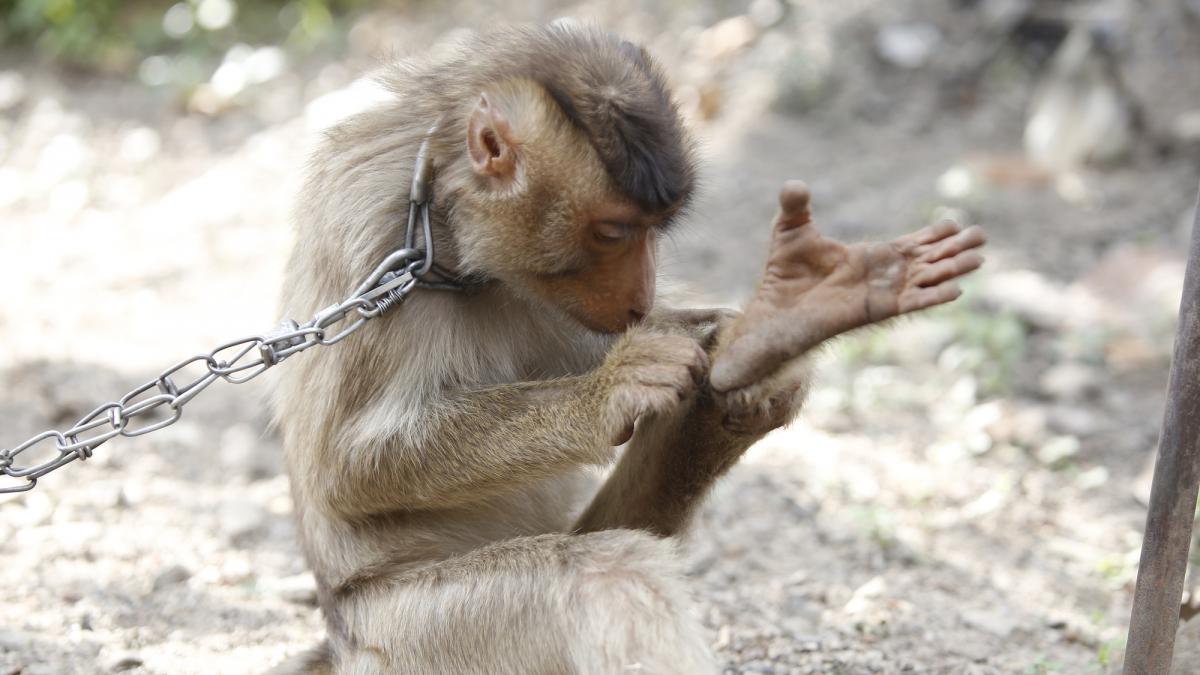
…but we are talking about the pig monkeys, the slaves who provide your healthy milk under agonizing conditions and until the end of their life.

The monkeys are chained with metal collars before and after the coconuts are harvested and kept in isolated cages.
We remind again that this healthy food comes from illegal animal slavery predominantly in Thailand, where the pig monkey business flourishes.

The monkeys are trained to harvest as many coconuts as possible. They are supposed to harvest up to 1,000 coconuts per day.


The monkeys are chained with metal collars before and after the coconuts are harvested and kept in isolated cages.
Monkeys who fight back will have their fangs torn out. Accordingly, many animals lose their minds and hurt themselves.

Two months ago we had reported it with video, (https://worldanimalsvoice.com/2020/07/03/thailand-the-slave-monkeys-of-the-coconut-industry/#comments, but especially after the new undercover video from PETA, which shows the criminal methods of the monkey owners in “training”, we would say to Coconut day:

Stay away from coconut milk!
If you are not absolutely sure that milk will be made without tortured monkeys, then the solution is:

No coconut milk, neither today nor tomorrow.
We have the power to harm the slaveholding industry.

Boycott helps!

My best regards to all, Venus

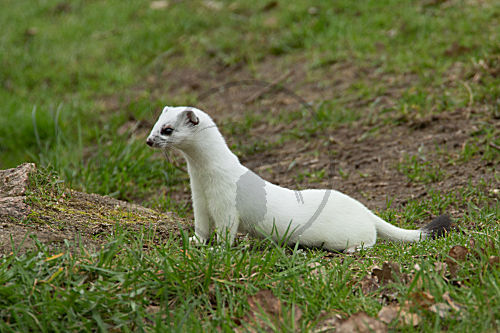
Wiesel, the likable robbers

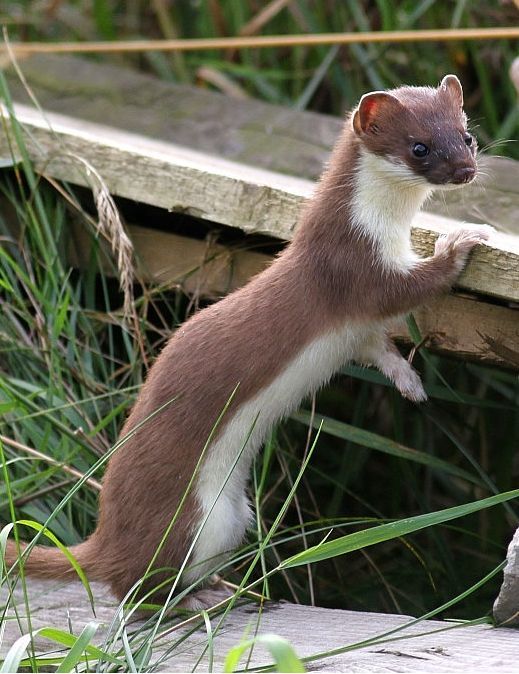
they are the smallest predators in the world and excellent mouse hunters.


They kill their prey with a single bite on the neck.

A weasel, therefore, has a significant effect on the mouse population in an area. Females are particularly effective when they raise their usually six to nine young.
Such a family can eat up to 800 mice a year!

The mouse weasel, which is 20 centimeters long on average, is on the Red List of Endangered Species.

They used to be kept on farms as mouse hunters. Today they still serve as fur suppliers because of their white winter fur.

We have to do something for these animals.

Have a good night, Venus

Amazon Frontlines – Judge Sides With Oil Companies – More Than Disgusting !

Dear Mark,

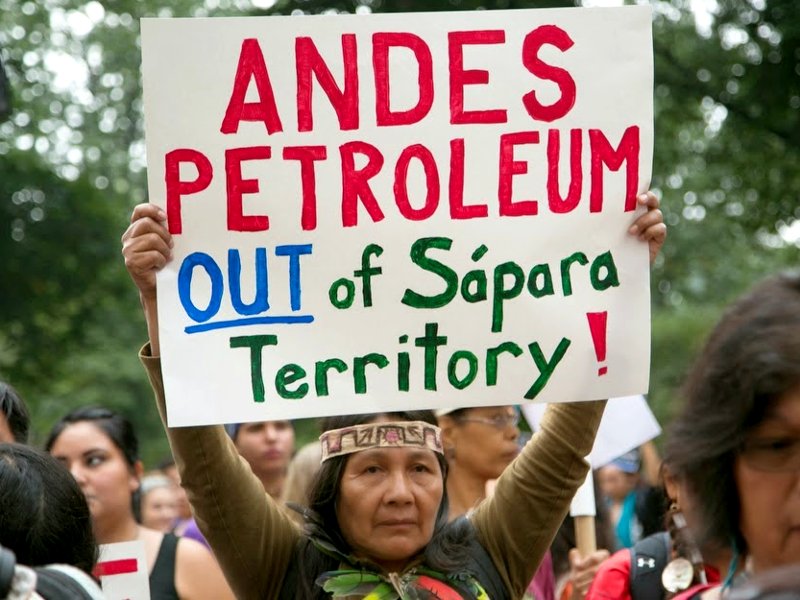
Unbelievable. Today, after months of unjustifiable delays in the lawsuit brought by Indigenous communities for the massive oil spill that occurred in the Amazon on April 7, the judge dismissed their case, citing that his court, which processes constitutional rights violations, was the incorrect legal venue. 

What does this mean? It means that the judge sided with the oil companies by claiming that the constitutional rights of Indigenous peoples and nature were not violated by the spill, despite overwhelming evidence to the contrary.

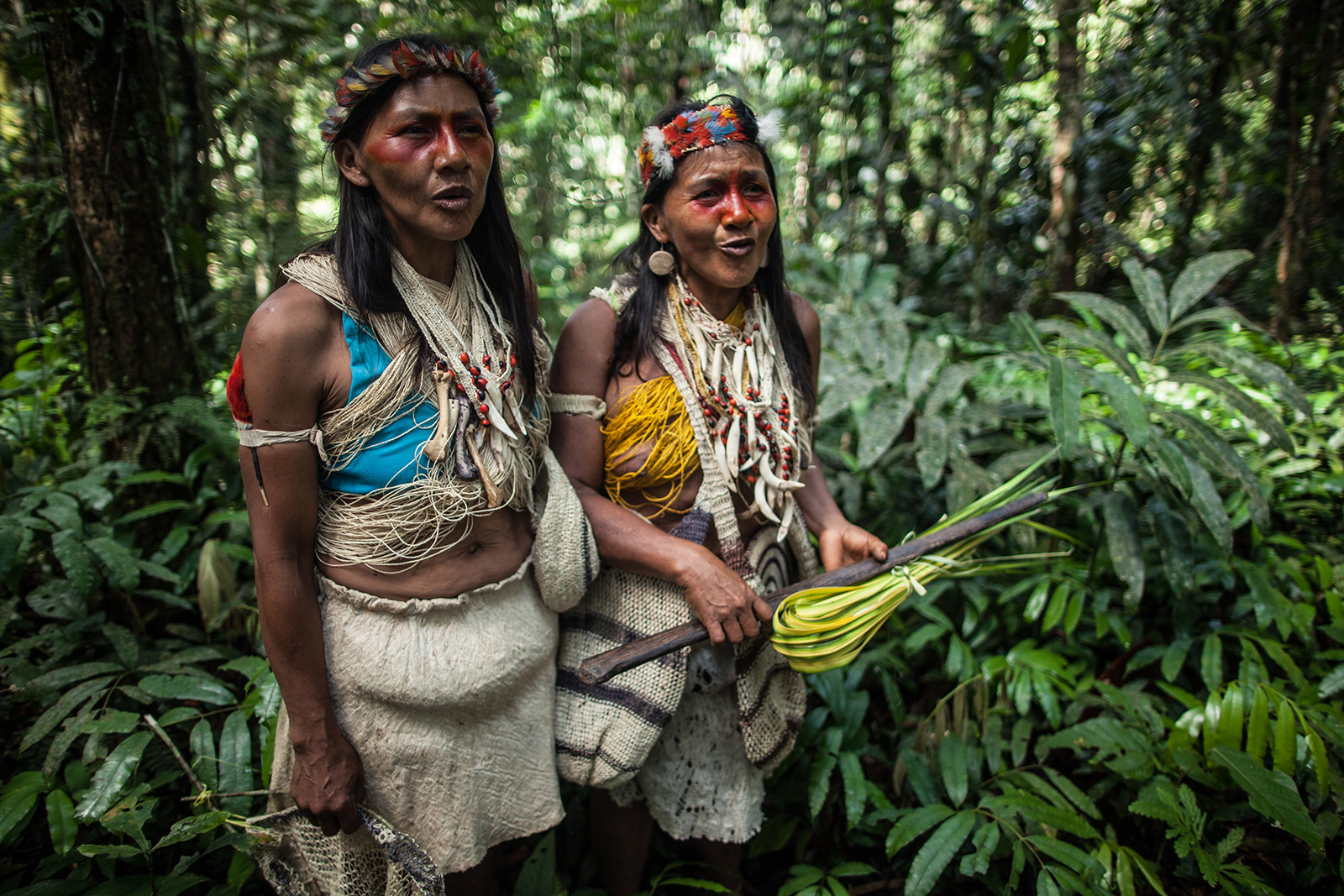
Dirty crude oil contaminated the biodiverse headwaters region of Ecuador’s Amazon and affected the health and livelihoods of thousands of Indigenous Kichwa community members, and yet, this decision gives oil companies OCP and Petroecuador a free pass for their pollution and raises serious concerns about the oil industry’s influence over the judicial branch.

It is what Indigenous communities’ have feared since the start of this trial—that the justice system is rigged in favor of the country’s economic interests and doesn’t guarantee Indigenous peoples’ rights. It also tarnishes Ecuador’s pioneering constitution, which was the first in the world to incorporate “rights of nature”.

Can you believe the oil companies actually claimed the oil spill was an unpreventable “act of nature” and that the river would clean itself over time? They also claimed to have supplied adequate food and water to communities whose lands and drinking water were contaminated, but the families who received limited supplies say the aid was nowhere near enough to survive on and came with strings attached. 

It’s not over yet. The Kichwa, backed by Amazon Frontlines and other allied organizations, will appeal and fight back.

More than 300 Indigenous community members from different nationalities came together on Monday to march with the Kichwa people in solidarity and demand justice. While the outcome of the lawsuit is not what we hoped for, the road to get here has strengthened the Indigenous movement in Ecuador and prepared us for the next phase.

We hope that you will continue to stand with us when that time comes. It has never been clearer that the power of the oil industry must be challenged. Join us and our Indigenous partners in calling for an end to extraction in the Amazon. 

The Amazon Frontlines Team

Help the fight back:

https://www.amazonfrontlines.org/amazon-extraction/public/action

https://www.amazonfrontlines.org/amazon-extraction/public/

https://www.amazonfrontlines.org/amazon-extraction/public/news

We stand throughout; united with the wonderful indigenous peoples of the Amazon – they must be protected from the abusers in the oil industry – WAV.

AMAZON WATCH » Indigenous Groups Fight Back Against Oil Industry after  Pipeline Spills Poison the Amazon

Isolated Peoples of Peru's Amazon | Pulitzer Center
AMAZON WATCH » Historic Victory in the Fight for Indigenous Rights and to  End Amazon Crude
Indigenous people blocked Ecuador oil auction in growing fight to save  Amazon | Salon.com

U.K Government Told: ‘Stop Ignoring Link Between Animal Farming And Climate Crisis’.

U.K Government Told: ‘Stop Ignoring Link Between Animal Farming And Climate Crisis’

‘They must acknowledge that we can only avoid climate catastrophe by way of a full transition to a plant-based food system’

MARIA CHIORANDO

SEP 1, 2020

The U.K government is facing calls to stop ignoring the link between animal farming and the climate crisis.

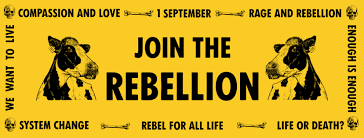
Animal Rebellion – an offshoot organization of environmental advocacy group Extinction Rebellion which is calling for a plant-based food system – has launched a 10-day rebellion against the U.K government as MPs return to Parliament.

The group has vowed to carry out ‘creative and inspiring actions across London and the U.K’ in a bid to persuade politicians to meet three key demands: to ‘tell the truth’ about animal farming and fishing being a leading cause of climate catastrophe; to ‘act now’ by leading a transition to a just and sustainable plant-based food system; to create and be led by the decisions of a Citizen’s Assembly on climate and ecological justice.

‘A plant-based food system’

“Those in power can no longer ignore the link between animal farming and the climate emergency,” Kieran Blyth, a spokesperson for Animal Rebellion, said.

“They must acknowledge that we can only avoid climate catastrophe by way of a full transition to a plant-based food system.”

‘Any sort of future’

Celina Madigan, a member of Animal Rebellion and former primary school teacher, added: “I loved my job and being able to transfer knowledge to the younger generation, but my students will not have a future unless we make changes now. 

“We need a transition to a just and sustainable plant-based food system if we, and the next generation, are to have any sort of future on this planet.”

‘The science is clear’

Kerri Waters, a researcher at Animal Rebellion, said: “Animal agriculture is responsible for up to 18 percent of global greenhouse gas emissions – more than the whole transportation sector combined – and up to 83 percent of global farmlands. 

“The most comprehensive research project on the environmental impact of farming and food distribution, published by Joseph Poore in 2018, concluded that a plant-based food system could reduce global farmlands by 75 percent.”

Harley McDonald-Eckersall, a spokesperson for Animal Rebellion, concluded: “The science is clear, yet those in power still refuse to act. That is why we will be going straight to the top and bringing the animal and climate emergency to the halls of power.”

https://www.plantbasednews.org/news/-u-k-government-stop-ignoring-link-animal-farming-climate-crisis

Spain, Salamanca: an unscrupulous show

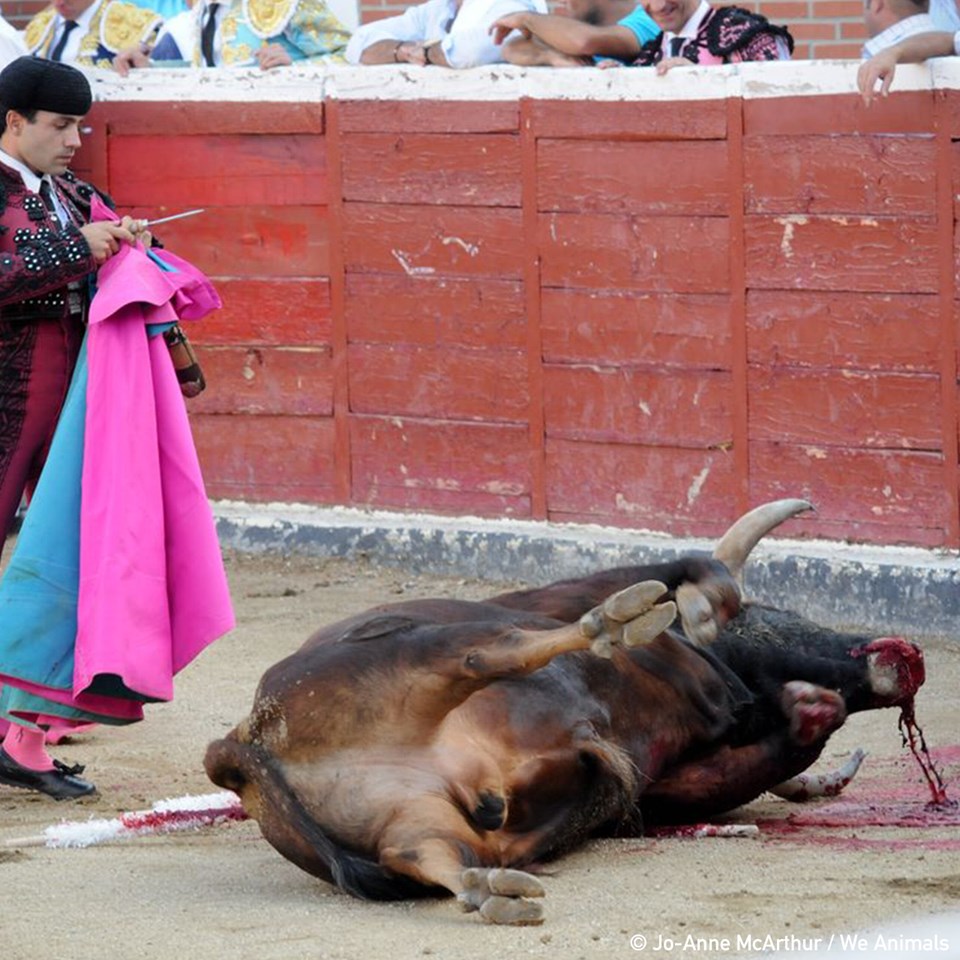
We, AnimaNaturalis were in Salamanca with CAS International and witnessed the martyrdom of the little ox in the hands of would-like-to be bullfighters.
Nobody around us was complying with the security standards that were set to prevent the spread of COVID19.
Not only was it an unscrupulous show, but one that threatened public health.
We filed a complaint about these events.

The complaint demands that those responsible and organizers be punished according to the seriousness of the facts.

“The capacity of 50% was exceeded, the interpersonal distance of 1.5 meters was not respected and adequate protection measures were not used at all times.
At the same time, the regulations that regulate prevention measures for bullfighting professionals were also breached”, Gascón mentions. Allowing this type of show is not only cruel to animals but an attack on public health. “

AnimaNaturalis and CAS International have requested that the organizers and promoters of these events be penalized for having deliberately risked the health of the spectators and of all the people who have been in contact with them in the following days.

We would have loved to take these people to court for the pain and suffering of animals, but we are ashamed that this is still completely legal.

But we will not stand idly by.

https://www.animanaturalis.org/n/45615/denunciamos-espectaculo-taurino-en-salamanca-por-poner-en-peligro-la-salud-publica

And I mean…Haven’t the Spanish had more than enough death and pain in the last few months?
Not a single bull was massacred in the arenas for four months. The coronavirus paralyzed the industry.
We thought that would mean the end of the bullfight.

But the bull mafia is able to survive and upholds a “tradition” that has been evidently invented by Jitanos and during the course of the darkest time on humanity, namely the time of the Inquisition.

At least Corona has done it, and Spain’s most famous bull hunt “San Fermin” fails! for the first time since the Spanish Civil War.

Bullfighting is already heavily subsidized by the Spanish state.

The Italian animal welfare organization LAV even accuses the industry of illegally collecting money from the European Union.
This is the result of a new study by LAV Vice President Roberto Bennati.

It is about 130 million euros annually from an EU fund that is intended for the production of “high-quality meat”.

“The industry says they breed animals for meat production. In reality, they breed them for bullfighting. This is where the law is being abused.
The rules of the European Union are deceived in a fraudulent way, “he says.

Words of a murderer: “We demand justice for the bullfighting industry,” said matador Pablo Aguado.
“It should be treated in exactly the same way as all other cultural areas. This is the most important cultural festival in Spain and we want it to be treated that way”.

And we are of the opinion that animal abusers and animal killers must be punished much more severely than just losing their jobs.

My best regards to all, Venus