Month: April 2021

Germany-Dressage horse Rosi collapses at the award ceremony and dies

April 19, 2021

Team Olympic champion Dorothee Schneider mourns the loss of her championship horse Rose.

The 17-year-old mare collapsed at the Dressage Grand Prix in Pforzheim (Germany) during the award ceremony and died on the spot. The veterinarian who was called suspected in an initial diagnosis of an avulsion of the aorta.

Rosi and her dressage rider Schneider

The essentials in brief

-At a riding tournament in Germany, a mare dies in shock.
-Dorothee Schneider’s horse collapses at the award ceremony and dies.
-The mare Rosi was 17 years old.

Minutes later, only the death of Rosi can be determined by the veterinarians present. As German media report, the cause of death has already been diagnosed: an aortic tear, which caused internal bleeding.
Dramatic.

And too disturbing for the former team Olympic champion from 2016: Schneider suffers a shock. She will be admitted to a local hospital after the events.
On Instagram, the German addresses her fans with emotional words.
«Rest in peace beloved Rosi. You are forever in our hearts », writes Dorothee Schneider.

https://www.nau.ch/sport/andere/olympionikin-trauert-ihr-dressurpferd-bricht-tot-zusammen-65909997

And I mean...It is very likely that Rosi was ridden to death.
The horse belonged to the victorious one Schneider and she could organize any fucking circus with him.
This is usually the case with dressage horses nor is it the first time that a dressage horse dies in the same way.

Her emotional farewell to Rosi is ridiculous because the relationship between a dressage horse and its owner is that of a slave and its owner.
We cannot, therefore, speak of a real partnership, because when it comes to doing business with horses, all that counts is money and a career, not the animal. Horses in the racing business are being exploited to the last drop of their blood.

It’s just perverse to rush animals over obstacles and call it a sport.
We are very saddened by the terrible death of Rosi and we are not interested in the hypocritical Instagrams of her tormentor.

My best regards to all, Venus

WHO Calls for a Ban on Sale of Live Wild Mammals for Consumption.

WHO Calls for a Ban on Sale of Live Wild Mammals for Consumption (animalequality.org)

WHO Calls for a Ban on Sale of Live Wild Mammals for Consumption

To prevent the emergence of new diseases, the World Health Organization (WHO) has just called for a ban on the sale of live wild mammals in food markets worldwide.

THE RECOMMENDATION: The WHO published a guide in which they acknowledge the significant risks involved in allowing the sale and slaughter of live animals at food markets, a move that Animal Equality has been pushing for since the beginning of the COVID-19 outbreak over a year ago. The WHO is asking that each country’s government take action as an emergency measure to suspend the trade in live, wild, mammalian animals for consumption or breeding purposes. They’re also calling for the closure of shops within food markets that engage in such activity.

“Animals, particularly wild animals, are reported to be the source of more than 70% of all emerging infectious diseases in humans, many of which are caused by novel viruses,” the report says. “Traditional markets, where live animals are held, slaughtered and dressed, pose a particular risk for pathogen transmission to workers and customers alike.”

THE RESEARCH: The WHO’s recommendation comes after their research revealed that some of the earliest known cases of COVID-19 are linked to a wholesale traditional food market in Wuhan in China, with many of the initial COVID patients being stall owners, market employees, or regular visitors to the market.

ANIMAL EQUALITY’S CAMPAIGN TO BAN LIVE ANIMAL MARKETS: In April of 2020, Animal Equality launched a global campaign, which garnered more than half a million signatures, calling on the United Nations to recommend a ban on markets that sell and slaughter live animals. Our investigators documented live animal markets in China, Vietnam, and India, both before and during the pandemic, revealing not only extreme animal cruelty, but also unsanitary conditions that posed a threat to human health.

The markets, many of which continued operating despite orders to close, held captive animals such as deer, raccoons, crocodiles, and dogs. Our footage reveals animals languishing in cramped, filthy cages suffering from dehydration, hunger and disease. In many cases, the animals were slaughtered while fully conscious and in full view of each other.

WE NEED TO GO FARTHER: Since COVID-19 transformed the world, the risks associated with eating wild animals has been a topic of conversation, but little has been said in the mainstream media about the great risks to human health from the consumption of more “traditionally” farmed animals in the United States. The Centers for Disease Control and Prevention has said that three out of every four infectious diseases in humans came from animals. Diseases like swine flu (H1N1), bird flu (H5N1 and others), and mad cow disease (BSE) all evolved on factory farms, and scientists are warning that it’s only a matter of time before the animal agriculture industry produces the next major pandemic.

The WHO’s recommendation is a step in the right direction, but it needs to include all species, not just wild mammals, and should include recommendations about not only food markets, but industrial farming as well.

WHAT WE’RE SAYING: “Animal Equality welcomes the guidance of the WHO, OIE, and UNEP to suspend the sale of wild animals at food markets. However, this progress is just the beginning. To ensure another pandemic virus does not emerge again, we ask that these organizations also recommend a ban on the sale of all live animals at wet markets. Until that happens, both animals and people will remain at risk,” says Sharon Núñez, President of Animal Equality.

WHAT YOU CAN DO: Animals raised for food, whether at markets or on farms, can experience pain and suffering in the same capacity as humans. We can spare them from a lifetime of misery and also help reduce the risk of future pandemics by simply avoiding animal-derived foods. And with all of the great alternatives available nowadays, going plant-based is easier than ever. By choosing a compassionate lifestyle, you can spare millions of animals from harm. You can also make a difference by signing our petition to end the atrocities that happen at wet markets. With your signature, we can tell the world that enough is enough.

Take Action:

The Danger and Cruelty of Wet Markets (animalequality.org)

Regards Mark

EU: Promises, Promises – A more flexible and comprehensive Animal Health Law.

WAV Comment: Reg 1/2005 on the welfare of animals in transport has been an EU non enforced joke of a law for the last 16 years or so; the EU has never been strict with enforcement of it. So what now with this ‘comprehensive animal health law’ ? – just Brussels Yukspeak we assume.

A more flexible and comprehensive Animal Health Law

The new Animal Health Law (Regulation (EU) 2016/429) on transmissible animal diseases has become applicable across the EU as of the 21 April 2021.

The new regulation means that a huge number of legal acts are streamlined into a single law, with simpler and clearer rules which enable authorities to focus on key priorities: preventing and eradicating diseases. The regulation, which was adopted by the European Parliament and Council in March 2016, clarifies responsibilities for farmers, vets and others dealing with animals, and allows for greater use of new technologies for animal health activities – surveillance of pathogens, electronic identification and registration of animals. It embraces a One Health approach allowing for better early detection & control of animal diseases, including those that can be transmissible to humans.

The law will help to reduce the occurrence and effects of animal epidemics, as well as offering more flexibility to adjust rules to local circumstances and to emerging issues such as climate and social change. It also sets out a better legal basis for monitoring animal pathogens resistant to antimicrobial agents.

Overall, the single, comprehensive and new Animal Health Law supports the EU livestock and aquaculture sectors in their quest towards better competitiveness and a safe and smooth EU market of animals and of their products, leading to growth and jobs in these important sectors. The Animal Health Law was part of a package of measures proposed by the Commission in May 2013 to strengthen the enforcement of health and safety standards for the whole agri-food chain.

As such, it is closely linked to Regulation (EU) 2017/625 (“Official Controls Regulation”). The Animal Health Law is also a key output of the Animal Health Strategy 2007-2013, “Prevention is better than cure”. For more information, please see our website

Italy: What’s the real cost of meat? New Italian report sheds light on the 36.6 billion euro bill, in terms of damage to the environment and to the health of consumers.

What’s the real cost of meat? New Italian report sheds light on the 36.6 billion euro bill, in terms of damage to the environment and to the health of consumers

19 April 2021

LAV

Press Release

New report on the hidden costs of meat consumption in Italy reveals the environmental and health impacts which fell on society. If we were to include the hidden costs, one kilogram of beef would cost on average 19 euro more.

The environmental and health costs of meat production and consumption are not included in the price paid when buying it. Citizens pay the price of these hidden costs which have now for the first time been scientifically quantified. 

LAV, commissioned the first independent scientific study on the environmental and health costs of meat consumption in Italy, focusing on the most consumed meat in the country: poultry, beef, and pig. The emissions generated at all stages, rearing, slaughtering, processing, packaging, distribution, consumption and waste treatment, have been converted into economic costs for society through a life cycle assessment (LCA) approach.

The environmental costs are obtained assigning a monetary value to the impact assessed via the LCA on 11 environmental categories (1). In one year, the emissions associated with the beef life cycle alone amount to over 18 million CO2 equivalents, with a hidden annual cost of over 1 billion euro. This is equivalent to the amount of greenhouse gases emitted by the largest and most polluting coal-fired power stations in Europe. 

In addition to emissions of greenhouse gases, there are also the ones from particulates and acidifying gases in stables, and emissions of nitrates and pesticides into the soil. Together they generate the indirect cost of damaging ecosystems, for example agricultural losses due to acid soils and lack of pollinators due to pesticides.

The healthcare costs are estimated in DALY (Disability-Adjusted Life Year) and are based on the average daily consumption in Italy. Approximately 350,000 years of life are calculated to be lost each year in Italy due to meat consumption. The risks cover contracting colorectal cancer, type 2 diabetes, and stroke, and this is likely a conservative estimate, since the damage caused by other diseases associated with meat consumption, such as antibiotic resistance or cardiovascular diseases, were excluded due to the lack of a robust scientific literature. 

In Italy, on a yearly basis, the hidden environmental and health costs amount to 36.6 billion euro with the average cost almost equally divided between environmental (48%) and health costs (52%).

The report shows the unsustainability of meat consumption in Italy and the same situation could easily be mirrored in other Member States. But alternatives exist: 1kg of chicken or pork generates 8 times more costs for society than the same amount of legumes; 1kg of beef generates costs multiplied by 23 times. 

Eurogroup for Animals and LAV, based on the evidence found by the study, believe that it is time to bring forward the hidden costs of meat and implement policies to support the uptake of proteins of plant origin as an alternative to animal proteins. In order to move in this direction, it is essential that the numerous subsidies supporting the livestock industry, in different phases of the production cycle, are soon eliminated.

The results of this study are worrying and we also need to consider the suffering to animals the meat industry creates. In line with the Farm to Fork strategy, the EU has the ultimate opportunity to move away from harmful and pollutive intensive livestock farming systems and transition to a food policy that truly embraces humane and sustainable proteins production. 

Reineke Hameleers, CEO, Eurogroup for Animals

At a historic time when, after the COVID-19 pandemic, attention to the devastating potential of animal food production has increased, and when numerous international bodies warn that an urgent reduction in meat consumption is necessary, the results of this study must represent an inescapable fact for political actors, also with a view to achieving the Sustainable Development Goals of the 2030 Agenda and the Paris Climate Agreements. Thinking that we can achieve an ecological transition without immediately initiating a decisive food transition is illusory, or worse, it is false.

Roberto Bennati, General Manager, LAV.

ENDS

Read The hidden cost of meat consumption in Italy: environmental and health impacts (EN)

Read Il costo nascosto del consumo di carne in Italia: impatti ambientali e sanitari (IT)

Notes
1) The environmental impact categories considered are: climate change; ozone layer reduction; land acidification; eutrophication (divided into freshwater and marine); human toxicity; photochemical smog formation; particulate formation; eco-toxicity (divided between terrestrial, freshwater, and marine); ionizing radiation; land occupation; and water consumption. 

Regards Mark


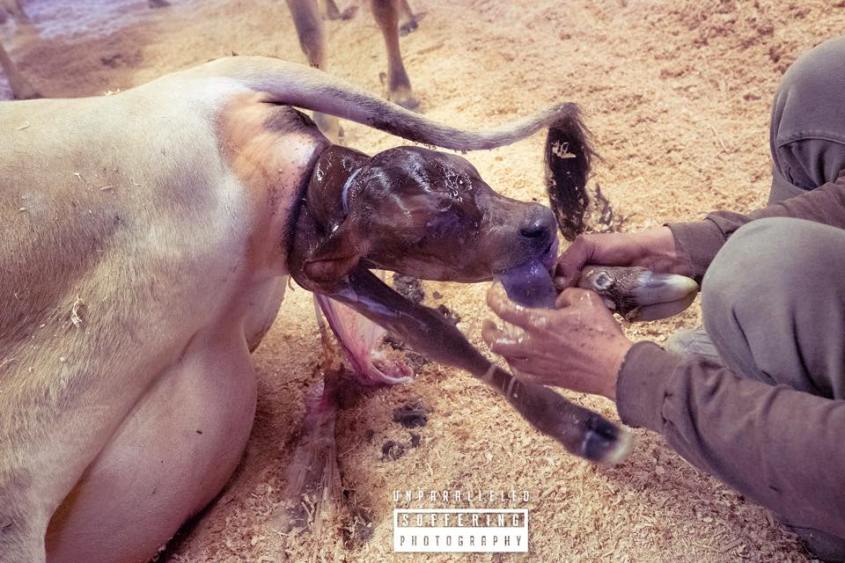
the unimportant cow

This is the unimportant story of an unimportant cow and her unimportant baby.

This cow, who cared about no one, once gave birth to a baby that didn’t seem much more interesting.
What was of interest was the poor cow’s milk, because it brings profit – “white gold”, so to speak.
But to do this, the unimportant calf had to get away from its unimportant mother.

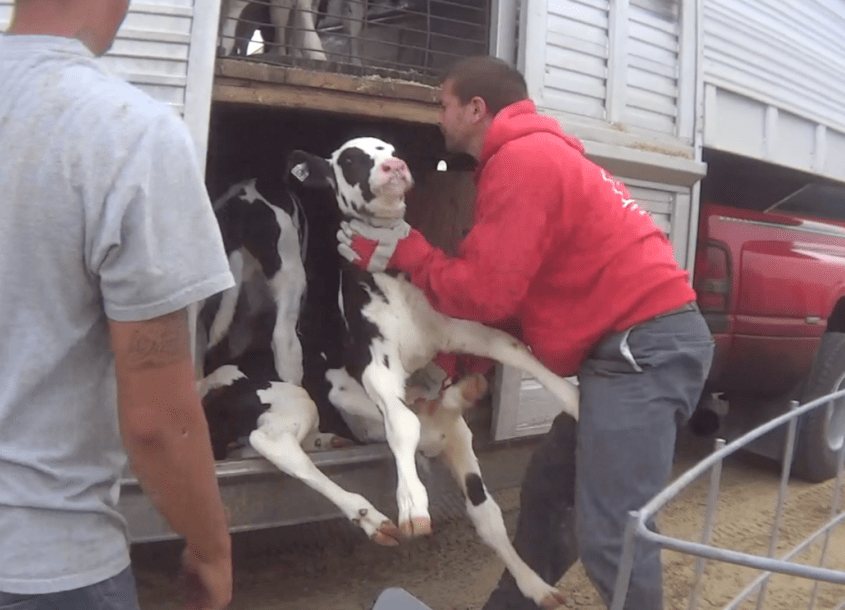
Men came and dragged the unimportant baby from its unimportant mother onto a truck.
The unimportant cow reacted like any mother by trying to save her beloved child.
She screamed like mad with grief and suffering, tried to get to her unimportant child, but the men denied her this wish and prevented her from doing it.
The truck with the unimportant baby animal onboard started relentlessly and started moving.
The unimportant mother cow instinctively ran after the truck.

(This video is chosen symbolically and does not depict the death of the cow in Italy)

The distance between the unimportant animal and its unimportant offspring grew larger, but she ran, and ran, and ran with pain and profound despair.
She ran, and ran, and ran as fast as she could.

But then the unimportant cow lost her strength.
They could no longer carry their legs.
She collapsed helplessly, her strong mother-heart was at the end and failed any further heartbeat of the unimportant cow.

Life slowly but surely escaped the unimportant body of the unimportant mother while her unimportant child drove away in fear, panic, and cries for help.


The unimportant cow died of heart failure.
Soon the ruthless men would come back and remove the unimportant cow from the side of the road.

And no one will ever remember this unimportant story of an unimportant cow and her unimportant baby, for this is the fate of innumerable animals whose lives, in view of the beckoning profit, mean nothing to many wicked men and women.

But is this story that happened in Italy really unimportant?
Does the life of a living thing really not matter just because it was born in the body of a species exploited by mankind?
Is the world really so cold and dull that the fate of the two of them and that of billions of other pain-sensitive creatures is nothing but unimportant and does all of this leave us cold?

She doesn’t leave me indifferent.
Their lives are just as precious as those of any other species.
Their fate is just as tragic as that of all other animals in the world that are exploited, abused, tortured, and killed by society.
Nothing gives a person the right to categorize the life of these tortured animal souls as unimportant, absolutely nothing.

For me, this mother and her child is not something, but SOMEONE whose story touches me.
It is in our hands that such unimportant stories gain weight and initiate a global rethink.
And for this initiation, I want to be the catalyst.

If you think the same way, then I ask you to share this “unimportant” story of the “unimportant” cow and her “unimportant” baby, because the poor animal and all those who met and unfortunately will, have met the same fate it deserves their story to go around the world.

Rest in peace, important cow, and rest in peace for all you animal souls, exploited and murdered by humans

Text: Markus Freisinger

And I mean… A New Zealand animal welfare organization posted this video on their Facebook page with a comment: “There are millions of reasons to go without milk. Here is one of them”.
To see this as a reason, one has to evaluate animals as individuals and not as things.
With the right to their freedom, life, happiness.

If, after a long period of blindness and denial, you have managed to turn your back on this fascist system and eat and live vegan, then it is barely tolerable to endure the suffering of animals, and even more tolerable is the fact that the most people don’t even give a shit about this suffering.

My best regards to all, Venus

Switzerland – 740 tons of calf blood and nobody wants it!

740 tons of calf blood ordered and not collected
The serum is taken from the unborn calves of slaughtered pregnant cows.

Such slaughtering is not welcome in Switzerland, which is why the substance, which is important for pharmaceuticals, is imported by the ton.

It’s all about this

-Because a Basel pharmaceutical company went bankrupt, a Dutch importer is now stuck with 740 tons of calf blood.

-The blood serum is obtained from unborn calves from slaughtered dams. The practice is controversial.

-The substance is important for the pharmaceutical industry but has to be imported.

What to do with 740 tons of frozen calf blood that nobody wants?

This is the question asked by a Dutch freight forwarder who was supposed to import the substance for a pharmaceutical company in Birsfelden (municipality in the canton of Basel). The buyer went bankrupt at the end of last year, now the shipping company has stayed on the load, as the «Basler newspaper» writes.

The original value of 1.3 million euros has now shrunk to just 35,000 euros (!!)
Even destruction would cost twice as much.

But why does a Swiss company need hundreds of tons of calf blood from abroad?

According to the “«Basler newspaper»“, it was used in Birsfelden to produce Solcoseryl, an adhesive paste for use in the mouth.
The blood serum obtained from unborn calves is rich in enzymes and nutrients and is often used where small organisms are artificially bred, for example in the development of vaccines (!!)

Controversial practice

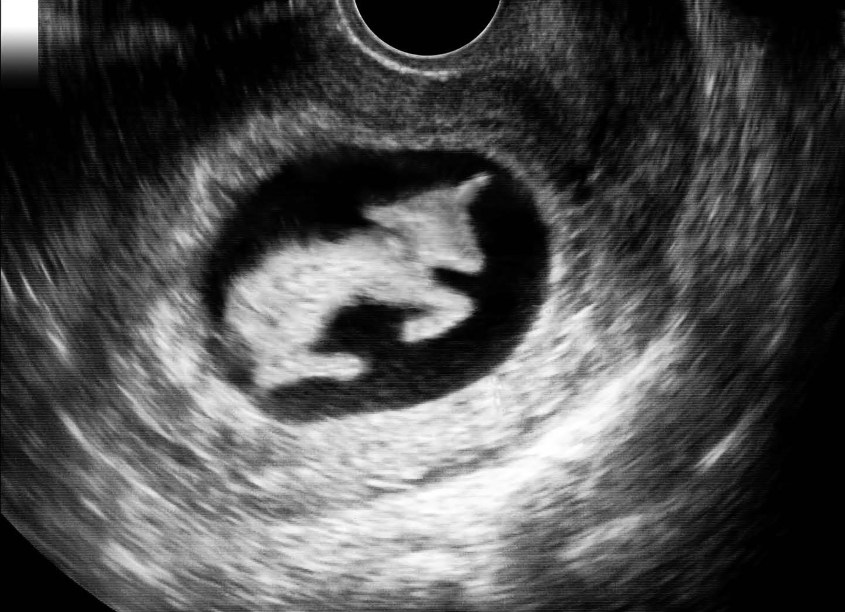
In order to get to the substance, however, you first need an unborn calf.
This is removed from the uterus after the pregnant mother has been slaughtered.

Because the slaughter of pregnant cows is not welcomed in Switzerland, the material has to be imported.
According to the “New Zealand Herald”, the blood is removed from the heart of the fetus with a needle, which gives around 300 milliliters.

The liter is then exported from New Zealand around the world for the equivalent of around 1,600 francs.

The slaughter of pregnant cows and the taking of blood from their unborn calves are repeatedly criticized by animal rights activists.
«Forbes», writes that it is unclear whether the calves feel pain.
The “Herald” quotes an anonymous insider, according to which the dams suffer because they are transported during the gestation period.

Continue reading “Switzerland – 740 tons of calf blood and nobody wants it!”

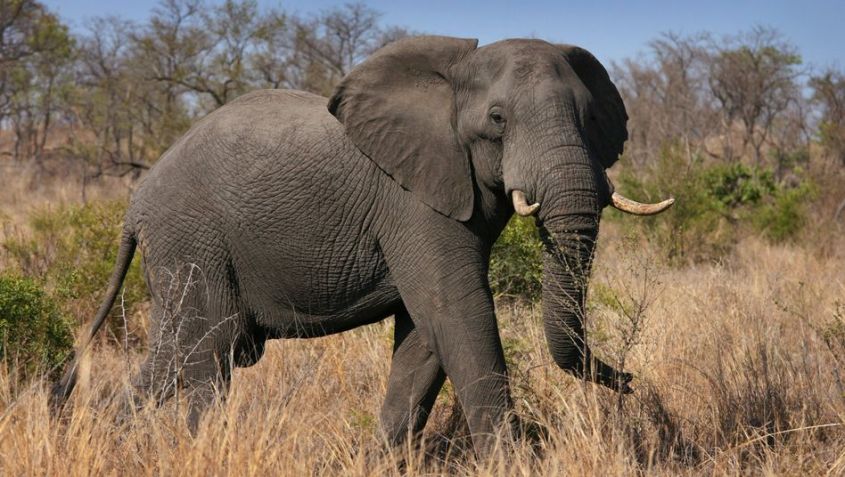
Kruger National Park: Elephants trample poachers to death!

Despite the ban on the ivory trade, tens of thousands of elephants are killed for their tusks every year.

In a South African national park, a poacher has now paid for the hunt with his life.

April 18, 2021, 3:42 p.m.

A suspected poacher has been killed by elephants in South Africa’s famous Kruger National Park.
The man and two accomplices fled from park rangers and came across a herd of elephants with cubs, said the Sanparks National Park Authority on Sunday.

The elephants would have trampled the man to death.

Foto: Jon Hrusa

One of the accomplices was arrested while the third man escaped, it said. The rangers were also able to retrieve a rifle, an ax, and a bag with supplies. The search for the third suspect continued on Sunday afternoon.

Despite an international trade ban on ivory, tens of thousands of African elephants are killed for their tusks every year. According to the IUCN animal welfare organization, there are still an estimated 415,000 elephants on the continent.

The Kruger Park is one of the main tourist attractions in South Africa and is one of the largest national parks in Africa.
It is about the size of the state of Hesse and is known for a large number of wild animals such as elephants, lions, rhinos, leopards, and buffalo.
The last time there was a similar incident occurred in 2019 in which a poacher was trampled by elephants and eaten by lions.

https://www.spiegel.de/panorama/suedafrika-elefanten-trampeln-wilderer-im-krueger-nationalpark-zu-tode-a-7428b53e-afb6-45bd-b76d-03e809397414

And I mean...Wonderful, we like to hear such news!
Finally, someone is doing something against poachers. We humans don’t manage to fight them effectively!
If people had such social behavior as the elephants, we would all have no more problems.

Unfortunately, it hits the weakest link in the chain, and not those who are enthroned as heroes above the dead elephant and even publicize the murder on photos.

A son of Donald Trump is also a big game hunter …Just an idea …

And now we keep our fingers crossed for the Spanish bulls.

My best regards to all, Venus

England: Ghandi – “The more helpless a creature, the more entitled it is to protection by man from the cruelty of man” – A Personal View – Mark (WAV).

I thought that I would write this post now as at the current time, with worldwide Covid killing millions; and the very high view that the disease was originally created by zoonosis transmission form animals held under stress in wet markets, to human beings; do we really want to delve further into ‘chimera’ research, involving more than one animal species ? – has nothing been learned from Covid ?

A zoonosis (plural zoonoses, or zoonotic diseases) is an infectious disease caused by a pathogen (an infectious agent, such as a bacterium, virus, parasite or prion) that has jumped from an animal (usually a vertebrate) to a human.  Wet markets, in which animals are held under immense stress, are an ideal source of zoonotic disease transmission.  It is strongly believed that Covid was a virus that jumped from animals to humans.

So now, is it really time to further investigative work on the ‘Chimera’ ?

What is chimera ?:

A chimera is essentially a single organism that’s made up of cells from two or more “individuals”—that is, it contains two sets of DNA, with the code to make two separate organisms. One way that chimeras can happen naturally in humans is that a fetus can absorb its twin.

It (chimera) is an issue that has been kicking around in animal rights for many years; it is not new; certainly not here in the UK; but with the current Covid situation we really need to look more at this.

Scientists claim to have made an ‘extraordinary medical advance’ by creating an embryo that is part human and part monkey.  The creation of this human – monkey chimera as detailed as being described a ‘medical breakthrough’ by some; others describe it as a ‘Pandoras Box’ with serious ethical questions.  I personally am in this ‘ethical questions’ camp.

In a series of experiments; researchers from the Salk Institute in California (USA) have injected human stem cells into early stage macaque monkey embryos.  This procedure resulted in a number of chimeric embryos that survived for a period of around 19 days before they were destroyed.  Despite the vast ethical concerns; researchers say that the chimera embryos can lead to a ‘much better understanding’ of early human development, biology and disease.

The Chimera, according to Greek mythology, was a monstrous fire-breathing hybrid creature of Lycia in Asia Minor, composed of the parts of more than one animal. It is usually depicted as a lion, with the head of a goat protruding from its back, and a tail that might end with a snake’s head.

Chimera | Mythical creatures, Chimera mythology, Mythical monsters

Chimeras are organisms whose cells originate from two or more different organisms.  Professor Juan Belmonte of the Salk Institute (USA) describes the research as being very useful for advancing biomedical research not only at the early stages of life, but also at the latest stage of life.  He further declared that chimeric embryos could allow for the study of early human development and hold great potential in regenerative medicine as well as for producing human tissues and organs for transplant.

Professor Belmonte’s team worked with researchers in China; the original source of Covid and the particular zoonotic associated disease, as much of the research work  was undertaken there to ‘avoid legal issues’.  Chimeric embryos could thus allow scientists to conduct experiments that they are not currently permitted to do on human embryos because of the tight regulations.  Experimenting on embryos containing some human cells could potentially lead to new treatments for diseases that are present at, or before birth, such as heart defects, down syndrome and spina bifida.

They also claim that Type 1 diabetes could be targeted by treatments emerging from chimera research.  Using the human – monkey embryo research; scientists hope to ‘provide valuable insights’ by using animals that are closely related to humans.  Or, in other words, they say that organs which originate in animals, such as pigs, could later be transplanted into human beings.  ‘Interspecies chimeras’ are not new; and have been produced since the 1970’s, but so far, attempts involving human cells have been met with ‘very limited success’.

Professor Belmonte in the USA has worked with researchers from the Kumming University of Science and Technology at Yunnan (China) in a study.  Six days after the monkey embryos were created; each was then injected with 25 human cells.  The cells are known as ‘extended pluripotent stem cells’, which have the ability to develop into many different cell types and tissues both inside and OUTSIDE the embryo. 

After one day, human cells were detected in 132 embryos, and after 10 days 103 of the chimeric embryos were still developing.  But then, by day 19, only 3 chimeras were still alive.

Personal view – the creation of an embryo which is part human and part monkey (primate) raises significant ethical and philosophical concerns as to what it means to be ‘human’.  With this research, are we as the human species once again attempting to dominate the natural systems of the world ? – plants, animals, species; the ‘who we are’ image.

Scientists behind this latest chimera research state that these chimeric embryos ‘offer new opportunities’, because we are unable to conduct certain types of experiments in humans.  So, I thus see this as a ‘well it is ok to conduct the experiments on animals’; type thing then; who cares about the rights ? – we are the dominant species and can thus do as we wish.

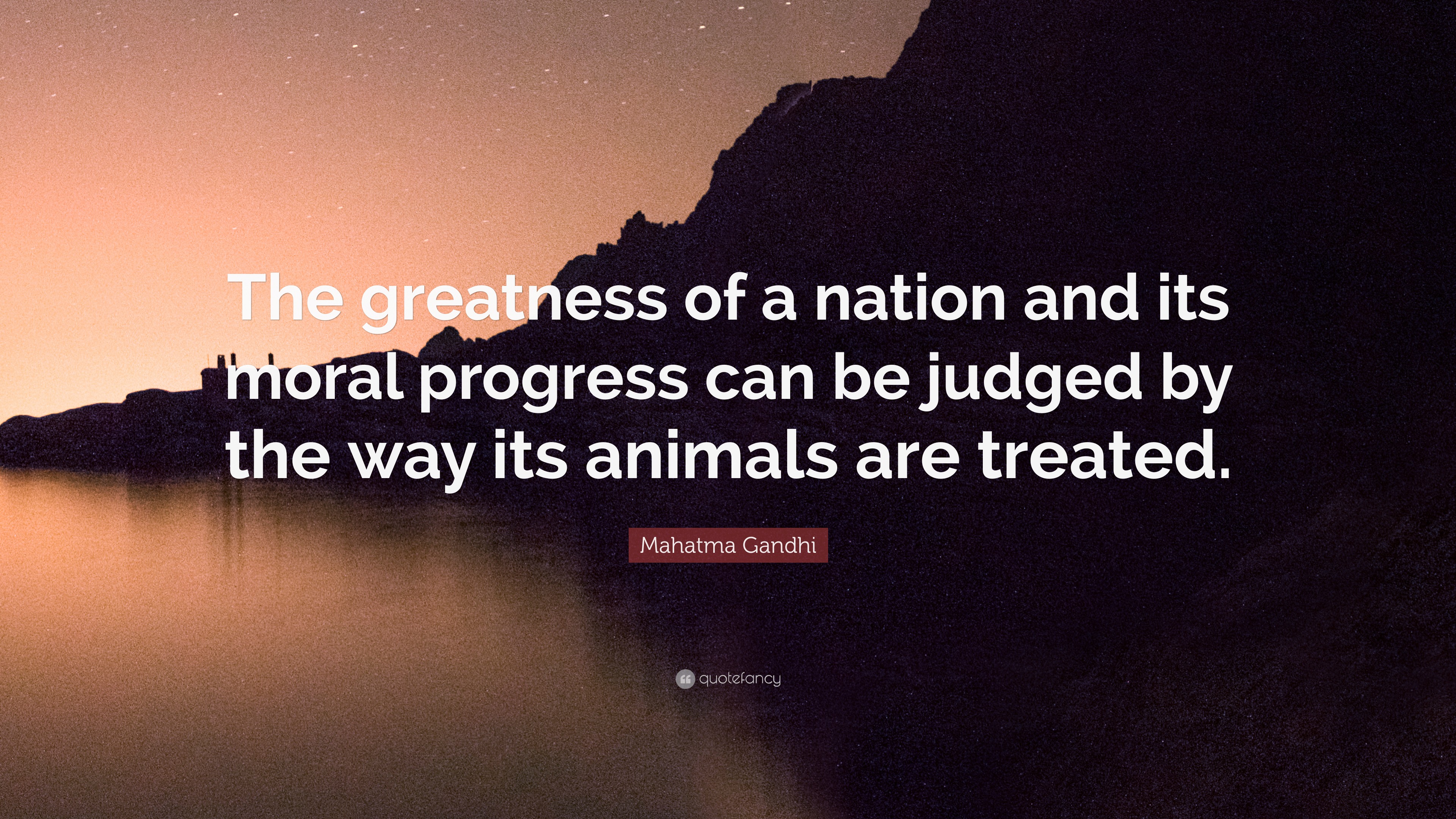
Mahatma Gandhi Quote: “The greatness of a nation and its moral progress can  be judged by

Mahatma Gandhi, (1869–1948) once stated:

“To my mind, the life of a lamb is no less precious than that of a human being.

I should be unwilling to take the life of a lamb for the sake of the human body.

I hold that, the more helpless a creature, the more entitled it is to protection by man from the cruelty of man“.


With this chimera research are we not opening up the can of worms to the future ?

Real questions will start to arise when techniques have improved to the point where embryo survival times are greatly improved, and we can ‘grow’ human spare parts in animals; only for them to be cut out and transplanted into our own bodies as we wish.  This is the ultimate goal of this research; to make the human species even more dominant than they currently are; to make big bucks for the developers and organisations involved; whilst largely ignoring the rights of the primates and pigs who would be used as simple living ‘tools’ for the advancement of humankind; what a terrible thought; are there not enough of us ‘planet destroyers’ today, right now, 19/4/21, as it is, without the need for more ?


The most difficult issues lie in the future; and the question of potential animal viruses and disease being passed over to humans; or the opposite; as a result of future successful development.  That is ‘life’, that is what makes us (currently) different to the primates; the whales. The dolphins and the wolves.  We have all developed our own ways of survival and existence without interference from others.

Before any experiments are currently performed on chimeras; the key ethical question of their moral status has to be reviewed.  Before they are even currently injected, experimented on, or their organs extracted; it is essential that their mental capacities and lives are properly assessed; and who does this ? – the ‘human’ no doubt !

We need new ways to understand the things we call ‘animals’; their mental lives and their relationships before we ever attempt to ‘use them’.  We should never ‘use them’.  I think a pig or battery hen in an intensive factory farm environment must be pretty ‘pissed off’ with the way is kept – it has an existence; not a life; for the benefit of whom ? – oh yes, us the human being.  It is our own responsibility now  to enact the Ghandi saying – that, “the more helpless a creature, the more entitled it is to protection by man from the cruelty of man“.


Maybe more should be done regarding research into the operation of the human brain; and why we, the destroyer of all; regards ourselves as superior to the simple but peaceful other creatures we share this planet with.  Man has to look at man, and ask the questions of where and why he went so wrong in history. 


We are not ‘dominant’; in fact we are ‘assholes’.


Regards Mark

The True Source of Chimeras - Matt Cole

Sweden: The Swedish breeding program for farm cats has been withdrawn. Positive News.

The Swedish breeding program for farm cats has been withdrawn

15 April 2021

Svenska Djurskyddsföreningen

News

At the end of 2020, the Swedish Board of Agriculture approved a breeding program for farm cats, which has been criticized in a letter from Svenska Djurskyddsföreningen.

The Swedish Board of Agriculture has come under fire after approving a farm cat breeding program in December, primarily because the program recommends that cats that are allowed to roam freely outside to be fertile, which would increase reproduction and result in an increase in unwanted, abandoned, and feral cats. 

On March 23, Svenska Djurskyddsföreningen wrote to the Swedish Board of Agriculture, asking them to reconsider the approval, in part because it violates animal welfare rules that require cats that go outside to be neutered or prevented from reproducing uncontrollably.

Following the outpouring of criticism, the authority decided to re-examine the case and announced that they are withdrawing the approval.

“We understand the criticism and regret that the case has not been sufficiently examined from an animal welfare point of view. We share the view that the breeding program does not live up to the animal welfare rules in all respects and therefore withdraw our approval”, said the Swedish Board of Agriculture’s head of animal welfare, Helena Elofsson.

swedish cat – Google Search

Sweden Cat by IvanBrussia on DeviantArt

Read more at source

Svenska Djurskyddsföreningen – Godkännande av avelsprogram dras tillbaka

English – https://www.djurskydd.org/who-we-are-and-what-we-do/

Further reading on this issue:

https://www.eurogroupforanimals.org/news/free-roaming-cats-sweden-should-now-be-neutered

Regards Mark

Enjoy: Amy was an English singer / songwriter – taken from us at 28 years of age. What a powerful voice.

There is no justice in this world.

Germany: Stop the murder of foxes

As a leisure activity, hunters across Germany kill up to half a million foxes in the cruelest way every year – many of the animals are “only” shot or downright crushed and mutilated in traps.
Foxes are a living target for hunters; there is no reason for the massive hunting of predators, neither from a wildlife biological nor from a health point of view.

Politics must finally act and put an end to the senseless killing of useful animals.

Petition for a nationwide ban on fox hunting – sign it now!

(Text of online petition): Finally, recognize wildlife studies: forbid fox hunting

Dear ministers,

I was dismayed to learn that up to half a million foxes are killed nationwide every year, even though there is no understandable reason for the massive, widespread hunting of predators from a wildlife-biological point of view.
On the contrary, the facts speak for a ban on fox hunting.

I note with concern that hunters deliberately attach a bad image to foxes in order to be able to pursue their bloody hobby.
Foxes, however, are an important link in the cycle of nature. They also ensure the survival of their prey species by preying on weak and sick animals and thus immediately eliminating foci of disease.

Nevertheless, foxes are tracked nationwide and nationwide. Up to 500,000 of these animals are killed by hunters every year. Many of them are only shot at or downright crushed and mutilated in traps.

The reason for the hunt is usually given by hunting associations as the alleged endangerment of the populations of ground-breeding species such as partridge, lapwing, and skylark as well as young hares and common hamsters.

However, experts agree that the drastic decline in the population of affected species such as partridges or brown hares in recent decades can be attributed to industrialized agriculture and the associated loss of habitat.

In addition, hunters in Germany themselves kill more than 180,000 brown hares every year.
Foxes feed primarily on mice; per fox, there should be 3,000 to 5,000 mice per year. In agriculture as well as in cities, mice and rats are fought with large amounts of poisonous substances that can pose a significant risk to all wild animals, but also to dogs and cats.
This is also catastrophic from an ecological point of view.

The fact that the hunt for foxes is unnecessary and rather counterproductive has long been shown in extensive scientific literature.
English scientists come to the conclusion that hunting foxes have no noticeable effect; rather, fox populations regulate themselves based on food availability and social structure.

According to Section 17 of the Animal Welfare Act, it is forbidden to kill or harm an animal without good cause. But this is exactly what happens when hunting foxes.

Against the background that animal protection has been anchored in the German Basic Law as a state protection goal since 2002 and is, therefore, to be regarded as a binding asset with constitutional status, I would like to ask you to ban fox hunting.

Foxes have not been killed in the Bavarian Forest National Park for many years. Fox hunting has also been banned in Luxembourg since 2015. The bottom line: no problems.

Please remove foxes from the list of huntable species or at least establish a year-round closed season.

(With best regards)

Please sign and share the petition: https://www.peta.de/kampagnen/fuchsjagd-stoppen/ 

And I mean…First of all, the German Hunting Act is an enabling act in the sense of 1933.
It empowers hunters to attack someone else’s property.

Reich’s hunter Göring founded an institute for hunting studies “in order to follow the instinctual inclinations of the unbreakable German man.”
(Original quote from the founding decree of 1936)

In most driven hunts, everything that comes before the rifle is already shot today.
The amendment to the Hunting Act now even enables hunting during the night, using night targeting technology and headlights.

According to the Veterinary Association for Animal Welfare, up to 70 percent of wild animals do not die immediately, especially during driven hunts, but suffer excruciating jaw, stomach, and barrel shots.
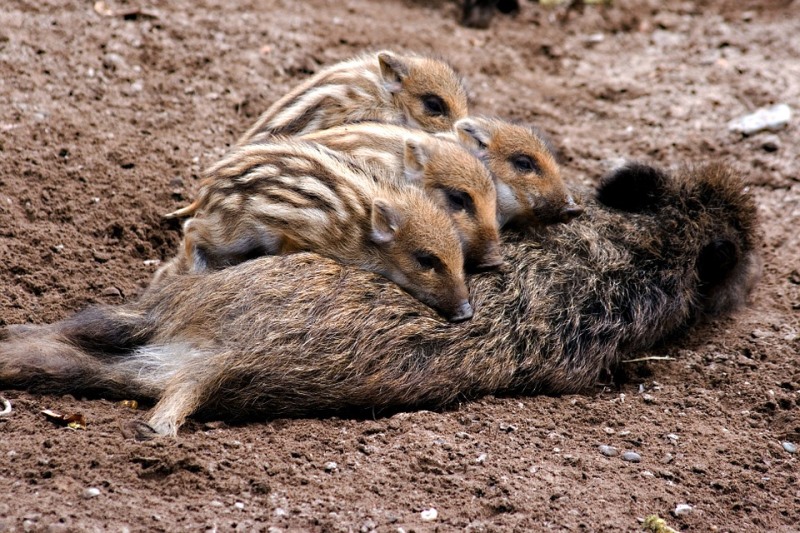
In nature, it is intended that every living being becomes food so that every species can survive. Those who have a lot of “predators” produce a lot of offspring in order to preserve their own species.
That is normal.

If this were not the case, an imbalance would arise. However, this balance is severely disturbed by hunting.
This means: the more foxes die as a result of hunting or accidents, the more their birth rate rises.

Conversely, falling mortality through social regulation mechanisms within fox populations leads to fewer offspring.
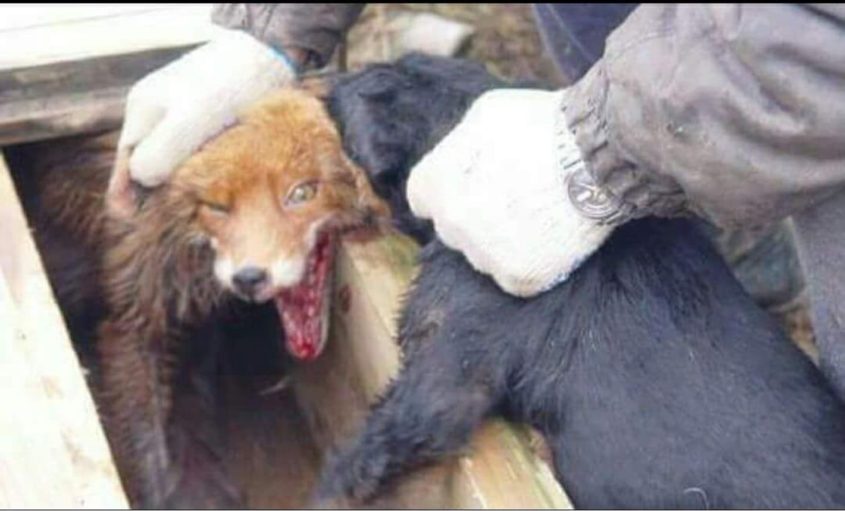
Via the training plants– torture chambers for foxes: offered legally and in excess on the Internet, including instructions for use.
The so-called burrow dogs are made sharp on the living foxes, whose task it will be to drive the foxes out of the burrow.

For the fox, after excruciating stress, fear of death, and serious injuries, the end result is always fatal.
Once earlier, once later.

The German animal protection law states:

§3. Section 7: It is forbidden to train or test an animal on another living animal.

Paragraph 8: It is forbidden to set an animal on another animal unless this is required by the principles of grazing-friendly hunting.

Usually, however, it is claimed by hunters that it is not practiced, after all, it is forbidden.
In Germany, murder, rape, speeding, and tax evasion are also prohibited.
But that doesn’t seem to be a reason that it doesn’t happen.

In order to understand that we are dealing with animal cruelty inherent in the system and that the NOT documented suffering during hunting is much, much worse, one really only has to add one and one.
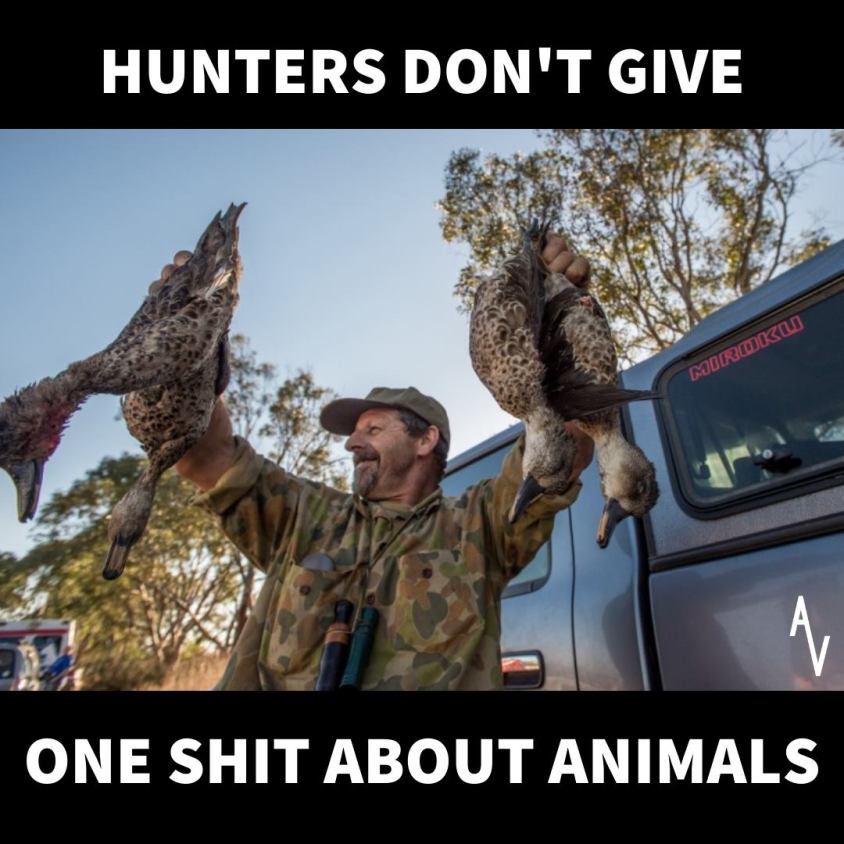
The hunt is and remains murder.
Hunting does not belong to a civilized society and must be abolished.
We keep fighting

My best regards to all, Venus