
Month: April 2021

France / UK: Non; Foie Gras Production Is Nothing But Cruelty In A Jar, and The UK Does Not Want It. We Will Ban It In the UK Very Soon; Promise.

‘We love foie gras’: French outrage at UK plan to ban imports of ‘cruel’ delicacy

UK officials are exploring restrictions on product after minister described it as ‘unbearably barbaric’

The head of France’s foie gras producers’ association has said she is “shocked and outraged” that the British government is considering banning imports of the product.

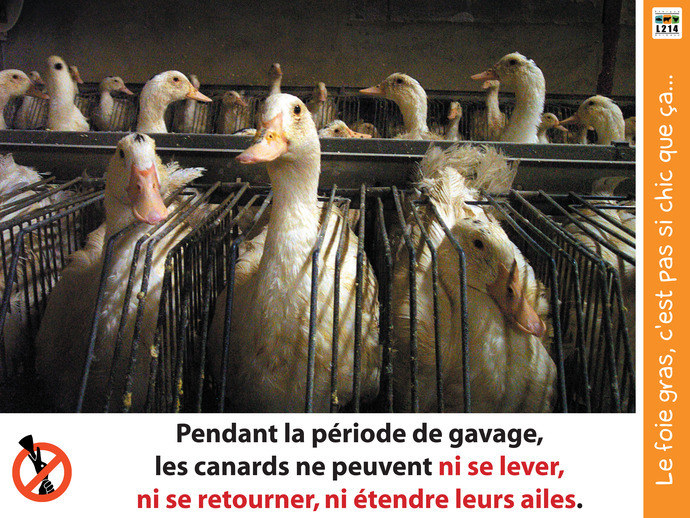
And she has invited MPs to visit French farms producing foie gras to see the force feeding of ducks and geese and judge for themselves whether it is “cruel and torturous”, as animal rights campaigners claim.

Marie-Pierre Pé, director of the Comité Interprofessionnel des Palmipèdes à Foie Gras (CIFOG), which represents about 3,500 foie gras producers, said: “I am shocked and I deplore the fact that the freedom to sell a perfectly healthy product defined under international conventions is threatened.

“For a country that promotes freedom of trade, it is not only paradoxical but shows a lack of understanding of our production as well as the problem of judgments based on anthropomorphic perceptions that the animal used in the production is suffering.

“Clearly, they don’t know how we do our job. Before taking this decision I invite them to visit a foie gras producer so they can make a rational decision. We have nothing to hide and we operate with complete transparency.”

Asked about the gavage, the most controversial aspect of foie gras production, where long tubes are pushed down the birds throat to pump food into the digestive system, causing the liver to swell to several times its natural size, Pé said campaigners were anthropomorphising – attributing human characteristics to animals – by claiming this harmed or hurt the ducks and geese.

“People have to stop imaging a tube being inserted in their own throat, because a duck and goose’s throat is nothing like yours. For a start, the duck’s throat is elastic and at the base there is a pocket that allows them to stock food – called gésiers, which is like our stomach,” she said.

“It does no harm to them. Of course, you have to know how to insert the tube, but if done properly the animal does not suffer and scientific studies have been made into the possible effects of the gavage, so we know.”

“The gavage is done twice a day respecting the digestive rhythm of the animal. We cannot force the digestive cycle because if we did it would then get blocked and you wouldn’t get the foie gras.

“We cannot say there are no accidents from time to time, but it is exceptional. A farmer has no interest in harming his own animals because that would kill them – and his production.”

A cross-party group of British MPs has written to ministers urging them to ban sales of foie gras in the UK. The letter to the environment secretary, George Eustice, and the animal welfare minister, Lord Goldsmith, was coordinated by the campaign group Animal Equality.

“Over the coming months, thousands more ducks and geese will endure torturous treatment for this cruel product,” the letter states.

The (UK) Department for the Environment, Food and Rural Affairs said it was “exploring further restrictions” to the delicacy following reports that Goldsmith was determined to ban sales in the UK, having described it earlier this year as “unbearably barbaric”.

Abigail Penny, executive director of Animal Equality UK, said: “Foie gras is the definition of animal cruelty and people are clearly united in their hatred for this wicked product. We simply cannot tolerate this any longer. A ban can’t come soon enough.”

However, opponents of a ban disagree. Richard Corrigan, who runs several Mayfair restaurants, has said that a ban would take the UK into “nanny-state territory”, while George Pell, the co-owner of L’Escargot, said there was a “paradox between people happily eating industrially farmed food products and advocating the ban”.

Pé said the legality of foie gras production had been examined “several times” and had been found to conform with European food regulations.

“Yes, there have been videos with shocking images from farms but they are exceptions and those farms do not reflect our sector and our profession,” she said. “Our farms are controlled by the authorities and the producers pledge to guarantee the welfare of the animal.”

She added: “I can understand if people don’t like foie gras, or they don’t want to eat animals or animal products, but there is respect for the animals in our production. I have no problem stating this because I know it is true.

“I am outraged and sad,” Pé said. “Surely the British government will not pass a law based on one-sided arguments. I personally invite them to come and see for themselves.”
Pé said foie gras had been singled out for a ban, “because foie gras is a gastronomic symbol of France. I think we are an easy target.

“It’s a recurrent theme and strategy by the animal rights groups. They produce sensational images to influence economics. We should ask ourselves, ‘are we being manipulated?’”

France is the world’s largest producer, consumer and exporter of foie gras. CIFOG says French farmers produced 15,000 tonnes of foie gras last year – down on the 18,800 tonnes produced in 2019 – mostly in and around the Périgord region, in south-west France. Up to 5,000 tonnes are exported annually, with up to 200 tonnes a year coming to Britain.

Pé said that despite Covid restrictions that shut winter markets and hit sales before the Christmas holidays – a period when foie gras is traditionally eaten – producers reported 1.2 million new French buyers in 2020. The sector has since been hit by outbreaks of avian flu.

“There is no problem in terms of support for our products in France,” she said. “The French love foie gras, there is extraordinary support for it,” she added.


Cruelty in a Jar – Foie Gras

Regards Mark – from ‘The Guardian’ London; Brilliant article as always;

‘We love foie gras’: French outrage at UK plan to ban imports of ‘cruel’ delicacy | Animal welfare | The Guardian

Germany’s animal shelters almost empty: animals against Corona loneliness!!

Corona loneliness, boredom, or just time to finally fulfill the long-cherished wish of having a pet? The Henstedt-Ulzburg animal shelter (in the state of Schleswig-Holstein- Germany) has never had so many inquiries as it does now.

When she opens the door to the cat station in the morning, the animal shelter carer Philine Bestehorn is greeted by a meow – but by a much quieter one than she is used to.
Because normally around 40 cats are waiting for a new home at the Henstedt-Ulzburg animal shelter.

At the moment the cat Rufus lives here all by himself. And there are already interested parties for him too.

The cat “Rufus” – he will also be picked up in a few days.

“We really never had that here before, normally all rooms are always occupied,” explains Philine Bestehornthe, the animal carer. Hardly anyone is currently giving up their animal. And the demand has never been as great as in Corona times.

Endless animal inquiries

“The phone doesn’t stand still all day,” said Philine Bestehorn, commenting on the ringing while she was cleaning Rufus’ litter box.
Then the dogs get their food.
The animal caretaker strokes the little mongrel male Kayro.
“He’ll be picked up today,” she says.

And there are already applicants for almost all of the other seven dogs here.

The animal shelter employees are critical of the great interest in animals:

“We are a little bit scared of the big wave of sales after the lockdown,” says animal shelter manager Katja Vogel. Because when it’s over, people suddenly don’t have that much time. And the animals may not know how to be alone. Then it can be that dogs start barking or whining or cats pee in the apartment in protest. And the animals end up with us again, “she fears.

Continue reading “Germany’s animal shelters almost empty: animals against Corona loneliness!!”

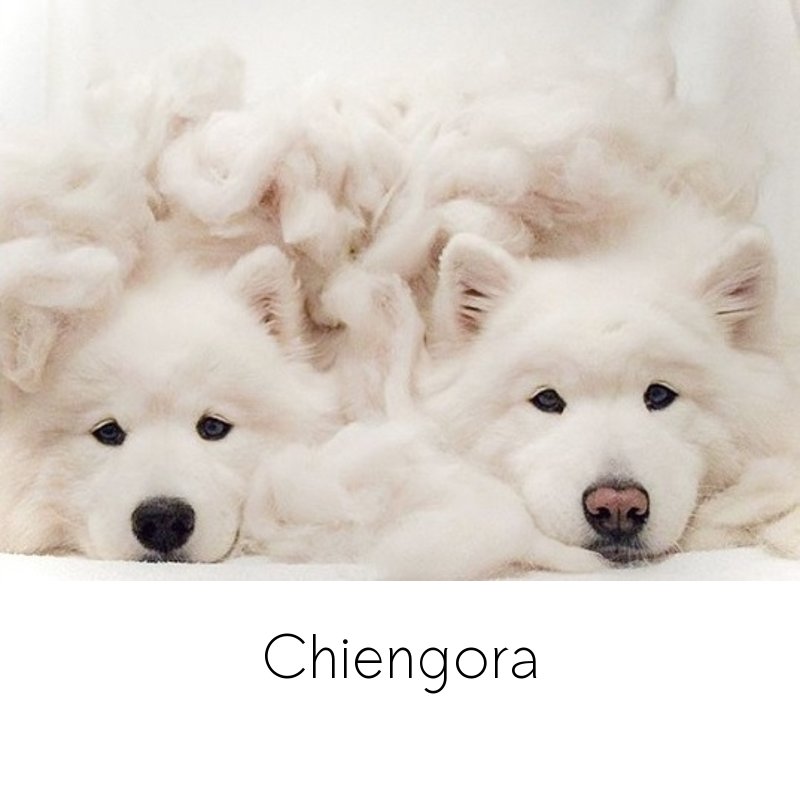
how animal-friendly is Chiengora really?

More and more often you come across clothes, accessories, and blankets made of dog wool, also known as chiengora, on the Internet. The yarn from the combed-out undercoat of dogs should be sustainable and, above all, be produced without animal suffering.

Where does dog wool come from?

Manufacturers of products from Chiengora state that they receive combed dog wool from private individuals, breeders, animal shelters, and dog barbers for a fee. This is to ensure that the wool only comes from dogs raised in a species-appropriate manner.

However, the keeping of the animals is not controlled.
Many animals are also badly treated in private households and by breeders.

In addition, the fibers for products from Chiengora are currently mixed with the fur of agriculturally exploited merino sheep and alpacas in order to improve the quality.

With dog wool, as with any other product of animal origin, the following applies: sooner or later animal suffering is almost inevitable.

Danger: Animal suffering through mass breeding and production?

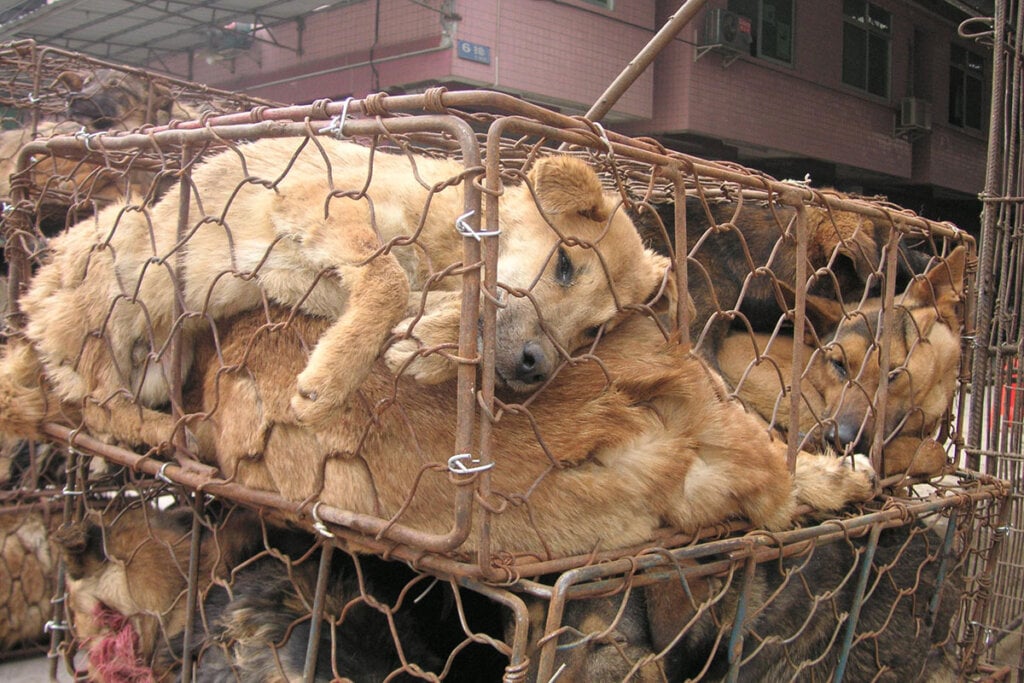
When clothing from Chiengora becomes a trend, many more people will want to get into the business model and breed dogs for wool production. As in many areas of the fashion industry, animals will then suffer for profit. In Asian countries, millions of dogs are already tortured and killed for leather and fur production.

Trading in dog wool could make the situation even worse.

The excruciating abuse to which animals are exposed in the wool industry around the world clearly shows that as soon as one can make money with animals, they will suffer.
Animals are not resources and are not there to be attracted by us.

Continue reading “how animal-friendly is Chiengora really?”

Taiwan does small advance against animal experiments

Update: April 15, 2021

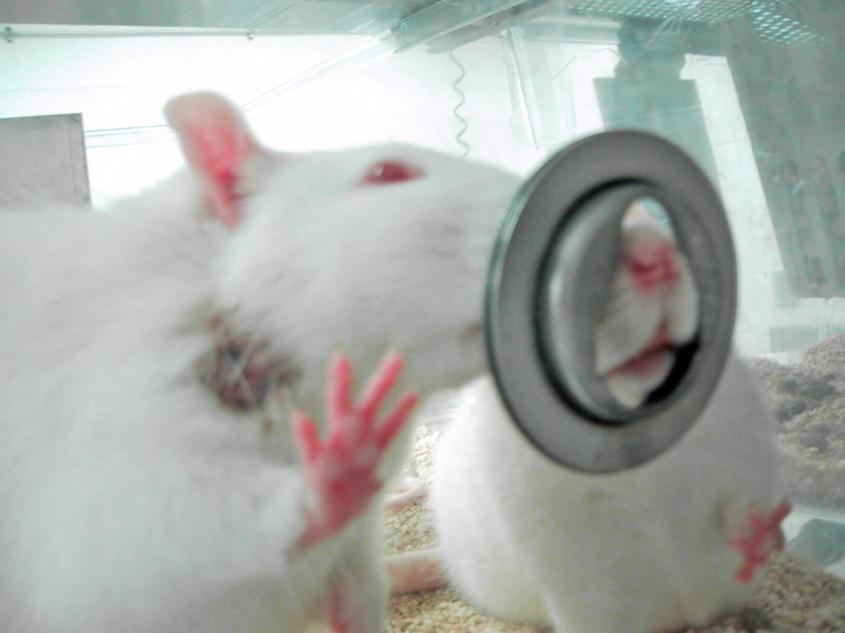
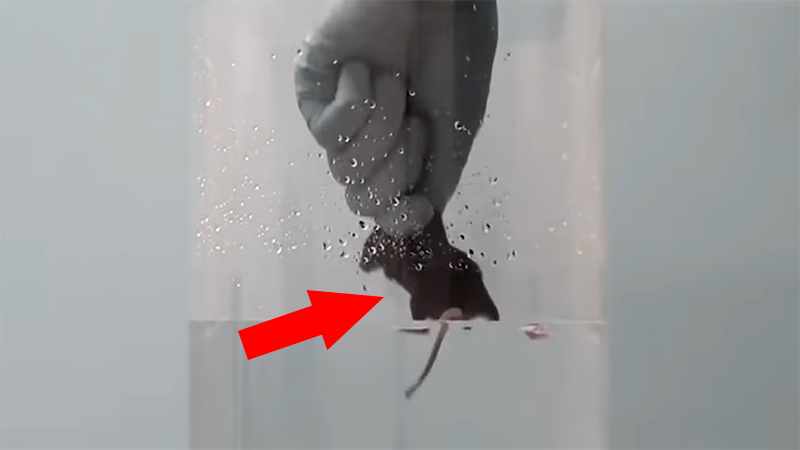
Following years of pressure from PETA, the Taiwan Food and Drug Administration (TFDA) has announced a groundbreaking decision to delete all animal tests—including drowning mice and rats and making them run to exhaustion on an electrified treadmill—from its draft regulation for marketing foods and beverages using dubious anti-fatigue health claims.

After receiving PETA’s detailed scientific critique and more than 73,000 e-mails from PETA supporters during a public comment period for the agency’s draft anti-fatigue health claim regulation, the Taiwan Food and Drug Administration (TFDA) has finalized the regulation and removed animal testing as an option for companies to pursue.

Now, only safe and effective human tests are required and allowed.

We need your help now to push for an end to animal testing for a different TFDA draft regulation—this one concerning joint-protection health claims for marketing foods and beverages to consumers.

The agency has proposed allowing gruesome, misleading experiments that would chemically or surgically induce painful arthritis in sensitive rats before they’re killed and dissected. Pain relief would be intentionally withheld so as not to interfere with the results.

Prior to the FDA’s announcement of its decision to remove the animal tests from its draft regulation, the agency had endorsed these horrific experiments, which are irrelevant to human health, and PETA sent the TFDA a detailed scientific critique of these tests at the agency’s request.

If the final draft regulation is approved as is, only safe and effective human tests would be required and allowed for companies that want to make anti-fatigue health claims for marketing food and beverage products.

Continue reading “Taiwan does small advance against animal experiments”

Sea Shepherd in Calapagos Archipelago

About 960 kilometers from the coast of Ecuador is the Galapagos Archipelago, world-famous for its unique flora and fauna.

Sea Shepherd has always considered the Galapagos Islands to be one of the last remaining untouched wilderness areas on earth. But even in this remote part of the world, human intervention is taking a heavy toll on this fragile ecosystem.

In this short film, which was produced in 2011, we introduce you to the work we have done so far to protect the Galapagos Marine Reserve and the life it contains.

This is the first time the film has been released online and we hope that the incredible work Sea Shepherd is doing is appreciated by all of our supporters.

Because this work is only possible thanks to your generous and ongoing support.

In South America, Sea Shepherd uses a variety of tactics to combat illegal fishing and poaching within the Galapagos National Park.
When the National Park Service first invited us in 1999 to help protect the Galapagos Marine Reserve, our presence had a powerful impact.

Among other things, we have helped arrest poachers, provided the local authorities with important equipment to improve their work, helped convict poachers and smugglers and set up the first specially trained dog squadron to discover illegal animal traffickers in Latin America.
Our work is an everlasting fight against the ever-changing techniques used by poachers and smugglers in the Galapagos Marine Reserve, where the aim is always to stay one step ahead of the criminals.

In Video you can see our work on site.

We thank the warriors of the seas and support them as we can

regards and good night, Venus

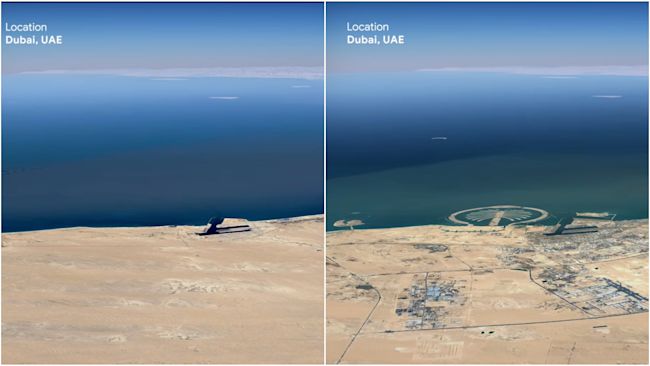
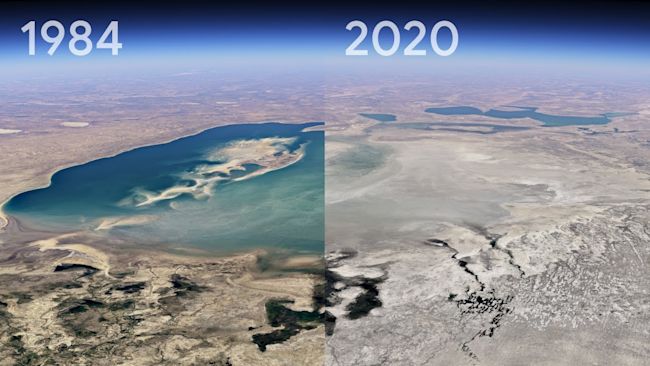
Google Earth time-lapse video shows the impact of humans and four decades of climate change on the planet.

Google Earth time-lapse video shows the impact of humans and four decades of climate change on the planet

A time-lapse video feature launched by Google Earth has drawn on nearly four decades of satellite imagery to vividly illustrate how the impact of humans and climate change have affected the planet.

The tool, unveiled on Thursday, shows how humans’ impact on the planet has changed glaciers, beaches and forests around the world.

Google says it undertook the complex project in partnership with several government agencies, including NASA and its European counterpart, in hopes that it will help a mass audience grasp the sometimes abstract concept of climate change in more tangible terms through its free Earth app.

The features, enabled by 24 million satellite photos compiled into a 4D experience, is the biggest update to Google Earth in five years.

Cornell University climate scientist Natalie Mahowald described the tool as “amazing” after watching a preview video of the feature.

“Trying to get people to understand the scope of the climate change and the land use problem is so difficult because of the long time and spatial scales,” she told the Associated Press.

“I would not be surprised if this one bit of software changes many people’s minds about the scale of the impact of humans on the environment.”

Most scientists agree that climate change is being driven by pollution primarily produced by humans.

But earlier images have mostly focused on melting glaciers and haven’t been widely available on an already popular app like Google Earth, which can be downloaded on most of the more than three billion smartphones now in use around the world

Google is promising that people will be able to see a time lapse presentation of just about anywhere they want to search.

The feature also includes a storytelling mode highlighting 800 different places on the planet in both 2D and 3D formats.

Those videos also will be available on Google’s YouTube video site, a service more widely used than the Earth app.

Google plans to update the time lapse imagery at least once a year.

Google Earth images of Dubai in 1985 (left) and 2020 (right).Credit: Google Earth

Aral Sea in Kazakhstan in 1984 and 2020.

Aral Sea in Kazakhstan in 1984 and 2020.Credit: Google Earth

Worrying !

Regards Mark

EU: The Intergroup on the Welfare and Conservation of Animals is calling to replace live export with a trade in meat, carcasses and genetic material.

The Intergroup on the Welfare and Conservation of Animals is calling to replace live export with a trade in meat, carcasses and genetic material

16 April 2021

In view of the announced revision of the Council Regulation (EC) No 1/2005 (Transport Regulation), Members of the European Parliament (MEPs) joined forces and set up the Animal Transport Working Group within the Intergroup on the Welfare and Conservation of Animals.

The working group has been very active recently, with its members joining NGOs missions in the field and taking steps when confronted with the two animal welfare crises involving the livestock vessels Karim Allah and Elbeik

There is a growing concern around the sustainability of live transport from animal health and welfare, environmental, societal and economic perspectives.

Taking stock of all the violations to the current animal transport legal framework, as well as the evidence about the unfitness of such a system, MEPs decided to publish a Manifesto to outline the main changes that should be translated into law. 

Among others, the MEPs are calling for:

  • Trading meat, carcasses and genetic material instead of live animals, with non-EU countries Setting up species specific journey times for the intra-EU trade, within a maximum journey time of 8 hours for adult mammals
  • Introducing species-specific requirements for the commercial movements of fish and invertebrates, laboratory animals, equidae, cats and dogs
  • Effective monitoring and enforcing mechanism to foster legal compliance

The Manifesto follows up on the recommendations made by Eurogroup for Animals in its White Paper on the revision of the Transport Regulation, published in January 2021.

Read the Manifesto here.

https://www.eurogroupforanimals.org/news/intergroup-welfare-and-conservation-animals-calling-replace-live-export-trade-meat-carcasses

Regards Mark

USA: POTUS Joe Biden Urged To Shift To Plant-Centered Food System To Combat Climate Change.

POTUS Joe Biden Urged To Shift To Plant-Centered Food System To Combat Climate Change

The politician is under pressure to transform the US food system leading up to his first ever climate summit as President on Earth Day

POTUS Joe Biden Urged To Shift To Plant-Centered Food System | Plant Based News

POTUS Joe Biden is being urged to shift to a plant-centered food system to ‘combat climate change‘.

To mark Earth Day (April 22) the politician is hosting his first climate summit as President. There, he will discuss the ‘urgency of stringer climate action’ with 40 world leaders.

POTUS Joe Biden

Biden has also announced a $2 trillion proposal to ‘strengthen infrastructure while also tackling climate change’.

However, the plan does not include the promotion of animal-free food or support farmers in transitioning from traditional animal agriculture to plant-based production.

As a result, non-governmental organization ProVeg International has created a petition, calling on the politician to shift to a plant-centered food system.

At the time of writing, the petition has garnered more than 1,500 signatures already. 

‘A terrifying prospect in climate change’

Moreover, Michael Webermann is the US Executive Director of ProVeg International. In a statement sent to PBN, he said: “To discuss environmental crises without centering food production is to wilfully avoid the facts.

“What we eat affects not just climate change, but the biggest issues facing the planet, including pandemic risks, deforestation, antibiotic resistance, and food insecurity. 

“For instance, the FAO tells us that if 40 percent of all crops produced for feeding animals were used directly for human consumption, we could feed nine billion people by 2050. One has to ask when policy will reflect the urgency of this situation?”

Webermann then concluded: “We’re facing a terrifying prospect in climate change, but in diet change lies a real solution. 

“Plant-centered diets, if adopted by many, could be the key to this crisis. We have scientific consensus. Biden’s plans must reflect it.”

You can sign ProVeg International’s petition here

Regards Mark

Donkey transport in Mauritania- the unbelievable tragedy in the shadow of the world public

Report of the Austrian association “Respect animals” (www.respektiere.at)

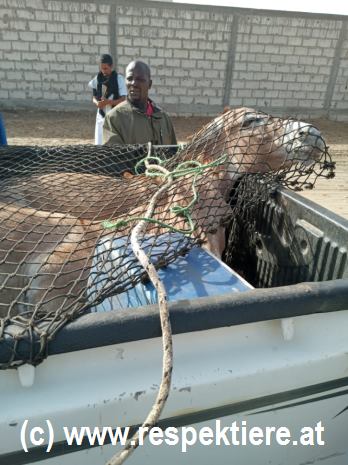
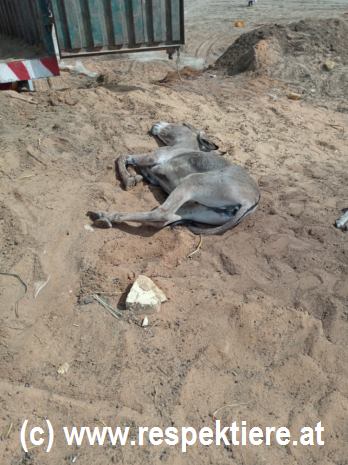
It is one of the least known tragedies in dealing with animals, which nevertheless happens every day and for that reason alone is all the more shocking – the transport of donkeys from Mauritanian villages in the south and east of the country to the capital! It goes over distances of up to 1200 kilometers, mostly on slopes and through deserts, mind you.Terrible things happen in each case, and very few people even know about it.

Photos: Donkey transport on the PickUp loading area – unbelievable!

That is why we wanted to accompany such a mode of transport as early as 2019, but this could not take place for various reasons; Postponed to 2020, the pandemic intervened and once again made it impossible to act.

Now we sincerely hope that the project can finally be implemented in 2021 …

Our team watches the arrival of the donkey again and again – incredibly sad moments are the order of the day, death is a constant companion of them. Squeezed in almost to the point of immobility, many of the animals are unable to cope with the ordeal of the up to 2-day journey at temperatures often well over 40 degrees.

Again and again, the dying is unloaded or already rescued dead. They are the unmourned creatures of the planet, their demise is a hardly registered, hardly recorded one.

‘Highway to hell’, at least from the donkey’s point of view, this is how one would have to rename the famous ‘Road of Peace’ to the east – to where many of the youngsters come from …

Continue reading “Donkey transport in Mauritania- the unbelievable tragedy in the shadow of the world public”

Canada / Japan: Tell Atlas Air to Stop Shipping Horses From Canada to Japan to Be Slaughtered.

Tell Atlas Air to Stop Shipping Horses From Canada to Japan to Be Slaughtered

It seems almost too preposterous to be true: Every year, more than 6,000 live horses in Canada are packed into transport crates and sent on harrowing flights halfway around the world to be slaughtered in Japan.

PETA’s video investigation reveals what happens in Japan to horses who are no longer wanted.

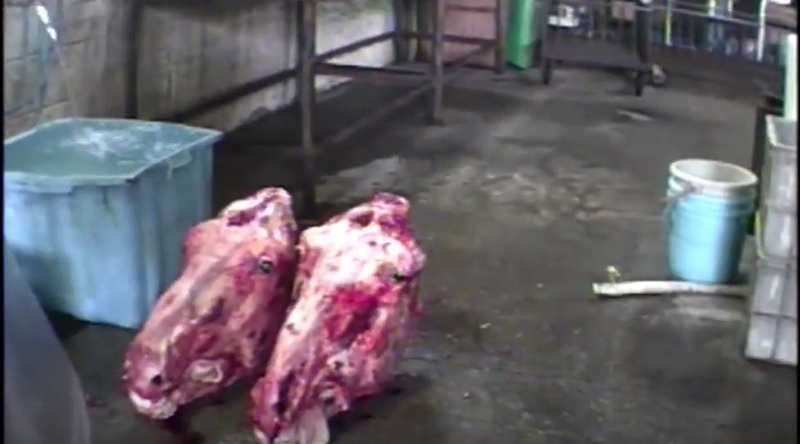
PETA went inside Japan’s largest horse slaughterhouse and captured footage of the horrifying final minutes of a horse formerly used for racing. PETA’s eyewitnesses watched as he was doused with water before being moved onto the kill floor. The terrified horse panicked, slipping out of his halter and escaping, only to be caught—and killed—minutes later.

Now, a recent exposé by Canada’s Global News shows that live horses are crammed into wooden shipping crates before being loaded onto cargo planes destined for Japan. Horses are often deprived of food and water and packed so tightly that they’re unable to stand naturally for the duration of the 16- to 18-hour flight. Numerous horses have died during landing accidents or “due to a combination of a substantial delay, the large size of the horses, and significant stress levels in the animals.” One horse, on a flight out of Calgary, was discovered dead and upside down in a crate.

The Canadian Food Inspection Agency (CFIA) is supposed to ensure that horses are segregated based on height and compatibility. But Dr. Maureen Harper, a former veterinarian with the CFIA, revealed a different reality: “They’re being shipped unsegregated. I was just horrified. They’re basically stuffing them in like a can of sardines.” She further explained that it’s impossible for any veterinarian to separate the horses adequately, stating, “The CFIA is knowingly not enforcing their own regulations. No veterinarian, on the ground, on the spot, can decide which horse is compatible with which horse at the time of loading. There’s no way.”

Some of these horses may come from the U.S. In 2012, PETA eyewitnesses followed a trailer from a meat buyer’s property in Iowa to a slaughterhouse in Québec and observed that the 33 horses onboard endured this 36-hour ordeal in subfreezing conditions and were never given food, water, or a chance to unload.

Your voice is needed today. Join us in urging Atlas Air, Inc., a New York-based company, to stop shipping horses to Japan, where they’ll be slaughtered.

TAKE ACTION

Tell Atlas Air to Stop Shipping Horses From Canada to Japan to Be Slaughtered | PETA

Regards Mark

Animal news from around the world.