Month: June 2021

Turkey adopts new animal welfare law – a step forward

In the coming days, a long-awaited animal rights bill will be presented to the Turkish parliament, calling for prison sentences for anyone who kills, abuses or tortures animals.

The final bill was submitted to the ruling Justice and Development Party (President Recep Tayyip Erdogan AKP) on June 8th, 2021, and is expected to come into force on July 1st, 2021.

With the aim of curbing the incidents of violence against animals, some of which have even made headlines in recent years, the expected law will define animals as “living beings” and not as “goods” as under current law.

In the new law, which is supposed to take into account the requirements of current values, citizens and NGOs, the name will initially be changed. It is planned to rename the previous “Animal Welfare Act” to “Animal Rights Act”.
A specially trained animal police are to be used.

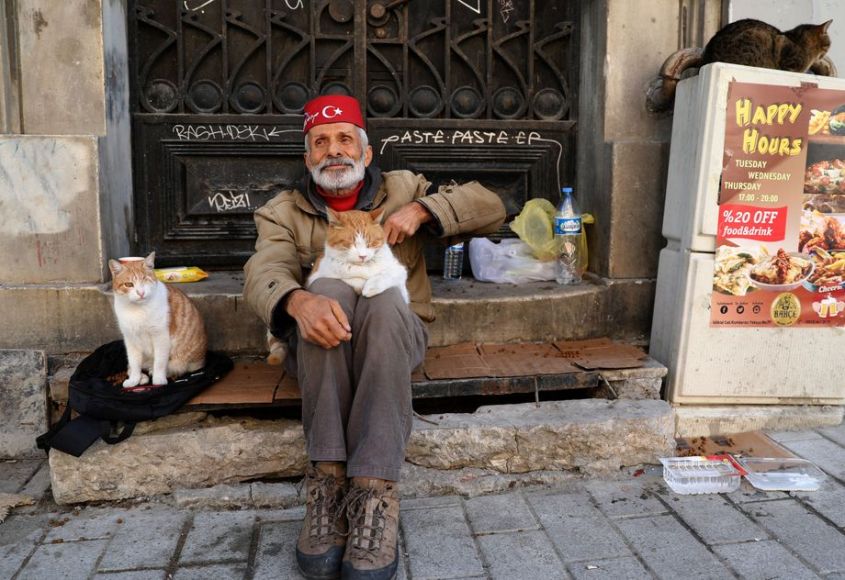
A man sits with cats on a street in Istanbul, Turkey, January 7, 2018. REUTERS/Goran Tomasevic

Should the law pass, imprisonment for crimes against animals will range from six months to four years, which is long enough to effectively block opportunities for a person to be released on bail or converted into a fine.

In addition to imprisonment for the sexual abuse of animals, a judicial sentence of at least 100 days is imposed.

Continue reading “Turkey adopts new animal welfare law – a step forward”

EU: All Products Placed on the EU Market – Including Imported Ones – Must Comply With Future Cage-Free Standards.

End the Cage Age Deutschland & Österreich (@Keine_Kaefige) | Twitter

WAV Comment:  We all want to see all farm animals liberated from their prisons over the next few days – of course we do; that is us.  But we have to accept that this wonderful news is a vote from people that can press for change, and that will happen now.

Changes like this, sadly, do not come overnight.  Production methods of farming throughout the EU have to change for the better; a phase out period has to be introduced to allow the farming community to change and get the old cages where they have always belonged; on the scrap heap or passed into the hands of the scrap metal dealer.

This is monumentous news for the citizens of the EU.  They have demanded that their parliament; elected by them, the people; undertake change to give them what they require – a cage free system for animals in the EU.

Take time out today and think what a huge chage started in the EU Parliament yesterday. Even better is the requirement that all products placed on the EU market  – including imported ones – must comply with future cage-free standards

The world is beng sent a message; go cage free or we don’t want you.  A good day for animals in the EU; the start of major change.

Regards Mark

European Parliament urges to ban the caging of farmed animals!

10 June 2021

The EU moved closer to ending the cage age today, with the European Parliament urging the European Commission to ban the use of cages in animal farming by 2027.

The EU Parliament passed a resolution on the End the Cage Age European Citizens’ Initiative (ECI) with an overwhelming majority, with 558 Members of the European Parliament (MEPs) in favour to 37 against, and 85 abstentions. 

The resolution urges the Commission to revise the outdated EU Directive on farmed animals in order to phase out cruel cage systems in animal farming. This will prevent more than 300 million farm animals – like hens, pigs and rabbits – from being kept in cramped cages every year.

It also emphasises that all products placed on the EU market – including imported ones – must comply with future cage-free standards. 

Additionally, the resolution stresses the need to provide adequate incentives and financial programmes to support farmers through the transition to cage-free systems. 

Today the European Parliament showed a groundswell of support to end the barbaric cage systems in animal farming. EU citizens, scientists, companies and now also democratic representatives want to end the animal farming dark ages. Now it’s up to the European Commission to make these voices heard, not only to relieve the suffering of billions of animals but also to honour the EU’s democracy and civilisation. We count on a positive decision.

Reineke Hameleers

In addition, the EU Parliament called on the Commission to “put forward proposals to ban the cruel and unnecessary force-feeding of ducks and geese for the production of foie gras.” 

MEPs also pushed the Commission to speed up the review of the EU animal welfare legislation, asking for it to be completed by 2022 instead of 2023, as currently planned. This can ensure that the ban on cages in animal farming will be introduced within the mandate of the current Commission, which will leave office in 2024.

MEPs endorse EU citizens’ call for gradual end to caged farming

Press Releases

Yesterday 

  • Alternatives to cage farming exist and should be encouraged
  • Ban to be based on impact assessment and species-by-species approach
  • Transition period and proper support for farmers and livestock breeders
  • Full compliance of imported animal products with EU rules on cage-free farming

Caged animal farming could be phased out in the European Union by 2027, say MEPs.

In their response to the “End the Cage Age” European Citizens’ Initiative (ECI), MEPs asked the EU Commission to come up with legislative proposals to ban caged farming in the EU, possibly already by 2027, following an appropriate transition period and after a solid scientific impact assessment has been carried out. The resolution to this end was adopted on Thursday with 558 votes in favour to 37 against, and 85 abstentions.

Alternatives to cage farming exist and are being successfully implemented in a number of member states, MEPs say. These alternative systems should be further improved and encouraged at member state level, but to ensure a level-playing field for farmers across the European Union, MEPs agreed EU legislation is needed.

Species-by-species approach and properly funded transition

The gradual end of the use of cages should be based on a species-by-species approach that would take into account the characteristics of different animals and ensure that they all have housing systems that suit their specific needs, MEPs say. Before any legislative changes are made, farmers and livestock breeders must be given a sufficiently long transition period and proper support. This could include adequate advisory and training services, incentives and financial programmes to avoid farmers losing their competitive edge and prevent the relocation of EU agricultural production to places where animal welfare standards are lower than in the EU.

MEPs also call for a more comprehensive food policy to support the shift towards a more sustainable food system, but also to prevent small and medium-sized farms from abandoning livestock production and stop its further concentration in the hands of a few large farms.

Same standards for all imported products

A fair trade policy that ensures a level playing field is a precondition for higher European standards, the Parliament says. The Commission and member states should therefore focus more on putting effective controls and customs checks in place to ensure that imported agri-food products meet EU animal welfare standards.

MEPs want all animal products imported into the EU to be produced in full compliance with relevant EU legislation, including the use of cage-free farming systems. They insist existing trade deals should be re-evaluated to ensure that the same animal welfare and product quality standards are met. They also call on the Commission to promote animal welfare internationally.

Ban on unnecessary force-feeding of ducks and geese

MEPs also call on the Commission to come up with a proposal to ban the cruel and unnecessary force-feeding of ducks and geese for the production of foie gras.

Background

The “End the Cage Age” European Citizens’ Initiative was registered with the EU Commission on 5 September 2018. By the time it was submitted, the initiative had gathered support from almost 1.4 million signatories from across the EU, with the required threshold for signatures met in 18 member states. MEPs debated the citizens’ initiative together with its organisers, Commissioners and representatives of other EU bodies during a public hearing on 15 April.

MEPs endorse EU citizens’ call for gradual end to caged farming | News | European Parliament (europa.eu)

Regards Mark

EU: Parliament Votes To Make Cages for All Farmed Animals Illegal Across the European Union by 2027. Major, Major Victory for the EU Citizen !

End the Cage Age Deutschland & Österreich (@Keine_Kaefige) | Twitter

Today, on 10 June 2021, the European Parliament urged the European Commission to make cages for farmed animals illegal across the European Union by 2027, adopting a resolution on the ‘End the Cage Age‘ European Citizens’ Initiative.

The resolution was passed by an overwhelming majority, with 558 Members of the European Parliament (MEPs) in favour to 37 against and 85 abstentions. It urges the Commission to revise the outdated EU directive on farmed animals, Directive 98/58/EC, in order to phase out cruel cage systems.

In the EU, at present, laying hens and rabbits are confined to spaces about the size of an A4 sheet of paper. Adult female pigs have to spend nearly half of every year inside crates, in which they cannot even turn around. Calves, geese and quail are also caged, preventing them from performing basic natural behaviours.

Parliamentarians agreed on the need to end these practices. They also highlighted the need to ensure that all products placed on the EU market – including imported ones – comply with future cage-free standards. They stressed the need to provide adequate incentives and financial programmes to support farmers through the transition.

In addition, the EU Parliament called on the Commission to “put forward proposals to ban the cruel and unnecessary force-feeding of ducks and geese for the production of foie gras.”

Parliamentarians also pushed the Commission to speed up its review of the EU’s animal welfare legislation, asking for this to be completed by 2022 instead of late 2023 as currently planned. This would help ensure that the ban is introduced within the mandate of the current Commission, which will leave office in 2024.

In today’s morning session, the Parliament also debated the resolution, with an extraordinary number of 45 MEPs taking the floor. The debate was attended by Health Commissioner Stella Kyriakides, who expressed support for the ‘End the Cage Age’ Initiative. She stated that the Commission’s commitment to improve the welfare of animals “does remain a moral, a health and an economic imperative.” “And for me, it is a personal commitment to strive for change,” she added.

Earlier, during a Parliament hearing in April, EU Agriculture Commissioner Janusz Wojciechowski highlighted that the Commission promises to work intensively to end the cage age — a clear indication that a proposal is in the making.

The Commission is expected to announce what steps it will take regarding the issue on 30 June this year.

Commenting on today’s resolution, Olga Kikou, Head of Compassion in World Farming EU and one of the citizens leading the ‘End the Cage Age’ European Citizens’ Initiative, said: “Citizens have been waiting for years to see the cages ban materialise. We are delighted that the European Parliament has taken a firm stance against cages. The time has come now for politicians to put words into action. From today on, the ball is in the Commission’s court. We expect nothing short of an ambitious timetable for ending the use of these outdated torture instruments called cages. Once this happens, the EU could truly claim global leadership in animal welfare.”

MEP Anja Hazekamp, Co-chair of the MEP working group on cage-free farming, added: “Hundreds of millions of animals are locked up in cages for farming purposes in Europe every year. They live under horrible conditions, without any chance to exercise their natural behaviour. After the successful citizens’ initiative, signed by 1.4 million citizens, the European Parliament now joins the widely supported call to free animals from their cages. The Left emphasizes that a legislative proposal must now be put forward without delay. All animal-cages in Europe must disappear at the latest by 2027.”

When animals are concentrated in large numbers in confined spaces, they do not experience a life worth living. There is a great deal of scientific evidence that farmed animals suffer in cages, yet every year in the EU over 300 million still spend all or part of their lives in cages, pens or stalls.

The ‘End the Cage Age’ European Citizens’ Initiative was signed by 1.4 million people across Europe and is only the sixth successful Initiative since the EU launched this democracy tool ten years ago. It is the very first successful Initiative for farmed animals.

The Initiative is also supported by over 170 organisations, a group of cross-party Members of the European Parliament, the European Committee of the Regions, a group of over 140 scientists, representatives of the business community, organisations campaigning for environmental protection, health and farming, as well as veterinary students and vets.

Overwhelming support by EU Parliament for ban on cages for farmed animals | Compassion in World Farming (ciwf.eu)

The EU citizen has spoken;

now they want action;

Regards Mark

More to come on this very soon – a wonderful result !

Israel bans the sale of fur – not a novelty, but whitewashing

Recently there has been a boom on the Internet that Israel introduced the fur ban (as the first country in the world).
The animal rights scene is cheering, and the gullible animal rights activist praises Israel with comments, gifs, and emoticons on the Internet.

However, in addition to this mass euphoria about the new novelty, there are two small hooks that, in the case of Israel, allow animals to be bestially killed because of their fur, namely:
On the one hand in science for educational and research purposes, i.e. for unholy animal experiments.
And on the other hand for the production and sale of the so-called “Schtreimel”,( שטרײַמל‎) the headgear of ultra-orthodox Jews.
Once again, religion is tolerated by the state and placed above animal welfare in Israel.

A third but most important hoe makes this ban more than suspect.
Israel has drawn hatred and contempt from around the world after the last Gaza massacre.

It was already time for a diversion from Israel, which works best where there is a belief that animal welfare has nothing to do with politics, and therefore the ban (which is half one) is dated as breaking news.

First of all, one thing has to be said: some restrictions on fur have already existed.

Los Angeles and San Francisco have already banned sales.
California wants to be the first US state to follow the good example of these two cities in 2023.
In the Brazilian metropolis of São Paulo, the export and import of fur goods are already prohibited.

Perhaps very few people know anything about this, because none of these countries wanted to do the white washing of Israel with the ban, and neither did it need to.

So we do not participate, and we do not deserve any praise or recognition for countries, governments or instances that take a good step against animal suffering, but live in the Middle Ages when it comes to human rights and the autonomy of other countries.

My best regards to all, Venus

Hunland promises improvements in animal transport

Hunland is not waiting for a change in the EU regulations but is developing, in its own competence and in cooperation with animal welfare NGOs, much stricter animal welfare rules for the transport of farm animals than the current regulations, said a Board member after an EU hearing.
As a first step, the long-term transport of unweaned calves will be banned from August, but professionally trained animal welfare officers and body cameras can also come later.

Hunland is implementing a new animal welfare practice in the field of animal transport after the company, which is also active in Hungary, took part in an E hearing on the subject.

The event organised by the European Parliament’s ANIT Committee of Inquiry, a body for the protection of animals during transport, and held in early March was attended by the EU decision-makers, by animal welfare NGOs and by companies active in the sector.
At the constructive event, despite seemingly contradictory points of view, the parties agreed on the need to further improve the EU’s animal welfare situation during transport and to call for even more humane methods in this area.
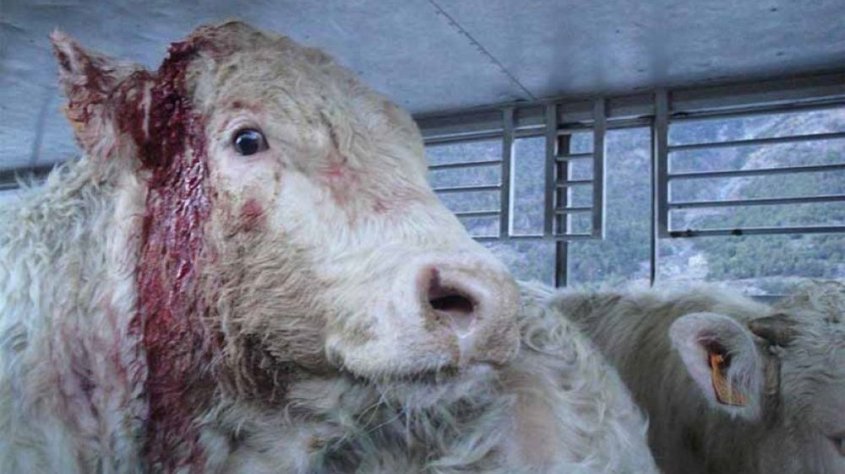
Photo, video, body camera

The expert added that the situation of animals as well as companies and workers in the sector will be better if those involved do not look for faults but actively work to ensure that animal welfare considerations are met during transportation.

To this end, the corporate group proposes to introduce an image and video documentation obligation during certain phases of transport, such as loading, unloading and resting.
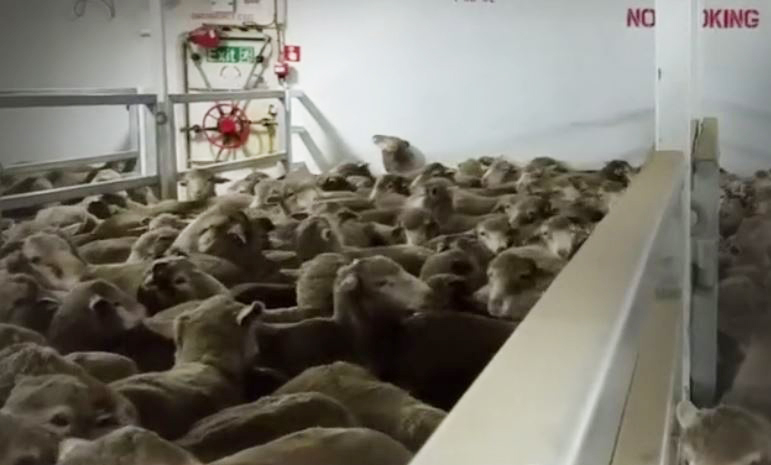
The company will also begin training animal welfare officers to oversee the process during transportation, and would also inspect drivers.
In addition, the company manager suggested that the body cameras and webcams of the participants in transport could be used to transparently monitor the transport of the animals so that their treatment could be checked.

Following the event, Péter Hencz stated:

“It is clear to Hunland that it will not wait for changes in regulations at national and EU level, but it will introduce significantly stricter rules than the official animal welfare standards in its own area, which it strictly observes during transportation and also shares its experience with animal welfare organisations that express their interest”.

Long-term transport of calves is discontinued

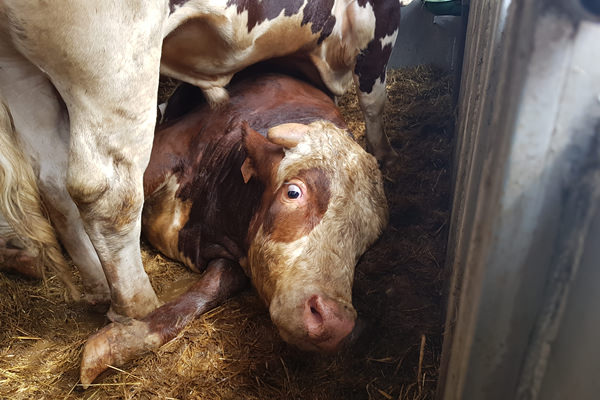
As one of the first steps, the company group will not transport unweaned calves, i.e. calves younger than 90 days, in a long term from 1 August this year, i.e. Hunland will ban the transport of calves that are not yet able to live independently for more than 8 hours.

By doing so, the company is embarking on a more lenient practice than the animal welfare regulations which are quite strict internationally.
The current regulations allow the long-term transport of calves as early as from the age of 14 days.
In the months leading up to the introduction, all Hunland partners will be able to prepare for a practice that will change significantly from August, which will be a decisive step in animal trading.
They do not follow but shape the rules

Péter Hencz said about the decision: Hunland’s goal is to actively bring to life a humane and transparent animal transport practice, not by following the rules but by shaping them, in cooperation with the animal welfare organisations.

The ban on long-term transport of unweaned calves is only the first step in this regard.
The Hunland Group will take further pioneering steps in the field of animal welfare in consultation with experts, animal welfarists and partners.

The Hunland Group, which started as a small family business in Dutch ownership, is now one of the most important agricultural players in Hungary.
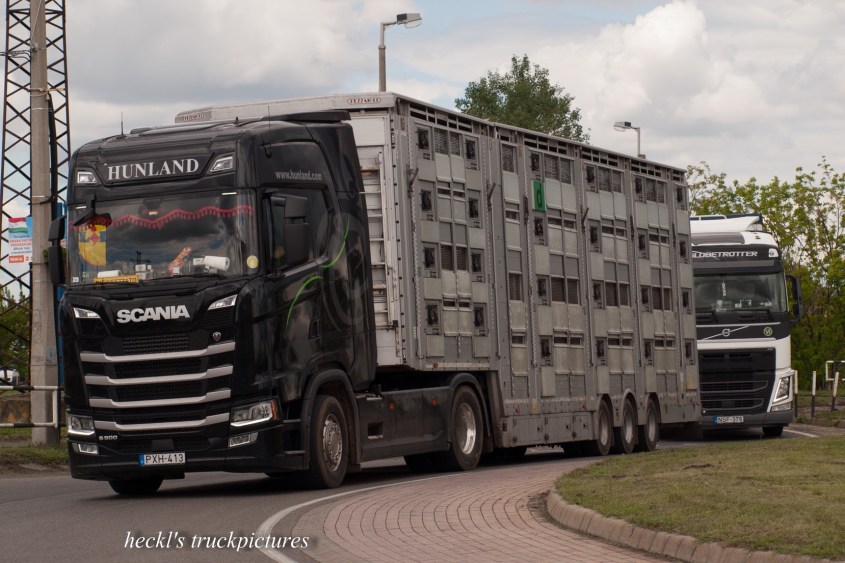
Originally limited to the livestock trade, the company is now also regarded as a serious agricultural producer, with large capacities in beef cattle, milk production and feed production.

However, the company’s main activity is still the export of livestock: in this field Hunland is a significant player in the Mediterranean region, in the Middle East, in Russia and in the surrounding countries.

https://novekedes.hu/english/livestock-transport-in-a-gentle-and-transparent-way-hunland-will-be-even-stricter-than-the-regulations

And I mean…As early as 2017, the company commissioned the organization Eyes on Animals to hold an animal welfare seminar for 15 employees.

EoA activist reports about it:
“Hunland Transport tries to introduce standards within the company that go beyond the basic minimum requirements of the often vague EU legislation.
They were an open-minded and committed training group. We thank Hunland Transport for their serious efforts.

It will not be possible to stop the transport of farm animals, but every opportunity should be used to significantly improve the conditions for transporting the animals in cooperation with good transport companies”.
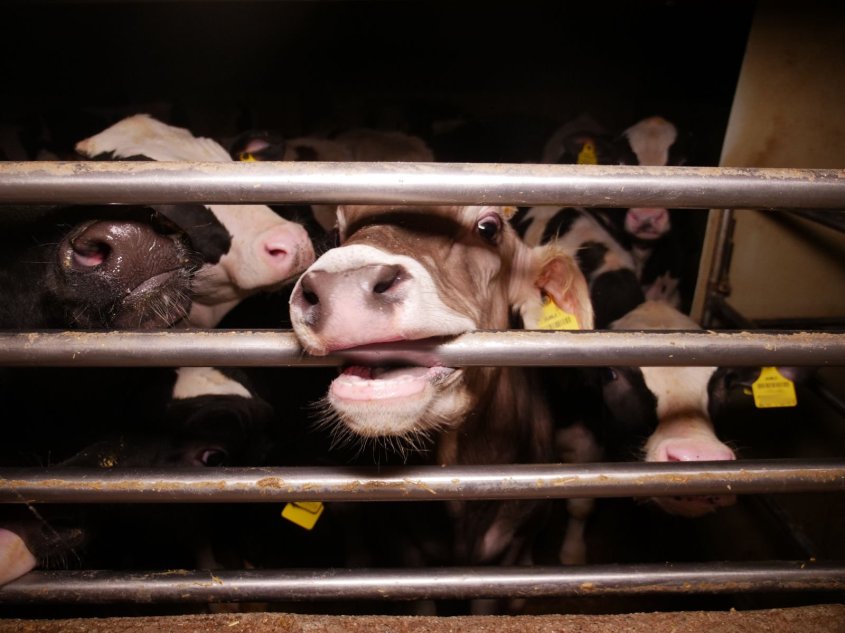
On April 20, 2019, Hunland announced its willingness to cooperate in livestock with Egypt via the media:

Egypt, Hungary explore partnerships in the livestock sector


“Egypt, Hungary explore partnerships in the animal husbandry sector” !!

“The two parties also agreed to import goats, especially in light of high demands from breeders of this strain, which is known with their high production of meat and milk, the statement read.

For their part, the Hunland representatives expressed their willingness to export Holstein calves to Egypt, in addition to providing the technical assistance to the country with regard to artificial insemination and the improvement of Egyptian breeds of cattle to increase their production of milk and meat”, the statement noted.”
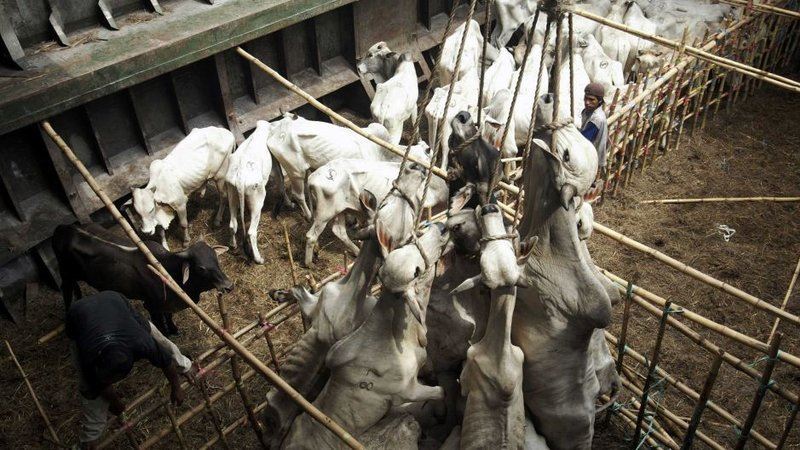
Who controls the animal transport when Hunland transports animals in the Mediterranean or the Middle East?

Even the minimum European animal transport regulations stop at the EU borders, as we have seen very often.

Goodwill alone does not help here, we need laws, pressure, demonstrations in front of the EU Commission in Brussels or the EU Parliament.

Therefore: Even the small improvements in the form of Hunland must not give us illusions that the meat industry will take care of the suffering of animals in animal transports, farms and slaughterhouses.
Because that’s part of their business

We welcome Hunland’s decision. And we hope the company keeps its promises.
But our struggle goes much deeper and aims at the end of animal transports.

My best regards to all, Venus

EU: Animal Ice Sculptures Left Melting Outside European Parliament To Link Animal Ag And Climate Crisis.

‘Change your plate, not the climate. Animal agriculture is melting the ice caps. Go vegan’

Animal Ice Sculptures Left Melting Outside European Parliament To Link Animal Ag And Climate Crisis

Go Vegan: Animals Melt Outside European Parliament | Plant Based News ‘The climate crisis requires urgent action’ Credit: PETA France

Animal-shaped ice sculptures have been left outside the European Parliament, highlighting the link between animal agriculture and the climate crisis

A pig, cow, and chicken sculpture were constructed in front of the parliamentary headquarters – located in Strasbourg, France. 

‘Go vegan’

They slowly melted over a banner that read: “Change your plate, not the climate. Animal agriculture is melting the ice caps. Go vegan.”

Moreover, the demonstration was spearheaded by vegan charity PETA, ahead of World Environment Day (June 5).

European Parliament

It follows a letter sent by the organization’s French affiliate to European Parliament President David Sassoli. It calls on him to ensure the Parliament serves exclusively vegan meals as well as ‘send a responsible and compassionate message to the whole world’.

“As you know, the climate crisis requires urgent action,” the letter reads.

“The science is clear on this topic: animal-derived products – including chicken, fish, cheese, and eggs – have a much bigger environmental footprint than plant-based foods. 

“The United Nations has considered animal agriculture to be one of the main causes of issues such as deforestation, pollution, dead zones in the oceans, habitat loss, species extinction, and melting ice caps.

“[This] is why it has warned that a change in diet is needed to prevent the worst effects of the climate crisis.”

The letter then says representatives must ‘lead by example’. It argues switching to a vegan menu is ‘not only easy but also cuts food-related carbon emissions by 73 percent’.

Regards Mark

China: herd of wild Asian elephants in Yunnan takes a break

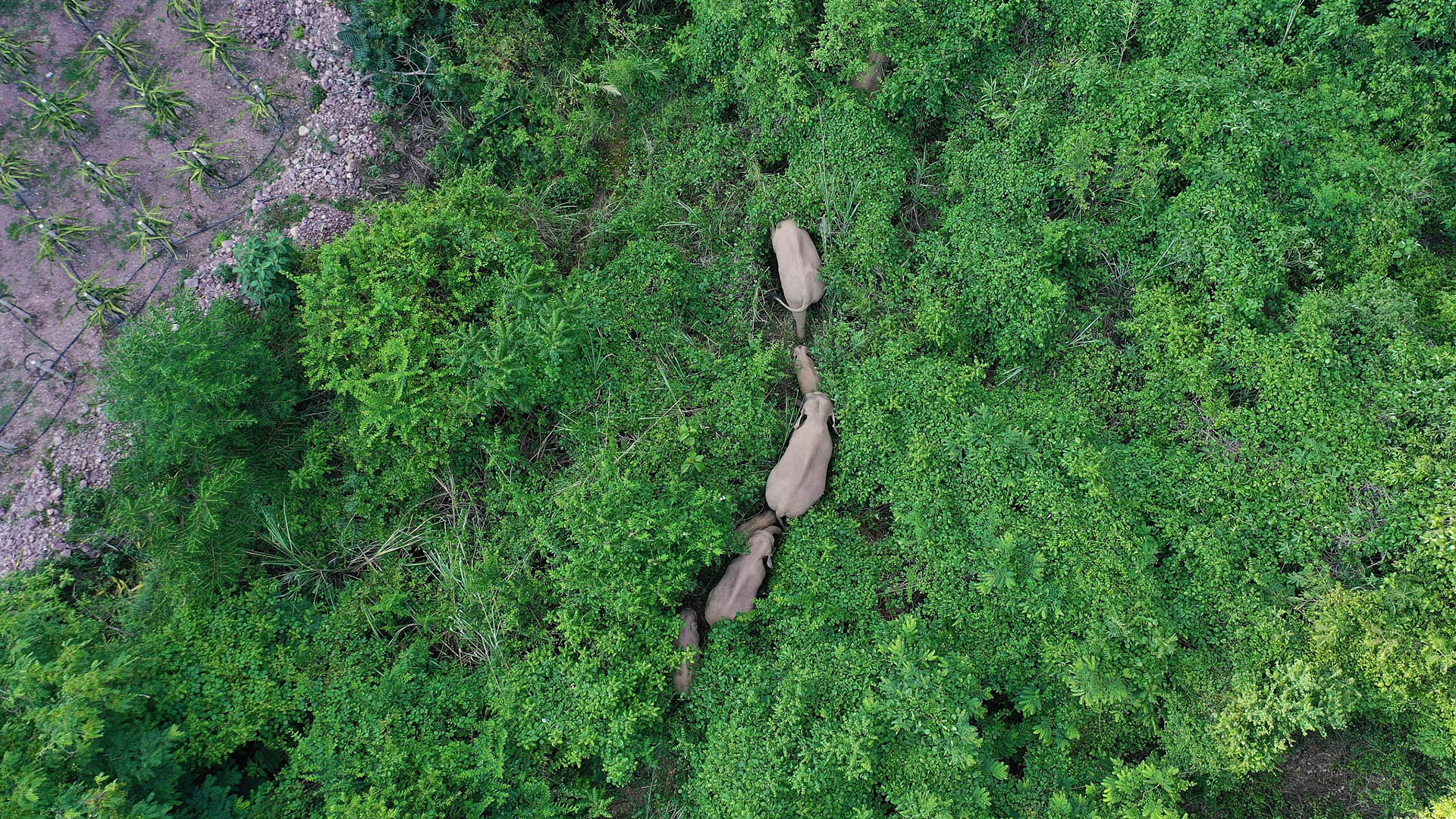
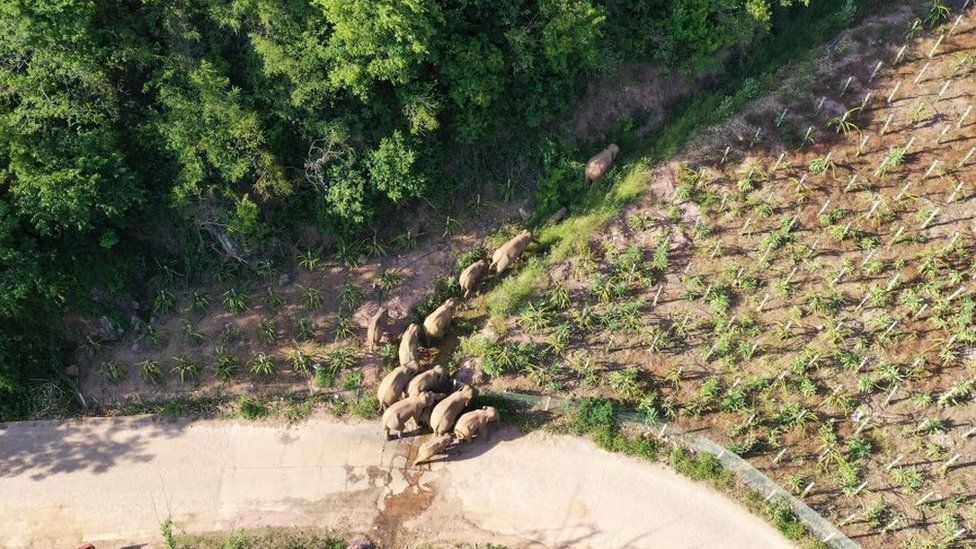
A wild Asian elephant herd left the Xishuangbanna National Nature Reserve in southwest China’s Yunnan Province and started marching north in mid-March.

After passing through several counties and occasionally wandering into villages and towns, they have stopped and taken a rest in a suburban area of Kunming City.

The number of elephants in the herd has changed as the their journey progressed. The latest tally is 14, after one male left the group.

What has made these endangered animals leave their habitat and march north remains uncertain. According to some experts, the reason is probably that the environmental protection process in the area has provided a good habitat for the Asian elephants, which enables them to breed more.

The march might be a dispersion of the population, with conditions allowing the group of elephants to leave and look for new habitats.

Image shows wild elephants wandering in YunanThe journey has comprised a mixture of farms, tracks and asphalt and has continued night and day

Local authorities in the places that the elephants visited have all carried out comprehensive response plans to ensure the safety of both humans and the elephants.

In both Yuxi City and Kunming City, contingency plans have been launched with equipment including unmanned aircraft that were used to continuously monitor the elephants’ activities and emergency mucking trucks that were sent to block surrounding roads into the village.
People were quickly organized to evacuate where necessary and food was also used to guide elephants away from urban areas.

Asian elephants are under first-class state protection in China and are listed as endangered by the International Union for Conservation of Nature Red List of Threatened Species.
The population of wild Asian elephants has been increasing in China, from 180 in 1980s to about 300 now.

The migration of the wild elephants in China has already stepped into international spotlight.

Media outlets including TV Asahi, the BBC and the New York Times reported the animals’ ongoing journey, analyzing the possible reasons behind the migration.

Efforts to turn them around have failed, and scientists may have to try and find them a suitable place to live nearby.

https://news.cgtn.com/news/2021-06-08/Herd-of-wild-Asian-elephants-in-SW-China-s-Yunnan-takes-a-break-10VugLV1sli/index.html

We wish the travelers a lot of strength and good luck in their new home

My best regards to all, Venus

USA: Cruel ‘goldfish grab’ in Ohio banned?

Despite a public outcry, the city of Springdale, Ohio’s Parks and Recreation Department has reportedly scheduled another “Goldfish Swim” on August 8, in which 1,000 goldfish will be dumped into a swimming pool with children who will be instructed to scramble to catch them with their bare hands.

During this chaotic event, approximately 1,000 goldfish will be poured into a community swimming pool, where children 12 and under “must catch them with their bare hands, no nets, no buckets or help from Mom and Dad” in the hope of taking them home.


Being dumped into a pool filled with frantic children grabbing at them would obviously be a horrific ordeal for these tiny animals, who view nearly everything as a predator—and exposure to even trace amounts of chlorine can cause them to experience respiratory distress.
Furthermore, because fish can transmit bacteria such as E. coli, such events pose a risk to the children, too.
These animals need your help now!*

Using the form below, please urge Springdale’s Parks and Recreation Department and its mayor and city council to cancel this cruel event permanently—then, forward this alert to everyone you know.

https://support.peta.org/page/29763/action/1 (Petition)

And I mean…More than 4,700 people have signed a Change.org petition to stop the event saying it is “obvious” animal abuse.

Unfortunately PETA very rarely or not at all dates their posts. The article I posted was also undated.
I did a little research on the topic and found the following news:

Julia Davenport, USA: THEY HAVEN’T SCHEDULED ONE FOR 2020!!!

I’ve scrolled through the city’s events calendar several times and looked at several months, and I didn’t see a Goldfish Swim scheduled for any of the upcoming months all the way out to February.
They have other aquatic events for the next several weeks for various ages, but no Goldfish Swim.

————————————————————

And PETA itself posted this last message.
However, as I said: no date!

*UPDATE: Ohio City Officials Cancel Cruel ‘Goldfish Grab’!
The city of Upper Arlington, Ohio, made the decision to cancel its plans to host a “goldfish grab” event in which dozens of goldfish would have been dumped into a swimming pool and chased by scrambling children who would attempt to scoop them up with nets.
We’re extending a big “thank you” to the city and to all of you for speaking up for animals!

Maybe they gave up. Fingers crossed!

(Anyone who wants can still sign the petition, it is still active, and that is the reason why I decided to post the topic anyway).

My best regards to all, Venus


Our reader Mary Finelli sent us the following message:

Mary Finelli says:
June 9, 2021 at 10:39 pm

Venus, very unfortunately – and infuriatingly, this animal abuse event is scheduled to happen this year, as noted in the city’s current newsletter (see p.7): https://www.springdale.org/publicfiles/Newsletter%20Spring%202021 % 20-% 20final.pdf

See also https://www.facebook.com/FishFeel.org/posts/2974498772773535

Mary Finelli
Fish feel
http://www.FishFeel.org

We thank her very much.
After this information it makes sense to sign the petition.
Please do that!

Regards Venus

England: Supermarkets Suspend Farm Where Workers Kicked Pigs and Dying Animals Left to Rot Among Living.

WAV Comment:  Typical example of why the world is going meat free; people don’t want the abuses; so they vote with their food purchases – so much from supermarkets about ‘taking animal welfare seriously’. We say: Then get out there and make sure the abuses do NOT happen; typical supermarket yukspeak – simple solution.

If these hell holes for animals go bust – then fine by us.

Watch the video here:

Supermarkets suspend farm where workers kicked pigs and dying animals left to rot | The Independent

Supermarkets suspend farm where workers kicked pigs and dying animals left to rot among living

Exclusive: Morrisons admits scenes ‘appalling and shameful’ and joins Tesco, Asda and Sainsbury in dropping supplier

Four supermarkets have suspended a pig-farming company after The Independent showed them footage revealing horrific neglect and abuse, including dying pigs left among the living and workers kicking animals too crippled to stand.

Pigs even turned to cannibalism and sick animals were left without treatment to suffer in squalid conditions at Willerby Wold Piggeries in North Yorkshire.

Morrisons admitted the scenes were “appalling and shameful” and said it was urgently investigating.

Asda said its supplier had dropped the farm, and Tesco and Sainsbury, who said they bought meat from the company only occasionally, also said they were breaking off from it.

One vet said it was some of the worst footage she had ever seen, with workers displaying “a monstrous disregard” for the animals – but that it was not unique among UK pig farms.

Red Tractor, the scheme that says it certifies only meat from animals that have been well cared for, dropped the farm’s membership after The Independent revealed the footage, and the farm said it was working with “veterinary advisers to address concerns”.

Morrisons was at the centre of a campaign this week targeted at investors in the supermarket, over its animal welfare standards. Activists claimed the chain sells “Frankenchickens”, living lives of misery.

Undercover investigators who filmed inside Willerby Wold’s sheds 12 times earlier this year captured footage of pigs with bulging hernias, blood on their bodies or painful, infected wounds.

Many animals are seen in the videos covered in flies and others are left shaking from disease.

Some were so sick their intestines were outside their bodies, the footage shows, although The Independent is not publishing such scenes.

The footage was handed to the Surge animal rights group, which said it identified 15 potential breaches of animal welfare laws.

Dying and dead pigs were left among the living, all kept on filthy floors with excrement on, the witnesses said.

Some that were lame and too ill to get up were gnawed at by their pen mates out of frustration.

The footage shows one animal that cannot stand forced to drag itself along the ground when a worker kicked it.

Alice Brough, a former pig vet who used to carry out welfare checks for Red Tractor’s endorsement scheme, said: “This is among some of the most harrowing footage I have seen captured in the UK.

Continue reading on next page. Select page from 3 pages using numbers below.

England: EU Must Stop Paying For Adverts For Animal Products. CIWF London.

From Compassion In World Farming (CIWF), London:


EU must stop paying for ads for animal products | Compassion in World Farming (ciwf.eu)


The EU gives millions of euros each year for marketing campaigns with the purpose of increasing our consumption of animal products made in the EU.

This poor use of public funds unfortunately hampers efforts to reform our food systems and tackle issues related to environmental degradation, animal welfare and human health. We are calling on the European Commission to revise this absurd policy, in line with its recent plans to reform food production and beat cancer.

The EU is now in the process of revising its advertising scheme for European agricultural products. The current scheme funds marketing campaigns that present a false image of how animals are raised and may mislead consumers about the health and the environmental impacts of animal products.

In one notorious example, the ‘Beefetarian’ marketing campaign, the EU awarded €3.6m to ‘incite the consumers not to have a stereotyped idea about red meat and to enable them to be again confident about their consumption decision.’

The funding that the EU allocates for advertising animal products is simply not aligned with the latest ambitions of EU strategies to tackle issues such as unhealthy diets, poor animal welfare, climate change, pollution of air, land and water and the associated decimation of biodiversity.

In February this year, the Commission published a new plan to fight cancer, which includes a commitment to encourage a ‘shift to a more plant-based diet, with less red and processed meat and other foods linked to cancer risk and more fruit and vegetables.’

Earlier, in May 2020, the Commission released its new food policy vision – the ‘Farm to Fork’ strategy, which recognised that our ‘food consumption patterns are unsustainable’, and that the EU average consumption of whole-grain cereals, fruit and vegetables, legumes and nuts ‘is insufficient.’

The EU rears and slaughters 9 billion terrestrial animals each year.[1] Insufficient legal protection of their welfare condemns billions of these sentient beings to short and brutal lives on factory farms and to suffering at slaughter. In addition, over half a billion fish spend a life of misery in underwater factory farms in the EU. Cruel methods of capture and slaughter are commonly used for farmed and wild fish.

To protect our health and our one and only planet, scientists are recommending that Europeans reduce their consumption of red meat and poultry by two thirds.

EU-funded ads should no longer incite an increased consumption of animal products. Instead, they should support plant-rich foods and thus facilitate a transition to healthier and more environmentally friendly diets. Fewer animals raised for food also means that we can more easily transition away from intensive methods of production, which cause animals tremendous suffering.

[1] Estimates based on FAO data.

Regards Mark