Month: September 2021

Vegan Meat Price Parity: Why Cost Not Kindness Will End Animal Agriculture.


Vegan Meat Price Parity: Why Cost Not Kindness Will End Animal Agriculture

‘It’s likely that ‘price parity’ between plant-based and animal-derived meats will see the quickest changes made to our food system’

by Dr. Alex Lockwood


It will be cost not kindness that ends animal agriculture – but when will we achieve vegan meat price parity?

As much as we care for animals, it’s likely that ‘price parity’ between plant-based and animal-derived meats will see the quickest changes made to our food system

We love cheap food. When asked, we nearly always say we prefer to buy products that are ethical, sustainable, and healthy. But research shows time and again that what actually drives most of our food choices are cost, convenience, and taste.

Most of all, it’s the price. 

Vegan meat price parity

That’s why the question of ‘price parity’ is a hot topic in plant-based food. With price, especially a cheap price, such a driving force in our food choices, the cost of plant-based meats really matters.

Right now, supermarket customers are paying almost 200 percent more for plant-based products in comparison to meat alternatives. 

It’s also why the European dairy lobby is trying to stop plant-based products being sold in ‘dairy’ packaging. If plant-based providers have to use different packaging, this could make plant-based alternatives more difficult to produce and, critically, more expensive to buy.

But lessons from other industries (such as electric cars) show that as technology develops and demand increases, price parity will arrive. But for plant-based meat products, when will that be? Can it really bring an end to the slaughter-based meat products that are currently cheaper and purchased more often?

‘Cheap food paradigm’

We love cheap food. As the UK government’s Behavioral Insights Team wrote in their report ‘A Menu For Change’, price (alongside convenience and taste) is the most important factor for people when shopping. This includes for healthier alternatives.

This isn’t our fault. Supermarkets, advertising, and government policies have spent 70 years creating what food expert Professor Tim Lang calls our ‘cheap food paradigm’. 

This is especially in the UK and US. Along with Singapore, these are the three cheapest food markets in the world. In the UK, we spend only 8 percent of our household budget on food. This is the cheapest in Western Europe. Greeks spend 16 percent, Peruvians 26 percent, and Nigerians 59 percent.

But when you learn that the UK also has the highest food poverty in Europe in terms of people being able to afford a healthy diet, you know something is wrong.

This cheap food paradigm emerged during World War 2. Farmers were asked to grow more food, quickly and cheaply. They were the heroes feeding a country at war, and rebuilding afterward. 

Farmers were doing what they were asked. They began using heavy chemicals and pesticides. They abandoned rotation farming and replaced them with monocultures. Food got increasingly cheap. There were supermarket price wars (continuing today). We lost touch with the true cost of food.

But at what cost?

The true cost of cheap food is a ‘spiraling public health crisis and environmental destruction’ – according to the RSA’s Food, Farming and Countryside Commission

Last month’s Chatham House/UN report drove home the point: “Cheap food is driving destruction of the natural world.” The constant demand for economic growth has ‘sustained vicious circles’ of agricultural efficiency, coupled with ‘increased economic competition through the liberalization of trade’.

Cheap foods also tend to be more processed. In the UK, we eat the most ultra-processed foods in Europe, nearly 50 percent of our diets. Compare this to around 11 percent in Italy or 16 percent in Portugal. This massively increases the incidence of Type-2 diabetes and other serious health epidemics.

A price transformation

It’s obvious we need a food transformation. And that includes the price we pay for it. 

What we should do is ask those who can afford more to pay more, while supporting those currently in food poverty to be able to buy better. But that’s another article!

We also know that a whole-foods plant-based diet can be much cheaper than a heavily processed, animal-based diet.

Right now, most meat-eaters overestimate the price of plant-based meat products. And they’re not wholly wrong. 

So if we want to see change happen quickly, we have to get people off the slaughter-based meats and into the plant-based aisles. The quickest way to do that is through pricing.

So when will that happen? It will arrive in three stages.

By 2023: Plant-Based Proteins

Back in 2019, the independent think tank Rethink X launched its report on the future of agriculture

Their analysis suggested that price parity between existing plant-based meats (for example, the Impossible Burger) and animal-derived meats would arrive sometime between 2021-23. 

When this happened, they wrote, adoption of more plant-based eating “will tip and accelerate exponentially.”

It is why companies such as Impossible Foods keep slashing their prices to drive demand, knowing that ‘price parity’ will increase not only sales but awareness and acceptability. 

Are we close to the tipping point?

At the moment, buying a vegan supermarket product twice a week would cost an additional £35 a year, a spokesperson for Insure4Sport, who produced research on cost comparisons, told The Times.

Right now, the early-adopter vegan and vegetarian or adventurous meat-eater will pay the premium price for the new plant-based alternatives. That won’t last.

The plant-based producers know they need to compete on price. Demand is growing. In 2019, demand for plant-based meats grew by 18 percent and 11 percent for the plant-based category overall, according to a study from The Good Food Institute.

More people than ever now support improved access to plant-based options. New research last week from The Vegan Society showed one in three (32 percent) believe the government should be promoting vegan and plant-based diets to address the current climate emergency.

Bill Gates recently urged people to buy plant-based products and drive down the price. “You can also send a signal to the market that people want zero-carbon alternatives and are willing to pay for them,” he told the BBC.

The supermarkets will drive this difference. If Tesco’s is setting a target for a 300 percent rise in vegan meat sales, they’ll still want to compete on price.

So perhaps Rethink X’s prediction that we will reach price parity for existing products by 2023 isn’t far off.

But what about the new world of cell-cultured meat, grown in a lab?

Continued on next page

Serbia: There is no excuse for cruelty to animals!

The Green Animal Welfare Forum and the RespekTiere association from Salburg (Austria) demonstrated against the unbearable animal rights situation in the Balkan state in front of the Serbian embassy in Vienna.

Animal rights and animal welfare are not part of the Serbian government’s agenda.
The policy of the Balkan state is attested to inactivity in animal welfare.

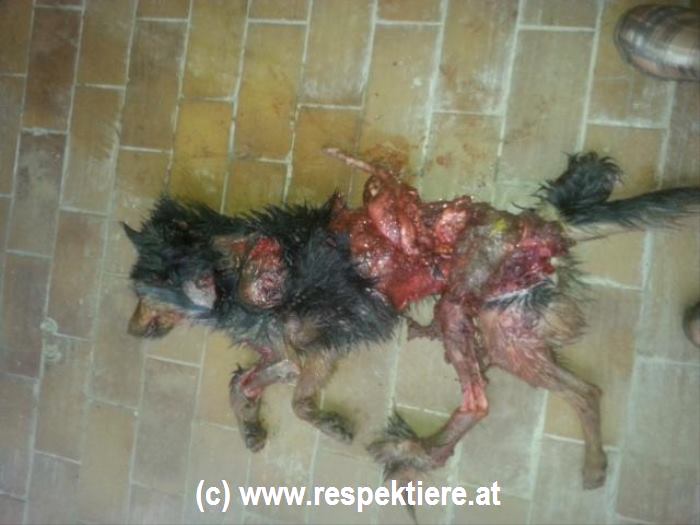
Dogs, cats, etc. are being hawked and are condemned to a dreary, unlawful life that is at the mercy of any human arbitrariness.
Like domestic animals, wild animals in private zoos, large and small, are condemned to all the agonies of pathetic animal husbandry.

“It’s great that Serbia wants to join the European Union.
Now is the perfect opportunity to prove that this country is ready for real change, “explains Cosma Stöger, chairwoman and spokeswoman for the Green Animal Welfare Forum, a network organization of Green Vienna, on the sidelines of the demo.
She adds: “I was allowed to accompany ‘RespekTiere’ to Serbia last year to get a picture of the situation.

What I saw there was at times indescribably shocking.”

“RespekTiere” Association has now* written a letter to the Serbian government in the Serbian language that supporters can send to Belgrade!

Serbia, the II. – concrete cases! Letter to the President, NOW !!

Now, after several protests in front of the embassy or consulate of Serbia, let’s move on to the next stage of the campaign!
We have drawn up a friendly but specific letter which is to be addressed to the decisive points; to the embassies in our countries, to the President of Serbia, to the Prime Minister and to the veterinary authority!
Please help everyone, from now on every vote counts!

Here is the letter to copy, please send it in the Serbian version!

Ladies and gentlemen!
Have a wonderful, good day!

I would like to ask you to finally give animal welfare a higher priority in your country!
The reward is certain: for people will know how to appreciate any such effort! Animal welfare is a major concern of the population – don’t look the other way and take action!

As a candidate for accession to the European Union, it must be high time to introduce the corresponding reforms.
Take the appropriate steps and you can be sure of applause from all sides!

If you do not do it, the protests against Serbia’s accession to the EU will not subside.
There is no excuse for cruelty to animals, you will surely agree! Stop Cruelty to Animals Now !!!

with best regards
Please put your letter in your own words or copy the template (wording as above):

Poštovane dame i gospodo!
Želim Vam prelepi dan!

Ovom prilikom bih želela da Vas zamolim da pružite svoju pomoć, da bi zaštita životinja u Vašoj zemlji konačno dobila veći značaj. Nagrada za to je izvesna: drugi ljudi će znati da cene svaki takav trud! Zaštita životinja je važno pitanje za stanovništvo – nemojte skretati pogled, nego budite aktivni! Za državu koja je candidate za pristupanje Evropskoj uniji sada je krajnje vreme da se pokrenu odgovarajuće reforme. Napravite odgovarajuće korake i biće Vam osiguran aplauz sa svih strana! Ako to ne učinite, protesti protiv pristupanja Srbije Evropskoj uniji neće utihnuti. Ne postoji opravdanje za mučenje životinja – sigurno ćete se složiti s time! Zaustavite mučenje životinja – zaustavite ga odmah !!!

Sa srdačnim pozdravom

Please write today !!! ** The animals have no voice, they need us !!!

Serbian Embassy in Vienna: consulate.vienna@mfa.rs
Serbian Embassy in Berlin: info@botschaft-serbien.de
Serbian Embassy in Bern: info@ambasadasrbije.ch

President Serbia, Aleksandar Vucic:
predstavkegradjana@predsednik.rs

Prime Minister Serbia, Ana Brnabić: predsednikvlade@gov.rs

Ministry of Veterinary Affairs (Uprava za veterinu, v.d. direktora: Emina Milakara) e-mail: vetuprava@minpolj.gov.rs

P.S: (Incidentally, this “now *” means a while ago, exactly two years. But the letter remains as a good letter to those responsible and can be sent at any time. The same applies to the “today !!! **”)

https://us12.campaign-archive.com/

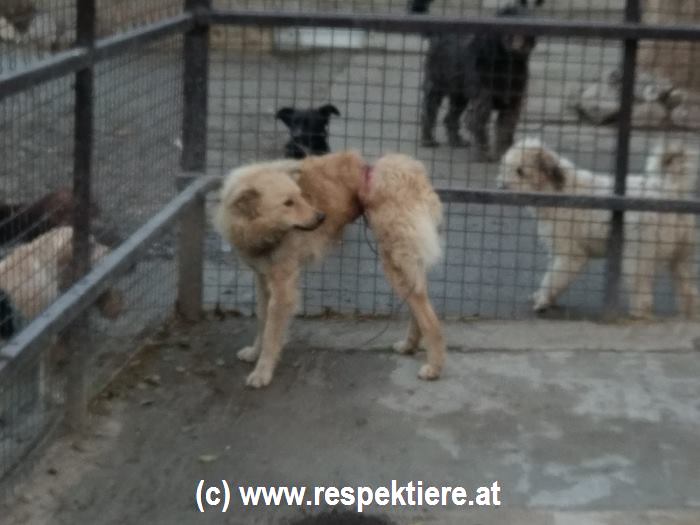
And I mean…The street dogs in Serbia (perhaps with the weak exception of Belgrade) are among the poorest of the poor: the city does not take care of them or catch them, the residents complain about the strays, they are run over or mistreated in rows.
The status of four-legged friends in Serbia is rather low in terms of legislation.


The urban dog catchers, who continue to go about their “business” despite the Corona crisis, collect stray dogs and bring them to the urban institutions, a practical hell for animals.

All measures that endanger the life of the stray animals are actually illegal, because the stray problem was created by humans.

But there is also one thing to keep in mind: it’s not that people don’t like dogs, it’s that they are scared of them. In a country like Serbia, problems with dogs quickly become political problems.
Fear is deliberately stoked in the population in order to justify government actions.

It is very likely that the catastrophic situation with the stray in Serbia will be interpreted as a reason to refuse the country entry into the EU.

For the Serbian government it is still a national disgrace, which became known thanks to the massive protests across Europe, and is considered a grave disgrace for a country that has been standing at the EU door for a long time and begging to come in.

My best regards to all, Venus

France: in spite of the ban ortolane are still drowned and eated!

Before the law one could achieve a victory and enforce a ban on the questionable “culinary delights” after previous animal cruelty unparalleled, but unfortunately this un-tradition is still practiced illegally.

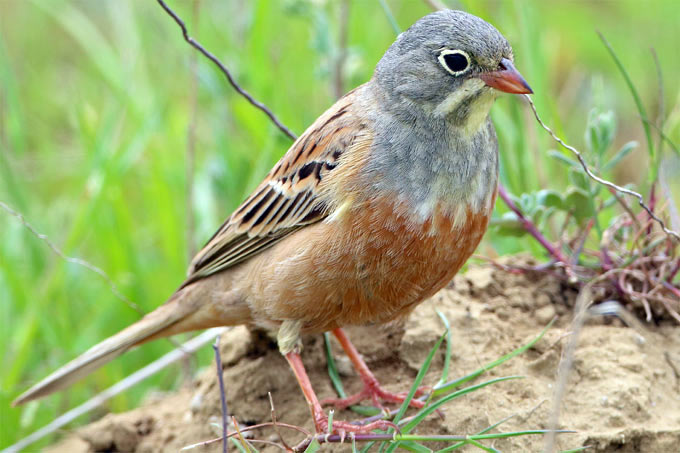
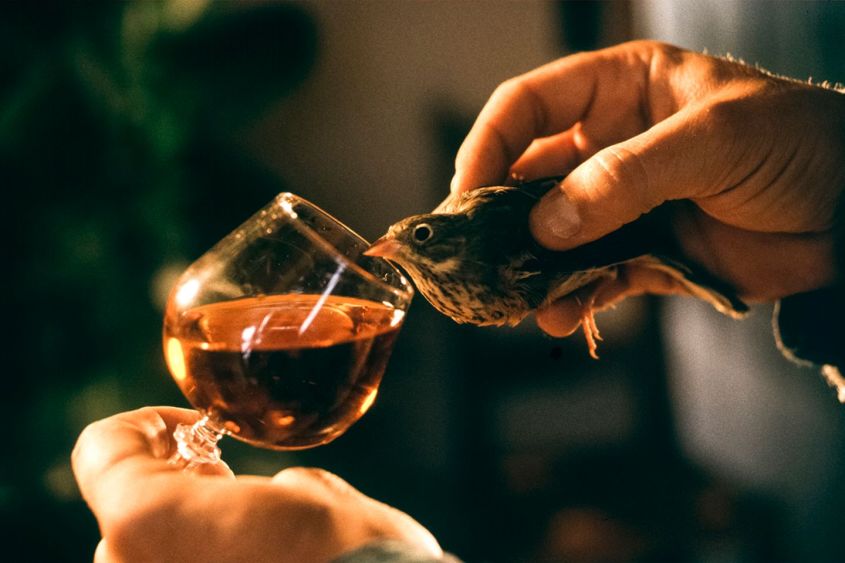
We are talking about a custom from France in which protected songbirds – Ortolane or garden bunting – are mistreated and eaten.


The garden bunting is a songbird that overwinters in Africa and flies thousands of kilometers to breed with us. The slightly larger than sparrow-sized bird with the yellow throat, also called Ortolan, was never common in Germany – and is becoming increasingly rare.
One reason for this is its flight route.

On their strenuous journey around the Mediterranean Sea, the animals have to make a stopover in southern France to recover.
That will doom for thousands of them.
Because the French love Ortolans. Not because they are beautiful to look at or because they sing adorable.
But because they taste good.
The animals end up as a precious specialty in the palate of wealthy gourmets.

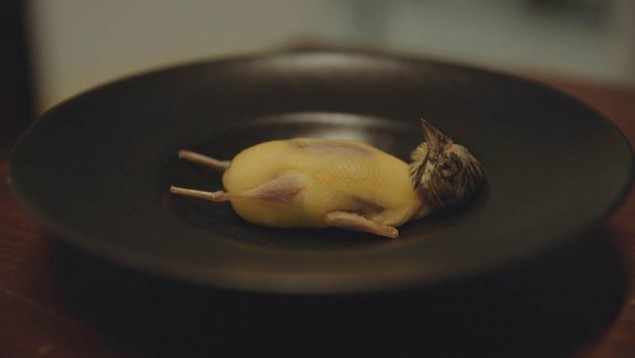
The well-heeled French upper class has these animals caught and fattened for 3 weeks in the dark so that the little birdies put on fat and mutate into so-called “fat bangers”.

They are then drowned in Armagnac so that the birds can take in plenty of it.
Then the birds are fried in fat in a special saucepan and put into their mouths whole by gourmets with skin and bones and chewed.

Continue reading “France: in spite of the ban ortolane are still drowned and eated!”

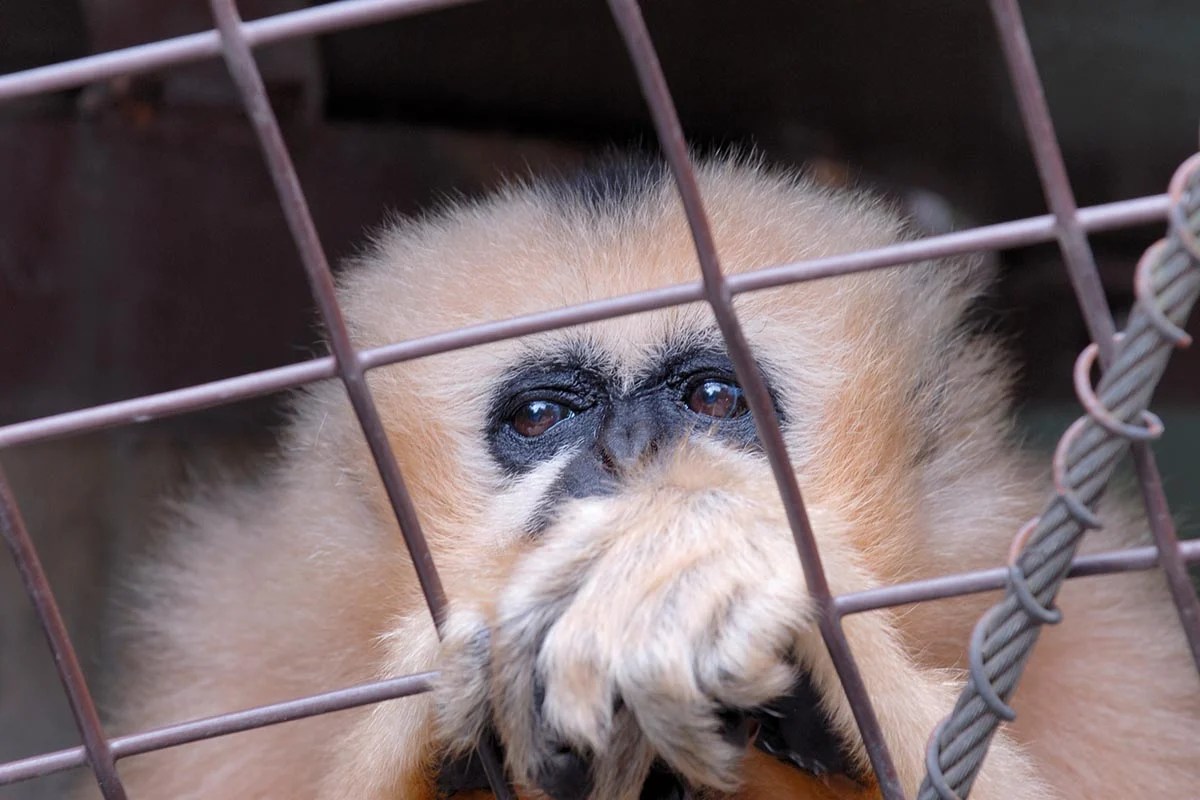
Germany-Magdeburg Zoo: “It is a crime to imprison great apes”

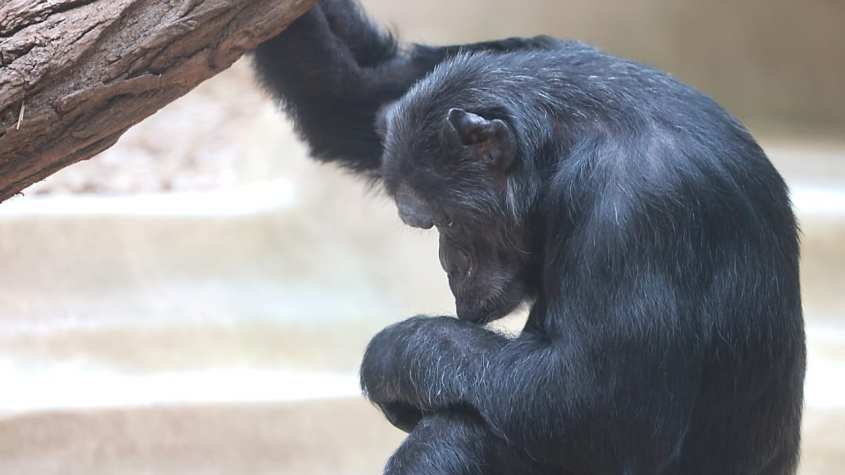
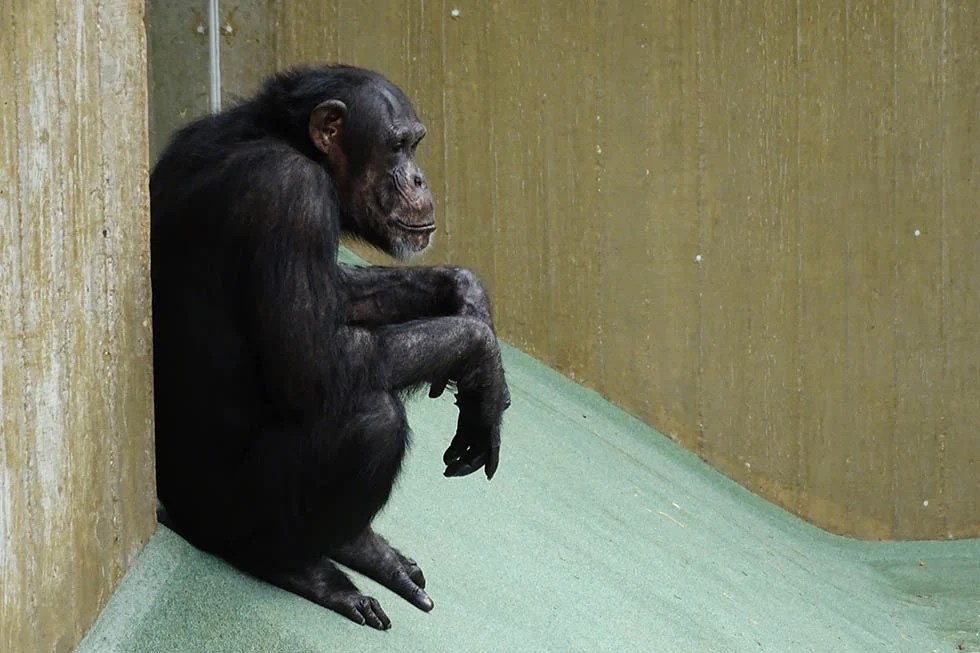
For about two years the group of ten chimpanzees at Magdeburg Zoo (Germany) has been housed exclusively in an indoor enclosure.
In August 2021, PETA Germany filed a criminal complaint against the zoo officials, because according to the requirements of the Federal Ministry of Agriculture for the keeping of mammals, the great apes must also have access to an outdoor enclosure.


According to media reports, the animals are permanently locked inside for security reasons, as two of the chimpanzees broke out of the outdoor enclosure in September 2019.

Safety deficiencies at the chimpanzee house, opened in 2014: monkeys suffer from animal welfare behavior

The zoo officials speak of “zoo-horticultural defects” in the planning of the enclosure, which means that the outdoor enclosure is not escape-proof.
The 3.1 million expensive new chimpanzee house in Magdeburg was only opened in 2014.
In this new building, wooden palisades were erected in the outdoor area, in which small holes formed over the years.
The chimpanzees used this as an opportunity to climb up the stockade and jump out.

Since then, the animals have only been confined in the indoor enclosure in order to avoid further outbreaks and accidents.

The deficiencies are now to be remedied by another new building by 2023, which would again cost the city just under two million euros.
The city council is expected to make a decision on the construction plans in September.
For the chimpanzees, this would mean at least two more years, during which the animals would have to endure under completely indisputable conditions.
The city and zoo of Magdeburg have to find a solution for the welfare of the animals. Now!

We criticize the years of inactivity by the authorities and zoo managers and demand that a solution be found as soon as possible so that the chimpanzees at least don’t have to stay inside.

In addition, we are calling on the city politicians and the zoo to completely phase out the captivity of great apes in the Magdeburg zoo.

“It is a crime to imprison great apes.
They are innocent prisoners who want to be free – attempts to break out like 2019 in Magdeburg are therefore not surprising.

It is absolutely unacceptable that no action has been taken here long ago and that the animals should remain incarcerated in the chimpanzee prison for at least another two years. Instead, the zoo should generally end chimpanzee husbandry. “
Dr. Yvonne Würz, PETA Germany

Great apes can never be kept appropriately in zoos

Appropriate keeping of great apes – our closest relatives in the animal kingdom – is not possible in captivity in zoos.

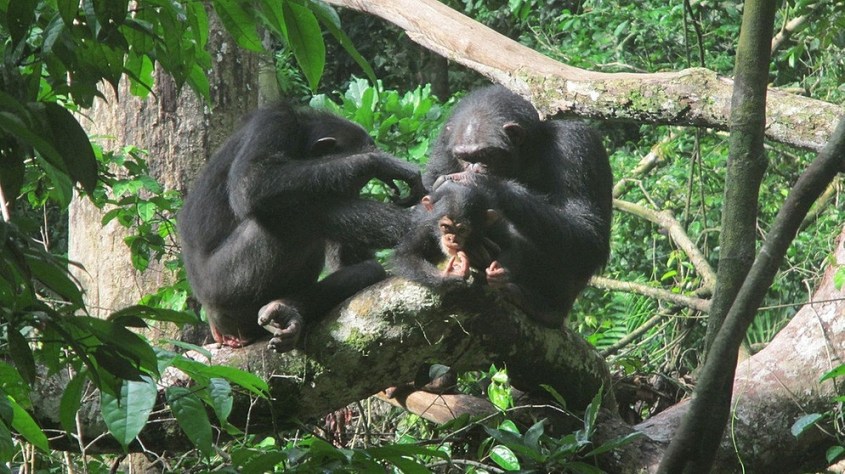
The needs of great apes are so complex that no zoo can offer them a species-appropriate habitat: In nature, chimpanzees live together in groups with a flexible social structure, which at times can comprise several dozen animals.
They take up a living space that can be up to 65 square kilometers.

It is extremely psychologically stressful for great apes to be forced to “live” in captivity.
The decisive factor here is the captivity situation itself and not the specific housing conditions: Even structural changes such as enlarged enclosures cannot resolve the system-related inadequate housing and the associated animal suffering.

In zoos they therefore often develop significant behavioral disorders such as self-mutilation, compulsive rocking of the upper body and eating their own excrement.

In some cases, zoos give the animals psychotropic drugs so that they can endure the lifelong dreary captivity and their suffering is less noticeable to the visitors.

Contrary to what is often claimed, animals that have spent their lives in the zoo can no longer be released into the wild: In their prisons, they cannot learn important behaviors for survival in nature.

However, zoological institutions invest millions in taxpayers’ money in expensive and questionable breeding programs and costly construction projects.
With measures to preserve the natural habitat of the animals, on the other hand, more great apes could be sustainably protected than is ever possible in zoos.

For great apes, imprisonment in a zoo is equivalent to life imprisonment for us. 🖊️ Sign the petition: https://www.peta.de/kampagnen/menschenaffen/

https://www.peta.de/neuigkeiten/zoo-magdeburg-schimpansen/

And I mean...For a number of years, one scandal has followed another in the Magdeburg Zoo.
Kai Perret, was director of the zoo in Magdeburg from 2003, and was released on January 30, 2020 with immediate effect.
Employees accuse him of endangering animal welfare.

The mayor of Magdeburg wanted to “take the zoo boss out of the line of fire” and released him.
The public prosecutor’s office is now dealing with the allegations.

The first trial came in 2008 when he had three healthy baby tigers killed after it was discovered that they were not purebred!

In his opinion, the tigers did not fit into the international breeding program because the father was not a pure-bred Siberian tiger.
Perret and two employees were charged.

The zoo also made negative headlines in 2019 when two giraffes died and an elephant was seriously injured.
Female giraffe Femke gave birth to a dead calf in May and died shortly afterwards as a result of childbirth.

Cow elephant Mwana was seriously injured in November 2019 when she trapped her trunk in a gate in the enclosure.
Trying to break free, she tore off four inches of her trunk.
A zookeeper had not received this. Only when Mwana roared did he stop the gate.

The veterinary office rated the incident as an accident. A culpable act in terms of animal welfare was not recognized at that time.
The then zoo director Kai Perret said of the incident: “Accident! accidents also happen in nature” !!
In connection with this, a video emerged in which a keeper apparently beats an elephant.

Obviously cruelty to animals has long been a tradition at Magdeburg Zoo.
And because this cruelty to animals brings money into the cash register, no zoo director is interested, regardless of who, whether the chimpanzees remain imprisoned in closed rooms for no reason.

My best regards to all, Venus

England: Viva! Health – Spices With Superpowers, and 5 Energy packed Foods To Kickstart Your Day.

5 spices with superpowers

The science is in and experts agree that spices not only improve the flavour of our food but also enhance our health. This 2019 review stated:

“There is now ample evidence that spices and herbs possess antioxidant, anti-inflammatory, antitumorigenic, anticarcinogenic, and glucose- and cholesterol-lowering activities as well as properties that affect cognition and mood.”

So let’s take a look at five of the most popular spices and their individual superpowers.

1. Turmeric

A golden spice with a myriad of health benefits, turmeric is a true example of medicinal food.

The superhero compound in turmeric is called curcumin – a very strong antioxidant with anti-inflammatory properties. Its antioxidant capacity means it goes around disabling those pesky free radicals that can damage your cells, DNA, enzymes, fatty acids and lead to disease. On top of being a powerful antioxidant, curcumin also stimulates your body’s own defences and antioxidant compounds, making them more effective.

Turmeric has been shown to improve inflammatory bowel conditions such as Crohn’s, IBS or ulcerative colitis, has cancer-inhibiting properties, can protect the heart from cholesterol and may even reduce the symptoms of depression and improve mood.

A big problem is that it’s hard to get enough curcumin from the powder or root alone – even if you use it liberally. But there is a smart solution – always combine it with black pepper. Black pepper contains piperine, which increases our absorption of curcumin by up to 2,000 per cent! Many turmeric supplements contain piperine but it’s good to follow this rule in the kitchen too.

Click here to read more about Turmeric in our A-Z of Foods.

2. Cinnamon

The sweet spice of cinnamon is just as sweet for our health, thanks to the compound cinnamaldehyde.

As well as being a healthy simple swap for sugar to sweeten dishes, several studies suggest it may lower blood sugar levels in those with type 2 diabetes. Cinnamon may also be good for our heart by reducing cholesterol and triglyceride levels, which, according to  , is “especially important for people with diabetes who are at greater risk for developing heart disease.”

Studies show that cinnamon can also help with inflammation, fend off free radicals that can damage your cells, and fight bacteria.

Researchers are also exploring whether cinnamon could be used to treat Alzheimer’s disease and other neurological disorders as it has been shown to improve cognitive ability.

3. Ginger

One of the most popular ingredients in the world, ginger has a million uses and is amazing for your health.

Ginger contains several potent biochemicals of which gingerols – one of the phenolic compounds – have the strongest effects. Gingerols are very strong antioxidants, protecting our tissues from free radical damage and they have antimicrobial properties, helping fight infection. Gingerols hinder the production of inflammatory molecules in the body, thus being a natural anti-inflammatory, calming angry tissues in our joints, bowels or airways.

Probably the best-known benefit of ginger is that it can help you combat nausea – whether due to stomach upset, motion sickness, pregnancy or even chemotherapy, ginger is the hero you need.

Lower down the digestive tract, it can relieve bloating, cramping and general discomfort. Most people react well to ginger and enjoy its benefits but if you take very high doses, it can cause heartburn. However, small doses have actually been shown to prevent acid reflux and heartburn so it’s all about finding the right balance.

Ginger is a favourite in the time of colds and flus but it can even help with asthma and allergic coughs because it helps to relax the airway muscles so they don’t overly contract, which helpsyou breathe easier and cough less.

It also works wonders for relieving arthritis and has been shown to have a neuroprotective effect – helping to protect our nerves against damage and prevent neurodegenerative diseases such as Alzheimer’s and Parkinson’s.

Click here to read more about ginger in our A-Z of Foods.

4. Garlic

Technically not a spice but garlic is too good to ignore. Garlic is a true powerhouse with many sulphur phytochemicals which are stronger than those in onions and offer a number of health benefits.

These phytochemicals act as antioxidants and help protect our bodies from free radicals, the nasty by-products of metabolism, including protecting your blood vessels. They are also anti-inflammatory and help to fight infection.

As well as protecting the walls of our veins and arteries, garlic’s sulphur compounds can do even more. Some of the phytochemicals slightly reduce blood clotting, which helps lower the risk of thrombosis – a blood clot blocking blood supply to a vital organ. If you’re already taking blood-thinning medication though, ask your GP about garlic to stay on the safe side!

Garlic can also moderately reduce the levels of triglycerides (fats) and cholesterol in the blood and helps lower blood pressure by relaxing blood vessel walls. If you’re worried about your heart, garlic is your friend!

Despite all these benefits, garlic is probably best known for its antibacterial properties and rightly so. It helps fight infection but has also been shown to be able to prevent infection by some bacteria and yeast.

Click here to read more about garlic in our A-Z of Foods.

5. Chilli pepper

Chilli peppers contain a compound called capsaicin. It’s what makes them spicy and it’s also what makes them super-spices. A 2015 review examined the health claims made by chilli pepper proponents and found that capsaicin “has intriguing potential for health promotion.”

Chilli peppers have been shown to have beneficial effects on metabolic health, insulin control and weight management, therefore reducing the risk of obesity, diabetes and cardiovascular disease. However, people who already regularly eat spicy food may not experience the same weight loss benefits.

Some studies also suggest that capsaicin has an anti-cancer effect as it “has been shown to alter the expression of several genes involved in cancer cell survival, growth arrest, angiogenesis and metastasis.” Although there have unfortunately been many studies exploring the effects of capsaicin on cancer in animals, more human data is needed.

But it is for its pain relief properties that capsaicin is most commonly lauded. By reducing the number of pain signals sent to the brain, it eases discomfort from conditions such as arthritis and migraines. For this reason, it can be found in many over-the-counter topical pain-relief lotions.

These are just five of many spices that have amazing health benefits and can form part of a healthy plant-based diet. There are many more so mix it up because you know what they say, variety is the spice of life. And if you’re looking for recipes including all of these spices and more, be sure to check out Vegan Recipe Club for some inspiration.

Continued on Page 2

USA: Vegan Meat Featured On US Menus 1320% More Times Since Before COVID-19.

Vegan Meat Featured On US Menus 1320% More Times Since Before COVID-19

The vegan and vegetarian meat market presents major opportunities for companies across the US

Anew market report demonstrates the ever-growing popularity of plant-based meat substitutes, which present a $14 billion opportunity, the report notes.

AI platform Tastewise put the report together. It stated that the retail market for plant-based foods already sits at $7 billion in the US alone. 

Tastewise found that plant-based meat is appearing on US menus 1,320 percent more compared to before the emergence of COVID-19.

Further, 9.2 percent of restaurants in the US are now plating up vegan meat. Especially in states like California, New York, Florida, Maryland, Ohio, and Oregon. The latter has the highest percentage of restaurants offering meat-free meat.

Most people are reaching for plant-based food for health reasons, the report said.

But sustainability motivations are rapidly rising – increasing by 58 percent year on year. Eating plant-based meat due to climate crisis concerns, in particular, is also growing, by 83 percent year on year.

In contrast, health concerns have dropped 12 percent year on year. 

“Responding to the devastating advance in climate change, many companies are working to reduce the significant climate footprint of the animal-farmed meat industry by innovating ways to move away from animal meat,” Tastewise CEO Alon Chen wrote in the report. 

“This increase in resources devoted to plant-based meat products, combined with consumer demands for real, versatile solutions, results in a timely shift in the way we consume food,” he said. “We’re looking forward to a healthier, more sustainable world of food and beverage, where we all play a part.”

Vegan Meat Featured On US Menus 1320% More Times Since Before COVID-19 – Plant Based News

Regards Mark

Other News:

CHKN Not Chicken Announces Series A Funding to Accelerate Retail and Food Service Distribution of Delicious Plant-Based Chicken

https://finance.yahoo.com/news/chkn-not-chicken-announces-series-140500290.html

Vegan Danish with Blueberry Filling

https://namelymarly.com/vegan-danish/

Spike Mendelsohn to ‘plant’ flag with Union Square vegan restaurant

https://nypost.com/2021/09/07/spike-mendelsohn-to-plant-flag-with-union-square-vegan-restaurant/

Plant-based shawarma sandwich

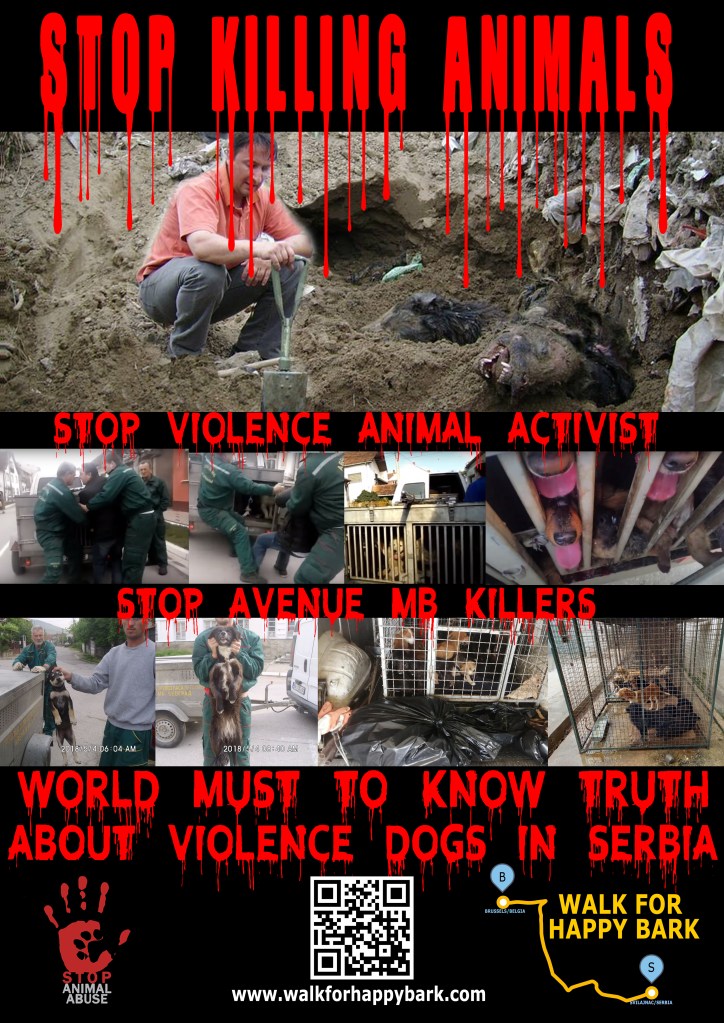
Serbia: Serbia – Brussels Walk To Promote Serbian Stray Animal Abuse.

Hi all;

WALK FOR HAPPY BARK

9/9/21 – today I was contacted by an old Serbian campaigner friend, named Goran.

We have both campaigned in the past for Serbian animals; especially regarding stray dogs and cats.

It was this issue which led me to setting up ‘Serbian Animals Voice (SAV)’ back in 2005.

Link:

Main link – Serbian Animals Voice (SAV) | a voice for the voiceless

About Serbian Animals – legislation etc – About Serbian Animals. | Serbian Animals Voice (SAV)

About Us – About Us. | Serbian Animals Voice (SAV)

We were both campaigner friends of the late Dr Slavica, who campaigned tirelessly for better animal welfare in Serbia.

In memory of Slavica Mazac-Bešlić – World Animals Voice

for Slavica Mazac-Bešlić – World Animals Voice

You can see a lot here about our campaign work:

Dr. Medicine Slavica Mazak Bešlić – A Dear Animal Campaigner Friend Lost Today. – World Animals Voice

We do not have much info at present and have asked Goran for more.  All we know is that it involves a walk for animals from Serbia to Brussels, Belgium, where formal letters of protest, demanding action in Serbia, will be handed in.  This will probably be late in the year – awaiting response for confirmation.

Serbia is not an EU member state yet but is a ‘candidate country’ to join up.

This is all we have at present, but will publish more when we have further info.

The situation for strays has always been bad for in Serbia, and still is; here below is a video made by Goran which shows a Serbian street dog which HAS been sterilised by welfare group Vier Pfoten and has been fitted with a red ear tag to clearly show this.  As the animal cannot reproduce more strays, it should be left alone.  But you can clearly se in the video that the dog has been darted by ‘shinters’ (dogcatchers) who are wearing balaclava masks and are opposite the dog, waiting to collect it and take it away to be killed.  As it is sterilised, and is clearly identified as such with the ear tag the shinters should leave animals such as this alone.  They do not – they kill everything.

We also have a SAV Facebook page with many hundreds of members.  It is a ‘talk shop’ for Serbian activists, as well as showing shelters and animals up for rehoming.

You can visit SAV Facebook at:

(20+) Serbian Animals Voice | Facebook

Learn more about the suffering of Serbian animals by visiting the sites;

Regards Mark

England: 9/9/21 – Geronimo postmortem results negative for TB, say owner’s lawyers.

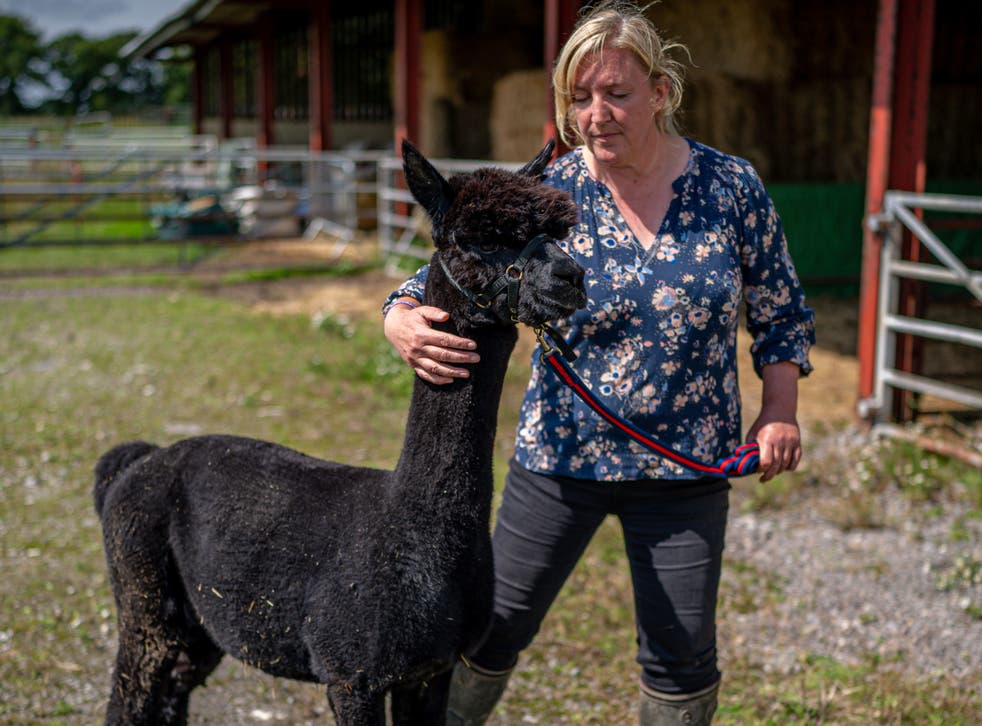
Photo – Independent

9/9/21

Geronimo postmortem results negative for TB, say owner’s lawyers

Defra denies claim and says culled animal has ‘TB-like lesions’ and awaits further investigations

A fresh row has broken out between the owner of Geronimo the alpaca and the government over the results of an initial postmortem examination of the culled animal.

Lawyers acting for Helen Macdonald have said the preliminary gross postmortem findings, reviewed by veterinary surgeons, are negative for visible lesions typical of bovine tuberculosis (TB).

However, the Department for Environment, Food and Rural Affairs said a number of TB-like lesions were found in Geronimo and will be further investigated, adding the full postmortem results will not be concluded until the end of the year.

The dispute is the latest in a long line of battles between Macdonald and the government over the fate of Geronimo, who was put down last week.

The eight-year-old animal, who had tested positive twice for bovine TB and whose fate triggered heated debate across the country, was taken from his home at Shepherds Close Farm in south Gloucestershire on 31 August and later put down.

Lawyers acting for Macdonald, a veterinary nurse, said she had received a letter from the government’s legal department containing the preliminary findings of the postmortem. These findings were reviewed by veterinary surgeons.

In a statement, the lawyers said: “As reviewed by Dr Iain McGill and Dr Bob Broadbent, the preliminary gross postmortem findings are negative for visible lesions typical of bovine tuberculosis.

“For clarity there are no white or cream caseous, enlarged abscesses typical for bTB in alpacas whether in the lungs, bronchial, mediastinal or retropharyngeal lymph nodes.”

Macdonald has formally requested the full findings of the postmortem report and the results of further tests on tissue samples, blood, serum or plasma taken from Geronimo, and other additional test results.

Defra appeared to directly contradict the claims. The chief veterinary officer, Dr Christine Middlemiss, said: “We have completed the initial postmortem examination of Geronimo. A number of TB-like lesions were found and in line with standard practice, these are now undergoing further investigation.

“These tests include the developing of bacteriological cultures from tissue samples which usually takes several months – we would expect to complete the full postmortem and culture process by the end of the year.”

Geronimo was brought to England from New Zealand by Macdonald in August 2017 and tested positive for TB in the same month. He had been living in isolation ever since; he could see some of the other 80-odd alpacas on the farm but was separated from them by a fence.

In July 2018, a court order for the animal’s destruction was sought by the government and he was given a stay of execution, to be slaughtered by the end of August that year.

Macdonald mounted a legal challenge, pleading with the UK government to allow Geronimo to be retested.

Regards Mark

https://www.theguardian.com/world/2021/sep/08/geronimo-the-alpaca-postmortem-results-negative-for-tb-say-owners-lawyers

Zimbabwe: Elephant dies because of “selfies”.

A Zimbabwe park official has warned people against approaching elephants after a man was reportedly trampled to death whilst taking a photo with one of the animals.

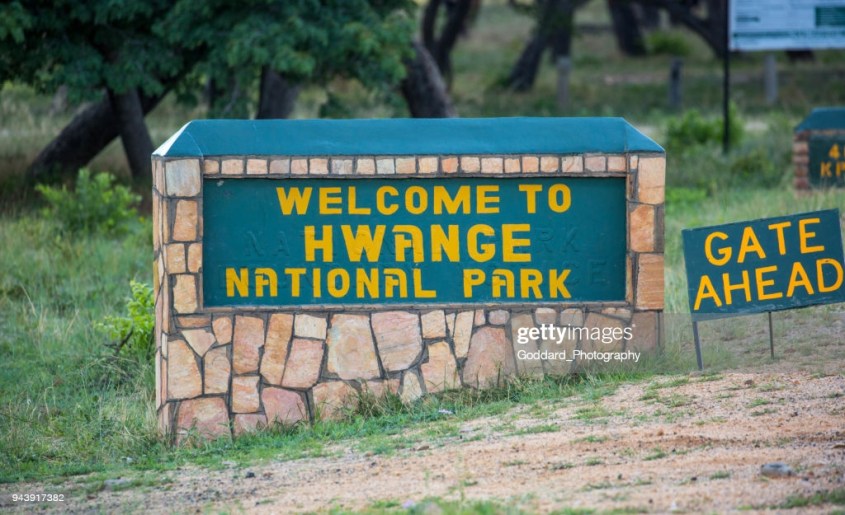
The road sign at the entrance to Hwange National Park in Zimbabwe.

The elephant involved in the incident was shot dead by rangers following the fatality, according to Zimbabwe news outlets.
Another person is said to be in hospital with injuries.

The attack took place outside the Zimbabwe city of Kwekwe, according to local newspaper The Chronicle.
The news outlet said the man, whose name has not been disclosed, reportedly died after being dragged and trampled by the animal.

He was said to have been “taking selfies” with it, Tinashe Farawo, a spokesman for the Zimbabwe Parks and Wildlife Authority (Zimparks) said.
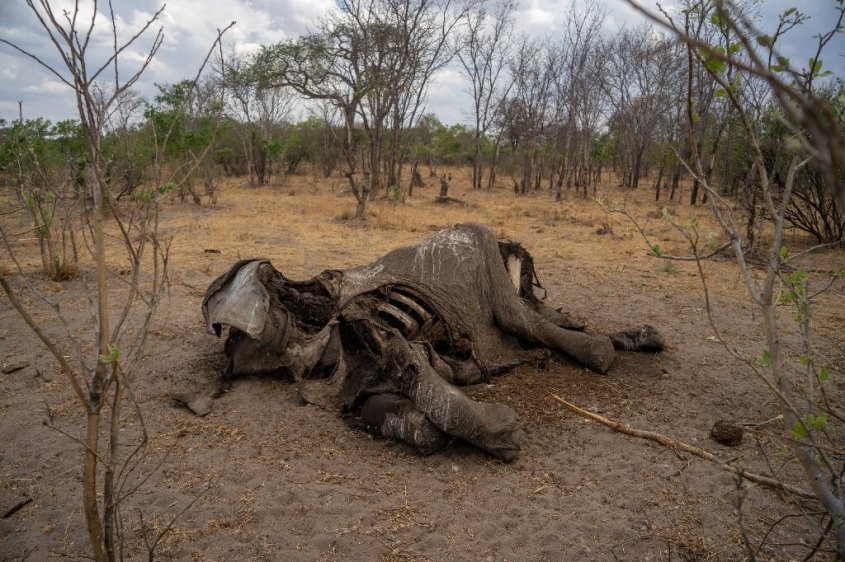
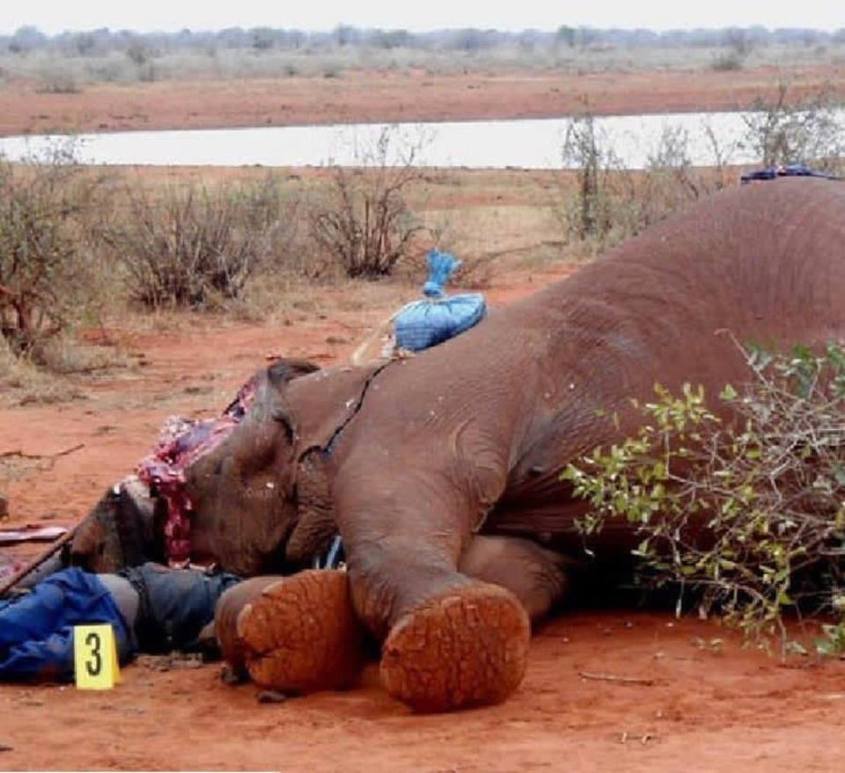
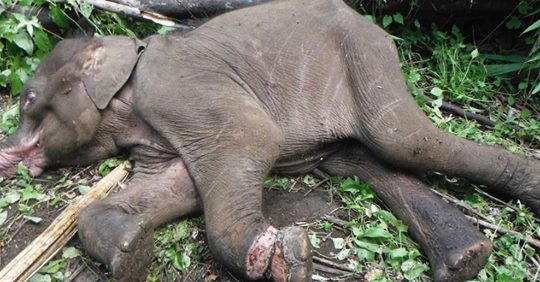
Farawo added, per The Chronicle: “Communities are urged to stay away from the animals and minimise close contact with the animals.

“It is very unfortunate that we have lost life unnecessarily as it could have been avoided.”

The spokesman said park officials are on the ground working with communities so that “no-one provokes the animals”,
Newsweek subscription offers

The spokesman also highlighted another incident in which an elephant was shot dead as it was seen approaching a residential area in Kwekwe.

The issue of human-elephant conflict in Zimbabwe is one that Farawo has spoken out about recently.
The country has one of the largest elephant populations in the world, behind Botswana.

According to the African Wildlife Foundation, Zimparks reported 20 human deaths due to elephants between January and October 2019. These human deaths often result in elephants being killed by community members.

In March this year, the African forest elephant and African savanna elephant became listed as Critically Endangered and Endangered, respectively, under the IUCN Red List of Threatened Species.

Prior to that update both types had been treated as a single species under the vulnerable classification system.
However, Farawo maintains that Zimbabwe is overpopulated with elephants despite concerns about Africa’s elephant population more widely, he told Al Jazeera in June.

Officials in the region announced they were going to sell the rights to shoot as many as 500 elephants this year because of declining tourism revenue amid the COVID pandemic.

But Simiso Mlevu, a spokeswoman for the Center for Natural Resource Governance in Zimbabwe, told CNN the plan was “appalling” and feared the practice “escalates human-wildlife conflicts”.

This is in addition to reports that officials are considering a mass cull to control numbers, according to “Al Jazeera”.

Farawo told the outlet that other options, such as relocating elephants, were hampered by a lack of money from the country’s government.

https://www.newsweek.com/elephant-kills-man-taking-selfies-unfortunate-incident-zimbabwe-africa-1624492

And I mean…“It is very unfortunate that we lost lives unnecessarily as it could have been avoided.”
I mean that too, and by that I mean the elephant life.

If the elephant population is controlled by human hands through extermination, hunting and eviction from their habitat, then it is fair for an elephant to reduce the human population, the cause of his misery, in the same way.

Zimbabwe’s Wildlife Agency plans to sell the right to shoot 500 elephants this year.
Is it unfortunate too, Tinashe Farawo?
Apparently not, it is business with the live of others who have no rights.

The hunting rights for the elephants are between 10,000 and 70,000 US dollars, depending on the size of the animal.
The hunting season starts in April and lasts until October when the rainy season begins.
Both Botswana and Zimbabwe get most of their hunting tourists from the United States, who pay for the privilege of taking their tusks home as trophies.

Hopefully we will read back soon about several “selfies” human-victims in the press until the end of October.

My best regards to all, Venus

England: ‘Geronimo’ and the Badger Cull. Claim and Counter Claim. Lets See What the Press Say on 9/9/21.

Hi all – 2000hrs GMT 8/9

I started to write a post re Geronimo and the (Defra organised) unnecessary badger cull demo in London today, but there are already counter claims from Defra about Geronimo not testing positive for bTB.

Probably a face saving, and job saving exercise by those who claim to know better than everyone else. Reputations, their Defra reputation is at stake.

I decided to halt and instead wait and see what the press have to say about it on 9/9/21.

So nothing more tonight as the scene is changing all the time.

Hopefully more tomorrow;

Regards Mark