Category: Environmental

China: More Chinese push to end wildlife markets as WHO declares coronavirus emergency.

china


WAV Comment – A very interesting article from the excellent National Geographic.

The scale of the live wild animal trade in China is unclear, experts say. Many animals are poached, imported, and exported illegally—for food, medicine, trophies, and pets. The Chinese traditional medicine industry, which heavily relies on ancient belief in the healing powers of animal parts, is a massive driver of the trade”.

Maybe now it really is time that China looked at itself; and especially its antiquated beliefs that support healthy living by eating live animals is good for you (has it done anything to stop the virus ?) – and now makes all the necessary changes to get into Century 21 and stop being labelled as the international disease spreader by its unhygienic approaches to the treatment of sentient beings.

For Cordelia, the 18-year-old university student from Guangzhou, life is at a standstill. School is closed, and she can’t visit her family. Reflecting on the biological crisis that emerged from a cultural practice she can’t relate to, she says, “I believe nature gives back to us what we give to it.”

Maybe that time has now arrived – time for change !


More Chinese push to end wildlife markets as WHO declares coronavirus emergency

Media coverage of China’s wildlife markets sends the message that they’re hugely popular. In reality, many Chinese can’t relate.


https://www.nationalgeographic.com/animals/2020/01/china-bans-wildlife-trade-after-coronavirus-outbreak/


At a wildlife market in Shenzhen, vendors display live reptiles and mammals for sale. In China, 54 species can be traded legally for human consumption. The coronavirus outbreak has thrust the live wildlife trade into the international spotlight.

On a farm near Beijing last September, a group of conservationists put in a call to police: They’d found thousands of live birds being stored in a barn. Police seized and released the birds—about 10,000 in all—which had been caught illegally with traps and were destined for restaurants and markets in southern China. Among them were yellow-breasted buntings, critically endangered songbirds whose numbers have been in freefall, largely because people in parts of China want to eat them.

The spread of a deadly strain of coronavirus, sourced to a wildlife market in Wuhan and now a global health emergency, according to the World Health Organization, has thrust China’s live wild animal trade into the spotlight. On January 26, China announced a ban on its wild animal trade until the crisis is over. Images of sick, suffering animals in markets, and videos of bats boiling alive in bowls of soup have circulated in media, sparking outrage globally and creating the impression that buying live wild animals for eating is a megascale phenomenon in China.

The reality is more nuanced. In Guangzhou, a city of 14 million in the southeast and a frequent destination for yellow-breasted buntings, eating wildlife appears exceedingly common. In Beijing, it’s exceedingly rare.

In reality, to many Chinese, consuming wild animals is a cultural outlier. State-controlled media outlets such as China Daily have published scathing editorials denouncing the practice and calling for a permanent wildlife trade ban. These calls in turn are amplified by thousands of Chinese citizens on state-censored social media networks such as Weibo, indicating that the government seems to be letting the momentum build.

The scale of the live wild animal trade in China is unclear, experts say. Many animals are poached, imported, and exported illegally—for food, medicine, trophies, and pets. The Chinese traditional medicine industry, which heavily relies on ancient belief in the healing powers of animal parts, is a massive driver of the trade.

The government allows 54 wild species to be bred on farms and sold for consumption, including minks, ostriches, hamsters, snapping turtles, and Siamese crocodiles. Many wild animals, such as snakes and birds of prey, are poached and brought to state-licensed farms, says Zhou Jinfeng, secretary-general of the China Biodiversity Conservation and Green Development Foundation, an NGO in Beijing that helped with the bird rescue in September. Zhou says some farmers claim that their animals were bred legally in captivity for conservation but then sell them to markets or collectors.

It’s unknown how many live wildlife markets exist in China, but experts estimate they could number in the hundreds. Some department and big-box stores also sell wild meat and live amphibians for consumption. For market buyers, frogs are a common and inexpensive wildlife dish, says Peter Li, China policy specialist at Humane Society International and professor in East Asian politics at the University of Houston-Downtown. On the high end, Li says, only the rich can afford soup made with palm civet (a cat-size mammal native to jungles throughout Southeast Asia), fried cobra, or braised bear paw.

Such food was not part of Li’s experience growing up. “My parents never cooked wild animals, and [we’ve] never eaten them. I’ve never had snake—much less cobra.”

Rebecca Wong, assistant professor of sociology and behavioral sciences at the City University of Hong Kong, argues in her 2019 book about the illegal wildlife trade in China that consuming wildlife “is a common phenomenon in mainland China.” But Wong cautions against stereotyping this practice, arguing that the idea of the “Asian superconsumer” is a myth and that complex motivations are at play, including peer pressure, societal pressure, and the impulse to chase status.

A 2014 study that surveyed more than a thousand people in five Chinese cities found radically different practices in different parts of the country. In Guangzhou, 83 percent of people interviewed had eaten wildlife in the previous year. In Shanghai, 14 percent had, and in Beijing, just 5 percent. Nationwide, more than half the respondents said wild animals shouldn’t be eaten at all.

Same city, different cultural experiences

Charles, 22, and Cordelia, 18, are university students from the Guangzhou area, where wild animal consumption is purportedly high. I spoke with each through Instagram, where they use English names. (Both asked National Geographic not to use their last names—Instagram is banned in China, but like many young people, they use VPNs to access it.)

Charles says eating wild animals is very common in his community, but his family doesn’t partake much, and he eats only occasionally and out of curiosity. “Nowadays, older people buy them more than younger,” he says. He thinks it’s because of education.

Cordelia, who lives in downtown Guangzhou, says the practice isn’t at all common in her family or community. “My friends and family don’t really like eating wild animals, and we think it’s disgusting.” She explains that she sees it as “disrespectful and a strong violation to mother nature.” She believes the ongoing epidemic may move others to see it that way too. “I think after this terrible spread of coronavirus, citizens will realize that the belief that eating wild animals is beneficial is not reliable.”

Cordelia and Charles both support making the ban on the wild animal trade permanent, and they say they’ve seen an outpouring of support for it on Weibo.

Cordelia’s mention that belief in health benefits help drive consumption is reflected on market floors. Live animals sell for a higher price—often two to three times more—than dead ones. “People think food is more nutritious if it’s live and fresh,” Li says. “An animal may be dying, but it’s alive.”

A “cauldron of contagion”

In markets, animals “are dying, they are thirsty, they are in rusty cages and totally dirty,” Li says. They may be missing limbs or have open wounds from their capture in the wild or injuries sustained during transport. “The traders don’t handle them gently—they smash the cages down to the floor when unloading and loading. The animals suffer a lot.”

The chaos of the trade enables the spread of zoonotic diseases—those that spread from animals to humans—says Christian Walzer, chief global veterinarian at the U.S.-based Wildlife Conservation Society. Wild animals, he explains, can carry viruses that “in a normal world, would not come into contact with humans.” These carriers aren’t sick—they’re simply “silent reservoirs.” But as we encroach into animals’ habitats, we increase our exposure.

Seventy percent of zoonotic diseases come from wildlife, says Erin Sorrell, an assistant research professor in the department of microbiology and immunology at Georgetown University, in Washington, D.C. The diseases can be notoriously devastating: HIV, Ebola, and SARS are among those that have made the leap from wildlife to humans, spawning international outbreaks.

In wildlife markets in China and Southeast Asia, there may be 40 species—birds, mammals, reptiles—“stacked on top of each other,” Walzer says. The mixing of air and bodily secretions allows viruses to exchange, potentially creating new strains. Walzer sums it up as a “cauldron of contagion.”

Evidence points to bats as the source of the Wuhan coronavirus. It’s unclear which species then transmitted the disease to humans, but in an assessment of the Wuhan market, the coronavirus was detected in the live wild animal section.

Preventing déjà vu

Many conservationists I spoke to believe that China’s temporary ban of the wildlife trade—which applies to all markets, grocery stores, and online sales and includes a quarantine on all breeding facilities—is likely to be largely successful. The government has set up a hotline for people to report violations. “This is an emergency situation,” Peter Li says. “Everyone is watching. Any trader who violates the ban will be reported.” On top of that, fear of coronavirus likely reduces demand—even if sellers are willing to offer live animals illegally, people may not want to buy them.

China has resorted to a ban before. In 2003, at the height of SARS epidemic, which is believed to have originated in civets, the government issued a temporary ban on the wildlife trade. Six months later, it lifted the ban, allowing breeding facilities to resume business. Li says it’s difficult to say whether the overall live wildlife trade has grown during the past two decades, but he believes that more of the transactions have gone underground to evade law enforcement.

There’s always the risk that this could happen again, Sorrell notes. “There’s been a 15-to-16-year gap [since SARS], but who’s to say it’s going to be another 16 years before we see the next disease emerge from a live animal market?”

To make the temporary ban permanent, there would need to be clarification on what it actually encompasses. Some of its terms are vague, leaving them open to interpretation at the local law enforcement level. For example, does the ban include dried wildlife parts, such as bone and scales? It should, several experts tell me, but as written, it’s unclear.

A permanent ban would face strong opposition from business interests, Li says. The State Forestry and Grassland Administration, which is responsible for issuing licenses to wildlife breeders, “has long been a spokesperson for the wildlife interest,” he says. (A Forestry Administration official had not responded to a request for comment before publication.)

Sorrell emphasizes the need for caution in the pursuit of a permanent ban.

“I would love to see wildlife be removed from markets, full stop,” she says. But if a ban is rushed without careful consideration, the entire wildlife trade could move underground, making it “even more dangerous for [a product] to be consumed because we’re not seeing where it’s being consumed or where it’s coming from.”

“For any ban to be effective, it will be important to get buy-in from citizens,” adds Caroline Dingle, an evolutionary biologist in the conservation forensics lab at Hong Kong University, who studies wildlife crime. “People need to believe that consuming wild animals is bad for them personally for any ban to work long-term.”

If a permanent ban is adopted, Li says, it would be important for the government to buy out or compensate farmers to make it possible for them to pursue a different livelihood.

Meanwhile, for yellow-breasted buntings, verging on extinction because of recent rapid consumption, something more has to give. It’s already against the law to catch the birds, but that hasn’t slowed their trade.

For Cordelia, the 18-year-old university student from Guangzhou, life is at a standstill. School is closed, and she can’t visit her family. Reflecting on the biological crisis that emerged from a cultural practice she can’t relate to, she says, “I believe nature gives back to us what we give to it.”

But she draws my attention to the unity she’s seen in the wake of the crisis and the outcry on Weibo and in Chinese newspapers. “I think,” she types over Instagram, “revolutionary change is highly possible.”



Australia: Australian summers can be tough for people and animals… – 6 Easy Ways to Help Wild Animals Survive.

Australian flag painted by brush hand paints. Art Aussie flag. Watercolor flag. Australia art vector flag.


6 things Aussies can do to help wildlife right now

Australian summers can be tough for people and animals…

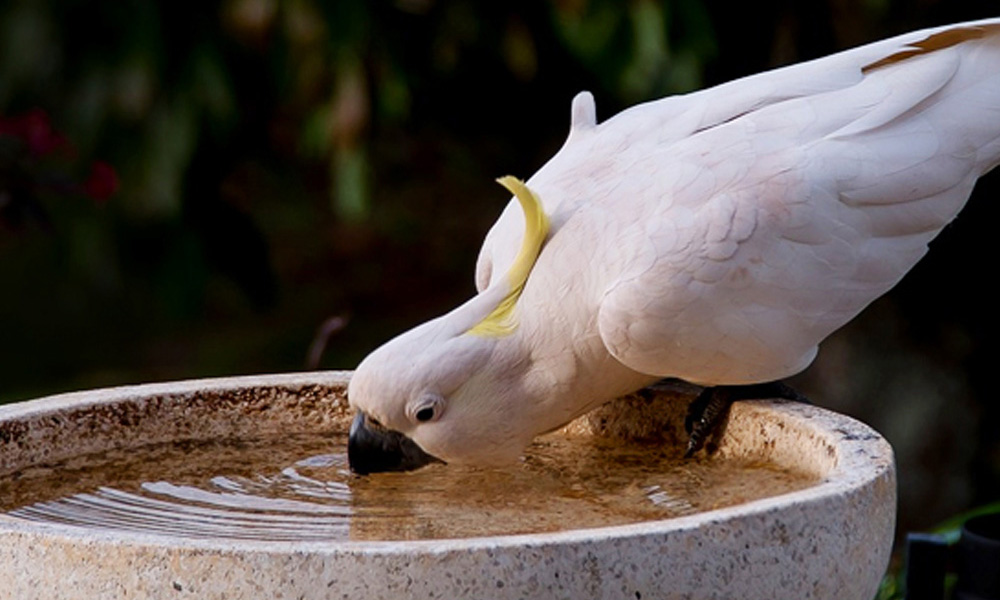
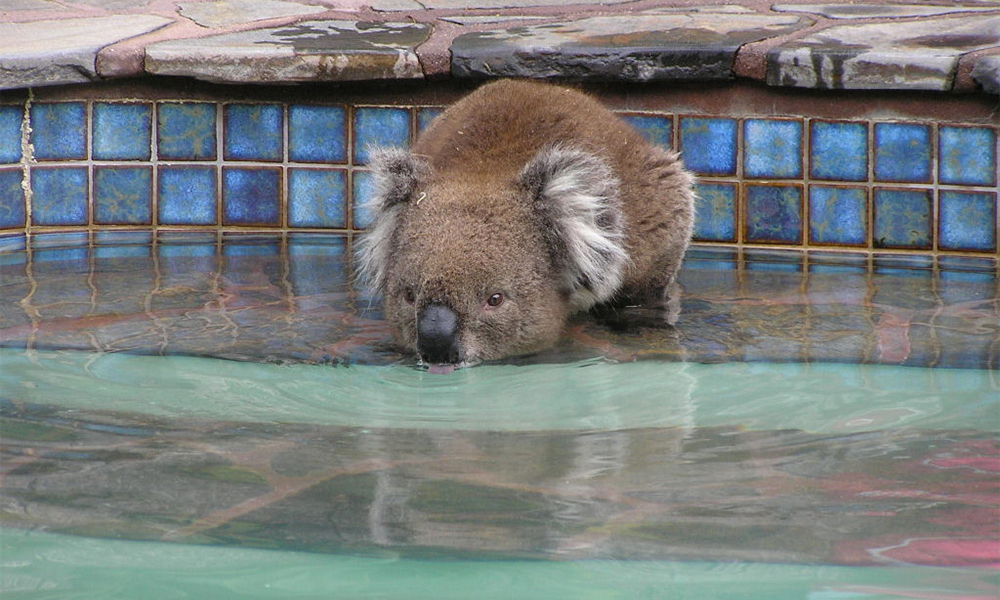
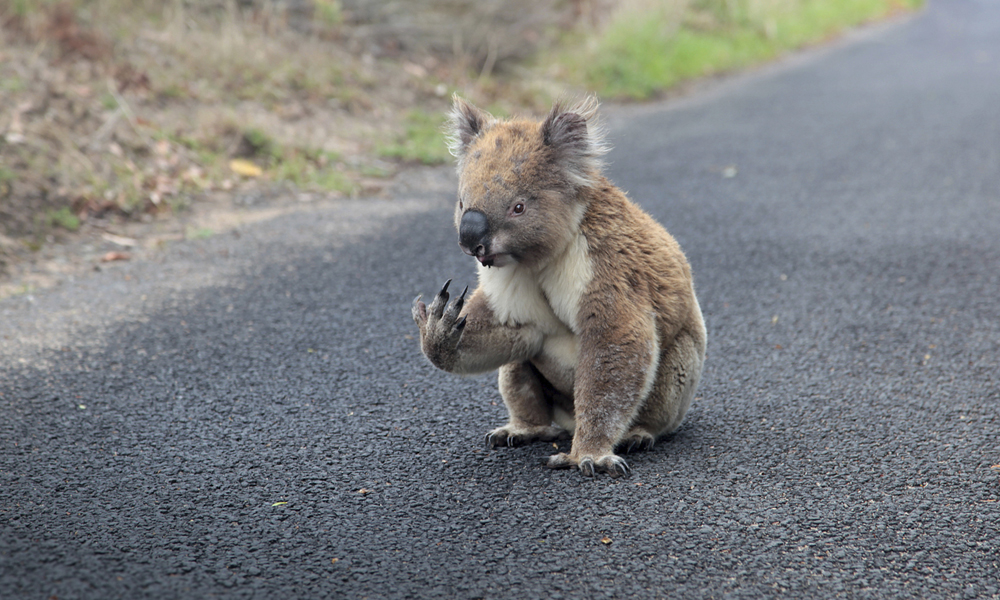
And while many of us can endure the hottest days with the help of air conditioning and plenty of fluids to keep us hydrated, our wildlife friends can suffer terribly during extreme heat, and even die. Here are 6 ways you can help make the difference between life and death for wildlife during increasingly hot and dry Aussie summers:


Leave water out.


Click on this link to read the 6 ways that you can make the difference between life and death for Australian wildlife:


https://animalsaustralia.org/features/summer-wildlife.php


Cover your pool.


Keep an eye out for heat-stressed wildlife.


Antarctica logs hottest temperature on record with a reading of 18.3C

Esperanza base

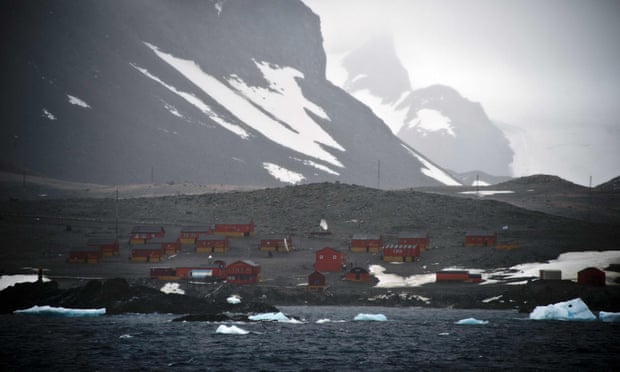
The Argentinian Esperanza base in Antarctica – seen in March 2014 – recorded its hottest day on record on Thursday. Photograph: Vanderlei Almeida/AFP via Getty Images


Antarctica logs hottest temperature on record with a reading of 18.3C

A new record set so soon after the previous record of 17.5C in March 2015 is a sign warming in Antarctica is happening much faster than global average

Antarctica has logged its hottest temperature on record, with an Argentinian research station thermometer reading 18.3C, beating the previous record by 0.8C.

The reading, taken at Esperanza on the northern tip of the continent’s peninsula, beats Antarctica’s previous record of 17.5C, set in March 2015.

A tweet from Argentina’s meteorological agency on Friday revealed the record. The station’s data goes back to 1961.


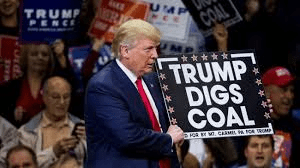
trump digs coal 1


Read the full article at:

https://www.theguardian.com/world/2020/feb/07/antarctica-logs-hottest-temperature-on-record-with-a-reading-of-183c


morrison fire 3


More on this:


https://news.sky.com/story/climate-crisis-18-3c-recorded-in-antarctica-a-new-record-11928362

https://www.independent.co.uk/environment/antarctica-record-temperature-wmo-climate-change-global-warming-a9323551.html

https://www.dailymail.co.uk/sciencetech/article-7977923/Record-high-temperature-18C-recorded-Antarctica.html


bol 1


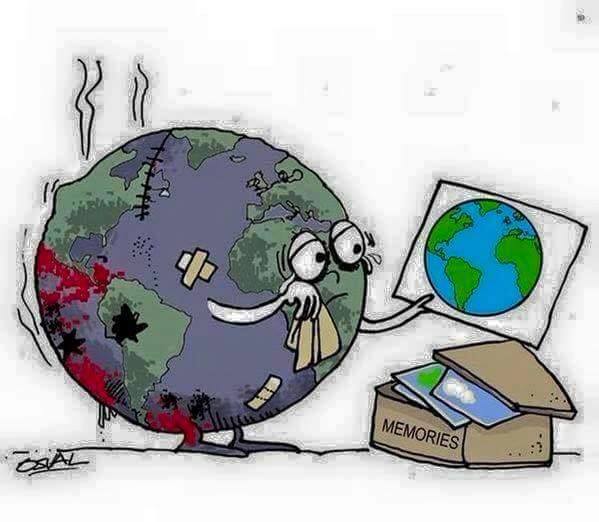
Karikatur mit zerstörtem Planet_n

eco villian 4

eco villian 3

Italy: OIPA Article – THE CORONAVIRUS OUTBREAK AND ANIMAL WELFARE IN CHINA.

Italy


The following is a repeat of an article in the latest OIPA newsletter relating to the Coronavirus. For pictures, please click on the link given at the end.


THE CORONAVIRUS OUTBREAK AND ANIMAL WELFARE IN CHINA

With the escalation of the coronavirus, China banned the transport and sale of wild animals, prohibiting trading to markets, supermarkets, restaurants and online platforms.

It is believed that the source of the infection is the wild animal section of the Huanan Seafood Market in Wuhan, which is known for selling live animals and slaughtering them on the spot. Here hygiene levels are extremely poor: wild and domesticated animals, along with their urine, faeces, and bodily fluids, come in contact with sales clerks and customers, with the animals being butchered on the floor, blood splashing everywhere and flies feasting on the carcasses.

To date, there are very few laws in China that protect animals from abuse and mistreatment but, hopefully, with the growing number of activists, especially among young people, along with increasing knowledge about health hazards, there will be more consideration regarding animal welfare in the near future.

The coronavirus infection has already spread across half a dozen nations, including Thailand, Japan, Australia, France, Canada and the United States, causing over 420 deaths and the lockdown of at least 13 Chinese cities.

Scientist have confirmed that the disease, as 70% of human pathogens, has been transmitted from an animal. It is believed that the source of the infection is the wild animal section of the Huanan Seafood Market in Wuhan, in China, which is well known for selling unusual live animals and slaughtering them on the spot.

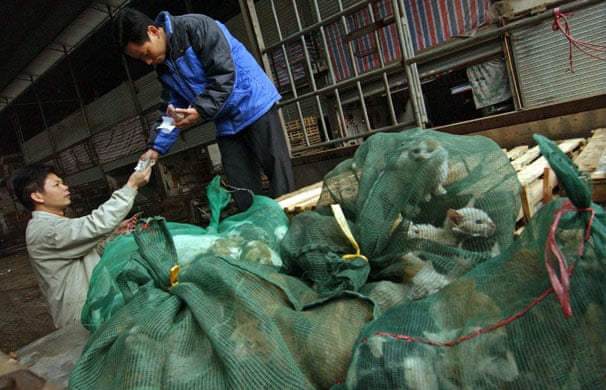
Among these, wolf pups, scorpions, squirrels, porcupines, turtles, crocodiles, monkeys, dogs, cats and other live animals are sold for human consumption. These type of markets are common across China, Vietnam and other areas of south-eastern Asia, and are called “wet-markets” because of the large quantities of water that are used to slop the floors. Here, sanitations standards hardly exist and hygiene levels are extremely poor: wild and domesticated animals, along with their urine, faeces, and bodily fluids, come in contact with sales clerks and customers, with the animals being butchered on the floor, blood splashing everywhere and flies feasting on the carcasses.

This is the ideal place for contamination to occur and for virus and bacteria to spread. It seems that the outbreak of both the avian flu and SARS (Severe acute respiratory syndrome) originated in these wet markets as a consequence of keeping live animals.

The consumption of wild animal meat is common and considered a luxury in China, especially among the older generations. Moreover, wild and exotic animals and their parts are still used in traditional medicine to cure ailments or as aphrodisiacs. It is part of the Chinese culture, although consumers do not seem to be aware of the public health treat, especially when it is impossible to know the provenience of the animals and, therefore, to be sure if they are free of disease.

After the SARS outbreak in 2003, which killed over 750 people, there was a temporary ban on the wild animal markets. Experts feel like the Chinese government should then have learned that diseases can easily spread from animals to humans in markets where wild, farmed and domestic animals are clumped together in unhygienic conditions, but the ban was withdrawn. With the escalation of the coronavirus, China again banned the transport and sale of wild animals, prohibiting trading to markets, supermarkets, restaurants and online platforms. Unfortunately, the ban will only be in force until the epidemic will be eliminated across the country, leading to think that wildlife trade will be allowed again, as it did after the SARS crisis.

This is a vicious circle: the permanent ban on the sale of wildlife, in China and in other countries, is necessary to reduce the risk of new viruses to emerge, potentially even more dangerous than the past ones.

To date, there are very few laws in China that protect animals from abuse and mistreatment, although there is growing awareness regarding the concepts of animal welfare in some contexts, such as in research and in zoos. Livestock farming has incredibly increased in recent years and China is now one of the world’s main producer of animal-sourced food, but there is no requirement for humane slaughter.

Half of the global pig population and over 60% of farmed fish comes from this country. About 10,000 Asiatic black bears are kept it tiny cages for bile production and other animals, including endangered species, are exploited so their parts can be used for traditional medicine. China is also the biggest producer of fur, which has shocking farming and skinning practices.

Animal cruelty is not a punishable offence in China and it also threatens people’s health and the ecosystem. The political environment does not seem interested in protecting animals, but, hopefully, with the growing number of activists, especially among young people, along with increasing knowledge about health hazards, there will be more consideration regarding animal welfare in the near future.


https://www.oipa.org/international/chinese-markets-and-coronavirus/

5/2/20 England 1000Hrs : Climate – London BP HQ Shutdown As Activists Deliver 500 Solar Panels to New CEO.

England


Hi Mark – Greenpeace activists have just shut down BP’s headquarters in central London, after delivering 500 solar panels to the new CEO.

They’re here to “welcome” in BP’s new CEO, and show him what he needs to do to tackle the climate emergency: switch BP to 100% renewable energy – or shut the company down! It’s the only way we can get out of this crisis.

Can you help drive this urgent message home to BP’s new CEO? BP really care about their public image, so the bigger we can make this on social media, the more pressure the new CEO will feel.

Around the world, the climate emergency is wreaking havoc on people’s lives. Burning fossil fuels like oil and gas has got us into this mess. And every day, BP are making the crisis worse.

BP already have more fossil fuels on their books than we can afford to burn if we’re to avoid total climate breakdown. But unbelievably, BP are planning to spend $71 billion digging up new oil and gas on top of that. [1]

If BP continue down this path, it will push the climate even closer to breaking point – and that means more frequent and even more severe climate fires and floods. BP must immediately stop digging for new oil and gas and go 100% renewable! Can you help get that message to BP’s new CEO?


More news and reading relating to this:

https://www.theguardian.com/business/2020/feb/05/greenpeace-blocks-bp-hq-with-solar-panels-on-new-ceo-first-day

https://news.sky.com/story/bp-hq-temporarily-shut-down-amid-climate-protest-11926756

https://www.greenpeace.org.uk/news/greenpeace-deliver-500-solar-panels-to-bps-new-ceo-and-shutdown-hq/


England: Snapshot – Part 2 To Our Recent Post.

England


As we said in our recent post – https://worldanimalsvoice.com/2020/01/31/member-of-the-eu-then-you-have-to-abide-by-these-crazy-regulations-any-wonder-why-brits-want-out-get-real-eu-what-about-important-things/   – ‘Being involved ourselves with live animal transport investigation work for a long time; we have a bit to say about this’.

Hmm; below is a tiny little snapshot of some of the articles we have produced re live animal transport on our WAV and SAV sites over the 30+ years we have been investigating the live animal transport business. As you must be able to tell by now (yes really !); we have no faith in the EU or those involved within EU ‘political elite’ areas it to try and stop live animal transport. We hear now smooth talk of a ‘farm to fork’ strategy only just being recognised by the EU; and we ask ourselves; potential reality or another EU pipe dream ? – pipe dreams look good when they take the form of ‘EU Regulations’; it’s the enforcing of them that is the ‘no go’.

Let us turn to 2 issues that we personally have in depth experience of. Whilst I (Mark) was running SAV in the early days –   https://serbiananimalsvoice.com/ and https://serbiananimalsvoice.com/about-us/ – I was also the EU Correspondent for KAALE- Kent Action Against Live Exports; a Kent group which is now still fighting the live animal trade. We then worked with Kent Trading Standards, an official body, to bring about a (successful) prosecution of Mr Onderwater; a Dutch livestock haulier, who had been illegally shipping British sheep to mainland EU, whilst declaring on the formal export paperwork that they were cartons of ‘boxed meat’ and not actual live animals. At a resulting court trial here at Folkestone Magistrates Court, Kent, England; on 5th July 2010  Mr Onderwater pleaded guilty to no less than 6 offences (under the Animal Health Act) of causing animal suffering of sheep in contravention of the Welfare of Animals (Transport) (England) Order 2006 and EU Council Regulation (EC) 1/2005 (Protection of animals during transport).. He was also fined £10,370 and by being convicted under UK law, effectively became a convicted criminal.

https://serbiananimalsvoice.com/2019/07/18/the-dutch-convict-who-still-exports-sheep-from-the-uk-to-mainland-europe-and-guess-what-the-eu-does-nothing/


More reading on the issue from a Kent newspaper::

https://www.kentonline.co.uk/deal/news/meat-firm-onderwater-agnueax-fin-a83202/


It involved a lot of work on our part. We presented all of our evidence relating to the Onderwater offences / prosecutions to both the EU and Dutch authorities; and guess what, the Dutch simply gave him a ‘ticking off’, but allowing him to continue operations in the live animal transport business, whilst the EU simply and totally ignored all of our evidence which simply allowed him to continue with his operations; which he does to this day regardless of his convictions in the UK under a court trial; now shipping live calves and sheep out of (Ramsgate) England to the mainland EU. And the EU thinks it is more important to have legislation about bent bananas that taking action here ! ? !!! – we disagree rather strongly !

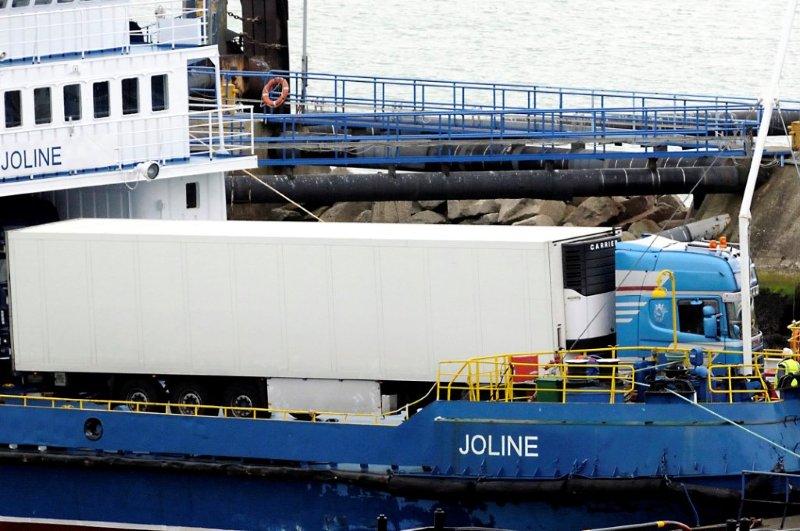
For the ‘boxed meat’ shipments, Onderwater was using a ‘sealed type box trailer’ (see photos below), which carried live animals, but from the outside looked like a normal refrigerated trailer. We have always had issues with this type of trailer being used to transport live animals and have been doing running battles with the EU about it for many years !

box 1

ValCameron141113_7598 _2

Both these box trailers are full of live sheep – would you know ?

– where is the signage we ask ?


We were always very concerned that despite what the EU Reg 1/2005 says; about clear identification that live animals are being transported; trailers that we witnessed on the road (as shown above); and there were many times; they hardly ever carried any hint of signage to say that live animals were being carried within. We had specific concerns that should the trailer be involved in a road accident; local emergency rescue crews would not open access doors as they had no information written on the trailer that live animals were being carried. As a result; many animals could have suffocated or endured serious injuries without rescue teams having any idea that live beings were inside. In our reports, we even proposed signage which should be fitted to All areas of the trailer – top / underside, both sides, the rear – making it utterly clear to any emergency rescue crews that live animals were on board. This was nothing new, it should have been automatically undertaken to comply with EU Regulation 1/2005 anyway; but as with most, if not all animal welfare transport regulations in the EU, the hauliers largely ignore them; knowing that there is not really anyone around to enforce !


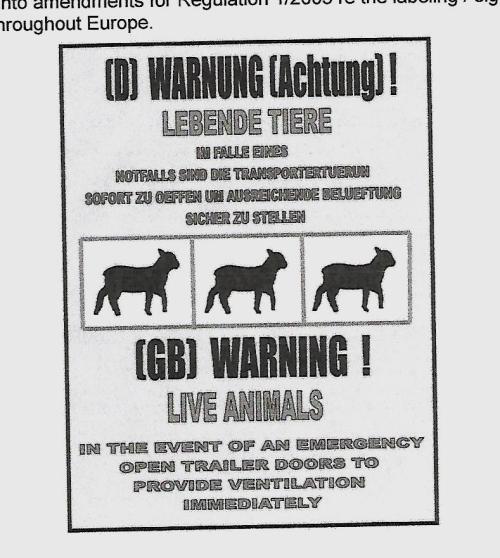
Here below is a copy of the label which we suggested to the EU that should be fitted on all panels to all box trailers carrying live animals.  We suggested about A3 size; with colours of back, red and yellow – a yellow background, wording in red and the animal pictures in black.

In this example we did English and German wording; but suggested that maybe 4 ‘prime’ EU languages should be shown on the warning label.  As you can see at the bottom we made it clear to help emergency services – “LIVE ANIMALS – In the event of an emergency; open the trailer doors to provide ventilation immediately”.

The EU never came back to us about this; what, some 10 years ago.  Un identified box trailers are still hauling live animals in un-identified configurations on a daily basis !


Box trailer warning label


Have a look at some previous posts we have published on this, and the box type sealed trailers:


Onderwater


https://serbiananimalsvoice.com/2019/07/18/the-dutch-convict-who-still-exports-sheep-from-the-uk-to-mainland-europe-and-guess-what-the-eu-does-nothing/

https://serbiananimalsvoice.com/2019/08/08/england-sealed-box-animal-trailers-how-the-industry-dodges-identifying-what-they-carry-and-the-eu-does-nothing-about-it/

https://serbiananimalsvoice.com/2017/07/21/uk-as-we-said-away-from-the-useless-eu-shackles-the-uk-can-and-will-take-back-control-for-the-better-of-animals-and-the-environment/

https://serbiananimalsvoice.com/2017/08/30/england-live-animal-export-protests-by-dutchman-onderwater-ramsgate-kent-24817/

https://serbiananimalsvoice.com/2016/09/09/england-big-protest-against-live-exports-as-always-but-lots-of-sailings-by-dutchman-onderwater-for-muslim-eid-festival-in-eu/

https://serbiananimalsvoice.com/2014/10/09/netherlands-uk-footage-of-live-british-sheep-exported-by-dutchman-onderwater-to-mainland-eu/

https://serbiananimalsvoice.com/2019/05/05/the-cruelty-transport-of-unweaned-calves-direct-from-ireland-to-france-and-from-scotland-via-ramsgate-england-for-further-fattening-in-spain/

https://serbiananimalsvoice.com/2018/02/21/live-transport-new-video-one-sav-commentator-expresses-the-views-of-so-many-eu-citizens/

https://serbiananimalsvoice.com/2017/12/03/the-eu-is-failing-millions-of-animals-exported-live-a-guardian-uk-press-investigation/


Image result for eu bernard van goethem"

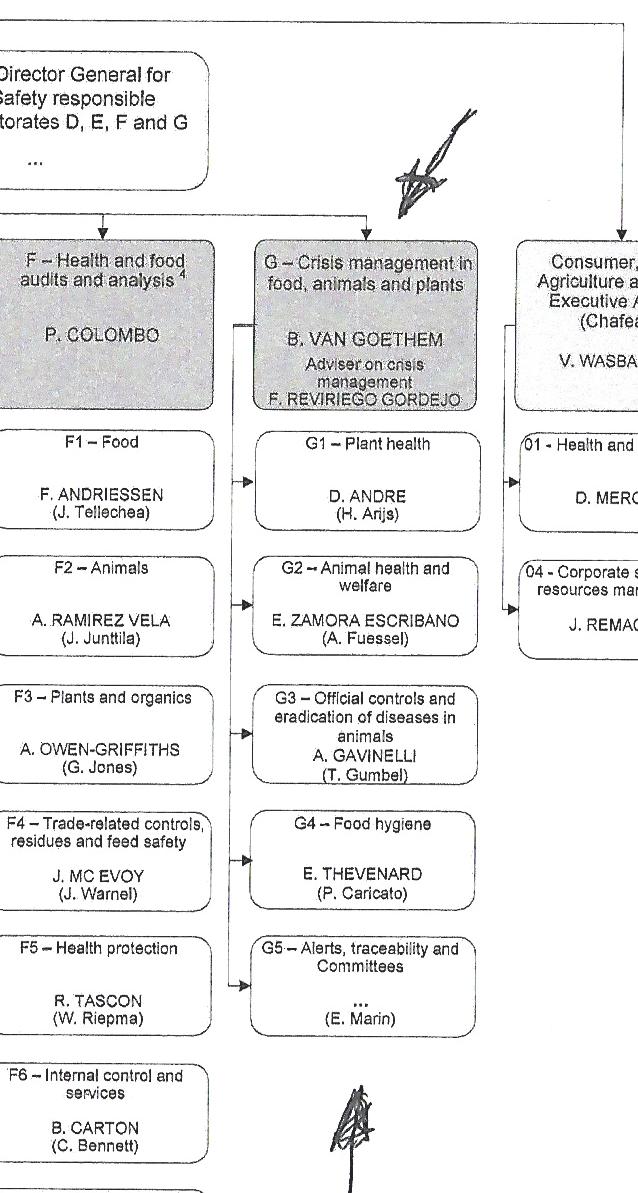
Mr Bernard Van Goethem is an EU official very involved with live animal transport; but in our opinion; he does the animals in transport no favours at all. If you look at the EU (DG SANTE) structure chart for ‘Health and Food Safety’, which includes G” – animal health and WELFARE; there is a so called ‘Crisis Management Team’ which is headed by Mr Van Goethem. Sorry, but we have been pointing out a ‘crisis’ with unidentified animal carrying sealed box trailers to him for probably the last 10 years or more – and like all crisis managers; he has decided to ignore the evidence we give, and remedies to correct we propose. When does a crisis become a real crisis we ask ?

VDG Crisis management EU


In our opinion this man represents everything which is so pathetic about the EU – nice job title; well paid, nice office no doubt; nice suit; but utterly ineffective at taking very important animal welfare issues and decisions on board; and even more seriously; doing anything about rectifying them !

Our section leader at G3; Mr Gavinelli; we have found in our correspondence, is much better than his boss; always willing to listen to our case and being very supportive of animal welfare, for which we thank him. Sadly, Van Goethem is at the top; so in compliance with much of the important things at the EU; nothing really ever gets done.

Here are some posts we have published in the past; many from our ‘SAV’ site – including our requests for him to resign; such is our personal experiences of his animal welfare ‘crisis management’.


WAV – Mr Van Goethem


https://worldanimalsvoice.com/2019/09/06/england-wav-now-write-to-europe-regarding-romanian-sheep-and-animal-carrying-box-trailers/

https://worldanimalsvoice.com/2018/09/08/eu-how-it-is-enhancing-knowledge-on-animal-welfare-or-is-that-dismissing-eu-meat-mafia-or-what/

https://worldanimalsvoice.com/2018/08/24/netherlands-summer-heat-by-margreet-eyes-on-animals-amsterdam/


Image result for eu bernard van goethem"


SAV – Mr Van Goethem


https://serbiananimalsvoice.com/2016/07/21/mr-van-goethem-and-eu-others-all-talk-and-no-action-a-real-head-in-the-sand-situation/

https://serbiananimalsvoice.com/2016/06/29/mr-van-goethem-resign-now/

https://serbiananimalsvoice.com/2016/06/07/eu-must-ensure-animal-welfare-or-mr-van-goethem-will-get-you-and-the-next-joke-is/

https://serbiananimalsvoice.com/2016/06/06/the-eu-excuses-get-more-pathetic-by-the-day-contact-mr-van-goethem-and-show-your-disgust/

https://serbiananimalsvoice.com/2016/12/03/romania-take-action-for-romanian-live-exports-a-useless-van-goethem-eu-as-always/

https://serbiananimalsvoice.com/2016/09/05/nl-the-situation-in-turkey-gets-no-better-in-fact-even-worse-blame-mr-van-goethem-and-his-in-effective-team-at-the-eu/

https://serbiananimalsvoice.com/2016/06/17/uk-map-proves-uk-is-ready-to-wave-eu-goodbye-van-goethem-and-others-have-failed-the-animals/


https://serbiananimalsvoice.com/2017/09/13/uk-campaigners-from-over-25-nations-work-together-today-13917-to-end-live-animal-exports/

https://serbiananimalsvoice.com/2017/07/21/uk-as-we-said-away-from-the-useless-eu-shackles-the-uk-can-and-will-take-back-control-for-the-better-of-animals-and-the-environment/


https://worldanimalsvoice.com/2018/09/21/the-eu-and-its-failure-of-animal-welfare-c-o-junker-tusk-vangoethem-etc/


So; just a very short snapshot of how to do a lot (from our side); gather information; present the evidence; and then be completely ignored by the EU or anyone who can actually make proper, effective changes.

Do we get angry with this attitude to what we say ? – yes; a bit; but we are kind of used to it after all these years, but on the flip side, it just gives us additional conviction to fight those like both the above, and the animal transport industry in general.

We do this for nobody but the animals who suffer – for them it is an ‘Eternal Treblinka’.


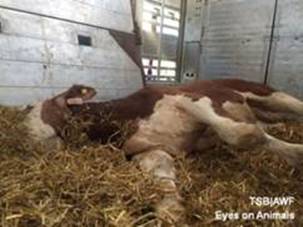
EoA June 5

Photo – Eyes on Animals (NL)


You can run but you cannot hide !


Regards Mark.


Kanada: Tar sand oil is ecoterrorism and must be stopped


kanada-97

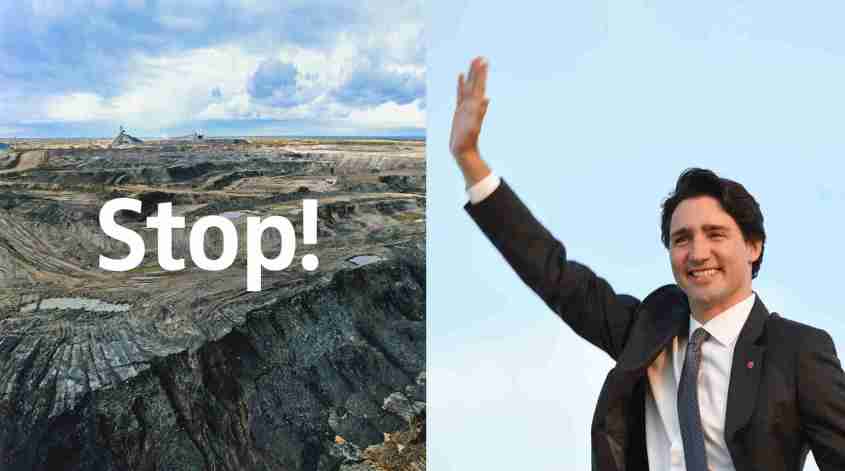
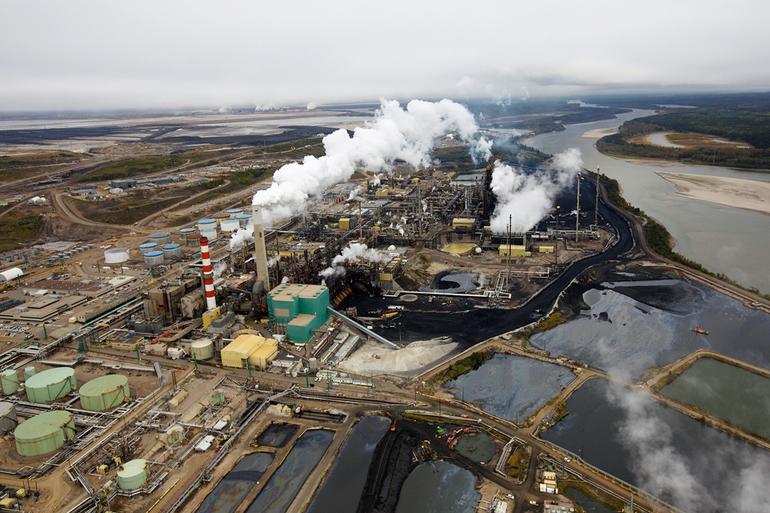
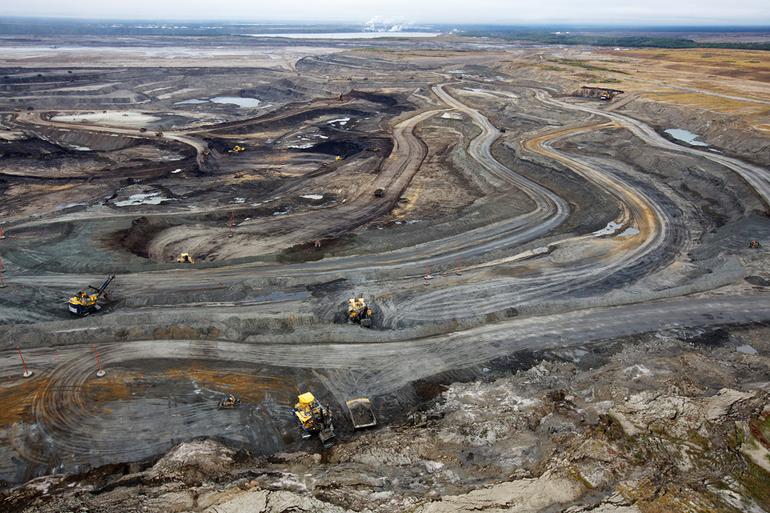
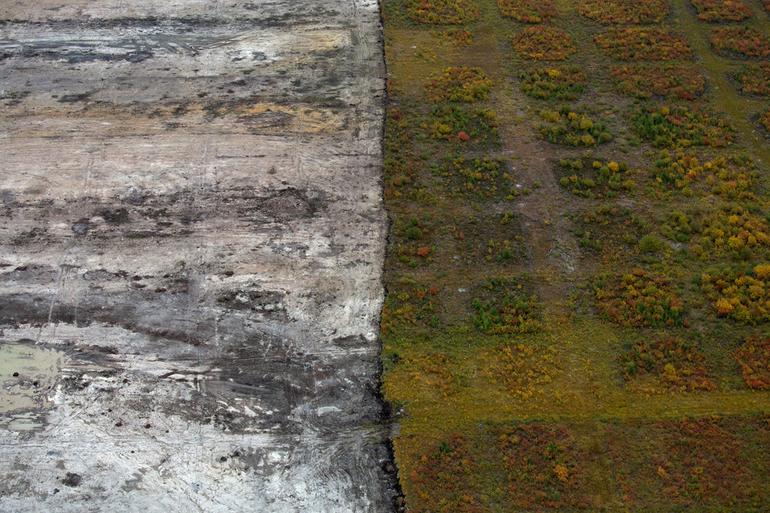
Canada faces the largest tar sand mine ever. For them, 292 km² of forest and wetlands would be cleared or polluted. The extraction of oil would destroy the habitat of caribou and bears, and the Wood Buffalo National Park is in danger. Prime Minister Trudeau makes decisions at all times – he must stop the catastrophe now!

-trudeau-teersand-alberta

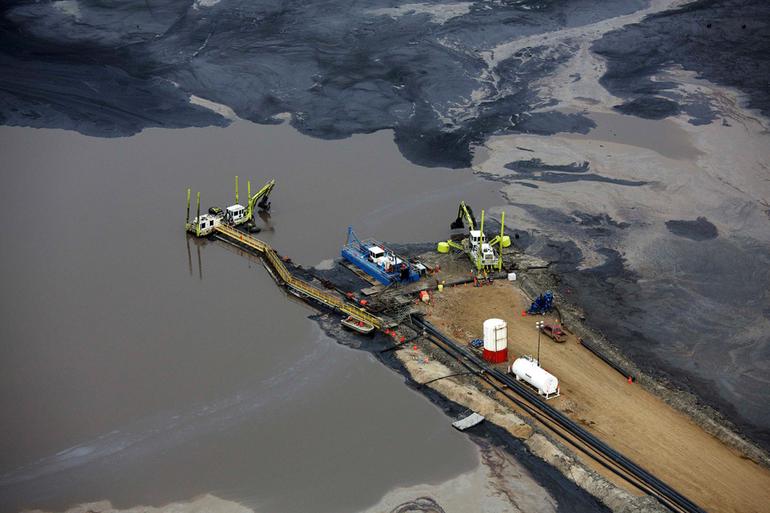
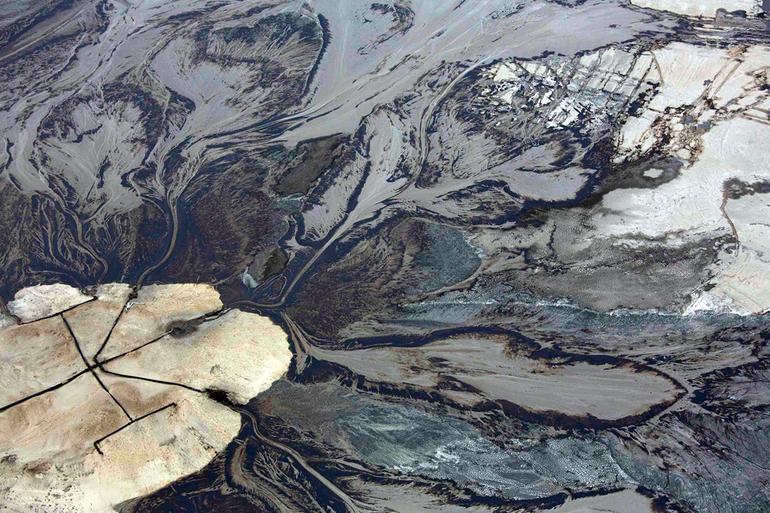
In parts of Alberta it already looks like Mordor. Open-cast mines are excavated in open-cast mines; previously forest and nature were destroyed. In artificial lakes there is water contaminated with heavy metals. Reservoirs and refineries emit toxic fumes.

The Canadian company Suncor operates a huge process plant for oil from tar sands near Fort McMurray in Alberta, Canada. © Todd Korol / Reuters
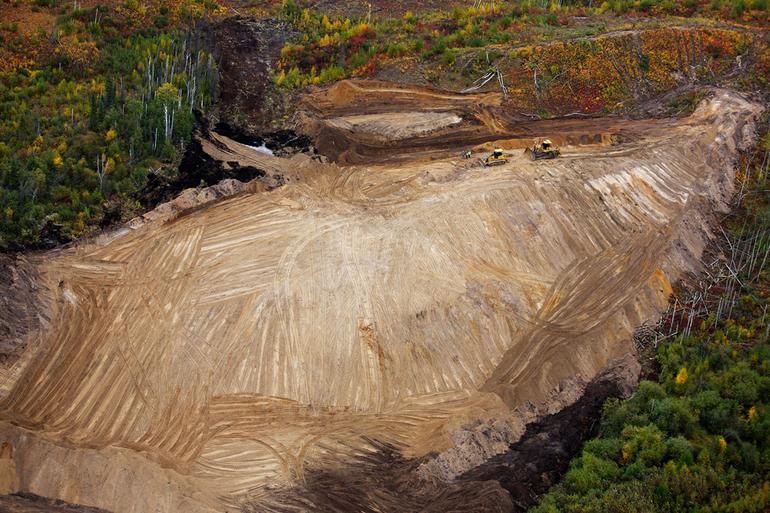
 

The new project called Frontier Tar Sand Mine is an ecological monster, bigger than all previous ones. It hardly spares an environmental mess. Teck Resources plans to invest 13 billion euros.
From 2026, 260,000 barrels of oil are to be extracted every day – for 40 years!!


The oil from tar sand is the most climate-damaging in the world. It is not normal crude oil, but tar sand, also known as oil sand, a mixture of sand, water and heavy crude oil.

Far larger amounts of energy are needed for extraction and processing than for conventional petroleum. To protect the climate, the oil must remain in the ground – the billion-dollar project would make the phasing out of fossil fuels an illusion.


Pipelines are under construction to export the viscous oil – they contain ecological explosives. The Trans Mountain Pipeline leads over the Rocky Mountains on British Columbia’s Pacific coast. Leaks are likely, if an oil tanker breaks down, threatens to contaminate the coast and the habitat of rare orcas.

The mine project also alerts Unesco. The guardians of the World Heritage Sites see Wood Buffalo National Park at the mouth of the Athabasca River in danger. The river is already polluted; now his condition could get worse.

After a public hearing, an expert report warned of the environmental consequences. 3,000 hectares of old, original forests and 14,000 hectares of wetlands would be completely destroyed.

The population also suffers from environmental degradation. But the rights of the indigenous people are violated.


Canada is planning several large pipelines for the transportation of the crude oil.

The Trans Mountain Expansion Project has already been approved and is supported by Prime Minister Justin Trudeau. He even bought the pipeline connecting Alberta’s oil fields to the Pacific coast to drive expansion.
However, the provincial government of British Columbia is trying to prevent the construction from being imposed by environmental regulations.


The Enbridge Line 3 pipeline has also already been approved. It leads south to the United States. The KeystoneXL pipeline, which also connects Canada’s tar sand fields to the United States, is intended to pump oil to refineries in Texas over a distance of 2,700 kilometers.

The petroleum economy also requires a pipeline to the east – for the export of tar sand oil to Europe. However, the TransCanada group buried its Energy East project on the Atlantic coast at the end of 2017. The company has thus bowed to public pressure.


My comment: The Canadian province of Alberta is de facto an oil state: After Saudi Arabia and Venezuela, the world’s third largest crude oil reserves are stored here.

Canada already produces today as much oil as Kuwait. Soon it will be twice as much. And Canada is already the largest crude oil supplier in the USA.

The oil companies get everything they want from politics. The free market and oil income outweigh all other factors.

The oil has to be extracted from the tar sands in an energy-intensive manner and with great interventions in nature. This makes extraction complicated and expensive.

But Canada still thinks the effort is worth it: It is estimated that the government and the provinces will generate revenues of just under $ 80 billion between 2012 and 2035.

What does that have to do with Germany and the EU?
A lot of!
In January 2017, the European Union voted for the trade agreement with Canada and allowed more Canadian oil (tar sands, oil sands) to be imported from Canada.

CETA: Dirty oil has been given a clean label.
Since December 2014, the energy source, which comes mainly from Alberta in Canada, has no longer been classified as environmentally harmful by the European Union.

‘”Why don’t everyone protest today? The potential health effects of ecoterrorism for profit and money are enormous and threaten all of us – from water and soil poisoning to the effects of a warming global climate on public health -The effects will soon be devastating. “

That was what an older protester told me at a demo against Glyphosate years ago.
And he was right.


slogan ignoranz pg

My best regards to all, Venus

Environmental – The ‘doomsday’ glacier.

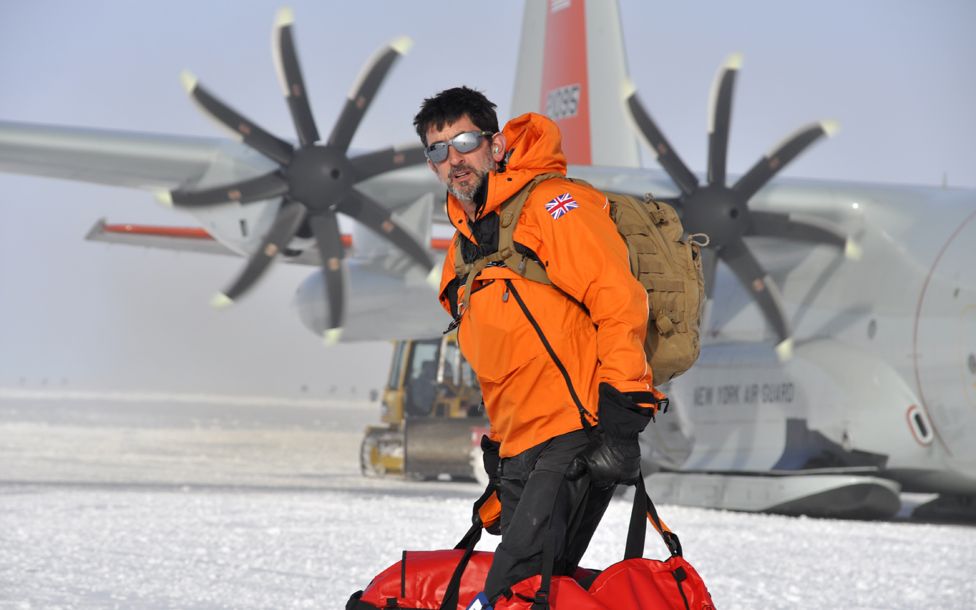
Justin in the snow with bags


An interesting article by the BBC relating to the ‘Doomsday Glacier’, and the current research going on.


Full article at:

https://www.bbc.co.uk/news/science-environment-51097309

The ‘doomsday’ glacier


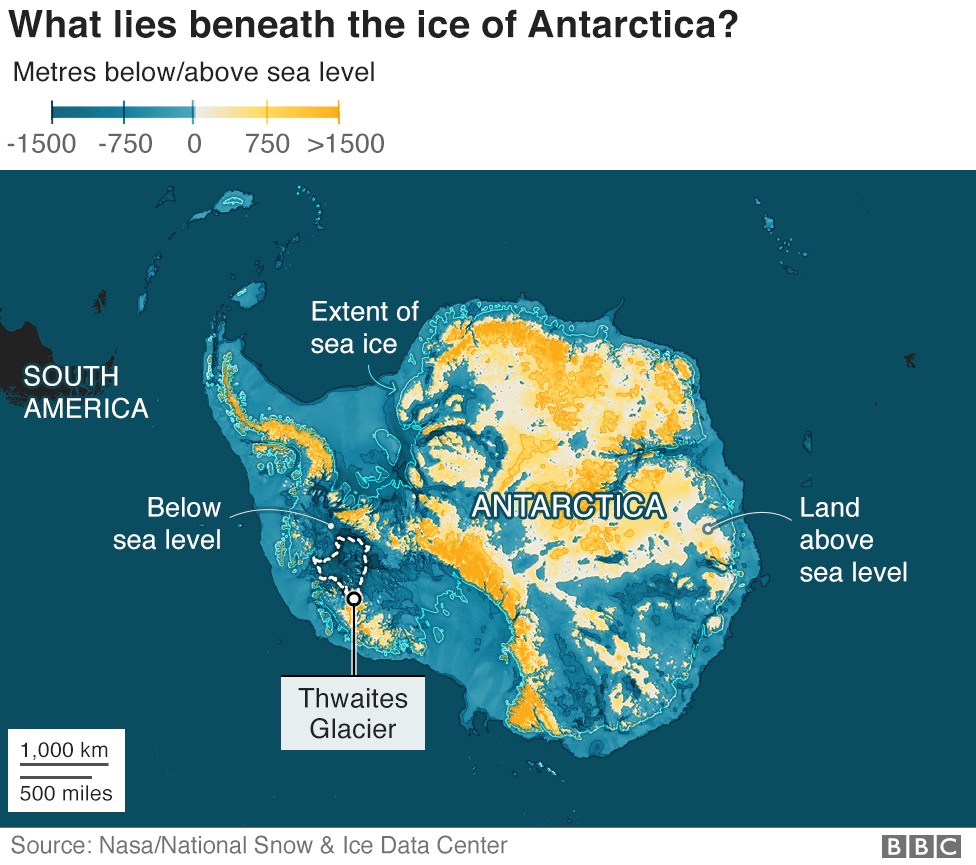
Map of Antarctica showing what lies under the ice

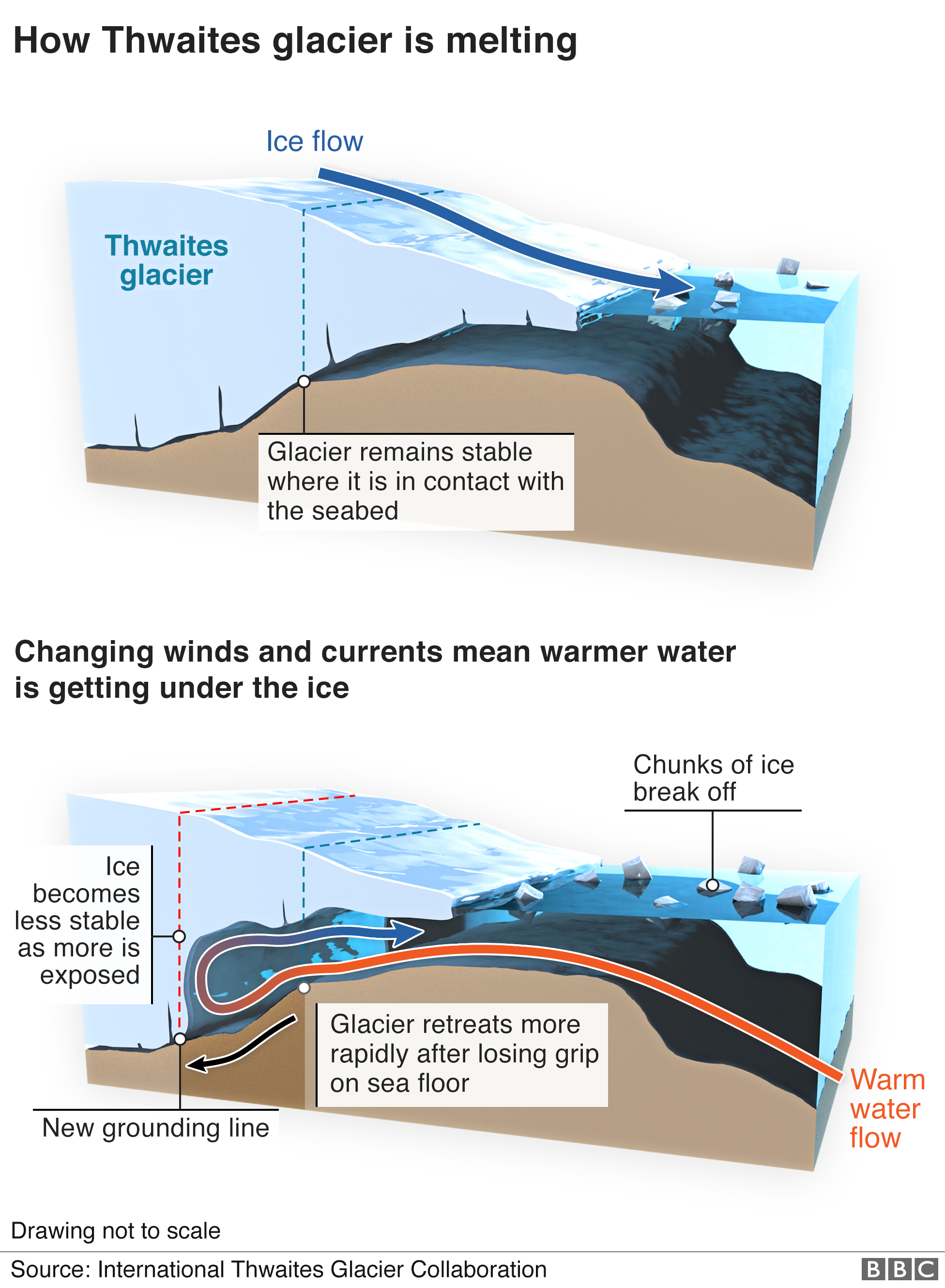
3d infographic explaining how warmer water is getting under the ice and speeding up the melting process


Glaciologists have described Thwaites as the “most important” glacier in the world, the “riskiest” glacier, even the “doomsday” glacier.

It is massive – roughly the size of Britain.

It already accounts for 4% of world sea level rise each year – a huge figure for a single glacier – and satellite data show that it is melting increasingly rapidly.

The Icefin team, along with 40 or so other scientists, are part of the International Thwaites Glacier Collaboration, a five-year, $50m (£38m) joint UK-US effort to understand why it is changing so rapidly.

The project represents the biggest and most complex scientific field programme in Antarctic history.


Non directly associated Global Warming links:

https://worldanimalsvoice.com/2019/09/23/switzerland-pizol-glacier-swiss-hold-funeral-for-ice-lost-to-global-warming/

https://worldanimalsvoice.com/2019/09/23/un-the-world-knows-that-global-warming-is-a-major-issue-apart-from-trump-that-is/

https://worldanimalsvoice.com/2019/06/19/if-this-photo-does-not-send-a-message-about-global-warming-then-what-does-husky-photograph-reveals-troubling-reality-of-melting-ice-in-greenland/

https://worldanimalsvoice.com/2018/12/11/global-warming-could-raise-ocean-levels-by-28-metres/

https://worldanimalsvoice.com/2018/12/03/poland-leading-uk-naturalist-and-animal-advocate-sir-david-attenborough-warns-of-the-collapse-of-civilization-due-to-global-warming/

https://worldanimalsvoice.com/2019/01/25/global-co2-levels-on-the-increase-and-still-the-message-does-not-enter-some-heads/

UK: ‘Winging it’: How the UK’s Chicken Habit is Fuelling the Climate and Nature Emergency – An Independent / Greenpeace Investigation.

britischen-flagge-113274253


Further to our very recent post and the damage to Australian wildlife due to the need for meat demands –    https://worldanimalsvoice.com/2020/01/27/australia-do-people-care-about-the-other-crisis-killing-koalas-kangaroos-another-very-interesting-view/    – we now look further into a report undertaken by the UK ‘Independent’ newspaper (which we admire for being independent) in conjunction with Greenpeace; and the impact that British meat eaters are having on habitat loss in South America. Being English, I (as a Greenpeace member) do not hesitate to show this as I feel the meat eating Brits are as much to blame for the destruction as anyone else, no matter where they live – Regards Mark

Link – https://www.independent.co.uk/news/uk/home-news/chicken-forests-greenpeace-supermarket-fast-food-wildlife-trees-climate-deforestation-a9292576.html


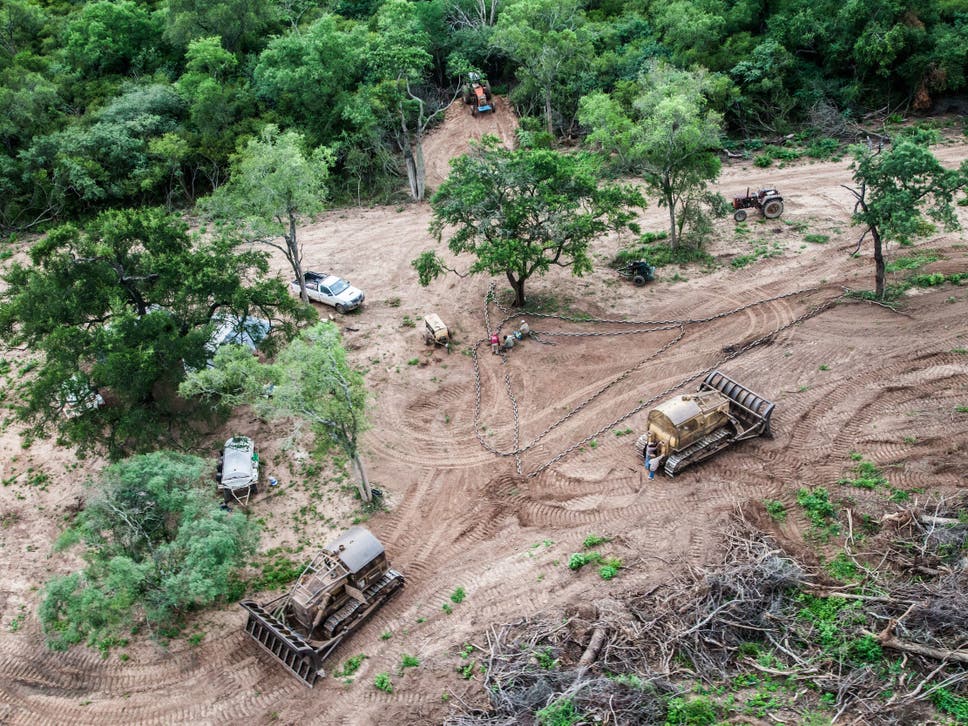
Illegal logging in Argentina, where forests are being replaced by soya plantations

Photo – Illegal logging in Argentina, where forests are being replaced by soya plantations ( Nicolas Villalobos / Greenpeace )


Chicken from UK supermarkets and fast-food chains ‘fuelling mass forest loss in South America’


Greenpeace calls for meat-reduction targets by big stores that ‘fail to monitor suppliers’ but run promotions.

The production of chicken to be sold in UK supermarkets, restaurants and fast-food chains is destroying wildlife-rich forests in South America, Greenpeace investigators claim.

Swathes of forest are bulldozed each year to grow soya, which is used to feed poultry in the UK and the rest of the world, a report by the charity says. The land used partly includes the world’s most biodiverse savannah, the Brazilian Cerrado.

South America’s forests are home to rare wildlife species and are a major absorber of damaging greenhouse gases, so eradicating the trees accelerates the climate and biodiversity crises.

But in failing to monitor where their animal-feed crops come from, Britain’s high-street brands are “contributing to the deforestation“ – some of which is illegal, it’s claimed.

Consumers swapping red meat for chicken and other poultry are also fuelling the demand, and supermarkets and fast-food chains are pushing up sales with special offers on chicken, according to the study.

The UK imports more than 3 million tonnes of soya every year from Argentina, Brazil and Paraguay, official figures show, the bulk of it to feed factory-farmed animals, mostly chickens.

The report, called Winging it: How the UK’s Chicken Habit is Fuelling the Climate and Nature Emergency, says that meeting Britain’s annual demand for high-protein soya requires 1.4 million hectares of land – an area larger than Northern Ireland.

Greenpeace, which is calling on food giants to set meat-reduction targets, surveyed 23 UK supermarkets and fast-food and coffee chains about their chicken sales and soya usage. It says it found:

  • Some supermarkets are buying their soya from commodity giants including two that have been fined for trading in soya from illegally deforested areas in the Brazilian Cerrado
  • UK supermarkets account for two-thirds of the UK’s soya imports – the vast majority for chicken feed
  • Tesco alone admitted using a sixth of the UK’s soya – 99 per cent of it for animal feed 
  • Some leading supermarkets claim to support production of sustainable soya – or have a plan to switch to no-deforestation sources – but this means buying credits to offset their soya use
  • None of the companies surveyed could guarantee the soya they used for meat production was deforestation-free. McDonald’s, KFC, Burger King, Nando’s and Subway refused to disclose their meat sales or soya use altogether


Supermarket promotions of chicken legs more than doubled last year, and price cuts trebled, according to market research by Kantar.

But a Roundtable on Sustainable Soya report, also last year, found that just 2 per cent of the UK’s imports come from zero-deforestation areas. And Greenpeace says not a single company it contacted was able to show it tracked the full amount or origin of the soya used as animal feed in its supply chain.


The Amazon is protected from further expansion for soya production by a 2006 ban but other areas with vital ecosystems such as the Cerrado and the Gran Chaco – South America’s second largest forest – are still being exploited, the report shows.

The Cerrado Manifesto, launched in 2017, calls on companies to voluntarily pledge to curb further deforestation.

Cattle ranching is also a big cause of forest loss but most Brazilian beef is consumed in the country, leaving soya “a more significant component of many countries’ deforestation footprint”.

Greenpeace UK forest campaigner Chiara Vitali said: “Consumers cutting red meat are clearly trying to do the right thing for the right reasons but supermarkets and fast-food restaurants are keeping them in the dark when it comes to the precious forests being destroyed.

“A straight swap from beef to chicken effectively amounts to outsourcing emissions of our meat consumption from the UK to South America.”

Read more

Brazil rainforest deforestation soared 85% in 2019

The world cannot continue to consume industrially produced meat at current levels, she said.

Analysis by the charity of EU figures suggests soya causes even more forest loss than palm oil.

Leah Riley Brown, of the British Retail Consortium (BRC), said: “Retailers are working together to tackle deforestation and drive greater uptake of certified sustainable soya in their supply chains.

“The BRC has publicly called on the Brazilian government to stop Amazon deforestation for soy production and is working with other stakeholders to ensure soya sources meet customer expectations on sustainability.”

A Tesco spokesman said: “We agree with Greenpeace that more must be done to stop deforestation linked to food production. This is why we will source all the soya we use as animal feed from verified zero-deforestation areas by 2025 and are leading efforts to develop the Funding for Soy Farmers in the Cerrado initiative, which will protect biodiversity by preventing any new land being cleared for soya production.”


Read more

Supermarkets ‘buy beef linked to Amazon rainforest destruction’

McDonald’s said it aimed to eliminate deforestation from supply chains by 2030. “We are prioritising by the end of 2020 the raw materials our suppliers buy in greatest volume and where we can have the biggest impact: beef, chicken (including soya in feed), palm oil, coffee and the fibre in packaging. We are committed to sourcing soya for chicken feed that does not contribute to deforestation, and have identified the regions with high deforestation risks. In 2018, approximately 74 per cent of the soya used in the feed of chickens supplied to our restaurants in Europe was covered by a combination of ProTerra and Roundtable on Responsible Soy certification,” a statement said. “In 2017, we became one of the first companies to sign the statement of support for the Cerrado Manifesto.”

A Nando’s spokesperson said:​ “We’re proud that for four years, all our soya has been responsibly sourced under the Round Table on Responsible Soy, ProTerra or equivalent standards. This is not just the soya we use as an ingredient but also in our supply chain, which means we buy credits to cover the volume of soya fed to our chickens. We’re always striving to do more. In 2017, we joined over 60 companies in signing a statement of support for the Cerrado Manifesto and we’re proud to be an active member of the UK Roundtable on Sustainable Soya.”

A Burger King spokeswoman said most of its chicken was sourced from the UK and Europe, and only some from Brazil. “However, we hold supplier commitments that neither the poultry nor the feed it is raised on is former rainforest land. We are working with our suppliers on an ongoing basis to review the systems they have in place to ensure these accreditations can be upheld.”

Read more

World must hit ‘peak meat’ by 2030 and restore forests, say scientists

A Subway spokeswoman said the chain had a sustainable soya policy. “We therefore require our franchise owners’ suppliers to comply with this policy and to continually increase the amount of RTRS-certified soya used in Subway products with the ultimate aim of achieving 100 per cent certified sustainably sourced soy by the end of 2020. The Subway brand has a zero-deforestation policy. Suppliers are required to source all raw materials from areas which haven’t been subject to deforestation, or from areas of high conservation value.” 

A KFC spokesperson said it had been in touch previously with Greenpeace over the issue, and would welcome further discussion. “KFC UK and Ireland supports long-established policies against deforestation and a commitment to work with our supply chain partners to sustainably source key produce and commodities, including chicken and soya. We are actively engaged in this issue and looking at how we strengthen our policies to do all we can to eliminate deforestation risk, working with our global teams and partners such as WWF to ensure that any sourcing decisions we make are informed and sustainable ones.”

More about

Greenpeace |  Deforestation |  South America |  Argentina |  Brazil |  Paraguay |  Amazon |  biodiversity |  Climate crisis |  Forests |  soya |  Supermarkets |  McDonalds |  Burger King |  nandos |  Subway


vegan day 4

Regards to all – Happy Plant based eating ! – Mark


Australia: Do People Care About the Other Crisis Killing Koalas & Kangaroos? – Another Very Interesting View.

australian-flag-


With thanks to Stacey at Our Compass     https://our-compass.org/2020/01/27/do-people-care-about-the-other-crisis-killing-koalas-kangaroos/      for this interesting article – taking the Australian bushfires a step further (back) and getting people to consider the animal killings that take place regardless of the current fires.   Like:

The World Wildlife Fund reports an estimated 45 million animals are killed each year in the Australian state of Queensland alone just from bulldozing of their habitat, a crisis they note is “driven primarily by the livestock industry“.


Regards Mark – WAV.


australien kangourujpg


Do People Care About the Other Crisis Killing Koalas & Kangaroos?
by Stacey

Source Free From Harm
By Ashley Capps
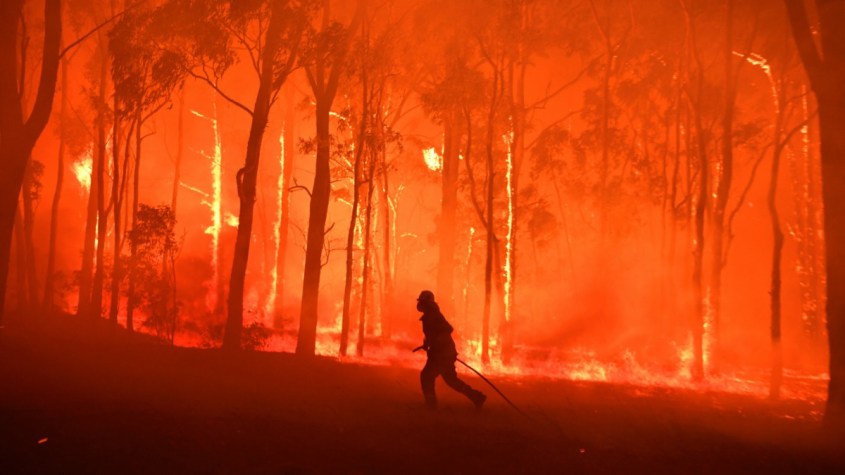
As Australia’s unprecedented bushfires continue to rage, heartbreaking images of scorched koalas and charred kangaroos have devastated viewers around the globe. An estimated 1 billion or more animals have died in the fires, but it’s the pitiful photos of flame-chewed koalas being carried from the blaze like bewildered, beat-up babies that have perhaps most captured our collective sympathy and despair; along with the images of beleaguered kangaroos, their normally genial silhouettes frozen in panic against a backdrop of roaring orange.

It is unbearable to witness.

australien brändepg


Thankfully, these same images have also inspired millions of people to donate to rescue groups on the ground retrieving animals from the fires and tending to their injuries. But as the surge of combined sorrow and sympathy for these iconic animals swells around the world, I find myself wondering: What about the other crisis that is killing Australia’s koalas and kangaroos, and in even greater numbers?

The World Wildlife Fund reports an estimated 45 million animals are killed each year in the Australian state of Queensland alone just from bulldozing of their habitat, a crisis they note is “driven primarily by the livestock industry.”

In just 4 years, between 2012 and 2016, bulldozing of trees killed at least 5,183 koalas in the state. Queensland RSPCA’s Mark Townend notes, “The mass suffering, injury and needless deaths of wild animals caused by the bulldozing of their forest homes is largely hidden but it is Queensland’s greatest animal welfare crisis.”

Queensland had the largest koala population on the continent in 1990, with an estimated 295,000; but in just 20 years that number decreased by more than 40%, while on the Koala Coast, 80% of these animals have been lost.

Thousands of koalas continue to be killed each year as more forests are cleared for cattle grazing in response to consumer demand for beef. But it’s not just Queensland. In Australia as a whole, “beef cattle production is the major driver of tree-clearing.”


Millions of Kangaroos Killed for Burgers & Beef

The same industry is also terrorizing and destroying kangaroos en masse. Since the year 2000, an average of more than two million kangaroos per year have been shot by commercial shooters for the meat industry.

Please read rest HERE

https://freefromharm.org/agriculture-environment/australia-fires-animals/ 


give a shit


Order a FREE vegan kit: http://www.peta.org/living/food/free-vegan-starter-kit/

Take PETA’s Cruelty-Free Shopping Guide along with you next time you head to the store!

The handy guide will help you find humane products at a glance. Order a FREE copy HERE

Searching for Cruelty-Free Cosmetics, Personal-Care Products, Vegan Products, or more?
Click HERE to search.

Click HERE to find out How to Wear Vegan!

Want to do more than go vegan? Help others to do so! Click below for nominal, or no, fees to vegan literature that you can use to convince others that veganism is the only compassionate route to being an animal friend:

PETA: https://www.petaliterature.com/
Vegan Outreach: https://veganoutreach.org/order-form/
Get your FREE Activist Kit from PETA, including stickers, leaflets, and guide HERE

Have questions? Click HERE