Category: Environmental

England: This Little Piggy Came From ? – Why The UK Needs VERY Clear Food Labelling.

WAV Comment. The UK has high animal welfare standards and should be proud of that. Most people dont want antibiotic ridden meat on their plates and produce that comes from nations which employ lower welfare standards. In the end cost is probably one driving factor, but another issue is that all meat products should be clearly labelled to inform the buyer of the standards that ‘their’ chunk of meat was produced around – was it UK or overseas produced ? – if overseas, then where from ? – was it from a non EU caged system ? – was it ritually slaughtered or stunned (properly) at the time of slaughter ?

Thus, clear labelling on food products thus gives the consumer a clear choice about what they purchase. If it bad welfare and cheap, from the far east then the consumer will know. If it is more expensive, but from cage free systems, and with less antibiotics and water in the meat, and killed to an acceptable standard, then the consumer still has the knowledge to buy a product which will cost more. In the UK, research shows that consumers are prepared to pay more for meat which is produced to better welfare standards.

If lower welfare US produced meat does not sell well in the UK, then the British customer has sent a message to the US – simple.

At the end of the day, it should be down to the well informed (clear labelling) consumer to decide. Personally, I think the UK consumer will pay more for higher welfare standards – it has been shown. Farmers, supermarlets, the government, get a grip and tell people the reality about products.

Regards Mark
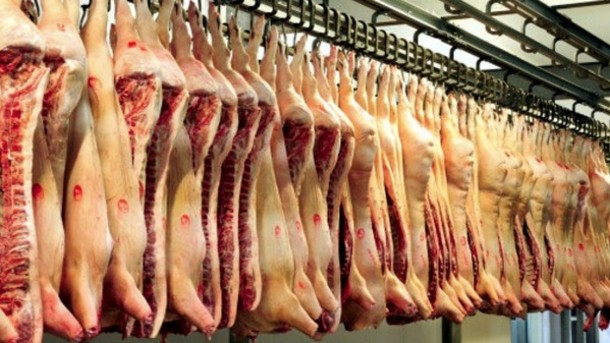
Pig Meat – From ??? – Make It Clear to Consumers

Saving the bacon: will British pig farmers ​survive a ban on cages?

An end to UK pig confinement is in sight, but producers fear they will be left carrying the cost of high-welfare options in the face of cheap imports

After more than a decade trialling the removal of pig cages on her Yorkshire farm, Vicky Scott has lost confidence in being able to make it permanent.

Doing so would require building a new shed to create enough space to freely house all her pigs, she says. “No one will pay for this. They [the retailers] want products as cheap as chips and consumers want cheap meat.”

Yet, the UK and EU are expected to ban all forms of confinement in pig rearing.

In June, the European Commission confirmed it would table a proposal to phase out the use of farrowing crates, which are used to confine sows before and after birth, by the end of 2023. The UK – and Boris Johnson himself – have made clear that the long-term aim is to do the same.

Crates are used to confine expectant sows until their piglets are weaned after four weeks. They restrict the sows’ movement, reducing the risk of crushing the piglets.

However, as well as restricting sows’ natural behaviour and movement, including nest-building and interacting with her piglets, there is also evidence the crates increase the risk of stillbirth.


The pig whisperer: the Dutch farmer who wants to end factory farming

Read more

Piglets are vulnerable to being crushed by sows if they are not in a crate, but the overall mortality rates can be managed, says pig specialist Emma Baxter, from Scotland’s Rural College. Outdoor pig systems, where pigs are not confined, consistently return average piglet mortality rates similar to indoor ones where the pigs are confined, she says.

Given the majority of pigs in the UK are reared indoors because outdoor rearing is limited by soil type, producers will need to be able to adopt high-welfare indoor alternatives to farrowing crates, says Baxter.

Continued on Page 2

Setting The Record Straight on the Dolphin “Smile”. Also The ‘Taiji Dolphin Hunt’ (Japan).

Our Head of Wildlife, Dr. Jan Schmidt-Burbach Sets the Record Straight on the Dolphin Smile

This month, we’re releasing a new video titled Breaking the Myths narrated by Dr. Jan Schmidt-Burbach, our Global Head of Wildlife Research and Animal Welfare.  

Jan is an expert on the captive dolphin industry and the author of our report, Behind The Smile. In the video, Jan addresses a common misconception that dolphins smile. We don’t want to give too much away so watch now!

Sincerely,

Nicole Barrantes  

Wildlife Campaign Manager

World Animal Protection

PS Looking for more information? Read our Behind the Smile report published in 2019 

Additional

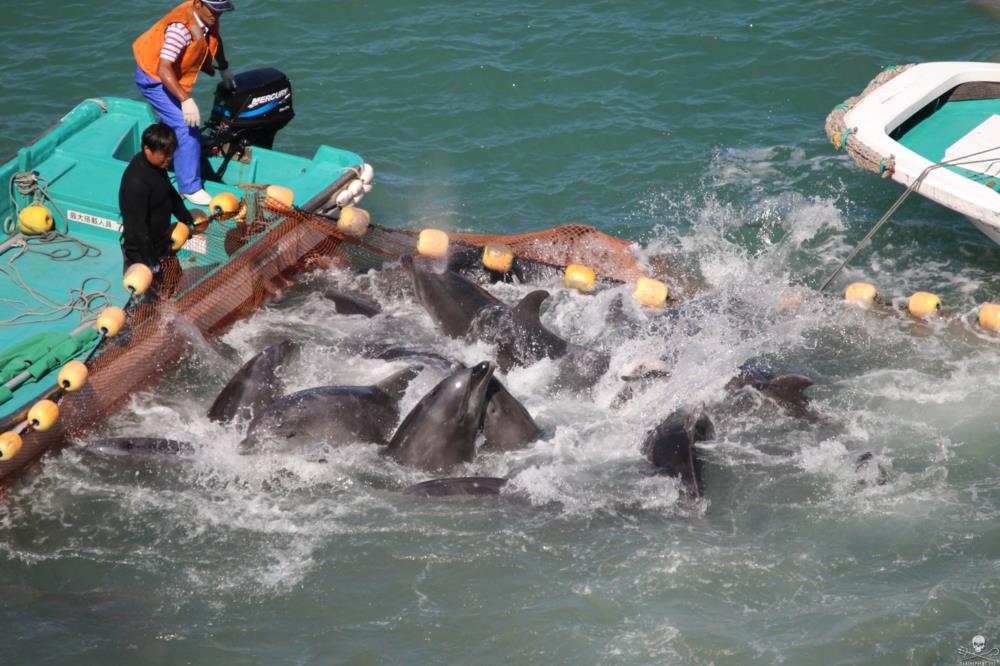
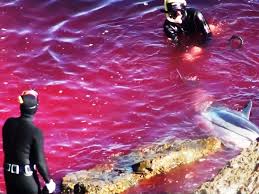
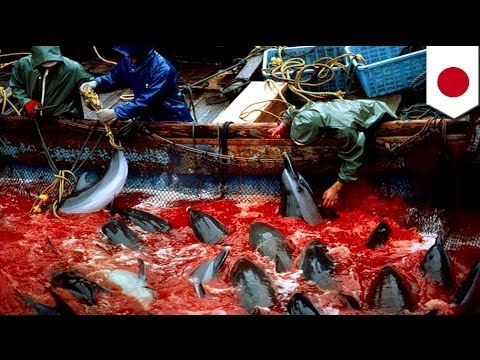
With the Summer Olympics currently taking place in Japan; is it not time to remember what Japan does to dolphins each year, re thee Taiji Hunt ?

Here are a few past links (all under one heading – take your picks to view) of ours (WAV) relating to this massive disgraceful abuse of very intelligent animals.:

Search Results for “Taiji” – World Animals Voice

Regards Mark

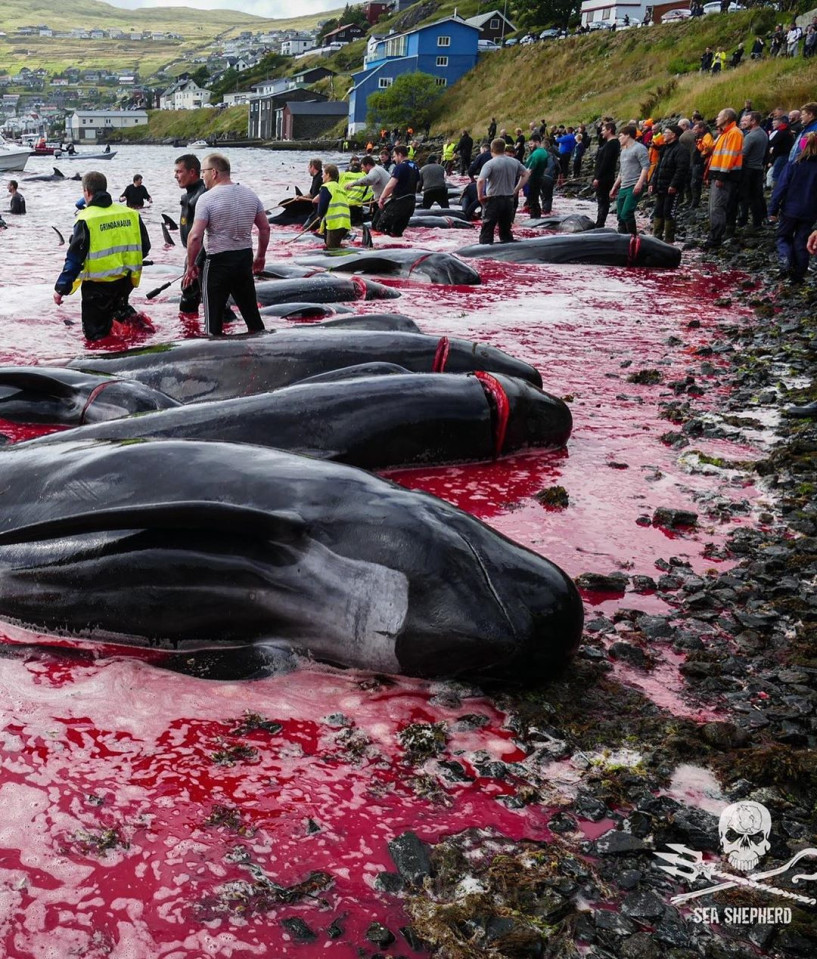
Pictures: the Taiji Hunt, Japan.

Far East: The World Has Changed, but Live-Animal Markets Haven’t. Demand The WHO Acts Immediately.

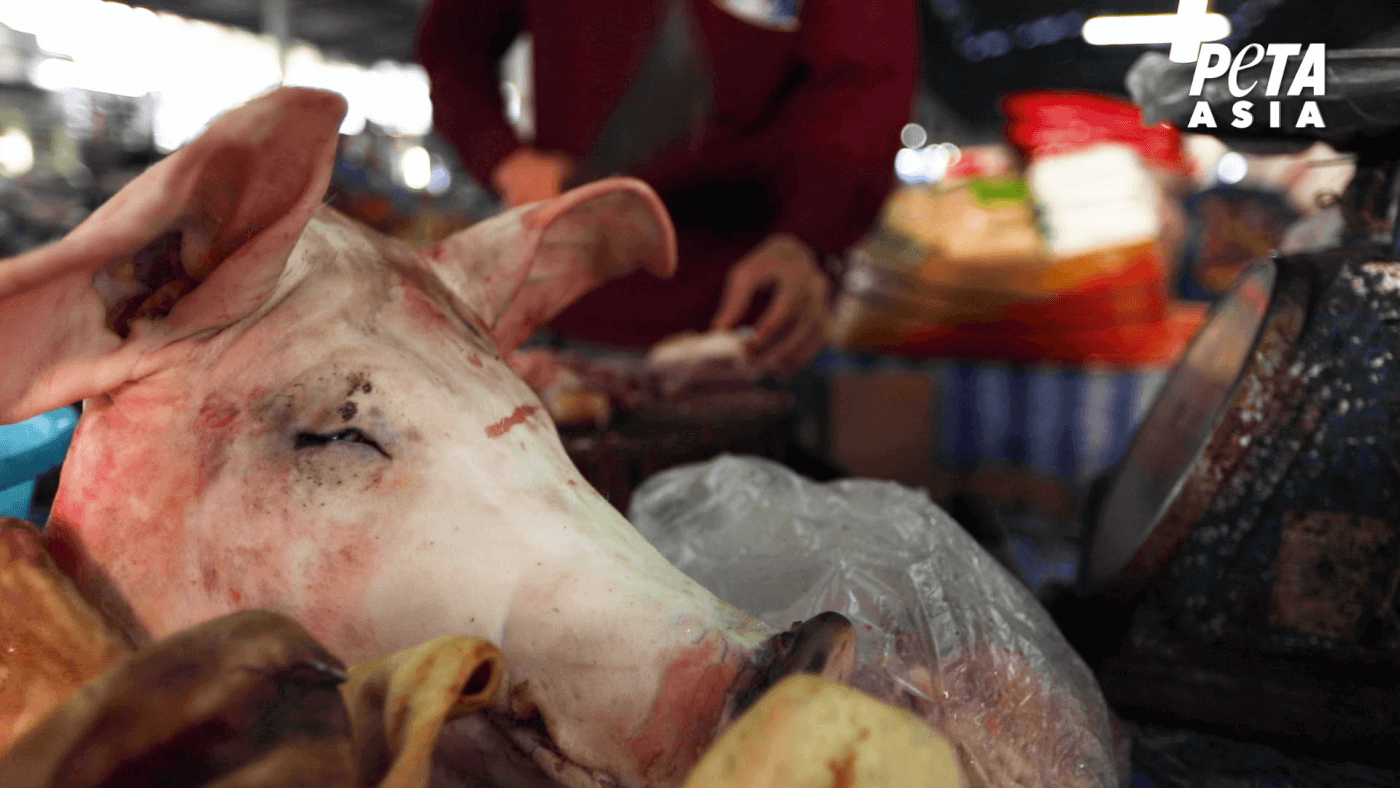
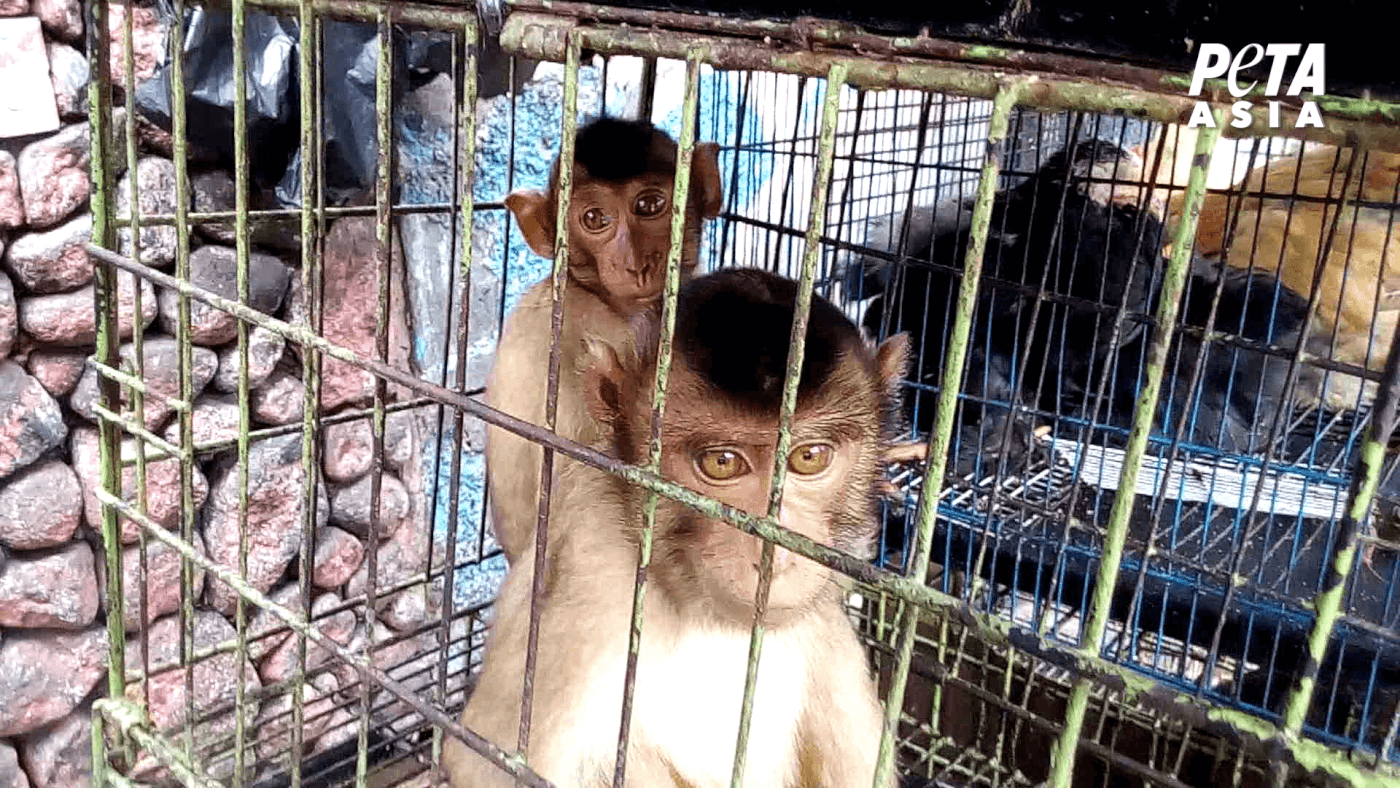
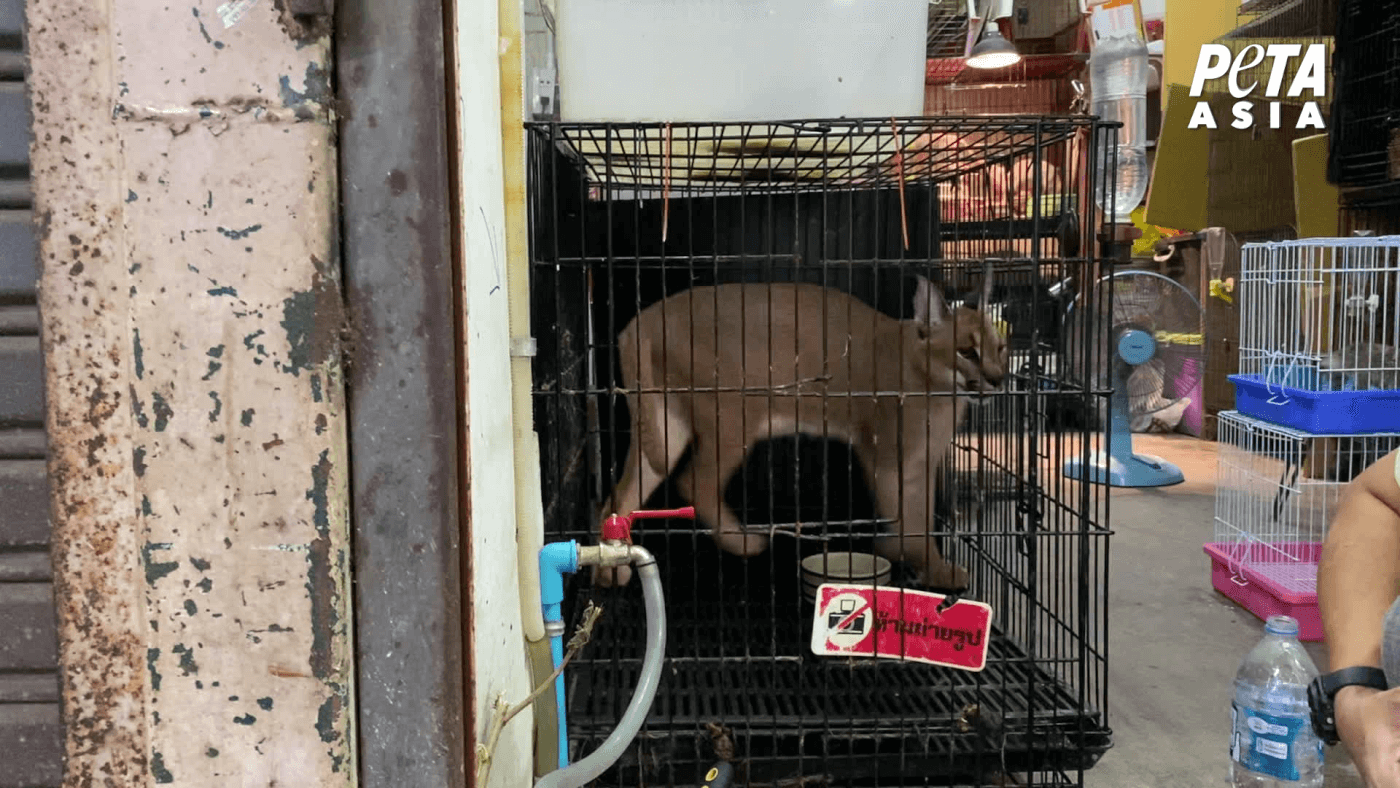
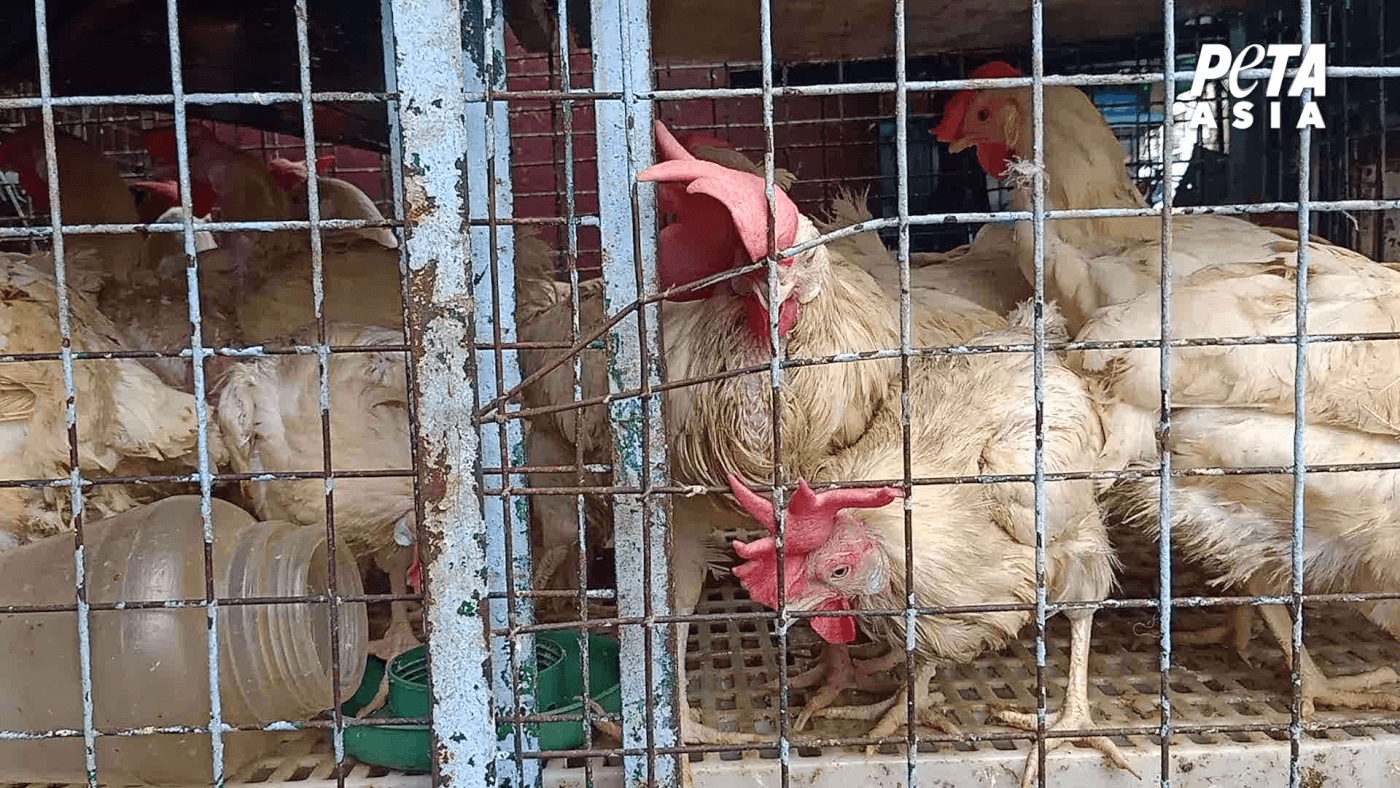
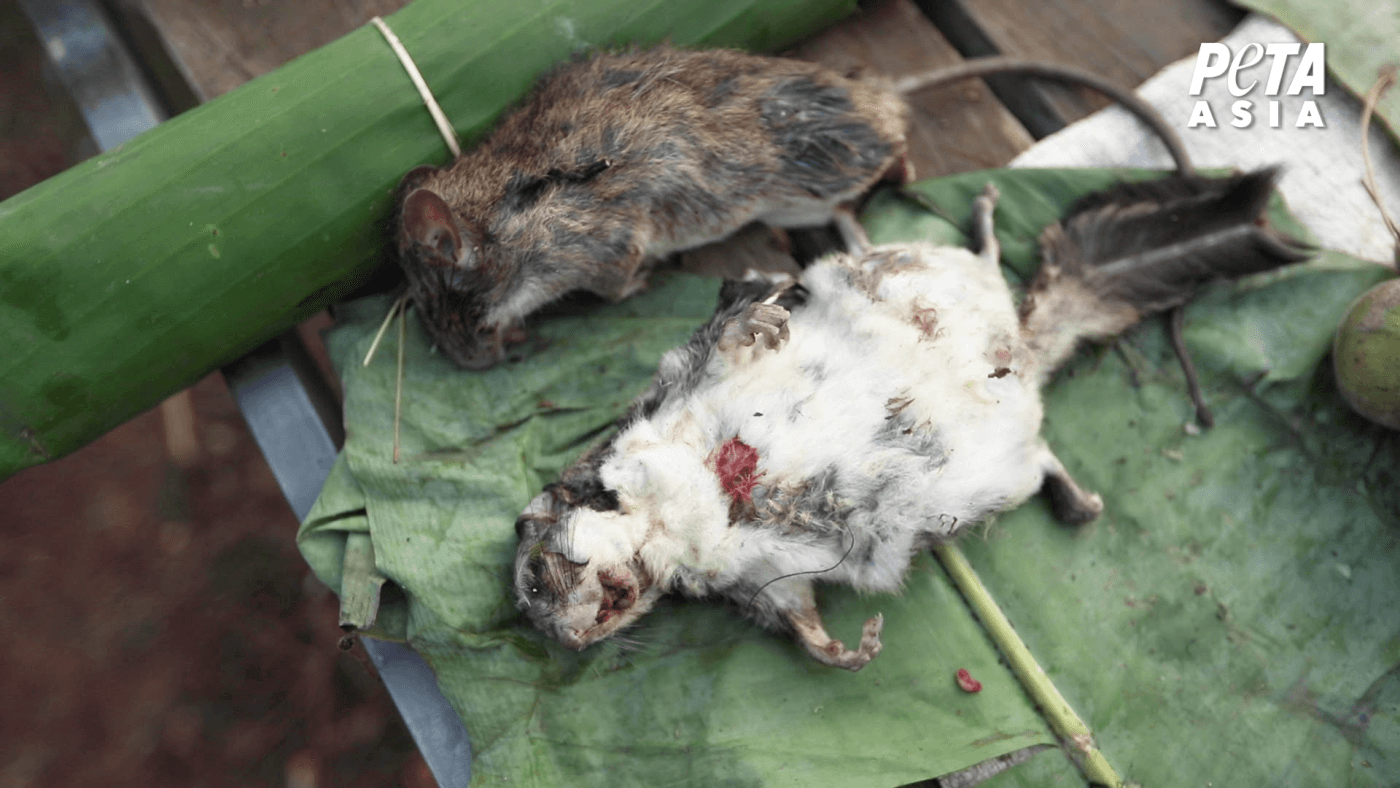
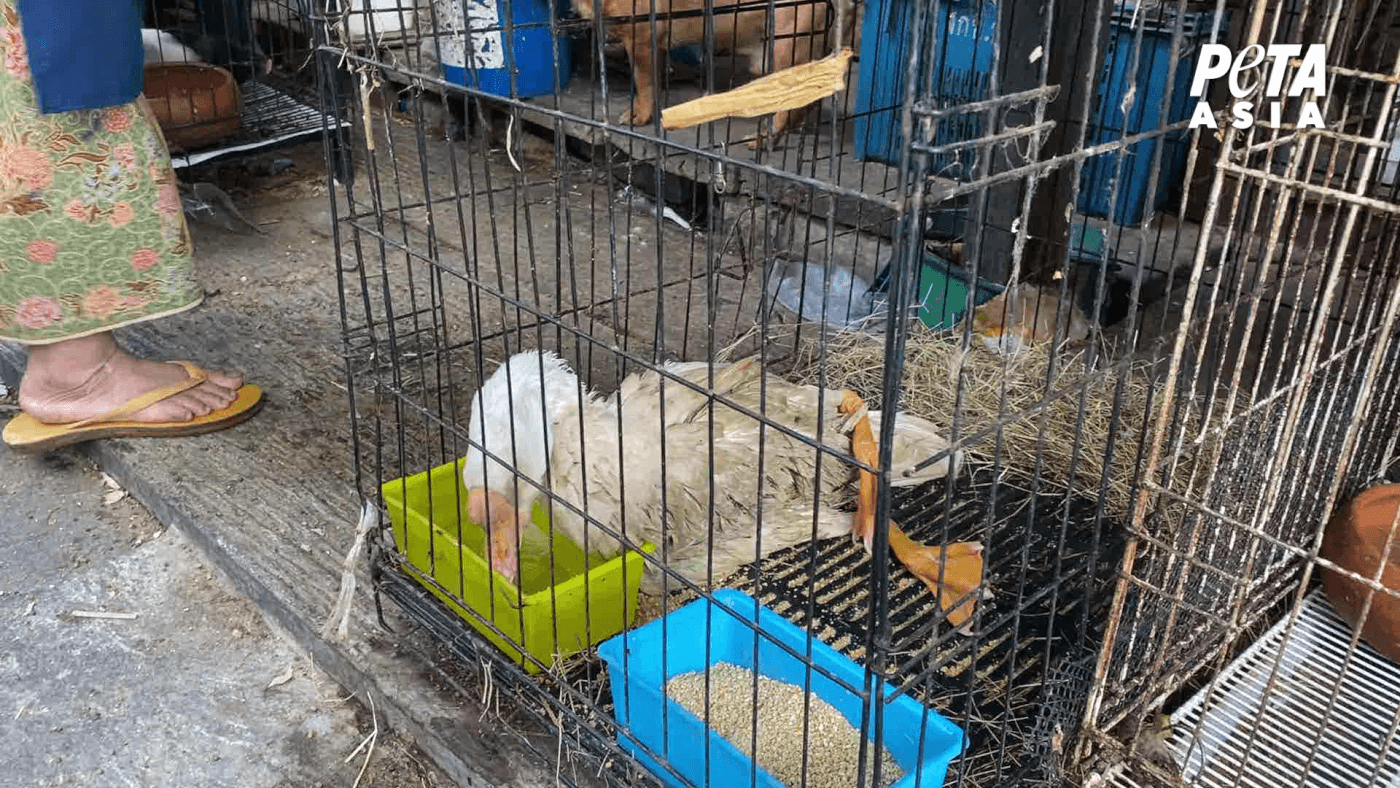
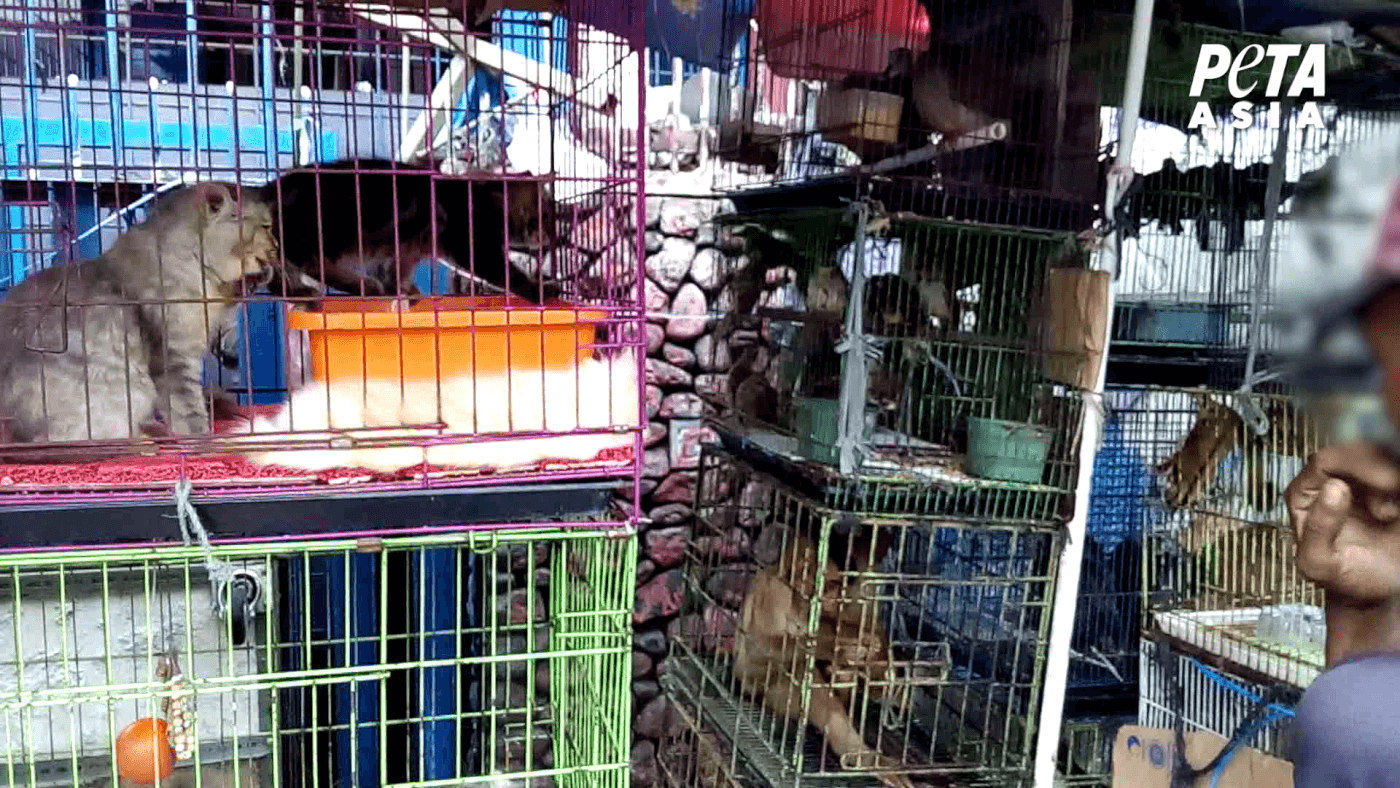
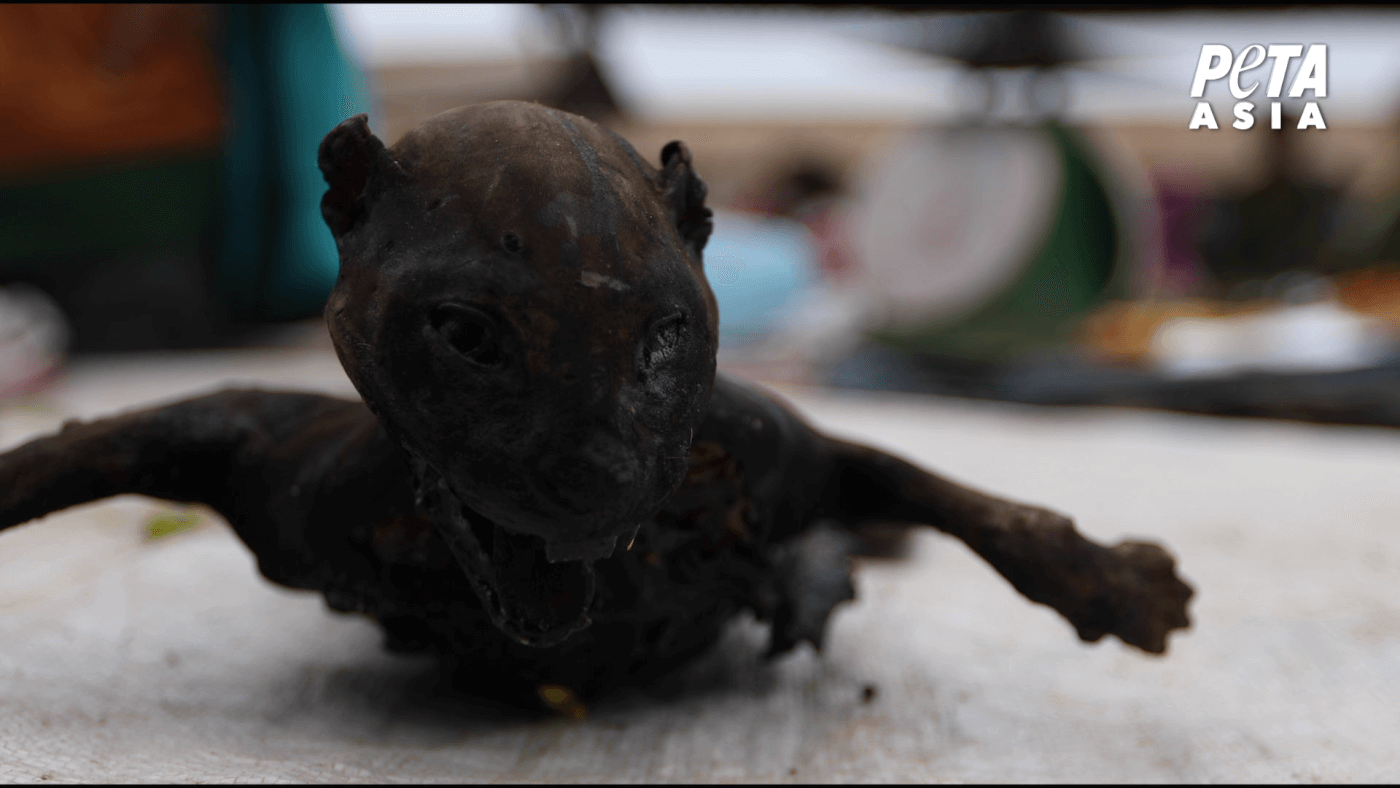
All photos – PeTA Asia

PETA Asia’s latest investigation in China, Indonesia, Vietnam, Thailand, the Philippines, Laos, and Sri Lanka reveals that live-animal markets, in which monkeys, bats, chickens, dogs, cats, and other animals are held in feces-encrusted cages and can be purchased for any purpose—including for their flesh or for the exotic-pet trade—are still operating around the world.

Many of these markets are keeping live animals who are known to be carriers of coronaviruses, flu viruses, and other pathogens transmissible to humans in filthy, cramped cages often stacked on top of each other.

Just last week, the World Health Organization (WHO) acknowledged the public health threat that live-animal markets pose and urged countries to suspend the sale of live wild mammals in food markets. This is progress, but it’s not enough. Join us in urging WHO to call for an immediate end to all live-animal markets.

Learn more and take action – video of wet market included:

Exposé: Suffering and Disease in Asian Live-Animal Markets | PETA

The World Has Changed, but Live-Animal Markets Haven’t

Conditions were nearly identical to those documented in two previous PETA Asia investigations into these markets. Sick and stressed animals of uncertain origin were packed closely together in stressful environments. Chickens, personable animals who enjoy socializing, didn’t even have enough space to spread their wings, and larger animals such as a macaque and a caracal cat, animals who roam far and wide in nature, had barely enough space to turn around in. Some cages had feces encrusted at the bottom, and stacking them up facilitated the spread of disease. Dead squirrels, civet cats, bats, birds, and rats were sold in open-air markets without any apparent hygiene protocols.

An investigator was told that customers could purchase the flesh of bats and monkeys purportedly for medicinal purposes.

Urge WHO to Call For the Immediate Closure of All Live-Animal Markets

After a solid year of appeals from PETA, undercover video recordings of live-animal markets, “blood”-soaked protests, and signatures gathered from more than 200,000 PETA supporters, WHO is finally urging countries to suspend the sale of live wild mammalian animals in food markets as an emergency measure, saying wild animals are a leading cause of emerging infectious diseases like COVID-19.

This is a step in the right direction but does nothing to stop animals like chickens, pigs, fish, and others from being sold, even though confining and killing them in filthy live-animal markets also contributes to the spread of disease.

You can also help prevent the next global pandemic by dumping meat, eggs, and dairy. The only truly sustainable and ethical way to live is vegan.

Use the following link to Urge WHO to Call For the Immediate Closure of All Live-Animal Markets

Learn more and take action – video of wet market included:

Exposé: Suffering and Disease in Asian Live-Animal Markets | PETA

Regards Mark

Turkey: Drought Caused By Climate Change Kills Thousands Of Baby Flamingos.

WAV Comment: Farming doing yet more destruction.

  “the water supplies that typically run into Lake Tuz have been redirected for farming”.


Drought Caused By Climate Change Kills Thousands Of Baby Flamingos

The lake, which is normally home to 10,000 baby flamingos, resembled ‘a desert’

Drought Caused By Climate Change Kills Thousands Of Baby Flamingos | Plant Based News

A severe drought in Turkey’s Lake Tuz has led to the death of thousands of baby flamingos. Environmentalists say the climate crisis is to blame, as well as agricultural irrigation.

Lake Tuz – which means Salt Lake in Turkish – is one of the largest hypersaline lakes in the world, with a surface area of 1,665km2 (643 sq mi). Approximately 10,000 baby flamingos are born there every year.

But this year, only around 5,000 hatched. Many of those who did died soon after.

The lake, which is sometimes a vibrant pink colour, had dried up. Observer for Yahoo! News, Istem Donmez, said the lake resembled a desert – a sight which was ‘very sad’.“There were no live flamingos, we only saw dead birds,” he said. “The water of the lake was all gone and there wasn’t even a reflection of water when you take a photo. In various places, there were dead flamingos, both large and small, on the bed of the lake.”

Environmentalist and wildlife photographer Fahri Tunç spoke to Reuters about the flamingo deaths. Tunç explained that the water supplies that typically run into Lake Tuz have been redirected for farming.

“This is the irrigation canal that comes from Konya. It needs to deliver water to Lake Tuz. As you can see, the water is not coming through. It stopped,” Tunç said.

“It is a sin we are all committing.”

Professor Doganay Tolunay of Istanbul University spoke to the Milliyet newspaper about water scarcity. He warned that precipitation levels are dangerously low in Anatolia, which is where Lake Tuz is located.

“Crops failed to grow due to lack of rainfall. A serious water and drought crisis await us,” he said.

Climate crisis

The drought preceded severe flash flooding that has taken the lives of hundreds of people in Europe and China.

Both flooding and droughts are a symptom of climate change, which is driven by human activity. In fact, according to NASA, humans have been influencing global weather patterns for nearly a century.

Ben Cook is a researcher at NASA’s Goddard Institute for Space Studies and Columbia University in New York City. He said: “Climate change is not just a future problem.”

“This shows it’s already affecting global patterns of drought, hydroclimate, trends, variability — it’s happening now. And we expect these trends to continue, as long as we keep warming the world.”

Denmark: New Footage Emerges Of 2021 Pilot Whale Murders. 175 Whales Killed This Year; Nothing Changes !

Well, the Danes are not showing themselves as an animal caring nation.  Very recently we had the mass Mink murders associated with fur farming and Covid; – and yes, we have never had a response to our letter – Denmark: Still No Response From The Danes Regarding Our Letter of 12/11/20. That’s Life – Or Death, If You Are Danish Mink ! – World Animals Voice

Go here  About Us. | Serbian Animals Voice (SAV) and scroll down until you see the pictures of the pilot whale murders.  Around 1991 Joanne, myself and Trev took to the streets in England demanding that supermarkets boycotted fish products from the Faroes because of this slaughter.  You can see a picture below of us taken by the press / media.

Tesco terrors

So here we are in 2021, some 30+ years later, and the murder is still taking place.  This year it has been 175 innocent, wonderful, intelligent pilot whales.  One could say whales that are much more intelligent than the brain dead human murderers who hack them to bits for what ?

I was angry about it 30 years ago; and I still am.  Nothing has changed, apart from the reputation of Denmark sinking even lower into the mud than it was already

Here is footage I have just had through about the 2021 murder:

I wanted to show this to you; with the news that nothing has changed for a very long time !

Regards Mark

England: Badger Homes and Winter Wonderland – 2 Videos To Watch About the Best In Animal People.

I want to finish the day with something good.

Y’know;  people will give up a lot of their time to help animals.  I am always amazed what some will do, regardless of their own circumstances.  For around 15 years I campaigned to get a voice for Serbian stray cats and dogs.  Check out the site which is still going, at Serbian Animals Voice (SAV) | a voice for the voiceless 

Here are a couple of videos which I want to share with you, and which I think supports this dedication.

I have always campaigned and opposed the Badger cull in England.  Here the badger is a protected species, unless the government decides they are going to be killed !  Now that we have badgers come to visit every night in the garden, and being able to view them ‘in the flesh’ so very regularly, my opposition to the cull and anything associated with it has become even stronger.

The first video shows group of volunteers from the SW of England constructing an artificial badger sett in the grounds of a local school.  Here are their own words:

An opportunity arose at the school to create an artificial sett for badgers currently living under an old scout hut on the site, which is going to be replaced in the near future. The school felt it was important to look after their badgers so we stepped in to help them create a new artificial sett so that the children could continue to enjoy sharing their school with the badgers and learn all about them too.

The second – It goes back to 2009 but is still a great video.  Hillside is a charity located in East Anglia, England, funded entirely by public donations.  It is a typical English winters day, but in the video you can see the peoples dedication that I have spoken about.  Enjoy the ‘Winter Wonderland; for the animals at Hillside, free from the cages and cruelty which they may have suffered at before their  deployment Hillside.

In their own words:

A short film showing some of our rescued animals being cared for on a snowy day at Hillside. To help Hillside or for more info, please see: http://www.hillside.org.uk/HillsideDD… Filmed on 21st December 2009 by John Watson from Hillside.

Enjoy !

Regards Mark

Beyond Meat Launches Online Store To Make Plant-Based Meat More Accessible In China. Great, But What About Wet Markets Still Operating in Their Hundreds ?

WAV Comment – This is great news for the animals who will be spared death by the meat industry. But what about the wet markets that are still operating ? – read more at SINGAPORE TO BAN THE SALE AND SLAUGHTER OF TURTLES AND FROGS IN WET MARKETS. News From Animal Equality – Breaking 20/7/21 – World Animals Voice regarding Singapore. China dumped Corona on the world, killing hundreds of thousands; and still the world sits idly by annd lets it continue to operate wet markets !

Beyond meat is great, but what about ‘Beyond Wet Markets’ – the world really needs to get a grip on this or the virus spread situation will never stop all the time we see what is going on. Watch the video below – look at the state of these places and the general conditions; the state of the water; the blood running onto the street, people working with dead animals on the pavement; and no protective clothing rules or at all. Is it any wonder that viruses originate from shit holes like this ?

Am I the only one who sees a problem ? – an I the only one who feels that international governments are doing very little to address the real problem ? – am I the only one who sees gutless politicians spending billions to keep the economy afloat, whist turning blind eyes to this ? – I am ‘Beyond Angry’, not beyond meat !!.

Regards Mark

Video from Animal Equality – see the link above to read more.

Beyond Meat Launches Online Store To Make Plant-Based Meat More Accessible In China

Since its debut in China just 15 months ago, the brand has grown exponentially and shows no signs of stopping….

Beyond Meat has launched an online store in China in order to make plant-based meat products more accessible.

It follows the brand’s continued expansion in the country in recent years.

Plant-based meat store

The store was launched on the eCommerce site JD.com, one of China’s largest of its kind. Now, customers will be able to purchase the Beyond Burger, Beyond Beef, and Beyond Pork.

Moreover, it marks the first time customers will be able to directly purchase the pork alternatives for the first time.This came after the product was specifically designed for the Chinese market – at 50 percent less saturated fat than conventional ground pork.

The range is produced in the company’s newly opened facility in Jiaxing.

A ‘growing portfolio’

Candy Chan is Beyond Meat’s China General Manager. In a statement, Chan said: “Beyond Meat is excited to launch its store on JD.com to expand our local availability and reach consumers throughout China. 

“With increased capabilities thanks to our new manufacturing facility in the JXEDZ, we are able to offer a growing portfolio of great-tasting, locally-produced plant-based meat products that are nutritious and sustainable.”

Beyond Meat

The launch comes less than a year since Beyond Pork debuted in China. Initially, it was available at a handful of restaurants. The decision came since the country is the world’s largest consumer of pork per capita.

Moreover, Beyond Meat has been available in China for just 15 months when it entered the market through a partnership with Starbucks China.

Currently, only customers in Beijing, Shanghai, Guangzhou, and Shenzhen can purchase the products.

However, the brand says it has plans to soon expand into 300 cities across the country.

The science of plant-based meat.

This is a 4 page article.

Page numbers can be selected at end.

Learn about the science of plant-based meat. Discover resources and research projects on the latest technological developments and key scientific questions.

Introduction to plant-based meat

What is plant-based meat? 

GFI uses the term “plant-based” to refer to products made from plants that are alternatives to animal-based products. This includes plant-based meat, seafood, eggs, and dairy. This overview focuses primarily on the science of plant-based meat and seafood. 

The concept of plant-based meat is not a modern development. The prevalence and variety of plant-based meat has steadily increased for centuries. However, many of the early plant-based meat products were designed with vegetarian consumers in mind. Early plant-based meats did not try to exactly replicate, or biomimic, conventional meat.

Recent concerns about sustainability, food security, and the environmental and public health impacts of industrial animal agriculture have spurred a sense of urgency to develop plant-based meats that appeal to mainstream consumers rather than niche markets. This has led to an explosion of innovation during the last decade. Today’s plant-based meat options appeal to the fast-growing segment of “flexitarian” consumers. 

What is the market for plant-based meat? 

Flexitarian consumers are looking for plant-based meat options that create the same sensory experience as animal-based meat. These consumers deliberately reduce their meat consumption but do not completely give up animal-based products. This decision to eat more plants is often due to concerns about health, the environment, or animal protection. It may also simply be a way of obtaining novelty and variety with flavorful and affordable meals. The rise in flexitarianism is creating considerable market growth for plant-based foods.

Despite the market growth in plant-based foods, plant-based meat is currently only about 1% of the US retail meat market. For plant-based meat to become a significant part of the global meat market in the coming decades, there remains tremendous need for additional R&D. This innovation and subsequent growth of the plant-based meat industry will only be realized through a concerted and collaborative effort to direct resources (financial, human, and technological) to this area.

Wildlife Trade Is ‘Key Risk Factor’ Behind Global Spread Of Disease, Study Finds.

Wildlife Trade Increases The Risk Of Next Global Pandemic, Study Finds

The wildlife trade could cause future disease outbreaks Credit: Adobe.

WAV Comment – we see and hear a lot about the causes; the real problem is that nobody has got the balls to take the case in hand and do something positive about it. Roll on more studies, inactive world governments; lots more deaths and ……………… ignorance of the causes !

Wildlife Trade Is ‘Key Risk Factor’ Behind Global Spread Of Disease, Study Finds

New research found that the wildlife trade is increasing the risk of another global pandemic

A new study looked at the wildlife trade’s impact on the transmission of viruses. Researchers warned that the wildlife trade could increase the risk of zoonotic outbreaks, including those with global ‘pandemic potential’.

A zoonosis is an infectious disease transmitted between animals and humans. According to the World Health Organization (WHO), some diseases can begin as a zoonosis but develop into human-only strains – one example is HIV.

The analysis, which was led by The Nature Conservancy, was published in the journal Current Biology. The Nature Conservancy teamed up with the Ashoka Trust for Research in Ecology and Environment (ATREE) in India to conduct the study.

Researchers studied 226 viruses known to cause zoonotic diseases across more than 800 mammal species. They categorized the animals into three groups: traded mammals, non-traded mammals, and domesticated mammals.Researchers found that one-quarter of mammal species in the wildlife trade host 75 percent of the known zoonotic viruses. Compared to domesticated and non-traded species, commonly traded mammals had a ‘much higher’ risk of transmission.

Preventing the next pandemic

Lead author Dr Shivaprakash Nagaraju is a Senior Scientist for The Nature Conservancy in India. He said: “From our findings, it is conceivable that wildlife trade (legal and illegal) is the key risk factor driving the global spread of zoonotic and emerging infectious diseases.”

The international wildlife trade leads to more than one billion direct and indirect interactions between wildlife, domesticated animals, and humans, he added.

Dr Nagaraju said he hopes the research will guide global health experts on where to ‘concentrate their efforts to prevent the next global pandemic’.

Dr Joe Kiesecker is the co-author of the study and a Lead Scientist for The Nature Conservancy. He said: “If we want to stop the next pandemic before it starts, our findings indicate that we should, among other measures, focus our efforts on keeping rodents, bats, primates, ungulates, and carnivores out of wildlife trade.”

Other pandemic concerns

Humans interfering with animals has sparked concerns about disease outbreak before.

A January poll found that roughly 85 percent of Brits support an ‘urgent’ ban on factoring farming, due to concerns about COVID-19. The following month, reports found that the H5N8 strain of bird flu had infected humans for the first time.

And in June, 67 infectious disease experts wrote a letter urging for the end of fur farming.

“The intensive breeding conditions typical on fur farms – animals unnaturally crowded together, poor hygiene, stress, injuries and low genetic diversity – are ideal for the creation and spread of novel pathogens,” the letter reads.

“To risk jeopardising our ability to control and end this or future global coronavirus pandemics, for the sake of fur fashion production, would seem imprudent. 

“We therefore support the call by [Humane Society International] for a permanent global end to the breeding, keeping and killing of animals for the purposes of fur production, and the sale of fur.”

Wildlife Trade Is ‘Key Risk Factor’ Behind Global Spread Of Disease, Study Finds | Plant Based News

Boris Johnson Urged ‘To Lead World Leaders’ Towards Global Fur Farming Ban To Avoid Future Pandemics

67 infectious disease experts have written to the UK Prime Minister – highlighting how fur farms are ideal for the creation and spread of novel pathogens

UK Prime Minister Boris Johnson is being urged to lead world leaders towards a global ban on fur farming. 

67 infectious disease experts have written to the politician ahead of the G7 summit.

The event brings together the heads of governments from a slew of wealthy democracies such as Canada and the US. It will be hosted in Cornwall, England, at the end of this week. 

Global fur farming ban

The letter comes from virologists, epidemiologists, infectious disease specialists, veterinarians, and animal behaviorists from 16 countries. Moreover, it is coordinated by animal protection NGO Humane Society International (HSI).

“It’s clear fur farms have the potential to act as reservoirs of SARS-CoV-2…” reads the letter.

“The intensive breeding conditions typical on fur farms – animals unnaturally crowded together, poor hygiene, stress, injuries and low genetic diversity – are ideal for the creation and spread of novel pathogens. 

“Severe animal welfare deficiencies are inherent to factory fur farming. The trade creates the potential for the many tens of millions of animals on fur farms to act as immediate, intermediate, or amplifier hosts for viral pathogens. 

“To risk jeopardising our ability to control and end this or future global coronavirus pandemics, for the sake of fur fashion production, would seem imprudent. “We therefore support the call by HSI for a permanent global end to the breeding, keeping and killing of animals for the purposes of fur production, and the sale of fur.”

COVID-19 outbreaks

The letter follows more than 400 outbreaks of SARS-CoV-2 on mink farms across Europe, the USA, and Canada. 

Some governments, such as the Netherlands and Hungary, have taken decisive action to stop mink fur farming in their jurisdictions.

Moreover, 14 countries globally have banned fur farming completely. However, species susceptible to COVID-19 are still being reared for their fur across the world.

‘A stark warning to governments’

Claire Bass is the executive director of HSI UK. In a statement sent to PBN, she said: “Virologists, veterinarians and disease experts from around the world have provided a stark warning to governments about the public health risks of exploiting wild animals in unsanitary, overcrowded and inhumane fur factory farms, simply for the sake of frivolous fashion. 

“Not only is fur farming inherently cruel to animals. But, the potential for zoonotic disease spread, and for mink fur farms, in particular, to act as reservoirs for coronaviruses is another compelling reason for governments to shut down the fur industry for good.

“We can no longer ignore that fur farms make for a perfect petri dish for pandemics. 

Bass then concluded: “As the first country in the world to ban fur farming two decades ago… The UK is in a unique position to urge world leaders to take decisive action with a global ban.”

Read the full letter here