Category: Fur and Fur Farming

More About Fur Free Prada.

THE PRADA GROUP ANNOUNCES FUR-FREE POLICY   AND JOINS THE INTERNATIONAL FUR FREE RETAILER PROGRAM


Following on from our recent post about Prada going fur free:

https://worldanimalsvoice.com/2019/05/23/prada-senza-pellicce/


.. we can now bring you more from ‘Respect for Animals’ in England.

Here is a link to their post, and below we have reproduced below what is said:

http://www.respectforanimals.org/the-prada-group-announces-fur-free-policy-and-joins-the-international-fur-free-retailer-program/


May 22, 2019 – Today, the Prada Group has announced that it will no longer use animal fur in its designs or new products, starting from their 2020 Spring/Summer Women’s collections. In collaboration with the Fur Free Alliance (FFA), a coalition of more than 50 animal protection organizations from over 40 countries, the Prada Group announcement follows positive dialogue between the luxury brand and FFA members, LAV and The Humane Society of the United States.

“The Prada Group is committed to innovation and social responsibility, and our fur-free policy – reached following a positive dialogue with the Fur Free Alliance, in particular with LAV and the Humane Society of the United States – is an extension of that engagement,” said Miuccia Prada. “Focusing on innovative materials will allow the company to explore new boundaries of creative design while meeting the demand for ethical products.”

Mark Glover, Campaigns Director for Respect for Animals which leads the FFA’s Fur Free Retailer programme in the UK said: “This announcement by Prada is great news and testament to the strength of the compelling anti-fur campaign. 100 million animals are killed every year just for their fur – a product nobody needs. The suffering these animals endure is extreme and completely unnecessary. Today’s announcement is another step towards the day when this appalling treatment of the animals we share the planet with is finally brought to an end.”

“The Fur Free Alliance applauds the Prada Group for going fur-free”, said Joh Vinding, Chairman of the Fur Free Alliance. “The Prada Group with its brands now joins a growing list of fur-free brands that are responding to consumers’ changing attitudes towards animals.”

 “The Prada Group’s decision to go fur-free is consistent with the new concept of ethical luxury and meets the expectations of new consumers who are more careful in choosing sustainable products that respect the environment and animals”, said Simone Pavesi, manager of the Animal Free Fashion Area for LAV.

Brigit Oele, program manager for Fur Free Alliance, said: “Prada Group was one of the fastest companies to go fur-free once positive dialogue began a little more than a year ago. The Fur Free Retailer Program includes 1,000 companies, showing that this global movement is gaining momentum fast, and it’s very unlikely that fur will ever return as an acceptable trend.

This is a great day for animals!”


Prada: Senza pellicce!

+++ SUCCESS +++

“Focusing on innovative materials will allow the company to explore new boundaries of creative design while meeting the demand for ethical products.”

—Miuccia Prada, Chief Executive, Prada S.p.A


For years, PETA (People for the Ethical Treatment of Animals), as one of Prada’s shareholders, has been pushing for this decision at the annual meetings.

Prada’s fur exit is the result of decades of protests by PETA and its affiliates, who have called for fashion companies to drop their furs with numerous protests – including catwalk storms.

Schöne Karikatur über Pelz und leder_n

Prada’s decision to banish fur from his collections is a triumph for the animals and activists. ♥ 🙏

While PETA applauds Prada’s entry into the ranks of furry fashion houses, we are now calling on the label to do the same to Chanel and, in another compassionate decision, to cancel out the cruelly produced skin of crocodiles, lizards or snakes from future collections. Most consumers do not want to wear anything on their skin, for which animals are beaten with clubs or electrocuted.

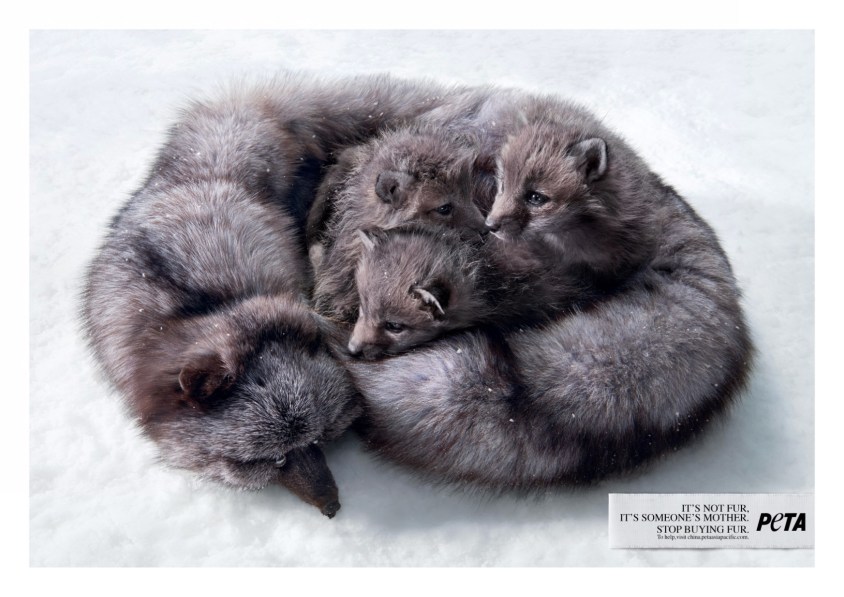
peta-mother-fox-print-pelz381484-

Prada’s decision to go fur-free in the future is followed by designers such as Armani, Versace, Ralph Lauren, Vivienne Westwood, John Galliano and Jean Paul Gaultier.

https://www.peta.org/blog/victory-prada-bans-fur/

And we mean.. Another good step to abolish animal suffering, or at least one of the many animal suffering varieties.

Was it our protests, the pressure on the fashion shops, or the thousands of demos and explanations for the consumers that led to this move?
We do not know that. Maybe everything together.
But one thing is for sure: if the fashion designers no longer offer us real fur, then nobody wears it!
It’s that easy!

My best regards, Venus

China: Cruel Cashmere Industry Exposed – The Terrible Suffering of Goats.

China

H&M announces it will stop using cashmere

One giant leap for animal welfare.

H&M is taking a stand against the unethical animal practices still prevalent within the production of clothing.

According to a recent investigation conducted by PETA Asia, this brutality – in the name of fashion – has become even more evident.

From this investigation, a disturbing video has surfaced which appears to expose the cruel realities of cashmere production in China and Mongolia – the world’s two largest cashmere exporters (they supply 90 per cent of it).

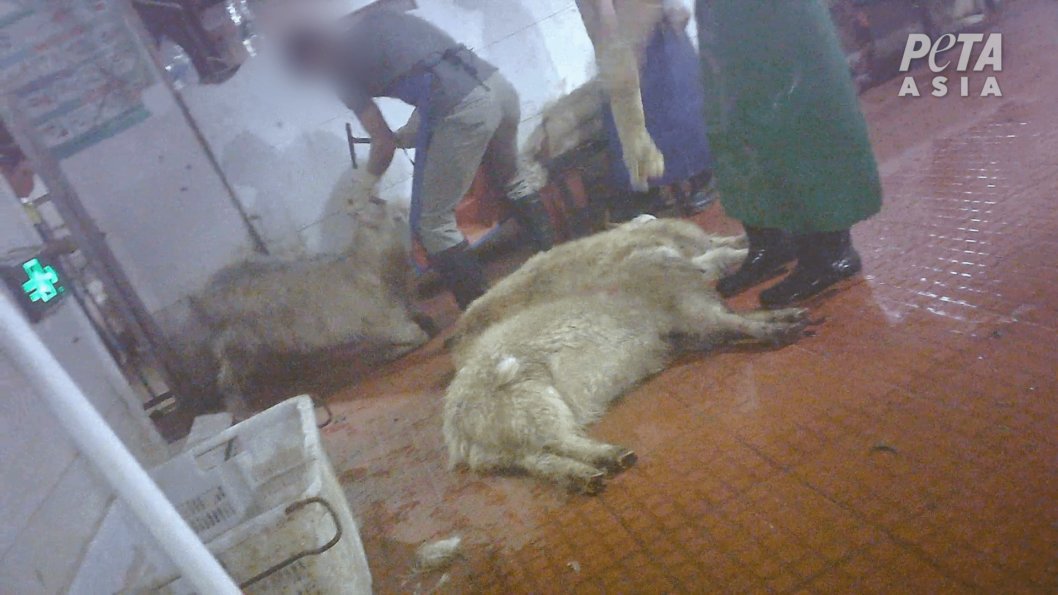
The video – showcasing the violent makings of the cashmere jumper – seems to reveal the vile mistreatment of animals, showing goats screaming in pain as workers proceed to tear out their hair with sharp metal combs. More explicit footage appears to capture the inhumane practices within slaughterhouses, where the goats’ throats are slashed in front of the others, while those who are deemed unprofitable are hit in the head with a hammer.

Following PETA’s release of this research, fast-fashion giant H&M has announced that it will be boycotting conventional cashmere and will cease placing orders on the material by the end of 2020. On the brand’s site, you’ll find an outline of H&M’s 2030 goal, which promises ‘to only use sustainability-sourced materials’, with an immediate plan ‘to gradually phase out conventional cashmere’.

Just last year, ASOS updated its animal welfare policy, banning materials like fur, silk, mohair and also cashmere – a move prompted by a discussion with PETA.

It’s time for more fashion brands to follow suit.

peta.org.au

made in Chinan

A new PETA Asia investigation into the cashmere industry in China and Mongolia – the world’s top cashmere exporters – reveals extreme cruelty to and violent killing of cashmere goats.

The video exposé shows goats screaming in pain and fear as workers tear their hair out. Later, their throats are slit at abattoirs and they’re left to die in agony. Goats suffered on every farm in China and Mongolia visited by the eyewitnesses.

Together, China and Mongolia produce 90 per cent of the world’s cashmere.

Workers Stepped on Terrified Goats and Twisted Their Limbs

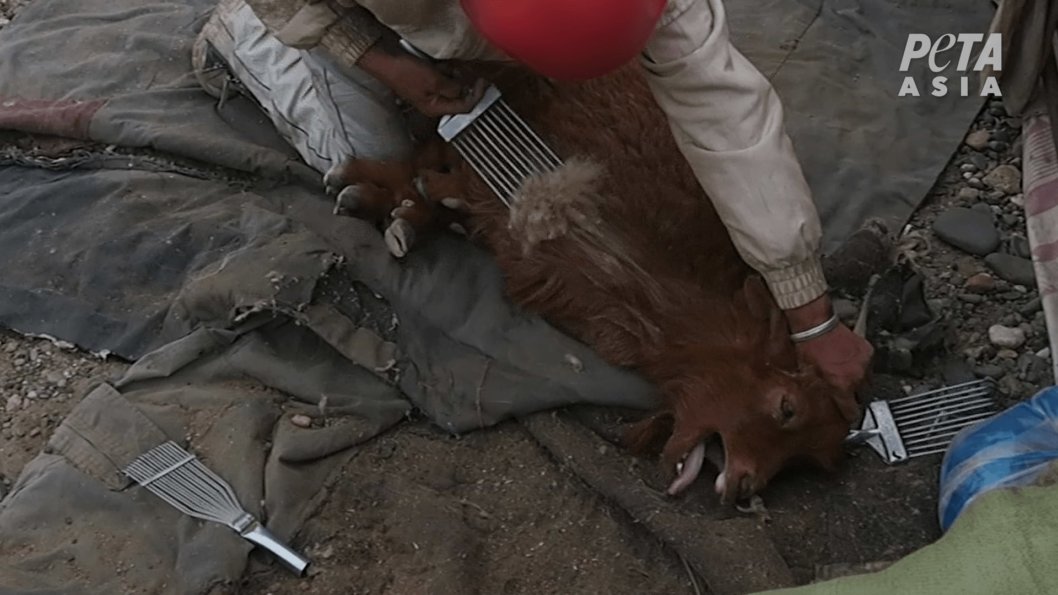
Eyewitnesses saw workers hold down and step on frightened goats, bending their legs into unnatural positions as they tore out their hair using sharp metal combs.

Combing in the cashmere industry is not as innocent as it sounds.


No Veterinary Care Provided

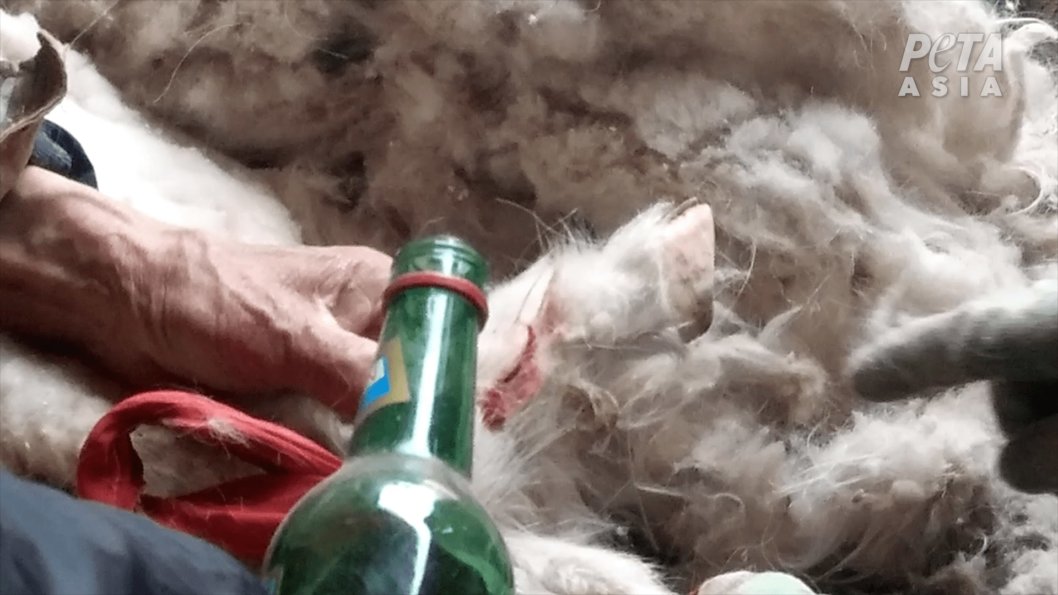
Goats left with bloody cuts from the hair-removal process received no pain relief or veterinary care. One worker simply poured rice wine into an animal’s wound.

Goat's found cleaned with wine.

Goats Hit With Hammers and Killed When No Longer Profitable

Cashmere goats deemed no longer profitable endure slow, agonising deaths. At an abattoir in China, eyewitnesses saw workers hit animals in the head with a hammer in an attempt to stun them. In Mongolia, workers were seen dragging goats by one leg onto the abattoir floor before slitting their throats in full view of other goats. They were left to bleed out on the filthy kill floor, and some were seen still moving a full two minutes later.

Goat hit with a hammer in the cashmere industry.

Their flesh is then sold as cheap meat.

Ninety Per Cent of All Cashmere Comes From China and Mongolia

Nearly all cashmere is produced in China and Mongolia, so if you buy a cashmere item, it probably came from goats who were abused in one of those countries.

One goat produces, on average, only 250 grams of hair that can be used for cashmere each year. This is so little that in order to produce just one cashmere jacket, the hair of six goats is required.

Environmental Devastation

Cashmere also has the most destructive environmental impact of any animal-derived fibre. Because cashmere goats must consume 10 per cent of their body weight in food each day and they eat the roots of grasses, which prevents regrowth, the industry is a significant contributor to soil degradation followed by desertification.

Already, 65 per cent of Mongolia’s grasslands are degraded and 90 per cent of the country is in danger of desertification, which has resulted in some of the world’s worst dust storms on record and air pollution dense enough to reach North America.


TAKE ACTION

https://secure.peta.org.au/page/41627/action/1


Norway: closes fur farms from 2025


Breeders fight back!
Norway wants to completely ban fur farming until 2025!


norwegen


The owners of the farms are to be compensated for the closure. They accuse the government of a “historical betrayal” (!!!)

The Norwegian government wants to completely ban fur farming until 2025. This is what the draft law, which was presented on Wednesday in the parliament in Oslo. The owners of the farms should therefore be compensated for the closure. They accuse the government of a “historical betrayal”.

Pelztier am Bankjpg

Specifically, the law provides that the possession of animals should be prohibited if they are killed “for sale or other use of their coat”.
The government estimates that it will have to budget around 500 million kroner (52 million euros) in compensation. A spokesperson for the Norwegian Fur Breeders Association said the plan will “cause the breeders to go bankrupt”. The estimated sums are far too low.

The proposed ban is a direct result of government formation earlier this year. At that time, the small Liberal Party had joined the right-wing conservative coalition and had enforced this point.

According to the Association of Fur Breeders, around 500 people are currently employed in the industry throughout Norway. Together, they generate an annual turnover of about 31 million euros. Norway accounts for one percent of the world’s production of mink fur and between two and three percent of fox fur.

https://www.kleinezeitung.at/international/tiere/5610773/Zuechter-wehren-sich_Norwegen-will-Pelztierfarmen-bis-2025


I read a very nice comment in the paper where the article came from:

“A first small step in the right direction !!!!The BREEDERS = ANIMALS TORMENTS, who are afraid of bankruptcy, should look after themselves honestly decent work themselves and accomplish something, without tormenting animals, and be glad that they are even compensated !!!
We are happy to do without  THIS INDUSTRY !!!!
Should actually succeed in 2020 !!! to close the farms.
What do you want to wait for ?????”

And I mean: This is a typical reaction of fur farmers, in the whole Europe: If the farmer can do something, that is to find reasons why HE is the victim.

When governments no longer cooperate with the Farm Inquisitors, they speak of betrayal.
Treachery to a business agreement that allows animals to be locked, tortured, forgiven and skined for years in wire cages. And if it is abolished, it is betrayal!!
One wonders how the 500 fur farmers in Norway would have called themselves if they had been locked in the cells for only a week and then left their thick skin as pocket leather in the gas chamber?

My best regards, Venus

Canada: 9/4/19 – The Seal Hunt Has Begun.

flag blood 3

canada seal hubt

http://www.oceansentry.org/canadas-dfo-just-announced-seal-hunt-begin-monday-april-9/

https://www.canadasshame.com/


9/4/19 – Canada’s barbaric seal slaughter has begun.


Check out a few of our recent posts:

https://worldanimalsvoice.com/2019/03/29/canada-canadian-hunters-want-to-club-tens-of-thousands-more-baby-seals-to-death-in-cull-expansion/

https://worldanimalsvoice.com/2019/03/27/canada-politicians-just-dont-understand-why-the-world-hates-them-so-much-lets-go-clubbing-seals-or-no-seals/

seal 3


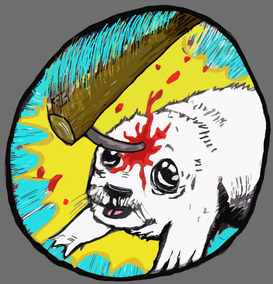
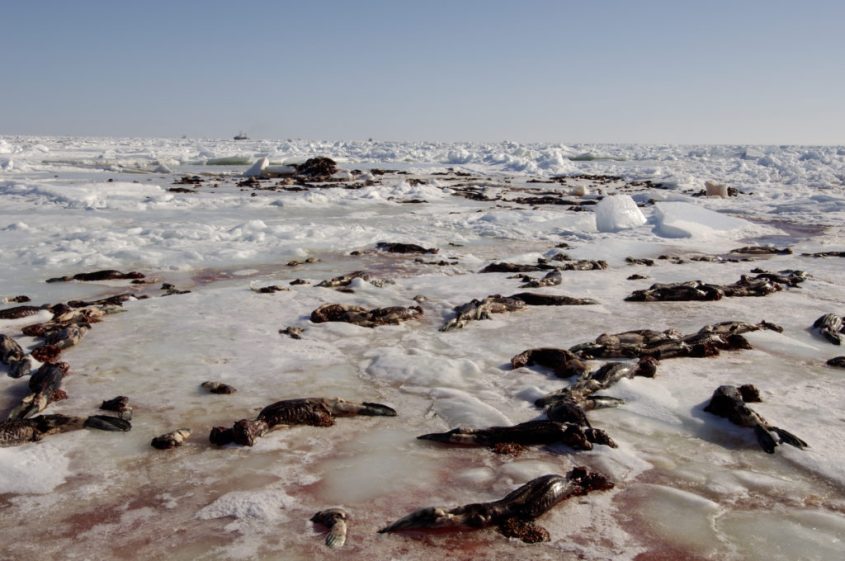
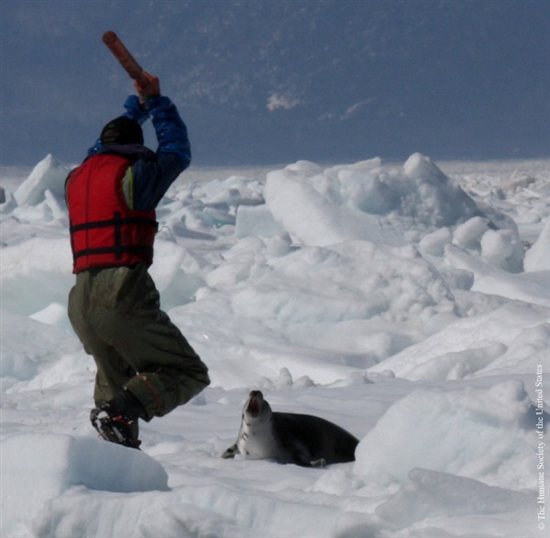
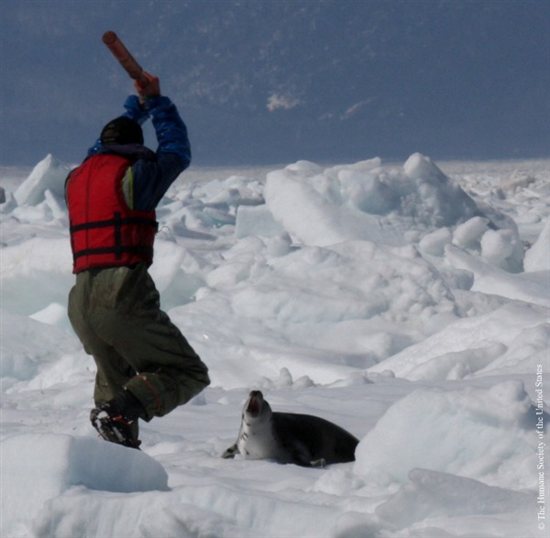
Sealers will be killing tens of thousands of helpless young seals before they’re through, shooting them or slamming spiked clubs into their soft skulls, then tearing their skin off—often in full view of family members helpless to stop the killing. It’s up to kind people like you and me to make sure that this year’s massacre is the last.

The commercial slaughter of seals in Canada is on its last leg, yet despite the growing outcry against it both in Canada and around the world, the Canadian government is allowing it to take place again, leaving countless bloodied bodies in its wake. Many seal pups are so young they haven’t even learned how to swim before they’re violently killed.

canad hunt 1

Thanks to the activism of PETA members, there are few countries left that are willing to buy seals’ skins, their flesh, or seal oil—and it’s clear that this grisly trade is on life support. Without the millions of dollars in government subsidies it receives, it would have collapsed long ago—and with your help, we’re urging Canadian Prime Minister Justin Trudeau (below) to stop propping up the sealing industry with taxpayers’ dollars.

Justin Trudeau

If you wish to make a donation to help this campaign and to try and make Canada stop the cull, then go to the following:

https://support.peta.org/page/9981/donate/1?utm_source=PETA::E-Mail&utm_medium=Appeal&utm_campaign=0419::skn::PETA::E-Mail::ActDR-Abgimg::seals::ap1&supporter.appealCode=H19DEAXXXXA&ea.url.id=220025&forwarded=true

can1

China: this is how the leather mafia works


China

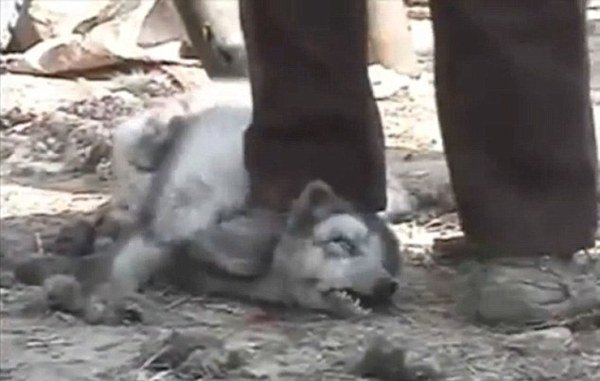
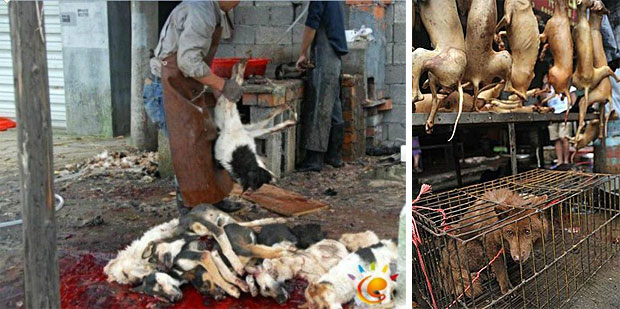
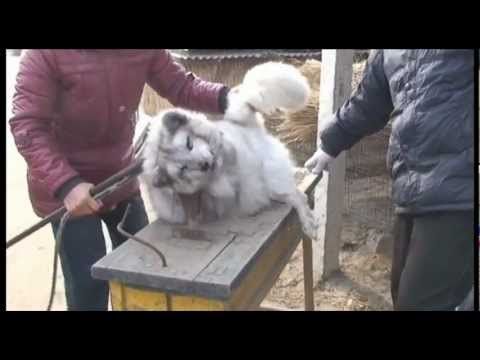
Do you know what is made of the by-product dog? Breeds like Great Dane, St. Bernard and Rottweiler are very popular in the production of fur and leather in China! These breeds are considered the most economical for the dog meat trade and their coat and skin are a byproduct of the dog meat trade! Millions of animals die cruelly for fashion and are even skinned alive!


It is known that there are no penalties for the mistreatment of animals in China. This video released by PETA shows what some people are capable of in this case. The dogs are brutally slain, slashed, gutted and skinned.

Even leather can come from dogs and cats, even though they are declared as leather by cow or lamb.
Leather is another byproduct of the dog meat industry.
The dogs are packed with hooks. Before the throat is slit, it will remove the skin. The skin is then hung to dry before tanning. On average, such a company creates 200 dogs every day. The leather is used to make gloves, belts and even bags.

Hunde-Pelz in Chinajpg

China is the number one import country when it comes to fur or leather. The reason is obvious: because of the lack of animal welfare laws, it is legal to keep and slaughter animals under unworthy conditions, which in turn saves costs and thus moves traders to buy. On the other hand, the offer is always tied to demand.

China-hundelederjpeg

After a dog is killed and skinned, the coat is sold at wholesale prices to apparel factories.
A factory owner was quoted as saying, “If the garments are not sold within six months, send me an email and I can then make new labels that are mink.”

Did you know that there is currently no European labeling framework for leather goods other except footwear?
To date, leather is poorly protected in most parts of Europe. And if it comes from China, it is quite possible that you are wearing dog or cat skin. Mostly (and at best) the goods are labeled ‘Gaewolf’, Gae is Korean and means dog.

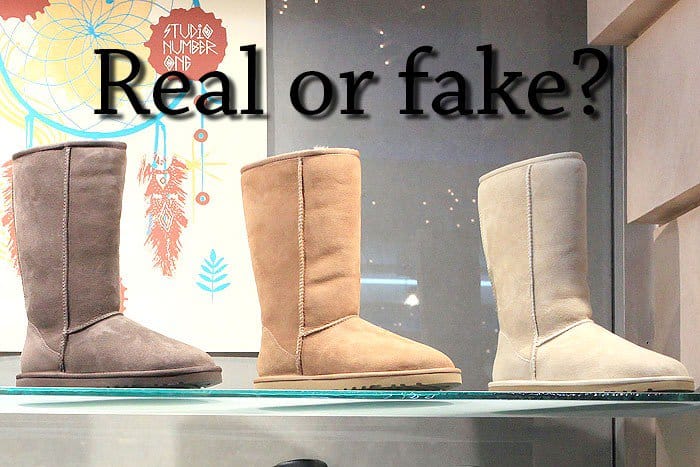
Believe it or not, UGG boots labeled “Made in China” and “Made in Vietnam” are real. For years, authentic UGG products have been made by Deckers Outdoor Corporation, which has factories in China, Vietnam, Cambodia, the Philippines, the Dominican Republic, and the United States. If the label says the shoes are made in New Zealand or Australia, it should be a fake.

real-or-fake-Lederschuhe1

There are protests against these cruel machinations worldwide. And as long as fur, whether genuine or artificial fur is asked and worn, nothing will change.

https://netzfrauen.org/2018/10/31/china-8/

My comment:  I have never seen so many people wearing fur collars in my city as in this winter. But in Germany there are no more fur farms, so I wondered, where did it come from?
Now I know ….

made in Chinan


There are many who think we just need to educate, inform, show the awful videos of the Dachau farms for fur, and we can convince the masses not to buy fur. We did that for years, we did it. Petitions, demos, undercover videos, reports on television and even conservative newspapers have been reporting on the cruel farms. Business is booming unchanged.

According to a study by the University of Ravensburg (Germany)  in 2017, a third of respondents said it was informed about the suffering of fur animals, but still wears fur because it is warm, natural and shick!!

The mass of 7 billion people we will not convince, and I don`t  think the demand for fur comes because of not knowing, because of missing information.

We should try to put more pressure on politicians and we have to create more cooperation with instances that come from “above” and determine the purchase decision, for example the fashion industry, campaigns with celebrities …etc..
As well as from “above” – and over one night– came the smoking ban in public rooms, restaurants, and workplaces. The tobacco industry immediately suffered then and still heavy losses, and it was perhaps stronger than the fur industry. After this ban, smoking generally fell sharply.

As long as the sale of fur is not prohibited by law or as long as the EU does not introduce a 200% luxury tax on fur import, the fur will continue to be sold …. Consumers never change … the laws have to change …

Best regards, Venus


Germany: The last horror fur farm is closed


Germany


Unfortunately, fur is still a widely used product – especially in winter you can see many people, consciously or unconsciously wearing fur products. These are associated with an incredible amount of animal suffering and just unnecessary! A large proportion of fur farms are located in the Far East, Finland and Poland – and thus in parts of countries where animal welfare laws are even less adequate than in Germany. What many do not know is that animals in Germany still suffer on a fur farm.

And in the last of its kind in the Westphalian Rahden.


letzte Pelzfarma deutschland pg

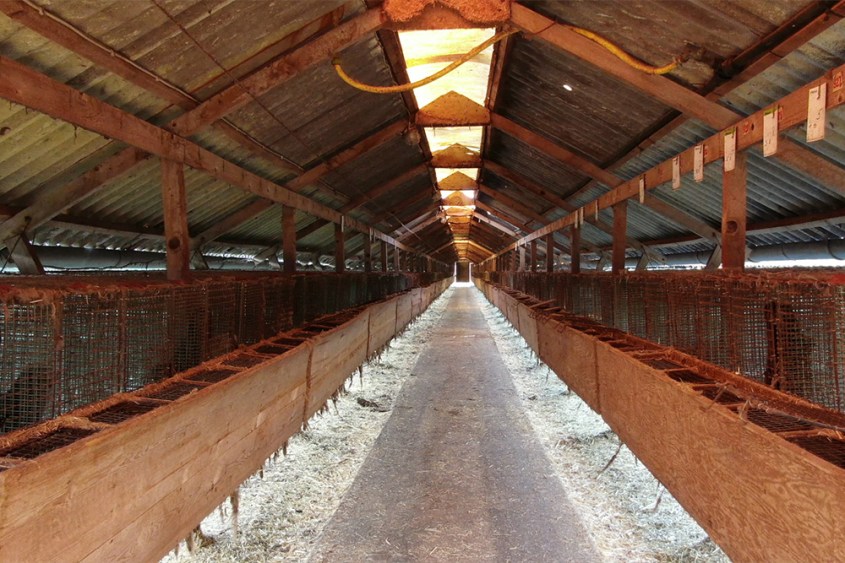
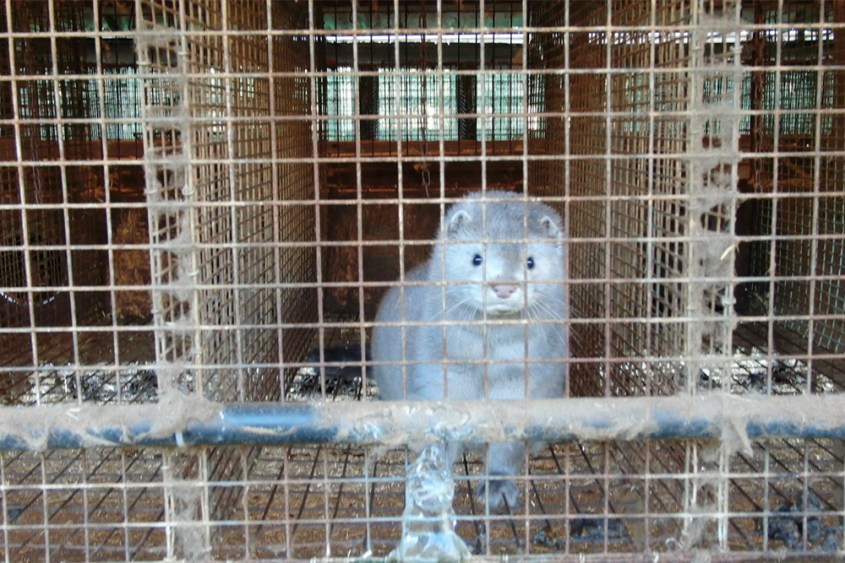
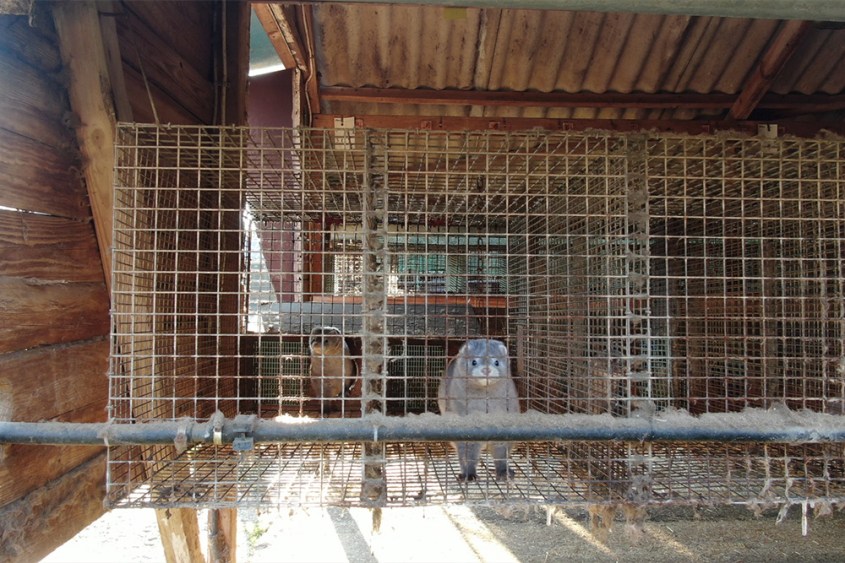
For years, we have dealt with this system, organized demonstrations and filed charges against the operator for various violations. And now we have unique and scary new pictures from the factory. Because for the first time videos were made with a drone over and within the farm, which make the cruel life of the approximately 4000 minks that are held there first hand.

letzte Farma in Deutschland

The images show how the animals must live in confined spaces in cages and grid floors – and understandably suffer from behavioral disorders! The quality of the recordings can feel the suffering of the animals formally.


Why is this possible in Germany at all?

Theoretically, the keeping of animals for fur production is still completely legal today.

However, a new law was passed in 2017, which has tightened the minimum housing conditions and so the operation of fur farms in Germany has become unprofitable.
Also, if there are economic and less animal welfare reasons, the result was after all a small success.

letzte Pelzfarma deutschlandpg
Because of this change, all other businesses in Germany closedexcept for those in Rahden. Because this was awarded a five-year transitional period, in which he could continue working as before. The year 2022 should be over in Rahden at the latest – at the sight of the video material, we hope, however, that it will be so soon! Because no animal is allowed to suffer for fur!

http://www.tierschutzbuero.de/pelzfarm_rahden/

Updated!

Today, good news reached us regarding the last mink farm in Germany in North Rhine-Westphalia Rahden! According to the latest information, the facility now seems to have finally closed the operation and thus put an end to the miserable fur production, at least in Germany!

According to the responsible veterinary office, there are no more animals in the area and no mink has to suffer more there under agonizing conditions. But even if this is a great success for the animals, millions of them around the world still have to suffer for fur production – and of course we will continue to fight against that!

https://www.tierschutzbuero.de/erfolg-keine-tiere-mehr-auf-der-letzten-pelzfarm-in-deutschland/

My comment: Between the years 2005 and 2015, the sales of the European fur industry have almost doubled: According to the European Fur Association Fur Europe 2015, they sold just under US $ 7 billion through fur sales. In 2005 there were still 3.6 billion.

A survey by the University of Ravensburg (Germany) revealed in 2017: About one third buys real fur, although the vast majority of reports on the attitude of animals in fur farms knows.


Pelztier am Bankjpg

“I’m wearing fur. People have worn furs for thousands of years, and I do not see that they do not use this natural resource. I have a real silver fox hat. The animals are bred in Russia. She keeps nice and warm and looks super chic”,  one has written on “die Zeit” electronic newspaper

An example of unbridled cynicism towards living and feeling animal beings!
Just like hunting and mass animal husbandry, fur farming also belongs in the dustbin of civilization history.
Consider !! we live in the 21st century and there are still people with survival convictions dating from before the neolithic revolution!!.
Never heard of the dangers of anthropocentrism?
Oh, Germany, your basic education…
This debate really needs more spirit, ethics and self-responsibility.

My best regards, Venus


France: Urge American Vintage to Stop Selling Angora.

FRAN0001

Urge American Vintage to Stop Selling Angora

French clothing brand American Vintage sells jumpers made of angora, despite knowing that rabbits are commonly “live-plucked” for their soft fur – a process they endure repeatedly for two to three years before ultimately being killed.

PETA’s ground breaking exposé of the Chinese angora industry has caused demand for angora to plummet over the last few years, and hundreds of companies – such as Calvin Klein, H&M, ASOS, and Lacoste – have made the compassionate choice to ban the cruelly obtained material.


However, millions of terrified rabbits are still confined to barren cages, their fur is violently ripped out every three months, and once they’re no longer profitable, they’re killed – all to supply angora to holdout companies such as American Vintage.

Take Action

Please send a message urging American Vintage to go angora-free.

https://secure.peta.org.uk/page/40441/action/1?utm_source=PETA%20UK::E-Mail&utm_medium=Alert&utm_campaign=0319::skn::PETA%20UK::E-Mail::americanvintage::::aa%20em&ea.url.id=2417047


Canada: Canadian hunters want to club tens of thousands MORE baby seals to death in cull expansion.

flag blood 2


Justin Trudeau

blood 1


Canadian hunters want to club tens of thousands MORE baby seals to death in cull expansion.

Following on from our recent post – https://worldanimalsvoice.com/2019/03/27/canada-politicians-just-dont-understand-why-the-world-hates-them-so-much-lets-go-clubbing-seals-or-no-seals/

canad hunt 1


We now have further news on the seal cull in Canada – this is from the ‘Independent’ newspaper which is based in London:

https://www.independent.co.uk/news/world/americas/canada-seal-hunt-clubbed-death-cull-fur-trudeau-a8842276.html

flag blood 2

can1


Summary:

Hunters in Canada want to be allowed to club to death tens of thousands more baby seals each year in an expansion of their annual cull.

Hunting groups are lobbying the country’s government to approve a wider slaughter of seals and sea lions for their fur – including in a nature reserve.

Justin Trudeau

blood 1


The proposals have prompted anger from animal lovers and fresh lobbying of prime minister Justin Trudeau – who already reportedly receives more correspondence on the subject than any other, even climate change.

But scientists dispute that culls help salmon and cod stocks, warning any fall in whales’ prey could lead to the giant mammals starving.

“Seals are being used as a scapegoat, just like whales were once blamed for fishery declines,” Hal Whitehead, a marine biologist from Halifax, Nova Scotia, told The Guardian

Demand for the fur plummeted after the EU in 2009 banned imports following uproar over clubbing, and hunters are now trying to compensate for lost income.

About 6,000 fishermen, mostly from Newfoundland, join the annual hunt.

Experts say a small market for seal oil exists, and seal parts are sold in Asia as an aphrodisiac.


Click on the Independent link https://www.independent.co.uk/news/world/americas/canada-seal-hunt-clubbed-death-cull-fur-trudeau-a8842276.html to read the full story and see video footage.

BOYCOTT CANADA

blood drip 2