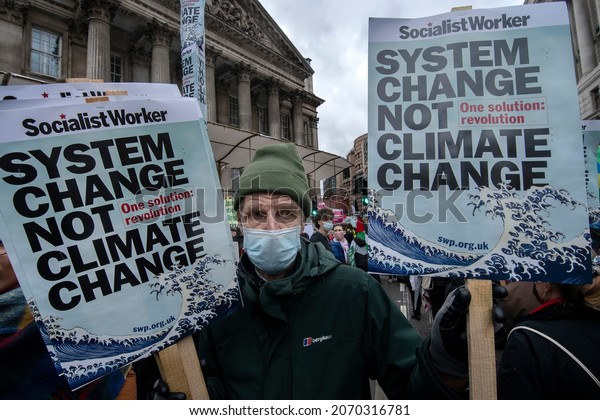
Category: General News

UK: Trick, Or Treat ? – On The Halloween Eve of COP26; Some New Revelations. Shell and BP Paid ZERO TAX On North Sea Gas and Oil for Three Years.

Shell and BP paid zero tax on North Sea gas and oil for three years

Firms defend paying no corporation tax after government handed out billions to energy giants


https://www.theguardian.com/business/2021/oct/30/shell-and-bp-paid-zero-tax-on-north-sea-gas-and-oil-for-three-years

Shell and BP, which together produce more than 1.7bn tonnes of greenhouse gases a year, have not paid any corporation tax on oil and gas production in the North Sea for the last three years, company filings reveal.

The oil giants, which have an annual global footprint of greenhouse gases more than five times bigger than Britain’s, are benefiting from billions of pounds of tax breaks and reliefs for oil and gas production.

Shell and BP paid no corporation tax or production levies on North Sea oil operations between 2018 and 2020, and claimed tax reliefs of nearly £400m, according to annual “payments to governments” reports analysed by the Observer.

Over the same three-year period, they paid shareholders more than £44bn in dividends.

A petroleum revenue tax of 35% was effectively scrapped by the then chancellor, George Osborne, in 2016 and oil giants can claim billions of pounds in taxpayer handouts for decommissioning rigs.

The North Sea is now one of the most profitable areas in the world for oil and gas production, after tax cuts by the government to encourage production.

Shell and BP have set targets to achieve net zero carbon emissions by 2050 by investing in cleaner energy, but say the UK will continue to need oil and gas from the North Sea, which also supports thousands of jobs.

Climate campaigners are now challenging the UK tax regime in a high court case. They want the payouts to be scrapped and a ban on any new oil and gas projects in the North Sea to help cut carbon emissions.

Philip Evans, oil and gas campaigner for Greenpeace UK, said: “It’s outrageous that as the UK prepares to host global climate talks in Glasgow, we still have one of the lowest effective tax rates in the world for oil extraction.

We’re giving tax breaks worth billions of pounds to companies that have been fuelling the climate emergency for decades.”

There are about 180 oil rigs in the North Sea and the sector has generated about £360bn in net tax revenues since 1970, which is about £7.2bn a year.

The UK has some of the lowest oil tax rates in the world. An analysis by research company Rystad Energy in January found the UK is now the most profitable country in the world for the development of oil and gas “mega-projects”.

Taxpayers will foot a bill of more than £18bn for the decommissioning of the oil and gas infrastructure in the North Sea up to 2065 – made up of tax repayments and a reduction in offshore corporation tax. Campaigners want the handouts to be scrapped and used for investing in clean energy.

Kwasi Kwarteng, the business secretary, faces a legal challenge over the tax handout to oil and gas operators by campaigners. Paid to Pollute, a group of environmental organisations, says that the taxpayer handouts to oil and gas companies are unlawful because they conflict with the UK’s legal duty to achieve net zero emissions by 2050. A judicial review is due to be heard before the end of the year.

Gabrielle Jeliazkov, a campaigner at Platform, a UK group that investigates the social and environmental effects of the global oil industry and is supporting the legal case, said: “The government has spent too long backing oil giants through tax breaks and subsidies. It has had devastating consequences for the climate.”

Shell and BP also face strong opposition over new projects in the North Sea. A report published last week by Friends of the Earth and the New Economics Foundation found that the oil and gas industry is preparing to seek approval for 30 offshore projects by 2025.

Shell has defended plans for the Cambo project, a controversial oilfield off Shetland that contains about 800m barrels of oil and is awaiting approval from the Oil and Gas Authority, a government licensing body. Greenpeace lost a legal bid this month for the government to revoke the permit for BP to drill at the Vorlich oilfield in the North Sea, which started production in November last year.

It was reported by Reuters last week that Offshore Petroleum Regulator for Environment and Decommissioning had rejected Shell’s plans to develop the Jackdaw gasfield in the North Sea after considering its environmental statement.A Shell spokesperson said: “Our total oil production already peaked in 2019 and we expect it to continue declining, including through divestments. We’re already investing billions of dollars in low-carbon energy. The North Sea Transition Deal agreed earlier this year also maps out how the sector will reduce emissions in line with the government’s net zero targets.” The company said it paid no corporation tax on North Sea production last year because of tax losses in previous years.

A BP spokesperson said: “All BP’s North Sea assets are owned by companies that are subject to UK tax in accordance with UK law. Over the years, BP has contributed over £40bn in taxes to the UK government from its North Sea business.

“In recent years, in line with longstanding UK tax regulations, tax relief on the significant investments we have recently made in the North Sea business and the challenging price environment, including the steep oil price falls in 2015 and 2020, have meant we have paid no North Sea corporate taxes.”

A government spokesperson said: “The UK oil and gas industry has paid around £375bn in production taxes to date – with companies in the North Sea subject to headline rates that are more than double those paid by other businesses. Relief for decommissioning costs is a fundamental part of the UK’s tax system.”

Does the industry dog wag the government tail ?; or the tail wag the dog ?

Regards Mark


Further Link – worth looking at:


UK: Fox ‘Trail Hunting’ Must be BANNED on National Trust Land (620,000 Acres), Members Say. Could Be A Big Win for Anti Hunt.


(Getty Images)

Fox ‘trail hunting’ must be banned on National Trust land, members say

Hunt saboteurs insist trailhunting is used to cover up continued illegal foxhunting

https://www.independent.co.uk/news/uk/home-news/foxhunting-national-trust-land-hunts-b1947332.html

National Trust members have voted to ban trail hunting amid fears it is being used as a “smokescreen” for chasing and killing foxes.

Members supported a motion not to allow the activity on trust land, with those who proposed it stating that “overwhelming evidence leads to the conclusion that ‘trail hunting’ is a cover for hunting with dogs”.

A total of 76,816 votes were cast for the motion, with 38,184 votes against and 18,047 abstentions.

The results of the vote are not binding, but the board of trustees is expected to consider the outcome following Saturday’s annual general meeting.

Animal-lovers, who had lobbied members hard to back a ban, were jubilant.

With the trust owning 620,000 acres of land, the ballot was seen as having the potential to disrupt the future of foxhunting in England because a ban will severely restrict space for the bloodsport.

Together with other major landowners, the charity suspended “trail-hunting” a year ago after a leak of Zoom meetings at which hunt chiefs from across the UK discussed how to create “a smokescreen”.

The webinars led to Mark Hankinson, director of the Masters of Foxhounds Association, being convicted of encouraging people to illegally chase wild animals and being ordered to pay £3,500.

Several councils also banned trail-hunting on their land.

Hunts insist they go “trail-hunting” – following a trail laid with an artificial scent – to stay within the law after hunting mammals with dogs was outlawed in 2005. The trust had allowed this on its land ever since.

But hunt saboteurs who have repeatedly filmed hunts out riding with hounds insist the claim is a sham to cover up continued illegal foxhunting.

The National Trust vote on banning “trail-hunting”, exempt hunting and exercising hounds had divided animal-loving members, some of whom gave up their membership as a protest. Others had argued it was important to remain a member to have a vote this time round.

Four years ago members who backed a ban were in uproar when they narrowly lost the vote after the board used discretionary proxy votes to defeat the motion, prompting claims of unfairness.

When Hankinson was convicted, deputy chief magistrate Tan Ikram said of his talk to the webinar: “The only reasonable interpretation of those words leads to the conclusion that a need to make something plausible is only necessary if it is a sham and a fiction.”

————————————————————-

30/10/21 –  National Trust members vote to ban trail hunting amid concerns it is a ‘cover’ for hunting with dogs

Trail hunting involves people on foot or horseback following a scent along a pre-determined route with hounds or beagles without foxes being deliberately chased or killed.

Members of the National Trust have voted to ban trail hunting over fears it is being used as a “smokescreen” for chasing and killing foxes.

Trail hunting involves people on foot or horseback following a scent along a pre-determined route with hounds or beagles without foxes being deliberately chased or killed.

Voters who supported a motion to prohibit the activity on trust land state that “overwhelming evidence leads to the conclusion that ‘trail hunting’ is a cover for hunting with dogs”.

Saturday’s vote saw a total of 76,816 votes were cast for the ban, with 38,184 votes against and 18,047 abstentions.

The board of trustees is expected to consider the vote result following Saturday’s annual general meeting – since it is only advisory and not legally binding.

Advertisement

Demonstrators from the UK-based animal welfare charity League Against Cruel Sports gathered outside Harrogate Convention Centre in North Yorkshire as the event was being held in support of the ban.

Andy Knott, chief executive of the charity, welcomed the result, saying: “Enough is enough. Now the membership has voted to permanently end it, we must insist the National Trust’s trustees listen and act.

“The trust must ban ‘trail’ hunting on its land for good. Other landowners should take note and immediately follow suit.”

We won. No more trail hunting on National Trust land. Thanks to my cracking, Gold Medal winning team. @LeagueACS @domdyer70 @RSPCAChris @ChrisGPackham @MeganMcCubbin pic.twitter.com/BL8uorGJ1e

— Andy Knott (@AndrewLacs) October 30, 2021

However, Countryside Alliance, which campaigned against the motion, said Saturday’s outcome represents a “tiny proportion” of national membership and therefore gives no mandate.

The Hunting Act 2004 banned the hunting of wild mammals with dogs in England and Wales.

Last November, the National Trust and Forestry England suspended licences for trail hunting on their land in light of a police investigation into webinars involving huntsmen discussing the practice.

The vote also comes several weeks after prominent huntsman Mark Hankinson was convicted after giving advice about how to covertly carry out illegal fox hunts.

Hankinson, director of the Masters of Foxhounds Association, was found guilty at Westminster Magistrates’ Court of intentionally encouraging huntsmen to use legal trail hunting as “a sham and a fiction” for the unlawful chasing and killing of animals via two webinars held in August last year.

WAV Posts associated:

The judge ordered him to pay £3,500, and concluded that he was “clearly encouraging the mirage of trail laying to act as cover for old fashioned illegal hunting”.

Polly Portwin, the Countryside Alliance’s director of the campaign for hunting, argued that adopting the motion “would totally undermine the Trust’s own motto: ‘for everyone, for ever'”.

She said the alliance remains ready to work with the trust “to ensure that everyone can have confidence that trail hunting activity is open, transparent and legitimate”, adding there is “absolutely no mandate for prohibition of a legal activity which has been carried out on National Trust land for generations”.

Regards Mark

Link: With lots more news all about this; visit the LACS site – link given below.

LACS

https://www.league.org.uk/

Photo – Mark (WAV).


An Overview Of COP26 – And More. The Climate Talks !

COP26 is the 2021 United Nations climate change conference

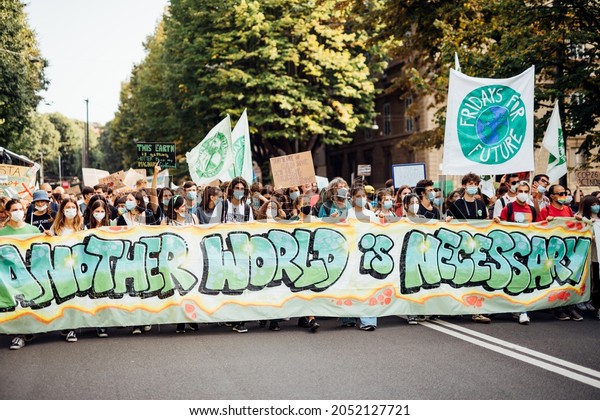
For nearly three decades the UN has been bringing together almost every country on earth for global climate summits – called COPs – which stands for ‘Conference of the Parties’. In that time climate change has gone from being a fringe issue to a global priority.

This year will be the 26th annual summit – giving it the name COP26. With the UK as President, COP26 takes place in Glasgow.

In the run up to COP26 the UK is working with every nation to reach agreement on how to tackle climate change. World leaders will arrive in Scotland, alongside tens of thousands of negotiators, government representatives, businesses and citizens for twelve days of talks.

Not only is it a huge task but it is also not just yet another international summit. Most experts believe COP26 has a unique urgency. 


The importance of the Paris Agreement

COP21 took place in Paris in 2015. 

For the first time ever, something momentous happened: every country agreed to work together to limit global warming to well below 2 degrees and aim for 1.5 degrees, to adapt to the impacts of a changing climate and to make money available to deliver on these aims. 

The Paris Agreement was born. The commitment to aim for 1.5 degrees is important because every fraction of a degree of warming will result in the loss of many more lives lost and livelihoods damaged.

Under the Paris Agreement, countries committed to bring forward national plans setting out how much they would reduce their emissions – known as Nationally Determined Contributions, or ‘NDCs’. 

They agreed that every five years they would come back with an updated plan that would reflect their highest possible ambition at that time. 

Glasgow is the moment for countries to update their plans 

The run up to this year’s summit in Glasgow is the moment (delayed by a year due to the pandemic) when countries update their plans for reducing emissions. 

But that’s not all. The commitments laid out in Paris did not come close to limiting global warming to 1.5 degrees, and the window for achieving this is closing. 

The decade out to 2030 will be crucial. 

So as momentous as Paris was, countries must go much further than they did even at that historic summit in order to keep the hope of holding temperature rises to 1.5 alive. COP26 needs to be decisive.  


Which leaders will go to COP, and who will Cop Out !

Click here to see the list of Cop Ins:

Which leaders will attend COP26? Full list of country heads visiting Glasgow for climate change summit | The Scotsman

Cop Outs:

The Kremlin has confirmed that Vladimir Putin will not be travelling to Glasgow for COP26.

His presence had been in doubt for a few weeks, with confirmation coming on October 20th.

In addition, Prime Minister Boris Johnson has been informed that Chinese President Xi Jinping will not be attending COP26.


Further reads on the COP:

What is a COP? – UN Climate Change Conference (COP26) at the SEC – Glasgow 2021 (ukcop26.org)

COP26: What is it and why is it happening in Glasgow in 2021? – CBBC Newsround

Conference of the Parties (COP) | UNFCCC

HOME – UN Climate Change Conference (COP26) at the SEC – Glasgow 2021 (ukcop26.org)

Regards Mark

UK: COP26 – ‘You Can’t Be A Meat-Eating Environmentalist’ Declares New (Bus) Campaign (In Glasgow) Aimed At COP26. Go Vegan !! – Also, Don’t Have Blood On Your Hands !

New Bus Campaign Urges World Leaders At COP26 To Go Vegan To Save The Planet

‘You Can’t Be A Meat-Eating Environmentalist’ Declares New Campaign Aimed At COP26

WAV Comment: Credit where it is due – we know its politics and votes at the end of the day, but we will say clearly that Boris Johnson – UK Prime Minister (and NO relation – a surname only thing !) is trying his best to do something about the global environmental issue. It is the Chinese and Russian leaders who are not even attending who are showing their real national colours about a situation that effects the entire planet and every one of us.

Other leaders, like Scott (I love fossil fuels like coal) Morrison, the PM of Australia, have been hauled kicking and screaming to the conference; not wanting to, but being given little choice really by HM the Queen, and other (British) commonwealth politicians who are all doing their bit to improve the global situation.

Scott Morrison – I love coal !, sod the climate.

Anyway, the excellent bus campaign now adorning buses around the streets of Glasgow, venue for the conference; urging people to go vegan for the sake of the planet; is sending a message loud and clear on the streets of the conference venue.

Well done all concerned.

Regards Mark

COP26 has come under fire for its decision to serve meat, including beef, at the upcoming summit

New Bus Campaign Urges World Leaders At COP26 To Go Vegan To Save The Planet – Plant Based News

People for the Ethical Treatment of Animals (PETA) has launched a campaign aimed at the world leaders attending COP26 this year. The initiative urges them to go vegan for the sake of the planet – a message that’s sent loud and clear via the sides of half a dozen buses. 

PETA, said to be the largest animal rights organization in the world, launched the campaign in Glasgow, where the United Nations’ climate change conference is being held this year. It’s the 26th event of its kind.

The advertisement will appear on buses that run through the city center, including past the Scottish Event Campus where COP26 will take place from October 31 to November 12, 2021.

“You can’t be a meat-eating environmentalist. Take Personal Responsibility: Go Vegan,” the bus ads reads. The campaign will run until November 14.

COP26

COP26 unites world leaders with the shared goal of protecting the planet from the escalating climate emergency. There, they will conjure up strategies to reduce emissions, pollution, and deforestation, for example.

But some have criticized COP26 for overlooking the food system’s impact on the planet. Animal farming practices, in particular, are resource-intensive and responsible for huge amounts of greenhouse gas emissions

As a consequence, environmentalists have called on the conference to serve only vegan food. 

However, despite promising to focus on plant-based meals, COP26’s menu still features dishes like turkey, salmon, and beef. The latter has repeatedly been identified as one of the most destructive foods to produce.

“The UN has stated that a global shift to vegan eating is necessary to combat the worst effects of climate change,” commented PETA Senior Campaigns Manager Kate Werner. “PETA’s ad blitz is a wake-up call to anyone who can look at a plate of sausage or black pudding without considering the environmental impact of these foods – or the animals who suffered for them.”


Regards Mark

AND ….

Shoppers Caught Out By Hand Sanitiser ‘Filled With Blood’ In Vegan Stunt

With the government not ‘taking the climate crisis seriously’ the activists took it into their own hands – by getting fake blood on others’

Vegan activists are hijacking hand sanitizer stations outside meat and fast-food stores with fake blood. It’s hoped the ‘caught red-handed’ scheme will encourage people to rethink their food choices and go vegan.

Hand sanitizers filled with fake blood

Activists took to south London this week, where they positioned hand sanitizer stations outside McDonald’s and KFC outlets, as well as a butchery.

As customers left venues in Brixton and Clapham high street, they went to clean their hands only to be met with fake blood.

While many were shocked, others welcomed the stunt. And one shopper reportedly said they would consider cutting down their meat intake.

The activists, known only as Jane and Gaby, said the point was to leave people’s consciences stained as well as their hands.

Moreover, McDonald’s and KFC were chosen as meat features heavily on their menus.

Activists encourage public to go vegan

In a statement sent to PBN, the activists said: “We thought that if the government isn’t going to take the climate crisis seriously and the role that the consumption of meat plays in this, then we would have to get the general public to take notice.

“We thought hand sanitizing stations were perfect as it taps into a current everyday behavior.

“And, also doubles up as a metaphor to show that the responsibility of eating less meat is in everyone’s individual hands.”

Regards Mark

UK: Britain Preparing For Meat Tax; For Better Animal Welfare (Farming) Methods and To Encourage Other Meat Exporting Nations To Go Greener.

WAV Comment: People across the world need to change their habits to purchasing locally produced food. This cuts down on Carbon footprint – simple !

We hope this move by the UK government will encourage farmers to get animals out of intensive systems and move them back to the land. If they are to be paid subsidies for going greener, then this is the route they must take.

Also, it will encourage ‘less Green’ nations such as Australia to step up to the plate and make their green credentials better, if they want to sell their exported meat in the UK. We will always and only support people moving to a vegan (plant based) diet, for many reasons; but we also accept that there will always be some who want to continue eating meat.

If this is the case, get the animals out of intensive systems and move them back on the land. Hopefully, if UK farmers will be given subsidies to do this, it will be a massive positive for future animal welfare.

Regards Mark

Above – a free range pig farm in Suffolk, England.

Meat taxes will make British farmers go greener, says George Eustice

Emma Gatten  

The farming minister has signalled his support for meat taxes, in an interview with The Telegraph.

On the eve of the Cop26 summit in Glasgow, George Eustice has said that the UK will need to “move into the realms of things like carbon taxes” when existing EU agricultural subsidies are finally phased out.

Mr Eustice, the Environment, Food and Rural Affairs Secretary, disclosed that the Government was already working on a new tax system for parts of the food sector that contribute most to global warming, such as meat and dairy.

By placing levies on high polluters, such a move could help cut down emissions, and is also likely to help British farmers compete with post-Brexit imports.

Any new tax could, however, raise the price of red meat. Mr Eustice said that according to the Government’s own modelling, prices were already set to increase in real terms by 10 per cent over the next five years.

Mr Eustice told The Telegraph that a planned restructuring of the £3.5 billion EU agricultural subsidies would encourage farmers to produce higher-welfare and more environmentally friendly food over the next seven years.

But he added: “Beyond that, you then start to move into the realms of things like carbon taxes. But we need to do the thinking about it now.”

It comes as Boris Johnson warned that civilisation could fall once again like the Roman Empire if the world failed to make sufficient progress on curbing climate change.

Speaking on Friday night as he landed in Rome for the G20 summit, the Prime Minister said being in the Eternal City should serve as a “fantastic reminder” and a “memento mori” that societies could go “backwards as well as forwards”.

“You saw that with the decline and fall of the Roman Empire and I’m afraid to say it’s true today, that unless we get this right in tackling climate change we could see our civilisation, our world, also go backwards.”

Mr Johnson then deployed a football analogy to warn that humanity was currently “5-1 down” at half-time against the “formidable opponent” that is global warming.

The new carbon taxation system raised by Mr Eustice would be introduced after 2027, by which time the Brexit transition period for agricultural subsidies would have come to an end.

He said carbon border taxes would also be brought in and their purpose “would be to encourage countries like Australia, like New Zealand, to tackle their own greenhouse gas emissions”.

Mr Eustice said: “If there are other countries in the world that don’t pull their weight, and don’t do their share, you know, at some point you will have to find a way of reflecting that in international trade.”

He said: “The Treasury and BEIS [the business department] are doing a piece of work on this. Ideally for it to work obviously it would be agreed multilaterally.”

He added: “All of this is supposes that you would move in the direction of carbon emissions trading” first in the UK agriculture sector.

Continue reading on next page.

EU: European Parliament AGRI Committee Vote FAILS To Promote Animal Welfare.

European Parliament AGRI Committee vote fails to promote animal welfare

27 October 2021

In a disappointing move for animals, the Committee on Agriculture and Rural Development of the European Parliament adopted draft implementation report by Jeremy Decerle (Renew Europe, FR) on on-farm animal welfare.

Contradicts Farm To Fork

The report calls for future EU-wide animal welfare legislation that would be uniformly transposed in all Member States, but falls short of the Farm to Fork (F2F) ambition for a strong, improved animal welfare acquis with a broad revision of all existent regulations and directives. 

Concentrates on economic interests of farmers

Whilst it promotes the European Citizens’ Initiative to end the cage age, it continuously refers to farmers’ compliance with animal welfare standards as an “extra burden”.

WAV Comment – Burden !!!

Promotes further cruel production of foie gras 

A disappointing amendment downplaying the intensivity and suffering of animals subjected to foie gras production wriggled its way into the report. The amendment claims that foie gras production respects animal welfare criteria.

WAV Comment – RESPECTS animal welfare ! – what planet do you people come from ?

An overtly contradictory statement considering ducks and geese subjected to foie gras production are force fed and their bodies pushed beyond their biological parameters, resulting in intense pain, fear and suffering.  

Amendments addressing the tragic practice of killing male chicks were also voted down.         

Labelling remains voluntary 

Labelling is a fundamental tool to ensure farmers receive fair compensation for improved animal welfare measures on farms and enable consumers to purchase products that align with their animal welfare ethics. A mandatory “Method of Production +” (MOP+) label across all animal products and including rearing, transport and slaughter is key. Unfortunately, MEPs decided to let the labelling of animal products remain voluntary, leaving dangerous room for manoeuvre to farmers and the industry.

Despite being a report on “on-farm animal welfare”, it does not go the distance to reflect its title. Instead, it tries to sugarcoat the realities of the changes that truly need to be implemented. We need farmers to be ambitious and take a main role in implementing the F2F goals. The report will be voted on in plenary, possibly during the December session.

So; get out of the EU and make your own national legislation !

Regards Mark

Spain: Open petition to save Galgos in Spain.

Open petition to save galgos in Spain

26 October 2021

AnimaNaturalis

A new petition has been launched in Spain to demand equal protection for all animals, including galgos.

The Spanish greyhound is a breed used both for hunting and for racing in different regions of Spain, especially in Andalusia, Castilla La Mancha and Castilla y León.

It is estimated that around 50,000 greyhounds and other hunting dogs are abandoned in Spain annually, with 5,000 abandonments in Seville alone.

There is a pressing need to address the problem through new animal protection legislation.

The petition ‘Save the Galgos’, launched by AnimaNaturalis, aims to:

Achieve a state animal welfare framework law that ensures maximum protection for these animals, and the modification of the animal protection laws of each Autonomous Community, as well as tougher penalties for neglect and abuse;

Make sure that “rehalas” (groups of between 16 to 40 hunting dogs) are no longer considered objects of “cultural interest”, eliminating all public subsidies intended to promote this practice;

Prosecute the mistreatment and abandonment of these animals so that no case goes unpunished before the law;

Ban the training of greyhounds tied to motor vehicles.

The petition is nearing its goal of achieving 10,000 signatures in support of the initiative. 

Read more and support the petition here.

Read more at source

Petition: Save the Galgos

Regards Mark

France: New investigation from L214 in a French slaughterhouse reveals serious abuse.

New investigation from L214 in a French slaughterhouse reveals serious abuse

27 October 2021

L214

Today, L214 unveils a new investigation conducted in a French slaughterhouse of the Bigard Group (which owns the Bigard, Socopa and Charal brands), leader in bovine meat production in France and Europe.

Thomas Saïdi, an investigator from L214, applied for a position as a health officer within the official veterinary services of the slaughterhouse. These are the services that are supposed to control the respect of sanitary and animal protection rules. He was hired without any experience or qualificationThomas filmed a part of the chain, from the arrival of the animals in the slaughterhouse to their killing and the first cuts.

He witnessed serious shortcomings of the veterinary services, numerous breaches of regulations leading to acute yet avoidable animal suffering.

Thomas decided to testify openly.

In his testimony, Thomas shows:

  • That hygiene and sanitary controls (including ritual slaughter controls) were performed without training
  • The lack of staff for veterinary inspection and the sporadic controls
  • Serious regulatory violations and avoidable animal suffering
  • Calf fetuses of all ages arriving on the slaughter line daily (about 50 per day) while regulations prohibit the transport of cows beyond 90% of the gestation.

L214 will file a complaint for serious abuse with a prosecutor as well as a liability claim against the French State for failure to fulfill its mission of controlling the application of the regulations.

L214 has also launched a petition asking the government to ban the killing of pregnant cows, at least during the last trimester of gestation. 

In this petition, L214 also asks :

  • That the operations of immobilisation, stunning, slaughter and killing of animals be truly placed under the continuous surveillance of inspection service agents, as required by the regulations,
  • That infractions are sanctioned and that slaughterhouses are forced to put an end to them without delay.

In addition, this investigation proves once again the urgent need to make pre-cut stunning mandatory, to spare animals severe and prolonged suffering. 

For Thomas Saïdi, investigator from L214:

The images I shot are harsh, but they are necessary at a time when it is forbidden to reveal what happens inside slaughterhouses without any logic of confidentiality, competition or security being at stake (…)”

For Sébastien Arsac, spokesperson for L214:

The Bigard Group does everything to make people forget the animals behind the meat. When you see the images from inside, you understand why! But the consumers who buy the group’s products (the brands Charal, Bigard or Socopa) have the right to know (…) With the presidential elections just a few months away, this is a good time to open our eyes to the savagery of our society towards animals and to rethink the relationship we want to have with them.

Further details:

Read more at source 

Link to the video investigation

Link to the petition to ban the killing of pregnant cows

Regards Mark

France wants to abolish dolphinariums, wild animals in the circus and fur farms

Why French government agreement marks historic day for animal welfare

Circus show with bear-France

Animal protection groups celebrate decision to ban sales of puppies and kittens in pet stores and the use of wild animals in travelling circuses (but not for seven years) and more.

MPs and senators agreed on the terms of a new animal welfare law on October 21 meaning improved safeguards for animals will soon be legalised in France.
These include:

– a gradual ban on use of wild animals in circuses with a ban on breeding such animals coming into place in the next two years and a total ban on their use in travelling circuses in seven years

– use of whales and dolphins in aquariums will be banned within five years

– a ban on American mink farming and farming of other animals for their fur

– a ban on selling puppies and kittens in pet stores from January 1, 2024 and on displaying animals in pet store windows

harsher penalties for people caught mistreating animals

– new rules for people who wish to buy pets including the signature of a certificate stating that the new owner is aware of the responsibilities involved

– more regulations for animal sales online

wolf in the circus – France

French animal welfare groups celebrate ‘historic day’

Animal welfare groups have responded positively to the news.

La Fondation Brigitte Bardot said in a tweet: “It’s an historic day for animals in France!”

Convergence Animaux Politique said the law was “ambitious” and responded to a “significant number” of demands from NGOs.

However, some said that there was still work left to do. The Parti Animaliste said the new law was “historic” but “there still remains the fight against intensive farming, industrial fishing, hunting and bullfighting”.

Previous agreements of the decree have been delayed as senators on the right wanted to maintain rights for travelling circuses and aquariums to keep wild animals, dolphins and whales.

But yesterday Minister for Ecological Transition, Barbara Pompili, praised senators and MPs who “overcame their differences to make this agreement”.

Circus show with elephant-France

She said: “Today is a big day because taking a stand for animal wellbeing is the mark of a society that is aware of its responsibility to nature.”

Ms Pompili said the next steps were to clarify support for professionals, such as circus owners and farmers, to help them implement the law, including financial aid.

Prime Minister Jean Castex tweeted: “Animal wellbeing is a major concern for our citizens. I share the pride of all in parliament who have made this law possible.”

The French government will set up a package worth eight million euros to provide other jobs for workers in traveling circuses and marine theme parks.

https://www.connexionfrance.com/French-news/Why-French-government-agreement-marks-historic-day-for-animal-welfare

And I mean…Yes, there is still a lot to do against foie gras, cooking live lobsters, as well as frogs, snails, pigeons and other animals as delicacies in the kitchen … but at least a step has been taken in the right direction!
Experience has shown us that small steps often have a big impact.
Because many, many French abhor cruelty to animals and fight for animal rights.

It would be good if the coming government of Germany would take its neighbor as an example
Thanks!

My best regards to all, Venus