Category: Live Transport

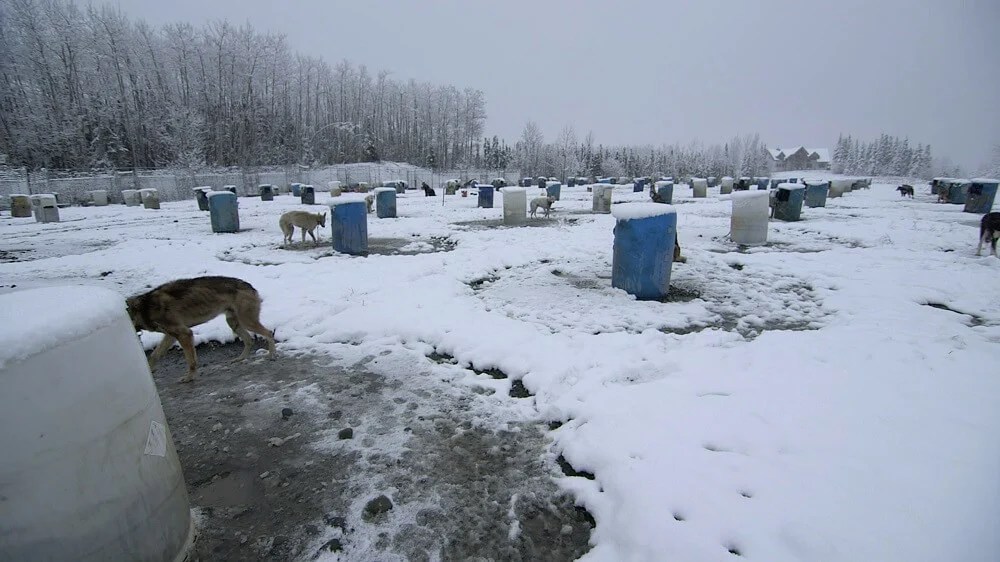
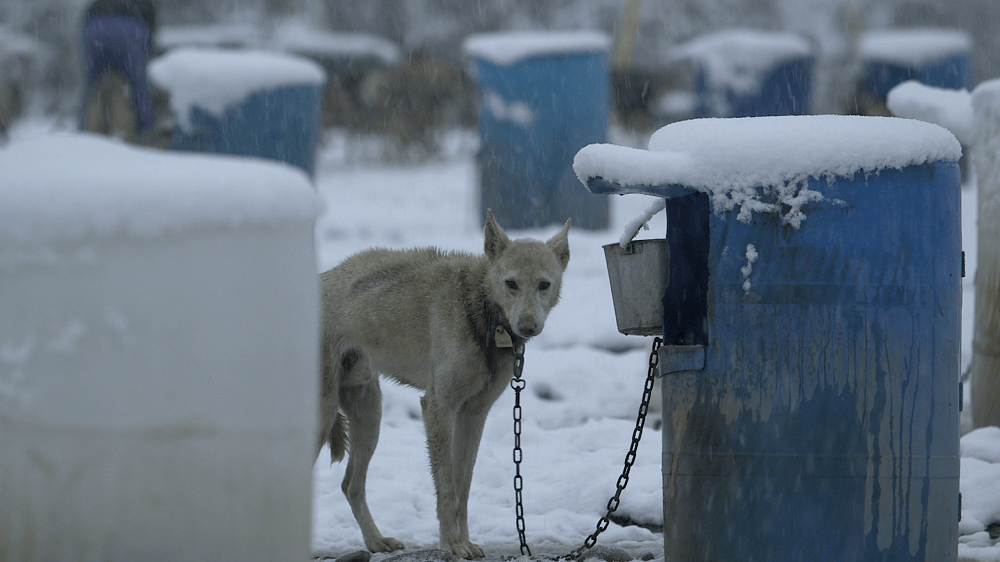
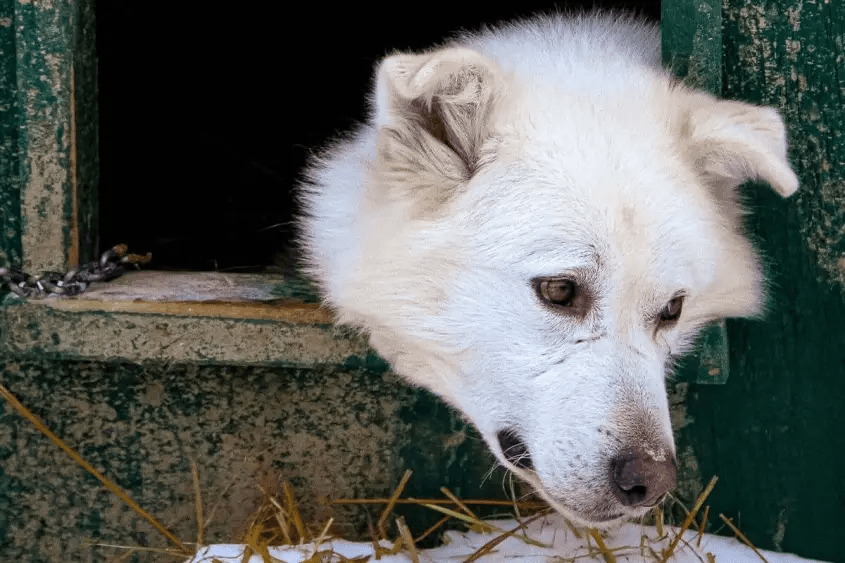
USA: Iditarod, The Cruelest Dog Race In The World, Has Started.

Iditarod

What we are told:

Iditarod Trail Sled Dog Race

Iditarod Trail Sled Dog Race
DateMarch
LocationAnchorage to NomeAlaska, United States
Event typeSled Dog Race
Distance938 mi (1,510 km)
Established1973
Course recordsMitch Seavey, 2017, 8d 3h 40m 13s
Official siteiditarod.com

The Iditarod Trail Sled Dog Race, more commonly known as The Iditarod, is an annual long-distance sled dog race run in early March. It travels from Anchorage to Nome, entirely within the US state of AlaskaMushers and a team of 14 dogs, of which at least 5 must be on the towline at the finish line, cover the distance in 8–15 days or more. The Iditarod began in 1973 as an event to test the best sled dog mushers and teams but evolved into today’s highly competitive race.

Teams generally race through blizzards causing whiteout conditions, sub-zero temperatures and gale-force winds which can cause the wind chill to reach −100 °F (−73 °C). A ceremonial start occurs in the city of Anchorage and is followed by the official restart in Willow, a city 80 miles (129 km) north of Anchorage. The restart was originally in Wasilla through 2007, but due to too little snow, the restart has been at Willow since 2008. The trail runs from Willow up the Rainy Pass of the Alaska Range into the sparsely populated interior, and then along the shore of the Bering Sea, finally reaching Nome in western Alaska. The trail is through a rugged landscape of tundra and spruce forests, over hills and mountain passes, and across rivers. While the start in Anchorage is in the middle of a large urban center, most of the route passes through widely separated towns and villages, and small Athabaskan and Iñupiat settlements. The Iditarod is regarded as a symbolic link to the early history of the state and is connected to many traditions commemorating the legacy of dog mushing.

Iditarod Trail Sled Dog Race – Wikipedia

Our recent posts -see the full list, including videos, by clicking on the following:

Search Results for “iditarod” – World Animals Voice

Search Results for “musher” – World Animals Voice

Race Map – click on ‘Checkpoints’ for more details of each. 

Race Map – Iditarod

Main website  Iditarod

Dog Care ? – see our video links given above –  Leaders in Dog Care – Iditarod

Regards Mark

Luxembourg bans exports of live animals for slaughter in third countries

LUXEMBOURG. As the Luxembourg Ministry of Agriculture has announced, from March 1st the Grand Duchy will ban exports of live animals for slaughter in third countriesa year earlier than planned by the EU.

With this decision, Luxembourg is becoming a European pioneer when it comes to animal welfare.

According to the Luxembourg Minister of Agriculture Claude Haagen, the ban serves to improve animal welfare on the one hand, and on the other hand it also meets the expectations of the population and the agricultural sector itself.

The Grand Duchy hopes other states in Europe will follow suit and enact restrictions before the European Commission presents its revised rules for live animal transport next year.
Among other things, the transport routes to the slaughterhouses should be limited.

https://lokalo.de/artikel/254298/beschraenkung-von-tiertransporten-luxemburg-vorreiter-in-der-eu/

Please sign and share the petition: https://help.four-paws.org/…/stoppt-grausame…

And I mean…In 2019, over 1.6 billion live animals (sheep, cattle, birds and pigs) were transported across and beyond the EU borders.
97% of the animals are birds (chickens, turkeys, ducks, geese).
Cattle, pigs, sheep and goats are mostly transported for fattening or slaughter purposes.

In June 2020, a committee of inquiry exclusively for animal transport (ANIT) was therefore set up, which, after eighteen months of work, made its recommendations to the European Commission in December 2021.
557 MPs (an overwhelming majority) agreed, but only for part of the recommendations.

The EU Parliament is asking the Commission to limit the transport time for “animals for slaughter” to eight hours.
No limit is required for “breeding animals” and animals in intermediate fattening, so they may probably be transported for up to 29 hours in the future.

And so the agonizing transports to third countries should remain permitted – Parliament only voted for the introduction of a control system for animal transports to third countries.
Both the EU Parliament and the EU Commission know very well that as soon as the transports leave the EU border, control is not possible.
In this respect, this vote by the EU Parliament was a betrayal of the animals; we reported about it: https://worldanimalsvoice.com/2021/12/04/anit-committee-vote-an-anti-animal-welfare-work/

Luxembourg is sending an important signal, but a ban on animals for slaughter is absolutely not enough, because many animals are officially declared as breeding animals.
They too are usually slaughtered cruelly after a very short time. The transport for breeding or slaughter animals is also no different and is always painful.

Germany’s new Minister of Agriculture, Cem Özdemir, supports an EU-wide ban on long-distance transport and wants his ministry to “solve the problems of animal welfare during transport to third countries”.
And yet animals are still being transported from Germany to third countries.

We don’t judge politicians by what they say, but by what they do.
And as long as there are no actions, we do not trust anyone.

My best regards to all, Venus

EU: Study About EU-Mercosur Agreement Wrongly States That Animal Welfare Standards Apply to Agri-Food Trade.

17 February 2022

A study requested by the International Trade (INTA) committee of the European Parliament analyses the trade aspects of the EU-Mercosur agreement and recognises that the animal welfare provisions foreseen in the agreement are weak. However, the study wrongly states that imports of animal products must comply with EU animal welfare standards.

Eurogroup for Animals welcomes the study published in November 2021 as far as it recognises that animal welfare “is closely linked to sustainable development” and that the current deal “gives rise to questions as to whether [it] fully responds to the EU’s strong stand on the issue of animal welfare as such and its potential trade implications”. As long stated by Eurogroup for Animals, the EU-Mercosur agreement is a bad deal for animals, nature and people.

However, the study misunderstands the requirements that imports of animal products need to comply with, and hence wrongly concludes that the conditional liberalisation for egg products included in the deal is “closing a gap” for imports of animal products. Indeed, the study argues that in the EU, “animal welfare standards are quite ambitious”, and that given the ongoing revision of the animal welfare legislation and the European Citizen Initiative “End The Cage Age”, these standards “are likely to be defined even more strictly in the future”. As a consequence, the study suggests trade implications “since exporters are often required to conform with EU legislation by way of a certificate on equivalence to be presented on importation (calves, pigs, slaughtering, transports)”. Furthermore, the study, while analysing the liberalisation of agri-food trade, wrongly states that “in general, all products need to fulfil animal welfare standards”.

This seems to be a confusion between animal welfare standards and general import standards. Imports of animal products, which are often produced under poor animal welfare standards, do not need to comply with EU-equivalent animal welfare standards (on farm practices or transport), except for those at the time of slaughter. And imports of live animals, which are low, need certification mainly on health issues. Import standards are for instance, veterinary controls and maximum residue levels (MRLs) for pesticides.

This misunderstanding possibly led the study to assume a “notable exception” for egg products that would not need to comply with animal welfare standards. This “notable exception” would be “addressed by the preferential scheme on eggs, as the EU attached a condition to its liberalisation offer in view of compliance with relevant EU standards”.  However, the conditional liberalisation on shell eggs, far from “closing a gap”, is merely a step in the right direction with the first animal welfare-based condition in a trade agreement. 

Eurogroup for Animals calls on the EU to uphold the objectives of the Farm to Fork Strategy, and to take the opportunity of the revision of the animal welfare legislation to include a trade aspect in the future EU legislation on animal welfare. In parallel, the EU could extend the conditional liberalisation of the trade in shelled eggs, and to agree on animal welfare and sustainability-based conditions required to access tariff-rate quotas or liberalisation in all animal products, including the respect of EU-equivalent animal welfare standards. 

Regards Mark

Standards – What Standards ?

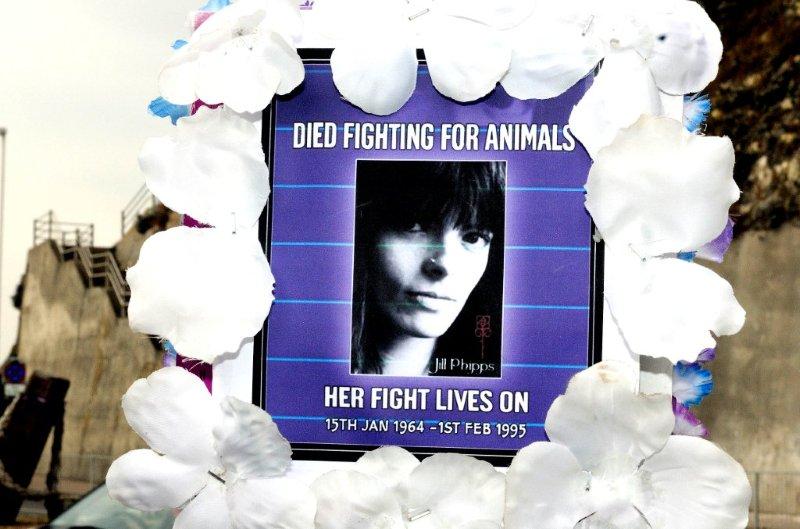
England: Remembering Jill and The Tragic Event of 1/2/95.

You can read lots here about Jill and her death at Coventry airport whilst trying to stop the export of live calves.  Visit the links at:

Search Results for “jill phipps” – World Animals Voice

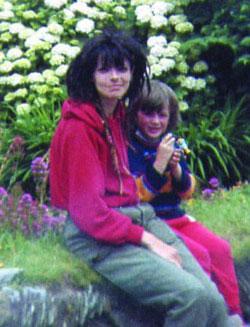
Jill was killed on 1/2/1995.  The link given above will provide a lot of different information on her life, her death trying to protect animals; and the people involved in it; including (her death), Christopher Barrett-Jolley, was a known gun runner who had flown arms to vulnerable developing countries including South Yemen and Sierra Leone.  He was behind the calf shipments from Coventry, and was later jailed for 20 years for attempting to smuggle 270 kg of cocaine into Southend airport, Essex, England.

England: There Is More To The Jill Story When You Have the Facts. – World Animals Voice

We will never forget the actions of Jill; and this is a simple tribute to an animal advocate who was murdered, literally, by a system that at the time viewed animal rights activists as the ‘bad’ ones; rather than looking more into the actions of the ‘other side’ who were involved in the abuses.

Thank you Jill for your actions – you will never be forgotten.

Regards Mark

Veal EU 2

England: Archive: Live Animal Exports From Kent, England. By Mark (WAV).

All photos shown here were taken by Val C.

Recent Past  – Live animal exports to Europe from Ramsgate port, Kent, England.

As many of you will know, live animal transport has been a major part of my life for decades:

About Us – New Category (As Requested). – World Animals Voice

I am from Kent County; which lies directly to the SE of London and is the nearest English county to mainland Europe – you can see it’s position here and read about much of past history: Kent – Wikipedia

Being the nearest county to Europe; Kent has several ports which operate ship ferry services across the English Channel.  Dover is the one we probably all hear about most, but there is another – Ramsgate; which was quite an important port until recently but is not used much now. This appealed to live exporters, who did not have to comply with the very tight arrival and departure schedules if they operated from Dover – it was kind of more relaxed for them.

For years I was involved with an English group (as the EU Correspondent) dealing specifically with live animal shipments from SE England ports which included Dover and Ramsgate.  I want to share here just for the record / interest; some (now archive; but recent until a year or two ago) photographs taken by our official group photographer Val C, who was a member of the official journalists union; hence the excellent quality of her work.

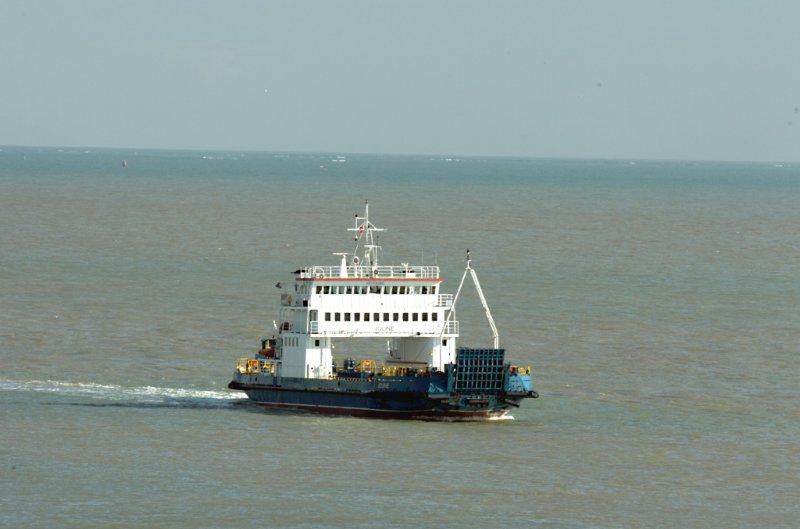
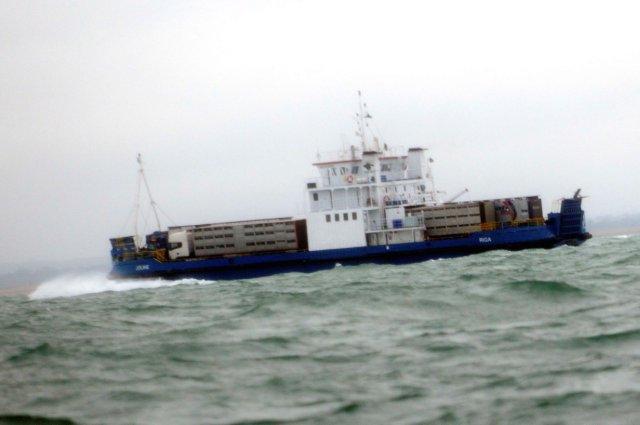
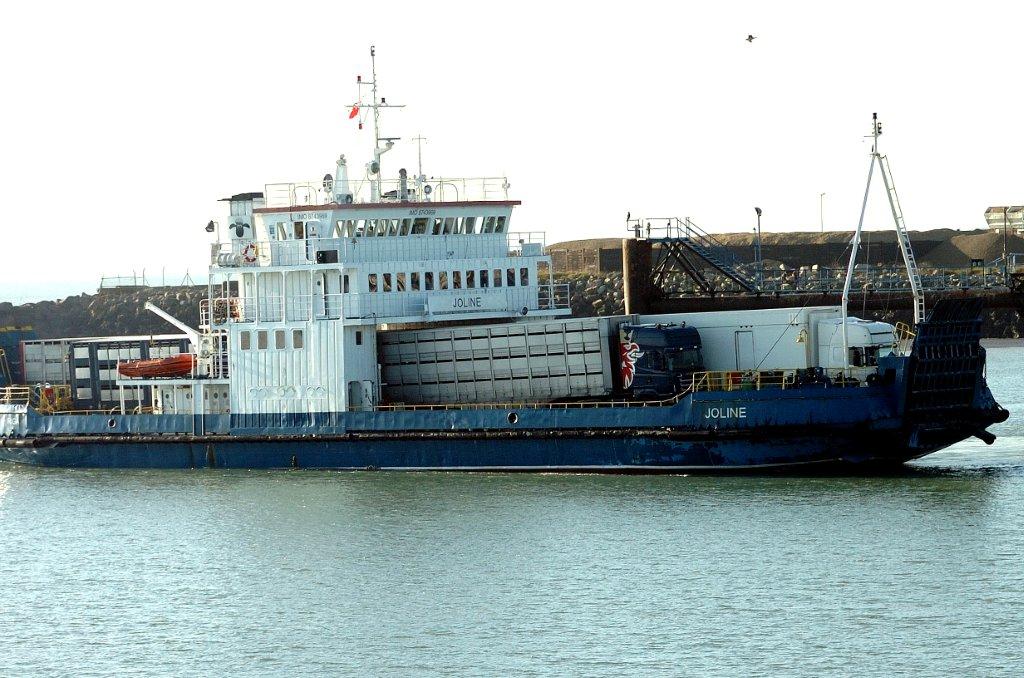
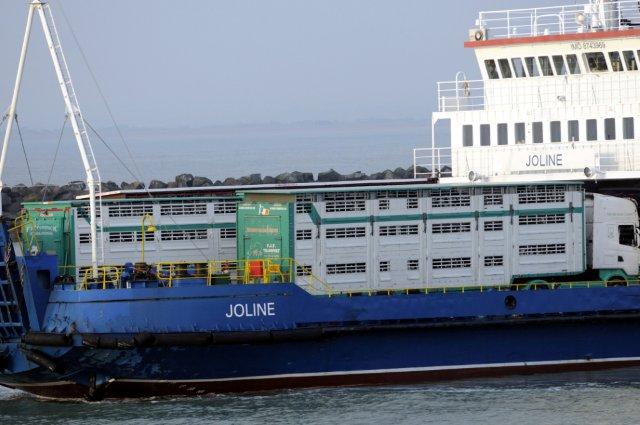
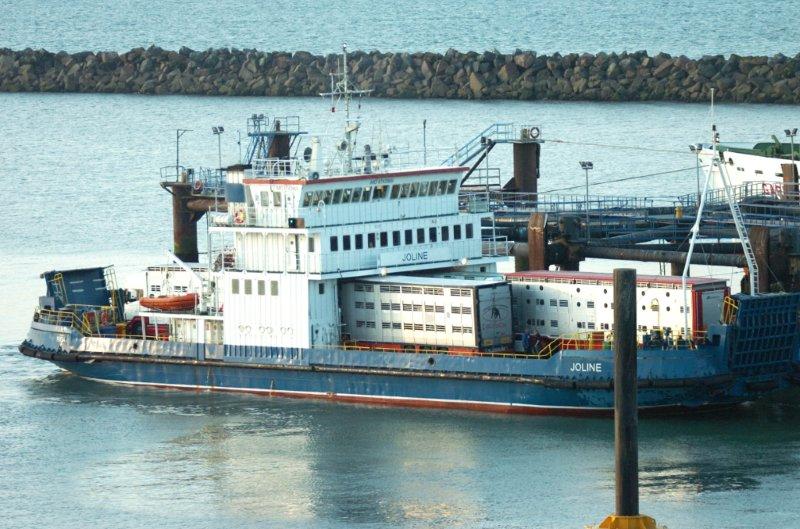
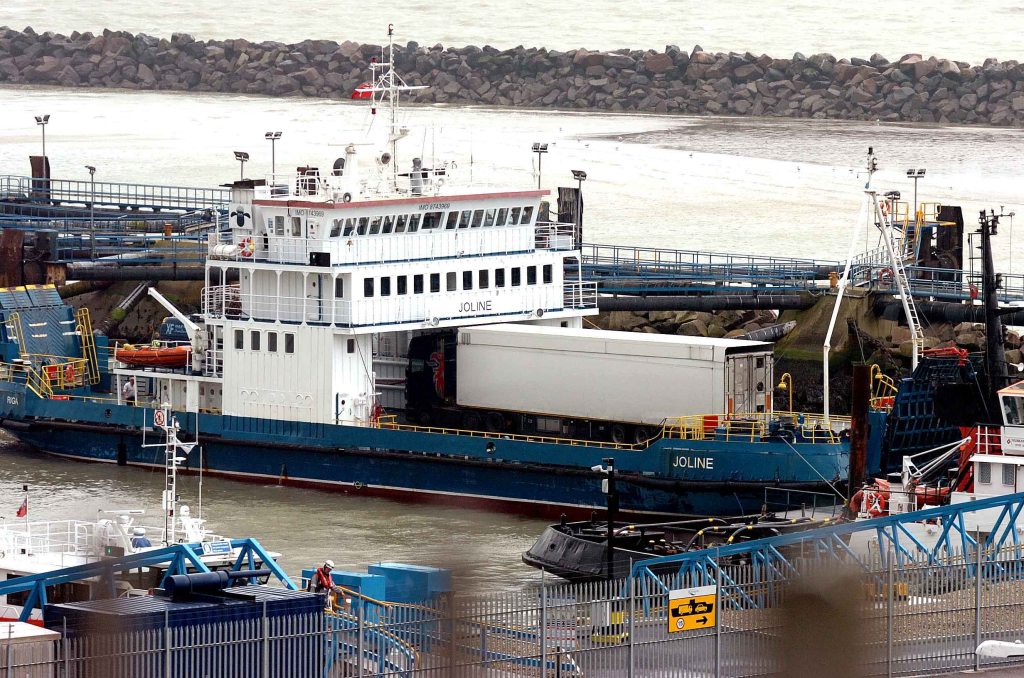
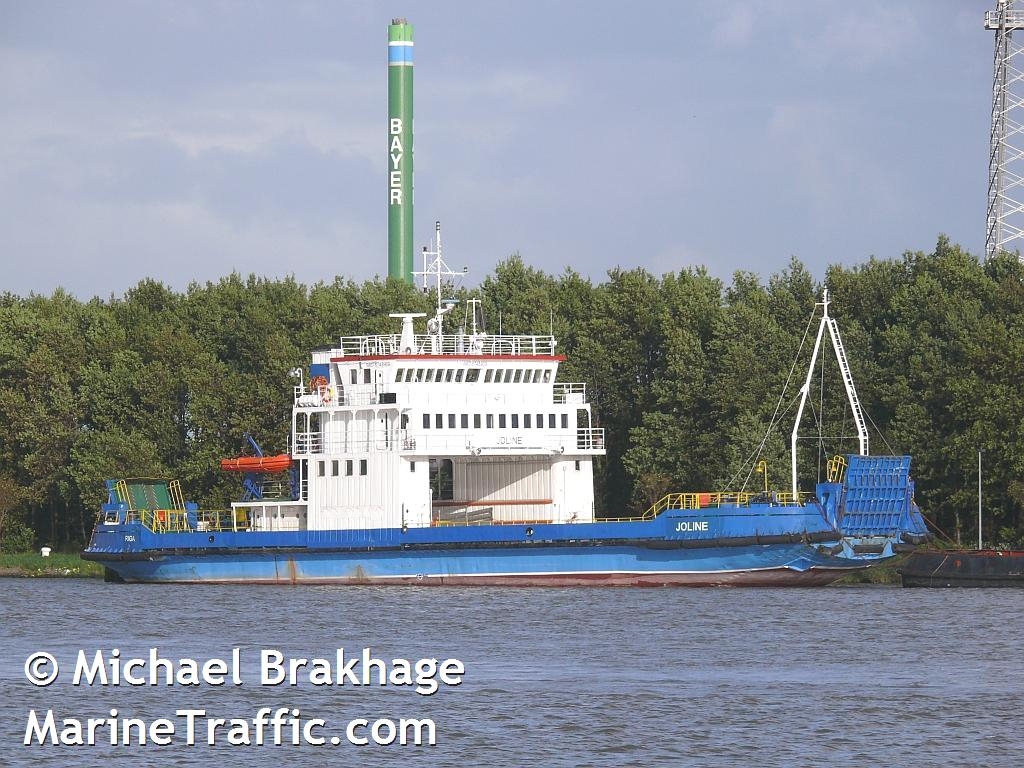
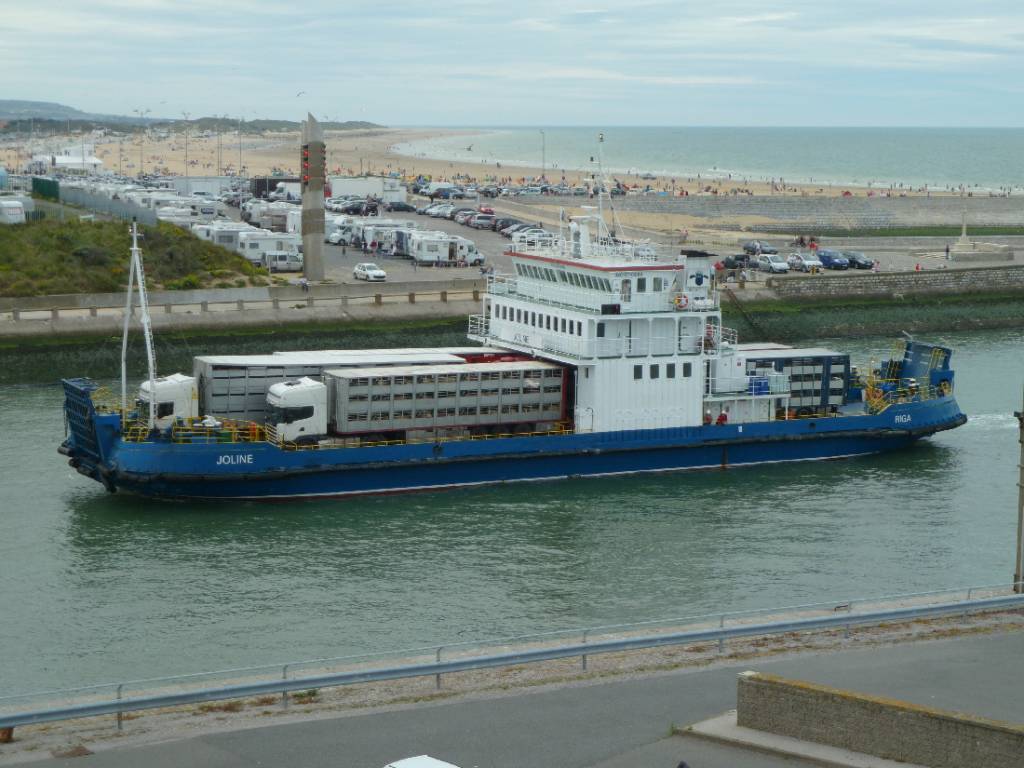
These pictures deal mainly with a vessel operated by a (trader / exported / haulier) Dutchman named ‘Onderwater’; who owns and operates a vessel named the ‘Joline’. 

The ‘Joline’

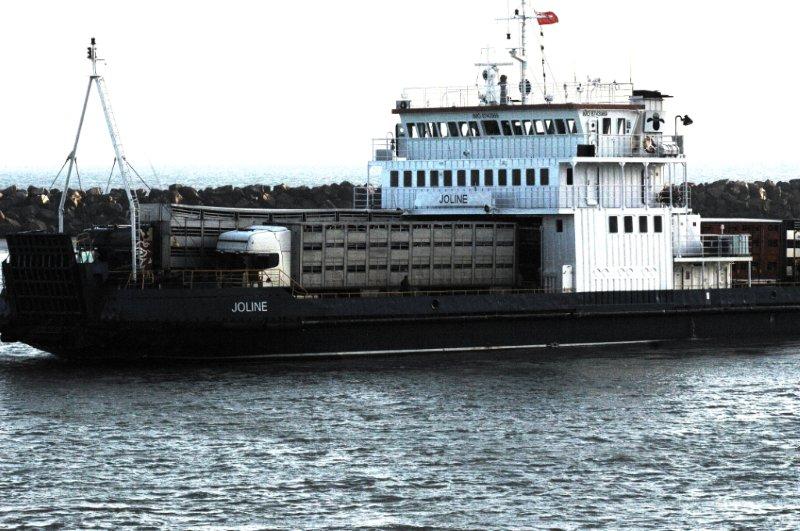
This vessel was originally constructed as a Soviet battle tank carrier to be used only on rivers; not across the English Channel with loaded livestock transporters full of live animals.  As a vessel it has a low draft (draft in the American spelling, draught in the British) which is defined in technical terms as the distance between the ships keel and the waterline of the vessel.

A battle tank carrier for use on rivers should not carry livestock transporters across the English Channel.
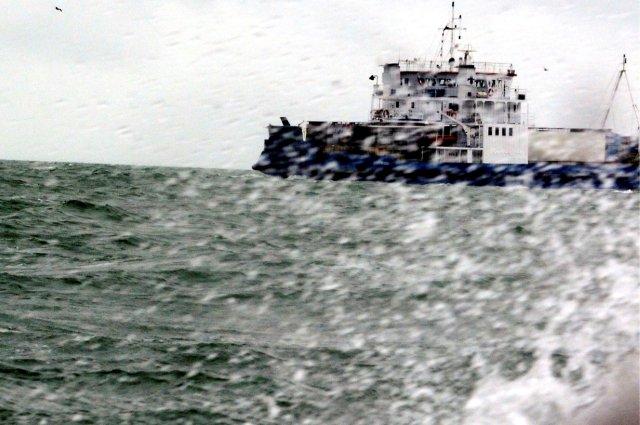
Note the low draught – sides of the vessel – not suitable for Channel waves.

Loaded transporters on the Joline
.. and more.

Continued on next page

EU: EP (Euro Parliament) Plenary: Disappointing Vote on Live Animal Transport.

WAV Comment: The EU never has, does not wow, and never will act in defence of animals in transport – they are instead at the control of the mafia meat industry. The EU talks big on ‘farm to fork’ strategies; but they are just simple words from simple folk that mean nothing. If the EU cared; it would have acted a long time ago; instead the EU citizen is bullshitted to with all the talks, reports and votes which basically result in nothing. The UK left the EU a few years ago; now it has legislation going through Parliament to stop ALL live animal transport. Spot the link ? – NO EU, nations take back control and make their own laws; if you stay in the EU, and you must obey, Commissioners say; regardless of your own national views or consequences.

EP Plenary: disappointing vote on live animal transport

20 January 2022

Press Release

Today the European Parliament voted on the Recommendation of the Committee of Inquiry on the Protection of Animals during Transport (ANIT), watering down an already weak text which won’t stop the suffering of billions of animals.

Stella Kyriakides, European Commissioner for Health and Food Safety, opened and closed the debate reminding the Members of the European Parliament (MEPs) that animal welfare is a priority within the Farm to Fork Strategy and, at the same time, a priority of her mandate and personally for her. 

The European Commission (EC) is due to revise the Transport Regulation (Council Regulation (EC) No 1/2005) and will do it “based on the latest scientific evidence, creating a European database for official controls and auditing livestock vessels in Member States”, alongside making sure that the existing rules will be implemented. As such, a new legislative proposal is expected in the autumn of 2023, whilst executive acts relating to controls on sea transport (under provisions in existing law) will also arrive before the end of this year. 

Some MEPs were quite vocal during the lengthy debate, calling on the EC to act now and put an end to the suffering of billions of animals, as reported in the Committee of Inquiry’s findings. 

The December vote didn’t address several key issues linked to the live transport of animals, within and outside the EU, and today the Plenary missed the opportunity to strengthen the text approved by the ANIT Committee. 

We hoped that the European Parliament would step up the ANIT Report’s ambition and reflect citizens’ views by banning any long-distance transport, and refining, replacing and reducing intra-EU transport.

Reineke Hameleers, CEO, Eurogroup for Animals

After decades of campaigning to stop the suffering of animals during transport, we are disappointed in seeing more failings from the vote.

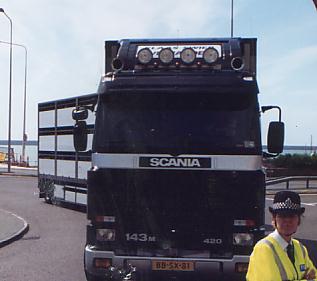
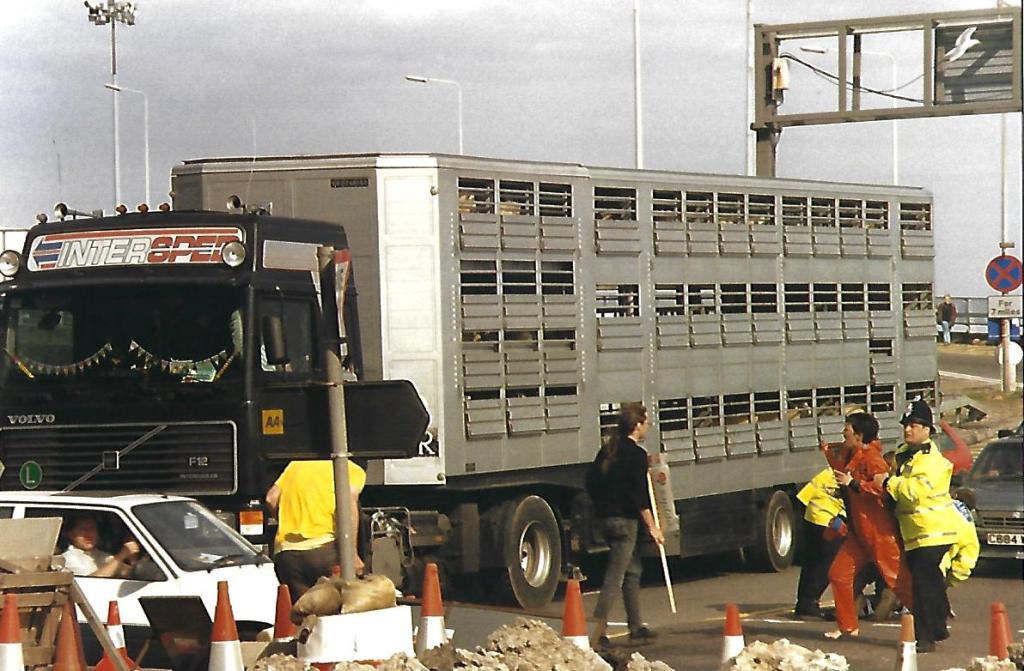
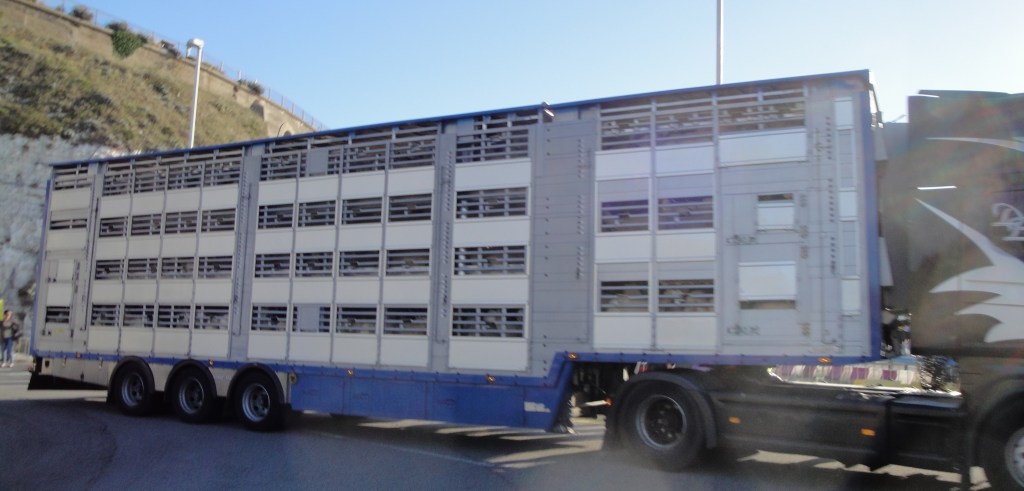
Photo – Val C. – the white box trailer pictured is full of LIVE SHEEP.

The EP recommends that, in future legislationjourney time for domestic animals going to slaughter should, in principle, not exceed eight hours except transport by sea, which is deplorable (§ 87).

Unfortunately, the EP also voted against amendments that would have called for a definition of journey time as the entire time of movement including the time of loading and unloading (§ 91), against the European Commission interpretation that “time spent for loading and unloading should be included as to establish maximum journey time”(1), thus potentially watering down the impact such a 8h journey time limit could have.

The EP also rejected amendments which would have forbidden the transport of pregnant animals at 40% of the gestation stage, and the call to ban the transport of very young animals (ovine, caprine or porcine, and domestic equidae) below the age of 35 days disappeared (§ 104). The limit of 4 weeks to allow transport remains only for calves.

We believe that the EP missed the chance to support systemic changes and failed in delivering citizens’ demands. Now our hopes lie with the EC and we entrust it to enable the replacement of live transport by a meat, carcasses and genetic material trade only. Not “as much as possible”, as in the EP text.

Reineke Hameleers, CEO, Eurogroup for Animals

WAV Related:

England: Is A Change In Campaigning Now Needed After the Massive EU (ANIT) Failures In Live Animal Transport This Week ? – By Mark (WAV). – World Animals Voice

ANIT Committee vote: An ANTI – animal welfare work – World Animals Voice 

Regards Mark

“Time to act” for EU Parliament!

by Animals ’Angels e.V.

Your voice for the animals: Calls on the members of the EU Parliament to limit animal transports to 8 hours!

An important vote will take place in January – every vote counts! The Greens / EFA have set up a website with a sample letter for this purpose: https://act.greens-efa.eu/de/tiertransporte. Animals ‘Angels also put strong pressure on the MPs before the vote.

To the background:
The EU laws on the protection of animals are finally being revised.
The “Animal Transport” investigative committee of the EU (ANIT) has already made recommendations on this and, among other things, has spoken out in favor of limiting “slaughter” animal transports to 8 hours.
That’s good, but not good enough.

Because long animal transports are torture for all animals, not just for animals for slaughter. ‘Fattening’ and ‘breeding’ animals should – if at all – only be allowed to be transported for a limited time.

Soon, in January members of the European Parliament will vote on the recommendations of the special inquiry committee for Animal Transport (ANIT).
This is our chance to limit animal transport.
We want to include an absolute maximum time limit of eight hours for the transport of live animals – and an even shorter time limit for young animals.

This is our chance to put an end to this cruel system of dragging animals all over Europe in horrible conditions.

We’re asking for:
-A complete ban on transporting unweaned animals younger than 5 weeks
-2 hours of maximum transport time for unweaned animals older than 5 weeks
-8 hours of maximum transport time by air and road
-24 hours of maximum transport time by sea
-A ban on exporting animals to countries outside the EU which don’t respect EU animal welfare standards.

But we need to do this together.
We need you to ask MEPs from other political groups to support our demands.

Send your MEPs an email and ask them to support the maximum of 8 hours for animal transport. Use our tool to select the MEPs from your country that have not yet decided which way they will vote.
If you’re in a rush, we’ve even prepared an email for you.

More about our “Time to Act” project, with which we are campaigning in the EU for a better law to protect animals during transport, at: https://act.greens-efa.eu/animal-transport
Please sign!

The more people express their support, the louder our demands will be heard!
That is why it is important to ask your friends to sign as well.

Petition: https://act.greens-efa.eu/animal-transport

And I mean…In January 2022, the European Parliament will vote in plenary on the report and the recommendations of the ANIT committee.
We have often reported on the betrayal of the investigative committee (ANIT) to the animals (https://worldanimalsvoice.com/2021/12/04/anit-committee-vote-an-anti-animal-welfare-work/)
The task now is to correct the bad work done by these well-paid EU officials.

The ship transports with animals, for example: they can take days or even months, and thus they do not violate EU regulations.
This was the case several times in 2021 alone, for example with the ships Karim Allah and Elbeik or with the blockade of the Suez Canal.
And yet those “responsible” for ANIT see no need in their report to limit or even stop these grueling journeys.

Road transport must generally be limited to a maximum of eight hours.
ANIT also failed there.

Through our mobilization and actions there remains one last hope, albeit a rather weak one, to convince the MEPs in the European Parliament not to turn a blind eye to the horror and cruelty to animals on the European roads any longer.

“Time to act” for EU Parliament!
The current EU regulation is out of date and inadequate in all areas: implementation, controls and consequences in the event of violations of EU regulations.

It would be a shame, after all the tragedies at sea and on the roads that have become known, to tolerate the irresponsible policy of the EU Commission in relation to animal transports.

My best regards to all, Venus

Belgium: Record Number of MEPs Demand An EU Commissioner For Animal Welfare.

10 January 2022

GAIA

Press Release

This is the most-signed thematic oral question tabled by members of the European Parliament (MEPs) in this term and beyond. The Conference of Presidents is now called to decide on its scheduling in a plenary meeting for the Commission to answer within the next three months, and on its transformation into a resolution.

Over 150 MEPs and more than 140,000 citizens recently expressed their support to the #EUforAnimals campaign, promoted by over forty animal protection organisations across the EU, which demands that more relevance is given to animal welfare by making this responsibility explicit in the name of the relevant Directorate-General and the job title of the competent EU Commissioner. In the present context, the Commissioner’s responsibility would become for “Health, Food Safety and Animal Welfare”.

Today MEPs have made history again by putting together – in impressive numbers – the foundations for a European Union that cares more consistently and constantly for animal welfare, as its citizens are demanding, by establishing an EU Commissioner explicitly in charge of Animal Welfare. The EU institutions should not miss this opportunity to ensure that their efforts will not be thwarted by a different attitude in future EU Commissions.

Michel Vandenbosch, President, GAIA

We thank enormously Mr Fuglsang and the other MEPs who tabled the oral question, which represents a milestone in the work for animal welfare in the EU. The acceptance of this proposal by the European Commission would be a natural complement to its present efforts, and we would be delighted to see Ms Kyriakides become the first EU Commissioner for Animal Welfare.

Reineke Hameleers, CEO, Eurogroup for Animals

A survey conducted in June by Ipsos shows that 70% of Europeans think there should be an EU Commissioner for Animal Welfare. While animal welfare is very close to the heart of European citizens, who constantly support initiatives aimed to improve the way animals are treated, the attention it has received within Brussels has fluctuated depending on the priorities of the Commission in office at the time.

We are fortunate to have a committed Commission at present, which has initiated a review of the existing legislation relating to animal welfare and has repeatedly announced its intention to prepare ambitious improvements for the years to come. However, previous Commissions’ actions on this front had been nearly absent, and this could be again the case when the next Commission starts operating in late 2024.

A new period of inaction on animal welfare should and can be prevented, and the way forward is clear: an EU Commissioner explicitly in charge of it.

ENDS

Notes

Text of the oral question:

Art 13 TFEU recognises animals as sentient beings. European citizens care about animals as testified by the Eurobarometer responses and would like to see their welfare improved through clear legislation, effective policies and the commitment of adequate resources. 

EU legislation on animal welfare has been elaborated since 1974, but the approach of the EU institutions has been inconsistent, contributing to the problem of poor enforcement on various fronts. 

The Commissioner responsible for animal welfare should receive more influence and powers in the EU institutions on this topic whose importance has been clearly acknowledged by this Commission. 

Over 125,000 EU citizens and over 120 MEPs from all political groups have already joined the #EUforAnimals campaign to demand that more relevance is given to animal welfare by making this responsibility explicit in the name of the relevant Directorate-General and the job title of the competent EU Commissioner. 

Presently, the Commissioner’s responsibility would become for “Health, Food Safety and Animal Welfare”, thus greatly supporting both legislative progress and proper enforcement. 

This would be a significant political decision leading to more accountability of the EU institutions for animal welfare and would therefore increase the consistency, effectiveness and impact of policy making in this field. 

One of the immediate effects of this proposal would be to establish a specific Directorate on animal welfare within DG SANTE, thus adequately recognising its specific relevance. 

  • Is the Commission planning to respond positively to this proposal? 
  • If so, what procedures aimed to implement it have been activated?

The oral question was promoted by Niels Fuglsang MEP (S&D, DK), with the co-promotion of MEPs Sylwia Spurek (Greens/EFA, PL), Petras Auštrevičius (Renew, LT), Manuel Bompard (GUE/NGL, FR), Sirpa Pietikäinen (EPP, FI), Michal Wiezik (Renew, SK), Emmanouíl Fragkos (ECR, GR), Anja Hazekamp (GUE/NGL, NL), Johan Van Overtveldt (ECR, BE), Emma Wiesner (Renew, SE), Maria Noichl (S&D, DE) and Francisco Guerreiro (Greens/EFA, PT).

Citizens who want to support this campaign can sign the online petition.

The full survey results can be found here

Regards Mark

EU- You have to ban animal transports to third countries-an open letter

The animal welfare network KRÄFTE BÜNDELN (https://www.tierschutznetzwerk-kraefte-buendeln.de/), is an amalgamation of over 20 animal welfare and animal rights organizations that are involved in joint publicity projects and use actions for a sustainable approach to nature and for an end to animal exploitation.
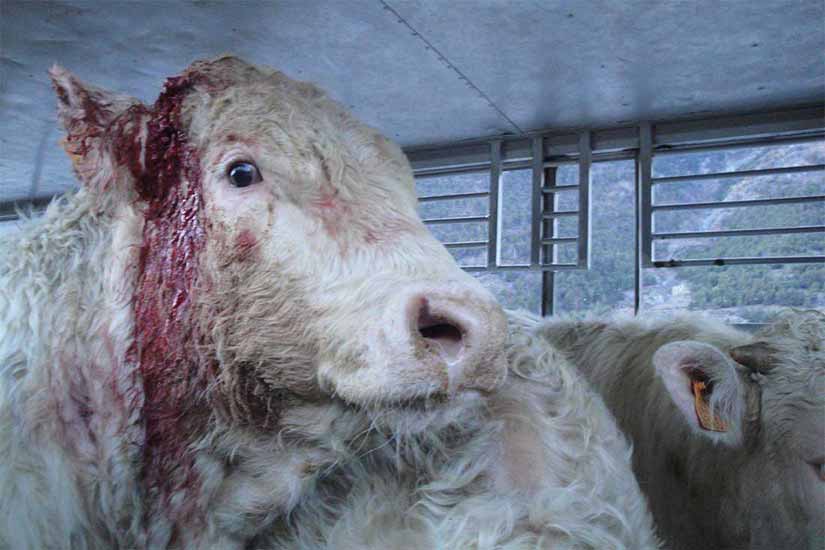
For 18 months, the ANIT committee had NGOs and experts paint a gloomy picture of animal suffering on live animal transports (We had already reported about this: https://worldanimalsvoice.com/2021/12/04/anit-committee-vote-an-anti-animal-welfare-work/

The recommendations resulting from the final report are inadequate and unacceptable.

With the attached open letter (see below) we, the animal welfare network, which is a bundle of 20 animal welfare and animal rights organizations, have asked the members of the European Parliament not to be satisfied with the ANIT recommendations but to refuse their consent for the transport of live animals to high-risk countries.

The EU Parliament should now only vote on marginal changes to this exploitative system.
This is why this animal welfare network has written an open letter to the EU Parliament.

I have partially translated the letter, the full one is in the link: https://820805a0-5ad0-4cb2-bc9e-581be8b5ff3c.filesusr.com/ugd/d8e3c6_a1c9ede787cb489a93c6ab864481b751.pdf

The letter

Dear members of the ANIT committee,
Dear Members of the European Parliament,

We, the signatories from the animal welfare network, would like to express our position on the recommendations of the committee of inquiry in connection with the protection of animals during transport (ANIT) to the EU Parliament….

For us and many citizens it is incomprehensible and highly irritating that both the report of the committee of inquiry and the proposals for the recommendations of the EU Parliament are in principle in favor of continuing long-distance animal transports to third countries outside the EU.
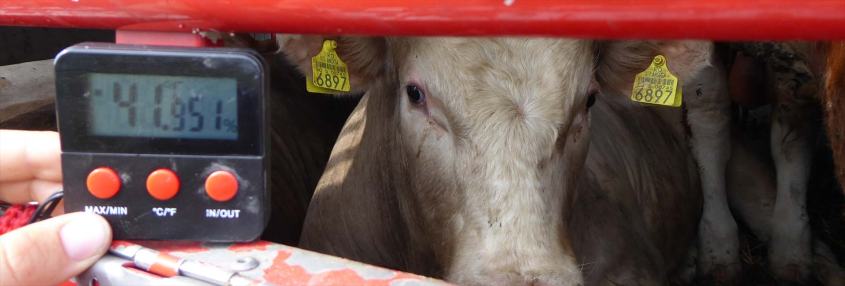
For many years, numerous documentaries have attested the unimaginable suffering of the animals through horrific conditions on the routes and through brutal handling of the animals on the daily, often weekly and not infrequently 7,000 kilometers long transports by land and water.

Although recognized experts have reported on it to the ANIT committee in a factual and technically competent manner, the horror of these transports is only inadequately reflected in the report and the suggestions for the recommendations.
There is no clear recommendation to end animal transports in animal welfare high-risk states Report of the ANIT committee, however, in full.
An “embellishment”, i. H. just a slight gradual improvement in cruel animal transports is not a solution.
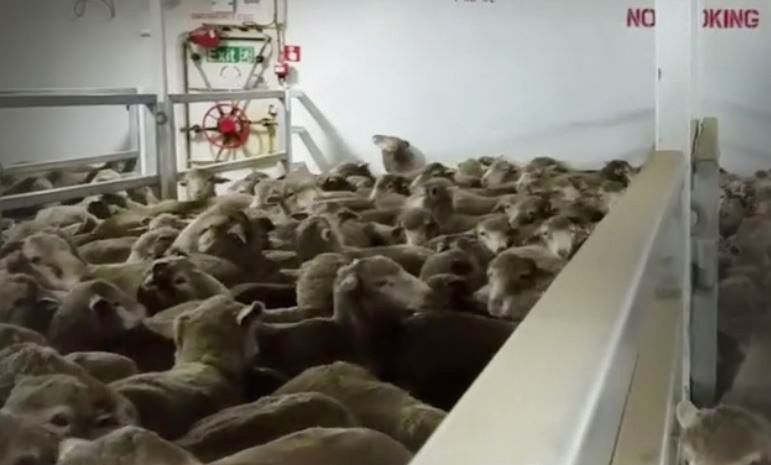
In this way, an agricultural system is maintained that is in a constant cheap and growth spiral and thus constantly too many animals are produced that are “disposed of” via these transport routes in third countries.

For us it is incomprehensible and technically simply wrong if the only theoretical notion of animal welfare-compliant care on these routes and in is maintained in the target countries and used as an argument.

In fact, these transports are neither feasible nor controllable according to European standards.
Last but not least are the ones that await the animals at the destination environmental, husbandry, handling and almost without exception slaughtering conditions (shafts) without stunning ethically unjustifiable and must lead to the termination of these transports
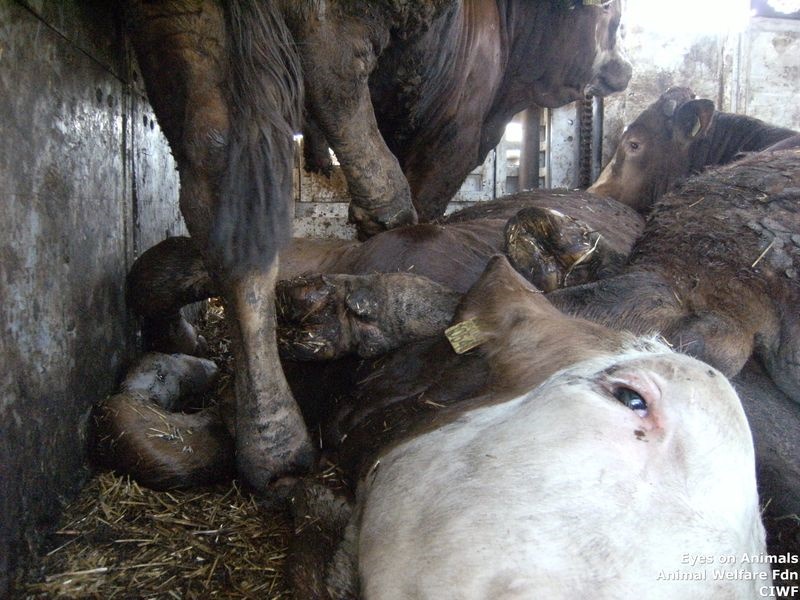
[…]It is always emphasized that the EU is a “community of values”. This also means protecting the weakest and not exploiting them for particular interests in order to achieve the highest possible profit.
Given what animals suffer on these transports and what they suffer in countries like Egypt, Algeria, Armenia, Azerbaijan, Iraq, Iran, Yemen, Jordan, Kazakhstan, Kyrgyzstan, Lebanon, Libya, Morocco, Mongolia, Russia, Syria, Tajikistan, Turkey , Tunisia, Turkmenistan and Uzbekistan expected, the term “community of values” is just an empty phrase.
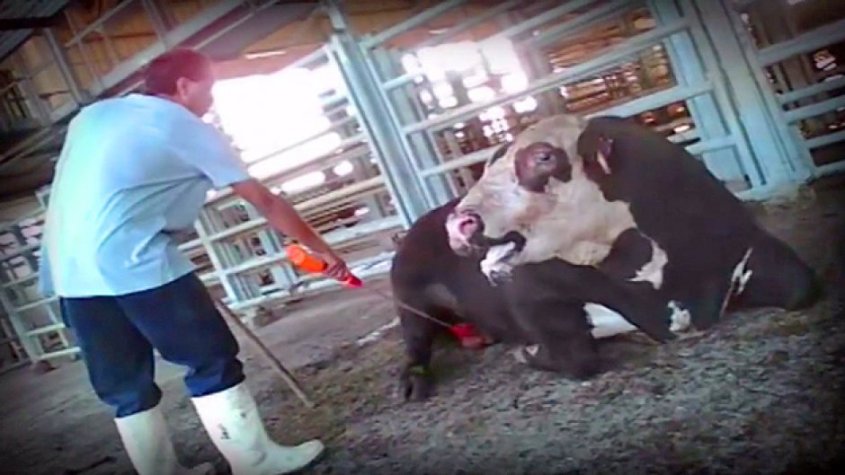
In order to do justice to this concept, we have to grant the animal a dignity as a fellow creature and treat it with respect.

Animals may no longer be viewed and treated as any commodity, often even mistreated.
The German Ethics Council formulates in its opinion: “The described animal ethics criticism corresponds to the observation that, irrespective of the legal admissibility, the industrial breeding, keeping, slaughtering and exploitation of farm animals practiced today does not correspond to the predominant social sense of morality and justice.”

With regard to a further vote in the EU Parliament in January, we urge everyone to take responsibility for a different approach to animals.

The facts are all on the table, the ANIT committee received reports from competent and highly qualified experts for 18 months – there is no lack of knowledge and there is therefore no reasonable reason to continue transporting live animals to third countries.
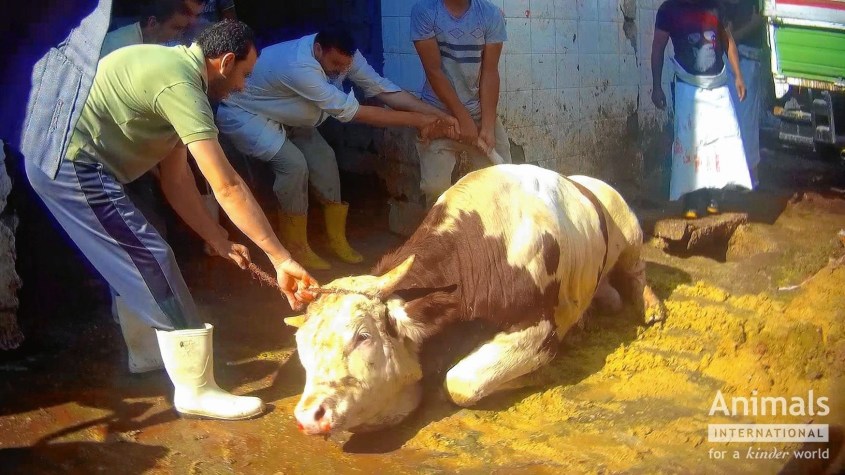
The only logical and ethically justifiable conclusion is a general ban, both with regard to animals for slaughter and animals that have been rededicated as breeding animals.

It is easy to replace these with meat transports or the use of frozen semen.

Until then, we will continue to advocate a full moratorium at member state level.

With resolute greetings

xxxxxxxxx

And I mean…We fully support this letter! And will immediately report on reactions or developments, if any come.

There is no such thing as a “community of values” with regard to the EU.
Because the EU lacks a very essential element -that is respect for their citizens who have voted and fought with numerous petitions for the abolition of animal cages, animal transports and, last but not least, animal experiments.
Behind this is the arrogant attitude typical of the EU, which will soon cost us many animal lives again.

So far, EU citizens have been treated with ignorance and indifference by this “community of values”.
The actors who determine animal welfare in the EU are the worst agricultural lobbyists and therefore the decisions are directed against the interests of EU citizens and against animal welfare, in every respect.

The EU has a massive democratic deficit.
Something like trust is no longer so easy to establish.
The only solution for the EU is: it has to go

My best regards to all, Venus
England: Live Animal Exports 28/12 – Campaign Memories By Mark.

Making efforts to stop live animal transport / live exports campaigning has played a large part in my life for the last 30+ years.  Maybe too large a part; there have been costs in other ways for sure ! – but would I do it all again ? – you bet.

As a follow on to my previous posts:

England: Memories – a personal experience. By Mark. – World Animals Voice

England: Live Export Memories. – World Animals Voice

I think maybe it best to let the pictures (mainly from my own personal archive) tell some of the story themselves a little more; I have added notes to pictures where I think applicable.

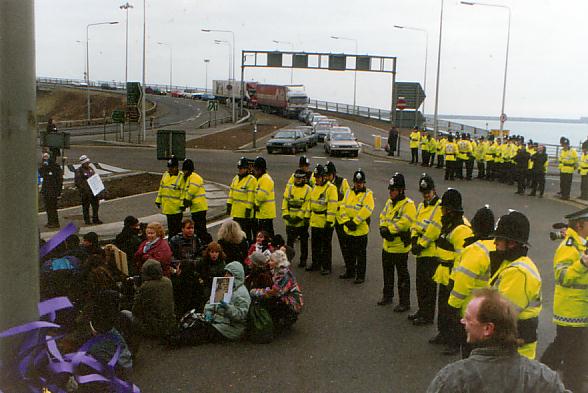
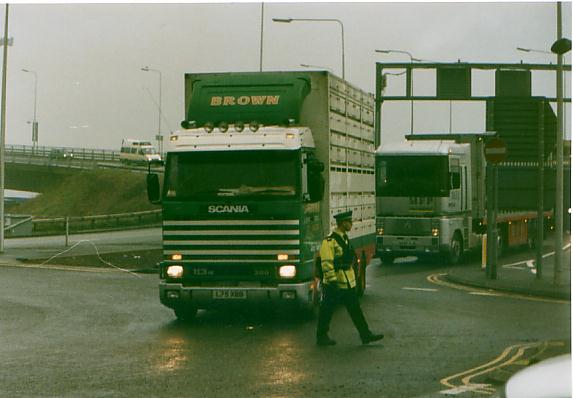
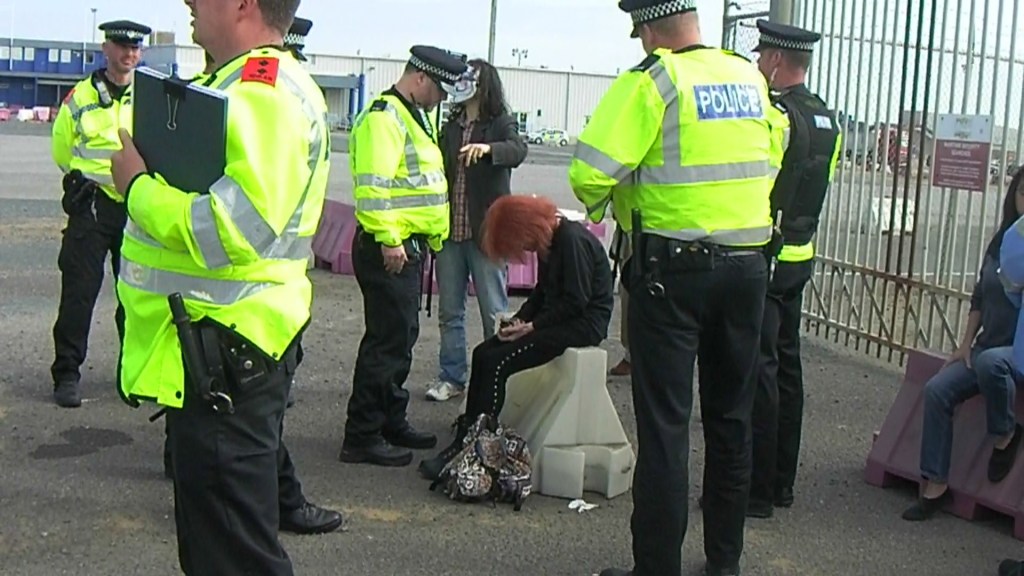
Above – ‘The Daffs’; our term for the exporter protecting police; looking like Daffodils in their bright yellow tops.  Don’t you think ?

Our Dover export protests backdrop – the famous White Cliffs.

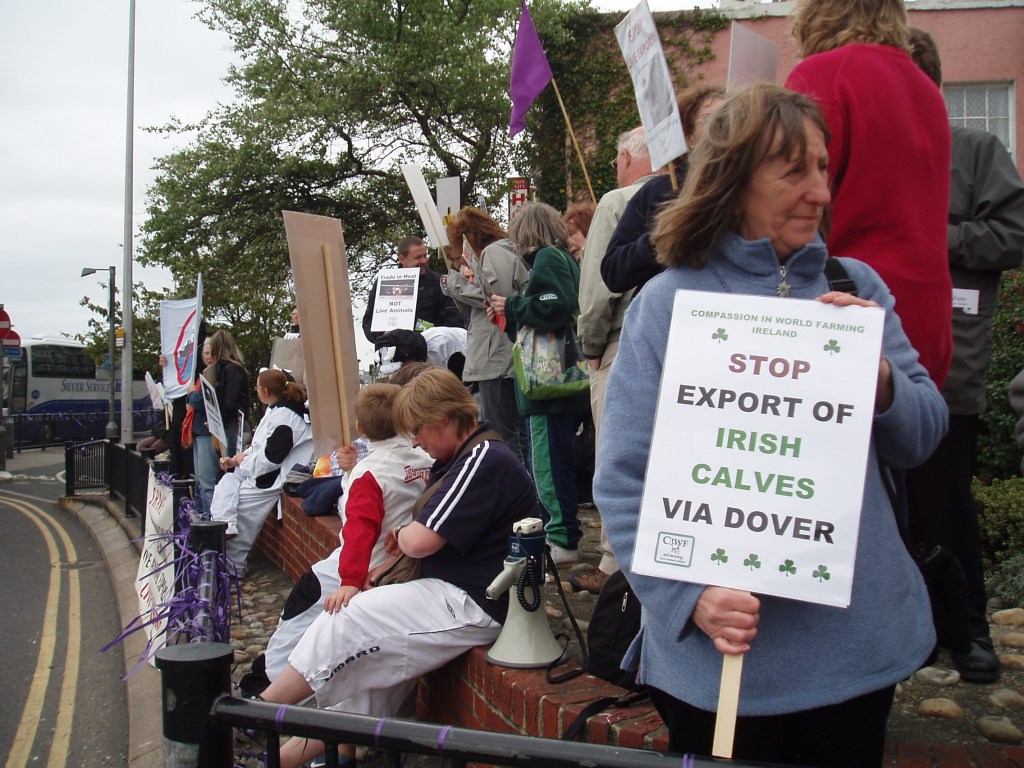
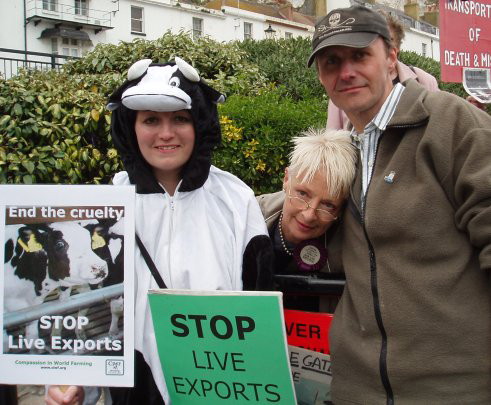
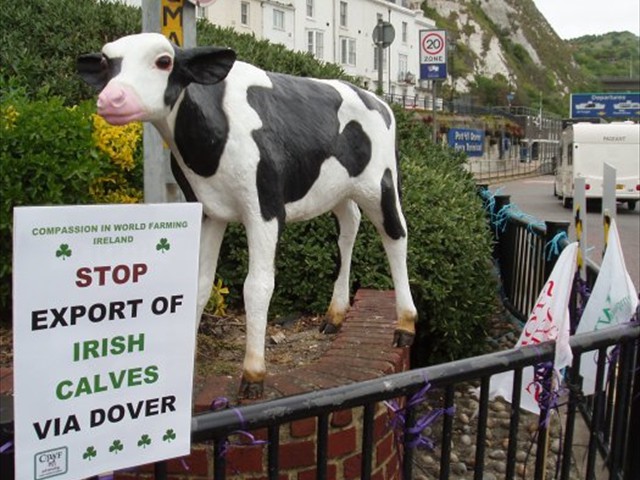
People against the live animal export trade were always at Dover in one form or other; one livestock driver famously quoted “they appear out of holes from everywhere – like bloody rabbits in the grass”; Dover was the main port used for export of live animals; until the protests eventually stopped the major cross Channel ferry companies taking the trucks as part of their business.  A very big win for the anti export movement.

Mrs Plod makes sure I behave !
Dover – a battleground for live export protests.

When the ferry operators shunned the trade, which always was the easy route for the hauliers over the Channel things changed drastically.  They (exporters / hauliers) were then forced, with no other options, but to charter their own vessel(s) to get the livestock transporters over the water into Europe.  In addition to the costs of chartering a boat, they also needed a pilot to get their ship into and out of port; so the costs mounted in several ways. 

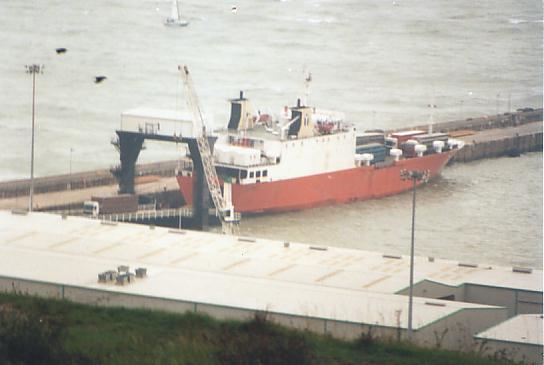
One of the ships that had to be chartered for live export trucks to be carried – see them on the top deck.

It was hoped these spiralling costs would eventually be the death knell for the trade; and it was, until Dutchman Onderwater suddenly stepped in with his own boat; an ex Russian river battle tank carrier called the ‘Joline’; to start the live animal trade from Ramsgate, another Kent port.  The Joline was a bathtub of a vessel (designed for river usage) and totally unfit for carrying transporters (and their animal cargo) over the choppy waters of the English Channel.  Fully loaded, it was low in the water; very low. It carried nothing else apart from livestock trucks and their drivers.

The ‘Joline’ – unfit for Channel crossings, but used to carry trucks nevertheless.
A loaded Joline arrives at Calais (France).
This image has an empty alt attribute; its file name is joline-1.jpg
A loaded Joline in the Engllsh Channel.

As an activist at Dover, you could be in the docks yourself doing some monitoring work, when without doubt you would always without fail; bump into a fellow campaigner there also doing some ‘sniffing round’.  It was a kind of brotherhood; a quick chat and then off again into the darkness to do your thing. 

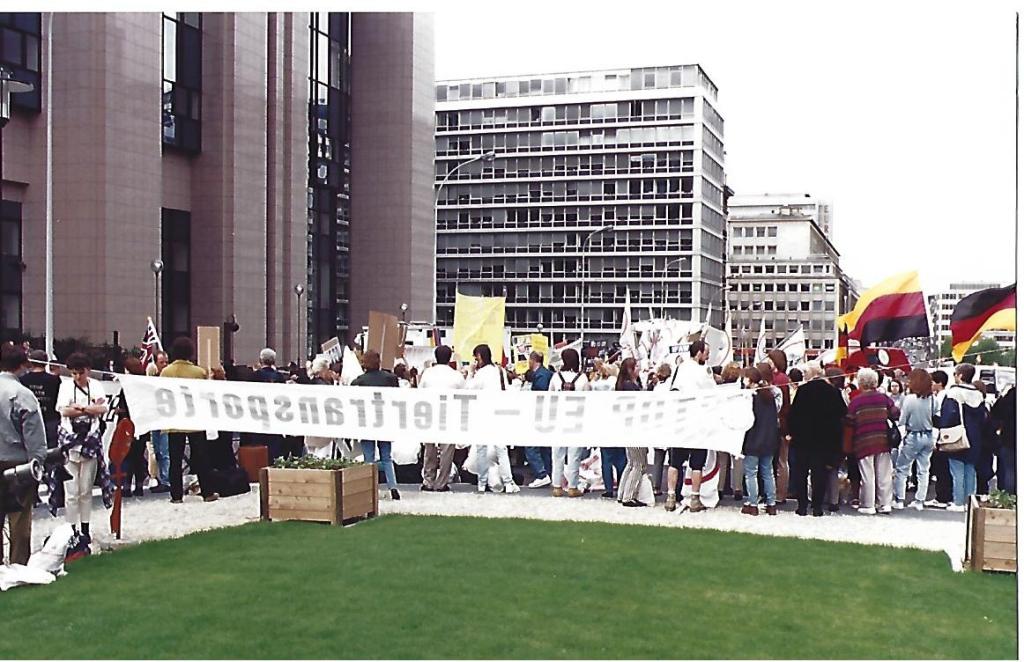
As campaigners, we also headed into Europe quite a lot, regularly going to EU Brussels to vent our anger.  In one photo you can see the large German anti export contingent who protested there with us.  Euro citizens with a simple united cause – to try and stop the trade.

Our friends the German anti export campaigners – Brussels.

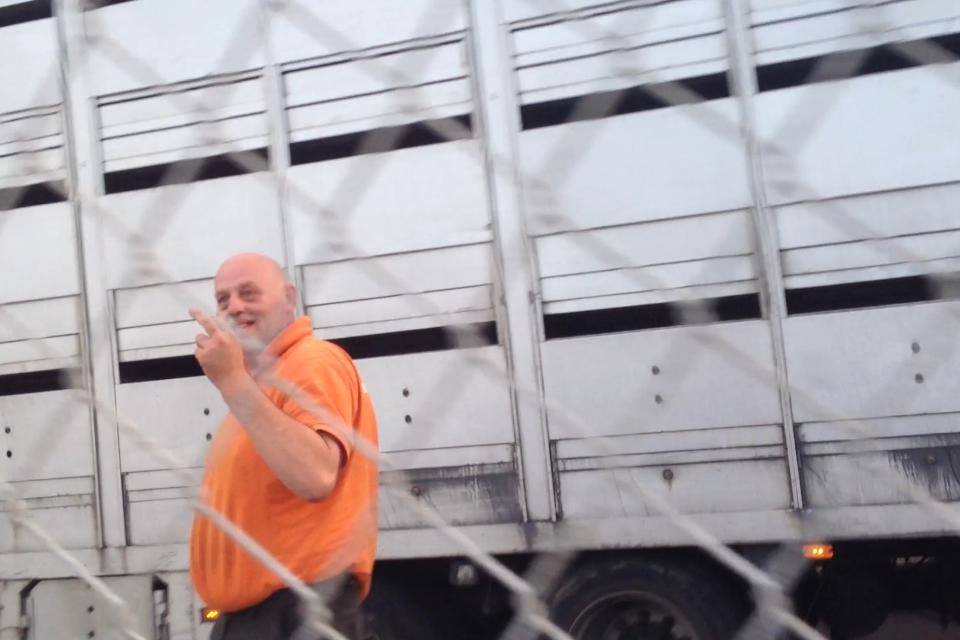
A livestock driver sends us his best wishes.

As a member state of the EU ‘club’, the UK was never allowed to ban live animal transport; even though it really wanted to due to pressure.  Now it has left the EU via Brexit, it has taken back its own control rather than be dictated to by un elected Commissioners.  Within a year the UK has held a consultation, and is now in the process via Parliament of banning all live animal exports.

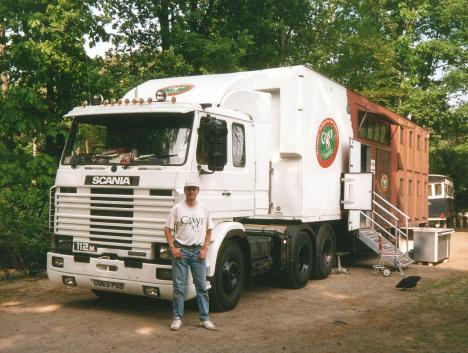
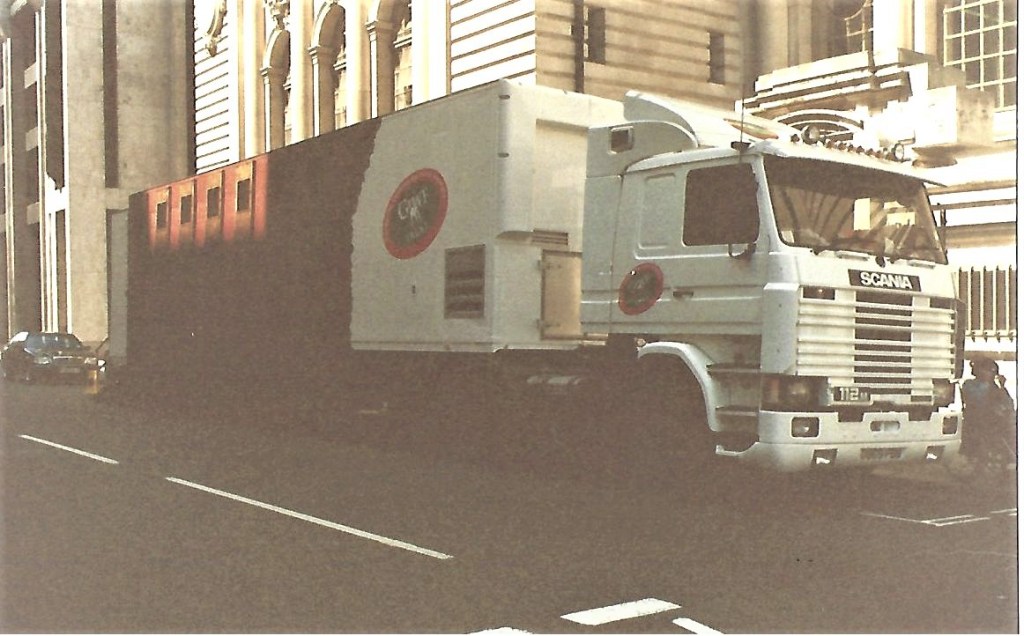
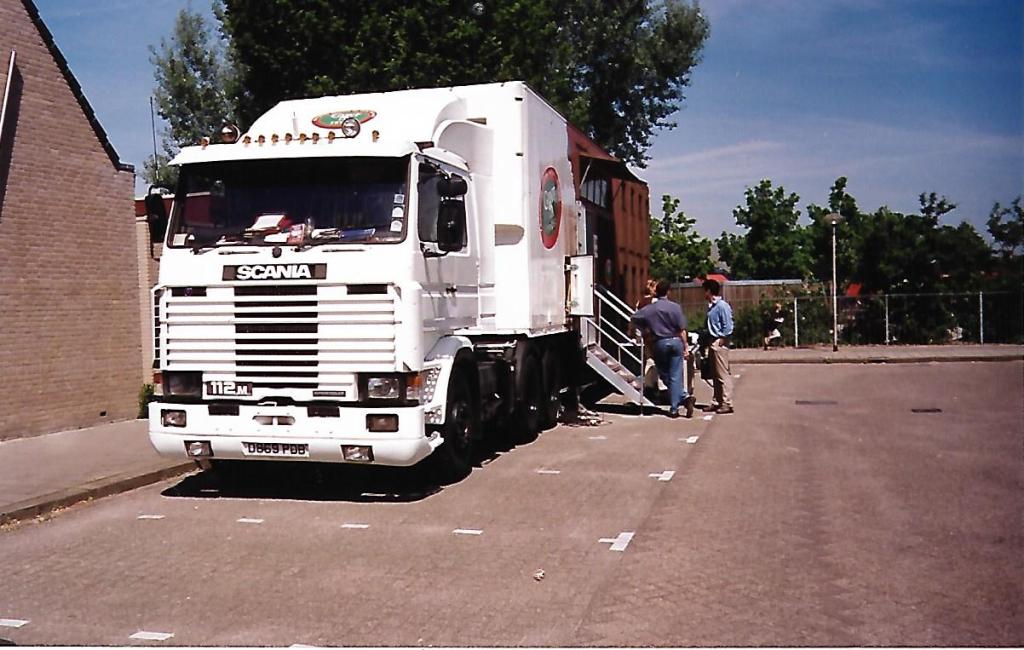
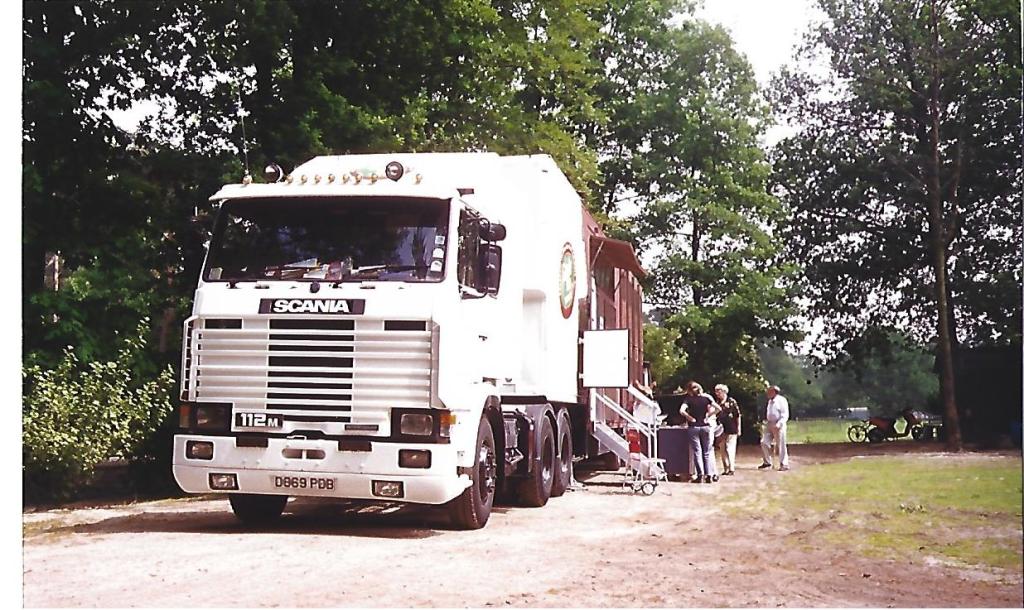
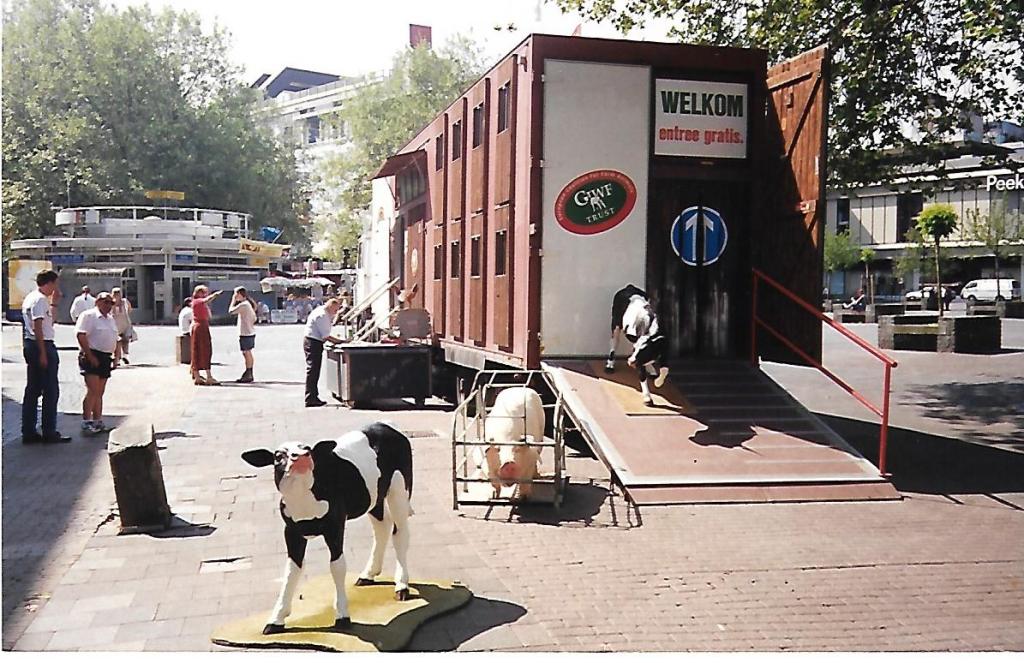
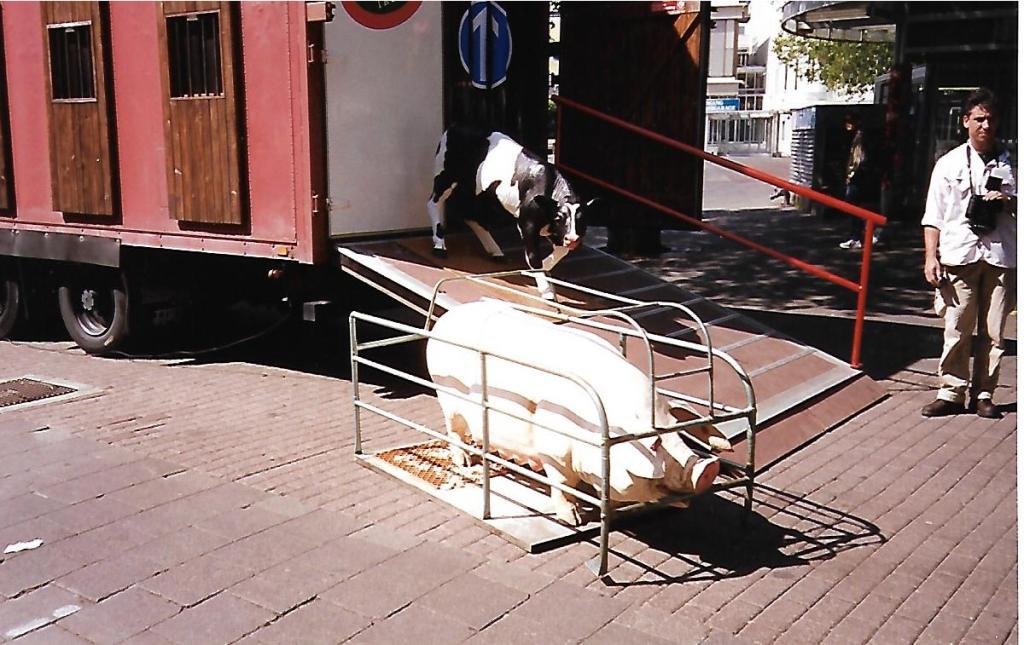
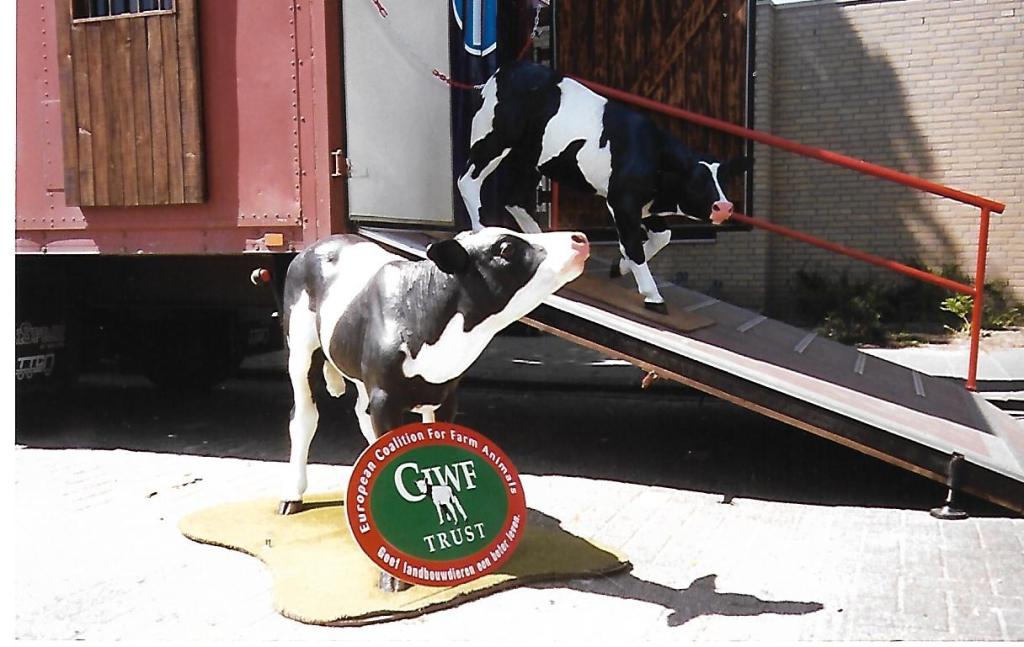
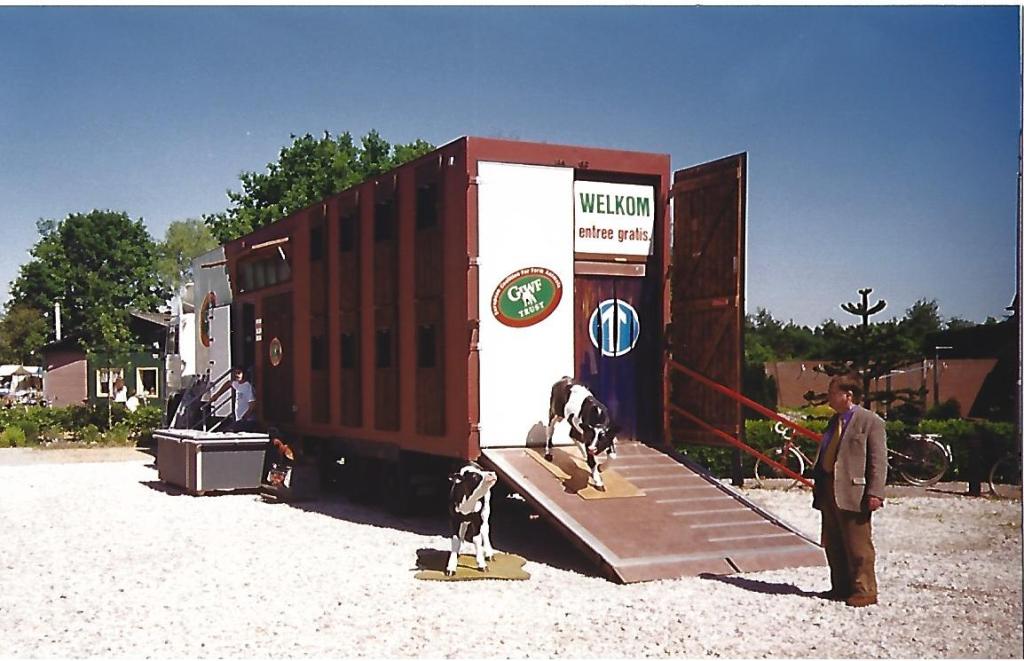
Working with CIWF who are based in London, the ‘intensive farming tour truck’ was taken all over Europe; informing people of the horrors of the systems.  In the pictures you can see it in the Netherlands leg of the tour, which I took part in.  In Amsterdam, we were very fortunate to be granted permission by HM he Queen to set the truck up for the display in front of the royal palace; for which were are very grateful to her majesty.  With the tour truck, you always entered from the rear; immediately joined with the calves in transport; then moved into the next section which was a simulation of a typical battery farm.  Then you moved on again into an intensive pig unit, complete with sow stalls and cages.  Videos played all the time showing the real reality of all these systems.

The intensive farming tour truck parked up at a London demo.
In the Netherlands – parked up and ready for another days school visitors.

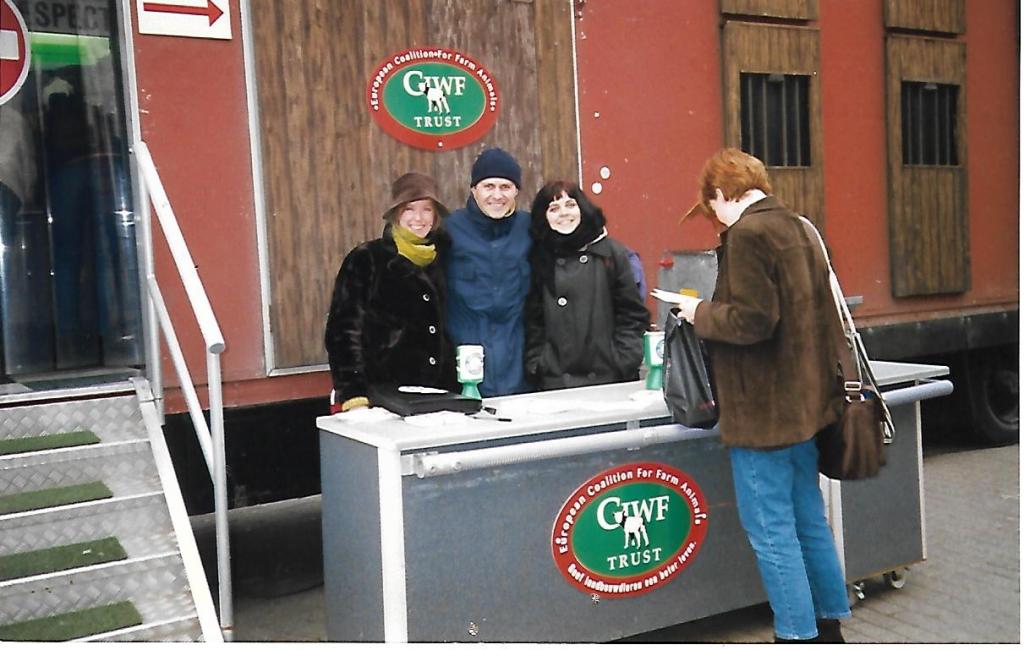
Finally as you walked to the front of the trailer, you moved into the ‘refrigeration food zone’, which showed all the veggie and vegan options for the modern shopper at the supermarket which does not involve all this cruelty.  See the truck from the outside, a livestock transporter for most, moving into the meat free shopping white refrigerated section at the front.  Once you had experienced it all, you came down the front steps to the desk outside and added your name to all the petitions we had.

The Tour Truck in the Netherlands.
Tour Truck enter from rear.
Netherlands – Nanda, myself and Monica wrapped up for the Winter tour.

Welkom – Warm sunny days on the Dutch Summer tour.
Enter at the rear and join the calves in transport.

The Netherlands tours were held in both winter and summer.  That winter it was freezing; one of the coldest in Europe for a long time; you can see Nanda, myself and Monica getting ready outside for a cold signature session.  I am in the middle with the black beanie – the thorn between the 2 roses you could say !  It was Nanda (on left) who really got me into eating Falafel; which is still a favourite food of mine today.  But the summer tour was oh so great with constantly good weather; we even took some time out to sniff around and investigate the veal facilities that British calves were being exported to at that time.  I have some great memories of being on the road with John C; who like all the best people, went fer too soon:  England: Another Terrible Loss – John Callaghan. – World Animals Voice

John – one of the kindest blokes.

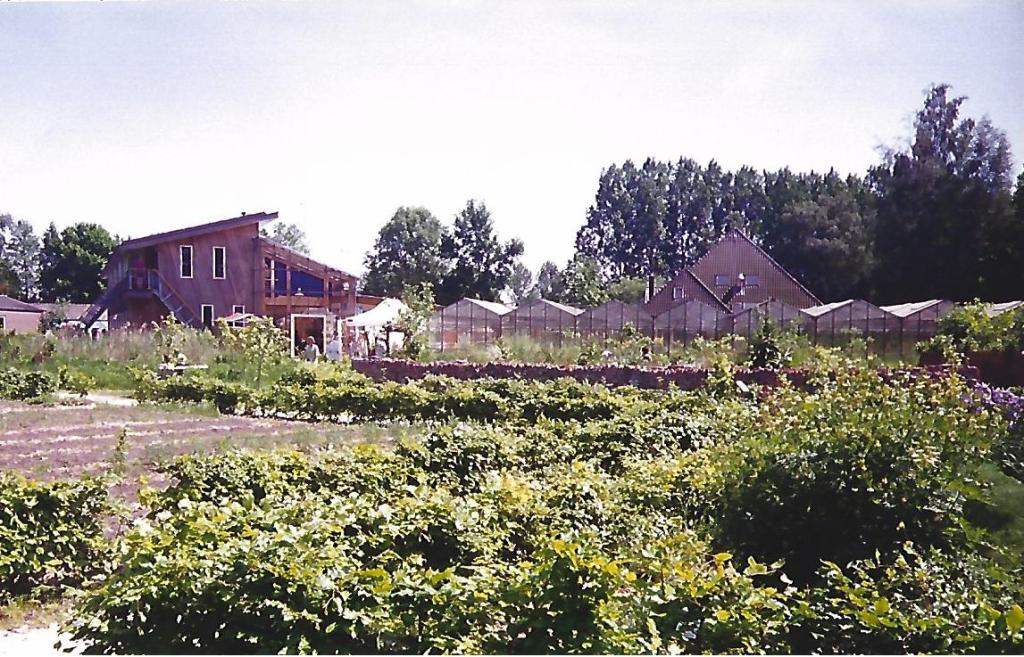
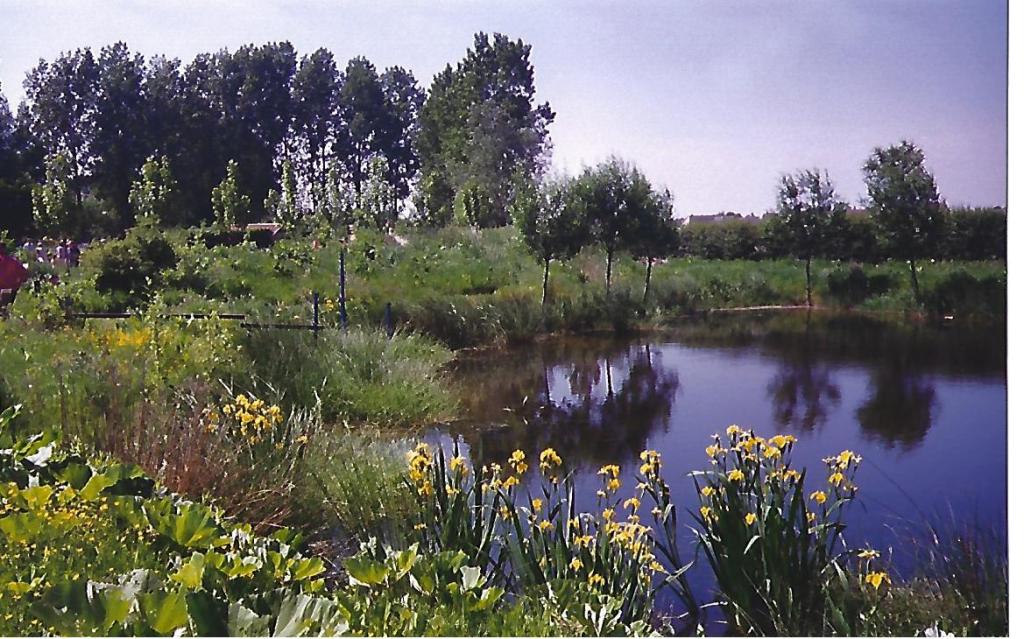
We had a busy schedule with the truck at the many pre arranged events – visiting schools, colleges and other facilities to inform students and the public about the realities of the intensive farming business.  On some days, we visited (under invite) major eco facilities such as the wonderful ‘De Kleine Aarde’ to inform people, and also to see their wonderful ways of being ‘eco’.  de kleine aarde – Bing images

De Kleine Aarde 1
De Kleine Aarde 2

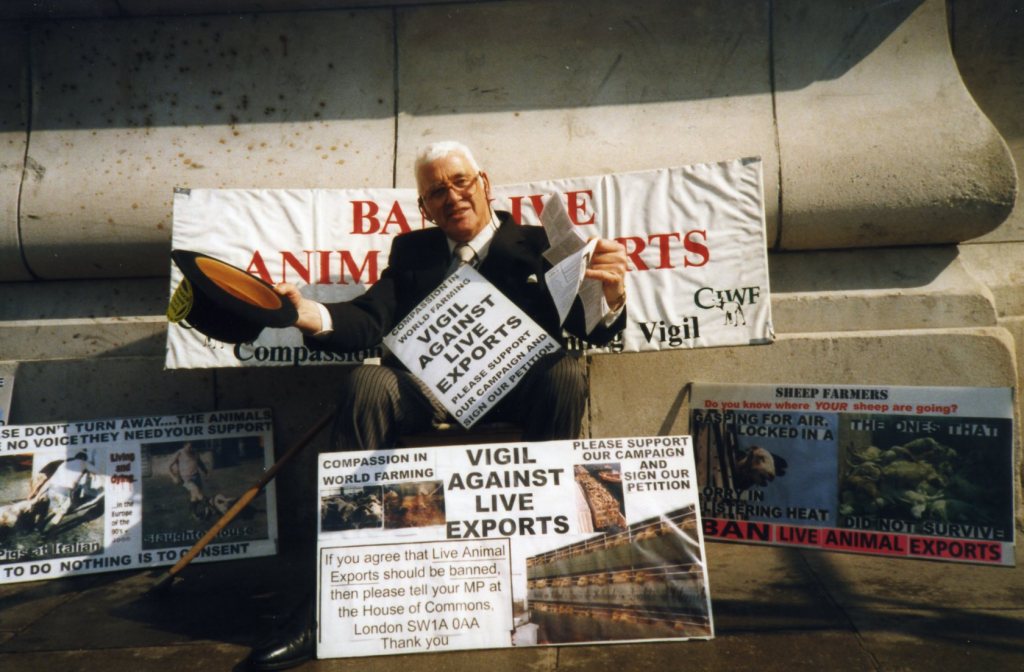
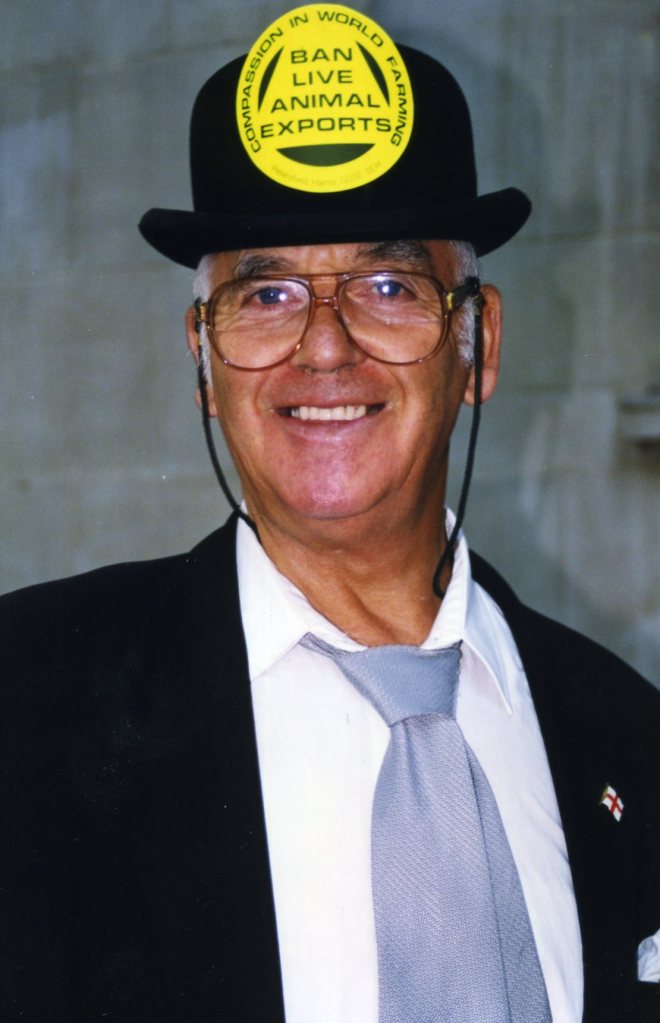
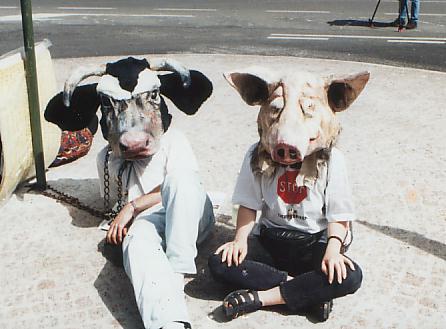
Back in rainy ol’ London town; organised by friend Liza; we also kept the daily vigil against live animal exports going at the bottom of the steps of the Ag. Ministry in Whitehall.  A very regular was my good friend Mike who used to dress up as a city gent, whilst mopping down the front steps of the Ministry, telling then to ‘clean up their act’ when it came to live animal transports.
Mike does his bit in London with the daily ban live export vigil.
Wonderful Mike (RIP)
Liza (middle) – the London Vigil Organiser (Blonde middle) with me and Ellie.

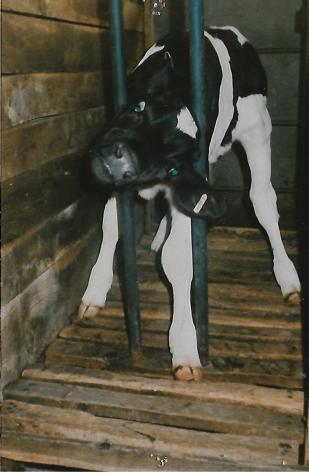
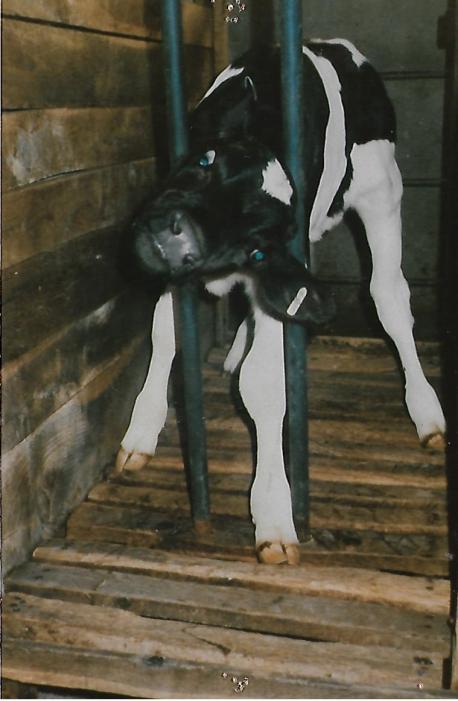
Why do it ? – well take a look at the photo of the British (exported) calf being restrained in a foreign veal crate.  I don’t need to say any more, other than that is why we did what we did.

Veal EU 2
This is why we do it !!!
Photo – Jane
My great campaigner friend Jane – surrounded by Daffs !

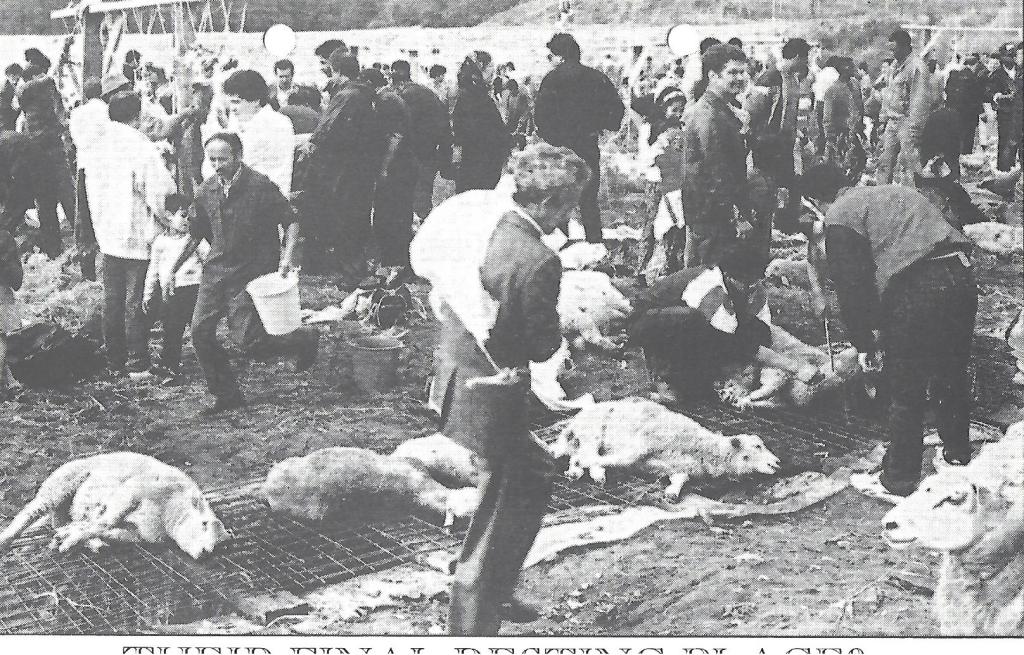
The festival of Eid (still goes on each year, but not as shown now); saw thousands of British sheep being exported to France for ritual slaughter.  As you can see in the black and white photo; simple trenches were cut into the fields, wire laid across, and the sheep put onto them.  The sheep’s throats were cut without any stunning, and the blood left to soak away into the field trenches.  Citizens would attend these events and buy sheep meat to take back home for their Eid meals.  Friends of mine who were there to witness the situation, often spoke of being on public transport buses, and witnessing blood dripping out of black sacks onto the bus floor from the sheep carcasses they had just purchased and bagged up.  Eid was a very bad time for live export campaigners; and has been until very recently, with Dutch exporters coming to the UK to purchase live sheep for Eid festival celebrations.
British sheep are ritually slaughtered in the French (Eid) killing fields.

Fortunately, now the UK has left the EU, we can make our own laws, and are currently waiting for new legislation to get approval in Parliament which will see all animal’s being stopped from being exported live to Europe, for both slaughter and also for further fattening. 

The Joline sails with transporters – Val C

Has it been worth it ? – after some 35 years of campaigning; I say that every minute was worth it for the place we (UK) have arrived at now.  Things in the EU are still bad, so much effort is to now be shifted there.

Education of people and exposing the realities is the real thing now; 20 years ago we did not have the internet at our door, petitions were not online; but in todays world we can now show everyone at the flick of a button the real abuses and suffering.  Education is key to change – so please get out and educate !

Regards Mark

Brussels export demo.
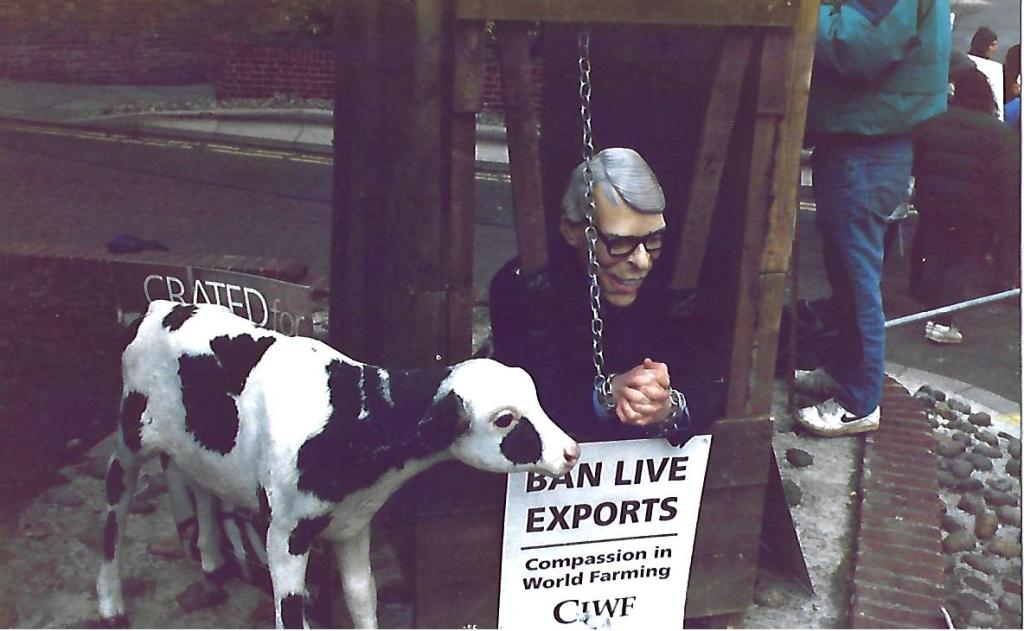
Dover – we liberate the veal calf from the crate and stick the British PM John Major into it instead.

You can read a bit more about live export work and my seal / horse export work; and see the Serbian stray issue at my old Serbian animals campaign site:

About Us. | Serbian Animals Voice (SAV)