Category: Live Transport

England: Why The Young Calf Export Trade Bums Me Off !

WAV Comment – Around August 2010 I was very involved with investigations undertaken on the very same issue which is detailed in Caroline’s article below – the export of young Irish calves to mainland EU via Cherbourg port which is in France.

Here is a link to our other site – ‘Serbian Animals Voice’, which provides an example of the overall issue and a specific investigation report relating to the work.  If you just wish to read the report, then here is a direct link:

Microsoft Word – JH.04.03.2010_REPORT on NON-COMPLIANCE with RESTING TIMES in relation to CONTROL POST at F-HEAUVILLE.doc (wordpress.com)

Main link with pictures to this:  About Us. | Serbian Animals Voice (SAV)

Working with other EU animal welfare organisations involved in these 5 investigations, I wrote a 125 (A4) page report which detailed all the work and its findings.  This was presented (as an overall one off report) to the EU, British MP’s and MEP’s (at that time the UK was still an EU member state).  As Caroline details, the ferry crossing from Ireland to Cherbourg can be long – much too long for baby calves who should be given milk from their mothers on a very regular basis.

Our work found that one targeted crossing of calves on the ferry ‘Diplomat’ lasted 23 hours.

This vessel sailed from Rosslare on 28th November 2009 at 1600hrs

The other carrier ferry which was selected to be investigated, was the ‘Celtic Link’, which sailed from Rosslare on 28th November 2009 at 1815hrs, and the actual sailing time was 17.75 hours.

Important – only the sailing times for the ferry crossings (Rosslare-Cherbourg) are given above.  These times are without the additional hours taken for transporters to journey from the original point of animal loading to Rosslare harbour, and once the ferry crossing has been made, the additional hours taken for transporters to journey to approved Control Posts in France once they had alighted the ferry at Cherbourg.  So in reality; the times the calves were on truck was longer than that given above.

Once the calves finally arrived at their control post (feeding destination), they were supposed to be unloaded and rested up for many hours in accordance with EU Regulations.  THIS DID NOT HAPPEN; and as you can read in the report link given above, exact arrival and leave times were recorded for several transporters carrying the calves.

Despite all this work and the long process of putting an overall report together, our evidence was simply dismissed by the EU; the trade in calves continued, as it does now, eleven years later, and I think I can safely say that all the rules are still being flouted.

This, and for many other export ‘things’ I have been involved with, is the simple reason why I have NO FAITH in anything that the EU preaches when it comes to legislation and the supposed welfare of animals.  Animal welfare and the EU do not fit in the same box; we have proven it and all our evidence simply dismissed.

Does it anger me ? – yes, greatly; but it gives me even more impetus to research, investigate, and report on the issue of live animal exports.  I think all the recent issues we have seen in Europe and the Suez Canal go to show what a sick and perverted bunch the politicians are who rubber stamp this mass animal abuse to happen.  I promise that I will do everything in my power to expose the abuses !

Regards Mark

PMAF Inv 7

PMAF Inv 5

Opinion: Vulnerable unweaned calves need protection in our export trade (thejournal.ie)

Opinion: Vulnerable unweaned calves need protection in our export trade

Animal welfare campaigner Caroline Rowley outlines why she is challenging the State’s enforcement of EU law to protect farm animals exported abroad.

WE ARE CONSISTENTLY told by the State that the live export of farm animals is a highly regulated industry, with high welfare standards and care for the animals.

Yet investigations by animal welfare groups in Irish and other European countries have pointed to breaches of EU animal welfare stan

dards, as well as evidence of sickness, injury and death among cattle and calves exported to Europe and further afield.

One area of particular concern is the export of unweaned calves, thousands of which, at just 15 to 21 days, are sent on long journeys to veal farms in Europe where they are slaughtered at a few months old.

Exports have grown in recent years; largely as a result of the uncontrolled expansion of the dairy industry that is producing an increasing number of male calves that the sector has no outlet for.

  • Noteworthy wants to examine if we are turning a blind eye to animal welfare concerns in the live export trade. Support this project here.

A long and difficult journey

European regulations state that animals should not be transported for more than eight hours; however, there are derogations for longer journey times so long as certain conditions are met around rest and feeding times.

In this case, unweaned calves can be transported for nine hours, after which they must be allowed to rest for one hour and be given water and feed as required. The calves can then be transported for another nine hours after which they must be unloaded and fed.

good practices guide published by the European Commission, for example, states “young calves have to be provided with feed/water after as little as 8-9 hours”.

In reality, however, welfare groups have documented cases where calves are in a truck at ports after nine hours and are still on the ferry after 19 hours.

The ferry journey alone is 18 hours and often trucks transporting the calves are at the port for four or five hours before departure time.

Journey logs released under FOI, for example, show the calves have been put in the trucks for around 30 hours before being unloaded and fed at the resting point in Cherbourg.

Negative impacts of the journey

There are also serious concerns about feeding of the calves. At 15 days old, calves are dependent on a liquid diet and need milk or milk replacer at least twice a day.

As there are around 300 in each truck over three levels, it is not possible to access all calves to dispense the milk. In essence, many weeks-old calves are going 24-30 hours with no feed.

Leaving unweaned calves for long periods with no feed can cause all kinds of health and welfare problems. They have little body fat in reserve and the stress of transport means they burn energy at a faster rate than they would on the farm.

They cannot regulate their body temperature effectively and calves that receive no feed during a long journey will be more susceptible to cold and heat stress.

Young, vulnerable calves do not have a fully developed immune system and the lack of feed has an adverse impact further compromising immunity.

RELATED READS

16.06.16Opinion: Allowing animals to be exported from Ireland to Turkey is no victory

30.10.14Irish cattle bound for Libya are being ‘beaten, stabbed, dragged by the eye sockets’

27.10.14Interactive map: Here’s where all our live sheep and cattle exports go

Transport is inherently stressful and it is essential that the calves be supported during the journey by receiving adequate nutrition.

To leave them without feed for up to 30 hours will compound the stress of the journey and further compromise their immune system.

Time for Europe to take action

All transporters, including ferry companies, have been authorised to transport livestock by the Department of Agriculture with certain obligations to ensure that the transport of animals is conducted in line with the requirements under EU regulations.

Based on the evidence that we have collected, together with other organisations, we have submitted a formal complaint to the EU Commission against the Department of Agriculture for what we see as failures to take appropriate action in relation to potential breaches by ferry companies whose authorisations we argue should be revoked.

There is currently a committee of inquiry underway in the European Parliament to examine long distance transport of animals, if the regulations are fit for purpose, and how well they are being enforced. The live export of unweaned Irish calves is something that we hope is high up on the agenda.

There is something inherently wrong with a system where calves are born just to be killed, and something wrong with a society that allows it to happen.

Caroline Rowley is the director of Ethical Farming Ireland that campaigns for improved conditions for farm animals, more sustainable and ethical farming methods, and opposes live exports.

mark 3

You know; with all this kind of thing every day I have to chill out for a while; and music is (amongst other things) a saviour. Sometimes I need to share some music with you as I know you get affected by it all also – you have to get away sometimes, even if for half an hour or less; so enjoy !

Mark

EU / Romania: 30/3/21 – Some 200,000 animals trapped in Suez canal likely to die.

30/3/21 – Some 200,000 animals trapped in Suez canal likely to die

By CRISTIAN GHERASIM

BUCHAREST, 30. MAR, 07:04

Due to the blockade of the Suez Canal, 200,000 animals are stuck on ships without enough water or food (Photo: Animals International)

The worst maritime animal welfare tragedy in history could, by now, be unavoidable, says Gabrile Păun, the EU director for Animals International, an NGO.

There are 16 ships taking live animals from the EU to the Persian Gulf which have been stuck for several days behind the stranded ‘Ever Given’ cargo vessel in the Suez Canal.

Even with the Ever Given now slowly moving again, the live animals inside the blistering cargo containers, which are quickly running out of feed and water, are now nearing an even more tragic end than that which awaits them in the slaughterhouses at their destination.

Even if the ships were to resume full course today, the water and food would not last until their sea journey is over.

Romania is the source for the 130,000 of the 200,000 live animals now caught in the Suez bottleneck.

Some six of the 11 ships full to the brim with the live animals from the South-Eastern European nation are in a particularly critical situation. They were supposed to reach harbours in the Persian Gulf over four days ago, but still have not left the Canal.

According to EU law, ships carrying live animals need to load 25 percent more food than planned for their trip in case of delays, but animal welfare organisations warned that this rarely happens.

Meanwhile, Păun explained to EUobserver that even with the 25 percent buffer, these ships would now run out of animal feed long before they arrive in port.

“A ship that left Romania on 16 March was scheduled to arrive in Jordan on 23 March, but instead it would now reach port on 1 April at the earliest. That is a nine-day delay. Even if the ship had the required 25 percent additional animal feed, it would only have lasted for 1.5 days”, he said.

The ‘ANSVSA’, the Romanian authority in charge of live-animal exports issued a press release two days ago saying that after reaching out to those in charge on board the ships, there is enough food and water to last a few days.

The press release added that live animal exports have been currently suspended until the situation in the Suez is dealt with.

But for Păun, those responsible for the shipment would never admit that animals are dying by the thousands on their vessels.

Meanwhile, the EU legislation does not compel an EU member state to report on animal mortality on board these ships and Romania would never release that information voluntarily because authorities know that it would lead to investigations, he added.

Romania is one of Europe’s largest live-sheep exporters and has several times been singled out by the European Commission for its bad practices regarding live-animal exports.

Last year, Romania was red-flagged by Brussels for failing to meet live-animal transport conditions after more than 14,000 sheep drowned when a cargo vessel capsized off the Black Sea coast.

A year earlier, the then EU commissioner for food safety, Vytenis Andriukaitis, urged Romania – to no avail – to stop the export of 70,000 live sheep to the Persian Gulf because temperatures inside the cargo vessel exceed 60 degrees Celsius.

Instead, Romanian authorities increased their live-animal exports, despite an investigation that showed animals exported to Gulf countries dying from the high temperatures, being unloaded violently off ships, squeezed into car trunks, and slaughtered by unskilled butchers.

Păun says the only chance now for some of the animals to make it to destination alive is for Egyptian authorities to move quickly and clear the ships trapped in the Suez.

“I am appalled that legislation did not offer Romania the power to command cargo ships to return back home. Romania should have used diplomatic pressure to resolve the issue,” he said.

“According to a ruling by the European Court of Justice, the EU member state exporting live animals to a third party country is responsible for their wellbeing until reaching destination”, he added.

For Păun, Romania should move toward exporting meat rather than live animals.

“It would cancel the unnecessary suffering of the animals and would be more economically profitable for Romania”, he said.

But even though other countries have agreed that exporting processed and refrigerated meat is far more profitable and less cruel, live animal exports remain unabated from Romania.

Some 200,000 animals trapped in Suez canal likely to die (euobserver.com)

Regards Mark

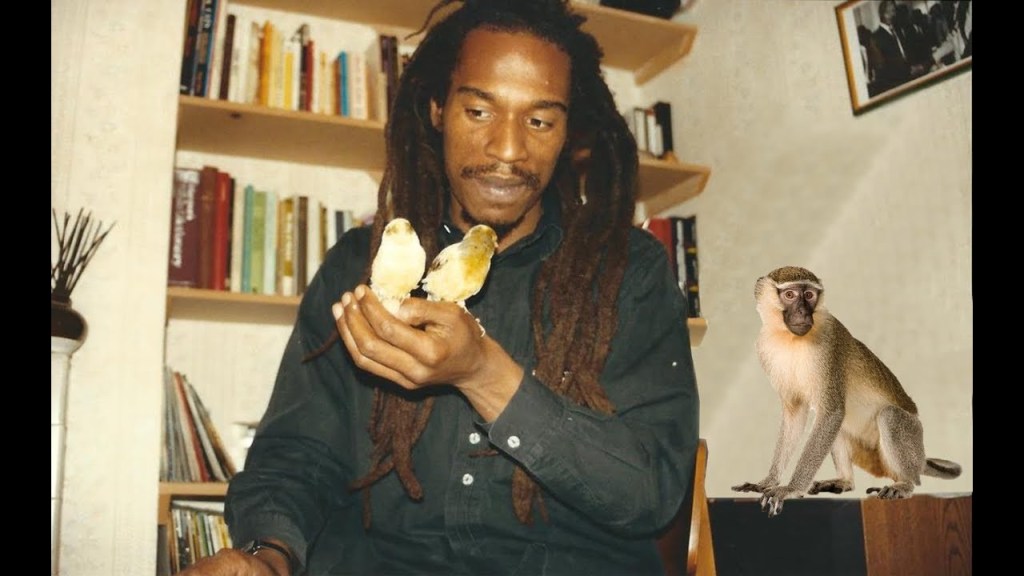
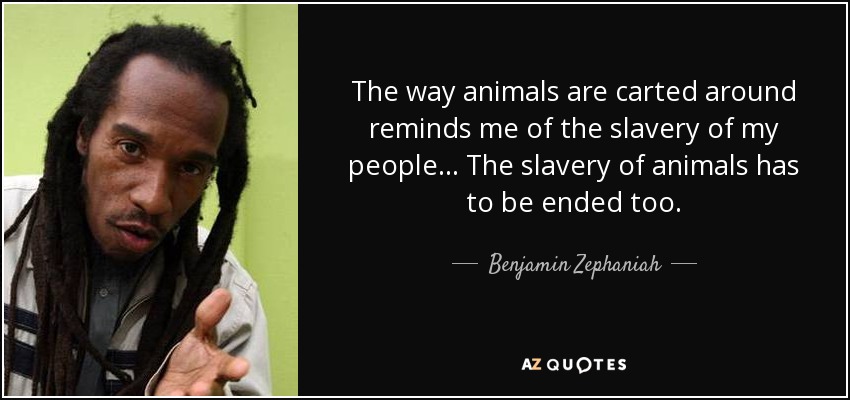
England: Introducing Benjamin Zaphaniah – Poet, Animal Rights Advocate, Lifelong Vegan.

I have ‘loved’ (in a ‘blokey’ sort of way) ! Benjamin since I first saw him at a London animal rights demo decades ago.  So seeing him again the BBC this morning; I thought it was time to introduce him to you.  Here are a few shorts of his life and actions; a passionate animal rights advocate, he wrote the foreword to Keith Mann‘s book From Dusk ’til Dawn: An insider’s view of the growth of the Animal Liberation Movement

Dedicated – Yes;

do we want him – for sure.

Regards Mark

Benjamin Obadiah Iqbal Zephaniah (born 15 April 1958)[1] is a British writer and dub poet. He was included in The Times list of Britain’s top 50 post-war writers in 2008

Turning vegan at 13 Benjamin is pretty much a lifelong vegan. He is now 58 and as a busy performer, writer and with a passion for martial arts, he just naturally shows people what it is like being vegan and doesn’t “ram veganism down peoples throats”.

Zephaniah is an honorary patron of The Vegan Society,[12]

Viva! (Vegetarians’ International Voice for Animals),[13]

EVOLVE! Campaigns,[14] the anti-racism organisation Newham Monitoring Project with whom he made a video[15] in 2012 about the impact of Olympic policing on black communities, Tower Hamlets Summer University and is an animal rights advocate.

In 2004, he wrote the foreword to Keith Mann‘s book From Dusk ’til Dawn: An insider’s view of the growth of the Animal Liberation Movement, a book about the Animal Liberation Front.

In August 2007, he announced that he would be launching the Animal Liberation Project, alongside People for the Ethical Treatment of Animals.]

He became a vegan when he read poems about “shimmering fish floating in an underwater paradise, and birds flying free in the clear blue sky”.

https://en.wikipedia.org/wiki/Benjamin_Zephaniah

https://benjaminzephaniah.com/poetic-thoughts/ https://animaladvocacy.fandom.com/wiki/Benjamin_Zephaniah

EU, Togo, Spain: How Nearly 3,000 Cattle Came to be Stranded at Sea for Three (3) Months. The Photos Say Everything About Their ‘Concerns’ For Animal Welfare.

WAV Comment – I don’t think there is much to say – the disgusting photographs on conditions on ship say it all for us.

The Guardian, London – with thanks for brilliant journalism as always !

All of our posts re Live Exports can be found via the following:

Live Transport – World Animals Voice

Regards Mark – the fight for justice goes on !!

How nearly 3,000 cattle came to be stranded at sea for three months | Live exports | The Guardian

How nearly 3,000 cattle came to be stranded at sea for three months

After being refused entry to several countries on health grounds, the surviving animals were ordered back to Spain for slaughter

Read more: Stranded cattle ship ordered to dock in Spain after ‘hellish’ three months at sea

After more than three months stranded in the Mediterranean, the surviving bulls onboard a livestock ship were humanely slaughtered by the Spanish authorities in Cartagena on Sunday. An official Spanish veterinary report described dire conditions onboard the Elbeik, on which 179 bulls had already died.

The Elbeik and a second livestock ship, the Karim Allah, had been refused entry to multiple countries on health grounds. We look back on the events that shaped this “hellish ride”.

18 December 2020
Two livestock ships, the Karim Allah and the Elbeik, leave Spain bound for Turkey loaded with young Spanish bulls. The Karim Allah departs from the port of Cartagena carrying almost 900 animals and the Elbeik leaves from Tarragona with nearly 1,800.

27-29 December
The Karim Allah arrives in Turkey on 27 December and the Elbeik on 29 December. Both ships are refused entry due to fears the bulls may be infected with a bovine disease called bluetongue. The shippers blame a mistake on health certificates issued by Spain’s agriculture ministry; the ministry denies this. On 1 January, the Karim Allah leaves the Turkish port of İskenderun and the Elbeik leaves from another Turkish port, Derince.

6 January
The Karim Allah arrives in the Libyan port of Tripoli on 6 January and departs again on 9 January with all the bulls onboard, after being refused permission to unload.

9 January
The Elbeik arrives in Tripoli on 9 January and leaves again on 25 January, after also being refused permission to unload. The ship’s next port of call is Alexandria, Egypt, arriving on 1 February and leaving on 4 February.

27 January
The Karim Allah reaches the Italian port of Augusta, Sicily, and leaves again on 29 January.

19 February
The Karim Allah arrives in Sardinian waters near the port of Cagliari. On the same day, the Elbeik anchors off the coast of northern Cyprus, near the port of Famagusta. Animal welfare organisations call for vets to visit the ships. Cypriot vets are placed on standby to check the animals but neither ship approaches or requests veterinary assistance.

22 February
The Karim Allah returns to waters near Cartagena, Spain, but does not enter. The shippers plan to have the cattle’s blood tested and, if the animals are cleared of any disease risk, to re-export them. The shipper says the Spanish agriculture ministry has said the animals “face immediate slaughter” if the ship docks.

25 February
The Spanish agriculture ministry’s deadline for the Karim Allah to slaughter its cattle expires. A legal tussle ensues as the shippers try to block an official Spanish slaughter order.

26 February
An official Spanish vet report dated 26 February finds 22 of the Karim Allah bulls died at sea, with two corpses still on board. The report notes that other corpses were chopped up and thrown overboard during the journey. It concludes that the animals suffered from the lengthy journey, were generally unwell and not fit for transport outside the EU, nor should they be allowed into the EU for disease-control reasons. Euthanasia would be the best solution, it says. The report does not say if the cattle have bluetongue, but it notes a range of other skin, eye and leg conditions including alopecia, flaking, scabs and joint inflammation compatible with septic arthritis.

6 March
The legal tussle ends and the slaughter of the Karim Allah bulls by Spanish officials begins on 6 March. By 9 March, all the Karim Allah bulls are dead.

18 March
Under orders from Spanish officials, the Elbeik finally returns to port in Cartagena three months after it left Spain, following stops near Cyprus, in Greece, to stock up on supplies, and off the coast of Menorca.

19 March
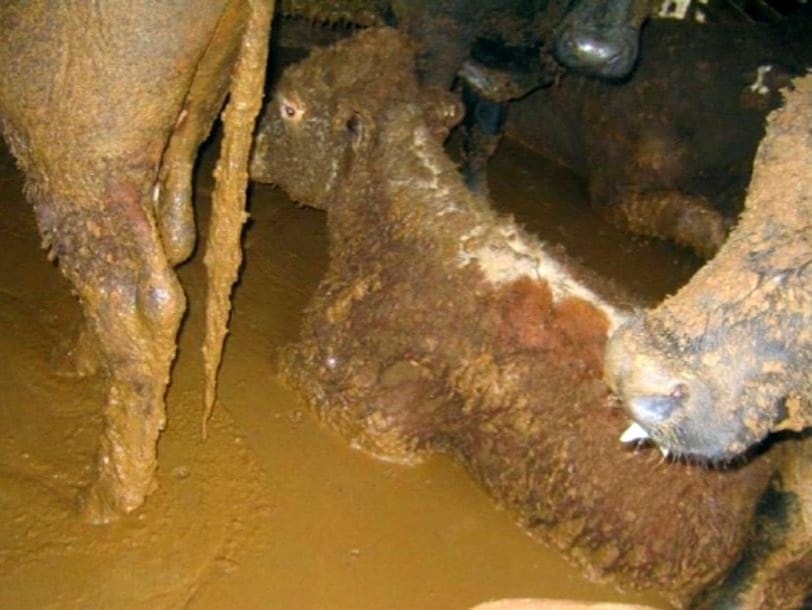
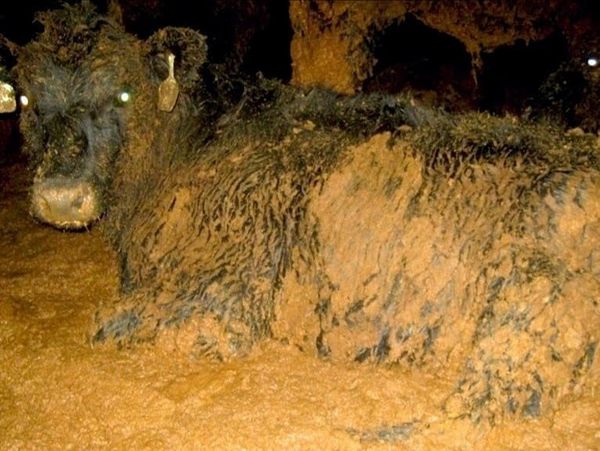
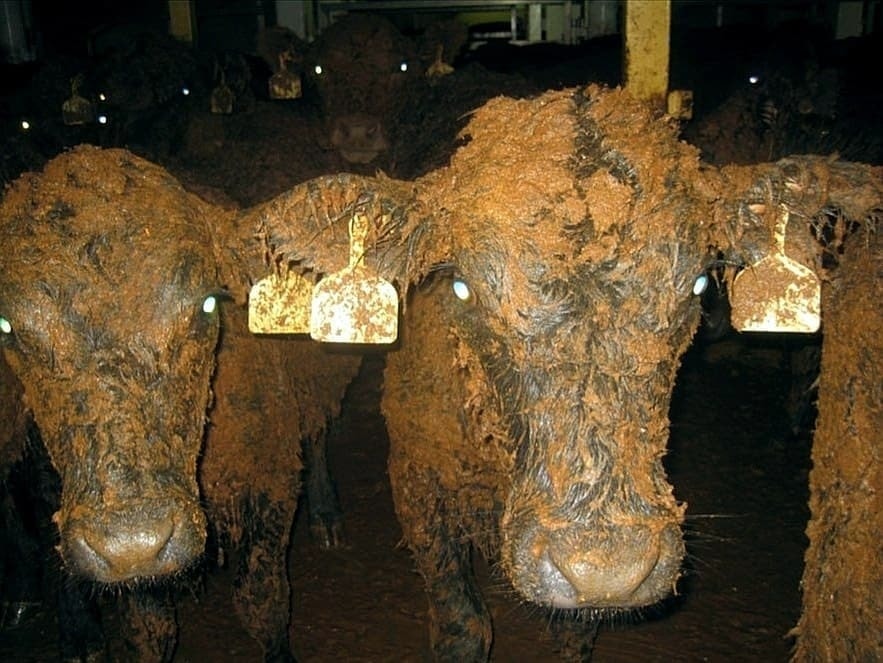
Spanish veterinary officials complete and sign a report describing dire welfare conditions onboard the Elbeik. The report cites the Elbeik’s captain as saying that, of the 1,789 bulls originally loaded, 179 died during the journey. The bodies were chopped up and thrown overboard. Ten other carcasses were also found on board, the report says, and of the remaining animals, some are dying, while others are starving and extremely dehydrated. In some pens, it notes, “the crew had placed fodder in the corral in a way that the starving animals were forced to eat on the corpses of their companions”. The urine and manure buildup covers the animals’ hooves, it says, leaving them without dry areas to lie down.

22 March
A separate veterinary inspection, conducted on behalf of the Elbeik cattle owners, found that only 136 of the bulls required immediate euthanasia. The rest, it said, could recover after a period of rest and adequate feeding if cleared of the risk of bluetongue or other diseases.

28 March
The last of 1,610 surviving bulls from the Elbeik are slaughtered in the port of Cartagena. Spain’s agriculture ministry says it has forwarded the veterinary report to the public prosecutor on the basis that “the facts described therein could constitute indications of a possible offence in relation to the current legislation on animal welfare”. The cattle owner, who does not wish to be named, has disputed the findings of the report.

Arrival and departure times for the Elbeik and the Karim Allah were supplied by Marine Traffic.

EU revealed to be world’s biggest live animal exporter

Read more

Investigation: Live Horse Exports to Japan From Canada and France for Human Consumption. 28 Hours Without Food or Water.

WAV Comment – Brilliant as always – ‘The Guardian’, London.  They have recently undertaken so much work on live animal exports – well done them !

Now they help to expose the trade in live horses to Japan from Canada and France for human (meat) consumption.

Live animal exports are a major issue at the moment; we will continue to support the campaigns and to expose all issues whenever we can.

Regards Mark

Protests at ‘inhumane’ export of live horses to Japan for food

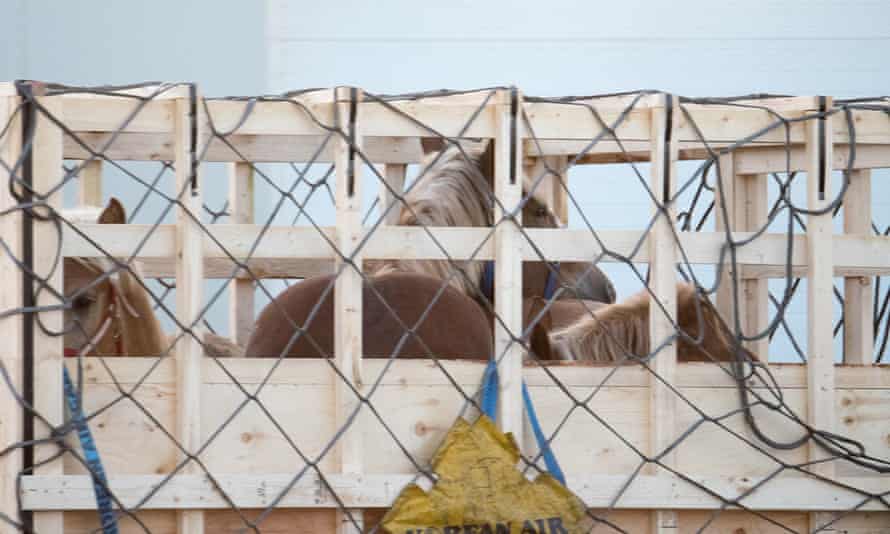
Some of the 40,000 horses flown to Japan in similar crates from Canada since 2013. Canadian law allows them to be exported without food, rest or even water for up to 28 hours.
Some of the 40,000 horses flown to Japan in similar crates from Canada since 2013. Canadian law allows them to be exported without food, rest or even water for up to 28 hours. Photograph: Canadian Horse Defence Coalition

Activists seek ban on flying horses to Japan with thousands sent every year from Canada and France

Protests at ‘inhumane’ export of live horses to Japan for food | Animal welfare | The Guardian

Tens of thousands of horses are being subjected to long-haul flights, confined in crates with no food or water, to meet demand for horsemeat in Japan.

Since 2013, about 40,000 live horses have been flown to Japan from airports in western Canada. Under Canadian regulations, the journey can stretch up to 28 hours, during which the animals are allowed to go without food, water or rest.

The multimillion-pound global trade in fresh horsemeat to Japan is dominated by Canada and France. The little-known sector has burst into public view in Canada in recent years, fuelled by footage captured by campaigners of the near-weekly flights.

The footage prompted one vet, Judith Samson-French, to travel to the Calgary airport three times to see for herself what was happening. “As a veterinarian, I did not like what I saw,” she said. “These horses have not been trained nor conditioned for this kind of transport.”

She watched as the horses were loaded, in groups of three or four, into wooden crates that leave just the top of the animal visible. “You hear them in the crates,” said Samson-French. “There’s a lot of kicking going on there.”

At times, the horses appeared to be too tall to comfortably fit into the crates, she said. “These are big horses,” she added. “It’s absolutely impossible for a horse to lay down in those crates.”

She worried that the crating of horses, combined with the animals’ high centre of gravity, could prove dangerous on a plane.

Once they land in Japan, the horses are taken to a government quarantine facility for 10 days. From there, they are moved to feedlots to be fattened up for up to a year before being slaughtered to meet demand for popular delicacies such as basashi, a dish of raw, thinly sliced pieces of horsemeat dipped in soy sauce and served with ginger.

Between 25% and 40% of Japan’s horsemeat comes from imported animals, often in an attempt to save on the high cost of feeding horses, according to research carried out by the consultancy Williams & Marshall Strategy.

In 2019 Canada provided 71% of the live horse imports to Japan, in statistics that exclude purebred horses for breeding, followed by France at 21%

Canadian government figures show exports to Japan of live horses for slaughter began picking up in 2000 with the sale of 96 animals, worth C$231,000. A year later, the value of these exports had risen more than fivefold; by 2018 it was worth more than C$20m (£11.5m).

EU: You Have Sidelined It For Decades; Now You Have To Address the Reality of EU Live Animal Exports. Continue to Ignore If You Wish, But It Will Be At Your Peril.

WAV Comment:  The ‘Mirror’ is a daily nation newspaper in the UK.  The scandal of the ‘Elbeik’ now calls on the EU to BAN live animal exports.

Now that the UK is free from the dragknuckles who run the EU, it is moving forward with legislation to ban live animal exports from the UK.  There was recently a consultation on the issue, of which we contributed over 46 A4 pages of evidence in relation to getting the ban.  The responses from all contributors (pro and anti export) are currently being revied at Defra; but we are very confident that a UK live animal export ban is now really starting to take initial steps.

Sadly for the animals, the EU has always attempted to avoid the subject like the plague; inventing investigations, reports and a lot more as delaying tactics to really addressing the issue.  The EU talks the talk but does nothing when it comes to changes even though it is provided with untold evidence.

Now with the experiences of the Karim Allah, the Elbeik, and more than 20 livestock carrying ships stuck in the Suez Canal; the EU has to follow the go it alone UK and start to address this issue with priority.

EU citizens have been calling for a ban for decades; it is only self opinionated politicians who ignore the issue; now this is a prime issue and they can ignore yet again, but it will be at their peril.

Regards Mark

The EU must follow Britain’s lead and ban the horrific livestock trade that causes so much suffering – Mirror Online


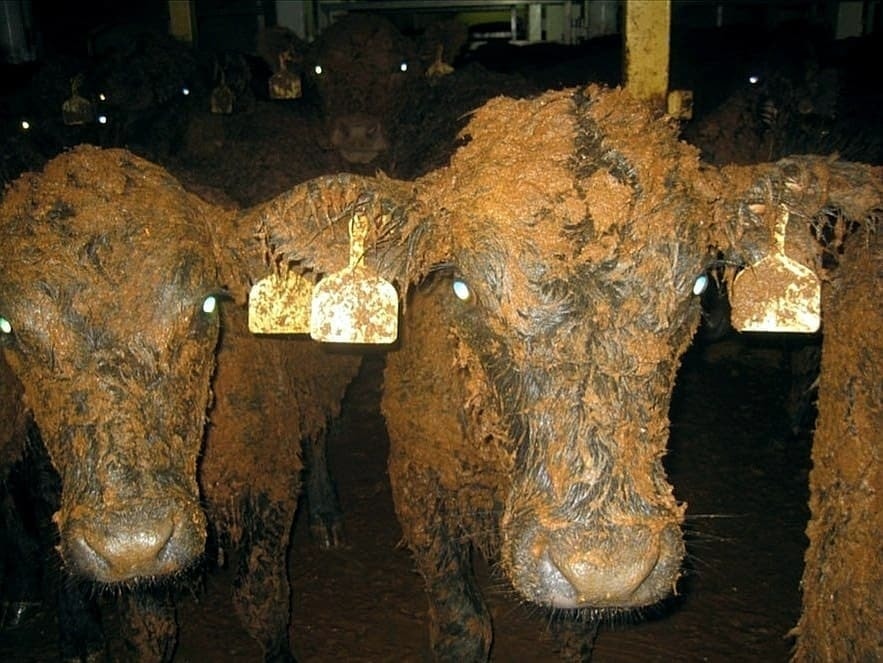
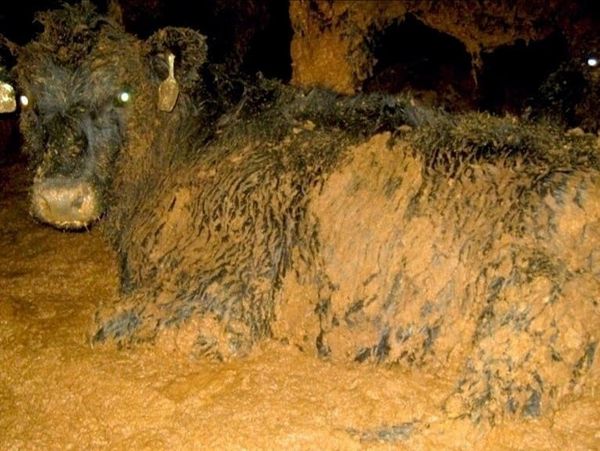
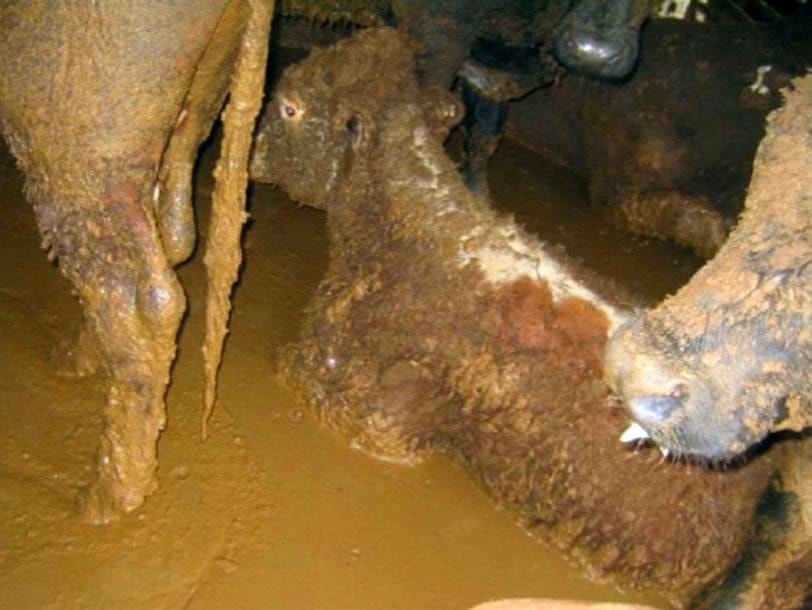
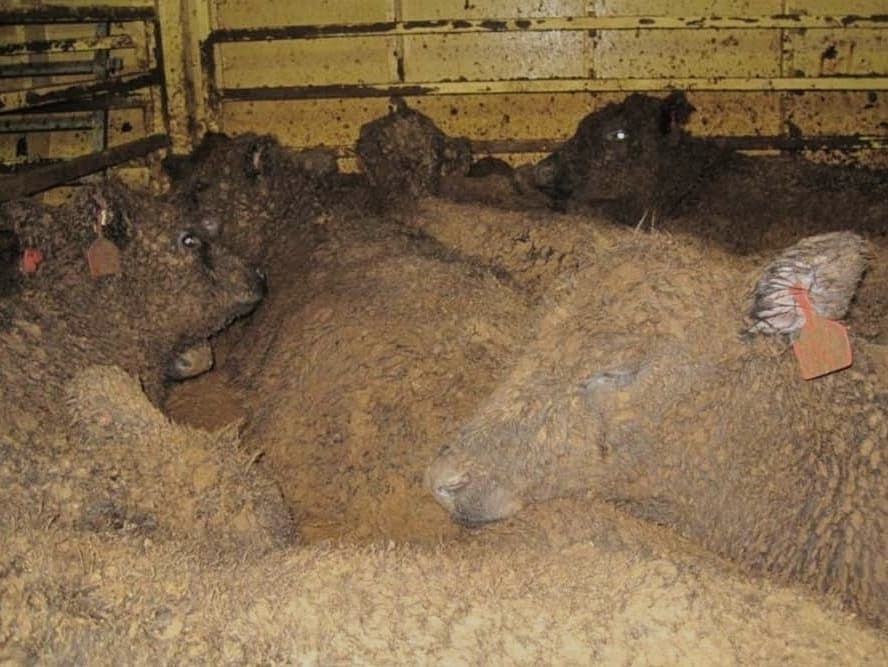
Above – Conditions for animals on the ‘Elbeik;.


England: Why We Need Your Support To Stop Maritime Live Animal Exports.

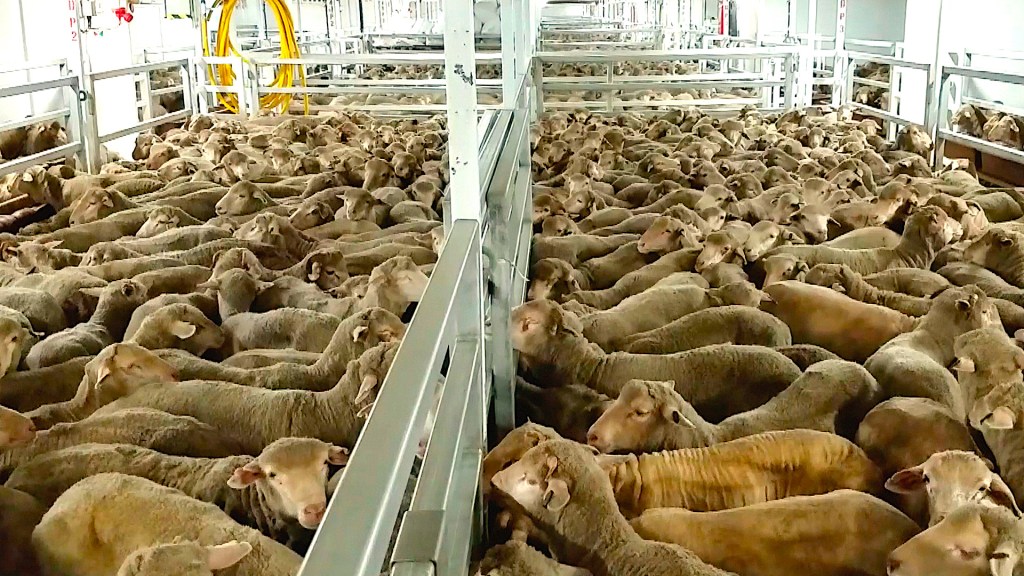
Live animals being shipped by sea.

These photos have nothing to do with the Karim Allah, or the current problems in the Suez Canal. 

We now do understand that they are from the ‘Elbeik’; which was going round the Med for over 3 months.

They have everything to with the conditions faced by some animals when they have suffered at sea for longer terms.

Unlike some others, we will not hesitate to show the reality of this business.

Please remember this photo when we ask for your help and support with regard issues trying to stop this disgusting trade.

All our live export posts can be found at Live Transport – World Animals Voice

Thanks; Regards

IT IS WHY WE FIGHT FOR THEM !!

Mark

New Zealand: The NZ Government Will Soon Decide Whether to Ban Live Export. Your Input Needed Now – Immediately.

WAV Comment:  We hope that we have given you extra fodder over recent weeks on the issue of live animal exports.  The Karim Allah, the Elbeik; and now the issue of over 20 livestock vessels stopped because of the problems in the Suez Canal.

Live Transport – World Animals Voice

It is vital that NZ gets the message that it must stop live animal exports; so please send your message (link below) as soon as possible – there is not time to delay.

Regards Mark and Venus.

The NZ government will soon decide whether to ban live export.

The fate of hundreds of thousands of animals in New Zealand hangs in the balance. We’ve heard from our friends at the NZ group SAFE For Animals that their Prime Minister could be making a decision on a long-awaited review of the live export industry any day now.

Please urge Prime Minister Jacinda Ardern now to end live animal export for good.

Take Action by clicking on the following:

URGENT: Ask PM Jacinda Ardern to ban live export (animalsaustralia.org)

The review into live export, which started nearly two years ago, considered a range of options from improving systems to a total ban on this cruel practice. The papers are now with the government and they’ll decide soon which of these options to implement. So animals need your voice urgently today.

New Zealand hasn’t exported live animals for slaughter for many years, which is a testament to caring people speaking out against this cruelty. But a loophole has allowed the ongoing export of ‘breeder’ animals from New Zealand — meaning pregnant dairy cows are being shipped all the way to China and other countries around the world. There these vulnerable animals face repeated forced pregnancies, with their calves taken soon after birth, and eventual slaughter that doesn’t need to meet New Zealand standards.

One tragic outcome of this loophole trade was the Gulf Livestock 1 disaster last year. On 2 September 2020, the live export ship capsized in heavy seas and sank off the coast of Japan on the way to China. Forty-one of forty-three crew members and all 5,867 New Zealand cows onboard died at sea. Sadly, this was the latest in a long list of disasters at sea in the global live export industry.

Prime Minister Ardern and her Cabinet meet on Mondays: let’s make sure that emails from compassionate people have placed animals front of mind as they start their next meeting.

Take action for NZ cows »


The decision that New Zealand makes on this will also set a hugely important precedent for animals in Australia and other countries,

Please join other caring people in speaking out for cows and their calves now.

Together, we can take this important opportunity to call for a kinder future for animals in New Zealand and around the world.

For the animals

Lyn White AM
Animals Australia

England: 28/3/21 – At Least 20 Livestock Ships Caught in Suez Canal Logjam are ‘Biohazard Timebomb’, Charity Warns.

WAV Comment:  Well done ‘The Guardian’ (London) national press for keeping us so well informed on this issue. As usual and have we have seen with issues such as the capsize of the ‘Queen Hind’ in Midia (Ro); the jack arse Romanian government have nothing to say – just like their masters at the EU.  Everyone in power keeping tight lipped about animal suffering as always.  Today, 28/3; it would appear that there are now 20 livestock vessels having problems in relation to the Suez incident.

If this is not time to stop all live animal exports, then when is ?

Do politicians listen ? – Do they hell !

Regards Mark

View all our posts regarding live transport by visiting:  Live Transport – World Animals Voice

Suez Canal: Livestock ships caught in logjam pose ‘ticking biohazard timebomb’, charity warns | The Independent

Suez Canal: Livestock ships caught in logjam are ‘biohazard timebomb’, charity warns

At least 20 vessels carrying live animals, according to industry tracking data, which could pose problems if Ever Given rescue effort proves prolonged and feed supplies run low

With the MV Ever Given mega-ship still stranded in the Suez Canal and blocking traffic in both directions, it emerges that at least 20 of the cargo vessels forced to queue in the MediterraneanRed Sea and along the historic waterway are carrying livestock, raising concerns about the animals’ welfare.

Data from freight tracking website Marine Traffic indicates that 11 of the delayed container ships are carrying cattle, sheep and other livestock, while the Australia-based NGO Animals International has identified a further nine, according to The Guardian.

Marine Traffic spokesperson Georgios Hatzimanolis said three of the carriers, the Omega Star, the Unimar and the Sea Star, “appear to be stuck at various points in the canal” rather than queuing for entry.

Gerit Weidinger, EU coordinator for Animals International, said the Unimar and Omega Star appear to have left Spain on 15 March and 16 March respectively while a further nine of the boats were loaded in Romania earlier this month.

While the animals aboard are not in immediate danger, the prospect of the rescue effort to free the Ever Given taking several weeks to accomplish poses serious questions about their welfare.

“I wouldn’t expect just after a two-day delay for a problem to have built up,” Peter Stevenson, chief policy officer at Compassion in World Farming, told Bloomberg. “It’s as time goes by that the problems get worse. Occasionally, there are real scandals when things go wrong, but it’s a day-to-day horror.”

“My greatest fear is that animals run out of food and water and they get stuck on the ships because they cannot be unloaded somewhere else for paperwork reasons,” Ms Weidinger said.

“Getting stuck on board means there is a risk of starvation, dehydration, injuries, waste buildup so they can’t lie down, and nor can the crew get rid of dead animal bodies in the canal. It’s basically a ticking biohazard timebomb for animals and the crew and any person involved.”

Companies transporting livestock by sea reportedly set sail with at least two or three days’ worth of extra hay or feed on board and could potentially have more delivered by barge if they cannot reach port in time, a process known as “midstream loading”.

The chaos in the canal began on Tuesday when the Ever Given, a 220,000-tonne container ship operated by Taiwanese shipping giant Evergreen was apparently blown off course by 30mph winds and became wedged in the bank, bringing traffic to a standstill in a trade route that accounts for approximately one-tenth of the world’s seaborne freight.

Efforts to free it using a team of tugboats, diggers and cranes have yet to see the ship refloated, with the ongoing delays to the delivery of container cargo expected to have widespread knock-on effects for the global supply chain.

“Even the slightest delay in traffic can result in congestion and disturb the delivery of goods and commodities on both sides,” analysts at S&P Global Platts warned earlier this week.

Earlier report from The Guardian:

At least 20 livestock ships caught in Suez canal logjam | Animals | The Guardian


At least 20 livestock ships caught in Suez canal logjam

Concerns for animals’ welfare if Ever Given blockage crisis is protracted

At least 20 of the boats delayed due to a stricken container ship in the Suez canal are carrying livestock, according to marine tracking data, raising concerns about the welfare of the animals if the logjam becomes protracted.

The 220,000-ton Ever Given is causing the longest closure of the Suez canal in decades with more than 200 ships estimated to be unable to pass, and incoming vessels diverting around southern Africa’s Cape of Good Hope.

Georgios Hatzimanolis, a spokesperson for the tracking website Marine Traffic, said while some livestock ships were waiting to enter the canal, three – the Omega Star, the Unimar and the Sea Star – “all appear to be stuck at various points in the canal”. Marine Traffic data showed 11 delayed livestock ships, while an NGO has identified others, bringing the total identified so far to 20.

Five of the ships identified had loaded animals in Spain, and nine had loaded in Romania earlier this month, according to the NGO Animals International.

Gerit Weidinger, EU coordinator for Animals International, said data from marine tracking websites indicated the Unimar left Spain on 15 March bound for Jeddah. The Omega Star left Spain, she said, on 16 March bound for Port Said.

There were no immediate welfare concerns for the animals, but if the Ever Given has to be lightened to make it easier to dislodge, using cranes to remove enough containers could take weeks and the surrounding ships would need to leave and find longer alternative routes.

The nearby ports of Said and Suez could be used to reload fodder if supplies run low, though the process may not be straightforward with so many ships in the queue.

Thousands of cattle have already been slaughtered this year because of delays at sea.

Two ships, the Karim Allah and the Elbeik, were forced to spend months away from port because their original destination refused to accept the animals due to a health paperwork dispute that raised fears the cattle could be carrying the bovine disease bluetongue. The dispute ignited a chain of events that saw both vessels eventually return to Spain.

The animals on board the ships returned in such a poor condition Spanish authorities ordered them to be slaughtered in the port of Cartagena. More than 850 cattle on the Karim Allah were slaughtered earlier in March, while the Elbeik slaughter is ongoing with an estimated 360 of the almost 1,800 who commenced the journey culled as of Thursday.

Weidinger said she was concerned if the crisis became protracted the animals’ welfare could become an issue.

“My greatest fear is that animals run out of food and water and they get stuck on the ships because they cannot be unloaded somewhere else for paperwork reasons,” she said.

“Getting stuck on board means there is a risk [for the animals] of starvation, dehydration, injuries, waste buildup so they can’t lie down, and nor can the crew get rid of dead animal bodies in the [Suez] canal. It’s basically a ticking biohazard timebomb for animals and the crew and any person involved,” she said.

Asked about the ships with Spanish-origin livestock on board, the Spanish agriculture ministry said on Thursday: “We cannot tell you anything about these ships, but due to the blockage of the Suez canal as a result of the grounding of the cargo ship, the Spanish administration has given orders that no animal transport ships bound for Saudi Arabia and Jordan should be loaded until the canal can be navigated normally.”

Romanian agriculture and veterinary authorities have yet to comment.

Italy: lambs piled up and without water- 15 thousand euros fine for drivers!

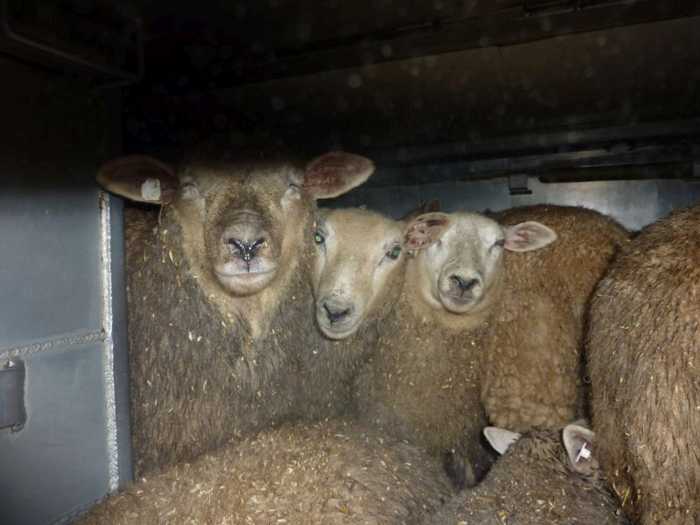
The Traffic Police, as part of the usual checks prepared by the Department of Public Safety on the occasion of the Easter holidays, ordered a halt to an articulated vehicle used for transporting animals that were carrying a large load of lambs bound for Apulia (Italy)
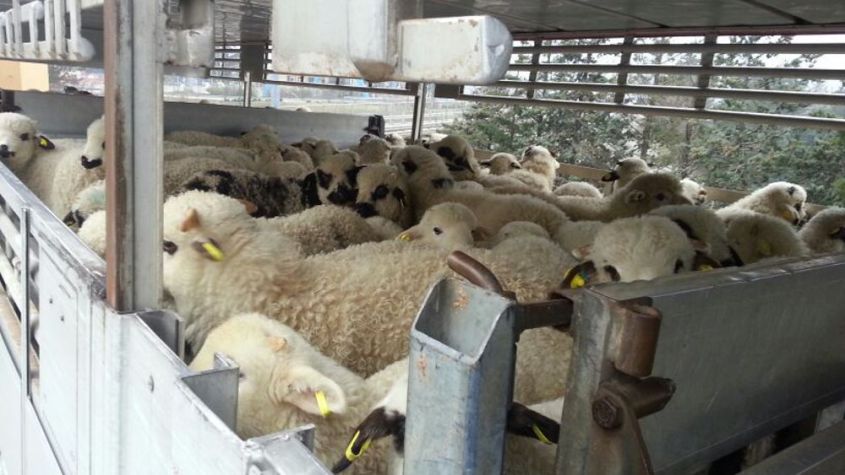
In the truck, lambs piled up and without water!

Italy

It happened along with the A13 Bologna – Padua motorway, on the morning of 23 March around 11.00, when the agents pulled the heavy vehicle to the side outside the Altedo (Bologna) toll booth and found that the animals transported inside the semi-trailer were piled up. and without water.

When asked for clarification by the Agents, the two transporters showed signs of nervousness and impatience, so much so as to induce the Polstrada to investigate further with the help of the veterinarians of the Health Authority of Bologna USL.

After a thorough inspection, they ascertained that the animals were dehydrated because the watering system had not been previously supplied before departure. It was also ascertained that the lambs were too crowded together so as not to have enough space to move due to the high density, as well as due to the too low height of the roof between one loading floor and the other of the semi-trailer.

After supplying the lambs with water, connecting the water system of the barracks in the Altedo Subsection to that of the vehicle complex, policemen and veterinarians put pen to paper a long series of administrative penalties for the two drivers for a total of 15,000 euros.
In the coming weeks, the Traffic Police will further intensify checks on the transport of live animals.

https://www.bolognatoday.it/cronaca/altedo-polstrada-agnelli-multa.html

This video is from Animals’ Angels and it accompanies the campaign of German Animal Welfare Office: “Animal transports don’t taste good”

Translated text:According to the law, transports up to 12 hours do not need a ventilation and drinking system (!!!)
Not a drop of water at 35 degrees in the shade
Sheep are transported on three levels.
Lambs even on four.
Lambs are entitled to less than 0.2 m² of space for transport.
Sheep need 10 times the transport time to recover – should they survive the transport.
The animals suffer from hunger and are often cured before dying of thirst
You can stop animal transport
Choose plant-based alternatives to meat, milk, and eggs”.

And I mean…The reason why animals are still transported alive is simple: a refrigerated truck for meat costs more.

Significantly more sheep and lambs are transported at Easter than usual, especially in southern Europe. The conditions for the animals on the relevant routes are mostly miserable.

Most trucks load up to 800 animals, which is not uncommon. The more “goods” the more money.
In this way, the transporters increase their profit – at the expense and suffering of the animals.

Because they are usually loaded on four floors, the lambs hit the ceiling with their heads.
That is not allowed, but who controls it?

In addition, they cannot lie and rest at the same time, run the risk of being trampled on by the other animals or have difficulty or no access to the water troughs.
If there is.
If this is not the case, as, in our present one, there are penalties.

A big THANK YOU to the Italian police.
They did nothing but their duty, namely to control the transport of animals and if there are sinners, punish them.

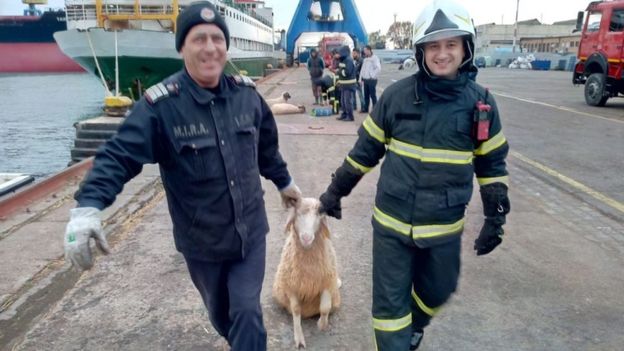
Sheep rescued from the capsized “Queen Hind”

This world would really have been a bit more bearable for the animals if everyone had done their job right and conscientious.

My best regards to all, Venus