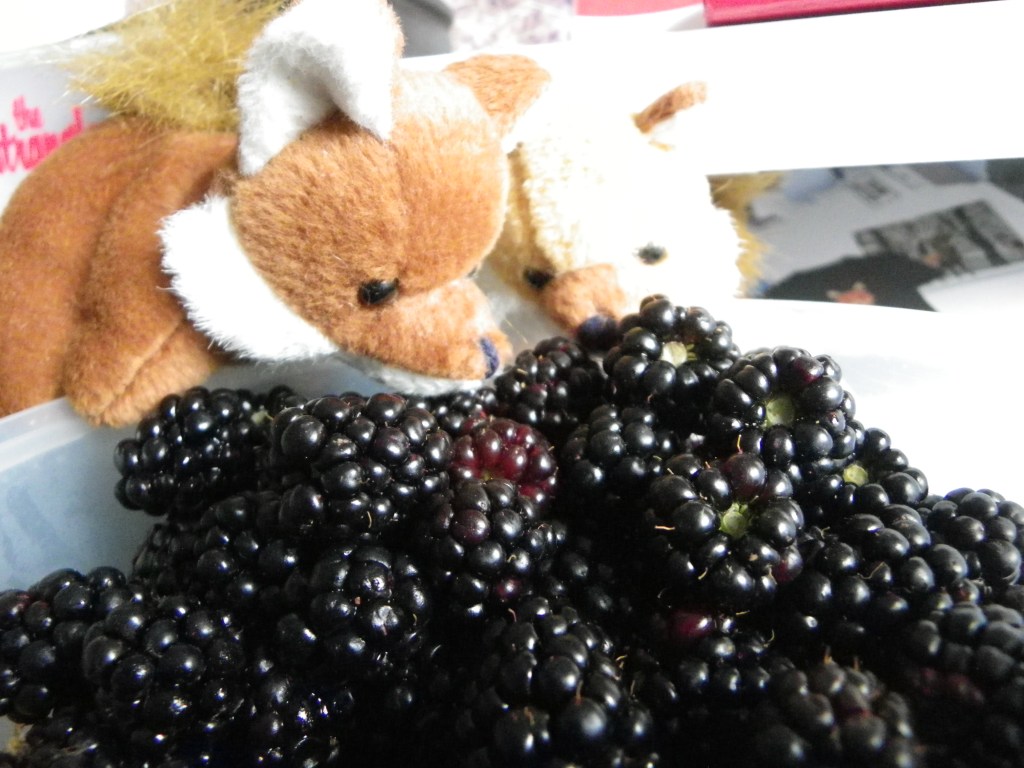
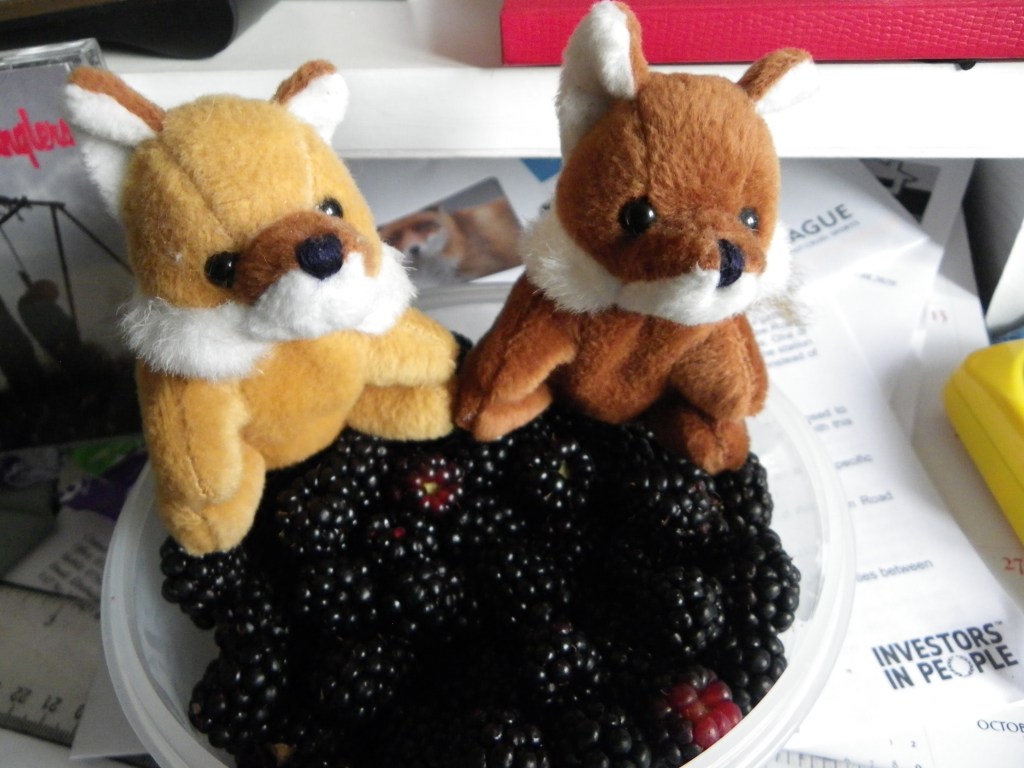
Little Monkeys – I only picked them from the garden at lunchtime ! – but hey; they can have some; as long as they don’t eat the lot.
They are named ‘Bodge it’ and ‘Scarper’ – Bodge is the dark brown one and Scarper the sand colour. I must be going mad – they are simply little friends from the League Against Cruel Sports (London) !
Probably the most nutritious, health-protective foods in the world, berries are true heroes.
They contain a wide range of essential nutrients and a whole lot more – a wealth of health-defending antioxidants which have anti-cancer and anti-inflammatory properties and are great for your digestive system.
Even though berries are sweet, they don’t contain much sugar because much of their volume is pumped up by water. What little sugar they provide is well-balanced by the amount of fibre in them so it’s a healthy equation. Berries won’t cause sudden blood sugar spikes and as such are also a great food for diabetics.
Berry magic
Much of the health benefits berries provide are due to the phytochemicals they contain. These potent compounds protect plants against bacterial and fungal infections, UV radiation and environmental damage and they serve a similar purpose in our bodies.
An almost magical bunch of compounds berries contain are called phenols or phenolic compounds. They have antioxidant, anti-inflammatory and antimicrobial effects, lower blood pressure and cholesterol, have been linked to reducing the risk of heart disease, including heart attacks, cancer, diabetes, arthritis and neurodegenerative diseases. On top of that, they also encourage beneficial bacteria in your gut!
Anthocyanins are a type pf phenolic compound – they’re pigments responsible for the bright red, blue and purple colour of many fruits, vegetables and flowers but they also have strong health-protective properties. They are antioxidants and have anti-inflammatory properties, have been linked to lower risk of heart disease and even cancer. Anthocyanins tend to be concentrated in the skin of fruits but berries that have a brightly coloured flesh, such as strawberries, blackberries or raspberries, contain more as the whole fruit is saturated with them.
Strawberries
As well as containing the powerful phenols, strawberries are an excellent source of vitamin C and the important mineral manganese. They also contain decent amounts of folate (vitamin B9) and potassium.
Strawberries have some powerful antioxidants, such as pelargonidin – responsible for their bright red colour – and ellagic acid, which helps to strengthen your immune system.
Whenever you can, buy organic strawberries for maximum health benefits. As a rule of thumb, it’s best to buy strawberries when they’re in season, so they’re local and cheaper – if it’s not strawberry season, go for frozen, rather than imported from far away.
Superfood strawberries agree with most people but not all – some people, who are allergic to tree pollen, are also allergic to strawberries. This kind of allergy includes itching or tingling in the mouth, hives, headaches, swelling of the lips, face, tongue or throat, even breathing problems in severe cases. Funnily enough, if you suffer from this allergy but love strawberries, you may be able to eat white strawberries – cultivated so they’re suitable for people with this issue.
Raspberries
Wild raspberries have been gathered by people for millennia and although cultivation may have changed their colour varieties and size, they are still chockful of nutrients. They’re a great source of antioxidants, vitamins C and E, folate, magnesium and even iron!
Raspberry specialty are the antioxidants lutein and zeaxanthin, which can help protect your eyes from blue light damage and prevent macular degeneration.
It’s best to buy organic whenever you can and keep a bag of frozen raspberries on hand for adding to your breakfast, smoothies and desserts.
Blackberries
Blackberries are simply amazing – with all the benefits of other berries, including antioxidants, vitamins C and E, folate, potassium and then some! Their bonus nutrients are vitamin A – essential for healthy vision, immune system and many vital reactions in your body – and vitamin K, essential for blood clotting, bone health and your immune system.
A cup of blackberries also covers about half of your daily need for the mineral manganese, necessary for good bone health, immune system and healing.
Blueberries
Just like blackberries, blueberries contain lots of vitamin K. They have slightly less of the other vitamins than raspberries, blackberries and strawberries but are still a good source!
There are several varieties of blueberries – the kind you commonly buy in the shops originally come from America and have white or translucent flesh. Their anthocyanins are concentrated in the skin only. On the other hand, bilberries – wild European ‘blueberries’ – are dark purple both on the outside and inside and pack a super dose of anthocyanins.
Good to know: all types of blueberries have traditionally been used in the treatment of diarrhoea, thanks to their astringent properties.
How much should you eat?
Berries are among the healthiest foods on the planet and contain more antioxidants than any other fruit so if you can, have some every day! A handful of fresh or thawed berries is enough – added to your morning cereal, smoothie or as a part of a dessert. Sadly, jam or any kind of heat-processed berry products don’t count. If you’re travelling and need something that’ll keep, freeze dried berries are also a good option.
Synthetic leather is based on fossil raw materials and is therefore problematic for the environment like real leather. A sustainable alternative could be leather made from mushrooms, as researchers of Vienna report.
Vienna – leather is made from animal hides and is therefore considered ethically questionable and problematic for the environment.
The latter also applies to synthetic leather, it is based on fossil raw materials.
A leather substitute made from mushrooms with similar properties to the original could be a sustainable alternative and has “enormous market potential,” report Viennese researchers in the journal Nature Sustainability.
Concerns about classic leather production range from ethical issues related to the use of animal products to the significant environmental impact of livestock and the leather processing industry.
It is estimated that the livestock sector is responsible for twelve to 14 percent of global greenhouse gas emissions.
In addition, there is deforestation for pastures and animal feed and the use of problematic chemicals in tanning.
Artificial leather made from polyvinyl chloride (PVC) or polyurethane is made from fossil raw materials.
On the other hand, leather-like materials obtained from mushrooms are CO2-neutral and generally also completely biodegradable at the end of their useful life, explained Alexander Bismarckfrom the Institute for Material Chemistry at the University of Vienna, who, together with colleagues, assessed the sustainability of cattle and artificial leather production in an overview article and was the first Presented developments and commercialization of leather substitutes derived from mushrooms. The mycelium of the fungi is used – the thread-like cells that make up the majority of the fungal biomass.
Mushroom biomass grows on an inexpensive waste product
Hundreds of workers have tested positive for Covid-19 at meat plants across the world
New Study Shows Virus Survives on Contaminated Meat
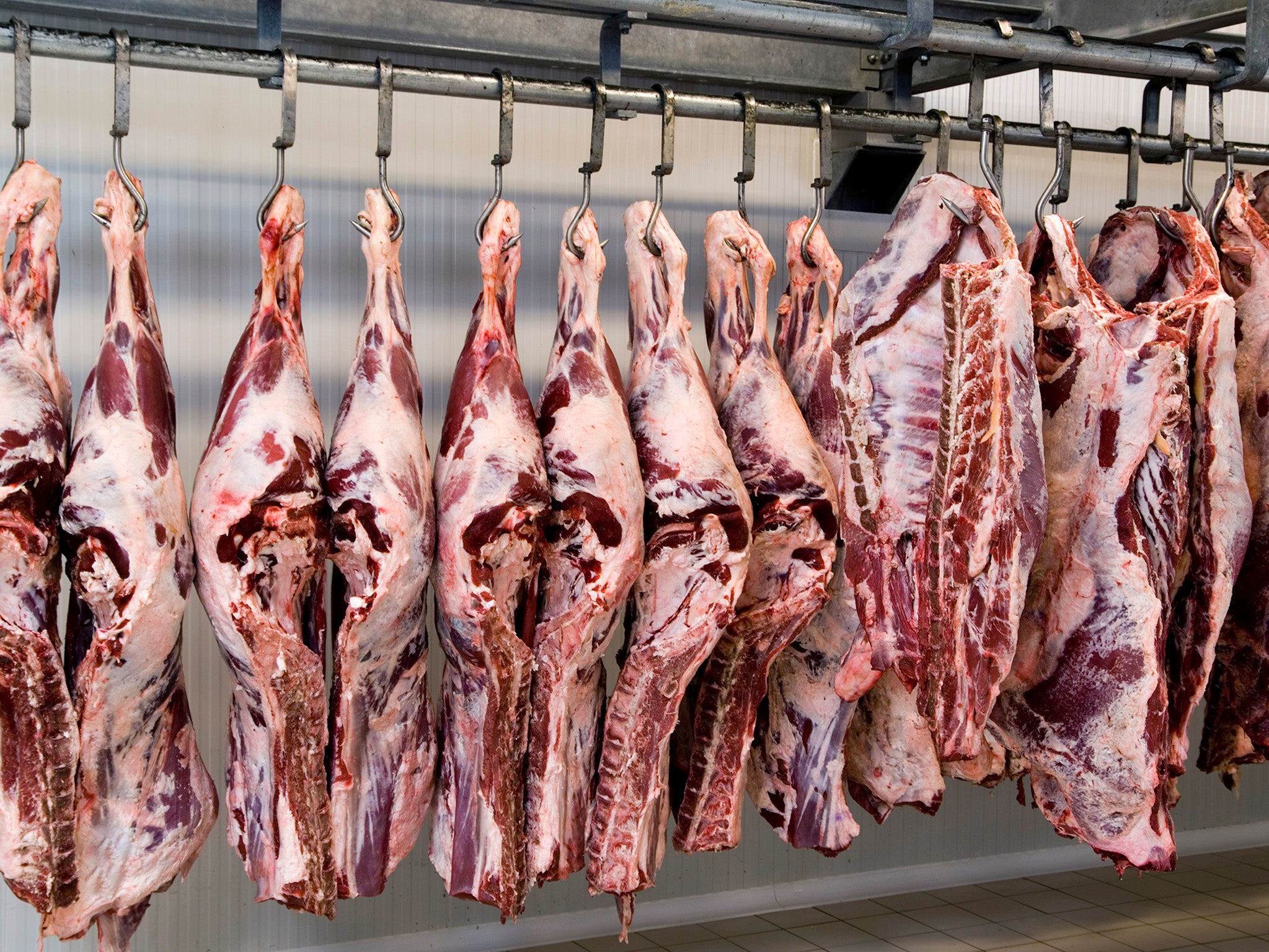
Over the past few months there has been much in the news about serious outbreaks of Covid-19 affecting workers in meat plants and slaughterhouses in several countries, including the UK. Hundreds of workers have tested positive for Covid-19 at UK meat plants in Anglesey, Wrexham and West Yorkshire. Major outbreaks have also occurred in Germany, France, Spain and the US.
These outbreaks represent serious issues of worker safety and public health, with much of the focus being on the conditions for workers and their potential to spread Covid-19 amongst themselves and their communities.
However, much less attention has been focused on the possibility of meat becoming contaminated in these highly infected slaughterhouses.
Recent research published by Dale Fisher and colleagues from the National University of Singapore has found that the Covid-19 virus can survive on frozen meat and fish for up to three weeks, prompting warnings that contaminated food imports could have the potential to cause new outbreaks of Covid-19, demonstrating a clear potential public health risk.
The paper comes against the backdrop of otherwise unexplained outbreaks in several countries, including Vietnam, New Zealand and China, where the virus had previously been eradicated.
The possibility is not new: food safety agencies have admitted the possibility of meat contamination. Meat processing facilities are cold, damp indoor environments and provide ideal conditions for the Covid-19 virus to linger and spread. There is evidence that coronaviruses can survive at low temperatures on stainless steel, for example, a common environment in abattoirs, for up to 28 days.
Not surprisingly, the International Food Safety Authorities Network (INFOSAN) has sought more information on the potential for persistence of SARS-CoV-2, which causes COVID-19, on foods traded internationally as well as the potential role of food in the transmission of the virus.
Calls for Testing
I wrote independently to the Executive Directors of both the Foods Standards Agency (FSA) and the European Food Safety Authority (EFSA) to raise the question. I asked, in view of the potential risk, what measures they will be taking to test meat products for the home market and for export.
While responding politely, the agencies have so far dismissed my concern.
According to their view, the essential point is that Covid-19 is a respiratory disease, not a food-borne disease, and so meat is very unlikely to be a vector for the spread of the coronavirus – even if it comes from a slaughterhouse where large numbers of workers have been infected.
The fact is we simply do not know how much of a role contaminated meat is playing in radiating the virus into the wider retail meat sector. The latest research from the University of Singapore suggests that more attention is needed and, at the very least, testing of meat for contamination before shipping would be a wise precaution.
That is why I have repeated my call to both the FSA and EFSA to take the precautions necessary including testing of meat products for viral contamination.
With Covid-19 proving so persistent and having such profound effects on society, every sensible precaution should be taken to close down possible routes of transmission, which surely includes testing meat to make sure that we’re not putting contaminated food in our shopping basket.
Written by Philip Lymbery – CEO of Compassion In World Farming (London UK); and a personal friend with whom I have campaigned long and hard on the issue of live animal exports / intensive farming, for many years.
A man (in my opinion) who very much knows what he is talking about !
Advocate General misses the point on alternatives to slaughter without stunning
10 September 2020
Today the Advocate General of the Court of Justice released its non-binding opinion on the possibility for EU Member States to adopt a national ban on the slaughter without stunning, following a request made by the Belgian Constitutional Court.
Animal welfare remains basically forgotten in today’s opinion not permitting Member States to adopt rules which provide both for a prohibition of the slaughter of animals without stunning, and for an alternative stunning procedure for the slaughter carried out in the context of a religious rite (i.e. reversible stunning).
Even if the final opinion depends on the Grand Chamber of the Court of Justice, Eurogroup for Animals is concerned about this judgement. While so much emphasis is given to the freedom of religion enshrined in the Slaughter Regulation by Art 4.4., it does not equally consider the provision laid down in Article 26.2 (c), empowering Member States to adopt “national rules aimed at ensuring more extensive protection of animals at the time of killing than those contained in this Regulation in relation to […] the slaughtering and related operations of animals in accordance with Article 4.4” .
Despite the opinion seems favourable to the adoption by Member States of technical conditions which seek to minimise the suffering of animals at the time of killing, it is negative towards the adoption of reversible stunning, which would allow for the conservation of the rites while preserving the welfare animals.
Eurogroup for Animals and its members will continue working to make sure that all the animals will be properly stunned before being slaughtered.
Reineke Hameleers, CEO of Eurogroup for Animals
“In 2020 we should not think that, as cited in the opinion, animal welfare and religion ‘often sit uneasily’, as technology and best practice are there to guarantee that both values are respected at the same time”, commented Reineke Hameleers, CEO at Eurogroup for Animals.
Scientific evidence has unambiguously shown that slaughter without stunning is incompatible with the welfare of animals. It must also be noted that acceptance of stunning methods is increasing among religious communities, as demonstrated by the declaration made last year by Ismailaga Cemaati, the largest Islamic group in Turkey, announcing that stunning animals prior to slaughter is acceptable and Halal.
“This is just an opinion and in the past we witnessed that the CJEU rule can be different from the not-legally binding Advocate General advice. Eurogroup for Animals and its members will continue working to make sure that all the animals will be properly stunned before being slaughtered” added Hameleers.
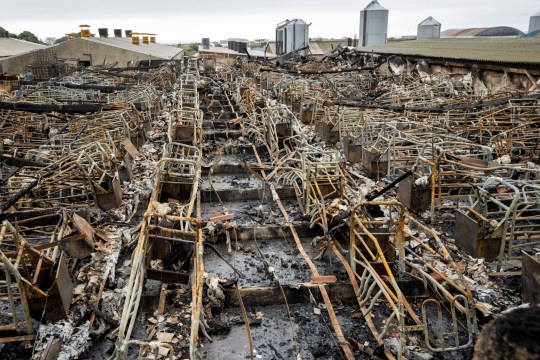
Approximately 2,000 pigs have died in a shed fire on a farm in Kilkeel, Northern Ireland.
The farrowing house which was located at Glenmarshal Pedigree Pig, comprised a shed where 140 sows and their piglets were kept, was destroyed by the blaze which broke out on 7/9/20.
We understand that approximately 2,000 pigs in total have died as a result.
The Northern Ireland (NI) Fire and Rescue Service was called to the farm at 20:54 BST on Monday evening to attend to the fire, which is understood to have been accidentally caused by an electrical fault.
The fire was brought under control at approximately 11.50pm.
Special animal rescue teams worked alongside fire crews at the scene.
Owner Trevor Shields, who praised the fire fighters for doing a “tremendous job”, said: “It is very emotional, it’s actually difficult for me to even talk about it.
“Our losses are quite substantial because this is one of the top breeding farms in Europe and there’s bloodlines that have just been wiped away. We’ll just have to put the pieces together and get over it because they are gone.”
Some of the bloodlines believed to have been lost may still be on the farm in other parts, but there will be some of the lines lost could go back as far as 40 years.
Mr Shields said he was told the cause of the blaze is likely to have been an electrical fault and the Fire Service is treating it as an accident.
Mr Shields said Glenmarshal is a well-known name in the pig breeding world and a regular prize-winner at the Royal Ulster Agricultural Society’s Balmoral Show.
‘Difficult conditions’
Four fire engines were called to the scene.
Assistant Group Commander Martin Healy said they arrived to a well developed blaze and they “worked in difficult conditions to prevent the fire spreading to adjacent buildings”.
He said it was “a very difficult scene to witness” and he was thankful they were able to stop the fire spreading to other sheds where more pigs were housed.
Special animal rescue teams worked alongside fire crews at the scene.
In Oregon, a skilled hunter was impaled and killed by a deer he shot hours earlier.
Mark David from Hillsboro stalked a private property in Tillamook, Oregon, with a bow and arrow on Saturday. From his hiding place, he discovered a big elk stag – and shot it.
This deer impaled the 66-year-old with his antlers before he died (Image: Oregon State Police)
The arrow hit the bull, but the badly injured animal ran away in a panic and disappeared into the undergrowth. The 66-year-old chased his prey until dark, but without success.
“Forked” by deer
The next morning the American set out with the property owner to search. Around 9.15 a.m. they found the injured elk and David was already drawing his bow to kill the animal when it suddenly attacked.
The stag attacked the hunter with his antlers – hunters refer to this as “fork” – and rammed one of the tips right into his neck. His companion tried to save the 66-year-old, but he could no longer help him.
The man died of serious injury at the scene of the accident.
As the Oregon State Police reports, the elk was shot after the fatal attack. His meat was donated to Tillamook County Jail.
Last November, a 66-year-old hunter in the US state of Arkansas was killed by a deer that he believed he had shot. During the inspection, he was attacked and impaled by the supposedly dead animal.
White striping disease found in 85% UK supermarket chicken
7/9/20
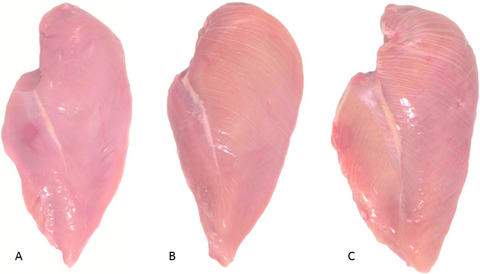
An investigative report by the Humane League UK has uncovered that eight in ten samples of standard chicken in the UK showed white striping disease.
Particularly badly ranked supermarket discounters Asda, Aldi, and Lidl with white striping present in 94%, 92%, and 92% of their standard own-brand chicken respectively.
In comparison, just 11% of organic and free-range chicken presented the disease.
White striping is a muscle disease linked with rapid growth and development and appears as thin white lines that run across the poultry, mostly impacting the breast area. It is, however, not only a visual representation of the cruel rearing conditions chicken suffer, but also impacts the quality of the products: The disease lowers the nutritional value of chicken as it increases the fat content; by as much as 224 percent as some studies have shown. Furthermore, it has been shown that the disease can reduce protein content by up to nine percent and increase collagen by ten percent.
Yet again, this new study highlights the importance and urgency of supermarkets to move away from fast-growing breeds of chicken.
One way to do so is by adopting the Better Chicken Commitment (BCC), which bans this form of breeding. Animal welfare advocates call on UK supermarkets to commit for better welfare and public health.
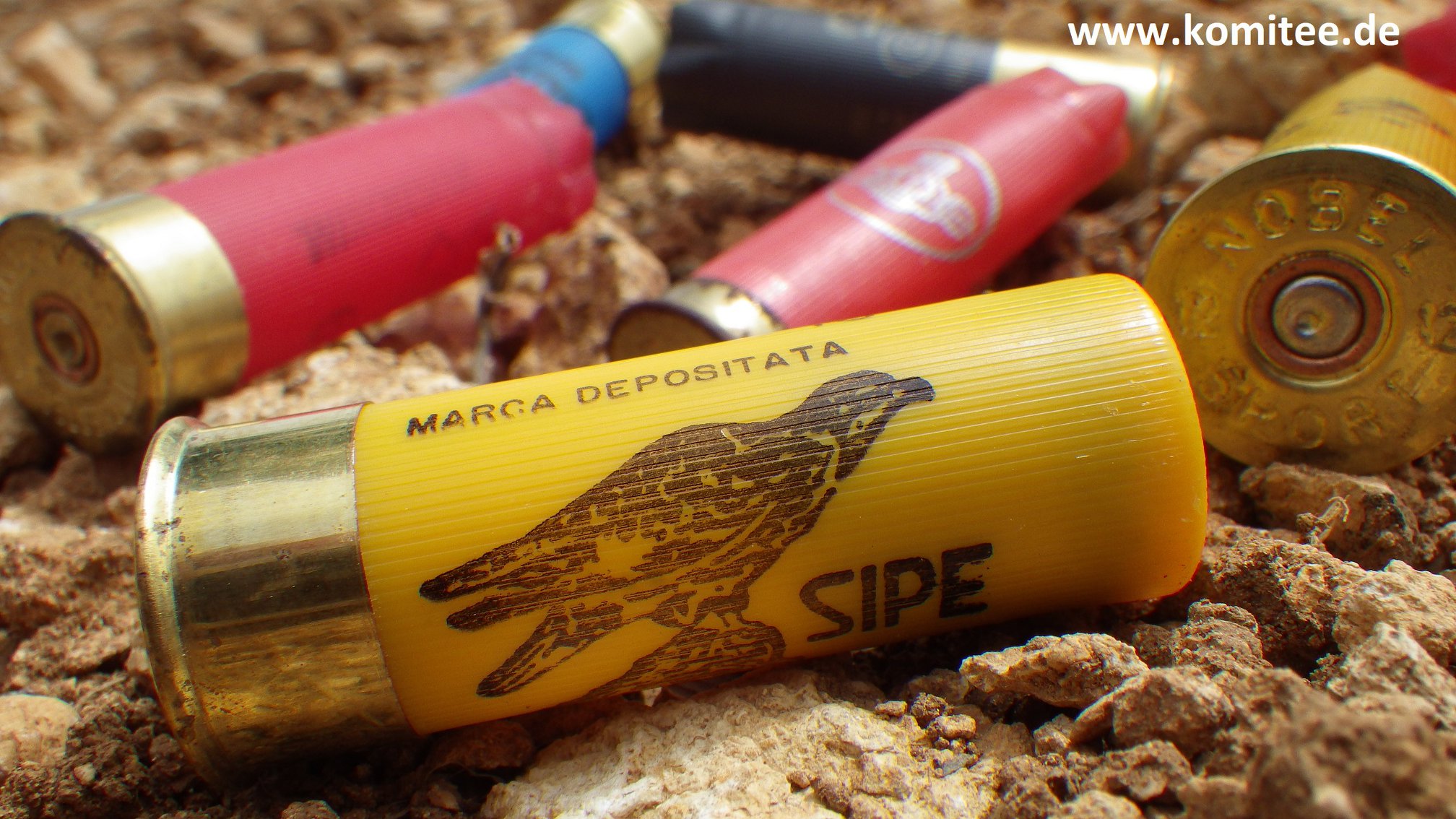
Migratory bird hunting season starts: In most EU countries the hunting season for migratory birds starts these days.
The stalking has already started in Malta and Cyprus, in France 1.2 million hunters stand for the start of the season on September 13th. Gun at your feet, the 700,000 Italian hunting license holders lay down on September 20. Come on!!
Depending on the country, up to 50 species are approved for shooting. In addition to ducks, pigeons, and chicken birds, various songbirds and waders can also be killed in most southern European countries.
The annual hunting range is around 50 million birds, including around 10 million song thrushes, over 1.3 million skylarks, and around 100,000 lapwings.
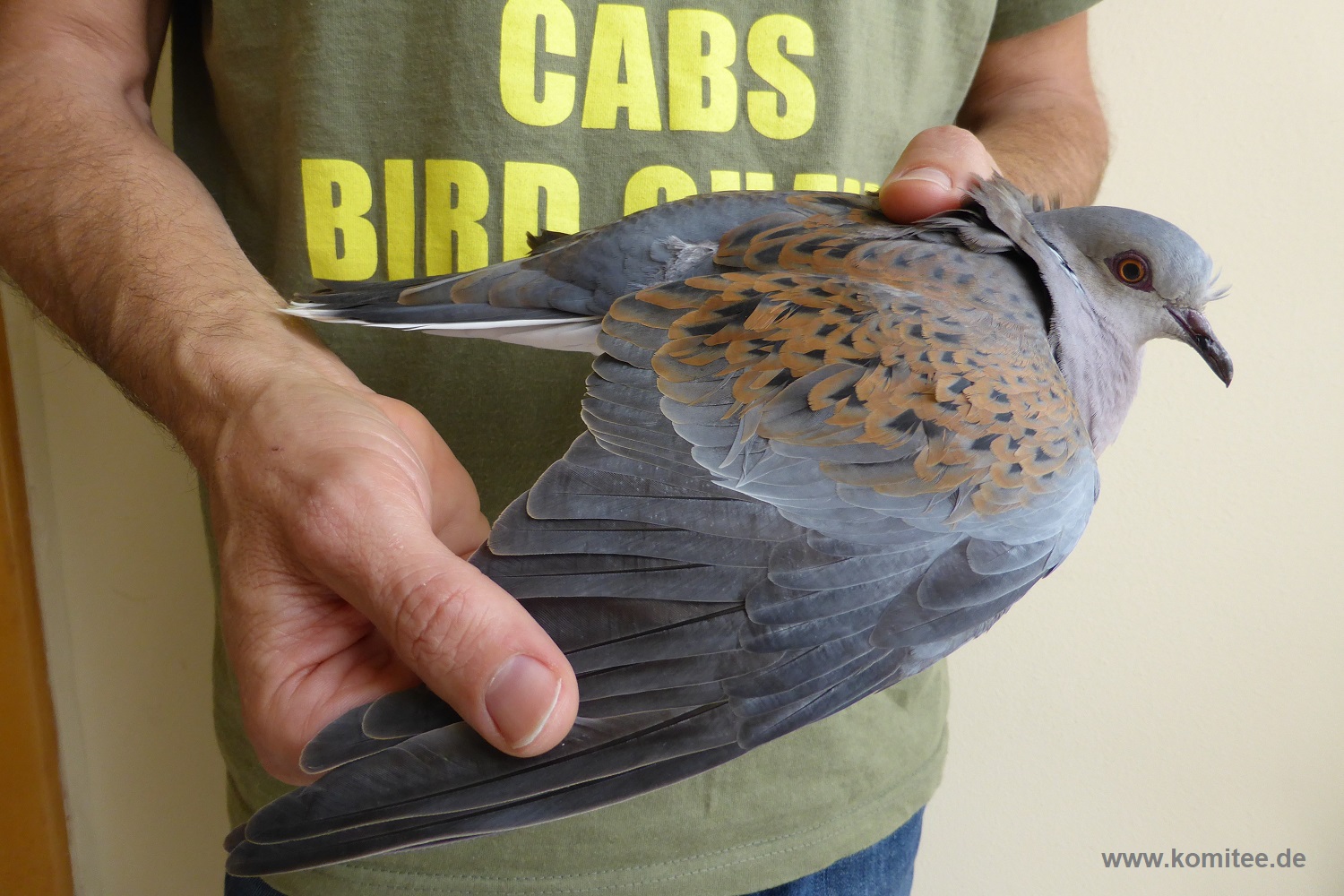
Lovebirds (photo) are also very popular with hunters – although the bird of the year 2020 is endangered throughout Europe, between 2 and 3 million lovebirds are shot legally every year!
And I mean…And that happens in the EU!!!
In the EU, whose countries call themselves civilized
And the EU calls this mass murder legal hunting.
And that’s not mentioned anywhere in the media!!
The hunting lobby extends to the highest levels of government many politicians are hunters … The lobby goes up to the highest levels of government ..That’s why everyone wants to keep the fun of shooting everything around! and therefore it is difficult to change anything.
Add to that the whole shit like tradition, you can also see the same crimes in other areas like bullfighting, whaling etc.
What criminal politicians are we governed by …
what criminal journalism are we being informed about …
and let us become a society without empathy, without conscience, without action…
It has to be remembered that, Mike Moser was the former CEO of the British Fur Trade Association and worked in the fur industry for over ten years. No doubt, as the voice for the animal abusing fur industry, Moser spoke out about the actions of animal rights activists against the trade, telling everyone ‘how good’ the fur trade was for animal welfare at every opportunity that came his way.
We now kind of welcome (but still have real doubts) that he has finally seen the light and has (especially with his past personal involvement in the business) decided to do a complete U turn and allegedly speak out about the abuses suffered by animals the world over on fur farms. If you need any proof of this, we can supply dozens of links; but here is literally one we posted only yesterday:
But we are extremely cautious about this change; Moser was in the highest position in the BFTA and in the past would deny the terrible conditions for the suffering animakls, and also speak out against expose by the animal rights activists whenever he could. No doubt as CEO of the BFTA he was also paid a half decent salary !
Can a leopard change its spots ? – we would like to think so but as stated, we are very cautious about it all.
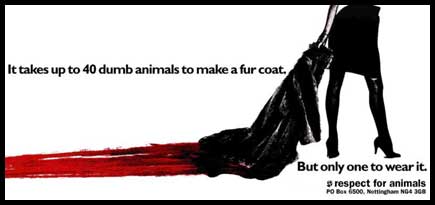
This morning (9/9/20) Mark (WAV) and Mark Glover at ‘Respect for Animals’ (Nottingham, England) – http://www.respectforanimals.org/about/ has a good talk about this particular issue especially. Mark Glover originally founded ‘Respect’ and is a totally seasoned campaigner and has dedicated his entire life to exposing and speaking out against the fur trade. We very mmuch admire his professionalism and dedication to the cause. We worked with ‘Respect’ by providing lots of evidence regarding the fur farms in Serbia, which have now all been closed by the recent Serbian fur ban. Much of the work at the Serbian end must be attributed to Slavica; who we sadly lost recently.
Mark (Glover) also provided some very encouraging news regarding Poland – see the video on the first link above. He forwarded on to us some information which is hot news today which we wish to share with you –
Poland – Ruling party plans to ban fur farming, use of animals for entertainment
Poland’s ruling party Law and Justice (PiS) plans to file a bill banning fur farming and the use of animals for entertainment purposes. The legislation is to go to the Sejm (lower house) still this week.
Earlier on Tuesday, PiS leader Jarosław Kaczyński said Poland needs new animal protection legislation, and voiced hope for the bill’s support above political divisions. He added that the proposed laws were motivated by humanitarian considerations, and strove to raise animal protection in Poland to western-European standards.
The new laws ban fur farming with the exception of rabbits, and all use of animals for entertainment, including their use in circuses. Also foreseen is the stricter control of animal shelters and the establishment of a council for animal affairs under the agriculture minister.
Mark Glover was involved with UK live exports for a while; and so Mark (WAV) gave him some information on the current situation and the continued use of the ‘Joline’ vessel by Dutchman Onderwater out of Ramsgate.
It was a great chat and I closed by wishing Mark continued success with Respect and being a huge voice for animals suffering in the fur trade.
Regards Mark (WAV)
———————————————————-
‘I saw animals in cages, stressed and suffering’: Former fur trade boss calls for UK sales ban
Mike Moser, who has visited fur farms across the globe, said sales of fur have “no place in modern society”.
The former CEO of the British Fur Trade Association has called on the prime minister to ban fur sales in the UK.
Mike Moser, who worked in the fur industry for a decade, described it as “anachronistic, barbaric and unnecessary”.
In an exclusive broadcast interview with Sky News, he said: “I visited fur farms across the globe. I saw animals in cages, stressed and suffering…prime minister I’m calling upon you to stop this inconsistency, to stop this cruel practice and to ban the sale of fur – now.”
Fur farming was banned in the UK in 2000 after a consultation found overwhelming public support for the move.
However, the UK still imports foreign-farmed fur including fox, rabbit, mink, racoon and chinchilla, which Mr Moser believes is “inconsistent, ambiguous, and hypocritical”.
He told Sky News: “Fur is not a necessity. It’s for vanity. In 2020, there is no justification for fur – full stop. That an animal is caged for its entire life is wrong.”
He says the fur trade “has no place in modern society” and “is out of place and out of time”.
He claims it was coming home to his pet labrador after visiting fur farms overseas that made him increasingly question the ethics of keeping foxes and raccoon dogs in wire cages for their entire lives.
He added: “It’s a big U-turn for me, but it’s OK to change your mind and I would implore people who are considering buying fur to change their minds.”
Mr Moser resigned from his role as chief executive of the British Fur Trade Association after he gave evidence at a parliamentary inquiry launched due to a Sky News investigation into the mis-selling of real fur as fake.
We found major high street stores were advertising products as “faux” fur when in reality they were rabbit, mink, fox, raccoon dog, and most consistent with cat.
After Sky News presented the findings in parliament, the select committee concluded retailers were failing consumers and recommended a public consultation on a fur ban should take place.
Mr Moser told Sky News: “As soon as the committee report was published, I resigned. I resigned from the fur trade because I could no longer in all good faith, and with a good conscience, defend what I believe to be indefensible.
“I no longer believed it possible to raise animals in cages and maintain good welfare. I no longer believe in the right of the industry to exist when its product, the fur is produced solely for vanity.”
During his 10 years working for the fur industry, Mr Moser visited farms on five continents and found the confined conditions “upsetting”.
He told Sky News: “The animals on the fur farms are born in cages, and they lead their short lives in the cages. They never know what it’s like to run free. The cages are mesh cages.
“They have to be so that the faeces of the animals can fall through the floor. So in the case of the mink and young fox cubs…their feet are too small to walk on the mesh and quite often they fall through the floor.
“Both these animals, particularly the mink, have padded feet, walking on these metal grids causes sores. It must be immensely uncomfortable.”
He was also distressed by what he felt were high density farm conditions.
“If you take foxes in particular, the cages are barely larger than the animal,” he said. “Now the welfare regulations in Europe, which are held to be gold standard by the industry were published in 1999, they haven’t changed for 21 years.
“In that time selective breeding by fur farmers has increased the size of animals. So simply by that measure alone, those cages are too small.”
When challenged by Sky News over whether it should be left to consumers to decide whether they purchase fur, an argument Mr Moser had himself regularly used, he responded that “there’s lots of decisions governments take for the greater good”.
In his decade working in the fur industry, footage sometimes emerged of alleged animal cruelty at farms.
“Farmers would come back and explain that these were out of context or not on regulated farms or have been set up by the animal rights extremists,” Mr Moser said.
“If you can’t stop these practices, even on one or two farms, then it’s the system itself that’s wrong. There’s no doubt from the footage that we’ve seen over the years that there are many animals in great distress on many fur farms.”
Mr Moser is now working alongside the Humane Society International charity to campaign for a ban on fur.
Claire Bass, HSI executive director, told Sky News: “Mike spent 10 years on the inside of the fur trade, so his verdict that this is an inherently and unacceptably cruel business is a pretty damning indictment.
“I fully respect Mike’s change of heart, and he now has an important and powerful message for the UK government – if someone like him with a decade’s experience inside the fur industry says it’s right to ban fur sales, then it’s time to take action and end the suffering.”
Responding to a written parliamentary question, environment minister Victoria Prentis said last week: “During the transition period, it is not possible to introduce restrictions relating to the fur trade.
“Once our future relationship with the EU has been established there will be an opportunity for the government to consider further steps it could take in relation to fur sales”.
Mr Moser’s high profile U-turn follows that of multiple designers – who have pledged fur-free policies including Prada, Gucci, Armani, Versace, Michael Kors, Jimmy Choo, DKNY, and Burberry.
Want the proof ?
Then watch the video of an undercover investigation by a person who worked at one of the worlds largest mink facilities in Poland.
Terrible animal suffering revealed on huge Polish fur farm
“This is a shocking investigation. The suffering of these animals can scarcely be imagined.
I personally know what impact seeing these atrocities first hand and close up can have.
As the undercover activist says in the video, some of the things he has seen will live with him forever.
I still live with some of what I saw in UK fur farms more than 20 years ago and it is not easy, but is certainly one of the things that has driven me on to work to end this disgusting industry.”
Mark Glover, Respect for Animals
Respect for Animals’ colleagues at the Fur Free Alliance, Otwarte Klatki, have today released the results of a two-month long investigation using an activist as an undercover farm employee.
The farm in Goreczki is potentially the biggest mink farm in the world, with around 500,000 animals kept in small cages.
The worker documented shocking cases of cannibalism, open wounds and untreated sick animals. He also recorded the reality of working conditions on fur farms: low wages, little training and lack of employment rights. This is of real importance because the fur trade is currently trying to reimage itself as sustainable and ethical. These claims are lies and this investigation is further evidence of the moral bankruptcy of the fur industry.
The undercover activist, called Yevhen, used a phone and hidden camera to document the distressing conditions on the mink farm.
Yevhen agreed to openly speak on camera about his experiences. The activist describes dead mink found every day in cages, and the shocking “hospital” – supposedly for sick animals, but where they did not receive veterinary help, instead simply killed by gassing or dying untreated and in agony.
This is the reality of industrial fur factory farming. This is why fur farming must be banned.
Take action! Add your name to this letter to the Polish Embassy, calling for fur farming to be banned:








 This deer impaled the 66-year-old with his antlers before he died (Image: Oregon State Police)

 World Animals Voice