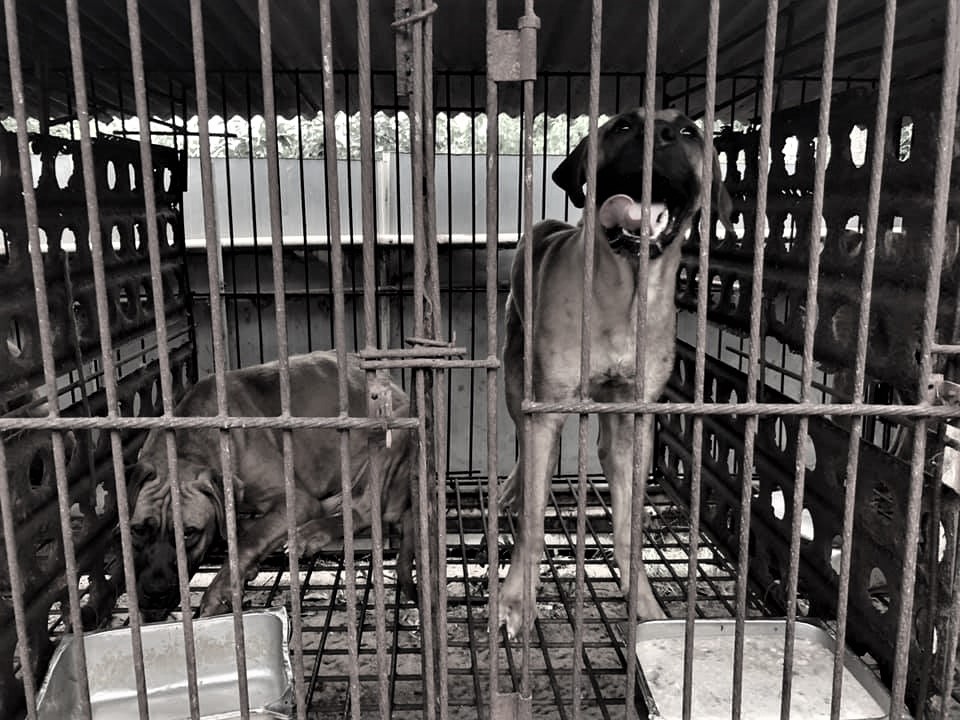
A few days ago in one post re the Korean (Meat) Dogs campaign, I said that we had tried to send e mails as per the website; but many had been returned by the administrator within a few minutes.
I said then that I would be contacting Korean Dogs in California to sound them out about this. So I did. Within a day I had a very nice message back from our animals friends at Korean Dogs in California. Giny sent the following info, which I am repeating in full as I hope it will help you with your actions.
As Giny says – The e-People petition is the most effective of all the actions you can take so please try doing that today. This will never bounce back and you will ALWAYS get a response from the Korean government. www.e-People.go.kr
So I suggest that (initially), the E People petition route is probably the best way to start.
Thanks to Giny for her very rapid response to my questions; I informed her that we will continue to support their wrk and campaigning until the Korean meat dog issue is a thing of the past.
Q: I have sent emails to addresses given on your web-pages, but many of them ‘bounce’ or have some other message saying they cannot be delivered. Why is this?
A: There could be several reasons why your emails are returned or not delivered. Your returned email will indicate the reason for the returned email such as “Message blocked”, “The receiver denied your mail.” One suggestion that we would like to make is that you separate your personal email with the petition mailing email account. You can also set up multiple email accounts on gmail for petition email sending.
In addition, the sources from where we have collected these email addresses could be out of date, or incorrect; or may have changed since we collected this information and listed it on our website. We do try our best to keep up-to-date information, but, as you can appreciate, it is not always possible to reflect these changes.
The e-People petition is the most effective of all the actions you can take so please try doing that today. This will never bounce back and you will ALWAYS get a response from the Korean government.www.e-People.go.kr
We also urge everyone to pass on your message by sending postal letters, and making telephone calls. Telephoning is particularly effective as the message cannot be so easily ‘ignored’.
Animal Equality’s undercover footage has revealed animals suffering from prolonged pain in a Scottish Salmon Company slaughterhouse. The investigation, showing fish-killing processes, is the first of its kind to be released in the UK.
The Scottish Salmon Company supplies major UK supermarkets Waitrose and Co-op, alongside premium retailers, hotels, and restaurants. The corporation also has a global reach, exporting its products to over 20 countries across the world.
In the UK, up to 77 million fish are raised and killed every single year – that’s over two per second.
Today, we released our latest investigation. As the first of its kind showing undercover footage from within a Scottish salmon slaughterhouse, it is truly groundbreaking.
Several extremely serious animal welfare cases of abuse were witnessed. A significant number of salmon were filmed fully conscious when killed; others were thrown to the ground and left to languish.
The company that owns and operates the slaughterhouse has been linked to Waitrose and the Co-op.
Scottish produce is often perceived by consumers as synonymous with ‘higher welfare’ and ‘higher quality’ practices, yet our investigation shows that even with stunning machinery in use, there is chaos, confusion, and unimaginable suffering.
Our investigation shows that fish need stronger protection.
Despite a stunning device being in place in this facility, numerous salmon displayed consciousness at the time of slaughter, evidenced by flapping, wriggling, and grasping motions.
Many salmon’s gills were cut when they were still conscious, causing them to be in agony for up to several minutes as a result.
Some salmon were stunned with a club after their gills were cut, causing their blood to spray out. In some instances, conscious animals were clubbed as many as seven times.
The town of Garmisch in Bavaria (Germany) is located near the mountain “Zugspitze”, at 2,962 m the highest mountain in Germany.
The city consists of two places, the second is Partenkirchen, and both were united in 1935.
Garmisch is considered a more elegant district, Partenkirchen (with its cobblestone streets) exudes a traditional Bavarian ambiance.
This district of Garmisch-Partenkirchen is planning to protect the cultural landscape there as a UNESCO World Heritage Site.
That wouldn’t be bad either, because it is a beautiful natural area, one of the few still existing in Germany, which is endowed with wild natural beauty.
In this context, the “tethering” of cattle should also be classified as a cultural asset worthy of protection.
Animal Rights Watch sees it as an attempt to misuse the title “World Heritage Site” to legitimize traditional cruelty to animals.
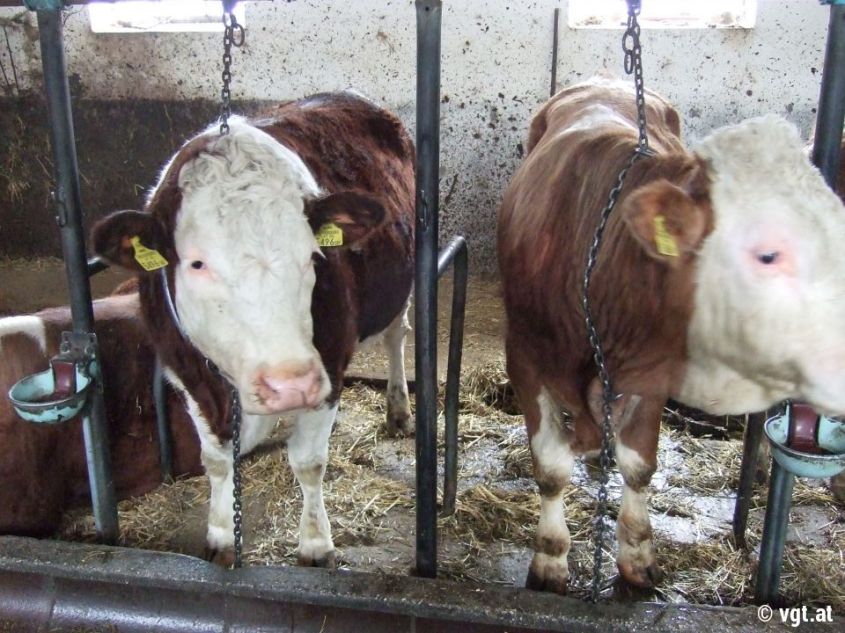
Nationwide, around 1 million cows live in what is known as “tethered”. Every fourth cow in the dairy industry is affected, most of them in smaller farms – even with organic labels.
In Garmisch-Partenkirchen, more than 50 percent of all cows in the dairy industry are “tied up”.
The affected animals are tied to the neck with a short chain, rope, or iron rod.
The remaining freedom of movement is just enough for the cows to lie down and get up again. For months they stand practically motionless in one place without the slightest change.
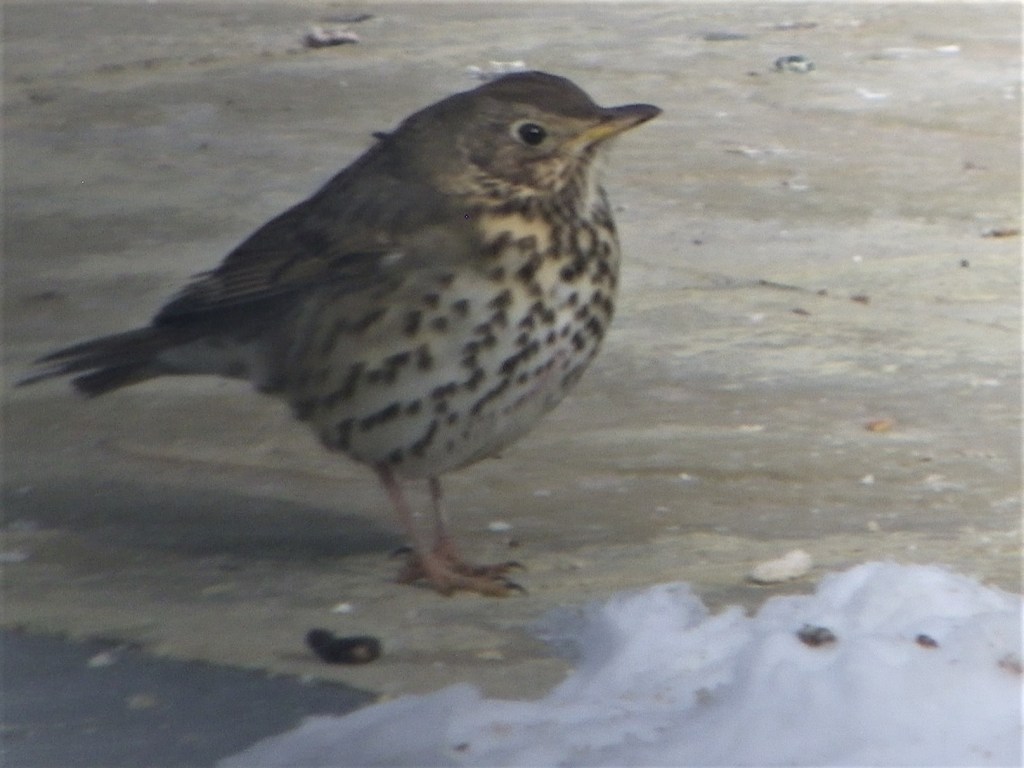
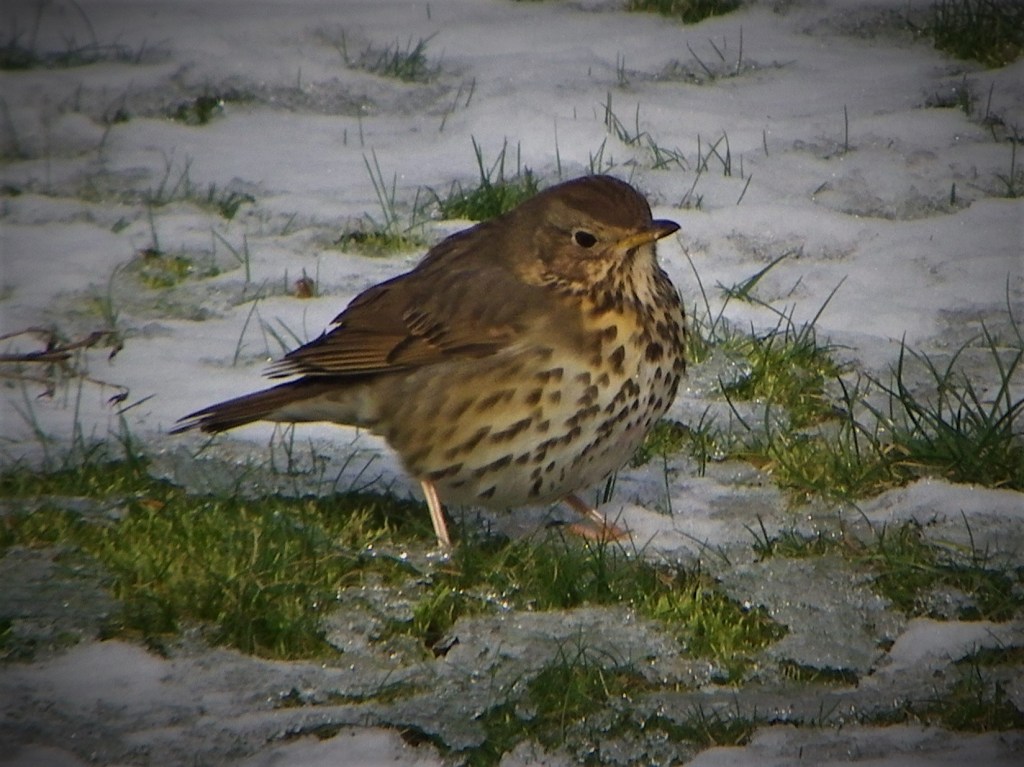
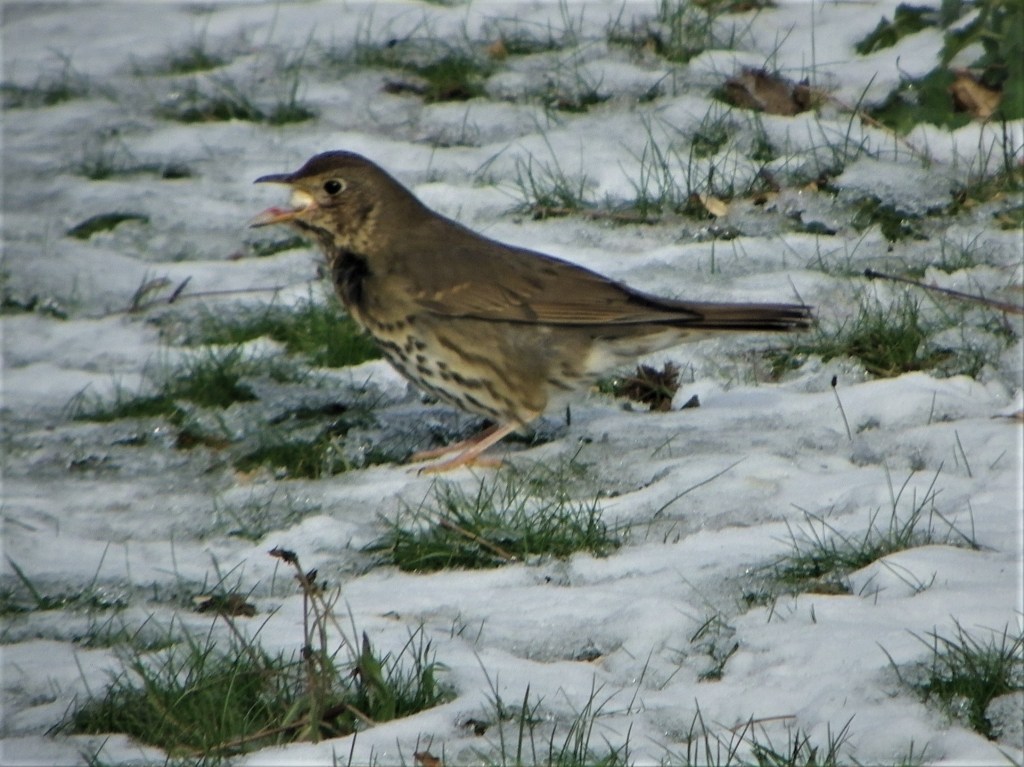
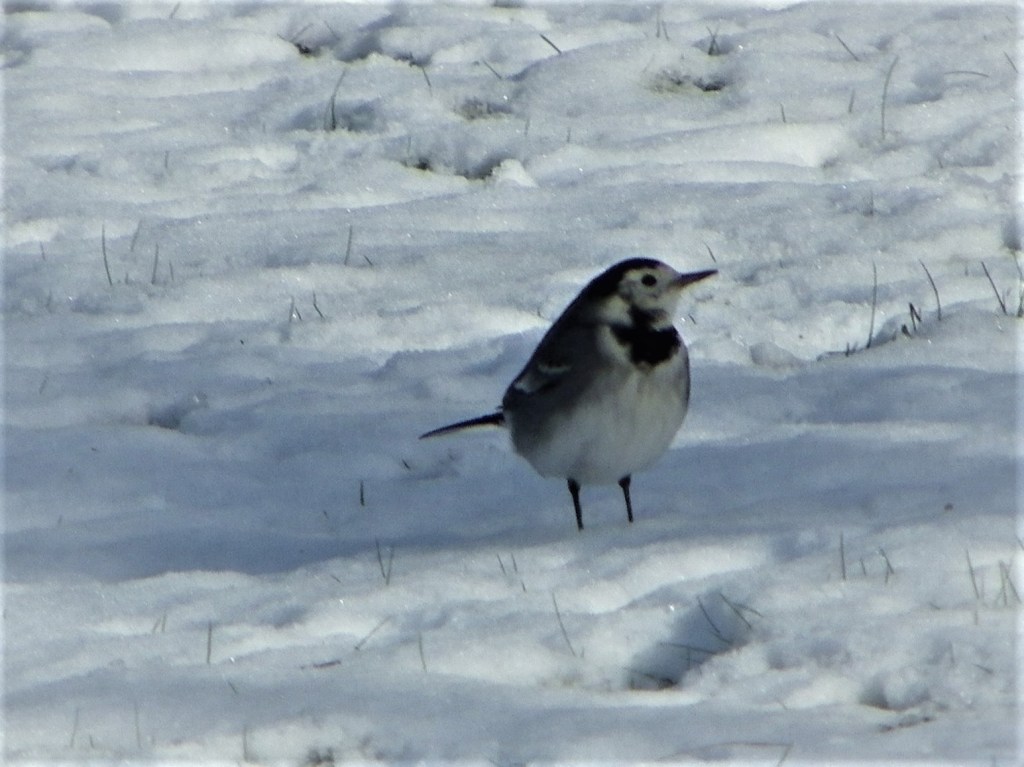
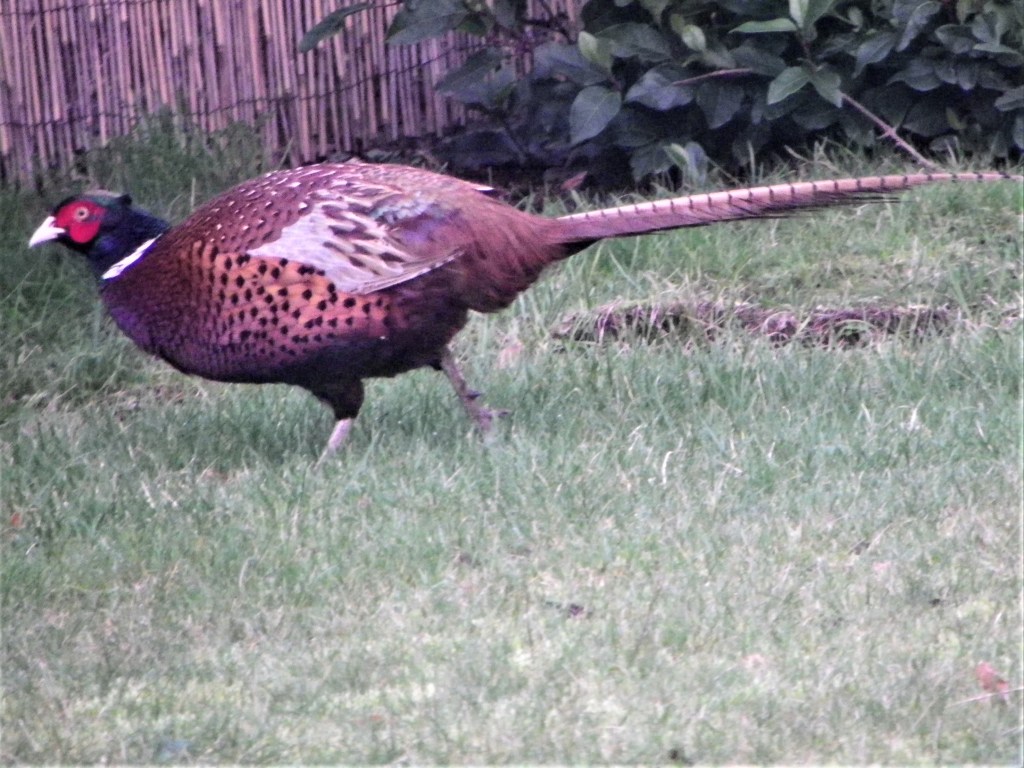
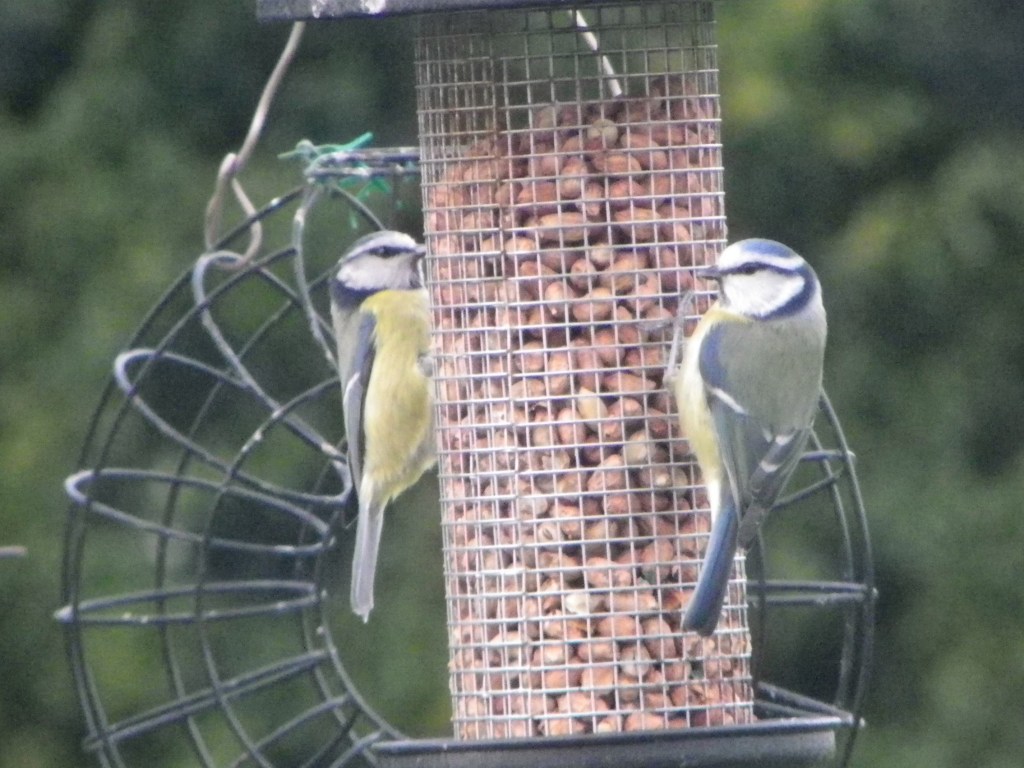
Some of the visitors to the garden today. Tomorrow we (UK) have a warm front coming in from the Atlantic; so temperatures will rise by about 12 degrees; gradually clearing the snow.. Last cold night tonight guys; warmer day tomorrow; but at least you have all had a really good feed up today to help you get through the night just fine. See you all in the morning !
Regards Mark
…………………….. and before the snows came; a real pleasure to feed and see all the garden visitors – it shows what you can attract by putting out some food …………….
We have tremendous news tonight (12/2/21) with regard to the leaked zoom calls from the Master of Fox Hunting Association and Countryside Alliance – after some months of deliberation, Mark Hankinson, director of the Masters of Fox Hounds Association, has been charged with intentionally encouraging or assisting others to commit an offence under the Hunting Act 2004, contrary to Section 44 of the Serious Crimes Act 2007.
We are delighted – here are our statements for you to share.
The League Against Cruel Sports has welcomed the news that Mark Hankinson, director of the Masters of Foxhounds Association, has been charged with intentionally encouraging or assisting others to commit an offence under the Hunting Act 2004, contrary to Section 44 of the Serious Crimes Act 2007.
It follows the publication of leaked webinars by the Hunt Saboteurs Association and a subsequent investigation by Devon and Cornwall Police. He is due to appear before Plymouth Magistrates’ Court on 4 March.
However, the charity is seeking answers as to why more charges were not forthcoming.
Andy Knott, League Against Cruel Sports chief executive officer, said: “We welcome the news that a director of the Masters of Foxhounds Association is being prosecuted as a result of the leaked training webinars in which trail hunting was described as a smokescreen by senior members of the hunting lobby.
“Given the content of the webinars, we are astonished that more people were not charged. As the official complainant in this case we will be asking for a meeting with the Crown Prosecution Service to discuss this with them further. We always felt that Mark Hankinson had breached the law in these films and we are very pleased to see that a criminal charge has been brought against him.”
ENDS
The League Against Cruel Sports is Britain’s leading charity that works to stop animals being persecuted, abused and killed for sport. The League was instrumental in helping bring about the landmark Hunting Act. We carry out investigations to expose law-breaking and cruelty to animals and campaign for stronger animal protection laws and penalties. We work to change attitudes and behaviour through education and manage sanctuaries to protect wildlife.
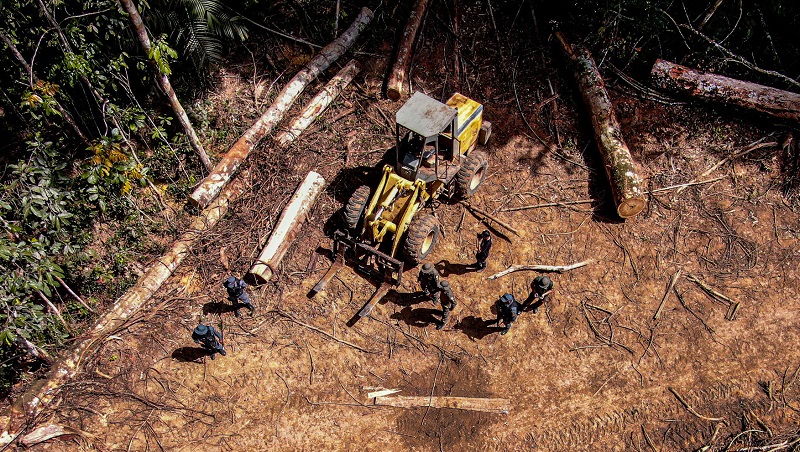
Slash and burn in the Amazon rainforest increased under Brazilian PresidentJair Bolsonaro.
But is that a crime against humanity? Bolsonaro is now being accused of that.
The International Criminal Court in The Hague could open an investigation.
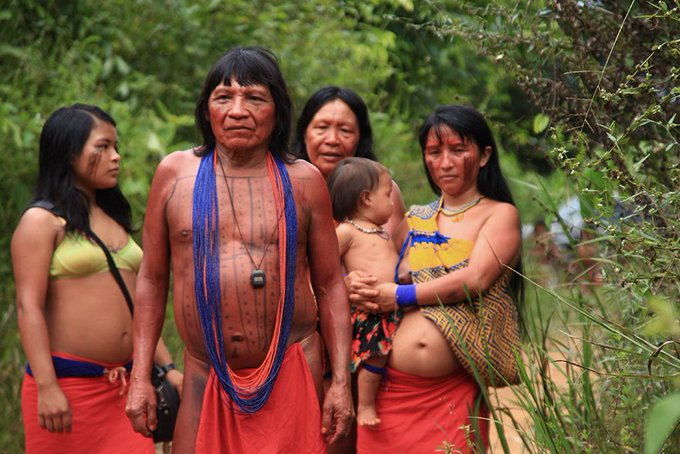
The leaders of two indigenous peoples in Brazil have filed a complaint against the President of their country, Jair Bolsonaro, at the International Criminal Court in The Hague. Now the court must decide whether to open a formal investigation.
Bolsonaro is charged with crimes against humanity. He is systematically destroying the Amazon rainforest, is responsible for the murder of environmental activists and indigenous people, and undermines the work of the authorities to protect the environment and the indigenous people.
“The situation is the direct result of Jair Bolsonaro’s policy,” said the complaint. The head of state wants to “remove all barriers to the plundering of the treasures of the Amazon”.
It is not difficult to find evidence for the various allegations.
Since Bolsonaro took office in 2019, deforestation has increased by half and is now at its highest level since 2008.
Violations of protected areas for indigenous peoples increased 135 percent in 2019.
At least 18 people were murdered. At the same time, convictions for environmental crimes fell by 40 percent in the year before last.
In addition, responsibility for the indigenous protected areas was transferred to the Ministry of Agriculture.
The Ministry of the Environment is receiving less money this year than ever in the last 21 years. During this time the budget was never less than 450 million euros, this year it is 260 million.
“It is scary to see that there is a coordinated attack against the climate, the forest, and its people,” said Marcio Astrini, head of the Brazilian environmental organization Observatório do Clima.
The complaint against Bolsonaro was filed by arguably France’s most famous human rights lawyer, William Bourdon.
He hopes to be able to set a precedent: He wants the criminal court to find Bolsonaro guilty of “ecocide”.
And I mean…Since Bolsonaro took office in 2019, the Amazon fires and deforestation rate have increased noticeably.
Environmental authorities have been systematically rebuilt. Employees with technical or environmental policy expertise had to leave, in many protected areas authorities are now understaffed or without management.
Officials have been fired for opposing deforestation.
“We believe the government will continue to use the pandemic to relax environmental guidelines,” said Rita Portela.
She is a biologist and ecology professor at the Federal University of Rio de Janeiro.
A few days ago, the government also presented its plans for 2021. This includes several controversial projects – like legalizing mining projects in indigenous areas.
This catastrophic policy threatened not only species with being lost, more greenhouse gases being produced and indigenous communities being wiped out.
The loss of shelters also harbors another risk: zoonotic infections and thus the risk of new pandemics.
On the other hand, not only the far-right President Jair Bolsonaro should appear before the International Tribunal for killing the world’s green lungs every day, but also the investment giant BlackRock.
The world’s largest investor in deforestation finances companies responsible for the destruction of the Amazon.
Despite all the criticism of right-wing extremist President Jair Bolsonaro, theEU and Mercosur member states,including Brazil, have reached an agreement after more than two decades.
This creates the largest free trade area in the world.
Many criminals, except Bolsonaro, are responsible for the destruction of the Amazon.
Three senior Labour frontbenchers have written to the government calling for a fur ban in the UK.
Emily Thornberry, Shadow Secretary of State for International Trade, Ed Miliband, Shadow Secretary of State for Business and Energy, and Luke Polland, Shadow Secretary of State for the Environment, Food and Rural Affairs, wrote to Liz Truss earlier this month.
The letter denounces the fur trade as ‘barbarous’ and ‘unnecessary’, adding:
“Britain led the way in abolishing fur farming two decades ago, but we still contribute significantly to this cruel and outdated global trade by importing and exporting tens of millions of pounds worth of fur and fur products each year.
“Annually, more than 100 million animals worldwide are bred and killed for their fur, living their short lives in miserable, painful confinement.
“Millions more are trapped in the wild, left in agony for long periods before they are killed.
“All too often nowadays, this dreadful suffering is endured simply to provide the fur trim on gloves, hats, hoods, and other fashion accessories.”
Last year Respect for Animals composed an Early Day Motion calling for a ban on fur imports and sales, which was submitted with support from MPs across the political divide. Early Day Motion 267 (‘Real Fur Imports’) has since become the second most popular EDM in this session, which 139 signatures so far.
British Citizens ONLY – TAKE ACTION!
Please write to your MP and urge them sign our Early Day Motion (267). If your MP has already signed or does not sign EDMs generally, then please urge them to write to the government calling for action.
We need to put maximum pressure on ministers in order to make history and achieve a Fur Free UK.
Also ….
Mink farms in Ireland will be shut down ‘by the end of the year’
Successive governments have pledged to ban fur farming in Ireland for some years now, after a campaign co-led by Respect for Animals.
Finally, the government has confirmed that mink farming will be outlawed in Ireland by the end of the year.
Banning fur farming is a part of the programme for government and was listed as a priority bill when the new year’s legislative programme was published.
It is listed for pre-legislative scrutiny this spring, meaning the Oireachtas agriculture committee will be able to examine the bill before it formally goes through the legislative process.
In early February, the Minister for Agriculture, Food and the Marine, Charlie McConalogue T.D., launched Ireland’s first over-arching Animal Welfare Strategy, which included a fur farming ban as number one priority,
He elaborated:
“Before Easter, I will bring legislation before the Oireachtas to prohibit fur farming in the State.”
The Department of Agriculture wrote to fur farmers to tell them that legislation would be moving forward this year to curb the practice.
While no formal date has been set or confirmed for the introduction of legislation, it is understood that mink farms will have to wind up their farms before the end of this year.
A compensation scheme will be put in place, although a final decision on the terms has yet to be finalised. Further consultation will take place on the shape of any scheme.
Respect for Animals is delighted at this progress and will hold the government to account in order to ensure that the horrendous process of fur factory farming is ended in Ireland once and for all in 2021.
The Scottish government have joined England and Wales in hosting a consultation regarding live animal exports. Animal Aid would like to see a complete ban on the needless live export of animals, however this brings an opportunity to improve conditions for some of the victims of the animal farming industry.
Please join us in responding to the Scottish consultation. We have provided some example responses to the consultation questions below to help you, although greater consideration may be given to responses in your own words, rather than exact duplicates.
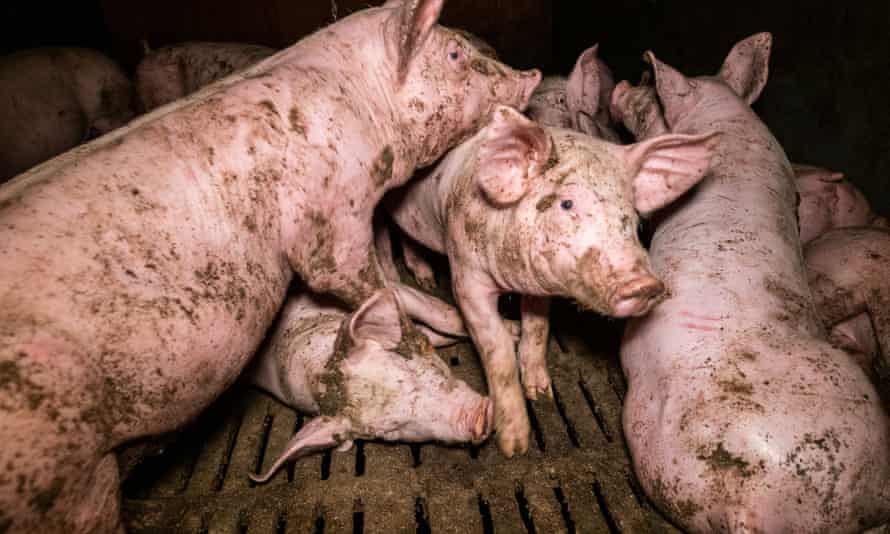
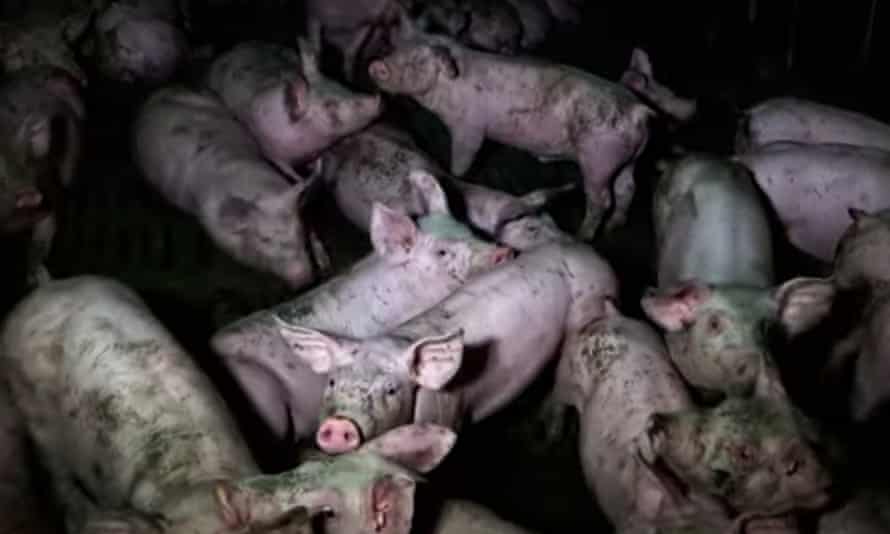
Video footage released by French animal welfare group, L214, in December 2020 appears to show pig cannibalism, overcrowding and dead animals lying in pens. Photograph: Courtesy of L214
Undercover footage at French pig farm shows ‘abusive’ conditions
The unit, which supplies the Herta brand, had been cleared by French state vets and claimed to be addressing concerns
French veterinary officials have been accused of publishing “falsely reassuring” inspection findings after undercover footage at a farm appeared to show pigs in conditions that continued to breach regulations following allegations of abuse in December.
The farm is a supplier for the Herta brand of frankfurter, part-owned by Nestlé, which is sold by most major UK supermarkets.
In December 2020, the French NGO L214 released undercover footage that appeared to show pig cannibalism and other serious issues at a farm that supplies the Herta pork brand. The brand is 60% owned by Spanish food company Casa Tarradellas and 40% by Nestlé.
These allegations prompted Waitrose to suspend sales of Herta products and Nestlé to pause supply from the farm to Herta, pending investigations. Separately, the Allier regional government launched its own inquiry.
On 16 December, Allier effectively cleared the pig breeder of any mistreatment charges. Its statement said: “In general, the inspection concludes that the farm is in good condition and that there are no major non-conformities.”
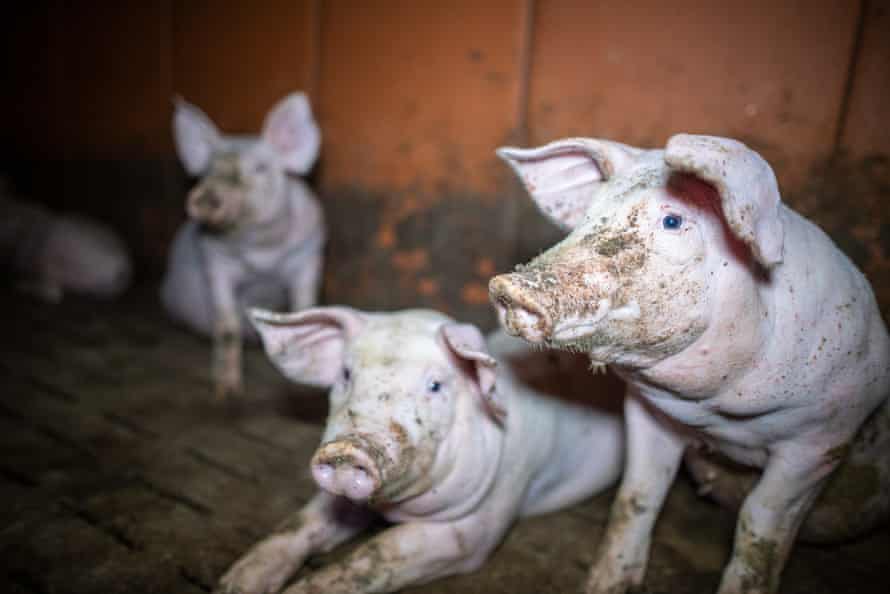
New undercover footage, however, said to have been filmed in January 2021 and released on today, appears to show pigs in conditions that continue to breach French regulations, L214 said. Infringements cited by the NGO include: the absence of any hay, straw or other bedding, no apparent fresh water, pigs with docked tails and unsuitable flooring.
New footage released by French animal welfare group L214 appears to show conditions at the farm haven’t improved since it released its first video in December 2020. Photograph: Courtesy of L214
EU law governing pig welfare stipulates they “must have permanent access to” rooting materials “such as straw, hay, wood, sawdust, mushroom compost, peat or a mixture of such”. Pig tail docking is outlawed in the EU, other than in exceptional circumstances.
Vets contacted by the Guardian and who watched the undercover footage also raised concerns.
Vicky Bond, a UK vet and director of the Humane League, described the pigs’ conditions shown in the footage as abusive and said UK consumers were “often unaware that we import products that fall below UK animal welfare laws”.
Speaking in a personal capacity, Alfonso Senovilla Labrador, a Spanish civil service vet, said although the video was not as bad as some he had seen, there were several welfare infractions he would have noted as part of an inspection.
“The most important ones are the lack of water for some animals,” he said, as well as overly-wide slatted flooring gaps in which pigs could trap their feet.
In another area, Senovilla noted that a newborn piglet’s legs were trapped by a different type of floor slatting. Without help, he said, the piglet probably died. Senovilla also pointed to areas in the pig barn that were in “an excessively dirty condition”.
Walter Sánchez-Suárez, a vet and consultant to US NGO Mercy for Animals, said he was struck by the poor hygiene, inadequate flooring and apparently “systematic” tail docking – a procedure he described as painful.
Tail docking, he said, aimed to prevent pigs biting each other’s tails to relieve the stress “typically caused by poor environmental conditions and management practices”.
Sánchez-Suárez said the apparent shortages of water and enrichment materials – items meant to relieve pig boredom – should have seen the farm “deemed as non-compliant with the current EU laws”.
L214 has begun legal action against the French state for “the failure of the veterinary services to fulfil their mission”.
In a statement L214 said: “Contrary to what the veterinary services claimed in a press release issued 16 December 2020, [the pig farm area] violates the regulations on a multitude of points: systematic cutting of tails, untreated injured animals, lack of water for many animals, lack of materials to occupy the pigs, [parts of a] roof collapsing in one of the buildings.” The “easily observable non-conformities” should, it said, have been noted and sanctioned.
The NGO further claimed that the “falsely reassuring” inspection findings led to Herta reinstating the pig breeder as a supplier, and to Waitrose restocking Herta products.
A statement to the Guardian from the Allier regional government, where the pig breeder is based, said that while there had been some welfare issues, they were being resolved.
The statement said although the inspection “did not reveal any major non-compliances”, there were “minor or average non-compliances justifying a formal notice to the farm, communicated on 17 December, asking it to bring itself into compliance”.
It added that a visit by inspectors this week showed “the operator has indeed initiated the expected corrective measures”, and was installing watering equipment and enrichment materials, replacing floor grates and reducing the number of pigs in each pen.
Herta branded products, as seen in supermarkets across Europe. Photograph: Getty
Responding to questions from the Guardian, Herta said in a statement: “This farm was suspended from the Herta supply chain following allegations in December. An investigation was carried out including an onsite audit by French authorities who found there were ‘no major non-conformities’ and that the farm complies with legal and national standards. The farm was therefore restored as a supplier.”
In a statement, Nestlé said it was “strongly committed to improving animal welfare in its supply chain”, and that it condemned any mistreatment of farm animals. It was in close contact with Herta, it added, and continued “to support all efforts to drive up farming standards”.
Waitrose said it has again suspended pork products from the Herta brand while it investigates the new footage. Other major UK supermarkets stock Herta pork products and they are available online.
The Guardian approached one of the owners of the French pig farm, who did not wish to comment.
The L214 footage appears to show that pigs on the farm had their tails docked and lacked enrichment materials to stop them getting bored. Photograph: Courtesy of L214

 cruelty to any being is the same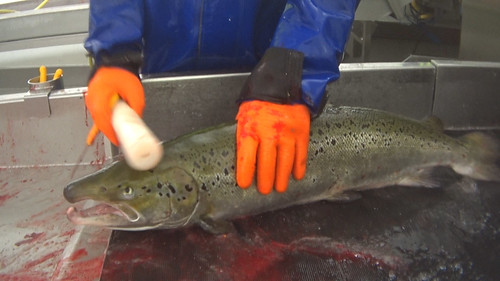



















 World Animals Voice