
With activist friend Phil – CEO at CIWF.
Regards Mark

If you shop at Amazon, like many of us do now days; there is a way that you can still buy (through Amazon) and yet at the very same time, get Amazon to donate money to an animal organisation of your choice.
Instead of just selecting items directly from the main Amazon site, do a Google search for ‘Amazon Smile’.
My selected charity is the London based Brooke Hospital for Animals, for which I am able to view my donation status at any time: The Brooke do such fantastic work, so why not support them ?
Your current charity
The Brooke Hospital For Animals
Location: London
Mission: To promote the welfare and relieve the suffering of working equines and other animals in africa, asia, the middle east and south and central america, and in any other areas outside the united kingdom that the trustees may think fit, for the public benefit, in particular, but not exclusively, by: the support, promotion and provision of veterinary and other animal healthcare services whether in the context of veterinary clinics, animal hospitals, other animal healthcare facilities or…
Programmes: Activities: Makes grants to organisations, provides services, provides advocacy/advice/information, sponsors or undertakes research, Beneficiaries: Other defined groups, Purposes: Education/training, animals
Anything I purchase through Amazon is always made via Amazon Smile.
With my purchases over the last 12 months, as you can see below, I have got Amazon to donate £52-41 to the Brooke. Along with other Amazon Smile users, we have collected more than £24,000 for the Brooke.
You have generated
£52.41
as of 07 January 2023
My current charity,
The Brooke Hospital For Animals has received
£24,031.45 as of November 2022
It costs you nothing, and is simple to switch from Amazon to Amazon Smile every time you purchase. Not everyone knows about this, but for sure it is the way to do your shop and also donate to charity at the same time.
I would encourage everyone to shop via Amazon Smile instead of the normal Amazon site; why not shop and get money given to a charity of your choice instead of getting Amazon to donate nothing ?
Try it – Amazon Smile.
Every little bit counts
When millions of supporters shop using AmazonSmile, charitable donations quickly add up. Additional donations generated as a result of special offers may take several months to update.
United Kingdom charities have received
£18,557,857.86 as of December 2022
All worldwide charities have received
£381,995,657.00 as of December 2022
Regards Mark

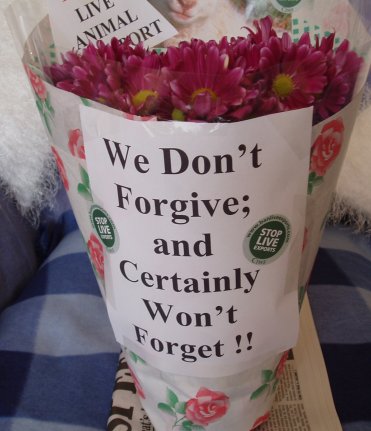
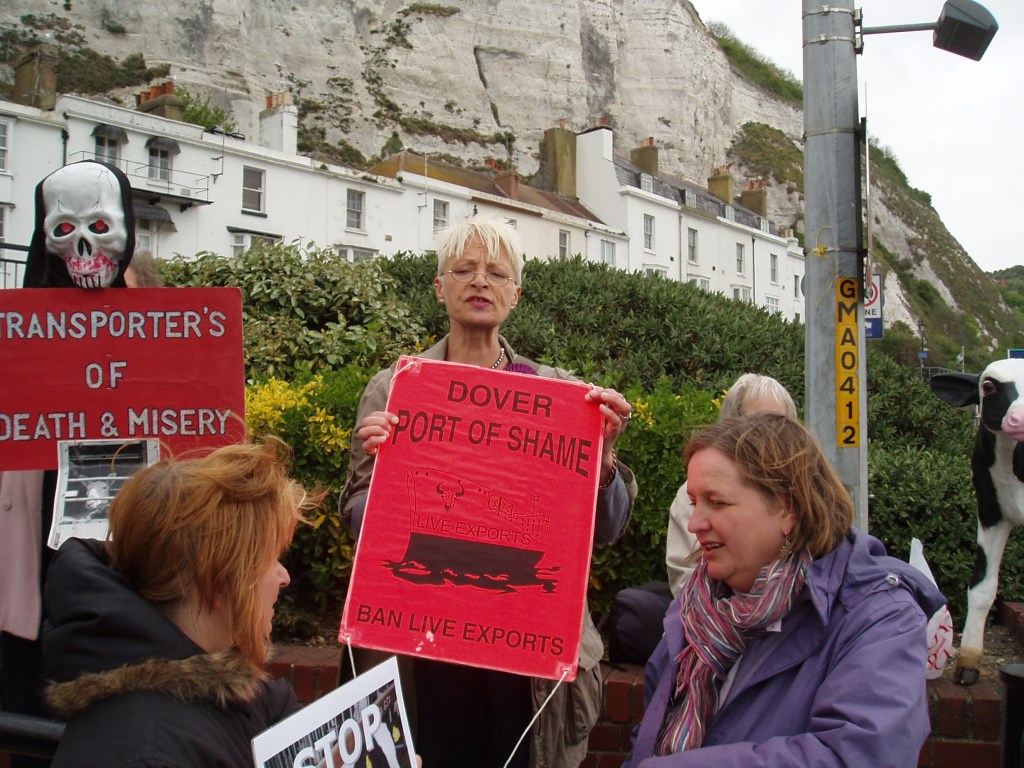
As some of you will know, live animal transport has been top of my activism agenda for over 35 years. Unfortunately, I have seen, heard and smelled hundreds of thousands of live sentients being exported from the UK to Europe over this time. During 2002-05 I worked with Carla (Lane) and the CIWF investigations unit to take a real in depth review of the live export of British horses to mainland Europe. We undertook live investigation trails into Europe from the UK; it was harrowing work, but was more than worthwhile as it formed part of the basis on which I could confidently write when submitting my responses (regarding live horse transportation) as part of the live export consultation put out by the British government (in 2020). In over 35 years of export investigation work you kind of build up a lot of experience into what goes on; the real side of it; for me, we had the chance to shut down this disgusting business from the UK for once and all; so it was time to do everything we could to do that.
Under currently existing EU legislation, individual member states cannot introduce their own national bans on live transport. Getting out of the politico farce known as the EU, and then implementing its own national ,legal ban on live transport was the only way forward for the UK to take action on this issue. So the UK voted to get out of the EU in 2016, which came as a very big surprise to many; others viewed it as an opportunity to ‘take back some control’; and for live exports, that is exactly what the UK did. The UK officially left the EU on 31 January 2020.
At the end of 2020 the UK Government (through Ministry Defra) put out a very large consultation on the issue of live animal transport. It was basically a case of the industry against the anti’s – or us, campaigning for a ban. The idea was that via the replies to the consultation, the government would review all the input data supplied and act accordingly. Finally, a chance to get it stopped !
I think I am right in saying that there were received 11,395 responses from industry and anti’s to this formal consultation.
This link provides more information: Improvements to animal welfare in transport: summary of responses and government response (publishing.service.gov.uk)
87% of respondents agreed that livestock and horse export journeys for slaughter and fattening were unnecessary. The British people, who in the main are very opposed to live animal transport, campaign organisations, including CIWF, the RSPCA, Animal Aid and ourselves at WAV, had their say on something which was NOT being allowed when the UK was an EU member state.
Following the consultation, the government commenced with the introduction of the Animal Welfare (Kept Animals) Bill, which included (amongst many things ‘animal’) measures to ban live animal exports for slaughter and fattening. It was obvious that the UK was calling for a ban to live animal exports.
So, finally for me and many others, after 30+ years of fighting the fight to get the trade stopped, we saw a positive glimmer of light on the horizon. We were going to get some justice for the hundreds of thousands of suffering live animals which we had seen being exported to Europe over the years from the UK, which we as a member nation had been forced to endure through EU legislation.

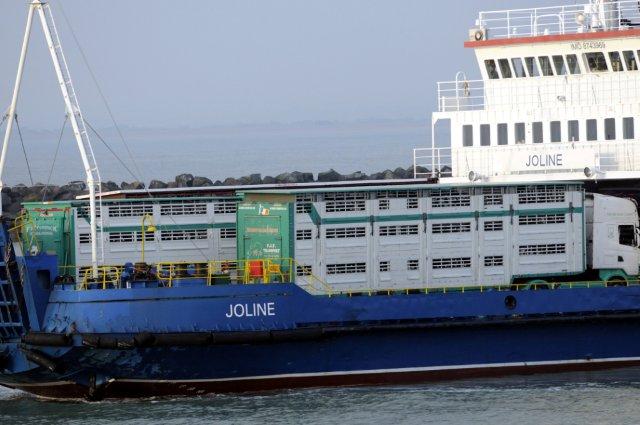
January 2023 – The Kept Animals Bill is currently working its way through Parliament to become British law. Even without a ‘formal, legislative ban’, for the last year or so (ie during 2022) we have not seen any livestock exported for slaughter or further fattening from the UK. In the past, England / Wales was regularly used as a ‘land bridge’ by hauliers shipping live animals from Ireland to Europe. Irish animals would cross the Irish Sea from Ireland to ports such as Anglesey (UK West coast) ; where they would then cross England (by road) and head to ports such as Dover or Ramsgate (Kent county) on the SE coast. Here, they would board a specific ferry operated by the exporters (the ‘Joline’) where they would cross the English Channel to ports such as Calais in France. From Calais, animals would then be transported all over Europe for either direct slaughter or for further fattening.
The above CIWF undercover video shows this.
Several people that I have spoken with have expressed their doubts that there will ever be a ban. I completely disagree; but would add that victories are not achieved overnight; and this is one of them. To become formal national law there is a governmental process which all proposed legislation has to work its way through. There is, via the Commons and the House of Lords, scrutiny and yet more scrutiny of what is being proposed. You could say that changes ping pong back and forth between the houses until all are in agreement with what is proposed. This is the current situation for the live exports ban.
But, I have every confidence that it will happen very soon, and we will see legislation in statute before the end of 2023.
I am trying to briefly outline the Bill procedure within Parliament so that you can see how new laws are made. I hope it makes sense !
A bill is a proposed law which is introduced into Parliament. Once a bill has been debated and then approved by each House of Parliament, and has received Royal Assent, it becomes law and is known as an act.
For each session of Parliament the government will have a legislative programme, which is a plan of the bills that it will ask Parliament to consider in that session (the period between elections is divided up into sessions, and each of those sessions usually lasts about a year). Other bills may be passed each session that are not part of the legislative programme. These may for example be emergency bills required to deal with a particular issue that has arisen, or they may be Private Members’ Bills, introduced by a member who is not a part of the government.
If a bill is given a slot in the legislative programme, the department concerned will create a bill team to co-ordinate its preparation and passage through Parliament. This will consist of a bill manager and other officials working on the bill. The other key players in the department will be the officials with lead responsibility for the policies in the bill and the department’s legal advisers.
The policy officials will prepare policy instructions for the departmental lawyers. These instructions will in turn form the basis of instructions to the Office of Parliamentary Counsel to draft the bill. Instructions to counsel will set out the background and relevant current law and explain the changes in the law to be brought about by the bill. There will usually be at least two counsel assigned to the bill, and larger bills may well have more drafters. They will analyse the instructions and may have questions that need to be answered before drafting can begin. Once the drafters feel they have a clear idea of the policy, they will send drafts to the relevant departmental lawyers. The lawyers will discuss the drafts with the relevant policy officials and send comments back.
The first draft of a clause or set of clauses for a topic is rarely the final word on that topic, and the process of drafting and commenting on drafts will continue until the drafters and the department are happy that the right result has been achieved by the draft in the clearest possible way.
Although a bill may have a slot in the legislative programme, it cannot be introduced until it has been specifically cleared for introduction by a meeting of PBL Committee.
If PBL Committee is satisfied that the bill is ready and that other legal and procedural issues have been resolved, it will approve its introduction subject to any necessary minor and drafting changes. The committee may also decide whether the bill should start in the House of Commons or the House of Lords.
Some bills are published in draft for consultation before introduction. The bill may then go through a process of pre-legislative scrutiny where it is considered by a Parliamentary committee or committees. The committee will take evidence and make recommendations to the government on the bill. These recommendations, together with the consultation responses from members of the public, may mean that elements of the bill are modified before introduction.
Most bills can begin either in the House of Commons or in the House of Lords. The government will make this decision based on the need to make sure each House has a balanced programme of legislation to consider each session. However, certain bills must start in the Commons, such as a bill whose main aim is the imposition of taxation (the annual Finance bill is an example of this). bills of major constitutional importance also conventionally start in the Commons.
Most bills will need to go through the following stages in each House before becoming law (what is said below applies to either House except where indicated).
This is a purely formal stage, and there is no debate on the bill.
This is a debate on the main principles of the bill, held in the chamber. A government minister will open the debate by setting out the case for the bill and explaining its provisions. The opposition will respond and then other members are free to discuss it. The government will close the debate by responding to the points made. No amendments can be made to the text of the bill at this stage, although members may give an idea of the changes they will be proposing at later stages. At the end of the debate the House will vote on the bill. If the vote is lost by the government, the bill cannot proceed any further, though it is rare for a government bill to be defeated at this stage.
This is a line-by-line consideration of the detail of the bill. In the Commons this process may be carried out by a specially convened committee of MPs (a Public Bill Committee) that reflects the strength of the parties in the House as a whole. Alternatively committee stage may be taken in the chamber (in which case it is called Committee of the Whole House). In the Lords the committee stage will take place in the chamber or a committee room in the Palace of Westminster; either way any peer can participate.
A Public Bill Committee in the Commons can take oral and written evidence on the bill. In either House the committee will decide whether each clause of the bill should remain in it, and will consider any amendments tabled by the government or other members.
The amendments tabled may propose changes to the existing provisions of the bill or may involve adding wholly new material. However, there are limits to what can be added to a particular bill, as the amendments must be sufficiently close to its subject matter when introduced.
Government amendments to bills (in committee or at other stages: see below) may be changes to make sure the bill works as intended, may give effect to new policy or may be concessionary amendments to ease the handling of the bill. Amendments in the last category will respond to points made at an earlier stage or will have been tabled to avoid a government defeat at the stage in question. Unless the amendments are purely technical in their effect, they will need the agreement of PBL Committee before they can be tabled, and substantial changes in policy will need policy clearance too.
In both Houses this stage takes place in the chamber. Only amendments are discussed, so if none are tabled this will be a purely formal stage. As in committee the amendments may change what is in the bill already or may involve new provisions being added.
Report stage is also referred to as Consideration in the Commons.
In the Commons this is another general discussion of the bill which invariably takes place immediately after Report (or, if the EVEL procedures apply, immediately after it has been considered by the Legislative Grand Committee as described above). No amendments are possible. In the Lords, Third Reading will take place on a later day, and tidying up amendments can be tabled.
Both Houses must agree on the text of a bill before it can become an act. This means that if the bill is amended in the second House, it must return to the first House for those amendments to be considered. The first House can reject the amendments, make changes to them or suggest alternatives. A bill may move backwards and forwards between the two Houses a number of times before agreement is reached, so this stage is often called “ping pong”.
The time taken to go through all these stages depends on the length of the bill, how controversial it is and whether it needs to be passed particularly quickly. An emergency bill may be passed in a matter of days, whereas a larger bill may be introduced at the beginning of the session and only passed at the end a year later.
A bill that has been passed by both Houses becomes law once it has been given Royal Assent and this has been signified to Parliament. It will then become an act.
Not quick and not easy.
But if you have the mindset to want and make change, then dip your toes in the pool and go for it. More than anything, I would say that making sure you get all your facts correct on the subject are very important. Educate the public to get them to support your cause rather than go against you. Tenacity and a great coherent team are the way to progress.
When I think back to the 80’s, there were at the start just about a dozen of us who protested outside of a major cross Channel ferry operator who carried live animals to Europe.

Above – how it all started – a dozen of us took our gripes about live animal exports to the major Cross Channel ferry operators.
We were probably a bit disorganised; used to get the finger from the staff, and be laughed at by the company personnel who just told us basically to go away (or something similar). We organised and over time set up a letter writing campaign to the ferry management telling them that when Brits go to Europe on the ferries they operate, the holiday makers do not wish to start their holiday by sharing a car deck with truck loads of animals going to their deaths. We got people to sign and send letters, and one by one, all the major cross Channel ferry operators pulled out of the live export business.
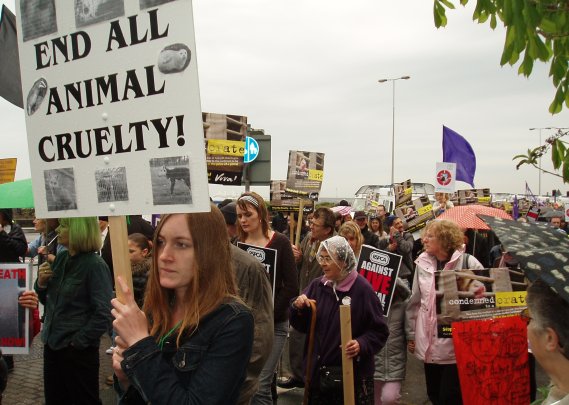
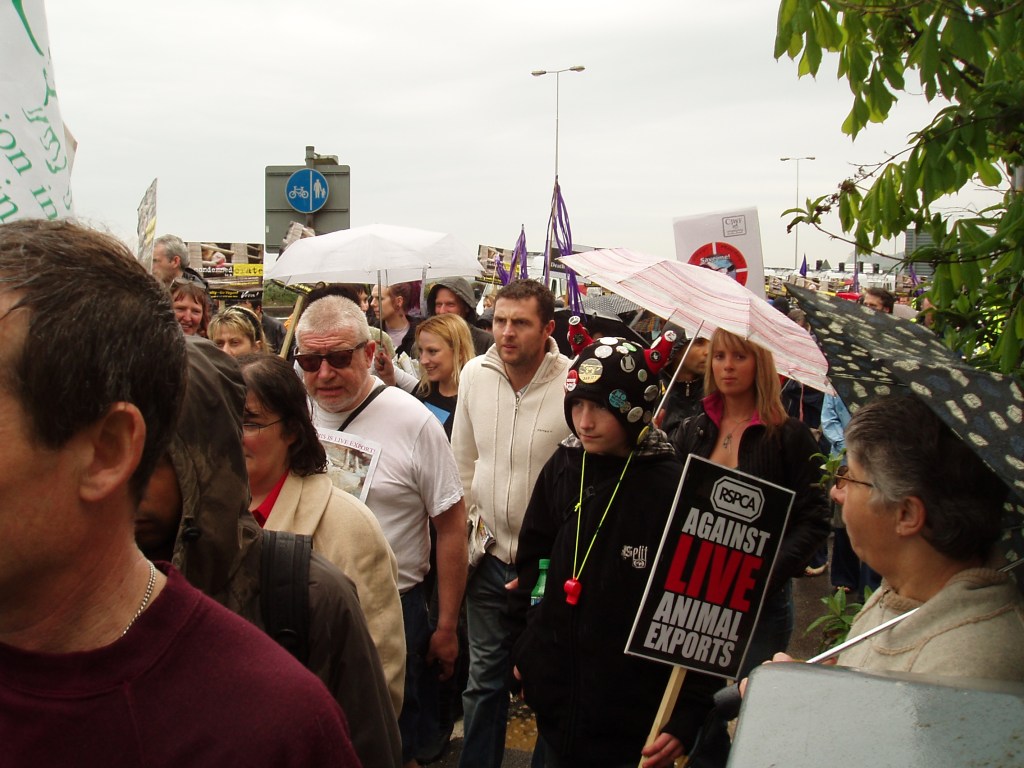
There were masses and masses of events over the years to gain public support for a ban. There were demos en masse at the exporting harbours –

I will leave you with some footage of how things were sometimes – https://youtu.be/SNWzFacaJyg
Regards Mark
Animal rights group claims truck driver beat hogs at Leidy’s facility
An animal rights group wants the district attorney to look into allegations a truck driver beat pigs being dropped off at a Souderton slaughterhouse.
Animal rights advocacy group Animal Partisan has filed with the District Attorney of Montgomery County a criminal complaint against Leidy’s in connection with the alleged incident earlier this year.
Full story:
Animal rights group claims truck driver beat hogs at Leidy’s facility (yahoo.com)
Regards Mark
From Mark (WAV) – I have had the pleasure of knowing Phil for some 35+ years. We first got to know each other when we combined our efforts relating to the export of live animals from Dover, Kent, England – it has been a long haul, but as you can see in the video things are moving forward with regard a live export ban in the UK.
Enjoy the video and also note the very positive progress being made at the EU regarding the banning of cage systems. Now that is a massive positive !
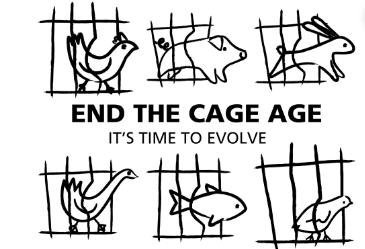
… and in the UK, preparing to get official government legislation that will stop the live export of animals for both slaughter and further fattening.
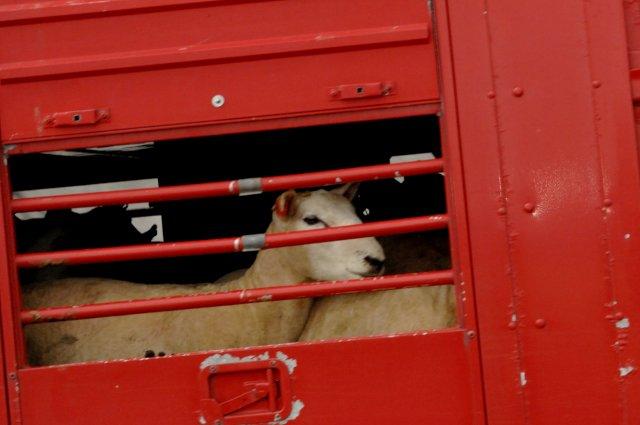
Both photos – animal buddy Val Cameron.
Dear Mark,
As we approach the end of 2022, here at Compassion we’ve been looking back at what’s been an exceptional year. Globally, we’ve witnessed the horror of war in Ukraine, and been hit by the continuation of the COVID-19 pandemic, extreme weather events and the cost-of-living crisis. Yet, despite the challenges we all face, you’re still standing with us in the fight to end animal suffering and create a brighter future for farmed animals. For this we thank you!
In the past year, Compassion supporters around the world have taken millions of actions against the cruelty and injustice of factory farming. And, however you’ve got involved, you’ve made a huge difference!
Every email sent, and every petition signed, has stepped up the pressure on those in power to act.
Every tweet or share of a Compassion post on social media has spread the word and strengthened the global movement for farmed animals.
Every pound donated has helped us to investigate and expose the suffering caused by intensive farming, deliver powerful public campaigns, engage directly with politicians, or influence global food brands to improve the lives of billions of animals. We’ve created this short video showing the remarkable progress you’ve helped to achieve during 2022. We hope you enjoy watching and, just as your support inspires us, we hope that seeing all your achievements will inspire you to keep on fighting to end factory farming. You might wish to share the feel-good video with friends and family!
Together, we’re showing governments, food companies, and citizens that the wellbeing of people and the Earth depends upon ending the world’s biggest cause of animal cruelty – factory farming. On behalf of everyone at Compassion and the 2.5 billion animals set to benefit each year from your support, thank you!
Sending season’s greetings and wishing you a happy and peaceful New Year.
Warmest wishes,
Philip Lymbery
Global CEO, Compassion in World Farming
Regards Mark
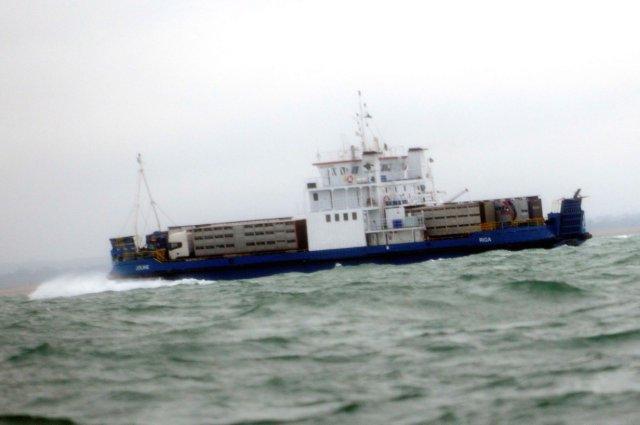
Above – From the recent past – The ‘Joline’ (owned by Dutchman Onderwater) crossing the English Channel To France loaded up with British animals destined for slaughter. New UK live export legislation will stop this completely, although there has been nothing crossing the Channel now for many months anyway.
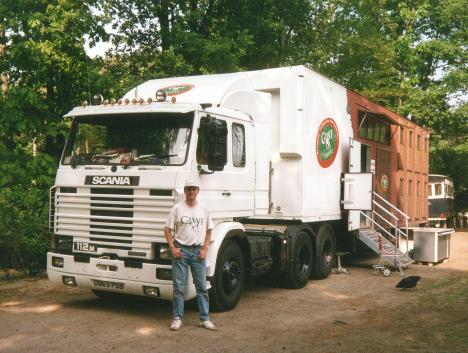
Above – Doing my bit in the Netherlands (in the past) with the CIWF intensive farming tour truck.
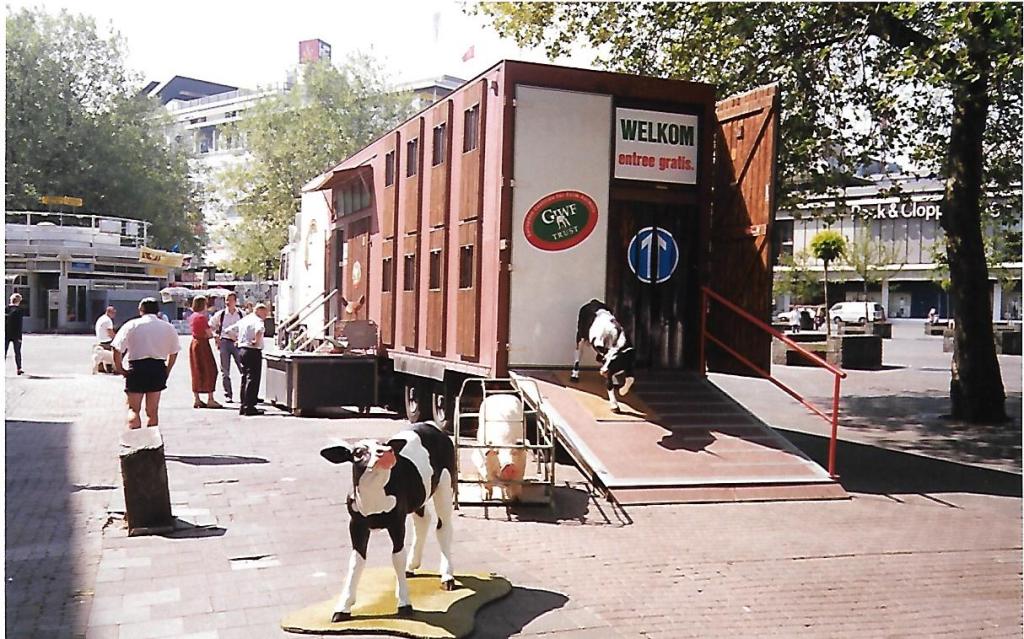
In the Netherlands…….
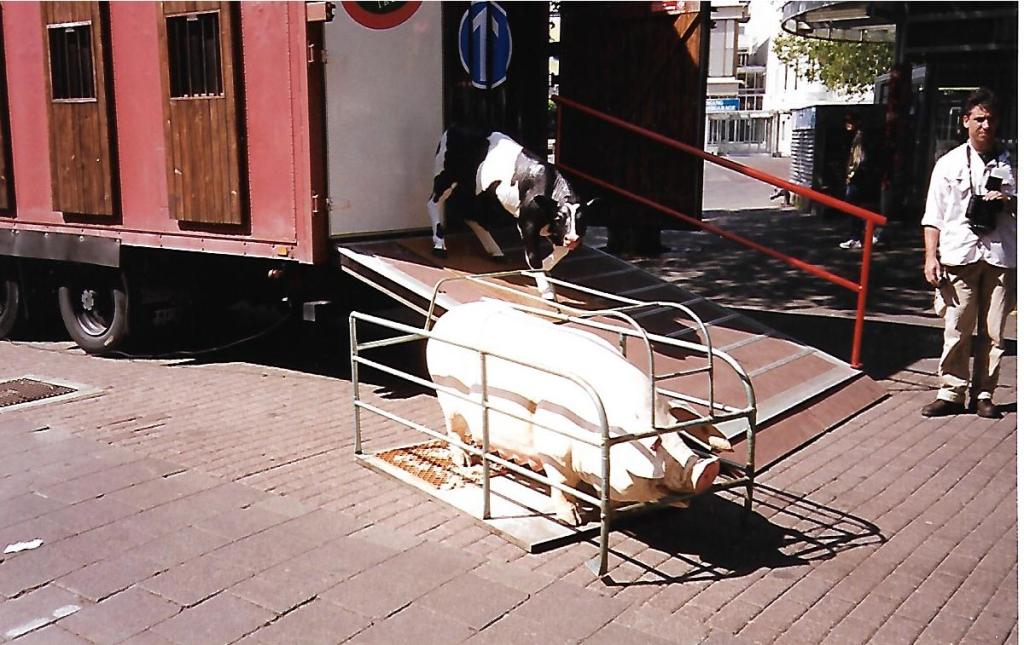
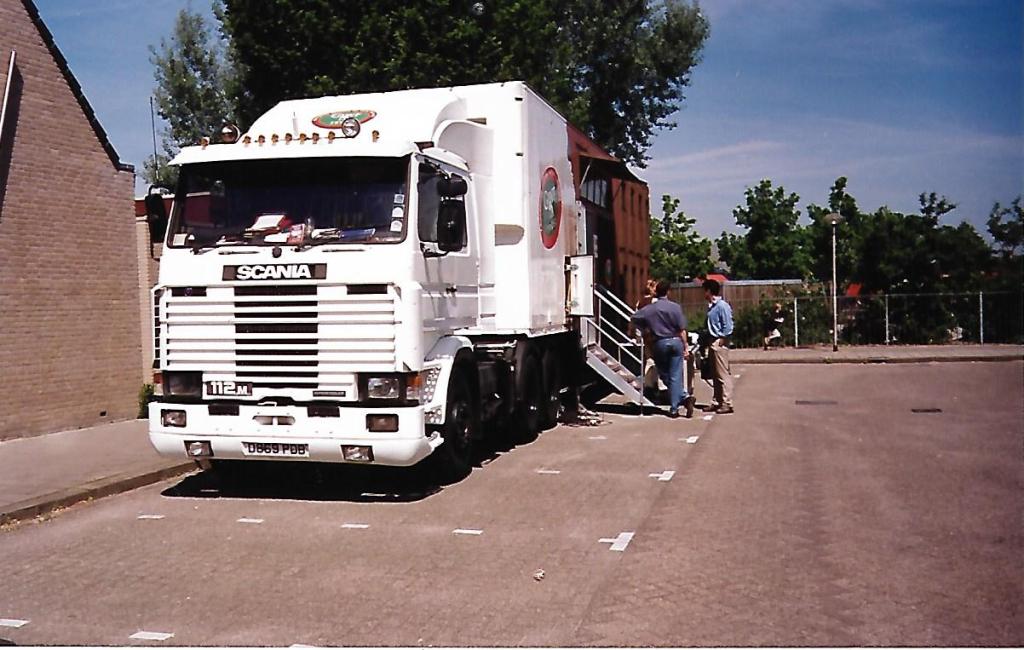
In the Netherlands, as well as public days, we visited many schools and colleges to show students what intensive farming was like.
He we are with the truck getting ready for another day visiting Dutch schools.
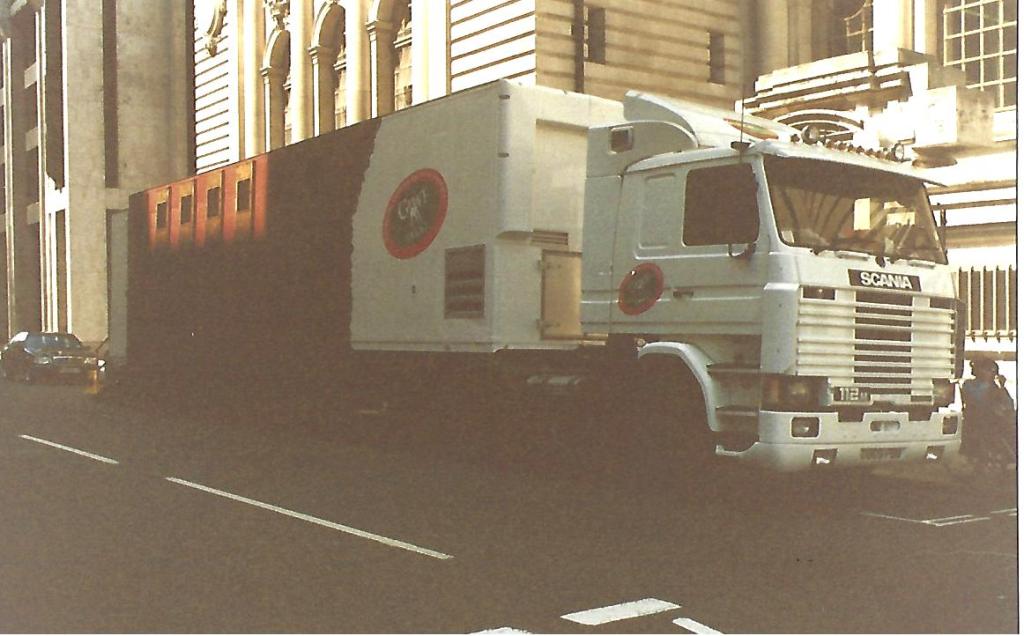
Below – parked up near to parliament in London. You entered from the rear into the intensive systems; and left via the front which showed ‘refrigerated’ alternatives – hence the ‘split’ configuration of the trailer.
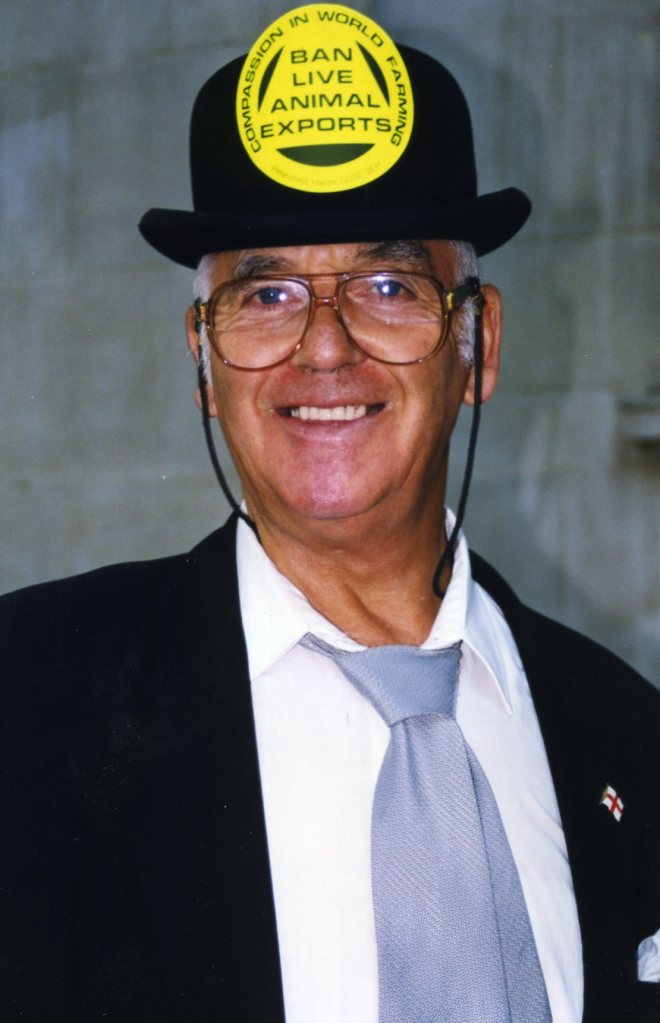
Remembering John and Mike:
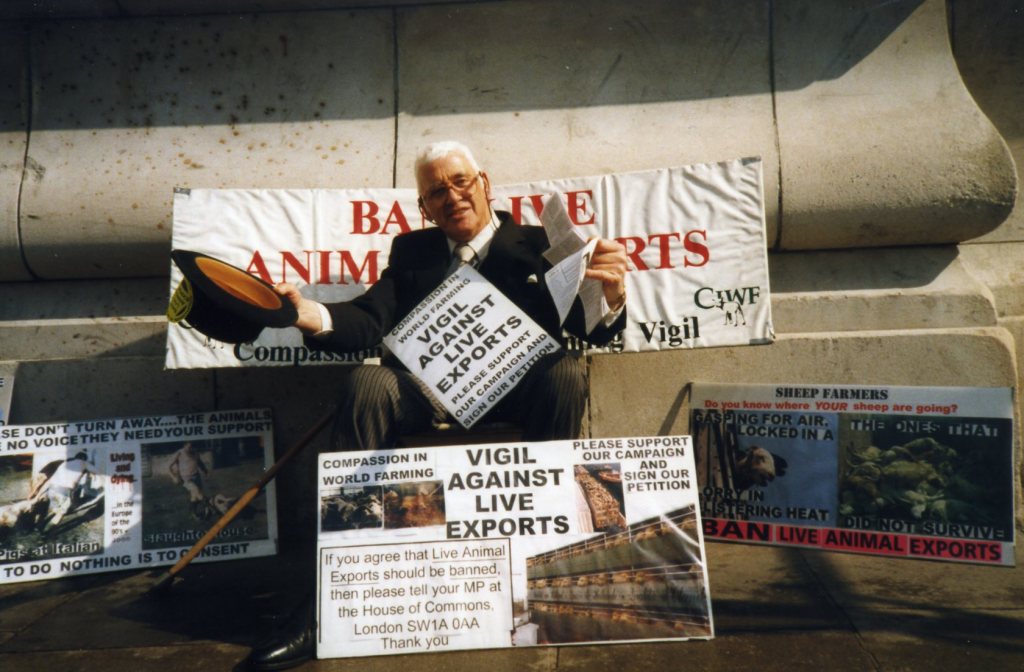
and top London campaigner (and great animal buddy friend), Mike Tucker:
The daily live export vigil held in London – Mike washes down the Defra steps in Whitehall, telling them to ‘clean up their act’ and ban live animal transport.
Great memories !!
Regards Mark

Hi Mark,
I know you probably don’t get to hear this a lot when you open your emails so I want to say it now, loud and clear:
Thank you.
I want to thank you from the bottom of my heart for the support you give to Animal Equality and the support you give to animals who suffer on factory farms and inside slaughterhouses around the world.
When you sign petitions, post about farmed animals on social media, attend protests, and make donations to Animal Equality…it all makes a difference.
It’s so inspiring for me to see more and more people like you supporting us and believing in our collective mission to end animal cruelty.
I’ve been fighting for animals for over 20 years now and it will never be easy to see an innocent animal suffering.
And yet, I can honestly say that I feel privileged to be writing this email to you. I have always felt privileged to work for animals. It’s my life’s mission and I will do it for the rest of my life.
But I have been through many difficulties.
When I founded Animal Equality with Javier Moreno and Jose Valle we started the organisation with no resources. We didn’t have the money to do much for animals and that was very hard.
On one occasion we ran out of money during an important investigation inside pig farms in Spain. We literally had to ask our friends to support us with donations to be able to finalise the investigation.
So they did.
And that became the first ever and largest investigation inside pig farms to be presented in Spain. It opened the news cycle that day.
We wanted to show people in the city where we lived what happens inside factory farms so we stood outside for hours showing the images. We couldn’t afford laptops so we chose to make banners instead.
And to save money, we made the banners out of cardboard we found outside clothing stores.
Those times were difficult because there wasn’t more we could do.
Now Mark, I’ll be honest with you, those were challenging times because every night I went to sleep thinking if only we had enough resources to be able to do more for animals.
I imagined what it could be like if we could have better cameras for our investigations or be able to hire a team to support Animal Equality’s missions or if we could meet journalists in an office instead of inside coffee shops.
We learned very quickly that without the time and resources we needed, we couldn’t help animals the way we wanted to.
Today, Animal Equality is a global force with more resources and a team of 100 people, but I still ask myself what more can be done. What else could we achieve?
That’s why people like you are so important. Because we can’t help animals by ourselves. In fact, we’re not even the main component.
The main component in helping animals is you.
Tomorrow I want to share with you a story that’s very important to me. It’s the story of an animal who is very close to my heart. I hope you’ll read it.
Sincerely,
Sharon Núñez
President
Animal Equality
P.S. Right now, every donation made to Animal Equality is being matched by an anonymous donor until 31st December or until we reach our £150,000 UK goal, whichever comes first. This means if you donate today, you’ll be able to give twice as much to animals at no extra cost to you!
Donate today to help animals. <https://go.animalequality.org.uk/e/511501/-term-ps-utm-content-cardboard/3vf4wsj/1384022817?h=LH6KJWkDpscPP_saI_Rc9zdnttiGUDdLK7IWGS4cOj8>
Animal Equality (UK)
124 City Road
London, EC1V 2NX
United Kingdom Charity no. 1168309
Here are just a few of their investigation videos – find more by Googling ‘Animal Equality’
Regards Mark

Don’t support this abuse at the festive season;
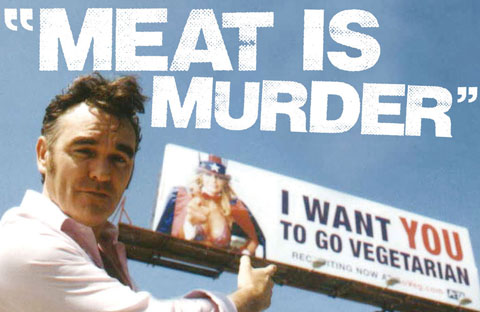
Mozza says no.
Watch here by viewing on Youtube.
For all you festive foodies, I have thrown together a few vegan nosh links which may give you some extra ideas for this time of year.
Being Vegan means rejecting ALL the industries which cause pain and suffering to animals.
And you will feel better in every way as a result of going vegan.
Regards Mark
Easy vegan recipes | Jamie Oliver
vegan recipes – Search (bing.com)
Viva ! food factsheets Our resources | Viva! The Vegan Charity
Viva ! A to Z of food facts A-Z of foods | Viva! The Vegan Charity
Food – Gifts for Life | Viva! (vivashop.org.uk)
Animal Aid – Veganism Veganism – Animal Aid
Animal Aid Vegan recipes Vegan Recipes – Animal Aid
Why Veganism ? – Why Veganism? – Animal Aid
Going vegan for the animals Going vegan for the animals – Animal Aid
Going vegan for human rights Going vegan for human rights – Animal Aid
Going vegan for your health Going vegan for your health – Animal Aid
Download your free vegan pack Animal Aid
To be further updated soon.


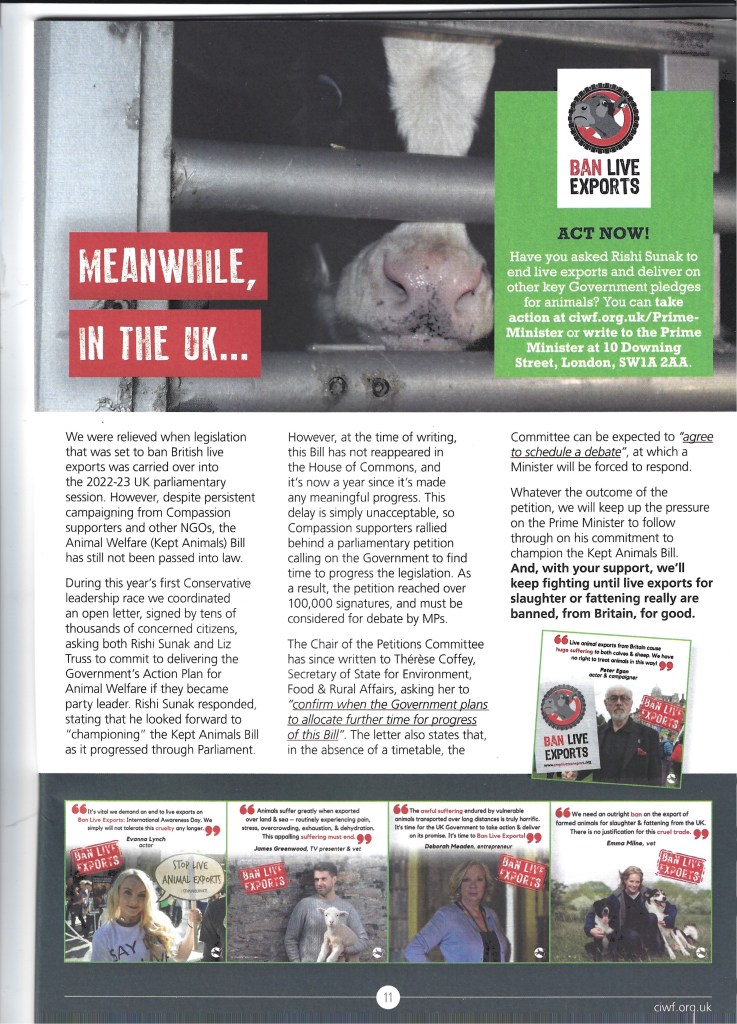
England – As some of you will know, live animal transportation (from anywhere to anywhere) has always been my No. 1 campaign issue. I have around 35 years experience of fighting the live trade in the UK and elsewhere.
In the UK there is (December 2022) finally positive news on this; we hope that the ‘Kept Animals Bill’ (which includes the live export ban) will finally be approved within both houses of Parliament in early 2023.
We’re so close to ending live exports in the UK. After a consultation by the UK and Welsh Governments earlier, the UK Government has confirmed the end of live animal exports in the UK for fattening and slaughter as part of the Kept Animals Bill. The Kept Animals Bill is progressing through Parliament.
An outright ban of this kind on live animal exports is stronger than some animal welfare experts had expected the government to propose – although one MP who’s campaigned on this issue for years (and was delighted) told me he didn’t care how the practice ended, just that it did.
With positive hopes; I will report more on this when I get more news;
Sometimes, campaigns take a while to win – but if you have tenacity, then …….
Regards Mark
UPDATE 21/12 from CIWF London:

In the past – A Dutch sheep haulier is met by the welcoming committee at Dover, England.
Photo – Mark
The Dutch Food and Consumer Product Safety Authority (NVWA) will investigate the mistreatment of pigs during transport following undercover images obtained by animal rights organization Varkens in Nood. The footage shows pigs being kicked, beaten and assaulted with a stun gun as they are transported. A spokesperson for NVWA confirmed the investigation after a report by RTL Nieuws, which the authority will treat as a case of “animal abuse.”
Read more:
Regards Mark
 World Animals Voice