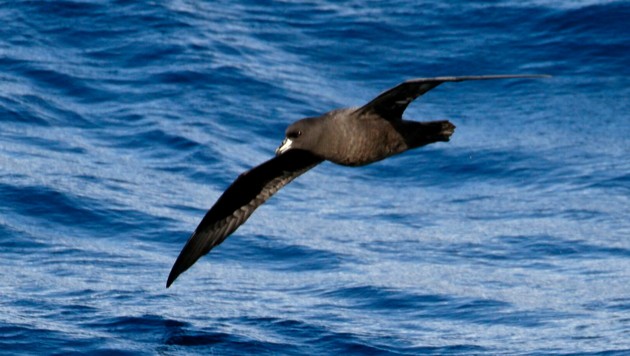
The New Zealand town of Punakaiki has decided to turn off the lights in the next few weeks. The aim is to help save an endangered seabird whose only known breeding site is in the immediate vicinity of the small community. 🐦
Specifically, the street lights on a 3.4-kilometer stretch on the South Island will remain switched off at night until the New Year, the authorities said on Wednesday.
The reason: juveniles of the Westland petrel, classified as endangered, could lose their orientation due to the lights.
Especially bright lights could cause the animals to crash land, said Bruce Stuart-Menteath, spokesman for the Westland Petrel Conservation Trust, which is committed to protecting birds.
Some of them were seriously injured or were run over by cars.
Spotting the lanterns is a “fantastic” initiative for the birds, who normally can’t get off the level ground, said Stuart-Menteath.
The breeding season lasts from April to December. The birds are only active on land at night.
WAV comment – having argued the case for animals in transport for over 30 years whilst also calling for a ban on live exports; we have always declared that the EU is utterly useless at enforcing (its own) legislation when it comes to live animal transports. The video here; the first of 3; shows this.
EU = junk = animal abuse.
Welfarm to release three shocking videos to call for a long-overdue end to the export of live animals
12 November 2020
WELFARM
It only takes three videos for Welfarm, Animals International and Animal Welfare Foundation to show the French government the horrifying state of play of what exporters and livestock breeders do to animals they export to North Africa and the Middle East.
From European ports to Lebanese slaughterhouses to Moroccan cattle markets – four NGOs captured the dreadful fate of the thousands of French cows shipped across the Mediterranean every week. These investigations will be released by Welfarm over the next three weeks.
In a petition to the French government, Welfarm calls for the suspension of live animal exports to third countries. “The Ministry of Agriculture, exporters, breeders and the port of Sète are aware of these violations, yet they continue to export animals” states Adeline Colonat from Welfarm. And for good reason as cattle exports generated nearly 1.5 billion euros in 2018, of which 118 million went to third countries.
“France cannot even detect and solve problems in its own slaughterhouses, so how can we imagine that we can have the slightest influence on what happens on the other side of the Mediterranean? The truth is that France no longer has any control as soon as the animals leave our soil. The only way to avoid their suffering is not to send them there alive. ”
Eurogroup for Animals and its members urge the EU to stop live transport especially to Third Countries and to prepare a strategy to shift to a meat and carcasses and genetic material only trade.
Video 1: Death before boarding the boat
The first video of the investigation series is from July 2020 and sets the scene in Port of Cartagena, Spain, which calls itself a “pioneer in animal welfare”: A cattle with fractured legs is dragging itself along the foot of a ship. Born in the Puy-de-Dôme, exported to Spain for fattening, it is to be shipped to Libya.
A tractor will have to drag the paralysed and screaming animal into a lorry. Heading for the slaughterhouse. By law, it should have been euthanised on the spot, but in this case, it would be impossible to profit from his meat… Like this cattle, 425,000 French cattle are exported every year to Spain for fattening. How many then embark in Cartagena? “It’s impossible to say since they disappear from French statistics”, explains Adeline Colonat, head of the project team on transport in Welfarm, “but we are the leading supplier of cattle to Spain, which in turn is the leading exporting country in Europe.”
Maria Boada (Animal Welfare Foundation), who captured these images alongside Animals International and Welfarm explains further: “In European ports as well as in Third Countries, the lack of controls, infrastructures and sanctions is disastrous for animals. The presence of a veterinarian is not even compulsory on board of ships leaving the EU. Thousands of animals are deprived of care for days or even weeks”
Today, 12/11/20, we at WAV have written to the Danish Ambassador in London; Ambassador Lars Thuesen, to express our concerns regarding the current situation (re Mink) in Denmark and generally its involvement in being a very big player in the fur industry.
We reproduce an un edited copy of our letter here for you to read. Despite wanting to loose it sometimes; we have remained polite but expressed our views and possible future actions quite openly. Hopefully, the letter makes it clear where we stand on the issue of fur farming and that we will continue to fight for a complete ban anywhere that it still continues.
Also enclosed in our letter to the ambassador were a few pictures of the current mink ‘burial’ situation and one picture of the whale slaughter in the Faroe islands – just to keep him aware that this still goes on in Danish territory; the nation which he represents.
When, and if we get a response to our letter, then we will naturally publish for you all to read.
Regards Mark and Venus.
The letter is as follows; un edited from the original:
Dear Ambassador Thuesen – Danish Ambassador to the United Kingdom, London;
I write to you as the co founder of ‘World Animals Voice’ which is located here in England and also in Germany – https://worldanimalsvoice.com/
From the start of the problems in Denmark, we have been following and reporting daily on the issue of mink farming and culling as a result of the Covid virus. You can see all of our posts via this link: https://worldanimalsvoice.com/?s=denmark+mink
The association with the fur industry, and the involvement of Denmark in the fur trade and on the issue of fur farming is a shame on your nation.
There was an international shock last week when Denmark decided to cull all its mink – over 17 million animals, because of the spread of coronavirus and ‘mutations’ which stem from fur farming. That national (Danish) mink cull has turned into a political outcry now that the Prime Minister has admitted the plan was rushed through and had no legal basis. Basic issues which national governments should be associated with and which do not present Denmark as a respected and world leading nation which we, as Europeans, know it is.
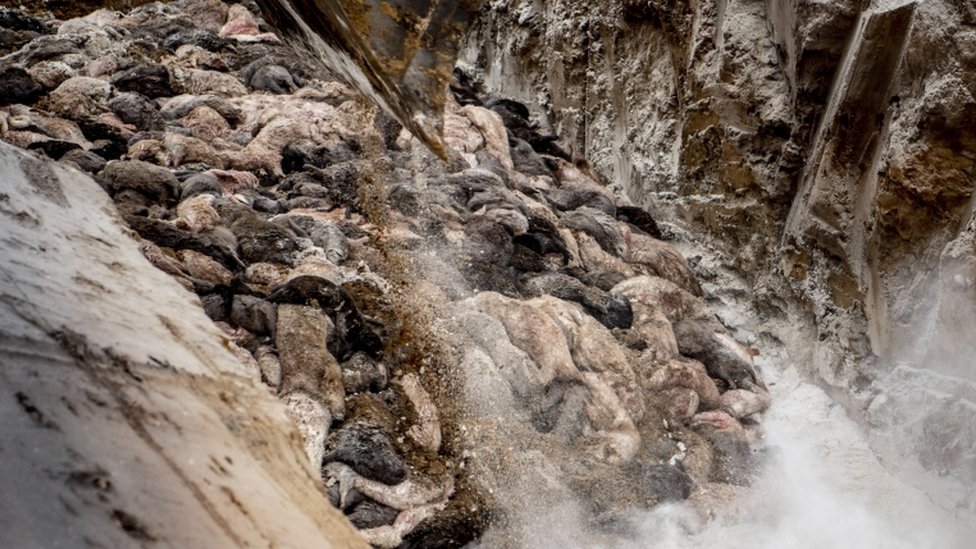
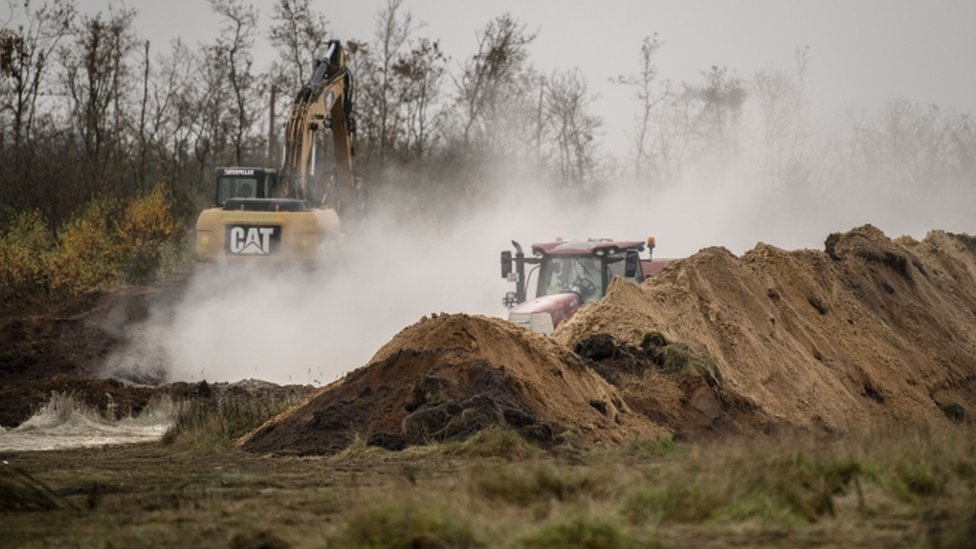
As Danish politicians continue to argue over the mass murder of millions of minks, huge grave trenches are appearing in the Danish countryside which are / will be filled with the sentient, slaughtered animals. As there are far too many animals to incinerate; which amounts to millions, we also question the issue of water contamination to the Danish citizens by the burial in the ground of so many mink carcasses.
Basically, the fur industry and fur farming has had its day. As the ambassador to the UK, you may (or may not) be aware that the UK was the second country (after Austria) in Europe to ban fur farming in 2000; something which we as an animal welfare organisation are very proud of. This achievement strengthens our commitment to take up the side in defence of being voices for suffering animals.
Denmark adopted legislation in 2007 to improve the welfare of fur-bearing animals that included a number of welfare improvements for foxes on fur farms. In 2009, Denmark passed a ban on fox farming, with a phase-out period that lasted until 2017 for a majority of farms, and a longer period until 2023 for farms where the main income originates from fox farming. Unfortunately; and to their shame; Denmark farms more than just fox animals for their fur – being ‘home’ to more than 1,000 fur farms.
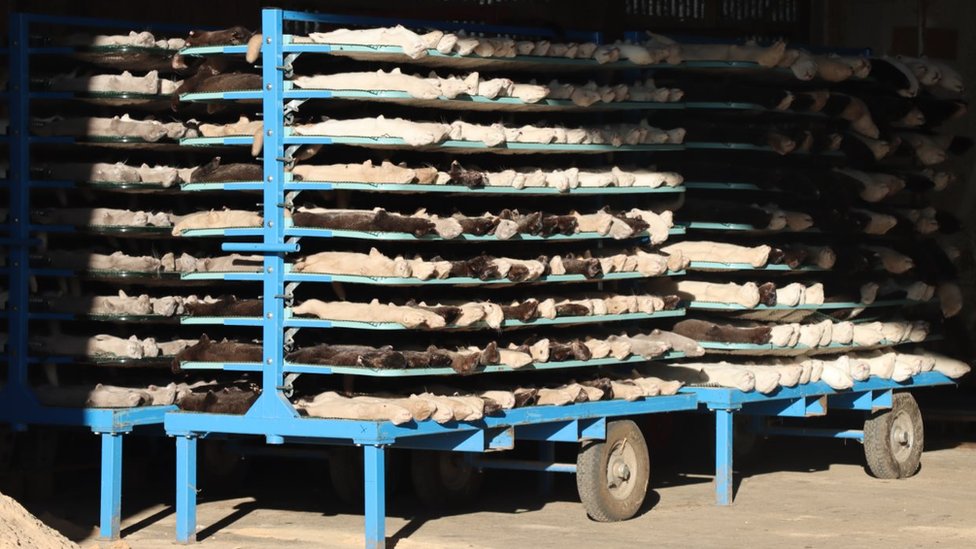
The Danish fur industry had a reported turnover of almost $1bn (£750m) in 2018-19; with many furs being sold to the garment industry, but with also some being used in some false eyelash products, with China and Hong Kong in particular providing some of the biggest markets.
Danish animal rights groups such as ‘Animal Protection Denmark’ (APD) believe it is now time to follow the example of several other European countries and phase out the trade of animal fur and its farming completely. We as an organisation give APD our full support and will continue to name, shame and expose to the world all the suffering of the fur industry which takes place on Danish fur farms. As mentioned above; we have a large global audience who can continue to be informed of the wrongdoings of Denmark.
I suggest to you sir; that despite the ‘waffle and jargon’ put out by the Danish led fur industry and its farmers; you, as a nation (Denmark), are actually putting national financial gain way ahead of undertaking adequate animal welfare. With a fur trade turnover of almost $1bn (£750m) and the sudden / proposed culling of over 17 million sentient fur bearing mink animals, how can you as a representative of your nation’s government deny to me that finance comes way before animal welfare ?
With these figures of financial profit and the mass murder of animals, we can only decree that in this respect, Denmark is a very sick nation. With your undertakings in both fur farming and the mass killing of animals, be it farming or culling, you bring huge shame on yourselves; on the EU, and shame on the decent people of Denmark who are attempting to eradicate this ‘fur farming disease’ from your nation.
Covid-19 originally came from a wild animal, worked its way through disgusting ‘wet markets’ in the Far East; was then transmitted to humans and, later, passed on to farmed mink, before jumping back to a number of humans.
Several different mutations have been discovered in the virus found in mink that do not arise in humans. But one called “Cluster 5” is of particular concern, as at least 12 people are known to have caught it in Denmark. More than 200 other people have contracted other mink-related strains of the virus. This sir, is all as a simple result of Denmark wishing to undertake massive fur farming. It could easily be said that you, as a nation, are now reaping what you sowed many years ago. The innocent farmed animals have now finally struck back; and you have no answers to this strike back; other than to do mass killings. Why don’t you do something with long term positive results and ban fur farming ?
Scientists from Slaten’s Serum Institute in Copenhagen recently raised the alert after detecting mutations in strains of coronavirus found in mink. “Mutation happens all the time, but once in a while these mutations happen in the spike protein,” said Prof. Anders Fomsgaard, SSI’s head of virus research.
That spike protein of the coronavirus is the target of some vaccines in development. “So we are a little nervous once we see mutations that change amino acids and the shape of this protein,” it was reported to the BBC.
Again; and I say clearly and openly; you are now reaping what you sowed all those years ago by undertaking fur farming, and your association and ‘very deep’ relationship with the fur business.
I close by telling you formally, here in writing, that we (WAV) as an organisation, will never stop exposing and reporting on the cruelties and suffering inflicted daily on millions of sentient animals in the Danish fur farming business.
You, Denmark, as a nation have a simple choice; you can stop and abolish all fur farming and associations with the fur business; or otherwise continue to reap the bad national publicity (such as now) as you are getting from us and other organisations worldwide by simply continuing to associate Denmark with its allies in the fur trade.
The choice is a simple one; and we hope that you undertake the former and utterly abolish the trade. If you do not; then you have a big fight in the future; and we are very happy to be part of that fight for those who have no voice; the fur bearing animals which you continue to cause suffering to each and every day.
Get back Denmark the respect that it truly deserves and do not associate yourselves with a barbaric and disgusting reputation of being one of the world’s major players in the fur farming and animal abuse business.
You have a choice – please make it the right one !
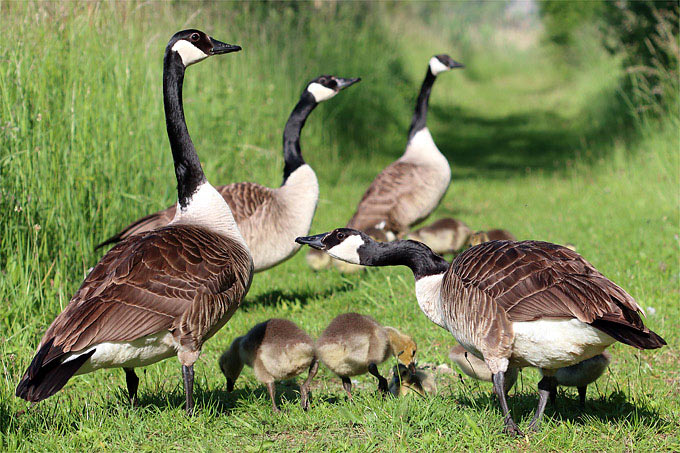
There is hardly any other animal in agriculture that the general public knows as little as about geese. The clever and watchful birds can easily live to be 20 years old. They spend hours swimming and can travel thousands of kilometers as migratory birds.
Every year 32,000 tons of goose meat is consumed in Germany, 95% of it in the period from October to Christmas.
Only 4000 tons are produced in Germany.
28,000 tons come from abroad, mostly from Poland, Hungary, and Bulgaria.
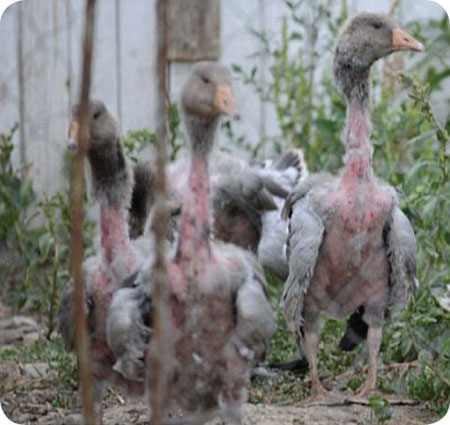
There the geese are fattened cheaply in intensive industrial farming, under cruel circumstances without any animal welfare conditions in just 12 weeks, and they are also often – despite an EU-wide ban – cross-subsidized by the down industry through painful live-plucking.
There is hardly a delicacy that is more controversial than foie gras. It can be found on the menus of many gourmet restaurants for the “well-off upper-class citizen”.
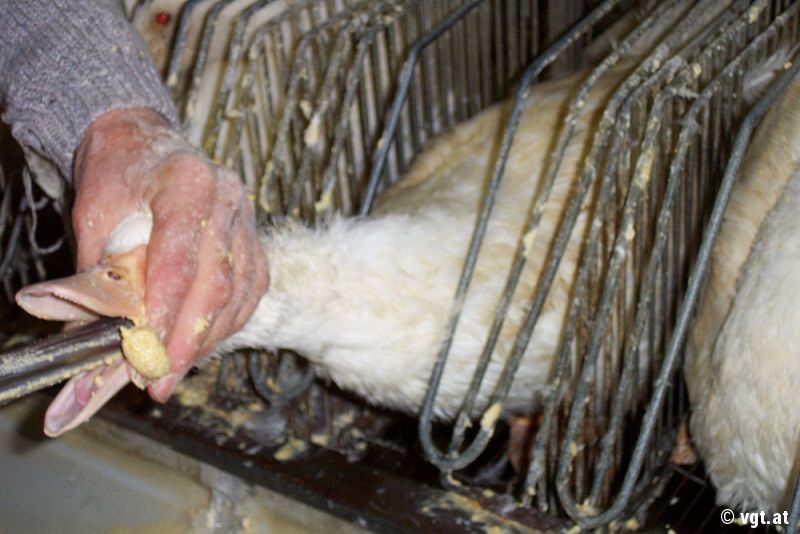
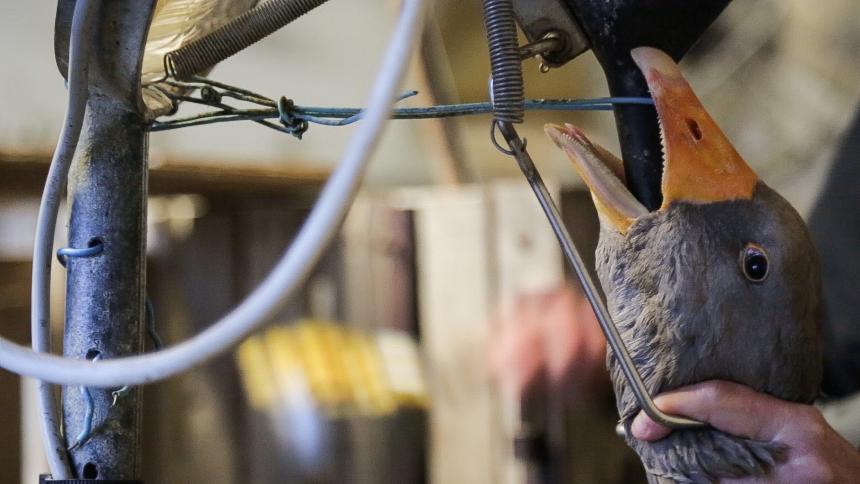
It doesn’t take a lot of imagination to describe the horror of foie gras farming and the ethical assessment of this production method is accordingly: At the age of eight to ten weeks, the animals are given a 50-centimeter long tube in their necks two to four times a day Stomach pushed through which about a kilo of corn or cereal porridge is pumped.
The animals are kept in tight cages to prevent them from squirming or escaping.
After two to three weeks of systematic plugging, the torture of the geese is over and they are slaughtered. When it is ready for slaughter, the liver is abnormally swollen up to ten times its normal size. The fat content is then 40 to 50 percent of the mass.
This high percentage of fat in the liver makes foie gras a delicacy.
To date, France is by far the largest producer of foie gras and, together with Hungary and Bulgaria, produces more than 24,000 tons of foie gras every year.
Not surprisingly, France is also the main consumer, foie gras has become “part of the cultural and gastronomic heritage”, and every butcher and delicatessen who thinks he is something special has goose or duck liver on offer.
In truth, it is about industrial export production, a lot of suffering, a lot of money, and 100,000 jobs: 40 million ducks are fattened in France every year, making around 19,000 tons of foie gras. France accounts for around 70 percent of global production.
Actually, the production of foie gras should not be an issue in the “civilized” EU.
The EU Directive 98 / 58CE (in particular Annex 24 to Article 4) has banned the production of foie gras since 1999. According to this, the type of feeding of animals must not cause “unnecessary suffering or harm” §.
However, the import of foie gras is still permitted within all EU countries.
To further protect itself, France even declared foie gras a “national and gastronomic heritage” in 2005.
In California and India, the import of such products is prohibited.
In Germany, according to all the rules of hypocrisy, the production of foie gras is prohibited, but importation is permitted.
The only way for an import ban in the EU seems to be via Brussels and Strasbourg. The latter city is known to be in France.
So that everyone understands how far it is until a Europe-wide production ban, we only need to look at the Christmas menu from MEPs from 2014.
The multi-course menu also included the popular foie gras on the menu.
You don’t have to be a vegan to refuse animal products from torture factories, like Foie Gras.
It is enough if you are a civilized person.
Let the barbarians take care of their national and gastronomic heritage.
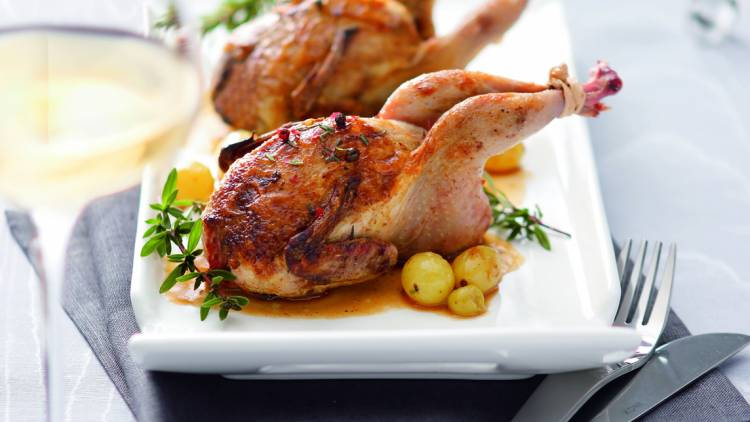
Don’t become a barbarian either and leave the goose off your Christmas menu.
The tradition of the Christmas goose or foie gras is the tradition of the primitive millions and far removed from education and morality.
WAV Comment: A positive move by the British government to take action against illegal activities. We welcome and hope other nations will also follow with something like this.
British companies will be forced to reveal the sources of their raw materials, under new laws to end deforestation.
The Environment Bill will force businesses to comply with local deforestation rules
British companies will be forced to reveal the sources of their raw materials under new laws to clamp down on deforestation, the government has revealed.
Sourcing materials in a way which illegally degrades the environment abroad will be made illegal under the Environment Bill, ministers announced, in response to a government consultation.
Over 60,000 people responded, with 99 per cent in favour of legislating in favour of the issue.
Currently, the nature of our supply chains means that products such as soy, beef, palm oil and leather are difficult to trace back to their original source.
Now, key commodities such as these will have to be declared by companies, who will have to act quickly in order to ensure their suppliers are not taking part in illegal deforestation abroad or degrading other important natural ecosystems.
According to a new government report, 80 per cent of deforestation is linked to the expansion of agriculture, with land being cleared to make way for grazing animals and to grow crops. The UK imports over half of the food it consumes, and while in global terms the UK is a relatively small consumer of forest risk commodities such as cocoa, rubber, soya, and palm oil, we are leaving an ever-larger footprint on the world’s forests.
International Environment Minister, Lord Goldsmith, said: “In every conceivable way we depend on the natural world around us. Rainforests cool the planet, provide clean air and water, and are a haven for some of the most endangered species on Earth – and so protecting them must be a core priority.
“Our new due diligence law is one piece of a much bigger package of measures that we are putting in place to tackle deforestation. Our intent is not just to take world-leading domestic measures, but to build a global alliance of countries committed to working together to protect the world’s precious forests.
“Last month, nearly 80 countries signed the Leader’s Pledge for Nature, committing to reverse the destruction of nature by 2030. The UK played a key role in crafting the pledge, and as hosts of the next and all important UN Climate Conference, we have a chance to turn those powerful words into action.”
The minister has committed to cleaning up Britain’s supply chains, and a larger package of measures is set to be announced, including through future trade policies, public procurement, and the development of a sustainable Food Service Sector Action Plan. Igniting change in the financial sector also features heavily in the government’s approach, including scaling up investment in sustainable land-use.
The government is also working with supermarkets, urging them to make zero deforestation pledges.
CEO of Tesco UK & ROI, Jason Tarry, said: “Due diligence has an important role to play in halting deforestation, fighting climate change and protecting communities. We welcome these new measures as an important first step towards creating a level playing field in the UK, aligned with Tesco’s goal of zero deforestation. We hope this encourages all businesses to do the right thing.”
WAV Comment: We are currently preparing a letter to the Danish embassy in London expressing our disgust at what is going on in Demark regading the mink murders. Along with many other (animal welfare) organisations; we will be asking the Danes to immediately introduce legislation to stop all fur farming in Denmark; and just for once to put animal welfare above financial importance – something they are not doing at present. Here in the UK, legislation is currently being produced to stop the import of fur products into the UK. We will remind the Danes that whilst we wish to remain friends with them; we (as a nation) do not want to be involved with supporting their disgusting fur farming businesses. It is 2020 and we strongly suggest to the Danes that they follow other EU nations (NL, Poland) at present by introducing a total fur production ban and moving to better, non cruel business.We as a group are in full friendship with, and give our full support to Animal Protection Denmark. Bring on the ban !
Coronavirus: Denmark shaken by cull of millions of mink
There was shock last week when Denmark decided to cull all its mink – up to 17 million animals – because of the spread of coronavirus. That national cull has turned into a political outcry, now that the prime minister has admitted the plan was rushed and had no legal basis.
Danish authorities worry that a mutated form of coronavirus found in mink could potentially hamper the effectiveness of a future vaccine.
As the politicians argue, mass graves have appeared in the Danish countryside filled with the slaughtered animals.
‘A hard blow’
Police and the armed forces have been deployed and farmers have been told to cull their healthy animals too -but the task will take weeks.
“We have 65,000 mink. In the coming week all will be put down,” says Martin From, pointing to rows of long huts housing thousands of mink on his farm in rural Funen. A Danish flag flies at half-mast in his garden.
Overnight he has seen his livelihood wiped out. “It seems very unjust,” he adds.
Mr From is a third-generation fur farmer, and after 60 years of the family business, the cull has devastated him. He is not alone. Farmers have appeared on Danish TV in tears.
Denmark’s mink cull has in fact been going on for several weeks, with 2.85 million already put down. By Tuesday, coronavirus had been reported on 237 farms in Jutland with further cases suspected on another 33.
The Danish Veterinary and Food Administration says the cull is complete on 116 farms and the work continues.
Why the cull was ordered
Denmark is not the first country to report outbreaks on fur farms but it is the world’s biggest producer. Spain, Sweden, Italy, and the US have all been affected, as has the Netherlands, where mink farming will be outlawed by spring next year.
Here in Denmark, more than one in five farms have reported infections.
Scientists from Statens Serum Institute in Copenhagen first raised the alert after detecting mutations in strains of coronavirus found in mink. Then came the order for a mass cull last Wednesday and a four-week lockdown for people living in the northwest of the country.
“Mutation happens all the time, but once in a while these mutations happen in the spike protein,” says Prof Anders Fomsgaard, SSI’s head of virus research.
That spike protein of the coronavirus is the target of some vaccines in development. “So we are a little nervous once we see mutations that change amino acids and the shape of this protein,” he tells the BBC.
‘Cluster 5’
Covid-19 originally came from a wild animal, it was then transmitted to humans and, later, passed on to farmed mink, before jumping back to a small number of humans.
Several different mutations have been discovered in the virus in mink that do not arise in humans. But one called “Cluster 5” is of particular concern and 12 people are known to have caught it in Denmark. More than 200 other people have contracted other mink-related strains of the virus.
Prof Fomsgaard stresses that the worry about a vaccine is hypothetical so far. But tests have found that patient antibodies responded less well to Cluster 5 and further laboratory investigations are being carried out.
“We are working hard to find if this has any biological effects and vaccine issues. Therefore we have to look into it immediately before this potential problem grows.”
The infections have attracted widespread international attention, and prompted the UK to ban travellers from Denmark.
However there’s also concern that Denmark may have overreacted and scientists at home and abroad have tried to assess the risk.
While scientists told Denmark’s Berlingske Tidende newspaper that Cluster 5 had not been detected since September, the head of Denmark’s health authority, Soren Brostrom, said the risk was too great when the virus was spreading among the mink population.
‘Mistakes have been made’
The government admitted on Tuesday it lacked the legal framework for a nationwide order and only had jurisdiction to cull infected mink or herds within a safety radius.
“It is a mistake. It is a regrettable mistake,” said Prime Minister Mette Frederiksen as she apologised to parliament.
The government has tried to remedy that by rushing through emergency legislation, but opposition parties say they are unlikely to support the new bill and getting it through parliament could take time.
Liberal Party chairman Jakob Ellemann-Jensen called it “shocking” and criticised a lack of transparency. Compensation for farmers should have been in place first, he said. Even parties allied to the government have called for an investigation.
“Mistakes have been made,” said Mogens Jensen, Minister for Food, Agriculture and Fisheries. “But that does not change the fact that there is a great risk of having mink breeding in Denmark under corona.”
Farmers were recently sent papers telling them to cull their herds by 16 November but some have refused to co-operate.
But Martin From says with coronavirus spreading between farms he cannot afford to wait. “We are just carrying on. it makes no difference.”
Is this the end of the mink business in Denmark?
Denmark is home to more than 1,000 farms, so the head of trade body Kopenhagen Fur has termed the nationwide cull a disaster.
“It is a de facto permanent closure and liquidation of the fur industry,” said its chairman, Tage Pedersen, who predicted 6,000 jobs could be affected.
The industry had a reported turnover of almost $1bn (£750m) in 2018-19. Furs are sold to the garment industry but also used in some false eyelash products. China and Hong Kong in particular provide the biggest market.
Coronavirus outbreaks have already spelled the end of the mink industry in the Netherlands. The UK and Austria banned fur production years ago, Germany has phased it out and Belgium, France and Norway plan to as well.
Across Europe there are some 4,350 mink farms, with Poland, Finland, Lithuania and Greece also part of the sector.
Industry group Fur Europe insists demand for natural fur is still strong. “The market has already reacted to next year’s reduced supply with higher pelt prices,” it told the BBC.
But Danish animal rights groups believe it is time to follow the example of other European countries and phase out the trade completely.
“It’s highly unacceptable to treat animals the way that mink are treated in the industry,” says Birgitte Iversen Damm of Animal Protection Denmark.
Tell the Danish Government to shut down fur farming:
Five mutations of the novel coronavirus have been found in minks on Danish fur farms and have spread to over 200 humans since June 2020, and the latest one may be resistant to a vaccine, prompting a proposal by Danish officials to cull all minks on fur farms. An outbreak of this strain could have “devastating consequences” worldwide.
Legislation to Create NIH Center for Advancing Non-Animal Research Introduced in US Congress
9 November 2020
A New York-based nonprofit group, CAARE, that led the drive to create legislation to promote “cutting-edge methods” of research superior to animal-based testing, today lauded the announcement that the “Humane Research and Testing Act of 2020” has been introduced in US Congress.
Landmark bipartisan legislation to promote and fund scientifically advanced, human-relevant, non-animal methods through the establishment of a dedicated center under the National Institute of Health (NIH) was introduced by Congressional members Alcee Hastings (D-FL) and Vern Buchanan (R-FL).
Barbara Stagno, president of Citizens for Alternatives to Animal Research & Experimentation, commends the effort, noting: “CAARE is grateful to Representatives Hastings and Buchanan for introducing this legislation that has great promise to change the current paradigm of routine use of animals in laboratories when there are available alternatives, and gives real impetus to reducing animals by establishing a center exclusively for that purpose.”
The “Humane Research and Testing Act of 2020” would create a “dedicated center under the National Institutes of Health (NIH) to provide resources, funding and training to advance humane, cost-effective, and scientifically suitable non-animal methods,” Stagno added.
Because the exact number of animals used in U.S. research is unknown, ranging between 17 million and 100 million annually, the “Humane Research and Testing Act of 2020” is also designed to obtain that data, and requires the NIH to outline a plan for reducing those numbers.
Pfizer’s CEO cashed out 60% of his stock on the same day the company unveiled the results of its COVID-19 vaccine trial | Markets Insider
Pfizer chief executive Albert Bourla sold 62% of his stock in the company on the same day the drugmaker announced the results of its COVID-19 vaccine trial.
Bourla sold $5.6 million in stock on Monday as part of a predetermined trading plan adopted on August 19.
His stock sale was carried out at $41.94 a share. The 52-week-high for Pfizer stock is $41.99, which means the CEO cashed out his shares close to their highest this year.
Pfizer and its German partner BioNTech are the first to post positive results from pivotal COVID-19 vaccine trials.
“Man worships an invisible God and destroys a visible Nature. Unaware that this Nature he’s destroying is this God he’s worshiping.” Hubert Reeves
Banks Facing Calls To ‘Stop Funding Factory Farming’ To Protect Animals, The Planet, And Public Health
The livestock sector is not on the radar of many development banks when it comes to reducing emissions despite being such a large contributor
Development banks are facing calls to stop funding factory farming, which is playing a significant role in existential crises facing humanity including the climate breakdown, biodiversity loss, and antibiotic resistance.
This is the message coming from Sinergia Animal, an international animal protection organization set up to ‘end the worst practices of industrial animal agriculture’. It works in countries of the Global South – Southeast Asia and Latin America.
The organization has scored some significant victories for animals. In addition, it was recognized as one of the most effective animal protection NGOs in the world by Animal Charity Evaluators (ACE) in 2018 after just over a year of work. It retained this recognition in 2019.
Animal agriculture
Sinergia Animal points out that factory farming is responsible for significant Amazon deforestation as well as 14.5 percent of greenhouse gas emissions, according to the United Nations’ Food and Agriculture Organisation (FAO).
The dirty and inhumane conditions in which industrially-farmed animals are kept cause tremendous animal suffering and are a major risk for the transmission of new zoonotic diseases similar to COVID-19.
Another public health threat in which animal farming plays a significant role is antibiotic resistance. According to the WHO, the ‘high volume of antibiotics in food-producing animals contributes to the development of antimicrobial-resistant bacteria, particularly in settings of intensive animal production’.
Despite intensive animal farming being a major factor in these existential threats, money – to the tune of billions of dollars – has been poured into the sector by development banks.
Development banks
The role of development banks is to invest medium and long-term capital into industries in poorer countries in a bid to boost economic growth. What many may be troubled to learn is that taxes fund development banks.
Two of the world’s biggest development banks are the World Bank and European Bank for Reconstruction and Development (EBRD). Despite pledging to tackle climate change, both have pumped billions of dollars into animal agriculture over the last decade.
They have invested $2.6bn (£2.1bn) into beef, pig, and poultry farming, as well as dairy production and abattoirs between them. This is in the last decade alone.
Development banks
This support goes against what these institutions should do, says Sinergia Animal. “A development bank’s mission should be to support the sustainable development of a country or a region,” spokesperson Carolina Galvani told Plant Based News.
“It does this with taxpayers’ money. Therefore, the projects, companies, and activities they finance should benefit the common good. Therefore, development banks should refrain from financing activities that hamper the achievement of the Paris Agreement goals and the sustainable development goals (SDGs).
“Industrial livestock is such a sector. This is due to its contribution to deforestation, GHG emissions, and pollution. And that’s not all. Other issues include zoonotic diseases, antibiotic resistance, unhealthy diets, and employees’ exposure to bad working conditions.
“Moreover, it also causes immense animal suffering. Development banks should support countries in developing sustainable and fair food production systems, instead of financing intensive livestock projects.”
‘Crazily disjointed’
Sinergia Animal is not alone in its condemnation of these investments. Jeremy Coller is the head of investment firm Coller Capital and founder of responsible finance network FAIRR.
Coller has described the investment of public funds into intensive animal agriculture by these banks as ‘crazily disjointed and inconsistent’. This is because intensive agriculture is ‘one of the world’s highest-emitting industries’.
On the issue of the money coming from public funds, Sinergia Animal says: “Many taxpayers might not be so aware of the impacts of the industrial livestock sector. Still, in general, taxpayers would like their tax money to be invested in genuinely sustainable projects that benefit the common good and not in projects that benefit only a few corporations and contribute to many problems.”
‘A radical shift’
So how are development banks able to get away with pumping cash into these operations when they are so harmful?
Sinergia Animal puts it down to a lack of knowledge. Galvani said: “For many banks, the livestock sector is still not really on their radar. They think about energy and transport when they think about reducing emissions, but not about livestock. This is strange, considering it is such a large contributor to GHG emissions.”
She added that while development banks have ESG (Environmental, Social, and Governance) policies in place, these are ‘narrow-focused’. And, they only look at the impacts of individual projects. This means as long as these respect certain impact limits, and certain GHG emissions, banks are able to finance them.
“But looking at projects at an individual level does not show the full picture,” said Galvani. “To meet the Paris Agreement’s goals and the SDGs, the world needs a radical shift in how it produces food. And it should be the role of a development bank to help countries, especially the ones from the Global South ones, to achieve this shift.”
Pandemics, environmental destruction, resistant germs …
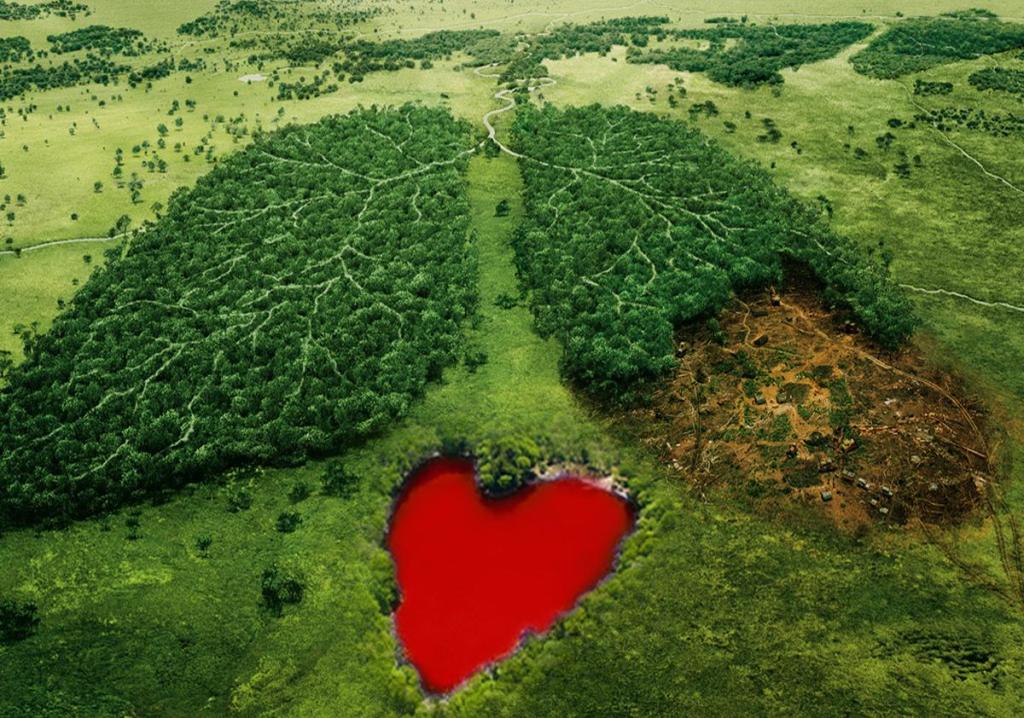
Massive rainforest destruction for animal feed, factory farming, manure, destruction of the rainforest for palm oil plantations, wild animal markets and and and.
More and more monocultures are being grown and land grabbing, especially rainforests is being sacrificed for this.
The loss of the “green lung” of the Amazon is irrevocable and no government takes action to stop it.
Primarily responsible: Customers of the animal industries of leather, fur, feathers, wool, and the consumers of animal products, i.e. milk/milk product, meat/meat products, eggs…
The farmers deny it again and again, but currently, 85-90% of global soy yields end up in animal husbandry.
The greed for animal products grows every day and carries many risks, not only for animals.
The environmental organization Germanwatch shows very clearly: 35 percent of the chickens examined were contaminated with germs that are resistant to so-called reserve antibiotics.
This, our greed is also the alleged propagator and cause of many pandemics:
Ebola, Spain flu, swine flu, bird flu, Malaria, HIV, SARS-COV-2 SARD-COV (new).
The next pandemics are on the march and will come out of a stable again if we carry on as before.
The latest example: Denmark! where coronavirus mounted on mink farms and passed on to humans.
This is where the topic of multi-resistant germs comes into play, which was mentioned above.
We finally have to see the connections.
But we deny it! Instead, we slaughter millions of animals to protect the disease breeding grounds of the meat/milk/fur industry and in the end, we only fight the symptoms of self-created diseases.
There is only one way to counteract this trend:
An immediate exit from intensive animal husbandry.
Tax incentives for businesses that rely on future-oriented, plant-based agriculture.
Tax relief for vegan products.
The tax burden on animal products.
All of this must be decided immediately.
Einstein said: “You can’t solve a problem if you think the same way you did when you created it”






 World Animals Voice