Month: June 2021

Mexico: Mexico’s Supreme Court Confirms Definitive Suspension of Mega Pig Farm In Homún


Mexico’s Supreme Court confirms definitive suspension of mega pig farm in Homún

Mexico’s Supreme Court confirms definitive suspension of mega pig farm in Homún – The Yucatan Times

Homùn, Yucatàn, (May 20, 2021).- The people of the Maya town of Homún municipality of Yucatàn win another legal battle against the mega pig farm. This May 19, the First Chamber of the Supreme Court of Justice of the Nation (SCJN) confirmed the definitive suspension of a pig farm in favor of the children of this community of Yucatán. 

According to a statement from “Kanan ts’ono’ot”, representatives of the groups known as “Childhood of Homún and Indignation”, the vote was unanimous, with which the ministers confirmed the definitive suspension of this farm, which must remain closed until the final verdict is issued by the Supreme Court.  

The operations of this pork farm have been paralyzed since October 9, 2018, due to the suspension granted by Judge Miriam de Jesús Cámara Patrón from an injunction promoted by six girls and boys from Homún, a Maya town in Yucatán located in the Geohydrological Reserve of the Cenotes.

“The decision of the SCJN once again agrees with the Maya people of Homún, particularly the Maya boys and girls who, through the aforementioned injunction, managed to paralyze the farm of 49 thousand pigs since October 9, 2018, when the suspension was granted ”, indicated the groups.  

The decision of the highest court, according to the organizations, allows the protection of the right to health, the environment, and dignified life for the children of the Maya town of Homún. At the same time, it lays the foundations for the final resolution, which is yet to be resolved in the Second District Court of the State of Yucatán.

Source: La Jornada Maya

Regards Mark

USA: Infamous Trophy Hunt Shows What Happens When Gray Wolves Are Stripped Of Protections.

Infamous trophy hunt shows what happens when gray wolves are stripped of protections

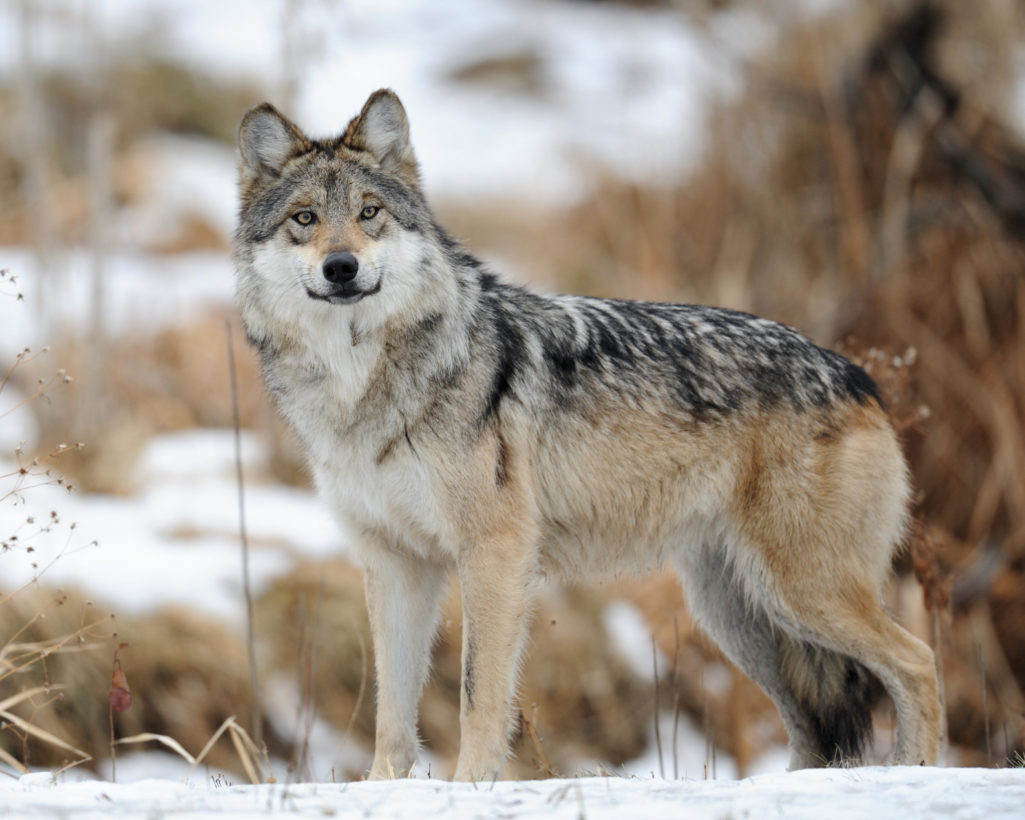
A new report indicates that poachers may have killed at least 100 more wolves since they lost endangered species protections than previously believed. Alamy Stock Photo

Infamous trophy hunt shows what happens when gray wolves are stripped of protections

By Kitty Block and Sara Amundson

June 16, 2021 

In February, 1,500 trophy hunters took to the frigid woods of Wisconsin, armed with guns, traps, neck snares and packs of hounds, in what would be Wisconsin’s first wolf hunt in seven years. The destruction and killing they perpetrated over the next 60 hours revealed the crass hypocrisy of wildlife management agencies and the dangers facing wolves in America.

A whopping 2,380 wolf hunting permits—twice as many as are typically issued for hunts in the state—were made available for a quota of 119 wolves in what was supposed to be a week-long season. Less than three days later, more than 200 wolves had been killed, entire wolf families were decimated, and the hunting season had to be shut down early, having gone nearly 100 wolves over the quota.

Each wolf lost in this killing spree had represented hope for wolf conservation in America—and that hope was shattered. Little if any input was sought from Wisconsinites, tribal nations or the scientific community. We led a strong campaign to try to stop the February wolf hunt, sending a letter to the Wisconsin governor, state lawmakers and Department of Natural Resources officials, emphasizing that the hunt would have disastrous consequences for the wolves; unfortunately a court decision forced the hunt to continue. We still believe that the wrongs of this hunt deserve closer inspection, which is why we’ve just published “A call to end wolf trophy hunting in Wisconsin,” in an effort to prevent a repetition of this reckless hunt in November 2021.

One of the deadliest hunts in local memory

We now know that Wisconsin’s February hunt was the second deadliest wolf hunt in Wisconsin’s recorded history, with 218 wolves recorded dead. The best available science indicates that poachers may have killed at least an additional 100 more since wolves were delisted. We also know that nearly half the wolves killed were females. Because it was breeding season, many of them may have been pregnant. More than 85% of the wolves killed were hunted down by packs of dogs—an extremely cruel practice that no other Midwestern state allows for wolf hunting. Hunt participants also used unfair killing equipment such as night vision devices, snowmobiles, traps and snares.

Our report emphasizes that even more wolves died than the state calculated—largely because it failed to account for the tremendous numbers likely killed by poachers. Because of time constraints, hunters could self-report, or report to a local game warden (and not a biologist), the wolves they killed. The state did not require hunters to turn in the dead wolves for analysis, which would have allowed the state to verify the age of the wolf and whether a female was pregnant at the time of her death, among other information. Only 22 of the 218 were voluntarily turned in, and only because the tribal nations had requested to conduct their own research. As a result, the state failed to account for what was likely a substantial loss to the breeding population and for the for the offspring of pregnant wolves who were killed.

We believe that Wisconsin has lost about one-third of its wolf population since they were delisted from federal Endangered Species Act protections in November 2020. These wolves are largely counted using their tracks in snow, which will make it impossible to count the wolf population before the next proposed wolf trophy hunt in November. If that hunt occurs, the future survival of this population of wolves will be in jeopardy.

We conducted a poll of Wisconsin residents, cutting across demographics and including farmers, hunters, all party affiliations, genders and jurisdictions, and found that 68% of respondents think that the November wolf hunt is a bad idea. Some 62% opposed the trophy hunting and trapping of wolves. The majority of respondents believed the February 2021 hunt was “mismanaged” and “reckless” and that the methods to hunt wolves in Wisconsin are cruel and unfair, and 68% stated they are convinced that wolves are sentient, evolved, familial beings who drive ecological processes while keeping their prey herds healthier. And most respondents—even most Wisconsin farmers—did not feel that wolves pose a serious threat to livestock.

This is why we are calling upon Wisconsin officials to stop the proposed November wolf hunt and adopt a hunting quota of zero wolves. And we’re urging the federal government to relist Wisconsin’s wolves under the federal Endangered Species Act.

The fight to reinstate wolf protections

The struggle to save gray wolves spans decades. Nearly eradicated from their native U.S. habitats at the beginning of the 20th century, gray wolves are still absent from about 70% of currently suitable habitat in the lower 48 states. Yet in recent years legislators and wildlife agencies have systematically continued to roll back wolf protections. The carnage of the Wisconsin hunt showed what can happen when wolves are stripped of those protections.

But there are stories that bring hope to the fight for wolves. For the first time in 80 years, wolf pups were born in Colorado. The pups’ parents had immigrated into Colorado themselves, and unlike other immigrants before them, were not shot or poisoned before having the opportunity to breed. In 2020, Colorado residents showed support for wolves in their state by passing a ballot measure mandating the restoration of wolves on public lands in the western region of the state by 2023. The best way to protect the future of this wolf family would be to relist gray wolves under the Endangered Species Act.

Earlier this month, the Humane Society of the United States and the Humane Society Legislative Fund joined other organizations in petitioning the U.S. Fish and Wildlife Service to relist wolves living in Idaho and Montana after legislators in those states passed a slew of draconian bills designed to drive wolf populations to their breaking points. Today, more than 50 regional and national conservation groups have signed onto a letter of support for that petition.

You can join us in our mission to save wolves: Tell the U.S. Fish and Wildlife Service to reinstate federal protections for gray wolves under the Endangered Species Act.

Sara Amundson is president of the Humane Society Legislative Fund

.Infamous trophy hunt shows what happens when gray wolves are stripped of protections · A Humane World (humanesociety.org)

Regards Mark

Colombia bans the animal vehicles

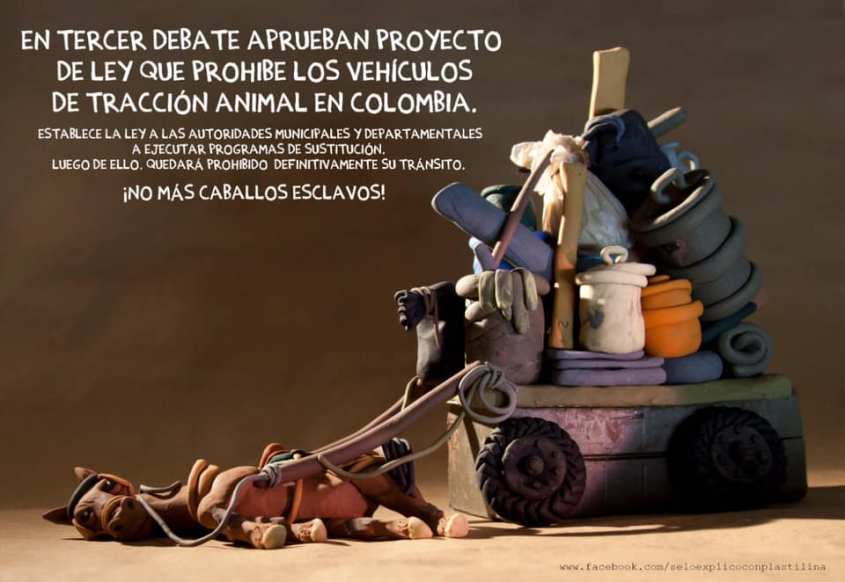
In the third debate, the departmental authorities approve a bill that PROHIBITS animal-drawn vehicles throughout the whole national territory!

According to this bill, the district, municipal and departmental authorities in whose territories animal-drawn vehicles circulate “will initiate substitution programs. Once the substitution of animal-drawn vehicles has been carried out, the transit of animal-drawn vehicles will be prohibited. competent authorities will proceed to their withdrawal, immobilization and seizure “.

This project is of total relevance to the country, for years citizens have witnessed the unfortunate conditions to which thousands of horses are subjected, strenuous work days, inadequate nutrition, physical abuse, the permanent risk of being run over by vehicles, and inadequate veterinary care.

caballo maltratado

Cases of physical mistreatment of equines are becoming more and more frequent, from the Colombian Platform for Animals we have been making quite a few complaints over the years.

Horses remain exposed to high levels of pollution, compete on the roads with automobiles and in the event of an accident they always have the upper hand; It is constantly observed that horses suffer wounds and lacerations that are not treated in time, fractures, vertebral problems, and the inadequate maintenance of their hooves are daily bread, in addition to the cruel abuse, such as the whip, to which many are subjected.

If this project is approved, the district and municipal mayors will have six (6) months from the entry into force of this Law, to carry out a census with 100% of the data of animal traction vehicles and their owners, which it must be sent to the Ministry of Transportation and the National Road Safety Agency, forming a registry of beneficiaries of the substitution programs.

The article also mentions that “owners of these vehicles may avail themselves of the substitution contemplated in this law on a voluntary basis and the municipal and district mayors will be in charge of the identification using technological tools.”

It should be remembered that in Colombia, successful substitution processes for animal traction vehicles have already been carried out, by virtue of Decree 178 OF 2012 of the Presidency of the Republic.

The examples of Bogotá and Medellín attest to this.

However, this decree prohibits the urban transit of animal traction vehicles only in municipalities of the special category and in first-category municipalities in the country, therefore in many municipalities this tragedy still continues.

From the Colombian Platform for Animals ALTO, we will continue to support this project, we applaud the decision of the Senate committee, and we urge the Senate plenary to approve this important project in its last debate.

https://www.plataformaalto.org/proyecto-caballos-vta.php

And I mean…Thanks to the activists of Colombia!

The big problem in this country, as in many other countries, is that laws are drafted that unfortunately nobody obeys, because nobody checks whether they are being followed.

We’re moving on, we’re making progress on animal legislation 🐾
They are small steps, but often small steps have a big impact.

My best regards to all, Venus

This New Bill Could Phase Out Animal Testing for Good.

This New Bill Could Phase Out Animal Testing for Good

By Aysha Akhtar , Barbara Stagno

June 14, 2021

This New Bill Could Phase Out Animal Testing for Good (sentientmedia.org)

Recently, Representatives Alcee Hastings (D-FL) and Vern Buchanan (R- FL), following efforts by Citizens for Alternatives to Animal Research & Experimentation (CAARE), introduced a bill that would provide a needed boost to medical research. 

If passed, the Humane Research and Testing Act of 2021 (H.R. 1744) will establish the National Center for Alternatives to Animals in Research (Center) under the National Institutes of Health (NIH). The bill follows nearly 30 years after Congress passed the NIH Revitalization Act to modernize many of the outdated policies and regulations carried out under the world’s largest biomedical institution. The 1993 law included a substantial section [Section 205] to address the growing need and opportunities to replace animals in research. In robust language, the Act called upon NIH “to conduct or support research into methods of biomedical research and experimentation that do not require the use of animals.” It also included language “for training scientists in the use of such [non-animal] methods that have been found to be valid and reliable,” as well as “encouraging the acceptance by the scientific community of such methods that have been found to be valid and reliable.”

Unfortunately, even though this legislation passed nearly 30 years ago, NIH has made little effort in replacing animal testing, even with a revolution that has unfolded in biotechnology allowing for superior human-specific research without animals. According to a 2012 National Research Council report, almost half of NIH’s funding is for testing that involves animal use, and this amount has remained stable over the years. 

The Humane Research and Testing Act will mandate that NIH follow the law. Fundamental to reducing animal experimentation is the ability to track the number of animals used, yet precise numbers of animals used in U.S. research are unknown.  This lack of transparency in what animals are used, how many are used, and how they are used makes it impossible for the public to know whether NIH is making any true effort in replacing animal tests.  That is why, in addition to the creation of the Center, the Humane Research and Testing Act (HRTA) will require NIH to track and disclose the numbers of all animals used and document its progress at reducing them through mandatory bi-annual reports.

Importantly, the establishment of a Center will be an important step in ensuring scientific progress for human health. It is becoming increasingly recognized by scientific bodies that there is an urgent need for a sea change away from animal testing. Whatever role animals may have played in medical research in the past, today’s research deals with the subtle nuances of molecular biology and genetics. Interspecies differences in physiology, pharmacokinetics, and genetics significantly limit the reliability of animal testing. 

And the proof is in the pudding. More than 90 percent of drugs and vaccines fail during human clinical trials, after passing animal tests. People enrolled in clinical trials put their lives at risk based on misleading safety tests on animals.  Equally troubling is the very likely fact that many drugs that were abandoned based on animal tests may have worked wonderfully in humans. Most diseases have little or no treatment available. But how many missed opportunities were there because of the unreliability of animal testing? 

New testing methods offer a way out of the quagmire that animal testing has caused. Human organs grown in the lab, human chip models, cognitive computing technologies, 3D printing of human living tissues, and the Human Toxome Project offer great promise in helping scientists understand the diseases that afflict us and find treatments.  Much of their promise lies in the fact that these testing methods are based on human biology. 

But more change is needed and needed faster. As long as NIH prioritizes funding of animal research, the development of innovative testing methods will be impeded. The Center will be tasked with developing, funding, and incentivizing innovative, human-based methods.   The Center will also educate and train scientists to utilize these methods. 

The HRTA was introduced one month before Congressman Hastings died from pancreatic cancer. His words drove home his strong belief that the HRTA will be transformative: “This legislation will not just reduce animal testing and research,” said Hastings, “but will ultimately improve medical treatments for humans as they are developed from beginning to end primarily with test subjects that replicate human biology and physiology.” 

Will Congress honor Hastings’s legacy? Lives remain in the balance as long as the biomedical system is based on ineffective animal testing. A new center within NIH will help ensure that our tax dollars are used to fund the best and kindest medical science possible and pave the way for innovation.

Read More

In China, Traditional Remedies for COVID-19 Are Fueling the Wildlife Trade

Testing Our Luck: Will Animal Research Give Us a COVID-19 Vaccine?

COVID-19 Exposing Flawed Moral Framework Behind Animal Testing

Aysha Akhtar

Aysha Akhtar, M.D., M.P.H., is a double-board certified neurologist and preventive medicine/public health specialist. She is the CEO of the Center for Contemporary Sciences, pioneering the transition to replace the use of animals in experimentation with effective human-based technologies. Dr. Akhtar is the author of the recent book, Our Symphony With Animals. On Health, Empathy and Our Shared Destinies.

Barbara Stagno

Barbara Stagno is the President and Founder of Citizens for Alternatives to Animal Research & Experimentation.

This New Bill Could Phase Out Animal Testing for Good (sentientmedia.org)

Regards to all;

Mark

Ethical Elephant – Cruelty-Free and Vegan Cosmetics Certifications & Claims Explained.

Cruelty-Free and Vegan Cosmetics Certifications & Claims Explained

WAV Comment – we are reproducing the introduction and link to the site in order that you can review and make your own choices.  There is a lot of information, complete with logos to watch out for when you purchase or decide not to purchase.

Intro copied from Ethical Elephant site –  :

Did you know there’s a difference between cosmetics labeled Cruelty-Free vs. Vegan? And Vegetarian vs. Vegan? And that not all Certified Cruelty-Free Bunny Logos have the same standards and criteria?

In this post, I’m sharing some of the most common cruelty-free and vegan claims, labels, and logos that we often see on cosmetics and household cleaning products. As well as, providing an overview of which ones are regulated, the organizations issuing these certifications, their requirements, and the cost associated with licensing their logos.

And because no certification or standard is perfect or all-inclusive, I’ll also be sharing some things to look out for. That way, we can set some realistic expectations when we shop for cruelty-free and vegan cosmetics.

By the end of this post, you’ll have a better understanding of what each cruelty-free and vegan claim actually means, and hopefully, it’ll help you make better and informed consumer choices.

Check out all the info by clicking on this link:

Cruelty-Free + Vegan Certifications, Claims, Logos Explained (ethicalelephant.com)

I have shown this with the hope it will help, not hinder;

Regards Mark

Spain, Madrid: – big demonstration against bullfighting on September 18th – be there!

“The bulls in the sea” suspended for one more year in DÉNIA, Spain.

Every year, in this Alicante town, this horrible and cruel tradition takes place, which consists of deceiving and harassing the bulls until they jump or fall into the sea.

Once in the water, people, in boats or swimming, harass, mistreat, cheer and humiliate the animals. They catch them and thwart their attempts to get back to land. The images are of a creepy anguish.
Many of these animals end up drowning.

(Click on the picture)

This year, like last, this horror will not take place due to the health crisis.

From PACMA, Animal Welfare Party of Spain (Partido Animalista) we continue working so that cruelties like this are never celebrated again.
For this reason, on September 18 we need you in Madrid to demand the end of bullfighting.
You cannot be absent!

And I mean…Bullfighting and bull festivals violate all ethics of modern civilized countries and societies.

Unfortunately for this “tradition” the primitives are wasted Millions that are urgently needed for the school or health system.

It is finally time to abolish these “traditions”, which were invented from the darkest time on earth – namely during the time of the Inquisition, and to stop proudly cherishing a culture of prehistoric men.

We support PACMA activists and all anti-corrida organizations in their fight, we will never be tired of fighting on their side against this torture.

So … everyone to Madrid on September 18th.

My best regards to all, Venus

USA: The cage age must come to an end in New Jersey – Opinion.

WAV Comment – Excellent article Raj and Vin – every bit the truth.  Best wishes with yur work.

Trader Joe's to Phase Out Gestation Crates for Some Pork Products | Chicago  News | WTTW

The cage age must come to an end in New Jersey | Opinion

The cage age must come to an end in New Jersey | Opinion – nj.com

By Raj Mukherji and Vin Gopal

New Jerseyans believe strongly in the humane treatment of animals. For years, voters have told lawmakers that they want us to take a stand against a particularly cruel practice used by some pork and veal producers. We have heard their voice via polls, phone calls and letters in the opinion pages. This issue has hung over Trenton for long enough, and it is time to finally pass commonsense reform into law.

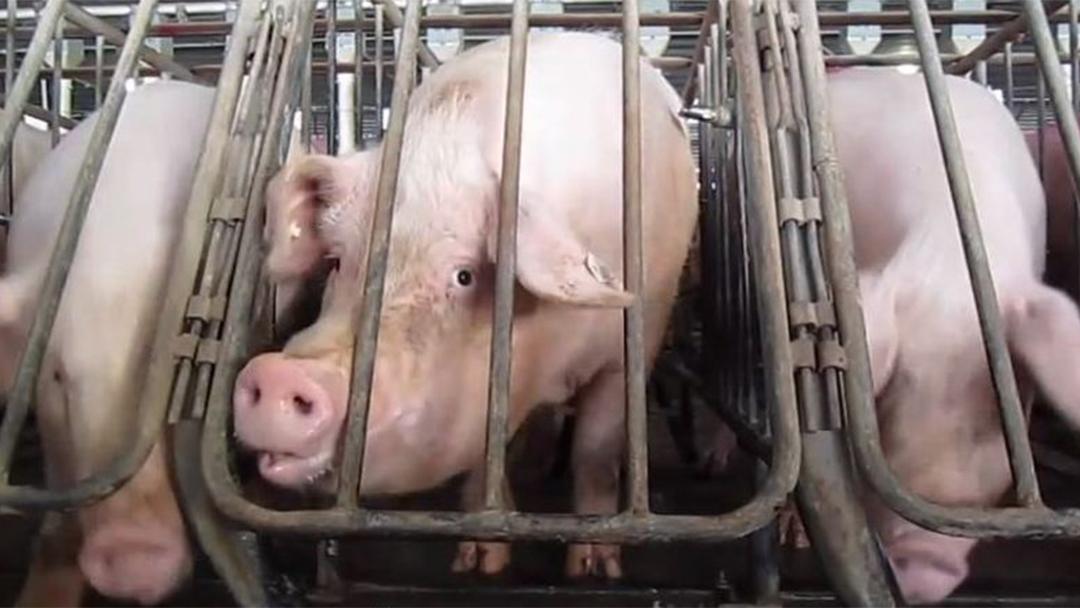
At the center of this storm are “gestation crates,” metal cages used to confine mother pigs. Simply type the term into Google Images and you will understand why gestation crates raise such strong concern. Made of metal bars, these crates are so small the pigs cannot walk more than a step forward or backward, nor can they turn around.

Similarly, “veal crates” are used to confine calves fated to become cutlets. These newborns are taken from their mothers shortly after birth. Both gestation and veal crates have been denounced by animal welfare experts as unnecessarily cruel and archaic.

That’s why we’ve introduced Assembly bill A-5236 and Senate bill S-3401 to put an end to these terrible practices in New Jersey once and for all.

What Is a Gestation Crate? | World Animal Protection
Photo WAP


In a time of a global pandemic, most conversations around the dinner table are now about disease and living a new lifestyle because of it. This issue of gestation crates and veal crates brings an added level to this issue, as cramming animals side-by-side in tiny cages presents ideal conditions for dangerous pathogens to breed, multiply and mutate.

The United Nations cites intensive animal agriculture as a likely cause of future zoonotic disease. Prohibiting cruel crates helps tip the balance away from reckless industrial agriculture and toward more sustainable, ethical farming. Simply banning these extreme confinement methods greatly benefits public health, the environment and the animals.

Fortunately, the tide is turning away from these cruel practices. Both pigs and calves can be raised more humanely in larger pens alongside other animals of their own kind.

Under consumer pressure, Smithfield Foods, the nation’s largest pork producer, and Hormel Foods, producer of SPAM, are dramatically reducing their use of gestation crates. A long list of mainstream fast food, restaurant and grocery chains are purging gestation crates from their supply chains — and top veal producers are following suit.

Change is happening but ultimately it is not happening fast enough for the animals still suffering in these crates.

We can support and hasten positive changes like those made by the aforementioned businesses by passing corresponding laws. Ten U.S. states and the European Union have already outlawed gestation crates while nine U.S. states have banned veal crates.

Many of the states acting on this matter are major agricultural producers. For example, Kentucky has banned veal crates and Ohio has outlawed gestation crates. New Jersey has less to lose than these states and would hardly be sticking our neck out by following suit.

We would, however, be sending a message that this type of cruelty has no place in our state and that it is time for the “cage age” to come to an end.

We are grateful to our legislative colleagues for their previous support on this issue. The time is right to finish the job by sending this bill to Gov. Phil Murphy’s desk for a signature.

It is long past time we give these suffering animals the relief they deserve and have our state join the many others moving in the responsible, right direction.

Assemblyman Raj Mukherji represents the 33rd Legislative District and state Senator Vin Gopal represents the 11th Legislative District.

Regards Mark

16/6: The WAV Team Response To A Message Left Today.

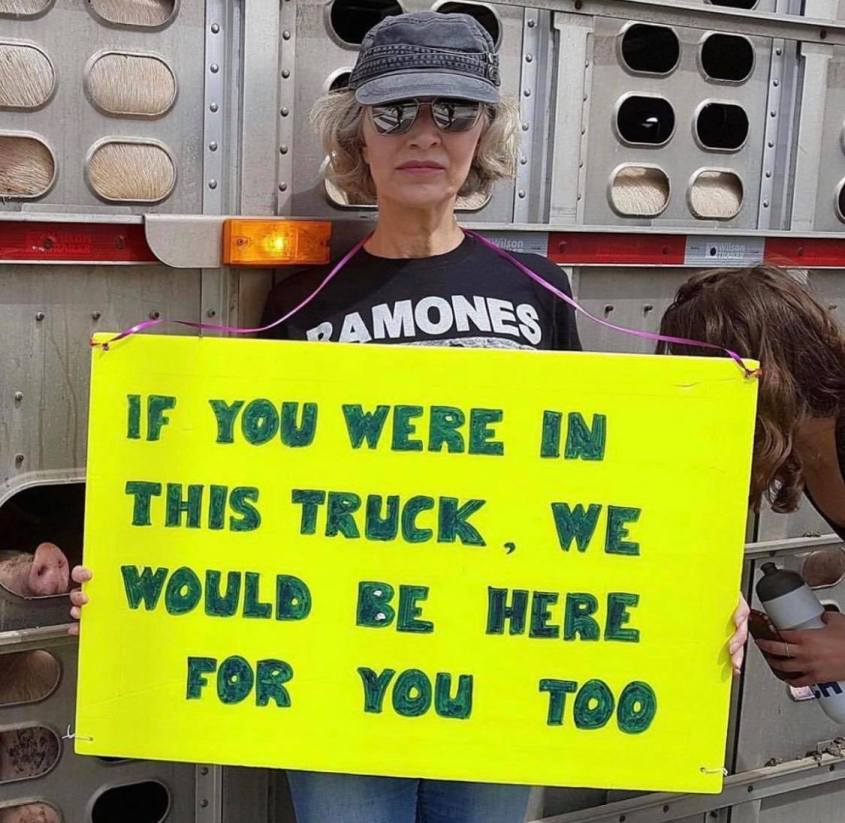
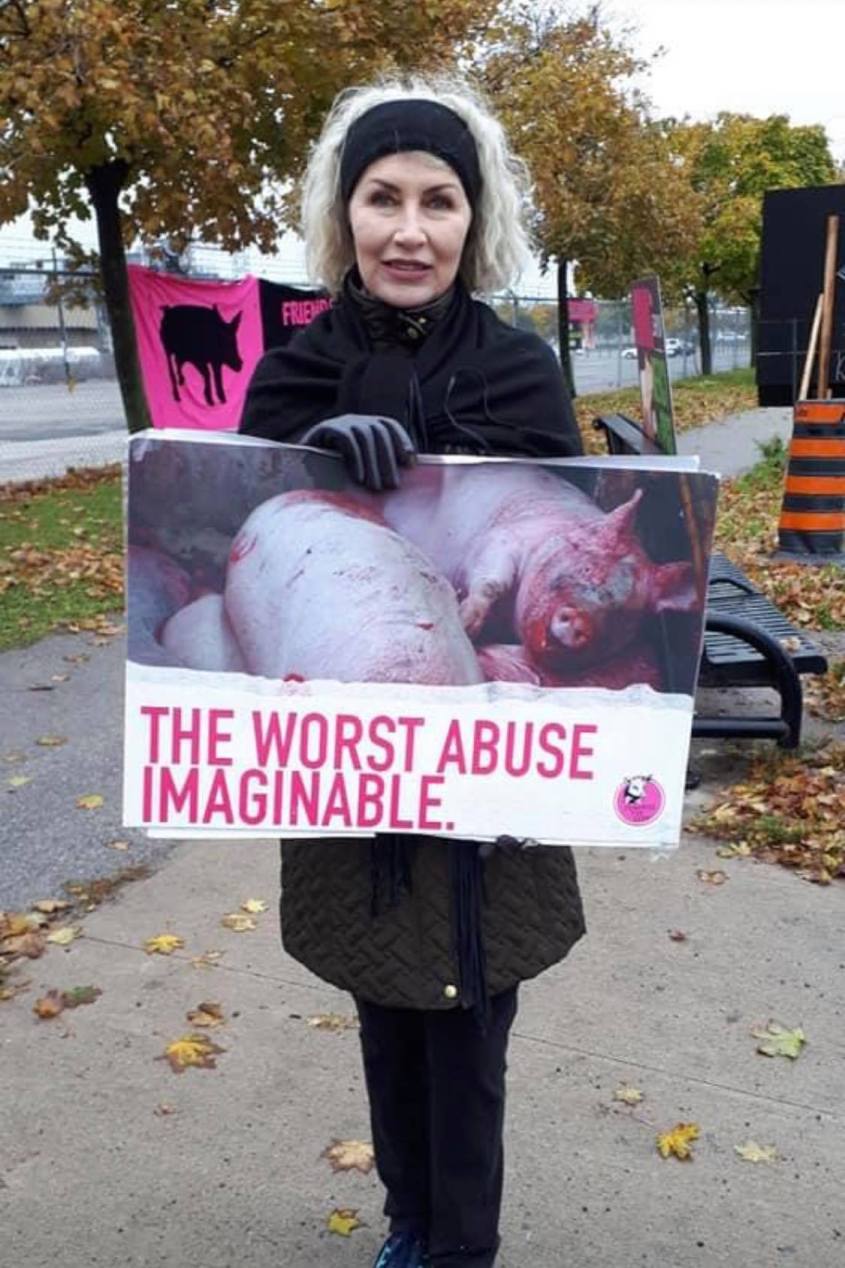
Regan_Russell_We_would_be_here_for_you_too

Now and again; as with any site relating to just about any issue or subject; you expect, and sometimes get, negative comments, even abuse.

We can handle that no problem; part of running a site we guess; if people have something negative to say, then fine, we review it and if necessary attempt to respond, giving our perspective; our views, justifications etc.

A message ‘greeted us’ this morning; and in unison; we immediately had no argument with deleting the comment; as it was more than pitiful and we do not feel it is even worth showing – why give an asshole publicity we ask ? – but we shall say it was nasty and vindictive towards the death of Regan.  From someone in the business we ask ? – and do they want to start an abusive series of ‘ping pong’ between us and them ? – we the answer from us is ‘No’; and for the turd from the gutter that wrote it, there is now only one place to archive it –  in the TRASH, as both they and their comment both should be.

Regan_Russell_Worst_abuse_imaginable

So in response to Mr Primary Jerk; from us, and by clicking on the following link, you can gain access to all of our past posts relating to Regan and her work to save animals:

Search Results for “regan russell” – World Animals Voice

regan_russell jmit plakat pg

Regan died taking action to help suffering animals, she did not hide in saying what she was involved with – campaigning for and saving lives, and where she came from.  Now the world knows her story and her name, unlike the psycho jerk that sent this mail to us and who boasts about killing animals.  We suggest firstly, he slithers back down the crack he originated from, secondly, he attempts to get some kind of a life, and thirdly, that taskes up a hobby that does not involve killing animals, as he proudly boasts he does in his comment.  What next – children ?

We will not even publish his reply, because, like him, IT IS UTTER PREMIUM SHIT.

We, like all fellow activists out there, continue with our respect to Regan again for paying the ultimate in her actions to be a voice for suffering animals.  Her name will never be forgotten.

The crew at WAV.

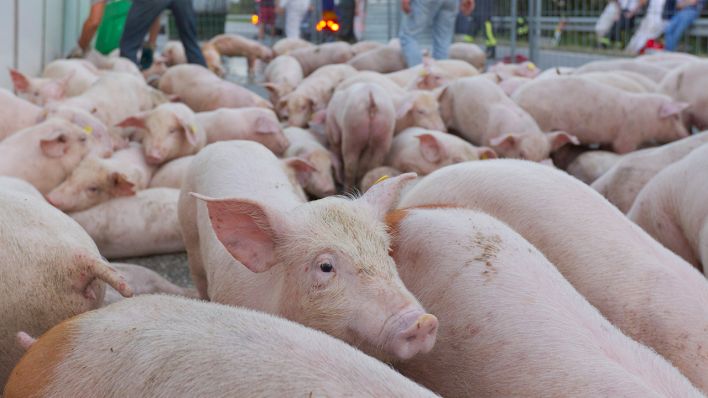
schweine gucken durch transporten

one form of fascism

(click on the picture)

Just imagine what the poor elephants went through
until they broke their spirits and convinced them do these things.

Glass Walls

And I mean…Robbing the freedom and life of other animals and keeping them as objects of use, that is a form of fascism

My best regards to all,Venus


14/6/21 – Mr Philip Wollen Becomes The First WAV Patron; We Are (More Than) Delighted, and Welcome Him To The Group. – World Animals Voice

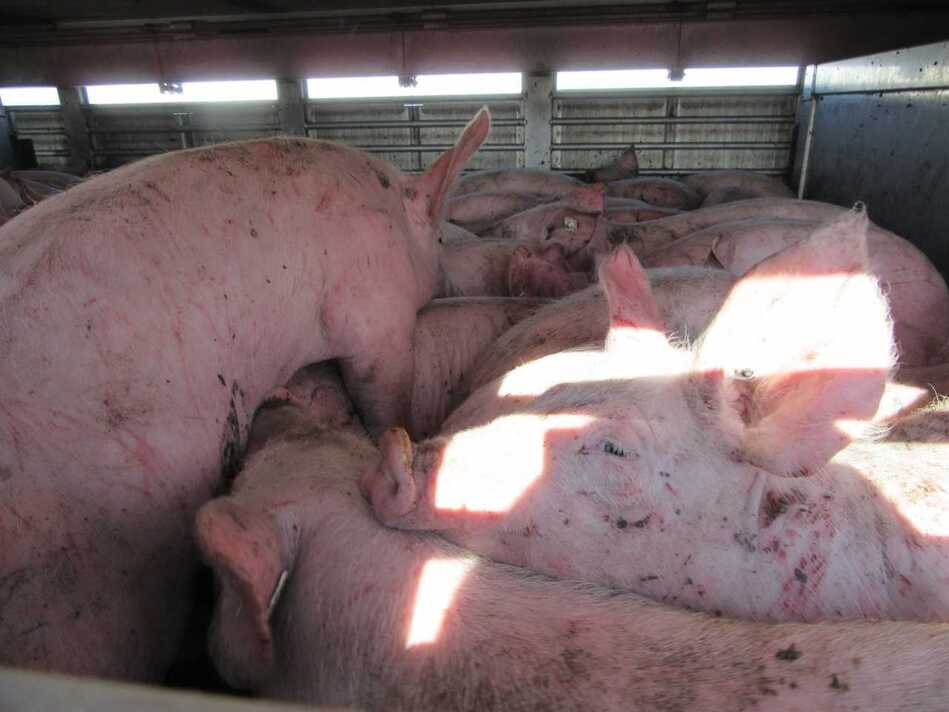
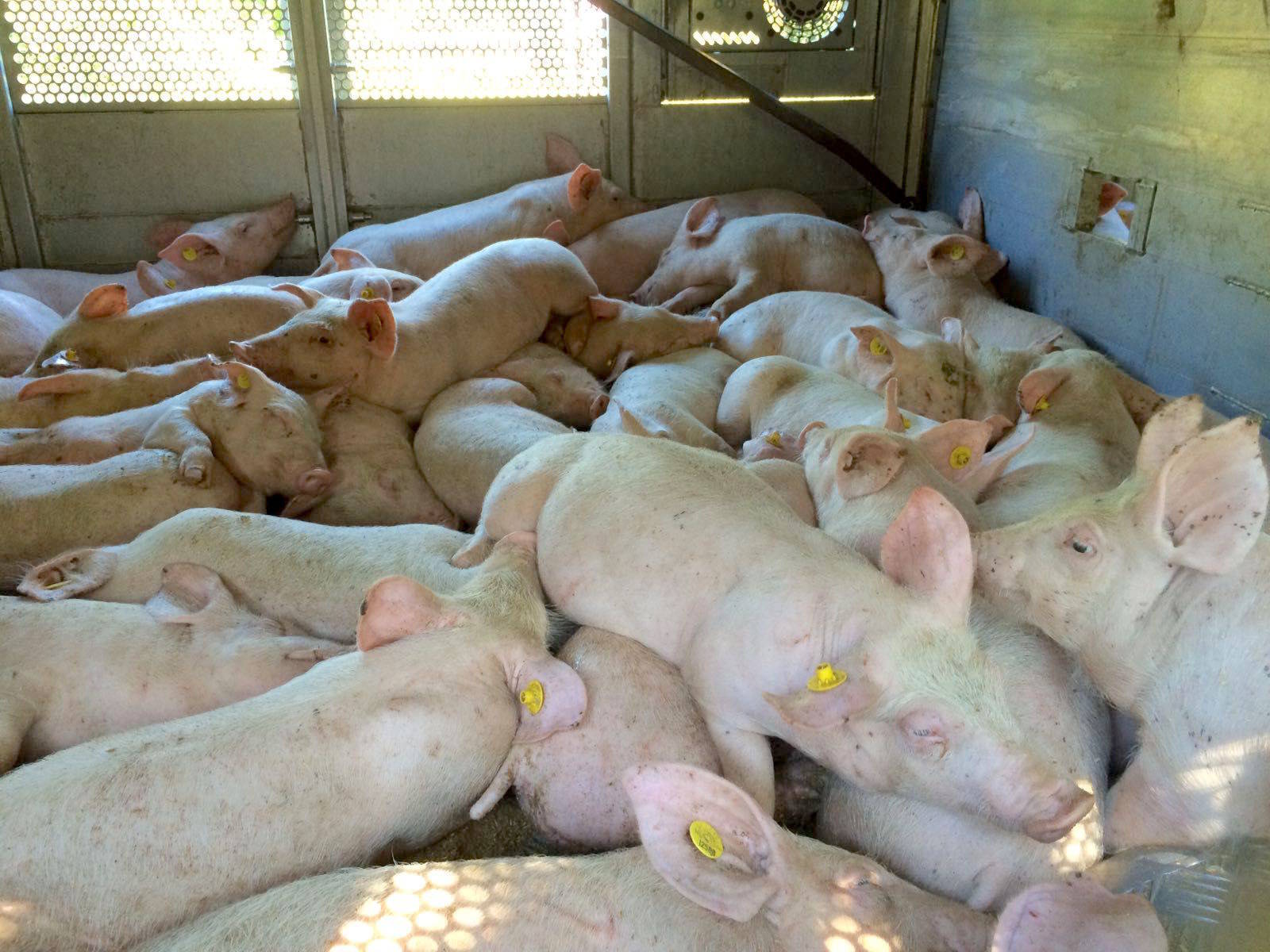
Germany: 103 piglets died of overheating

Heat and defective hydraulics apparently caused a drama in Rehfeld in the Elbe-Elster district in the state of Brandenburg, Germany yesterday.
According to reports from the Lausitzer Rundschau, 103 of 150 piglets that were supposed to be brought to Lower Saxony for fattening died on the transporter.

The removal and loading of breeding piglets follows its own routine. The work of the breeding farm is finished, the transport company takes over piglets and responsibility.

As the regional newspaper Lausitzer Rundschau reports today, yesterday at Hoyaer Piglet rearing GmbH & Co.KG in Rehfeld (Elbe-Elster district) a drama that began in the morning and only ended in the late evening with the departure of the regional fire departments and over killed a hundred piglets.

Dead piglets: locked in a transporter

According to the report, 150 piglets were already loaded when the hydraulic lifting device on the four-story animal transporter failed.
The result: the piglets that had already been loaded were locked up on the top floor of the transporter.

Polizei stellt Verstöße bei Tiertransporten fest | SACHSEN FERNSEHEN

The employees of the transport company, supported by the employees of the piglet rearing, tried to solve the technical problem. Specialist companies were contacted, and an employee of the truck manufacturer was even on site, those involved reported to the “Lausitzer Rundschau”.
They couldn’t solve the problem (!!!)

Meanwhile it gets hotter and hotter. The temperature rose to just under 28 degrees in southern Brandenburg on Wednesday.
When the fire brigade was notified at 4:30 p.m., many piglets were already dead.

The fire brigade’s comrades tried to unscrew the roof first, reports the head of operations.

Tiertransport gestoppt: Knapp 1200 Ferkel in Lastwagen zusammengepfercht - Nachrichten aus der Metropolregion Rhein-Neckar - RNZ

Then openings were flexed into the side walls and the truck driver was prevented from putting himself at risk when trying to help the piglets. The comrades from Rehfeld and Falkenberg left again around 8.30 p.m., writes the “Lausitzer Rundschau”.
In retrospect, several defective fuses would have been the cause of the defect.

This realization came too late for 103 piglets.

https://www.bauernzeitung.de/news/defekte-hydraulik-am-transporter-mehr-als-hundert-ferkel-tot/

And I mean…“The removal and loading of breeding pigs takes place according to its own routine. The work of the breeding company is finished, the transport company takes over piglets and takes responsibility”.

It took a bunch of useless “professional” idiots a hole day to send 103 piglets to their cruel deaths.

What kind of responsibility are we talking about here, actually?
If a transporter does not even know whether the basic equipment of a truck transporter is functional (but before all animals are penned in it), then that is not called responsibility, this is a company that is no longer allowed to have a license.

But the insurance will pay, the transport company is not worried about that.
Losses are taken into account when transporting animals.

Animal transport is a lucrative business, which is why these mobile coffins are still in use.

My best regards to all, Venus

14/6/21 – Mr Philip Wollen Becomes The First WAV Patron; We Are (More Than) Delighted, and Welcome Him To The Group. – World Animals Voice