
Month: December 2021

EU / China: EU investments driving unsustainable farming in China.

17 December 2021

Study found a significant increase in EU investments flowing to the Chinese livestock sector following the introduction of new investment rules in China. In the absence of sufficient animal welfare related standards in the country, this practice harms the global transition towards sustainable food systems, and fuels the public health and environmental crises the planet faces.

In 2020, EU and EFTA-based investors owned shares worth around €4.5 billion across four of the largest Chinese meat and dairy companies: WH Group, Muyuan, Mengniu and Yili. With the introduction of new investment rules in China, investors like JP Morgan Asset Management Europe, Allianz SE and BNP Paribas significantly increased their shareholding. 

In recent years, European livestock giants like Tonnies and Danone have also entered the Chinese market. Tonnies, whose core business is pork and beef processing, spent €500 million in 2019 on a slaughter and butchering centre in the Sichuan region, initially for two million pigs a year (rising to six million), while Danone earned almost €1 billion in profits from the 2021 sale of its stake in Chinese dairy company Mengniu. The Norwegian sovereign wealth fund, which holds the world’s biggest stock portfolio, also entered the market after the new rules were introduced, now owning shares worth approximately €437 million in these four companies. 

The business opportunities may seem eye-watering, but a perfect storm of economic, cultural and regulatory issues that accompany EU investments into the Chinese livestock sector could lead to misery for millions of animals. China’s livestock sector is growing in the direction of greater intensification and automation, and the welfare problems associated with intensive livestock are well known and increase with scale.

In addition to being detrimental to animal welfare, intensive industrial farming has a very negative impact on the environment (air, water and ground pollution), biodiversity (as related land-use changes often lead to habitat loss), public health (as intensive conditions tend to favour the spread of zoonoses and antimicrobial resistance) and climate change (as animals emit greenhouse gases, and also because of the related deforestation). Intensive farming also leads to huge volumes of waste (i.e. high level of water use, animal remains, excrement, water and soil pollution). 

Without careful management and awareness of the welfare concerns associated with intensification and automation – and in the absence of further regulation in China – EU investments risk transforming China into a living laboratory for futuristic experiments in animal husbandry, with consequences that could affect the entire planet. 

In that context, the EU-China Comprehensive Agreement on Investment (CAI) – which has not been ratified yet – is also a missed opportunity as it does not allow to address a situation where investments fostered under the deal would fuel unsustainable sectors.

To prevent such situation, Eurogroup for Animals thus calls on the European Commission, the European Parliament and EU Member States to:

  • adopt effective rules on due diligence, including animal welfare within their scope; 
  • bring up the animal welfare dimension in the work started with China on agreed terms for responsible investment;
  • establish a cooperation mechanism with China around animal welfare standards;
  • promote a reform of the Environmental, Social and Governance (ESG) principles in multilateral development banks where the EU and/or its Member States are share owners to include EU-equivalent animal welfare  requirements.

The sustainability of EU investments in the Chinese livestock sector – The role of Animal Welfare

File

Report: The sustainability of EU investments in the Chinese livestock sector – The role of Animal Welfare2.38 MB

Regards Mark

California: Suffering and mass murder of male chicks

Report Animal Equality-December 16, 2021

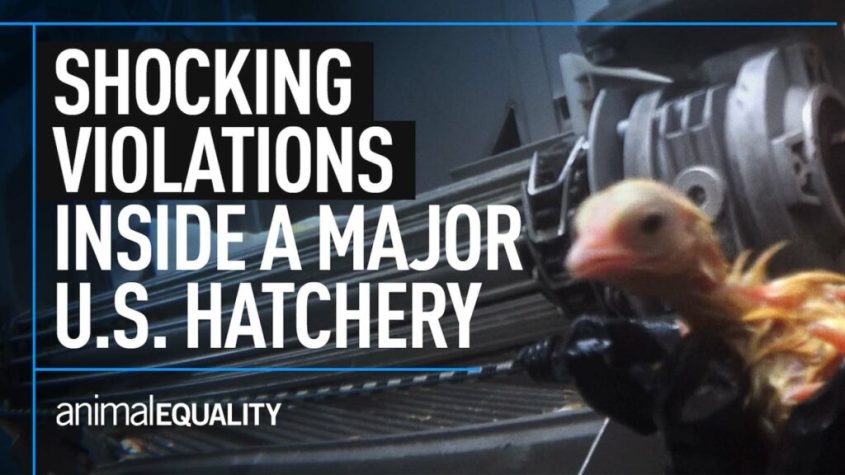
Animal Equality has released its latest undercover investigation exposing serious violations of California’s animal cruelty laws inside a major U.S. meat supplier.

Animal Equality has released a new investigation documenting shocking scenes of suffering and abuse of birds at a Foster Farms hatchery in Stanislaus County, California.

This facility provides baby chickens to farms managed by Foster Farms, where they are raised and then slaughtered.
Foster Farms supplies major west coast grocery chains as well as the fast food chain Chick-fil-A.

The investigation exposed serious violations of California’s animal cruelty laws and showed chicks routinely being inhumanely killed or left to slowly die from injuries.

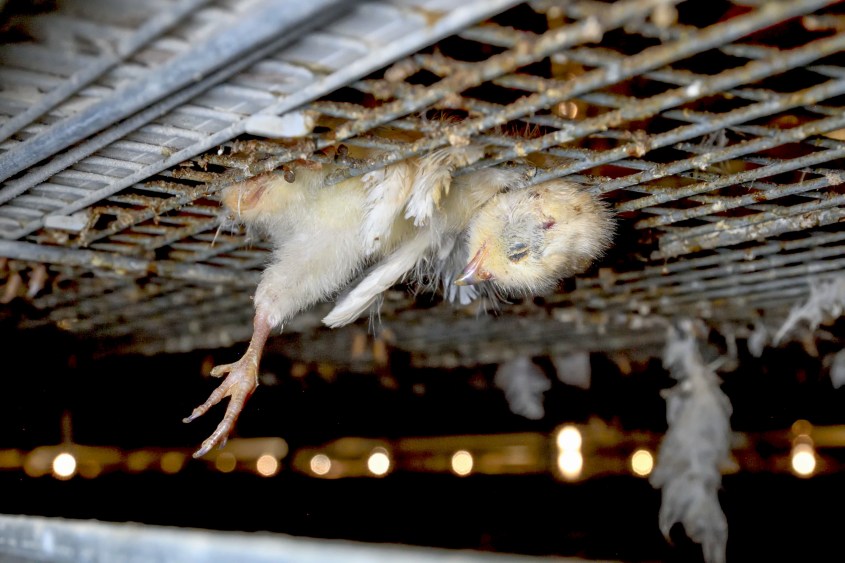
PROLONGED SUFFERING AND DEATH: At the hatchery, video footage documented chicks left to suffer for hours after being mutilated and severely injured by machinery, before they were dumped into a chute to be ground up while still alive.

Chicks who were just a few hours old were found with their bodies ripped open and internal organs exposed.
Others were caught or crushed by processing equipment that moved the birds along on conveyor belts.

Some chicks became trapped in hatching trays and were pulled into washers, where they were scalded and drowned in hot water.

Viewer discretion is advised.

CRIMINAL WELFARE VIOLATIONS: The investigation found serious criminal violations of animal cruelty laws:

Newly hatched chicks were crushed or mutilated by automated processing machinery.
Live chicks were found drowning in water and chemical foam on the floors underneath conveyor belts.
One chick was discovered alive in a hatching tray that had gone through the washing machine which uses hot, high-pressure water.

Continue reading “California: Suffering and mass murder of male chicks”

England: ‘Gentle giants’: rangers prepare for return of wild bison to UK.

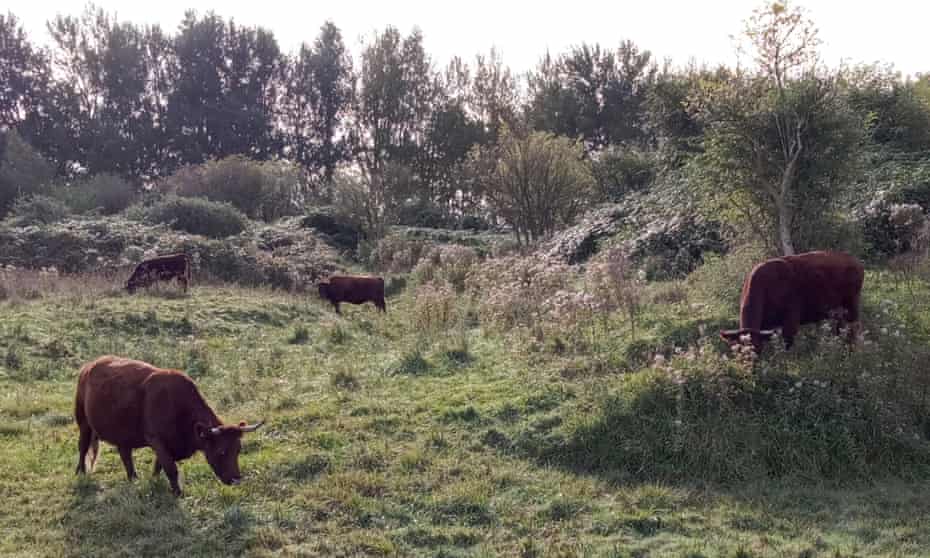
European wild bison

The rangers will manage the first wild bison to roam in the UK for thousands of years. Photograph: Tom Gibbs and Donovan Wright

Animals arrive in Kent in spring 2022 and will create forest clearings – described as ‘jet fuel for biodiversity’

“When you see them in the wild, there’s this tangible feeling of humility and respect,” says Tom Gibbs, one of the UK’s first two bison rangers. “The size of them instantly demands your respect, although they are quite docile. I wouldn’t say they are scary, but you’re aware of what they can do.”

The rangers will manage the first wild bison to roam in the UK for thousands of years when four animals arrive in north Kent in the spring of 2022. The bison are Europe’s largest land animal – bulls can weigh a tonne – and were extinct in the wild a century ago, but are recovering through reintroduction projects across Europe.

“They are magnificent animals, truly gentle giants,” says colleague Donovan Wright, who spent 20 years working with rhino, cape buffalo and other large animals in southern Africa. “The Kent project is very different, but it’s no less important.”

Wright says: “How amazing will it be to track the largest land mammal in the UK on foot right here in [Kent]? To experience something like this only five miles from Canterbury would be just incredible, and help people reconnect with nature.”

Gibbs and Wright have just returned from training with wild bison herds in the Netherlands, where they were reintroduced in 2007. The £1m Kent project is called Wilder Blean and is run by the Kent Wildlife Trust and the Wildwood Trust, and funded by the People’s Postcode Lottery. A principal aim is for the bison to rewild a dense, former commercial pine forest.

Continued on page 2

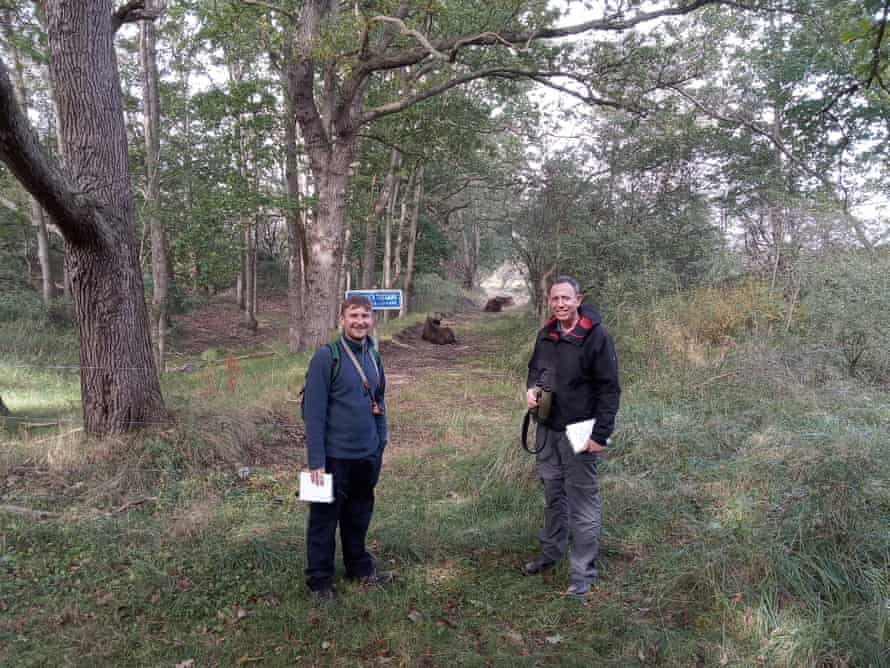
Tom Gibbs (L) and Donovan Wright.
Tom Gibbs (L) and Donovan Wright. Photograph: Tom Gibbs and Donovan Wright

Bugs across globe are evolving to eat plastic, study finds.

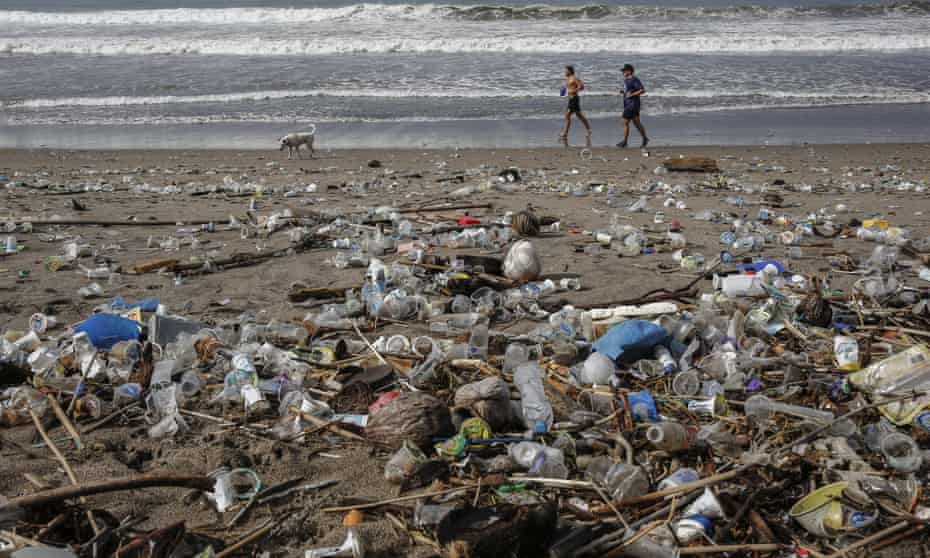
Plastic washed ashore on Berawa Beach, Bali, Indonesia.
Plastic washed ashore on Berawa Beach, Bali, Indonesia. Photograph: Anadolu Agency/Getty Images

Bugs across globe are evolving to eat plastic, study finds

Surprising discovery shows scale of plastic pollution and reveals enzymes that could boost recycling

Bugs across globe are evolving to eat plastic, study finds | Plastics | The Guardian

Microbes in oceans and soils across the globe are evolving to eat plastic, according to a study.

The research scanned more than 200m genes found in DNA samples taken from the environment and found 30,000 different enzymes that could degrade 10 different types of plastic.

The study is the first large-scale global assessment of the plastic-degrading potential of bacteria and found that one in four of the organisms analysed carried a suitable enzyme. The researchers found that the number and type of enzymes they discovered matched the amount and type of plastic pollution in different locations.

The results “provide evidence of a measurable effect of plastic pollution on the global microbial ecology”, the scientists said.

Millions of tonnes of plastic are dumped in the environment every year, and the pollution now pervades the planet, from the summit of Mount Everest to the deepest oceans. Reducing the amount of plastic used is vital, as is the proper collection and treatment of waste.

But many plastics are currently hard to degrade and recycle. Using enzymes to rapidly break down plastics into their building blocks would enable new products to be made from old ones, cutting the need for virgin plastic production. The new research provides many new enzymes to be investigated and adapted for industrial use.

“We found multiple lines of evidence supporting the fact that the global microbiome’s plastic-degrading potential correlates strongly with measurements of environmental plastic pollution – a significant demonstration of how the environment is responding to the pressures we are placing on it,” said Prof Aleksej Zelezniak, at Chalmers University of Technology in Sweden.

Continued on next page

Pesticides have polluted our rivers and lakes – and there’s no quick fix.

From ‘The Guardian’, London.

Pesticides have polluted our rivers and lakes – and there’s no quick fix
Damian Carrington   I have been reporting on pesticides for more than a decade, but some revelations really stick in my mind. One was the discovery in 2013 of insecticide pollution in the ditches by Dutch fields that was so bad the water itself could have been used as an effective pest killer. Not surprisingly the impact on dragonflies, snails and other wild water creatures was devastating.

The situation does not appear to have improved. New research by the European Environment Agency showed excessive levels of pesticides in about a quarter of rivers and lakes across the EU, with the Netherlands the worst affected. More than half of all Dutch water bodies – 56% – had high levels of pesticides, including 62% of lakes.
Agriculture is particularly intensive in the Netherlands, but it is far from alone in dousing its landscapes in pesticides. In Italy, Belgium, the Czech Republic and Finland, about half of water bodies were heavily polluted, as well as 38% in Germany, 33% in Ireland, and 26% in France.

The EEA also reported excess pesticides in groundwater in about 5% of sites. The striking aspect of this was that the most common pollutant was atrazine, which was banned in the EU in 2007. “It is very persistent,” said the EEA, which also noted that, unlike most pollutants, pesticides are specifically designed to kill living things.

The data analysed by the EEA was taken from more than 20,000 monitoring sites across the EU between 2013 and 2019, but it is far from the full picture. Only half the pesticides detected have exceeded limits set by Europe – the other half could not be included in the study.
The data is also reported voluntarily by countries, meaning considerable gaps remain, but there is no indication of an improving situation. The UK is no longer an EU member, so was not included in the EEA analysis, but insecticides were revealed to be polluting rivers in England in 2017.

The number of different pesticides reported in EU rivers and lakes was more than 100 in Germany and Italy. France detected 215 different pesticides in groundwater. That reminded me of another striking finding from France, from a study I reported in 2017: virtually all farms could significantly cut their pesticide use while still producing as much food. Most pesticides are applied “just in case”, the work showed, doing little other than harming nature.

Only a few months after that, another memorable study laid out the big picture: the assumption by regulators around the world that it is safe to use pesticides at industrial scales across landscapes is false, said senior scientists. With no limit on the total amount of pesticides used, and virtually no monitoring of their effects in the environment, the damage is done before it is detected.

The new EEA analysis comes at an important time. The European Green Deal plan is aiming to reduce the use of, and risks from, chemical pesticides by 50% by 2030. Addressing the risks, as well as the volume, of pesticides is vital – the amount being used is falling, but the increasing toxicity of the chemicals is outpacing that fall.

But cutting pesticide use it is not going to be easy. Last week, the website DeSmog published an investigation into the powerful companies and lobby groups working to water down the EU’s targets for more sustainable farming. These companies and groups spent €45m lobbying EU decision-makers between 2019 and 2020, DeSmog reported, and held hundreds of meetings with relevant bodies.

Natacha Cingotti, at the Brussels-based Health and Environmental Alliance, said: “When working on pesticide-related policies, the imbalance of stakeholders in favour of industry interests is striking. The dominating actors are those very companies set to profit from the sale of harmful chemicals, not those who stand for health and environment protection.”

It looks like I’ll be writing about pesticides for the next decade as well.  

Regards Mark    


Elon Musk’s new project: sending a “Noah’s Ark” of animals to Mars

When it comes to exploiting animals, Elon Musk is a true leader.

The Time 2021 Person of the Year—who has a long history of harming animals by shooting squid, mice, and tardigrades (aka “water bears”) into space as well as implanting a computer chip into a monkey’s skull and coin-size computer chips into pigs’ brains—has a new proposal: to send a “Noah’s Ark” of animals to Mars.

“[T]he next really big thing is to build a self-sustaining city on Mars and bring the animals and creatures of Earth there. Sort of like a futuristic Noah’s ark. We’ll bring more than two, though—it’s a little weird if there’s only two,” he said.

Any more than zero would be more than a little weird—it’d be cruel.

Musk should focus on humans, who can choose to participate, and stop exploiting animals in curiosity-driven experiments.

Another exploitative and pointless endeavor of Musk’s involves SpaceX—of which Musk is the founder, CEO, and chief engineer—and 128 baby glow-in-the-dark bobtail squid as well as 5,000 tardigrades.
These animals were sent to the International Space Station, where they were to be experimented on in the name of “research.”

News of the squid’s and tardigrades’ doomed trip followed a similar December 2020 stunt, in which mice—some of whom had first been injected with drugs at The Jackson Laboratory, causing their muscle mass to double unnaturally—were launched aboard a SpaceX rocket.
These experiments and the slew mentioned below are cruel wastes of time, with no relevance to astronauts or other humans.

In a separate experiment, Musk implanted a computer chip in a monkey’s skull, apparently to see if the animal could “play video games using his mind.”
He claimed that the monkey “looks totally happy,” but he’s no primatologist.
If he were, he’d never suggest that an animal strapped to a chair with a metal device implanted in his skull and forced to watch video games all day would be anything but miserable.

This monkey is not the only victim of cruel experiments carried out by Neuralink, another of Musk’s companies.
In August 2020, Musk introduced Gertrudeone of several pigs used—during a webcast demonstration.
The experiment involved implanting coin-sized computer chips in pigs’ brains in order to attempt to demonstrate that brainwaves can be tracked.

One clip showed a pig forced to trot on a treadmill.
Giant notches had been cut in her ears, just as is done to pigs on filthy farms without painkillers.
Aware that there would be backlash against his use of pigs, Musk used a PR reel to claim that he and his staff care about animals.

But no amount of “humane washing” can cover up the cruelty, speciesism, and bad science that underlie all such experiments.

PETA challenges Musk to behave like a true pioneer and have the implants put into his own brain instead.

Continue reading “Elon Musk’s new project: sending a “Noah’s Ark” of animals to Mars”

England: London Mayor (Sadiq Khan) Leads Ambitious Plans To Rewild Hyde Park.

The Serpentine in Hyde Park, west London, in autumn.
The Serpentine in Hyde Park, west London, in autumn. Photograph: Tim M/Alamy

WAV Comment:  London town – home of the brash, outrageous and free !

We very much welcome this releasing of funds to bring nature directly into central London.  Hyde park and Richmond park are such wonderful places for city folk to escape into a more natural environment before they head off back to metropolis land.

Anything that brings back nature deserves support; and we very much welcome this proposal.

Regards Mark

London mayor releases £600,000 funding to help create green rooftops and reintroduce lost species

Hyde Park could be redesigned and lost species including beavers reintroduced to London under ambitious rewilding plans.

The city’s mayor, Sadiq Khan, is working with Ben Goldsmith – a member of the Department for Environment, Food and Rural Affairs and the brother of Khan’s former rival for the mayoral election Zac Goldsmith – to boost nature in the capital, including making the royal parks wilder and encouraging people to plant green rooftops.

Ben Goldsmith said the plans would involve “more wild spaces, more scrub, river rewiggling and species reintroductions”.

Khan has released £600,000 in funding to assist the project, which will help London reach its net zero goal. Further fundraising will take place, with members of the new London rewilding roundtable group tasked with sourcing private donations.

Goldsmith said: “I’m so excited to be working with Sadiq on this new rewilding taskforce for London. All people need to experience close connection with nature in their lives, and yet for many Londoners this is a remote possibility today.

“From green rooftops to pocket parks, nest boxes for peregrines and swifts, rewiggling streams and reintroducing long lost native species, our plan is to weave wild nature back through the very fabric of our city.”

There are 1,600 places designated by local authorities as sites of importance for nature conservation, covering 20% of the capital. These include Richmond Park, Sydenham Hill Wood and the downlands in Bromley and Croydon that inspired Charles Darwin’s discoveries. At the moment, just half of these are deemed appropriately managed to conserve or enhance the wildlife.

The project will focus on 20-30 of these sites to protect species including stag beetles, sparrows, peregrine falcons and water voles. Khan has stated an aim for all Londoners to live within a 10-minute walk of green space, with this scheme aiming to connect existing spaces so everyone in the capital can enjoy nature.

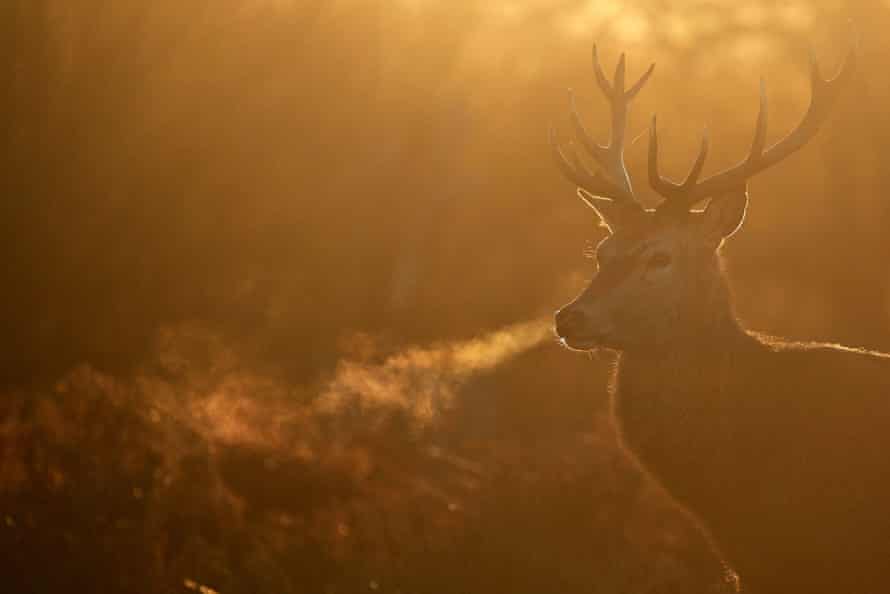
A red deer stag at sunrise on a winter’s morning in Richmond Park, south-west London.
A red deer stag at sunrise on a winter’s morning in Richmond Park, south-west London. Photograph: Justin Tallis/AFP/Getty Images

It is also hoped the work will help tackle problems that plague Londoners including flooding and air pollution. Improving floodplains, rewiggling streams and boosting the health of rivers can alleviate floods, and planting more greenery can ease air pollution.

Khan said: “The UK is one of the most nature-depleted countries in the world. In London, we need to take bold action to ensure we not only halt the decline of biodiversity in our natural environment but pave the way for growth and change.

“That’s why I’ve announced my new rewilding fund, which will help restore the capital’s precious wildlife sites, improve biodiversity and ensure all Londoners have a thriving web of nature on their doorstep. And as part of our green new deal, we’re supporting young Londoners to gain the skills required for jobs that help secure a future for London’s natural environment.”

Nature campaigners have been trying to add wildlife back to London, with a beaver group comprising Wildlife Trusts, the Beaver Trust and Citizen Zoo working on how to return the species to the capital.

The community wilding group Citizen Zoo is also involved with projects to return grasshoppers and water voles to areas in the city in which they have been depleted or lost.

Sadiq Khan leads ambitious plans to rewild Hyde Park | Rewilding | The Guardian

Regards Mark

Above – Hyde Park London.

History

King Henry VIII expropriated the park from the church in 1536. It then became a hunting ground (Boo !) for kings and aristocrats, and later a place for duels, executions and horse racing. The park was the site of the Great Exhibition in 1851, and during WWII became a vast potato bed. 

Above – The deer at Richmond Park, London

European Parliament Shows Broad Political Support to Stop Circus Suffering.

16 December 2021

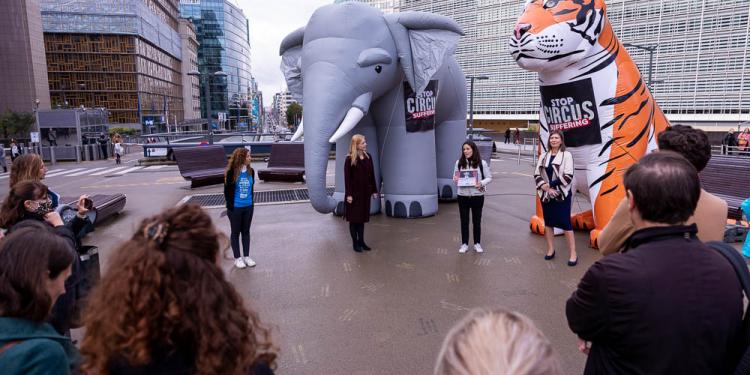
Thanks to 1 million citizens demanding action for wild animals in circuses, today the European Parliament (EP) discussed the topic in plenary for the very first time. The European Commission’s position is not committal and in sharp opposition to the EP’s demand for action. However, the debate showed a groundswell of political support to end the suffering of wild animals in entertainment, and a recognition for the public and civil society demands.

Back in October Eurogroup for Animals and its members, along with InfoCircos, handed over the 1 million signatures collected through the Stop Circus Suffering campaign to representatives of the European Parliament, Eleonora Evi MEP and Anja Hazekamp MEP. 

Today an “EU ban on the use of wild animals in circuses” made it to the Plenary agenda with an oral question: “Does the Commission intend to introduce a ban on the use of wild circus animals in the EU in order to ensure that the exposure to the risks of the illegal wildlife trade and risks to public health and security are uniformly mitigated across the Member States and to assist with the enforcement of national restrictions for the majority of Member States that already apply them?” and was discussed after a statement from the European Commission (EC).

The EC’s representative clearly stated that it’s an ethical issue for which only Member States (MSs) have competency. Even if the welfare of wild animals used in circuses raises concern, it’s only on the MSs to act, hence he invited them to follow the ones which have already implemented bans.    

MEPs from across the political spectrum and from a variety of MSs countered this statement and urgedthe EC not to hide behind a lack of competency. They stressed the need to listen to citizens and base the decision on science: in circuses wild animals are not only imprisoned and forced to behave unnaturally, they also pose a threat when it comes to the risk of disease transmission, to the accidents which impact trainers and public, and the use of endangered species could fuel their illegal trade.  

New circus performances without animals could keep the tradition alive without inflicting unnecessary suffering to animals and not losing anything in terms of creativity and performance. 

We welcome the strong crossparty support from the EP and the call for the Commission to not hide behind a lack of competence as several grounds could be used to enact a ban. We will not stop our efforts until the EC acts to safeguard all the wild animals currently trapped for “entertainment”, their welfare is a European responsibility and we’re going to make their voices heard

Reineke Hameleers, CEO Eurogroup for Animals

Yesterday, AAP Animal Advocacy and Protection, a member organisation of Eurogroup for Animals, signed a contract with the Portuguese authorities to rescue almost all of the remaining wild animals from Portuguese circuses. Portugal’s national ban on the use of wild animals in circuses, enacted in 2018, will enter into full force in 2024. To aid the enforcement, AAP offered suitable rescue solutions for all the remaining wild circus animals, to which most of the circuses agreed. 

The rescue community is always willing to step up and offer solutions to enforcement authorities in implementing these important bans. But we must not forget that this cruel and dangerous use of wild animals in circuses is inherently a cross-border issue, as is the rescue of these animals. We are being asked to coordinate rescues across the EU, because there are no mechanisms in place for this. These transboundary issues are still left solely to Member States to deal with nationally, while they so clearly require an EU solution. We really need the EU to step up and play its coordinating and harmonizing role here

David van Gennep, CEO, AAP.  

Text of the Oral Question

EU Stop Circus Suffering campaign

Read the report Wild Animals in EU Circuses : Problems, Risks and Solutions also available in French

Regards Mark

The invisible slaughter on our seas

A covert investigation of the SOKO animal welfare (Germany)
(Short note: Please read the text first, it is the literal translation of the video from me)

A small fishing boat and the terrible massacre that causes every day.
Crime scene: our North Sea

https://fb.watch/9X1iHl-X-D/

Countless animals slowly suffocate, there is no anesthetic, only a slow, gruesome death.
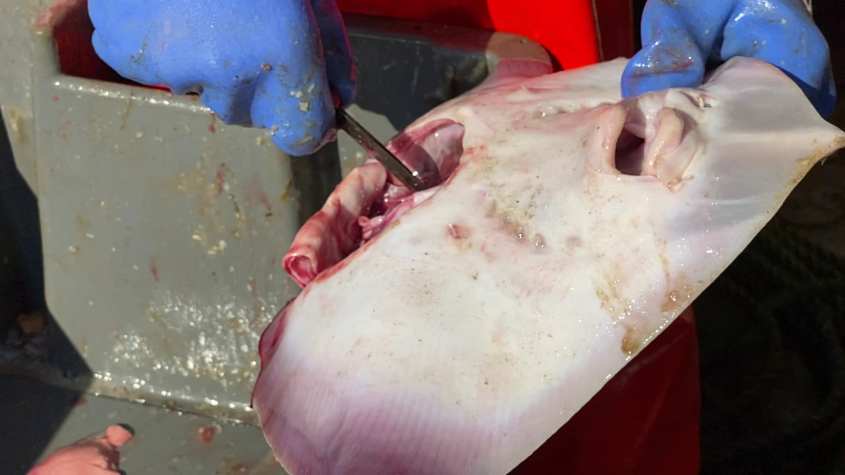
Often the animals are torn open when fully conscious and eviscerated alive.

Millions of sharks die this way.

Not anywhere in Asia, but on the European coasts like here on video in France and Great Britain.
The little ones, the young ones, the unwanted, they are all suffocated, crushed, trampled underfoot.

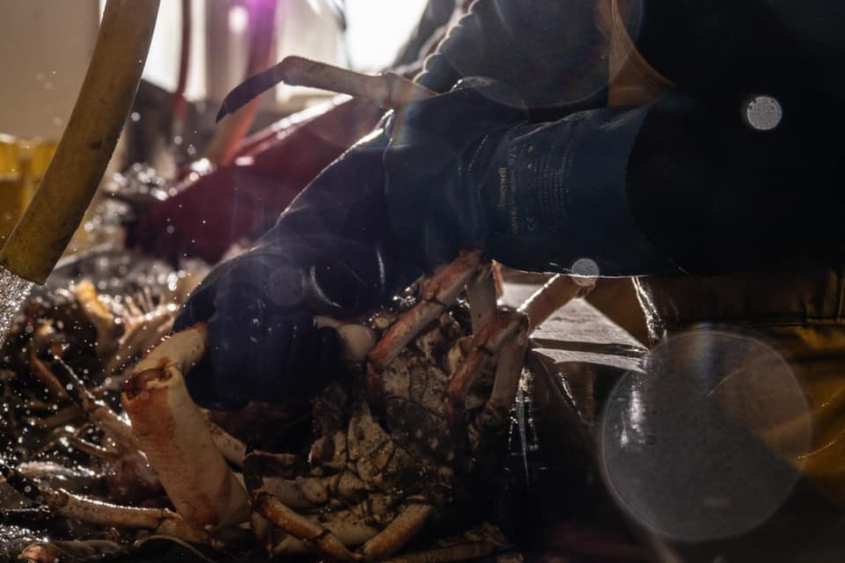
When the fishermen only need the crab claws, they tear them out of the living animal and throw the mutilated creature back into the sea to die in agony.
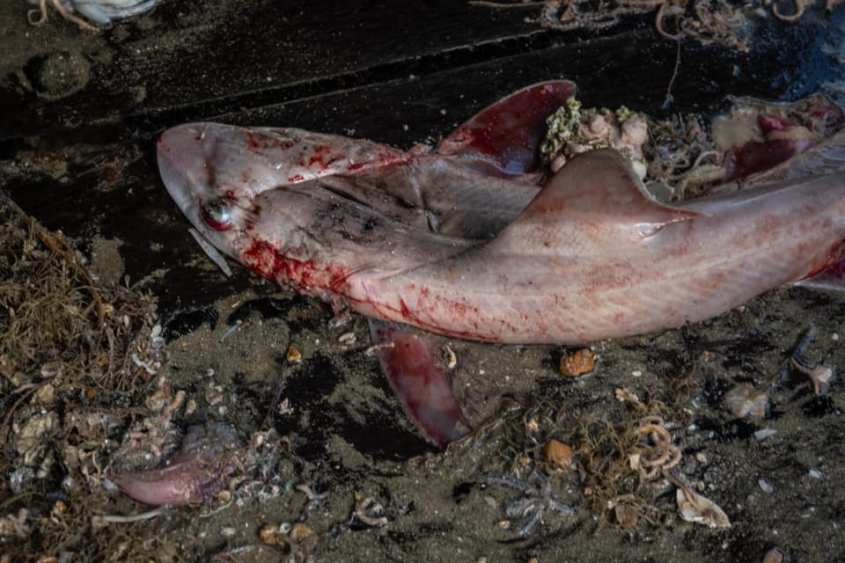
The eyes of many of the fish, which are sensitive to pain, are pushed out of their heads by the rapid pressure difference when the net is rolled up.

If the catch is not welcome, the animal will be trodden on.

The trawler fishery is the total destruction of our sea.
Politics is silent.
They feel pain
and fear
they suffer
they are individuals
our fellow creatures
Save them
save yourself
it is the blue planet
their planet
if it dies we all will not survive

SOKO Tierschutz

And I mean…Just a small fishing trawler, one of thousands in the EU.
Every animal that is not suffocated is slaughtered. The agony of animals is terrible.
Such a cutter kills more sentient beings per day than Tönnies and Tyson combined.

Control and laws? – Nothing
Politics is failing all along the line, as is the case with any area of ​​animal welfare.
“Bottom trawling, with its total destruction of our seas, is to be equated with slashing and burning the rainforests,” says SOKO Tierschutz.

The fishing industry is by far the most destructive industry in our oceans.
There is no sustainable commercial fishing industry.
More than 2 trillion fish are caught from the sea each year, excluding the 120 billion that are killed on fish farms.

That killing is far greater than the estimated 65 billion animals killed for meat and fur each year.
Corruption, slavery and human trafficking are common in the fishing industry.

Around 300,000 dolphins, whales and porpoises are killed every year by fishing and up to 30,000 sharks every hour.
Fish is supposed to be healthy – we read that every day in the press – but have you ever asked yourself who pays for these studies?
It’s like the meat industry is telling you to eat meat every day.
A lot of money is involved, with $ 5 billion in subsidies going to the fishing industry worldwide.
There are even NGOs that make a profit by awarding eco-labels, even though sustainable fishing is next to impossible.

“When consumers order fish in a restaurant or buy it from the market, they are supporting the global destruction of marine ecosystems.
They support the impoverishment of craft and indigenous communities.
They support slavery and slave labor at sea, ”said Captain Paul Watson.

Most of us will likely no longer live to see the death of the oceans, but our children and grandchildren will endure the horrors of that destruction.

And the survivors will hate us all for it.

My best regards to all, Venus