
Month: January 2022

Joaquin Phoenix, Stephen Fry, And More Celebs Battle To Save Moon Bears From Extinction.

Celebrities like Ricky Gervais, Paul McCartney, and Alicia Silverstone are pushing for the end of the bear bile trade

Ahost of high-profile names are joining forces in an effort to protect the endangered Asiatic black bear (aka moon bear). The species is being pushed to the brink of extinction in Vietnam due to bear bile farming – a trade purportedly rife with animal cruelty. 

Sir Paul McCartney, Dame Judi Dench, Stephen Fry, Slash, Russell Crowe, Ricky Gervais, Alicia Silverstone, Mayim Bialik, William Shatner, Alan Cumming, Kesha and Joaquin Phoenix are among those pushing to rescue the remaining bears trapped in Vietnamese bile farms. 
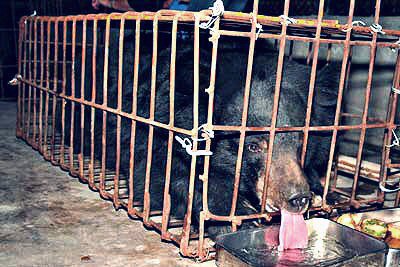
What is bear bile farming?

Bear bile farming keeps moon bears captive in order to extract bile from their gallbladders. It began in Asia in the 1980s with the view of using it for medicinal purposes, according to animal protection charity Animals Asia. 

And it does come with benefits, the non-profit clarifies. The bile contains high levels of ursodeoxycholic acid (UDCA), which can be used to treat liver and gallbladder afflictions in humans. 

But obtaining the substance comes at a brutal cost. The trade involves keeping bears in cramped cages and often unhygienic conditions. The extraction process is invasive and results in “unimaginable physical and psychological suffering,” Animals Asia adds. 

Some bears must endure the “free drip” method, whereby a hole is created in the animal’s gallbladder and repeatedly reopened. Others undergo extraction of the bile through a four-inch needle. 

Bear bile farming was outlawed in Vietnam in 1992. But legal loopholes have allowed producers to continue their operations. Animals are frequently poached from the wild to be used for their bile, which has shaken wild moon bear populations. They are now on the endangered species list. 

In 2017, after years of rallying, the Vietnamese government signed a Memorandum of Understanding (MoU) with Animals Asia. The agreement assigned Animals Asia as its partner in shutting down the trade for good.

The charity is working to rescue the remaining moon bears in Vietnam – it predicts there are around 400 left on Vietnamese farms. However, around 12,000 bears are still living on bile farms across Asia, the organization states.

The rescue mission

Animals Asia’s Vietnam Bear Rescue Centre in Tam Dao is almost at full capacity, following the recent rescue of its 651st bear. Many of the rescues were young adults (five years or younger) or cubs, who were just a few months’ old. 

Now, the organization is building a second facility to accommodate the next group of rescued animals. This 12-hectare sanctuary will be located in the Bach Ma National Park in central Vietnam. The charity hopes to save all of Vietnam’s captive moon bears from bile farms by 2026. 

Celebrity support

Animals Asia launched a petition to raise awareness of the issue, which includes a pledge to “raise your paw for the moon bear.”

Broadcaster and actor, Fry, has placed his support behind the campaign. “The beautiful moon bear is at risk of becoming extinct in Vietnam if we don’t do something to save them. They have been cruelly farmed for their bile, often ripped from their mothers in the wild when they were just baby cubs,” he said in a statement sent to PBN

Actor Dench, also a signatory of the pledge, said she is “proud” to be a part of the effort, which is a “crucial step” in saving the species and “giving back the life stolen from hundreds of bears left in bile farms.”

She commented: “​​Animals Asia has pledged to rescue every last bear from every last bile farm across Vietnam. So I’m pledging my support, and I’m hoping thousands more will pledge their support as well.  Join me. Raise your paw for the moon bear, to finally end bear bile farming in Vietnam, and ensure that no bear is left behind.”

Those interested can find the petition and pledge here. 

Regards Mark

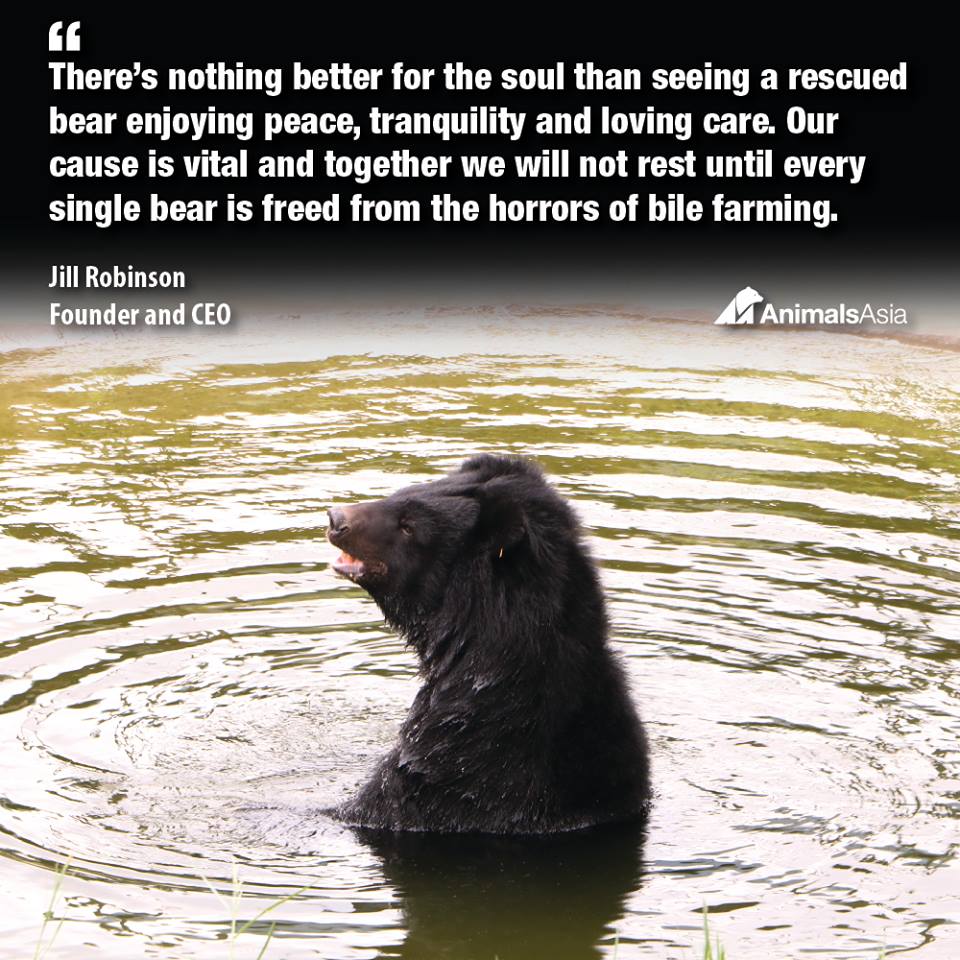
Jill Robinson Feeds Rescued Bears

‘Free Tibet’ (London) – A Time To Consider Human Rights Against Oppression.

We are an animal rights / welfare site.  But sometimes, when it is necessary, we also feel that it is right to give oppressed humans a voice.  I have been a member of ‘Free Tibet’ (London) for many years; and it is time the people of Tibet were given a voice – for you to see their suffering under Chinese rule.

The video and the graphics will explain a lot and hopefully provide answers to your questions.

“Tibet today is one of the most repressed and closed societies in the world.”

– United States Senator Robert Menendez


In 1950, China invaded the independent nation of Tibet and claimed it as its own. Ever since, it has kept Tibet under a brutal military occupation and claimed that Tibet is, and always was, part of China

Inside Tibet and across the world, Tibetans have never stopped believing Tibet is a nation.

SONY DSC

It has now been over 70 years since the occupation began, yet Tibetans still resist China’s rule and defy its oppression. They have never given up hope that one day they will be free.

What is life like in Tibet? Watch this video to learn more… Click ‘Watch om YouTube’

Tibet has been independently rated as the joint-worst place on Earth for political freedom and civil rights (tied with Syria). Despite this, Tibet does not get the international attention it deserves, and many are unaware of the atrocities committed in Tibet every day.

To learn, see and investigate more; please visit the Free Tibet website at:

Introduction to Tibet | Free Tibet

Regards Mark

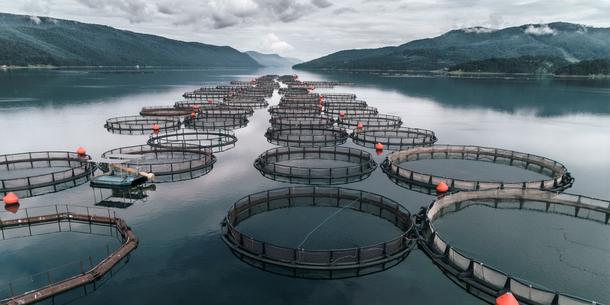
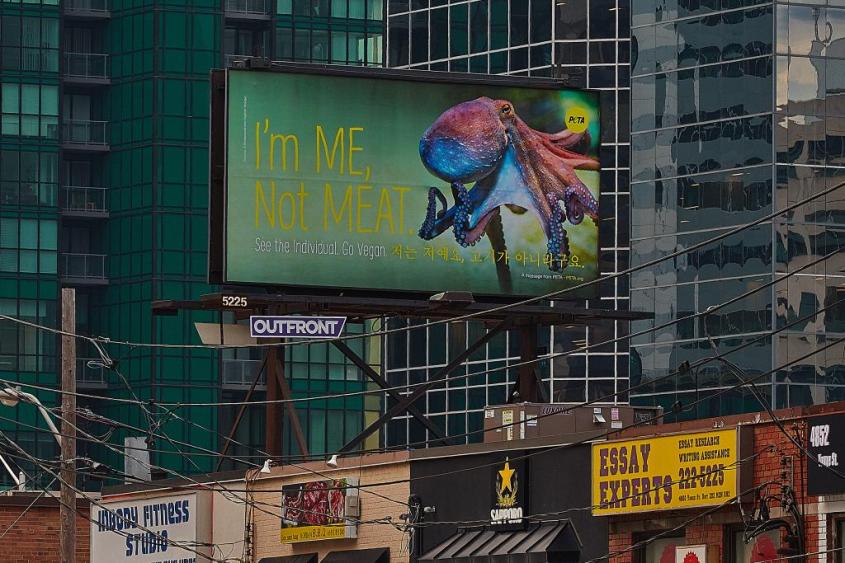
Spanish company wants to breed octopuses in aquaculture

From 2023, 3000 tons of octopus meat could be produced annually on the Canary Island of Gran Canaria.
Science and animal welfare protest. Because octopuses are highly intelligent and sensitive

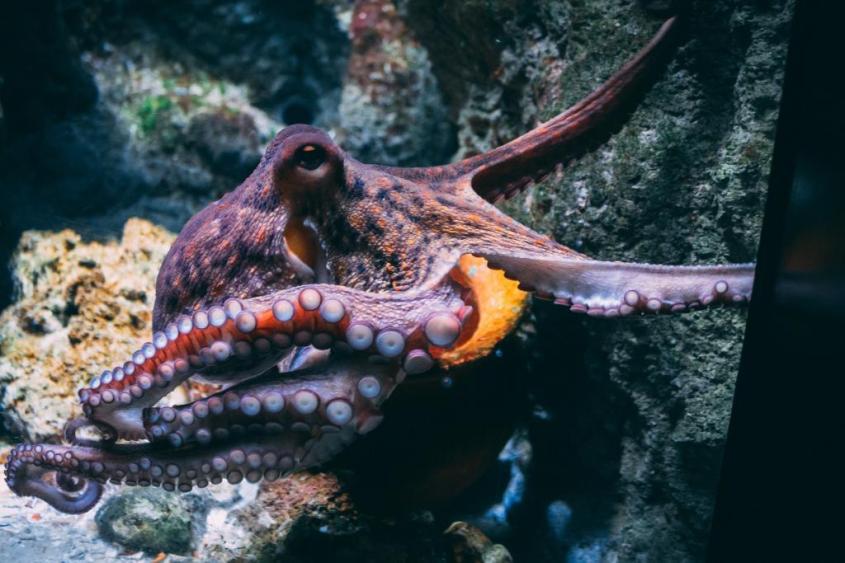
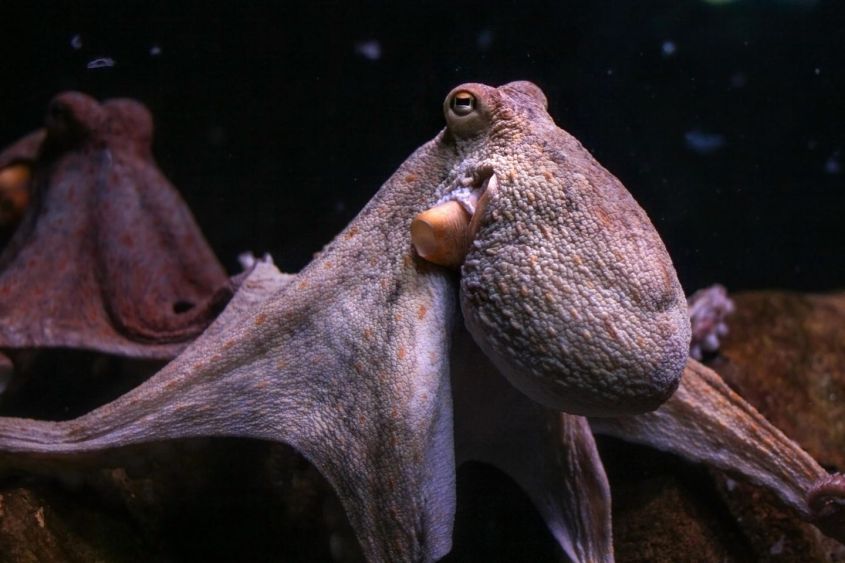
Octopuses are amazing creatures.
With their eight arms and sac-like body, they appear alien – and yet they are more similar to us humans than most vertebrates: they have an excellent memory, they plan, deceive, play.
They manage to open child-resistant screw caps.
They even have distinct personalities, being shy, curious, or reckless.
They have likes or dislikes of their own kind as well as people.

And something else makes octopuses special: they are difficult to reproduce in captivity. But that’s exactly what a Spanish company has managed to do.

According to the Nueva Pescanova Group, octopuses could be bred for several generations in their own aquaculture for the first time.
In the summer of 2022, the first animals should come onto the market.

President of the Las Palmas Port Authority port Luis Ibarra said “it was the biggest private Investment in the history of the port which will create 450 jobs and make the Las Palmas Harbour-La Luz- the world`s biggest exporter of octopus”

From 2023, 3,000 tons of octopus meat (!!) are to be produced annually on the Spanish Canary Island of Gran Canaria, for example for popular dishes such as “Pulpo a la Gallega”.
The company is investing around 65 million euros in the project. The targeted main customer countries are Spain, Italy, Greece and Japan.

Does aquaculture relieve the marine ecosystems?

It is estimated that around 350,000 tons of octopus are caught and processed worldwide every year – about ten times as much as in 1950.
The Nueva Pescanova Group argues that the number of wild catches can be reduced by around ten percent with production in aquaculture.
Whether the pressure on wild populations caused by factory farming will actually decrease is anything but clear.

Biologists and animal rights activists warn – on the contrary – that aquaculture is increasing the pressure on marine ecosystems. Because many edible fish are – like octopuses – carnivores.
Already today, around a third of the global catches are fed to animals, around half of them in aquaculture.

According to critics, it is also certain that octopuses cannot be kept anywhere near species-appropriate in aquaculture.
Unlike fish, the intelligent octopuses in their water tanks would be aware of their hopeless situation.
And they are loners.

It seems unlikely that this elementary need of the animals is taken into account in mass aquaculture.
Especially since there are hardly any legal regulations for keeping them: Most national and EU keeping requirements relate to vertebrates.

Housing conditions and method of killing: unknown

It is also to be feared that speed is more important than avoiding stress and pain when slaughtering on assembly lines.
When asked by the British BBC, the company declined to comment on the husbandry of the octopuses, the origin of the food or the killing method.

As early as 2019, scientists had declared that breeding octopuses in captivity for food purposes was a “terrible idea”.
And not only from an environmental point of view, but also from a moral point of view.

The company is yet to reveal exactly what the octopus tanks look like, what “toys” they claim to use for stimulation and what source of food they will rely on
On paper, however, the claims are noble.
According to the authors, keeping octopuses in aquaculture with high animal welfare standards is “impossible”.

The clever cephalopods already enjoy better legal protection in the United Kingdom than in Spain.
Experts there had viewed more than 300 scientific studies – and had come to the conclusion that octopuses were “sentient beings”.
There is “strong scientific evidence” that animals can feel joy, but also pain, stress and despair.
The scientific assessment led to the inclusion of the animals in the Animal Welfare Bill.

https://www.geo.de/natur/tierwelt/unternehmen-will-kraken-in-aquakulturen-zuechten-31494072.html

And I mean…In a year when many countries have passed laws protecting species they believe are sentient beings, the news that the world’s first octopus farm has opened in the Canary Islands have understandably been met with shock, disgust and outrage around the world for every compassionate and civilized human being.

For the thousands of these animals will be bred and imprisoned in cruel, prison-like conditions.
Just like any animal in factory farming.

Known as the “Einsteins of the sea”, octopuses have large, complex brains.
In fact, they have nine: one central brain between the eyes and separate mini-brains at the base of each tentacle – meaning that each arm, quite literally, has a mind of its own.
They can navigate their way through mazes and remember the solutions.

They are solitary, territorial animals, as curious as humans, and cramming them into barren communal tanks or netted pools, with little or no stimulation – as is common of all factory farm systems – would condemn them to a miserable existence.
All agree that octopuses would suffer dreadfully in such conditions.

To make matters worse, there is currently no legislation in Spain, or elsewhere, to protect octopus welfare on farms or during their slaughter.

In reality, the farm – close to Las Palmas in Gran Canaria – means countless animals will spend their lives vulnerable to pain and suffering, and endure agonising deaths.

The solution, of course, is to stop eating octopuses – and, indeed, all animals.
Even if they’re not farmed, octopuses captured for food still suffer: they are often speared or burned with caustic chemicals to force them out of specialised traps.
Many are snared in massive, indiscriminate trawl nets.
On deck, if they’re not left to suffocate in agony, they’re clubbed, stabbed, or butchered alive.

To allow the world’s very first octopus factory farm to open, when we know and understand the impact it would have on these intelligent, feeling beings, would be a monstrous act and a shame on the Canary Islands government.

We must act quickly to prevent this farm from being built.
As soon as we have a petition about this, we will inform you further.

—Updated—Petition: https://www.peta.de/aktiv/krakenfarm-gran-canaria-petition/

My best regards to all, Venus

Scotland: Butchers Encourages Shoppers To ‘End The Violence’ Against Plants By Eating Meat.

The sign takes aim at vegetarians, joking that they “kill’ plants. Credit: Jakub Dragon / Facebook

A butchers in the UK has caused a stir online after stating that vegetarians kill thousands of “innocent plants”

Amarketing strategy implemented by a butchers shop in Edinburgh in the UK has raised eyebrows, with some branding it as “ignorant.”

W.M Christie, a family butchers established in 1889, placed a chalkboard sign in its store in Bruntsfield that took aim at vegetarians. 

“Everyday thousands of innocent plants are killed by vegetarians,” the sign read. “Help end the violence. Eat meat.”

An amused shopper posted a photo of the sign online, causing a stir among animal rights advocates. 

“Jeez, the ignorance is astonishing. Plants are not sentient and exist in synergy with humans and animals as a food source,” Kevin Thomson commented, per Edinburgh Live

“You just can’t say I murdered a carrot. People will cling to all sorts of nonsense to justify murdering animals… animals that have exactly the same fundamental wishes as us – to be happy, safe, and free from suffering.”

Other social media users pointed out that animals bred for human consumption also require the “killing” of crops. 

In fact, only around half (55 percent) of the world’s crop calories feed people directly. And for some crops, a vast majority is fed to livestock, not people. For instance, 77 percent of the world’s soy is fed to livestock. 

Furthermore, calorically speaking, the system could be considered inefficient, given that it takes 100 calories of grain to produce just 12 calories of chicken. The conversion is even more dire for other animal-based foods; 100 calories of crops produce just three calories of beef. 

‘A simple joke’

Willie Christie, who runs the butchers alongside his brother, defended the advertisement. “As it’s Veganuary, isn’t it fitting it could be Meatanuary too? It wasn’t malicious in any way, just a simple joke and banter,” he said to Edinburgh Live.

“People have taken it wrongly. we are surrounded with people telling us to go vegan and vegetarian, yet my business is a butchers. We sell meat and I’m promoting my business.

“Everyone is entitled to their own opinion and I respect that, I’m just expressing mine. And it seems to have worked, given the attention my butchers has now received.”

Pro-meat campaigning

W.M Christie isn’t the only meat-centered company poking fun at the Veganuary campaign – the month-long pledge to go vegan for January. 

This month, a coalition of animal agriculturalists are pushing their own take on Veganuary. The Regenuary campaign encourages shoppers to seek out meat and dairy produced by regenerative farming methods.

The campaign notes that vegans and vegetarians can still participate by being more mindful about where their food is sourced. However, the Ethical Butcher website notes that Regenuary was launched as “a response to Veganuary,” and was borne out of “frustration” at the “misleading messages around veganism and its effect on the environment.”

Tangentially, in November, an anti-vegan lifestyle brand launched to allow meat-eaters to declare they are “proud to not be a vegan.”

The company sells tongue-in-cheek merchandise, such as mugs with the statement: “Doubled my meat intake to cancel out someone who turned vegan.”

“We’re here to stand up for the vast majority of people who eat meat,” the brand, called Not Vegan Friendly, says on its website.

“If you’ll excuse the pun, but a lot of people are fed up with vegans ramming their beliefs down our throats so it’s time to speak out in favour of our different and perfectly valid choice to eat meat.”Butchers Encourages Shoppers To ‘End The Violence’ Against Plants By Eating Meat

Regards Mark

Butchers Encourages Shoppers To ‘End The Violence’ Against Plants By Eating Meat – Plant Based News

USA: Hunters Slaughter 20 Gray Wolves At Yellowstone National Park.

20 gray wolves killed in Yellowstone National Park by hunters
Hunters use bait to lure the wolves into traps Credit: Adobe

The woodland stretches into Montana where hunting is legal and officials fear more killings are to come

Hunters killed 20 gray wolves in Yellowstone National Park, US, making it the bloodiest season yet.

According to reports, the illegal killings took place over a period of three months this winter. The deaths mark the most since the animals were reintroduced to the region more than two decades ago.

One pack is now considered “eliminated,” The Washington Post reports. Now, less than one hundred remain in the 3,500 square mile park, which spans across Wyoming and into Montana and Idaho.

Hunting is prohibited at Yellowstone, yet park officials fear more bouts are to come as there are months to go in Montana’s hunting season

.

Wolves killed by hunters in Yellowstone National Park

Further to the story, The Washington Post reveals that the park’s superintendent is concerned about wolves being killed.

Cam Sholly reportedly said that an “extraordinary number” of Yellowstone wolves had already been killed. And, that Montana’s governor Greg Gianforte should do more to prevent it.

But Gianforte stated that any wolf entering the Montana state lines may be “harvested” under law, the news outlet adds.

Here, hunting is legal and poachers can use bait to lure animals into leghold traps.

A spokesperson for Yellowstone National Park, Morgan Warthin, told The Washington Post: “Allowances for trapping and especially baiting are a major concern, especially if these tactics lure wolves out of the park.”

Regards Mark

Hunters Slaughter 20 Gray Wolves At Yellowstone National Park (plantbasednews.org)

EU: Time is running out to end the European Union’s shark fin trade.

17 January 2022

EU citizens have until 31 January 2022 to collect the final 100,000 votes out of the 1 million needed for a successful EU Citizens’ Initiative to demand the end of the shark fin trade in the EU.

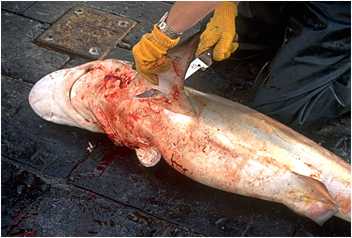
Shark finning refers to cutting off the fins of live sharks on board a fishing boat and throwing the shark overboard to die in the water.

While shark finning is prohibited on EU vessels and in EU waters, and sharks must be caught with fins attached to their bodies, the EU is one of the world’s largest exporters of fins and a significant transit area for the global fin trade.

The EU exports approximately 3,500 tonnes of fins per year, with a total value of around 52 million euros. 73 million sharks are slaughtered each year for this purpose.

So far, 900,000 EU citizens call to “end the trade of fins in the EU including the import, export and transit of fins other than if naturally attached to the animal’s body”. Should they reach 1 million by 31 January, the European Commission could then decide to propose a new regulation to achieve this goal.

Sign the European Citizens’ Initiative here.

Regards Mark

Sanderson Farms- a nightmare scenario for chickens.

Following our lawsuit in 2020, Sanderson Farms scrubbed its false and misleading advertising and labels.
But the underlying problems remain — terrible suffering for over 1 million animals who they kill every day.

Now the company is set to merge with Wayne Farms, another chicken flesh-selling company with its own history of animal abuse.
We must speak up now!

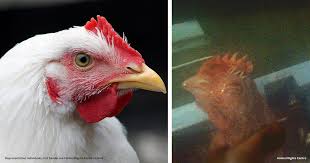
Chickens in Sanderson’s industrial plants are held captive in filthy, overcrowded, inhumane conditions.

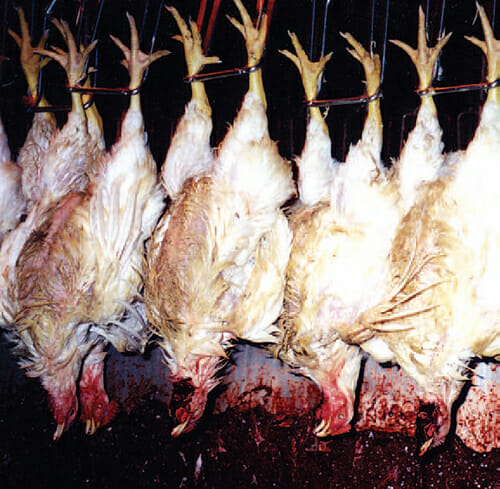
When slaughter time comes, the industry standard is that they are violently hung upside down in metal shackles;
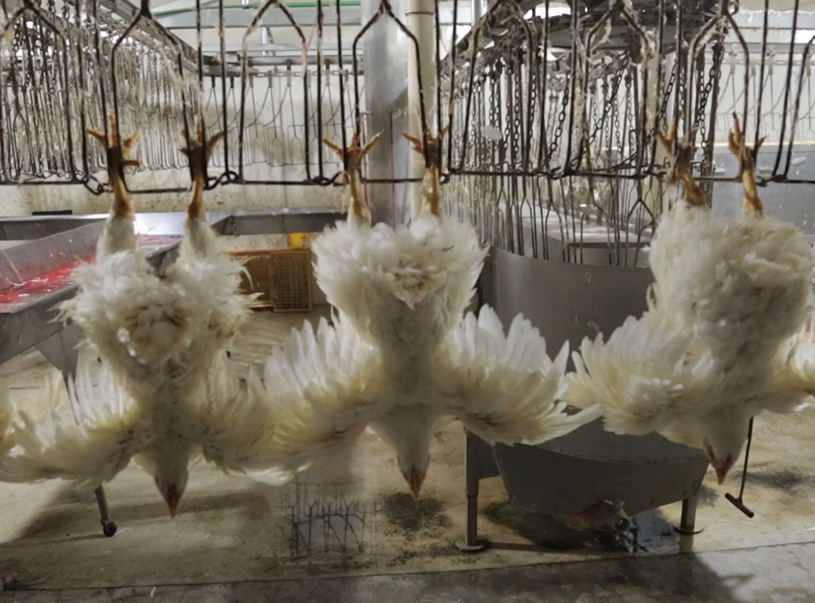
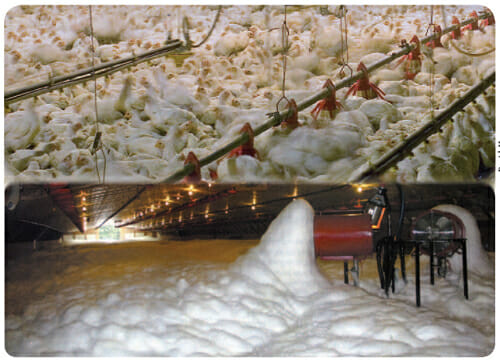
dunked in a tank of electrified water (which often fails to render them unconscious); have their throats cut (this step too is performed at a breakneck pace and the birds often survive it);

lastly, they are dunked in boiling water to defeather them.
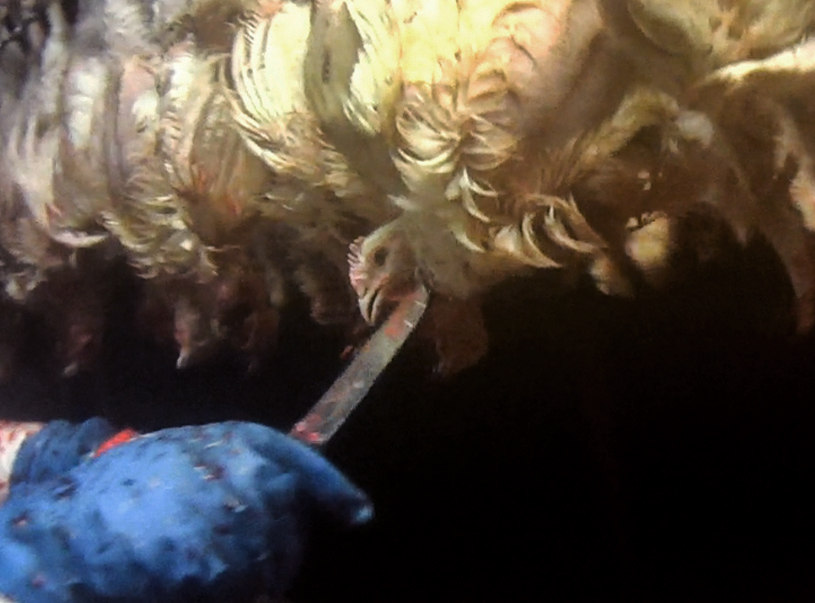
https://fb.watch/aBxnDxKtx3/

Tragically, over 500,000 birds reach the water alive each year and are drowned in boiling water while still conscious.
According to a former slaughterhouse worker, when chickens are scalded alive, they “flop, scream, kick, and their eyeballs pop out of their heads.
They often come out of the other end with broken bones and disfigured and missing body parts because they’ve struggled so much in the tank.”

As if that weren’t enough, chicks who hatch later than expected have been documented being born alone in barren plastic creates, gasping for air and the warmth and comfort of their absent mother.
The corpses of dying and dead chicks end up scattered around, including near the living. The final stage of the process for unwanted chicks is the metal macerator, which grinds them up.
Truly it is a nightmare scenario.

Enough is enough. Chickens are sentient creatures, capable of feeling love and happiness, as well as suffering and feeling fear and terror.
It is inexcusable to treat them as if they are inert matter, as is currently being done by Sanderson Farms and Wayne Farms.

Two petitions, Please take aktion: https://www.idausa.org/campaign/farmed-animal/latest-news/sanderson-farms-animal-welfare/

https://actnow.thehumaneleague.org/live-shackle-slaughter/

And I mean…There were more than half a million chickens drowned alive in scalding water tanks last year, according to the USDA.
That’s 1,400 birds boiled alive each and every day right on US soil!!
Why don’t more people know about this?

Sanderson Farms and other meat industry giants in the US like National Chicken Council, Tyson Foods, Foster Farms, Koch Foods, who are collectively responsible for slaughtering 70-80% of birds each year—need to end this animal cruelty now and have to understand that consumers demand real changes for chickens.

It’s time for these corporations to transition away from the cruel, outdated practices of factory farming, adopt much stronger animal welfare policies, and ultimately focus their energy on expanding their plant-based alternatives in order to improve the treatment of animals and workers suffering within their supply chains.

These meat industry giants have a unique power—and responsibility—to make these changes that will impact billions of animals every year. By phasing out live-shackle slaughter in their supply chains, countless chickens will be spared from one of the greatest causes of suffering in slaughterhouses today.
Because even one bird boiled alive is too many.

For too long, the meat industry has put profits before people and animals, with devastating consequences.

But now, pressure is mounting, more than 180 major food companies have already adopted the Better Chicken Commitment.

With these two petitions we refuse to support, with our taxes, an industry that is unable to find humane and effective solutions, an industry that persists in its mistakes, without respect for animal welfare or long-term human health.
We demand that governments – national, European and international – take their responsibilities and stop perpetuating this dangerously failing system.
Please sign and share

My best regards to all, Venus

Times change…

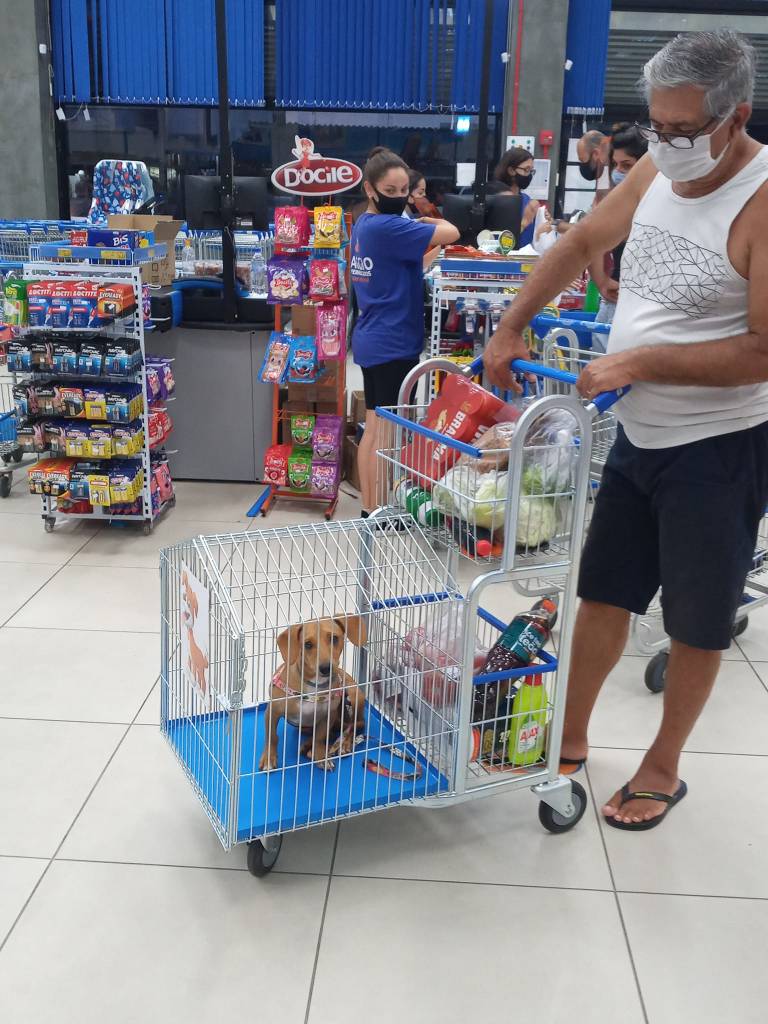
Parabéns!!
ao Supermercado Baggio, no Passo de Torres, pela iniciativa de colocar esse tipo de carrinho de compras, onde podemos levar nosso pet, a Mel, para fazermos compras, sem causar qualquer incômodo.
Iniciativas assim poderiam ser copiadas.


(Translation) Congratulations!
to the Baggio Supermarket, in Passo de Torres, for the initiative of placing this type of shopping cart, where we can take our pet, Mel, to shop, without causing any inconvenience.
Initiatives like this could be copied.

TORRES-SC STEP “A PASSIONATE PLACE” -by Tania Furtado 

And I mean…When you take your baby to the supermarket in the special baby buggy, people accept it and take it for granted.
Why complain about pets, who are usually cuter, more groomed and well behaved than small children?
Congratulations also from us to the innovative supermarket.
Times change, people evolve

My best regards to all, Venus

Kaufland Commits To End The Sale Of Live Carp In Slovakia

14 January 2022

Humánny Pokrok

On 23 December 2021, German retailer Kaufland made a commitment to end the sale of live carp in Slovakia, taking effect in January 2022. The commitment was made following a dialogue with our member, Humánny Pokrok.

The sale of live carp is part of the Christmas tradition for some people in Slovakia, Poland and the Czech Republic. This includes a bathtub ritual, whereby the Christmas carp is taken home alive in a plastic bag and then put in the family bathtub for at least one or two days before being killed, often by a repeated blow to the head with a blunt object or by cutting off the head with a knife. 

A recent survey showed that 20% of Slovaks buy live carp to kill at home at Christmas, 15% buy live carp to be killed on the spot, 21% buy processed carp and 44% do not buy carp at Christmas.

Humánny Pokrok launched the campaign ‘Carp Hell’ in December 2021 to demand an end to the sale of live carp in Slovakia, gathering 7,500 signatures in a petition so far. The organisation is highlighting the sentience of carp and calling for both retailers and policymakers to put an end to this cruel practice. 

In light of the latest scientific knowledge, the holidays of peace are difficult to associate with suffocating in a plastic bag or cutting off heads in full consciousness. The sale of live carp, from the beginning of the transport to the killing at home in the kitchen, is a real hell for carp

Martin Smrek from Humánny Pokrok

In neighbouring Poland, retailers Kaufland, Tesco and Lidl have already made the commitment to stop selling live carp.  

This is a crucial step in the fight against atrocities committed every year. We are very pleased that Kaufland has once again shown that it is a market leader who is becoming more sustainable through its commitments and listening to its customers who care about animal protection. I think it is also an inspiration for other companies in Slovakia, which with their standards should also take the side of carp and improve their living conditions, as Kaufland has done today.

Miroslava Roháčová from Humánny Pokrok.

Read more at source

Carp Hell website

Regards Mark