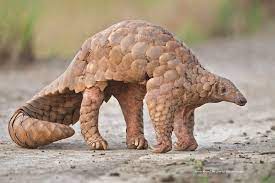
Were you to follow the life of a pangolin, you’d begin life riding around the jungle clinging to your mother’s scaly tail, eating ants, climbing trees and generally keeping yourself to yourself.
When danger approached she’d wrap you under her tummy, forming a barrier impenetrable to bear claws and tiger teeth alike – a technique that’s kept pangolins alive since the dinosaurs disappeared.
But from then – if you were like over 1,000,000 others in the last 20 years – you’d be headed for a whole new world of horror.
You’d enter the world of humans.
It would begin as you curled up in fear at the sound of approaching human footsteps. Exploiting your inability to fight or flee, the owner of those footsteps would pick you up, imprison you, and proceed to trade your existence to a wildlife dealer.
You’d then be frozen and shipped across the world to have your corpse floated in wine or caged alive outside a restaurant ready to be slaughtered at a dinner table in front of wealthy diners hoping to impress their guests.
Your scales – just like those of your mother you clung to – would be ripped from your body, ground to a powder and uselessly consumed as a mythical medicine
.
Almost every step of this obliteration of your species would be formulated and facilitated by networks of ruthless traffickers, fattening their purses at the expense of pangolin after pangolin after pangolin after pangolin.
This has to end – we must bring this crooked industry down.
Your £25 could help support undercover operatives taking on those traffickers and putting them where they belong – prison. That way we can bring down the barbaric networks and save countless pangolin lives.
So please donate now, because unless we act – unless we end this spiral of utter destruction – it will be ended for us. By extinction.
PS With the rate of slaughter so unbearably high, the clock is ticking. Please send whatever you can afford.We do not have much time to turn this dreadful situation around, and save elephants from total extinction.
Part 3: Everything you always wanted to know about Cultivated Meat – and beyond
16 February 2022
Cultivated meat does not yet fully exist on a commercial level and market introduction will happen stepwise, starting with specialised restaurants. It is currently at the pilot scale progressing towards up-scaled production, currently comprising more than 70 startups.
The acceptance studies of the past years show a worldwide positive attitude towards cultivated meat. The consumer groups with the most positive attitude towards cultivated meat are flexitarians or carnivores. A recent study on Belgian consumer attitudes indicates that different protein alternatives are needed. Taste and textures were the main barriers to plant-based meat alternatives for meat-eaters. The main motivations for meat-eaters to shift to cultivated meat were social goods such as avoiding animal suffering, minimising environmental impact, and mitigating global hunger.
Will cultivated meat be as nutritious as conventional meat?
Yes, it will be vital to pass the comparison with conventional meat. There are even opportunities to ameliorate the nutritional profile. However, cultivated meat developers still need to prove that their products are or will be as nutritious.
Is cultivated meat halal/kosher?
It could be, but at this point, there are no clear rulings yet. A lot will depend on the final production process that will need to be inspected by delegates from the religious communities. And it is very possible that there will be multiple contradicting rulings and religious labels, as is the case today for conventional meat.
Will/can farmers play a role in cultivated meat production? What is the social impact of cultivated meat?
Cultivated meat can be produced by a wide range of companies of different sizes, including local small-scale farms. Future scenarios can involve both large-scale facilities as well as small cultivators on rural farms as a complement to small-scale regenerative farming. For this to happen, it is important to make the production of cultivated meat accessible to SMEs.
While private investments have been crucial in pioneering research on cultivated meat, private investments need to be combined with public funding to expand the possibilities of small enterprises. It is important that public funding for open-access research is made available by governments and the EU so that the future development of cultivated meat production is not left in the hands of large companies but can reach its full transformative potential as part of a sustainable food system.
New Zealander based in UK, Sir Mark Todd, has been handed a suspension by the British Horseracing Authority (BHA) after a video emerged showing him striking a horse with a branch.
The film Jackass Forever will be released in German cinemas on March 17, 2022. The trailer already shows that animals were exploited and tortured for the film. PETA USA is now taking action against the filmmakers.
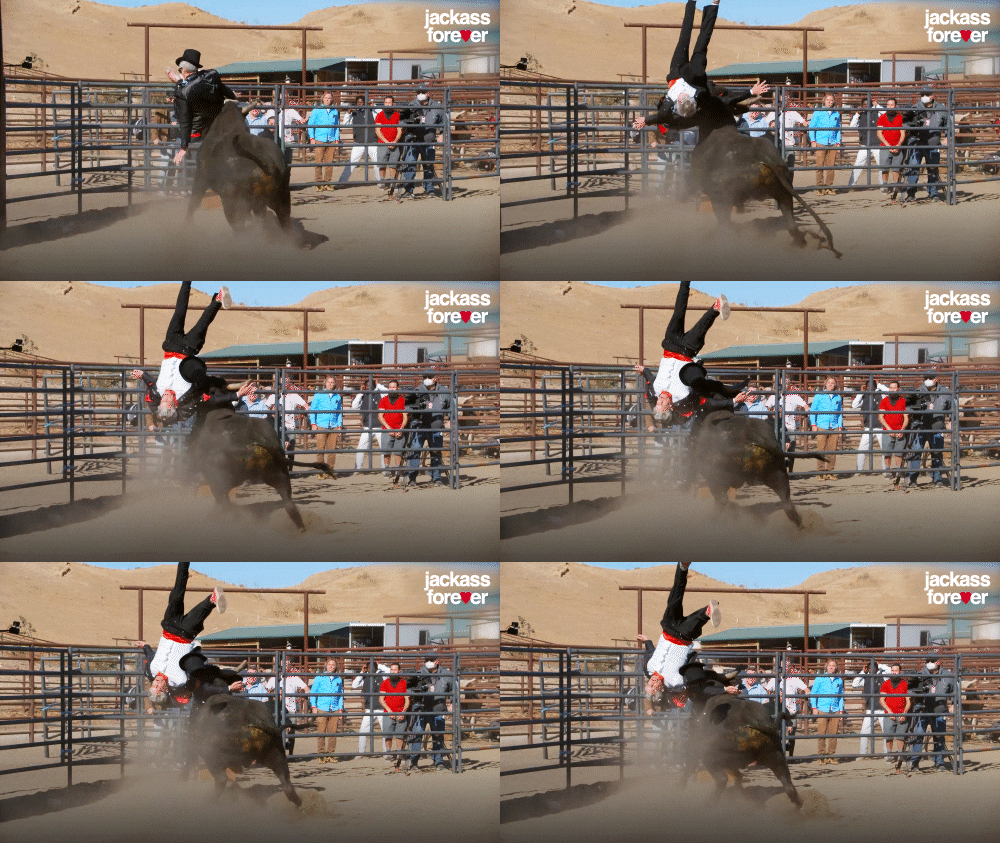
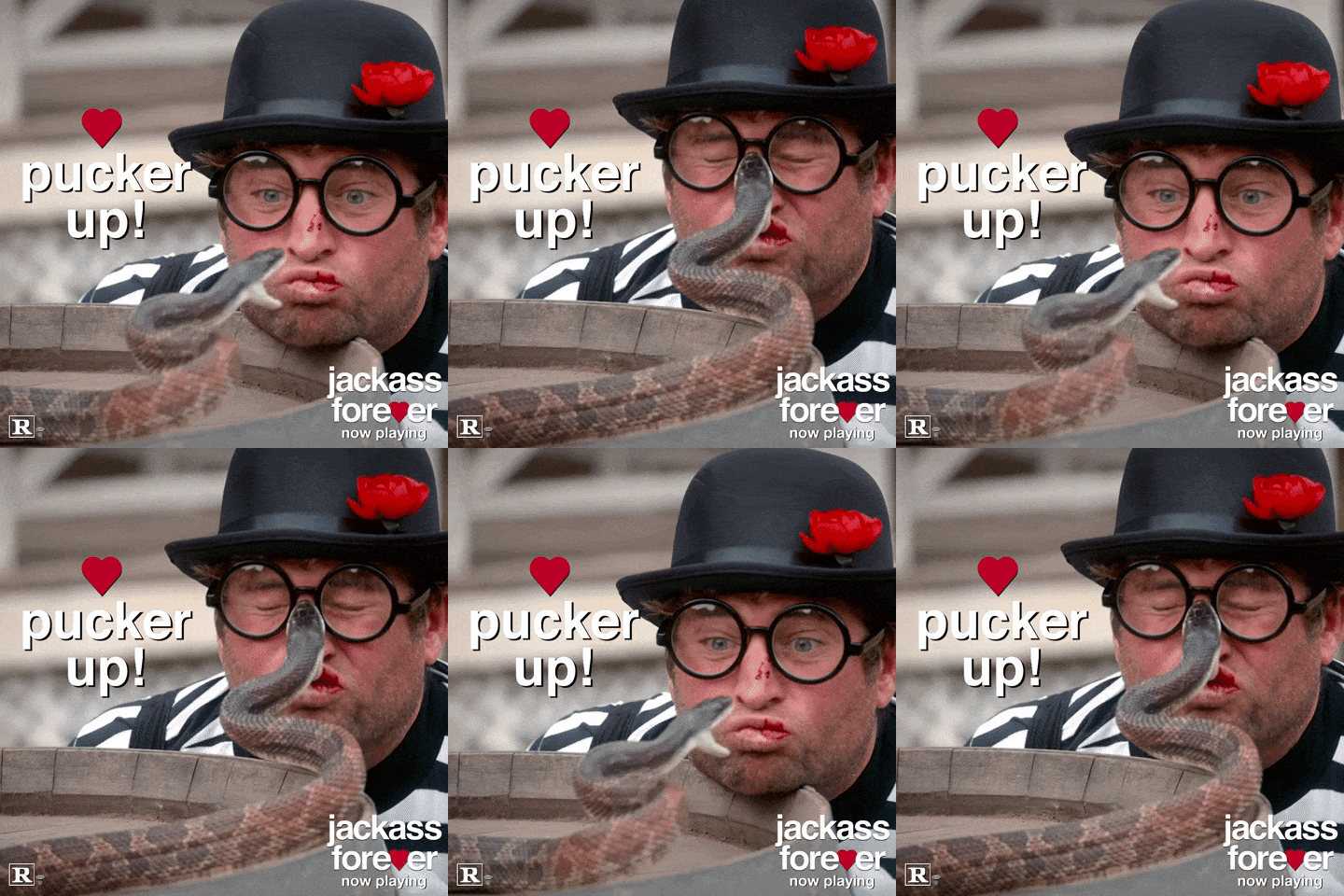
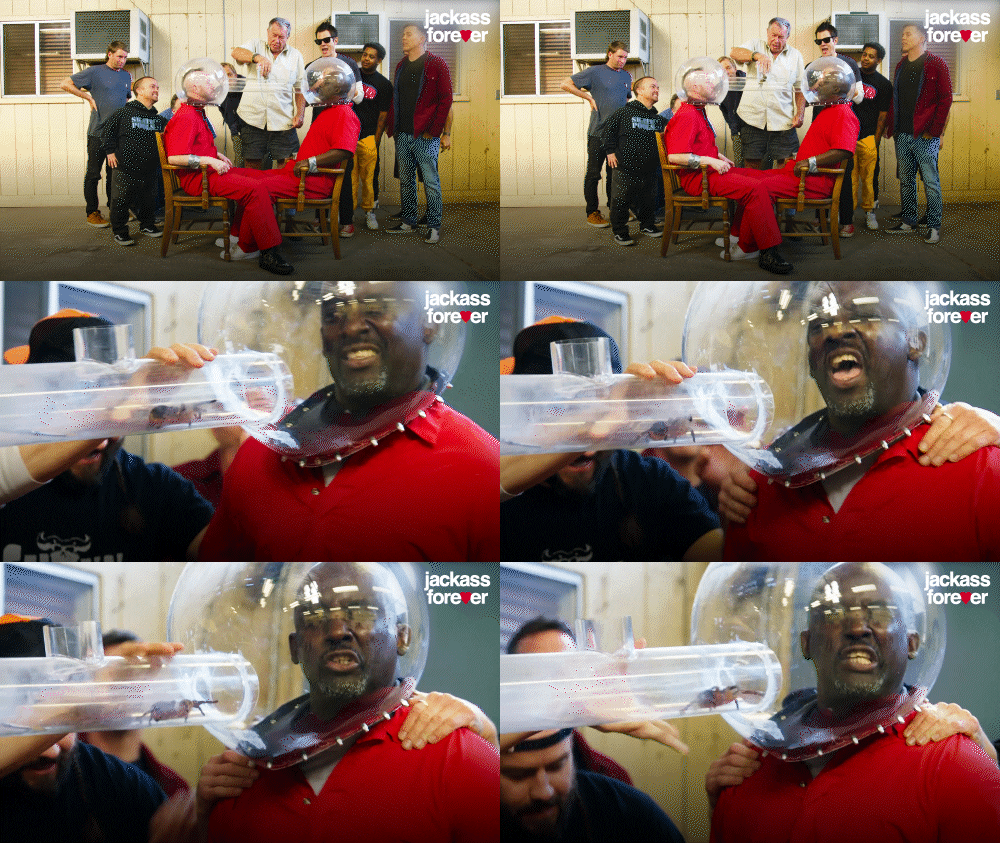
Rather than dropping scenes in which a bull was urged to attack, a sensitive snake provoked to the point of attack, and an easily frightened tarantula was forced into a closed tube between the heads of two screaming humans, the final cut of the film features even more animal cruelties Watch Stunts.
Now we’re calling on PETA to conduct a criminal investigation into the making of the film and we’re asking moviegoers to boycott Jackass Forever.
Animals aren’t actors – they didn’t consent to these horrific stunts, and they shouldn’t be used for our entertainment.
Were California animal welfare laws broken for Jackass forever?
The Jackass Forever trailer shows Johnny Knoxville being attacked by a bull and Sean McInerney being bitten on the nose by a snake.
Also, a tarantula sits in a plastic tube between the heads of Ehren McGhehey and Compston Wilson.
The film — and with it those scenes of apparent animal abuse — was reportedly shot in Los Angeles and San Luis Obispo counties.
However, California prohibits bullfights and similar displays in which animals must fight against humans, and has a law prohibiting cruelty to animals.
The production of the exploitative scenes appears to have violated California law, in PETA’s view.
In September 2021, PETA asked the Los Angeles City and County Attorneys’ Offices to investigate the case.
“Jackass’s stunts are brutal and tasteless. But when people choose to do it voluntarily and inflict their wounds on themselves, that’s one thing. But if animals are exploited, harassed and harmed, then that is something completely different – namely animal cruelty.” Igrid Newkirk, Chair of PETA
PETA USA calls for criminal investigation
PETA has previously asked the Jackass Forever production crew to remove animal stunts from the film.
However, after a screening of Jackass Forever, it is now clear that even more animal abuse occurred for the shoot, such as a stunt where Knoxville and Steve-O got honey bees to sting Steve-O’s penis, killing many of the bees .
In another scene, a scorpion is placed near Rachel Wolfson’s mouth and repeatedly hit by Eric André until the animal stings.
That is why the animal rights organization is again calling for criminal investigations into the film production.
In its letters to the Los Angeles County and San Luis Obispo County Attorneys’ Offices, PETA urges that legal action be taken against anyone involved in the filming of animal cruelty scenes for Jackass Forever.
If the authorities investigated Jackass Forever and held those responsible for breaking the law accountable, it would also serve as a reminder to the rest of the film industry that animal abuse is never okay.
Johnny Knoxville has decided to step into the ring and take part in a dangerous stunt. But the bull exploited for the film does not voluntarily take part in the scene.
Never go to movies that involved animals. If you see animals on TV, please tell the broadcaster and the production company that you oppose the use of animals in show business, or contact us.
And I mean…There is no justification for forcing animals to suffer for our entertainment or profit.
No animal ever performs voluntarily.
For use in film and television, animals are regularly forced to obey by force and made docile to perform senseless and alien tricks.
For use in film and television, the animals are regularly forced to perform senseless tricks.
They are often beaten or given electric shocks by the trainers if they disobey.
Animals used in films or in advertising have been uprooted from their natural habitat.
Many are taken from their mothers shortly after birth.
When the animals get older or are no longer of use to their trainers for other reasons, they are often given to zoos or other animal parks where they have to live in captivity for the rest of their lives.
The Animal Welfare Act in Germany regulates the handling of animals for entertainment purposes, and so there is a requirement under Paragraph 3Section 6 that “It is prohibited to use an animal in a filming, display, advertisement or similar event, if this involves pain, suffering or harm to the animal.”
Filming with animals is therefore subject to approval in Germany.
But a film shoot using real animals can quickly become problematic and often tormenting for animals.
Because what exactly “pain, suffering or damage to the animal” means is not clearly defined, and is usually not checked by the responsible veterinarians on site, but by production people.
It is high time to stop seeing animals as objects for every use.
WAV Comment: ‘Panorama’ is an investigative programme which is undertaken by the BBC, and therefore has credibility. Last night it did an investigation into the dairy industry, which included disturbing footage from a Welsh dairy farm.
It has caused a lot of feedback from the British public today, as well as comments from the dairy industry claiming that the film was ‘sensationalist’. It showed life on a dairy farm and the suffering of cows involved in the dairy industry.
See some clips from the film below and decide for yourself if it is ‘sensationalistic’; to us it is simple cruelty to animals – full stop.
Being shown on #BBCPanorama tonight, our undercover investigator filmed this horrific violence to cows on a dairy farm in South Wales ⬇️ pic.twitter.com/dWCn43Enhe
Angry UK customers have taken to social media to boycott the dairy industry following a BBC Panorama documentary exposing cruelty to animals.
The documentary, A Cows Life, which aired on BBC One on Valentine’s Day, saw reporters speaking to vets and farmers about the “controversial” way the milk is flowing.
The report comes as the average daily yield for a dairy cow is 40% higher than it would have been about 30 years ago. However, in the documentary, a Welsh farm was exposed for animal abuse against its cows, resulting in a dairy boycott.
Footage shows farmers who worked at the facility constantly kicking and hitting an injured cow, with one even hitting it with a shovel. The footage continues to show another worker aggressively pulling the cow’s tail.
People have taken to social media to express their anger with the industry, with some even saying the price of milk is “too low” after seeing what cows go through.
National Farmers Union (NFU) Cyrmru deputy president Abi Reader said in the documentary: “Even just one extra penny per litre will enable a farmer to upgrade or take advantage of new technology out there so the cows are getting the best care they can”.
As a result, one social media user said: “Ditch dairy even if you can’t find good substitutes.”
Another added: “I had to turn #acowslife off. It was too distressing. What is wrong with people that they can be so cruel to defenceless animals? How can humans be so cold and brutal. #Panorama”
Others urged to “stop drinking milk” following the “shocking footage of animal cruelty”.
Downton Abbey actor Peter Egan also tweeted: “Just watched #ACowsLife the true cost of milk on #panorama anyone who wants to understand why the dairy industry is disgusting, inhumane & careless should watch it.”
14/2/22 – As many of you will know, donors from the animal rights movement, and others, have been donating money to get a vegan advert put on British television. Click on the above link to watch the ad.
Well last night (4/22) we saw the ad go live onto British television at 8-30pm (UK time); half way through the Jamie Oliver programme on food and cooking; so it was an excellent time to air the ad, especially as lots and lots of people tune in to watch the programme – Jamie O is one of the UK’s top chefs and his programme is watched by millions.
Over the next couple of weeks, the ad will be shown around 220 times across the Channel 4 network on channels including Channel 4, Dave, E4 and HGTV
Please be aware that, due to the dynamic nature of TV scheduling, these spots and times are subject to change at short notice. To keep up to date with the latest schedule please visit our website.
Equalia has exposed appalling conditions for animals at a chicken farm linked to Europe’s fourth-largest poultry producer, which sells its product in shops across Europe.
The video (see below), published by the Spanish NGO Equalia, was taken between July and August 2021 at a broiler poultry farm in Italy, owned by AIA, the fourth largest producer in Europe and a trademark of the Veronesi Group.
Decaying birds can be seen being pecked by live birds; others in agony; birds with various deformities and fractures, unable to stand up. For some, it is impossible to reach the drinking trough, which further magnifies their suffering. The images also reveal alleged malpractice on the part of the staff, inflicting kicks and blows. Their necks are also seen to be broken or some are trampled to death.
These images are a stark contrast to AIA’s self-proclaimed slogan: “Where there is AIA, there is joy”.
In view of these facts, the NGO Animal Law Italy has lodged a complaint with the Italian authorities for practices that could constitute crimes of animal abuse and public health.
The risks of this production system extend to sustainability, food safety and human health. The high density of chickens on factory farms poses a risk to public health. Large concentrations of animals of the same species in a confined space have been shown to increase the risks of zoonotic diseases.
The outbreaks of avian influenza detected in recent years on farms in several countries (including countries in the EU), reinforce the need for methods to reduce the risk of zoonotic diseases. One such measure is the farming of slow-growing breeds, which leads to higher disease resistance.
The serious poultry health problems depicted in the video are due to the genetic hybridisation that is carried out to achieve maximum growth in the shortest possible time. Fast-growing chicken breeds are prone to unavoidable diseases that the industry euphemistically refers to as “production diseases”. These health problems lead to a high use of antibiotics prophylactically, rather than their recommended therapeutic use.
More than 300 food companies have committed to change this reality. The European Chicken Commitment (ECC) is an agreement which sets out a series of realistic animal welfare measures, including the replacement of fast-growing breeds (such as those seen in the report) and a reduction in the density of poultry per square metre.
Sir Mark Todd faces a British Horseracing Authority (BHA) probe after a video of the Olympian-turned-trainer repeatedly hitting a horse appeared on social media.
The footage, believed to be two years old, shows the New Zealander, who won eventing gold at the Los Angeles Olympics in 1984 and at Seoul four years later, striking a reluctant horse on the rear 10 times with a branch in order to make it cross a water obstacle.
As the animal consents to enter the water, cheering can be heard in the background – but the video sparked widespread outrage when it was published on Saturday.
And now Todd, knighted in 2013 for services to equestrian sports before taking out a licence to train in Britain six years later, is set to face a grilling from the regulator.
“The footage seen this weekend of Sir Mark Todd hitting a horse with a branch has rightly caused anger and upset within the equestrian community and beyond,” said a BHA statement.
“His behaviour, for which he has apologised, fell a long way short of the standards of care we expect of licensed individuals and that we know is provided to the overwhelming majority of horses in training in Britain every day.
“The BHA is looking into the incident.”
Embarking on a damage-limitation exercise on Saturday night, Todd apologised and admitted that he “did not adhere” to his principle of “establishing a mutual respect” between horse and rider.
He said: “I wholeheartedly apologise to the horse and all involved for my actions in this video clip.
“One of the main things I preach is about establishing a mutual respect between horse and rider and that patience and kindness is the best way to get results.
“I believe this is one of the main attributes along with a great empathy with animals that has enabled me to have a long and successful career in eventing.
“I am very disappointed in myself that I did not adhere to that in this case.”
But, with equine welfare forever in the spotlight – and the Cheltenham Festival set to start in 29 days’ time – the 65-year-old’s words may not be enough to satisfy the BHA.
The furore comes just under 11 months after Grand National and Cheltenham Gold Cup-winning trainer Gordon Elliott received a 12-month ban – of which six months were suspended – for being photographed astride a dead horse on his Co Meath gallops.
The Tucson Rodeo in Tucson, Arizona is an inherently brutal event where animals are injured and traumatized for one of the lowest forms of entertainment by being roped and dragged, forced to perform in front of a loud and rowdy audience, and electrically shocked to make them appear wild when they leave the chutes.
We must urge Tucson community leaders to exercise compassion and integrity by enacting a ban on the use of electric shock devices at the rodeo, as a step toward phasing out this abusive event completely.
Undercover video footage has documented this abuse every time investigators have infiltrated the arena with cameras.
The sneaky tactics, body language, and overall behavior displayed by the individuals using the Hot-Shot devices (hand-held electric shockers) all serve to reinforce the fact that they are fully aware that this is an unacceptable practice that should be hidden from public view.
Many rodeos sanctioned by the Professional Rodeo Cowboys Association have abandoned the use of electric shock devices at their events. It’s long past time for the Tucson Rodeo to follow suit.
Forget the myth of the rodeo as an all-American sport.
Modern rodeos are nothing more than western-themed circuses with contestants racing against the clock in various spectacles of domination for cash prizes.
Yet it’s the animals who pay the price.
Many rodeo fans themselves are enraged to learn that the bulls and horses are being subjected to extremely painful 5,000-6,000-volt zaps from Hot-Shot devices during the event.
This abusive practice has nothing to do with tradition, as rodeos existed long before shock prods were invented.
Common decency demands that corrective action be taken to alleviate the animal suffering caused by abusive electric shock techniques.
For more than a decade, Tucson-based SPEAK (Supporting and Promoting Ethics for the Animal Kingdom) and SHARK (Showing Animals Respect and Kindness) have obtained undercover video footage on various occasions that depicts the routine shocking of animals.
A designated individual moves from chute to chute, shocking horses and bulls just before they are released into the arena.
The following video clips obtained inside the Tucson Rodeo Arena clearly show animals who were injured to the point where they could not stand up on their own, much less leave the arena on their own power:
Why don’t all injured animals receive veterinary treatment?
Why is this sort of animal abuse allowed in the first place?
The answer to both of these questions is the same.
It’s because the rodeo is an event based on the dominance and exploitation of animals, and when any of the unwilling participants are injured, it is only a momentary interruption in the arena that is soon forgotten by an audience whose primary concern is unfortunately of self-gratification, not the welfare of the animals involved.
“With this rodeo in its 97th year, will it really take our community a century to finally realize that there’s no such thing as a rodeo without animal cruelty? The real concern is not how many people are admitted to the event, but rather how many people in the arena admit to the animal abuse that they witness.” SPEAK president coordinator Gary Vella
“Undercover video footage at the Tucson Rodeo has revealed the electric shocking of horses and bulls. Many rodeos have abandoned the use of these 5000-6000 volt Hot Shot devices. I am calling on Tucson community leaders to exercise compassion and integrity by enacting a ban on the use of these abusive electric shock devices at the Tucson Rodeo.”
And I mean…Rodeo is a holdover from the old “wild west” in America.
In rodeo spectacles you can see cowboys on wildly jumping horses or bulls.
The horses used in these tacky events these days are no longer wild horses, but often cheap horses that are considered “unrideable”.
The wannabe cowboys try to stay on the animal’s back as long as possible, despite the resistance.
Whoever can do this the longest wins.
Due to its primitive basic structure, rodeo cannot be carried out in an animal-friendly manner, as the rodeo mafia often wants to sell.
Rodeo doesn’t work without violence.
Rodeo is all about turning domestic animals, such as horses and cattle, “wild” through physical manipulation.
The most important means of coercion at the rodeo is the flank strap.
Tame horses and bulls are forced to be wild by having the flank strap buckled very tightly around their groins and genitals.
And because this causes great pain to the animals, they “buck” to get rid of the belt.
The wannabe cowboy supposedly only has to stay on the animal’s back for 8 seconds.
But even when the cowboy has been shaken off, the animals buck like mad until their flank straps are removed.
Even if the flank belt is partly padded, it doesn’t relieve the terrible pain. Animals in rodeos are treated as “disposable” items, especially in the United States.
They are often destined for the slaughterhouse and are supposed to “entertain” people once more before they die.
Horses, bulls, calves and other animals often break their necks, backs and legs.
Some die right there at the rodeo.
In America there are hardly any laws protecting animals at such events.
But even at German rodeos, the animals are treated like objects.
A shame is this primitive spectacle, like any form of entertainment based on animal cruelty.
WAV Comment: We communicate with Erika almost every week and are always more than pleased to watch some of the latest monthly rescues which get sent through to us. The dedication of the team is amazing, so please give them your support if you are able – donation links are given below.
Little Adoo is amazing – watch the video and see how this little guy was saved just in time and brought back from the edge of death.
Regards Mark
Dear Mark,
Animals bring out our best in so many ways. Those of us who are shy around people, may chatter with delight to an animal. We might be upset, but one look into the eyes of a dog and our bad mood melts away.Feeling a little anxious or sad? Meet Tulip in the video below.
Tulip wasn’t an old lady after all!
At first you might think this dog is an elderly frail old lady, but she is a puppy who was suffering from advanced mange and starvation.
To our amazement she greeted her rescuers with the trust and affection of someone not defeated, but with a strong will to live. We hurried her into treatment, knowing that in this desperate condition, her immune system was very weak and at any moment she could take a turn for the worse. Her innocent eyes peered up at her caregivers with so much hope from the first moments. And thankfully, her appetite was strong and she dove right in.
We named her Tulip and watched with joy as day by day her health improved and a playful puppy emerged.
When we warmed Adoo up, he turned into a bright little star!
If we couldn’t warm up little Adoo quickly he was going to die from the cold.
Somehow he had gotten wet, and his body went into hypothermia–a life-threatening condition that affects the heart and other organs. We rushed him to our hospital and placed him in a nest of hot water bottles and blankets and started him on warm IV fluids. But all we could do was wait to see if his little body would respond to the external warmth.
By the next morning, we met a new little guy–his eyes were sparkling and he even ate on his own before going back to his mama.
Warm a little soul through rescue and medical care. Donate today
Balveer’s will to live was even bigger than his wound…
One of the most difficult cases we’ve treated, this quiet dog had a wound filled not only with maggots, but a resistant bacteria that continued to cause damage.
We were alarmed that even once we had removed the maggots and cleaned the wound, it continued to grow larger by the day.Even before the wound responded to the antibiotics, this boy had unusually gentle perseverance. He kept very still throughout his weeks of daily wound dressings. He seemed to be waiting patiently for his body to heal. It was incredible to see that as his wound shrank, his happiness rose to the surface.











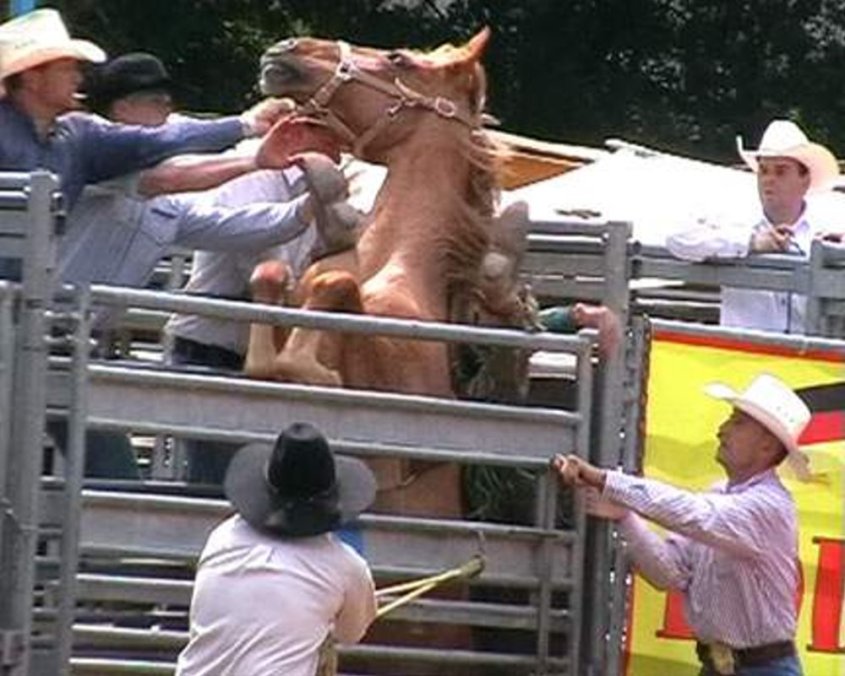

 Due to its primitive basic structure, rodeo cannot be carried out in an animal-friendly manner, as the rodeo mafia often wants to sell.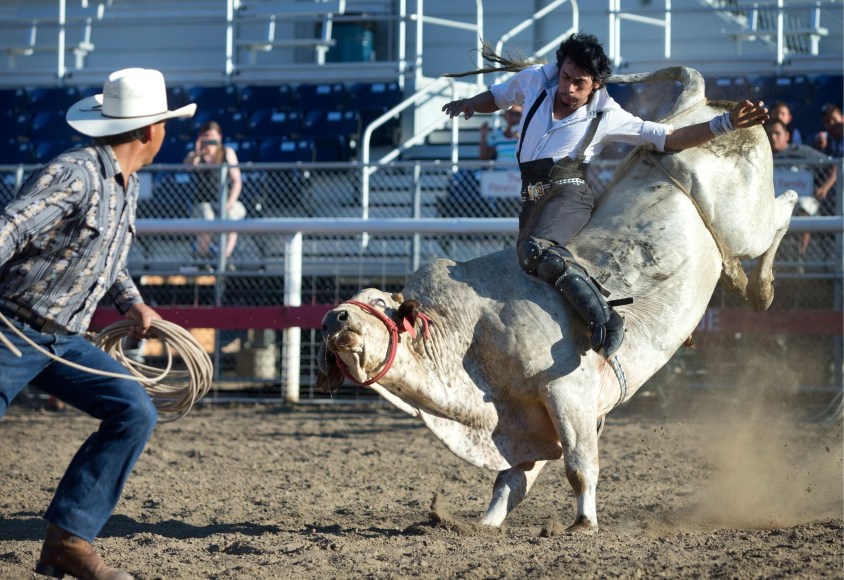
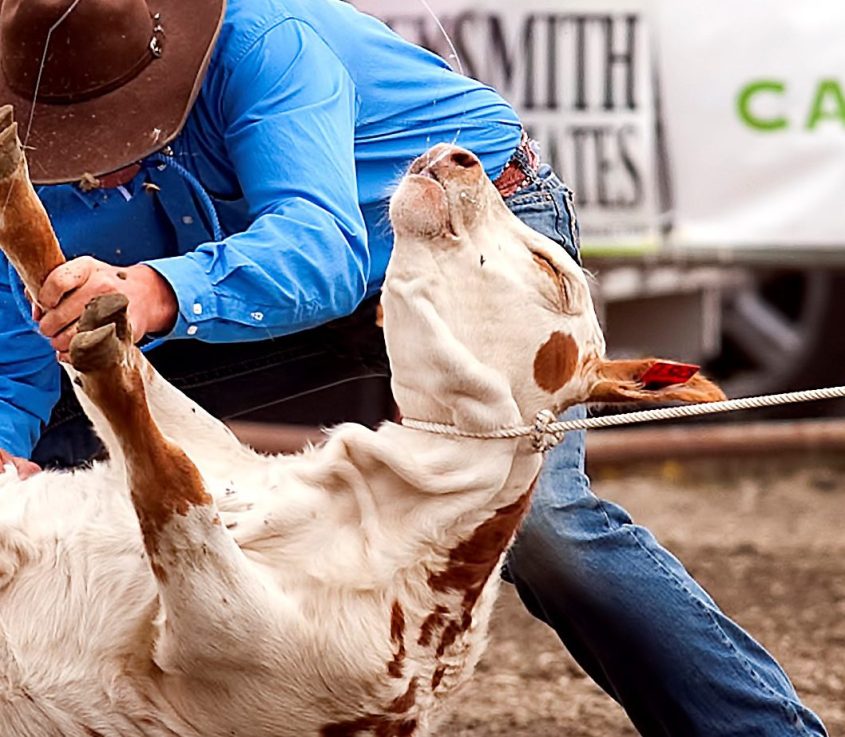 Animals in rodeos are treated as “disposable” items, especially in the United States.
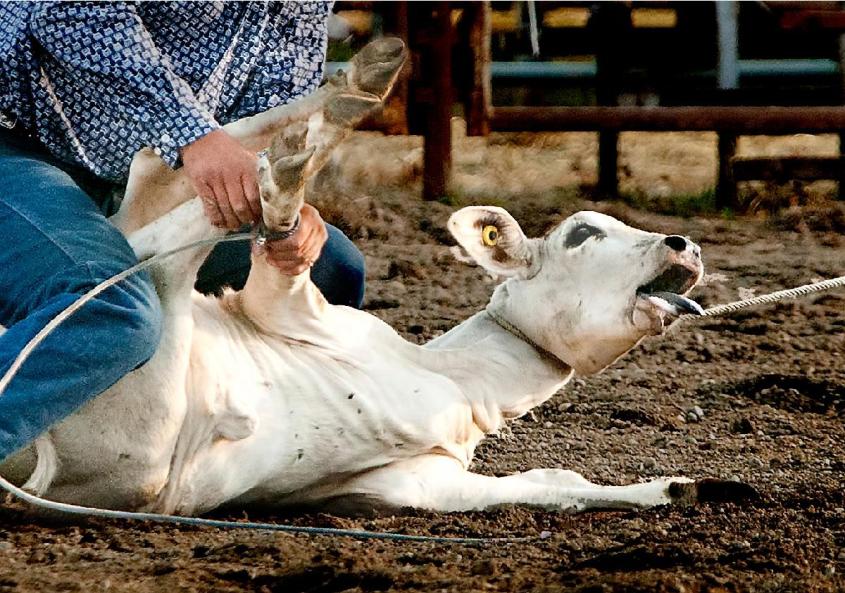 Some die right there at the rodeo.

 World Animals Voice