Month: January 2021

THE STARTLING LINK BETWEEN ANIMAL CRUELTY AND HUMAN ABUSE.

violence against women


THE STARTLING LINK BETWEEN ANIMAL CRUELTY AND HUMAN ABUSE

By Jason Bales | January 6, 2021

In the early 1970s, notorious serial killer Ted Bundy began a brutal killing spree that likely resulted in the death of more than 100 innocent victims. He admitted to the murder of 36 women.

About two decades earlier, Bundy tortured defenseless dogs and cats.

Similar stories are true of Jeffrey Dahmer, John Wayne Gacy, “The Boston Strangler” Albert DeSalvo, and many others. But the connection between early animal abuse and later human abuse isn’t confined to serial killers.

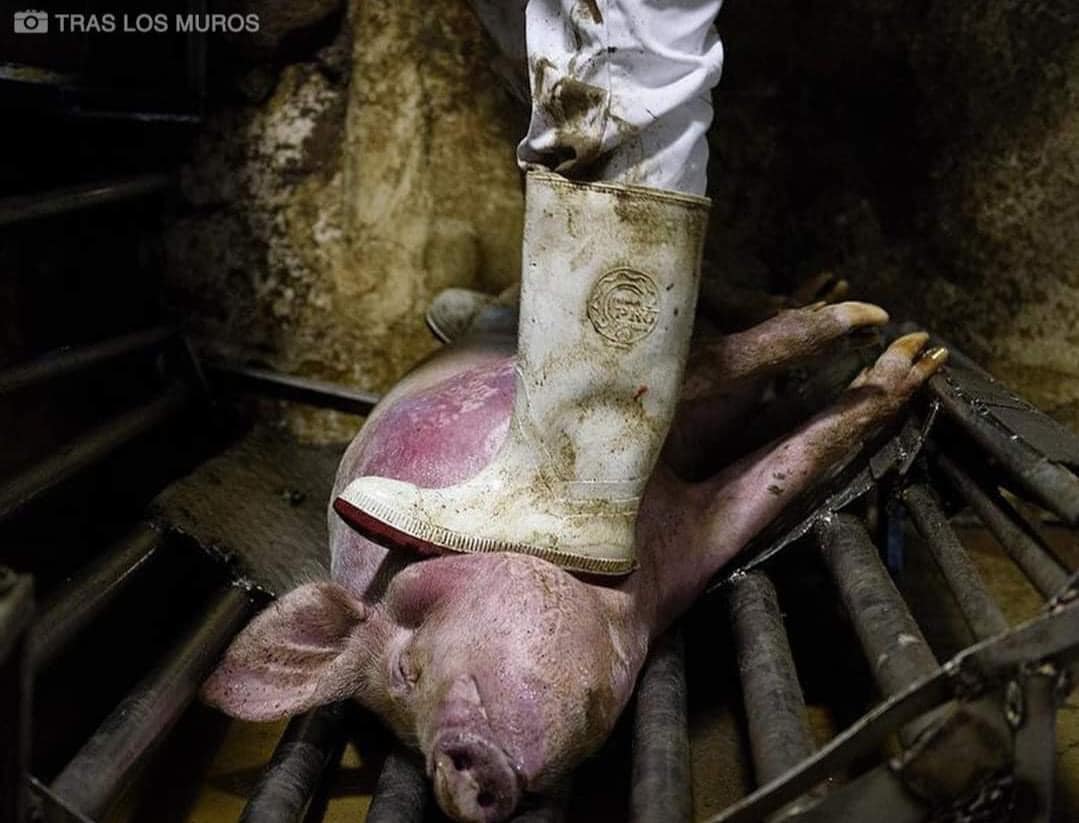
Animal cruelty is linked to all forms of human abuse, from domestic violence to sexual assault.

Despite clear evidence suggesting the connection between animal abuse and future criminal behavior, authorities have failed to treat cases of animal cruelty with the same severity as violence against humans. They allow murderers like Bundy to hone their sadism without consequence.

Until January 2017, the Federal Bureau of Investigation (FBI) filed animal abuse under the “All Other Offenses” category in their National Incident-Based Reporting System.

But then John Thompson, the current deputy executive director of the National Sheriffs’ Association, stepped in.

Thompson, who has close to four decades of law enforcement experience, didn’t initially recognize that harming animals is a strong indicator of future violent crimes against people – what some call “The Link.”

“I spent 35 years in law enforcement and couldn’t have cared less about animal abuse,” Thompson admitted to The Atlantic“I was stupid. No one was educated.”

When he did make the connection, Thompson pressured the FBI’s policy advisory board to create a separate category for filing animal abuse, which the agency did.

That decision may save lives.

It’s worth noting that not every person who abuses animals has committed or will commit another crime. But harming people is statistically more likely when animal cruelty is involved. And animal cruelty must be taken seriously.

ANIMAL CRUELTY AND MURDER

The link between animal torture and the world’s most sadistic serial killers has long been established.

Ted Bundy tortured his pets. Jeffrey Dahmer decapitated dogs and nailed cats to trees. John Wayne Gacy set turkeys on fire with gasoline-filled balloons. Albert DeSalvo stuffed helpless dogs and cats into boxes and shot them with arrows.  Dennis Rader, or the “BTK Killer,” hanged cats and dogs.

All of these heinous crimes occurred during the killers’ childhoods.

Recent studies also have revealed that many school shooters also abused animals prior to turning their guns on people.

Eric Harris and Dylan Klebold, of the Columbine High School shooting, bragged about mutilating animals to their classmates. Kip Kinkel, before his attack on Thurston High School parents and students, blew up cows and decapitated cats. Luke Woodham , who murdered his mother and two schoolmates at Pearl High School, wrote in his journal about setting his dog Sparkle on fire.

Unfortunately, animals are easy first victims for killers.

Animal abuse is often the first sign of serious disturbance among adolescent and adult killers,” Gail F. Melson, professor emerita of developmental studies at Purdue University, wrote in Psychology Today.

Without severe consequences for animal cruelty, killers will continue to escape the penalty and psychological intervention needed to prevent future crimes.

ANIMAL CRUELTY AND DOMESTIC VIOLENCE

Household pets are often used as a way to control or further harm victims in cases of domestic violence. 

Domestic violence survivors have reported in studies that their abusers threatened to kill, torture, or otherwise harm their companion animals — or actually followed through on the threats — to prevent them from leaving their abusive situations.

Abusers also use animal abuse or threats against survivor’s beloved animals to isolate victims and children, to eliminate competition for attention, and to force the family to keep violence a secret, according to an article published via the Animal Legal and Historical Center.

This cruel behavior is commonplace for domestic violence victims, with more than 85% of women entering shelters discussing incidents of pet abuse in their families.

Another study, published in Violence Against Womenfound that women in domestic abuse shelters were 10 times more likely to report their partner had hurt or killed their pet, compared to a group of women who had not experienced intimate violence. 

The violence toward animals harms more than just the pets; victims of domestic violence also suffer trauma and fear, which makes escaping their abusers. 

ANIMAL CRUELTY AND CHILD ABUSE

In households prone to family violence, animals are often the first victims of abuse, followed by children, according to Cynthia Hodges.

The statistics supporting a direct link between animal and child abuse are staggering:

  • 88% of families surveyed that had incidents of child abuse also had incidents of animal abuse
  • 63% of children entering shelters admitted to incidents of pet abuse in their families
  • More than 80% of families being treated for child abuse reported animal abuse in their homes
  • More than 60% of families with child abuse and neglect also had pets that endured abuse and neglect

But it gets worse: When violence becomes “normal,” some children sometimes push the boundaries of their own desensitization by becoming animal abusers themselves.

More than 30% of pet-owning victims of domestic abuse reported that their children had hurt or killed a pet, according to a survey by the Humane Society of the United States. 

Why do children who are abused, or witness abuse, sometimes become abusers themselves?

A report published by the International Journal of Environmental Research and Public Health posits that severe and prolonged trauma, especially when experienced at a young age, can stunt children’s emotional and social development.  Some children therefore become less empathetic toward animals and more likely to copy the abuse they see in their homes.

Randall Lockwood, the American Society for the Prevention of Cruelty to Animals (ASPCA)’s senior vice president for forensic sciences and anti-cruelty projects, also described how witnessing animal abuse can have a severe psychological impact on children.

Lockwood described how children suppress their feelings toward pets as a coping mechanism for the pain they experience when watching persistent animal abuse. This negatively impacts healthy empathetic development. In certain cases, children kill their pets themselves to gain control over the situation and end the animals’ suffering, Lockwood said.

Animal cruelty must be taken more seriously if this vicious cycle of abuse is ever going to end. 

ANIMAL CRUELTY AND SEXUAL ASSAULT

Bestiality is a taboo subject, but the practice exists and is part of the animal cruelty problem.

According to one study, of the juveniles who admitted to sexually abusing animals, 96% also abused humans. 

“The results suggest that animal sex offending may be linked to other criminal behavior,” the study concluded. 

While reliable scientific data on the prevalence of bestiality is limited, preliminary studies suggest sexual abuse toward animals is a pervasive and underreported issue with infrequent penalties. Complicating the matter is a lack of state and federal legislation prohibiting the inhumane acts.

Engaging in sex with animals is actually legal in four states — Wyoming, Hawaii, New Mexico, and West Virginia — and the District of Columbia. In more than 20 states, bestiality is only a misdemeanor crime.

There are no federal laws against sexual abuse to animals.

The leniency in existing legislation means that people who commit bestiality often go unpunished. Of 456 bestiality-related arrests made over the last 40 years in the United States, less than 40% resulted in prosecution.

The lack of prosecution also means the animal abusers are free to go on to commit crimes against people: More than 50% of animal sex offenders had prior or subsequent criminal records, including human sexual abuse. 

ANIMAL CRUELTY AND NON-VIOLENT CRIMES

Research also shows a positive correlation between animal abuse and nonviolent crimes, like theft and drug use.

One study, published in Between Animal Abuse and Human Violence, found that men who abused animals were four times more likely to have committed property crimes and three times more likely to have committed drug and disorderly conduct offenses.

Another study, on the relationship of animal abuse to violence and other forms of antisocial behavior, published in the Journal of Interpersonal Violencesampled persons ranging in age from 11 to 76 years. Of those sampled, over 40 percent of animal abusers had committed property crimes (compared to about 10 percent of non-abusers), and over 35 percent of animal abusers had committed drug and disorderly conduct offenses (compared to slightly over 10 percent of non-abusers).

ANIMAL CRUELTY IS A HUMAN PROBLEM

Animal cruelty is a serious offense and is predictive of past and future criminal activity, from violent mass murders to minor drug offenses. In this area — as in many others, ranging from  zoonotic disease to combating climate change — helping animals is helping people. 

By taking animal cruelty more seriously, policymakers and law enforcement will save lives. Animal and human victims will be safer. Abusers can receive the psychological intervention necessary to prevent violent crimes in the future. Ultimately, the world will be a more peaceful and compassionate place. 


I do not like animal abusers

Humans are for me one of many living beings on this earth who have the same right to live here as other living beings.
Anyone who abuses or tortures an animal devalues his own humanity.

I am then incidentally a misanthrope, as I don’t like child molesters, sadists, murderers, thieves, liars, and animal abusers.

regards and good night, Venus

Veganuary 2021: Sign-ups are Breaking All Records – Over 500,000 People Have Already Pledged to go Vegan In Just First Week.

Veganuary 2021 sign-ups are breaking all records as less than a week into January over 500,000 people have already pledged to go vegan.

Record 500,000 people pledge to eat only vegan food in January

Veganuary taken up by rising number of people trying plant-based alternatives to meat.

A record 500,000 people have signed up to the Veganuary challenge to eat only plant-based foods for a month. The milestone is double the number who pledged to go vegan for January in 2019.

A quarter of those taking up the challenge – 125,000 – are in the UK,

Read all about it, and lots more at:

https://www.theguardian.com/environment/2021/jan/05/veganuary-record-number-people-pledge-eat-vegan-food-january

USA: Save Tule Elk From Being Killed / Baby Trump Vetoes Bill that Would Eliminate Use of Large-scale Driftnet Fishing in Federal Waters. Please Support Campaigns.

SAVE TULE ELK FROM BEING KILLED (seaturtles.org)

Next week, the fate of the free-roaming tule elk at Point Reyes National Seashore will be decided.

I need your help right now to protect these magnificent animals from being removed—or worse, killed—from the National Seashore.

Tell California officials to vigorously oppose the Point Reyes-North District Golden Gate NRA General Management Plan and Environmental Impact Statement at next Thursday’s hearing of the California Coastal Commission.

The plan will eliminate the free-ranging tule elk in Point Reyes National Seashore, despite vehement opposition from California residents and wildlife advocates.

Up until a few decades ago, tule elk, endemic to California, were thought to be extinct as a result of unfettered commercial hunting and displacement by cattle. Many California residents and groups, including the National Park Service and U.S. Fish & Wildlife Service, spent decades working to re-establish a free-ranging herd on the National Seashore.

Today, the tule elk are living proof of the success of conservation. 

Please let California officials know that it is unreasonable to support the Point Reyes-North District Golden Gate NRA General Management Plan and Environmental Impact Statement—a plan that will eliminate the free-ranging tule elk that were so recently brought back from the brink of extinction, and that the Park Service and many others fought so hard to re-introduce.

This disastrous plan is up for a vote NEXT THURSDAY, January 14.

Please let California officials know that you oppose this proposal not only for its plans to eliminate tule elk from the Point Reyes National Seashore but for the additional and expanded agricultural uses which are certain to cause further conflicts between ranching operations and native wildlife.

Thank you for your support,  

Our ocean just suffered a huge loss.

On Friday, President Trump vetoed a bill that would gradually eliminate the use of large-scale driftnet fishing in federal waters off the coast of California.

The West Coast driftnet fishery is the only one remaining in the United States for good reason — this antiquated fishing method catches and kills marine animals in horrifying amounts. In addition to potentially saving the Pacific leatherback sea turtle from extinction, the Driftnet Modernization and Bycatch Reduction Act would have provided funds for fishers to transition to more sustainable fishing methods with less bycatch of non-target species.

This attack on protected marine species is an attack on our ocean, our environment, our climate, and YOUR voice, Mark.

And Turtle Island Restoration Network and our partners will respond immediately — and do everything within our power to ensure the legislation is re-introduced under the Biden administration and signed into law. We won’t be able to respond so effectively without the support of activists like you.

Please help us share this disappointing news on Facebook and Twitter.

If Trump’s veto is allowed to stand, innocent marine animals — like whales, dolphins, fish, and sharks — will continue to be captured, injured, and even killed with little-to-no environmental review, public input, or analysis of long-term impacts on the environment, our economy, or the people who live near this habitat. 

Make no mistake: this decision is a clear attempt to put politics above common-sense wins for wildlife and for fishers.

We must — and will — do everything in our power to stop the Trump administration’s veto and save our ocean, including fighting back in federal court if necessary.

Thank you for standing with us at this critical moment.

Sincerely,  

Annalisa Batanides Tuel
     Policy & Advocacy Manager 
     Turtle Island Restoration Network

Trump cartoon posted on Port Washington-Saukville District Facebook

Palm oil destroys life

By now, you may have heard about palm oil: it’s a substance used in many products as a preservative, appearing in everything from foods to bath soaps.
Unfortunately, the way we farm it is rife with environmental and animal abuses. That’s why it’s so disheartening to learn that a brand like “Earth Balance” that produces vegan products and claims to be both environmentally and animal friendly actually uses it in their products.

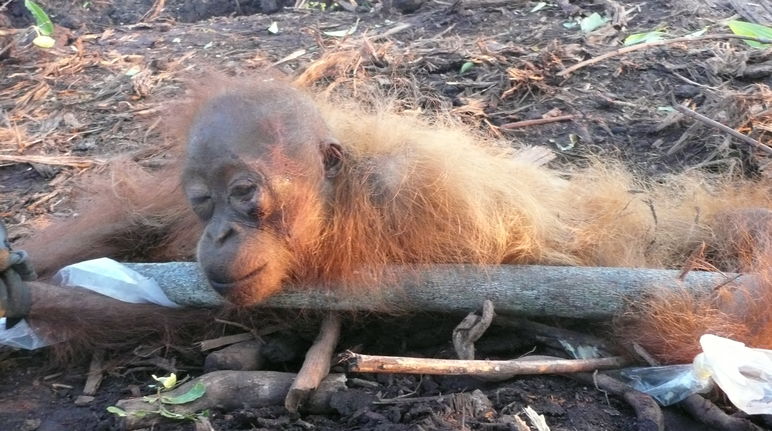
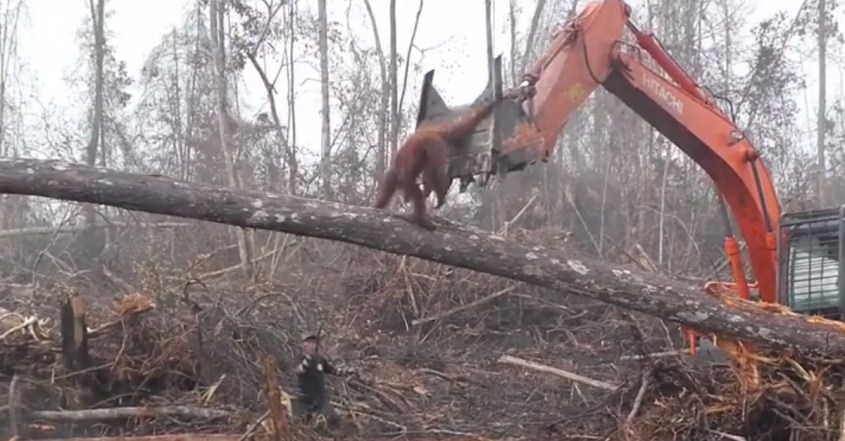
Palm oil is a vegetable oil made from the fruit of an African oil palm tree and it’s the leading cause of orangutan extinction. That’s because these primates’ habitat is being cleared rapidly to make room for palm oil plantations.

And when their habitat disappears, they are forced into spaces where they come into more conflict with humans and are poached.

Even worse: farmers often set fire to the orangutans’ forest homes, causing whole animal communities to go up in flames.

Just in the past few years, wildlife sanctuaries have seen huge increases in the number of horrifically burnt orangutans needing immediate life-saving care.

But not only are orangutans threatened by palm oil plantations, so is the broader environment. The palm oil tree can only grow in extremely humid conditions, but that’s where tropical forests are that act as a carbon sink for us.

Carbon sinks are important because they absorb greenhouse gases from the atmosphere, and when they’re upended, all of that stored carbon is released — making things that much worse.

So every time another forest is bulldozed to plant palm oil trees, we are inching closer to both devastating climate change and the loss of the entire orangutan species!

Destroyed forest, destroyed habitat

Palm oil is found in somewhere around 50% of western products. While it’s good for individual consumers to try not to buy products with palm oil, that’s not possible for everyone to practice, nor does everyone know how bad it is to support this industry.

Continue reading “Palm oil destroys life”

The Goodfellow tree Kangaroo

This cute kangaroo is endemic to the Huon Peninsula in northeast New Guinea.
A population on Umboi Island was likely introduced by humans.
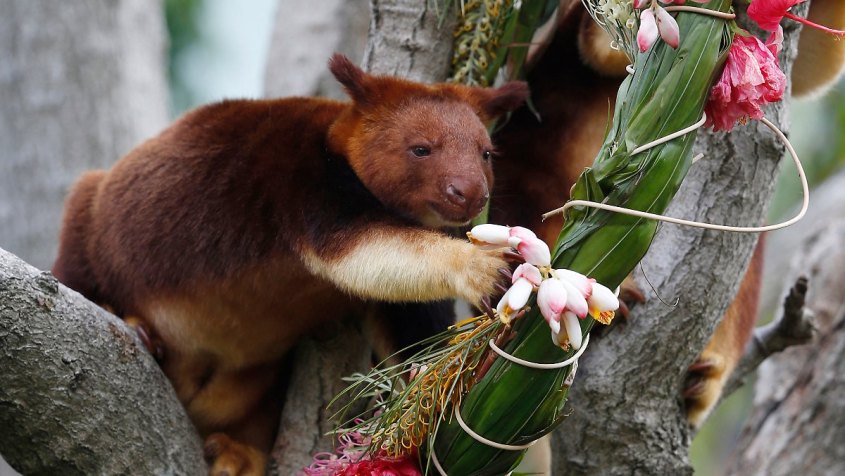
The Goodfellow tree kangaroo is a medium-sized, short-tailed tree kangaroo.


Unlike the kangaroo we know, the fluffy tree kangaroo doesn’t live on the ground, but rather in the high treetops of the rainforests of Australia and New Guinea.

Females reach a head-body length of 51 to 63 cm, males are in most cases 61 to 66 cm larger.
The tail of the females is 45.5 to 68.5 cm long and the male is 55.5 to 62 cm long.
The weight of the animals is between 7 and 10.5 kg.

The fur is dense and rich in contrast. The basic color is brown, throat, chest, forearms and lower legs, the insides of arms and legs, hands and feet, the tail, the muzzle, and the ears are light yellowish.

They have bear-like claws so that they can hold on to the trees. The fur colors also vary depending on the species. There are tree kangaroos with black, gray or gray-brown, red or even white fur.
The animals are solitary, not easy to meet, and inhabit relatively extensive territories, usually over 120 hectares in size.
Overlaps with the territories of other animals of the same sex occur.

Goodfellow tree kangaroos feed primarily on leaves of trees, shrubs, ferns, orchids, and herbs.

Fruits and flowers are also eaten, but makeup only a small part of the diet.

The sexes lead a solitary way of life and only meet briefly to mate. The females have a well-developed pouch that opens upwards.
Inside the bag, there are four teats for suckling the offspring.
After a gestation period of 30 to 40 days, the female gives birth to one or two young animals that are only two centimeters long and weigh one to two grams.

The birth takes place in a sitting position. The little developed young animals are in the embryonic stage at birth and crawl independently from the birth canal into the pouch and suck on one of the teats. The young remain in the bag for about six months before they lookout for the first time.
The kittens leave the pouch for the first time at eight months, but keep returning to the pouch. By the age of ten to twelve months, they are weaned and independent.

The Goodfellow tree kangaroo is unfortunately threatened because of the heavy hunting of the animals by the local population and the clearing of the forests and is listed as critically endangered in the IUCN Red List.

The total range of the species is less than 14,000 km² and the total number of fully grown individuals is estimated at only 2500 specimens.
The last retreat points are now only in a few reserves in the highland rainforests.

However, it is only a matter of time before these forests will also fall victim to the chainsaws of the wood industry. Goodfellow tree kangaroos are an easy target for poachers, as the animals move slowly and can hardly escape.

http://www.tierdoku.com/index.php

And I mean…We are just a somewhat advanced breed of monkeys who have made themselves the only living being with rights through the right to vote, and who can decide about the (hardly existing) rights of animals.
So this brood of monkeys, human species, is no better in any way, but it just took that right away.

One of the worst injustices on the planet is that the human species is getting more and more and the animal species is getting less and less

My best regards to all, Venus

China Blocks Entry to WHO Team Studying Covid’s Origins.

WAV Comment: Something to hide ???


China blocks entry to WHO team studying Covid’s origins

China has blocked the arrival of a team from the World Health Organization investigating the origins of the coronavirus pandemic, claiming that their visas had not yet been approved even as some members of the group were on their way.

The WHO’s director general, Tedros Adhanom Ghebreyesus, expressed his dismay and said he had called on China to allow the team in. “I’m very disappointed with this news, given that two members have already begun their journeys, and others were not able to travel at the last minute,” he said.

“But I have been in contact with senior Chinese officials. And I have once again made made it clear that the mission is a priority for WHO and the international team.”

The WHO has been attempting to send in the team of global experts from a number of countries for some months. It has been talking with Chinese officials since July. Scientists have long said it is essential to find out how the virus jumped species into humans.

The expedition to China was heading to Wuhan to investigate the earliest cases. It was not intending to probe claims that the virus originated in a Chinese lab, which have been dismissed by most scientists.

The mission has been criticised by the US, where the outgoing president, Donald Trump, has categorically blamed the Chinese for the pandemic.

Garrett Grigsby, of the US Department of Health and Human Services, said in November the investigation appeared to be “inconsistent” with the WHO’s mandate. “Understanding the origins of Covid-19 through a transparent and inclusive investigation is what must be done to meet the mandate.”

Dr Mike Ryan at WHO said the team had been working very closely with Chinese colleagues on planning the trip.

“We were all operating on the understanding the team will begin deployment today [Tuesday],” he said.

Two members of the team, who had a long distance to travel, had begun their journeys, he said, but it had become clear that their visas had not been approved by the Chinese authorities.

“We did not want to put people in the air unnecessarily if there wasn’t a guarantee of their arrival in China being successful,” said Ryan. “Dr Tedros has taken immediate action and has spoken with senior Chinese officials and has fully impressed upon them the absolute critical nature of this.”

The team hoped it was “just a logistical and bureaucratic issue that can be resolved very quickly”. One of the two colleagues who were on their way had gone back, while the other was remaining in a third country in transit.

“This is frustrating and, as the director general said, disappointing. That disappointment has been expressed very clearly by Dr Tedros directly to our counterparts in China. We trust that in good faith, we can solve these issues in the coming hours and recommence the deployment of the team as urgently as possible,” said Ryan.

Ilona Kickbusch, the founding director and chair of the Global Health Centre in Geneva, said geopolitics had got in the way of countries joining together to defeat the coronavirus pandemic and the hostilities that had been generated could now get in the way of finding out how it began.

“I think it will be incredibly difficult to be able to find the origin of the virus, because so much time has passed,” Kickbusch said.

The world managed to come together to eradicate smallpox at the height of the cold war, she pointed out. Even when Sars, another coronavirus, surfaced in China and caused havoc between 2002 and 2003, the global reaction had been one of cooperation and a push for more transparency.

Back then, Beijing had acknowledged it had made mistakes, reorganised its health ministry and created the Chinese Center for Disease Control and Prevention. Other countries had given it the benefit of the doubt and called for more cooperation.

“Sars actually led to China [understanding] that they needed to be much more integrated into the [global] system,” Kickbusch said. “It was a period of opening.” But now, she said: “There is a closing of the mind, quite clearly, on all sides.”

Before the crisis, geopolitical tensions had bled into the global health response, she said, pointing to how the US-China trade war had morphed into a “geopolitical blame game”. As a result “China clamped down totally [and] the US did what it did” and in the end “the whole world has suffered”.

https://www.theguardian.com/world/2021/jan/05/china-blocks-entry-to-who-team-studying-covids-origins

Tönnies will slaughter in China in the future

The Tönnies group of companies is building a slaughterhouse in China for up to six million pigs a year.
The company is convinced of growth in Asia.

Together with the Dekon Group, a subsidiary of the West Hope Group, the Tönnies slaughterhouse will set up a slaughtering and cutting center for initially two million pigs in the Sichuan region.

In a second step, this can be expanded to up to six million pig slaughterings per year. The corresponding contract was signed by the partners this week.

The joint venture started in September last year with a joint letter of intent between the two companies. Construction and technical implementation should begin in a few months.
The Tönnies group of companies is aiming for its first production site outside of Europe.

Tönnies: Rheda-Wiedenbrück, Germany

“This joint venture is a milestone for our international development,” said Clemens Tönnies, the managing partner of Tönnies Holding.

Total investment of 500 million euros

In the first step, Tönnies is investing a double-digit million amount in the joint venture. The money goes mainly into construction and technical development.

The joint venture has an even majority of 50 percent each. The total investment volume amounts to around 500 million euros, a large part of which goes into agricultural production.
The Dekon Group currently fattening around two million pigs annually in China.

“The demand for pork in China and many other Asian countries is great and will continue to grow in the coming decades,” says Clemens Tönnies.

China-swine fever

The Chinese food market is currently in a state of upheaval. African swine fever (ASF) has culled stocks in parts of the country.
Small farms and backyards are now being replaced by farms that meet Western European standards in terms of biosecurity.

https://www.agrarheute.com/management/agribusiness/toennies-baut-schlachthof-china-559430

And I mean…Tönnies operates large slaughterhouses abroad, for example in Poland and Denmark, and is Germany’s largest butcher.
He also has plans to build a very modern slaughterhouse in the Spanish province of Aragon.
At least that’s what the Spanish newspaper “Helaldo” reports.

The meat cutting process should be fully automated and supported by robots. Up to 625 pigs could be slaughtered per hour. That would be 70,000 animals a week. Tönnies wants to invest 75 million euros there and create up to 1,000 jobs.

The slaughterhouse in Aragon has been planned for some time. According to the newspaper, the city council of Calamocha has been in talks with Tönnies for five years (!!!)

At the request of the “Handelsblatt”, the company said the project was still at a very early stage. There is a “Letter of Intent”, the contract planning is still ongoing.

According to “Heraldo”, the meat from calamocha is to be marketed primarily in Spain and the EU.
Spain has recently become the world’s largest exporter of pork.

The planned meat factory in Spain is to be built by 2024 at the latest

Tönnies’ grand plans in China are not just expansion. Because of the outbreak of African swine fever in German wild boars, China, an important customer of Tönnies, has stopped importing pork from all over Germany for the time being. That is why the company wants to build large slaughterhouses in a joint venture with the Dekon Group there.

Everyone who eats meat, regardless of its type and origin, should be ashamed to collaborate in such businesses.

This applies to all meat eaters… in China, Spain, Germany, Poland, Australia …

For their own enjoyment or profit, they let others do the killing for them and with their consumption they help animal killers to do the bloody business with animals in the billions.

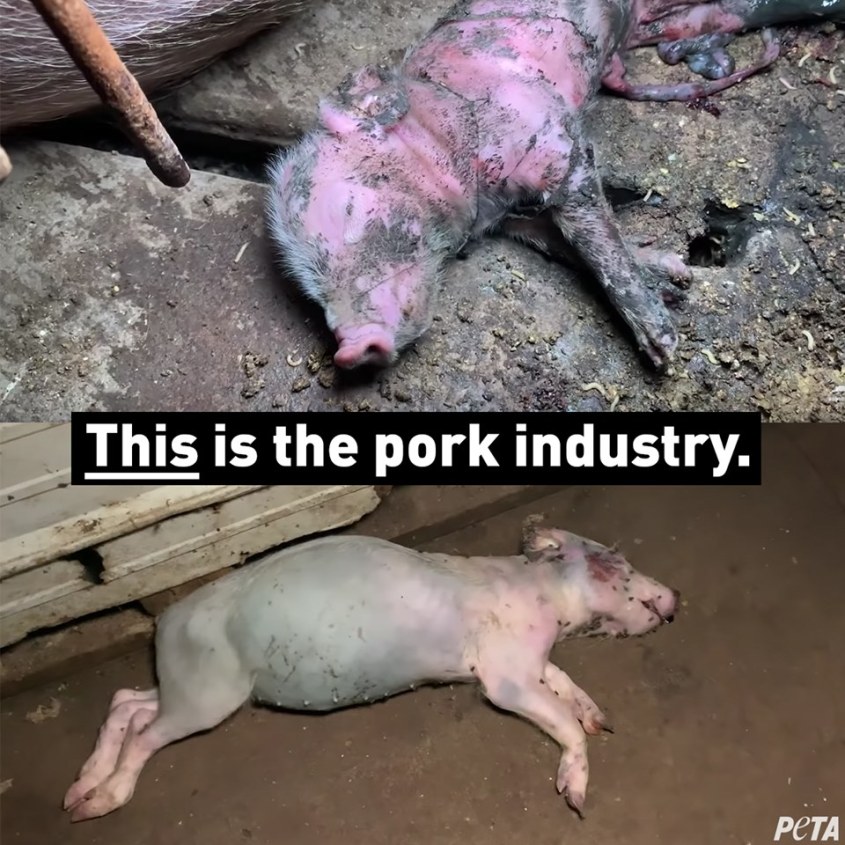
Factory farming is nothing more than legalized cruelty to animals.

Anyone who buys animal products signs the contracts with, for this cruelty to animals – everyone and in every country !!

My best regards to all, Venus

World Health Organisation Disease Specialist Warns Live Animal Export Must Stop.

World Health Organisation disease specialist warns live animal export must stop

World Health Organisation disease specialist warns live animal export must stop | Animals Australia

World Health Organisation epidemiologist Professor Mary-Louise McLaws has warned of the danger of live animal exports, saying the trade poses the risk of a “ghastly” disease outbreak.

The disease expert, who is a Professor of Epidemiology at the University of New South Wales and Health Emergencies IPC Preparedness, Readiness and Response to COVID-19 Advisor to the World Helath Organisation, was interviewed on Channel 10’s The Project and had some strong words to say about the continuation of live animal exports.

While people and animals across the world continue to suffer the impacts of the devastating COVID-19 pandemic, scientists and academics are increasingly drawing attention to humanity’s broken relationship with nature and animals as a major cause for alarm and risk of future pandemics. 

A recent report from the United Nations warns that a stream of diseases can be expected to jump from animals to humans in coming years, while the global demand for meat — and the resultant deforestation and intensification of animal farming — continues.

The live animal export industry forces animals into close confinement in unnatural surroundings which can lead to extreme stress, injury, sickness and death. Live export ships are essentially factory farms on water — taking animals like cattle and sheep from open pastures and confining them to pens for weeks at a time, exposing them to cruel conditions including extreme heat and rough seas. 

Even during this time when so many people’s movement is restricted to try to stop the virus from spreading, this industry has been allowed to continue to operate — to the detriment of both humans and animals.

As if there weren’t enough reasons to end the cruel trade… not only does live export condemn millions of animals to terrible suffering, but, according to this disease expert, it’s putting human lives at risk too.