Month: March 2021

China’s animal welfare law revision-something to celebrate…

SHANGHAI (Reuters) -Wolf, golden jackal, and large-spotted civet among hundreds of animals granted special status in a first major shake-up of the inventory for over 30 years.
The move is part of a revision to the Wildlife Protection Law, which started with a ban on the trade and consumption of wild animals in February last year
China has added 517 species to its list of major protected wild animals, part of its campaign in the wake of the COVID-19 pandemic to end the wild animal trade and destruction of habitats.

A joint statement on Friday by the forestry and agriculture ministries said adjusting the list had become “extremely urgent” because of recent changes in China’s wildlife situation.

A total of 980 wild animals are now under state protection.
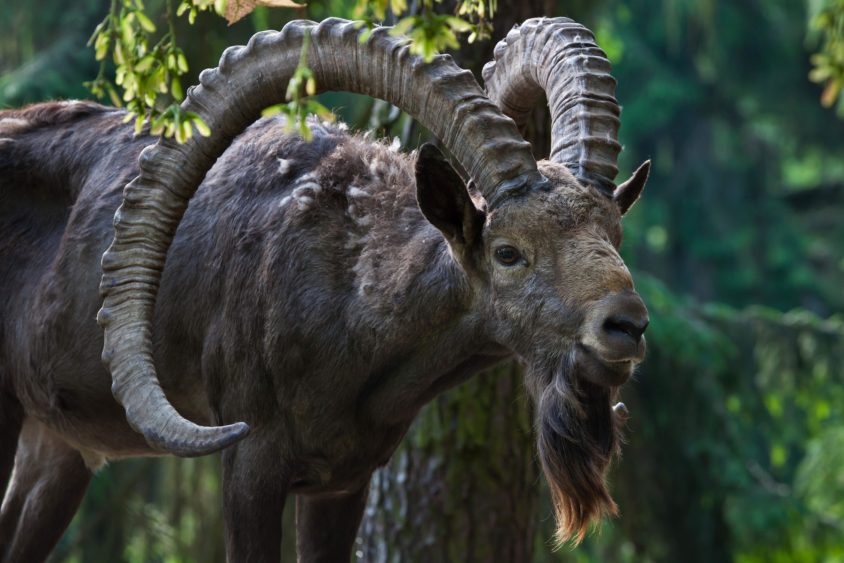
Siberian ibex (Capra sibirica). Wildlife animal.

The ministries promised to work with local governments to identify and protect the habitats of the animals added to the list, which include the endangered large-spotted civet and several species of birds that have dwindled in number in recent years.
Those who hunt and traffic the animals face fines and even custodial sentences for “level one” protected species, such as the critically endangered panda, pangolin, and Yangtze finless porpoise.
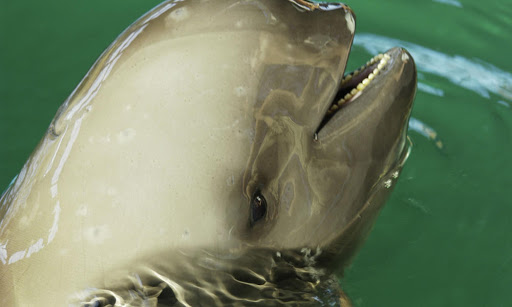
Neophocaena phocaenoides, Finless Porpoise, captive. Wuhan, Hubei Province, China

China has been trying to crack down on the wildlife trade since January 2020, after the first cases of COVID-19 were linked to a seafood market in the central city of Wuhan that was known to sell exotic animal species.

Scientists speculate that the novel coronavirus has forced people to re-examine the link between animals and humans and pushed wildlife conservation to the top of the legislative agenda.
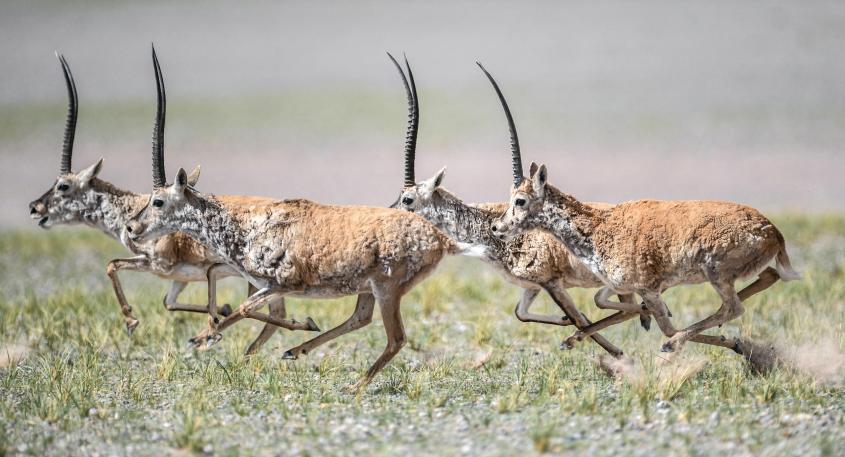
JGR1CN Lhasa, China. 10th July 2017. Tibetan antelope Credit: Xinhua/Alamy Live News

Back in mid-February, the legislative committee of the National People’s Congress (NPC) added a revision of the Wildlife Protection Law to its 2020 to-do list; later that month, the NPC’s Standing Committee announced a ban on the eating of wild animals and a crackdown on the illegal wildlife trade.

Then, in June, the National Forestry and Grassland Administration and the Ministry of Agriculture issued a consultation draft of an update to China’s list of protected animals.

China has also promised to step up efforts to protect forests and wetlands and to seal off nature reserves behind “ecological protection red lines” in a bid to reduce human exposure to virus spillovers.

Prior to 2017, the Wildlife Protection Law didn’t specify how often the list of protected animals should be updated. But a revision that came into force at the start of that year requires an update every five years.

Large-spotted civet

China’s parliament announced plans to implement a permanent nationwide ban on wildlife trade and trafficking in February, though it left big loopholes for the captive breeding of animals traded for fur or used in traditional Chinese medicine, and so bear and tiger farms are ignored.

In the first nine months of 2020, China prosecuted more than 15,000 people for wildlife crimes, up 66% from the same period a year earlier, state prosecutors said.

Reporting by David Stanway;

https://www.reuters.com/article/us-china-environment-wildlife-idUSKBN2A604H

And I mean…While heralding big progress, some say the consultation draft still leaves conspicuous omission of important species, principles, and mechanisms to make it easier to update again…

Here is a link to take a different view of China’s new list of animal welfare laws.

https://chinadialogue.net/en/nature/chinas-list-of-protected-animals-to-be-updated-after-32-years/

Nevertheless! China has never claimed it has the best animal welfare law in the world, and in fact, China has missed some of the development of the animal welfare movement.

On the other hand, China is one of the few countries that has taken radical measures in the wildlife markets due to the corona pandemic.
After all, the number of protected animals is almost twice, and we welcome that first and foremost.

We hope and even believe that the new regulations will be respected by the people and authorities, and we are also hopeful that China will soon expand and improve its animal welfare.

But instead of criticizing China, we should ensure that our animal welfare law with its thousand pages of paper finally fulfills its function consistently and fairly for those for whom it was made, the animals.

My best regards to all, Venus
Norway: Now Only Six Mink Farms Left in Norway!

WAV Comment – Whilst we celebrate this fantastic news from our friends at the Norwegian Animal Protection Alliance, we must remember that regarding the situation for Mink farmers in Denmark; they are now heading into Finland to continue their disgusting business.  Also, the Chinese fur industry is ready to step in at a moments notice to take up the slack of any reductions in the European fur trade.  We have to be on our guard constantly.  But this is news we celebrate gladly.

Photo – Act 4 Wildlife

Only six mink farms left in Norway!

5 March 2021

Dyrevernalliansen

Norwegian mink farming is coming to a close. The latest numbers show that there are only six mink farms left in the country, down from 34 in October 2020.

Fur farming was outlawed by the Norwegian Parliament in June of 2019, but the law specified that breeders already in operation have permission to continue until 2025. When the ban on fur farming was enacted, there were roughly 180 fur farms in the country, of which about half were breeding mink.

Ever since the ban was enacted, the number of farms has steadily decreased. Recent numbers acquired from the Norwegian Food Safety Authority now show that nearly all mink farms have shut down, and that there are only six farms left in Norway. This is a drastic reduction from October 2020, when there were 34 mink farms in operation, holding a combined total of roughly 250.000 mink.

Norway is one of few countries with mink farms where no Covid-19 outbreak has yet to be documented in mink. However, ever since the first cases of Covid-19 were discovered in minks during the summer of 2020, the Norwegian Animal Protection Alliance has repeatedly called on the Norwegian government to shut down what remains of the industry. Even though the government again and again has refused to close down the remaining farms, a large majority of mink breeders appears to have made the decision to shut down voluntarily.

As part of the ban on fur farming, the Norwegian Parliament has promised around 200 fur breeders a lucrative compensation package. In addition to setting aside funds dedicated to re-training farmers and to cover the cost of tearing down farms, Norwegian fur breeders are likely to be given a compensation totalling roughly 200 million Euros.

In February, the Norwegian Parliament decided to increase the size of the re-training grant given to farmers by approximately 2.5 million Euros, because a much larger number has closed down this year than expected. The Norwegian Animal Protection Alliance will continue to push forward for a complete shutdown of all fur farms as soon as possible. 

Regards Mark

EU: Stop Circus Suffering – A Call for an EU Wide Circus Animal Ban.

Stop Circus Suffering – call for an EU ban

2 March 2021

Press Release

On 3 March we celebrated World Wildlife Day with the official launch of the “EU Stop Circus Suffering” campaign, calling for an EU Ban on the use of wild animals in circuses. A new opinion poll confirms that this is what the 68% of Europeans are asking for.

For immediate release: Brussels 3 March 2021

23 Member States have already adopted national legislation restricting the use of either all, or exclusively wild, animals in circuses, reflecting the public’s position on ethical and animal welfare grounds. Statements from animal experts and veterinary bodies backed up these decisions. 

However, France, Germany, Italy and Spain don’t have any national restrictions and Czech Republic, Finland and Hungary only adopted restrictions on the use of some species of wild animals.  

Eurogroup for Animals commissioned an opinion poll to Savanta ComRes who interviewed citizens from Czech Republic, France, Germany, Hungary, Italy, Poland and Spain. 

The results clearly show there’s no more room for this cruel entertainment:

  • The use of wild animals in circuses is cruel and wild animals should not be used for public entertainment – 68% agree
  • The European Union should ban the use of all wild animals in circuses – 62% agree
  • The European Union should guarantee that cruel uses of animals are not allowed – 83% agree
  • Circuses that still use wild animals must reinvent themselves by developing high quality shows with human performers – 69% agree
  • Circuses showing wild animals is educational – 20% agree

Circuses are travelling entertainment services moving around Europe, and performing wild animals are transported across Member States, where circuses pose severe public safety and animal health and welfare risks. That’s why we call for an EU wide ban on the use of wild animals in circuses, since bans at the national level won’t prevent these movements with all the risks and distresses for the animals. 

Only an EU wide ban can guarantee the end of this outdated entertainment and provide a coherent and effective solution to the physical and emotional suffering of wild animals in circuses. The Commission should take the wishes of EU citizens very seriously and use their powers to finally end this unnecessary suffering while confirming the EU as the International leader for animal welfare. 

Well said fella !!

Reineke Hameleers, CEO, Eurogroup for Animals.

Nearly 1 million citizens have already signed the Infocircus petition, with the “Stop Circus Suffering” campaign we will keep backing the strong public support and move a step further bringing this request at the institutions level. 

ENDS

Read more on the Stop Circus Suffering website

Read the opinion poll full results

Regards Mark

Togo: Livestock Ship Now En Route To Greece As Reported Yesterday.

Photo – Animal Welfare Foundation AWF – 4/3/21.

Live transport update: the Elbeik vessel change course

4 (and 5) March 2021

AWF

No longer headed to Cartagena, the vessel carrying nearly 2,000 bovines is now directed to Piraeus. The animals’ conditions and destiny are still unclear.

After stopping near Crete to refuel and get feed for the animals, the Elbeik vessel was supposed to navigate to Cartagena, where the Karim Allah is still docked with all the bovines onboard. 

Today its final destination changed, as it’s heading to the Piraeus port (Greece), which is approved for Border Inspection

This recent move does not shine light on the animals’ destiny. Our member Compassion In World Farming is in direct contact with the Greek veterinarian authorities, asking them to get onboard if the vessel docks.

The Treaty on the Functioning of the European Union states that animals are sentient beings. In line with this basic EU principle, we call on the support of the Greek Authorities and the European Commission to take all the necessary steps to get the Elbeik to dock at Piraeus. 

After three months at sea, as sentient beings, these animals deserve to be unloaded, checked by veterinarians and relieved from their suffering. 

————————————————————————-

WAV Comment – This is news from the AWF dated 4/3.  We also did a post yesterday also in which we declared the Elbeik was heading to Piraeus (Greece). 

Togo: ‘Elbeik’ Livestock Ship Now Heading for Greece, Not Spain According to Information. – World Animals Voice

5/3/21 – We are currently monitoring the movement of the vessel, and can confirm that the Elbeik is currently underway and due to arrive at Piraeus at around 1500hrs local time; 5/3/21.

Temperature in the region is 16 degrees C, 61 degrees F.

Regards Mark

souls of the world…

this photo must make you feel something…

..the species doesn’t matter, I look at her and know how she feels.
This is called empathy”.

They have NOT chosen their role in this world, let alone been repudiated by so many individuals.

But they are beings of the world, like all of us, and have the right to life, freedom, and protection of their existence
Don’t be racist and protect all living beings

regards and good night, Venus

Alligators and their clever survival strategy

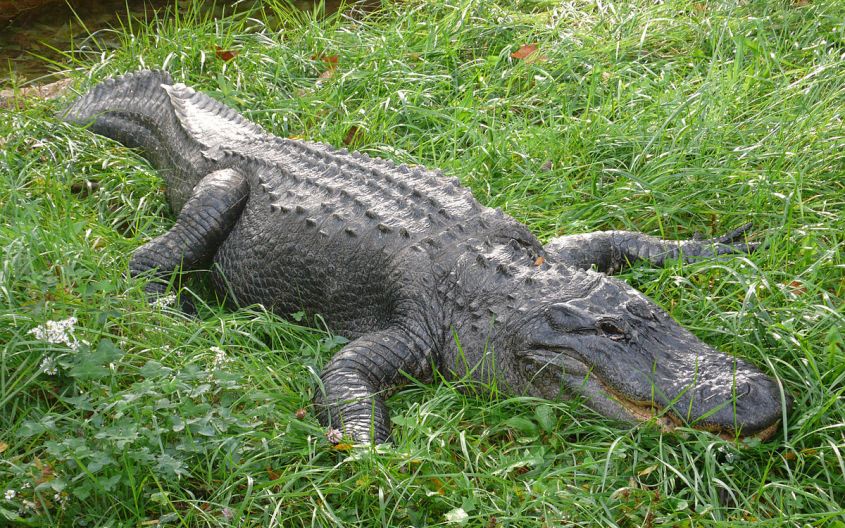
In parts of the USA, there is a fascinating natural spectacle in extremely cold winters: alligators freeze in the swamps and ponds. What initially looks hostile to life turns out to be a clever survival strategy

The wintertime sometimes brings with it rare weather phenomena and natural spectacles.
In parts of the USA, the icy winters in recent years have regularly resulted in very special images: the sharp-toothed mouths of alligators protrude from the frozen surface of the water and offer a bizarre sight.

Brazos Bend State Park, Texas, Amerika – Oktober 2016

In 2018 and 2019, for example, the alligators froze in the swamps of the Shallotte River Swamp Park in North Carolina.
This winter, American media reported frozen alligators in lakes in Oklahoma.
Mississippi alligators instinctively sense when a body of water freezes over.

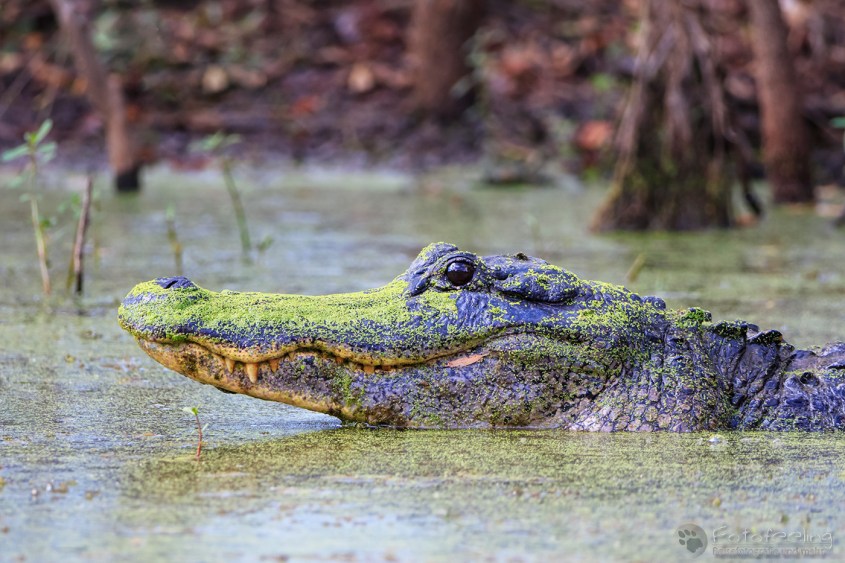
The animals seem lifeless in the ice. The bodies can be seen outlined under the icy surface of the water, only the snouts sticking out of the ice. What at first looks like an involuntary shock freeze, on closer inspection, is a clever survival trick.

The reptiles are neither accidentally frozen nor are they dead. Instead, the Mississippi alligators, which live in the southeastern United States, are deliberately frozen in order to be able to survive extreme cold spells.

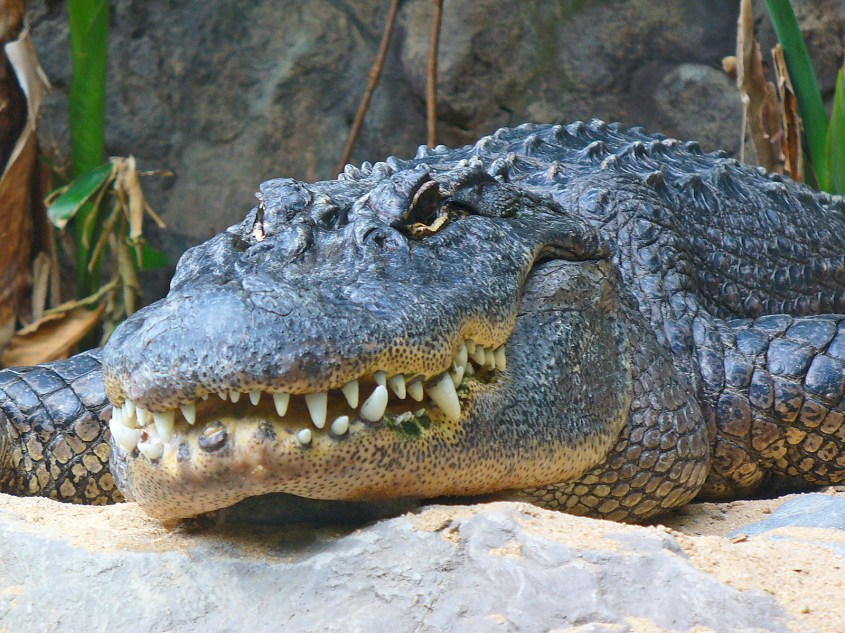
alligator mississippiensis

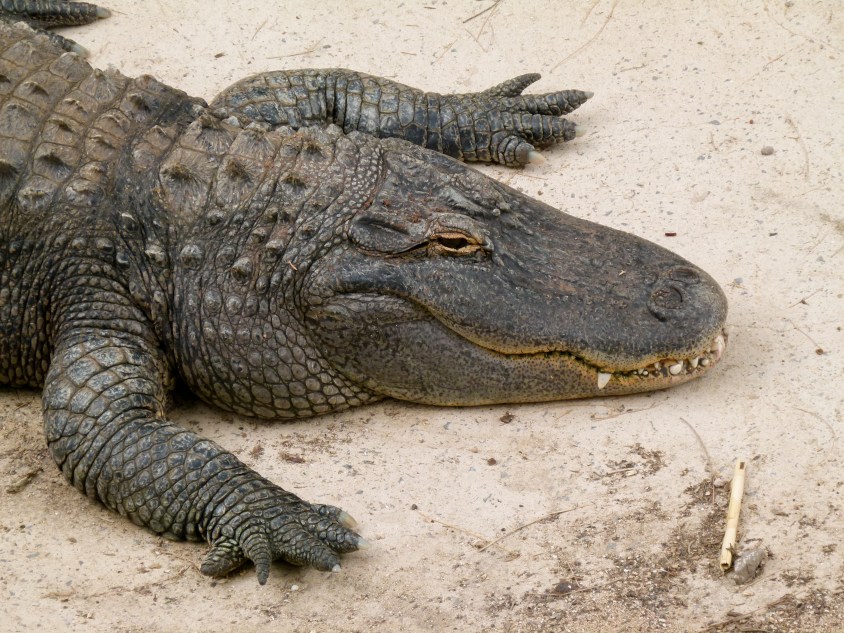
Alligator mississippiensis instinctively knows when its native water is freezing over.

However, since frozen water is an absolute death trap for him, the alligator enters the water at the right moment and sticks its nose out before freezing – so that it can continue to breathe despite the ice cover.

Then the animal falls into a state that is biologically known as “dormancy” and is similar to hibernation in warm-blooded animals.
The metabolism is shut down, body functions are reduced to a minimum, and energy is saved.

alligator mississippiensis

In this position, the Mississippi alligators are able to survive for up to two or even three months in spite of the extreme cold. They just wait for the temperature to rise again and the ice to melt. Then the reptiles adjust their body temperature and wake up from the rigor.

The animals spend milder winters comfortably buried in the bank mud or in deeper layers of water.

https://www.geo.de/natur/tierwelt/24098-rtkl-tierisch-trickreich-weshalb-sich-alligatoren-im-winter-freiwillig


And I mean…This winter, a “dormancy” would be very helpful also for the millions of people in Texas!

My best regards to all, Venus
Togo: UPDATE – Live transport: the Elbeik vessel is on the move but with no clear direction

See our earlier post:

Togo: ‘Elbeik’ Livestock Ship Now Heading for Greece, Not Spain According to Information. – World Animals Voice

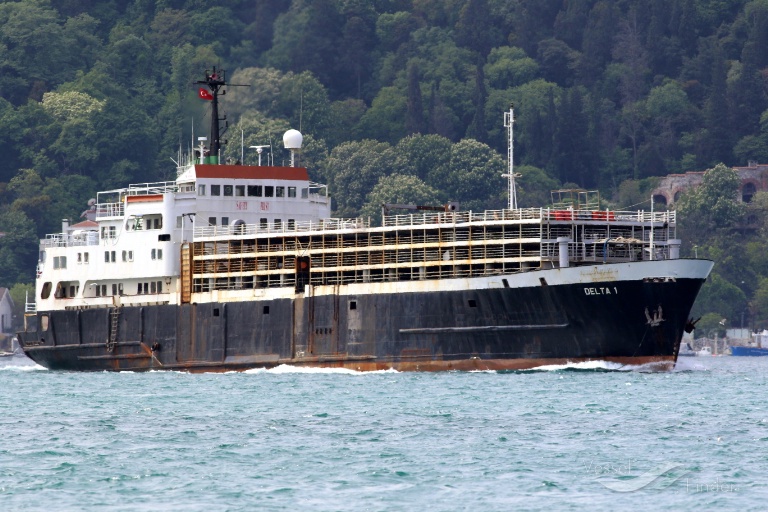
ELBEIK photo

Live transport: the Elbeik vessel is on the move but with no clear direction

3/2/2021

Animals onboard the vessels, after nearly three months, are still waiting to be checked by a vet, rested and relieved from their suffering.

Back in December 2020 the Elbeik left Spain to reach Tripoli, (Libya) where the bovines were rejected due to bluetongue disease suspects. It moved around the Meditterean and some animals were offloaded. 

After being stationed there for some time, the Elbeik left Famagusta (Northern Cyprus) heading to Cartagena. 

Nearly three months after their journey started, the animals on board were supposed to go back to Spain to be killed, similarly to what is happening to the ones onboard the Karim Allah, expected to be killed in the next couple of days. 

Yesterday Elbeik stopped near Kaloi Limenes (Crete). Eurogroup for Animals and its members are following the situation closely: Compassion In World Farming is in contact with the Greek Ministry, hoping to get veterinarian authorities on board, if the vessel docks at the port, and check the animals’ condition. 

The stop in Greece was meant to provide more food and straw for the animals, however, according to our member Animal Welfare Foundation, the vessel’s Master is also trying to delay the return to Cartagena, in order to find another buyer and transport the bovines to a third country.

This, regardless of the animal welfare status which is very likely to have been seriously compromised. Indeed, Animal Welfare Foundation got confirmation that there are already more than 50 dead animals on board.

USA: Investigation Into ‘Harris Beef’ By DxE.

Hi Mark,

We just released a new investigation into Harris Beef, the slaughterhouse used by Harris Ranch, which is the largest cow feedlot on the West Coast. Harris claims their slaughter facilities were designed to be humane with curving chutes so the cows can’t see the danger ahead. But DxE’s hidden camera footage is showing the world the truth: terrified cows trying to escape from the slaughter line before they are systematically killed and butchered.

And the cruelty is growing. The Harris slaughterhouse is currently constructing several new buildings to expand its operations and increase its death toll. This is why we need a moratorium on factory farms and slaughterhouses right away. ­ ­

Watch and share the breaking exposé on Facebook, Instagram, Twitter, or YouTube.

DxE launched the No More Factory Farms campaign to combat the expansion of animal agriculture in California. We’re exposing the biggest animal abusers, mobilizing people throughout the state to take bold action, and creating the momentum for a moratorium that prohibits the construction or expansion of factory farms and slaughterhouses – first in California and then beyond.

DxE is funded entirely by people like you. And for the next 48 hours, all new $20+ monthly donors will receive a No More Factory Farms shirt as a thank you gift. Show your support for this campaign by becoming a monthly donor today.

Cassie ­ ­

­ ­ ­

­ ­ ­ ­
­ ­ ­ ­
­ ­

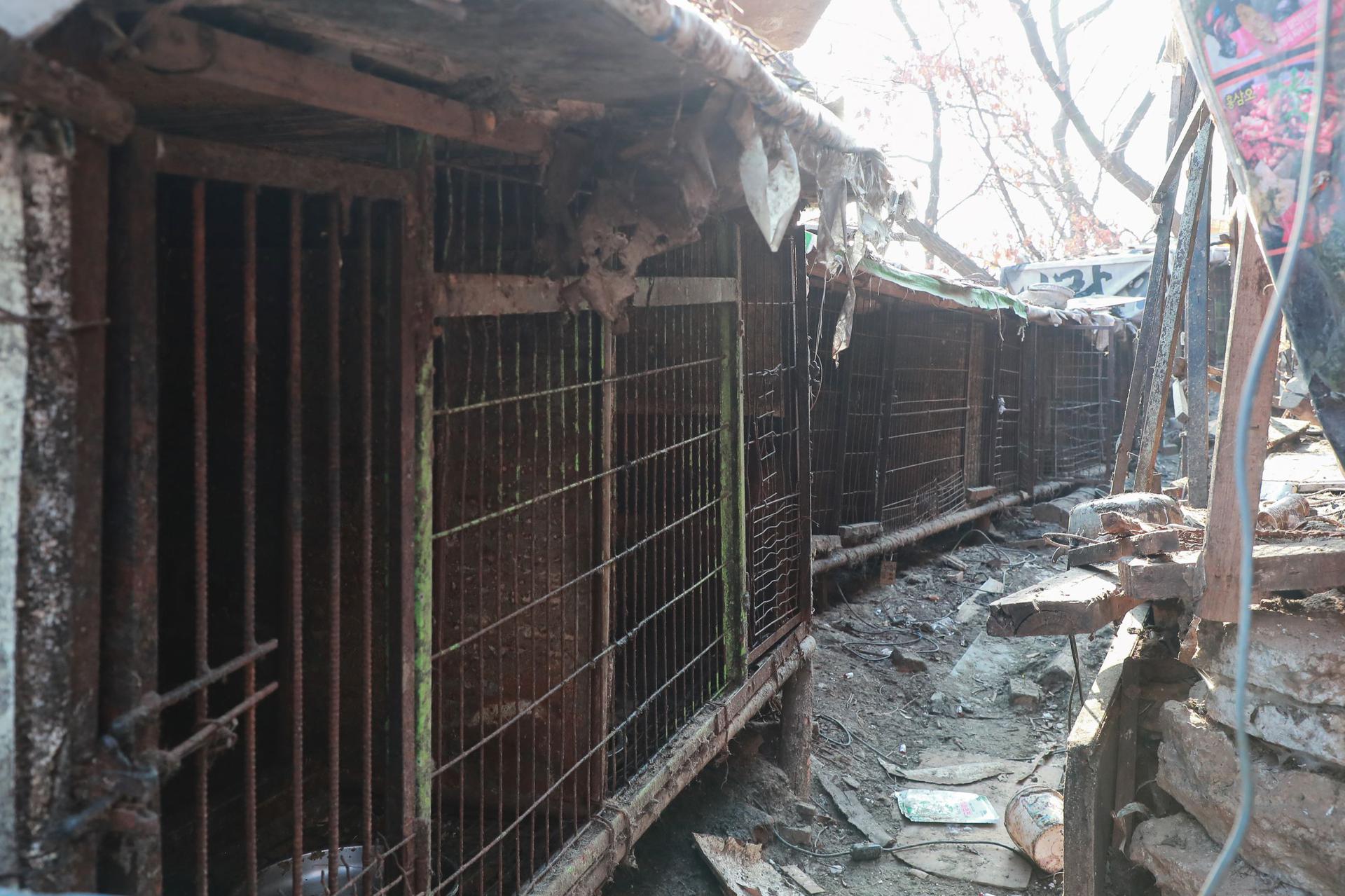
South Korea: Largest Known Dog Meat Auction Facility In the Country Is Now Closed for Good – Result !

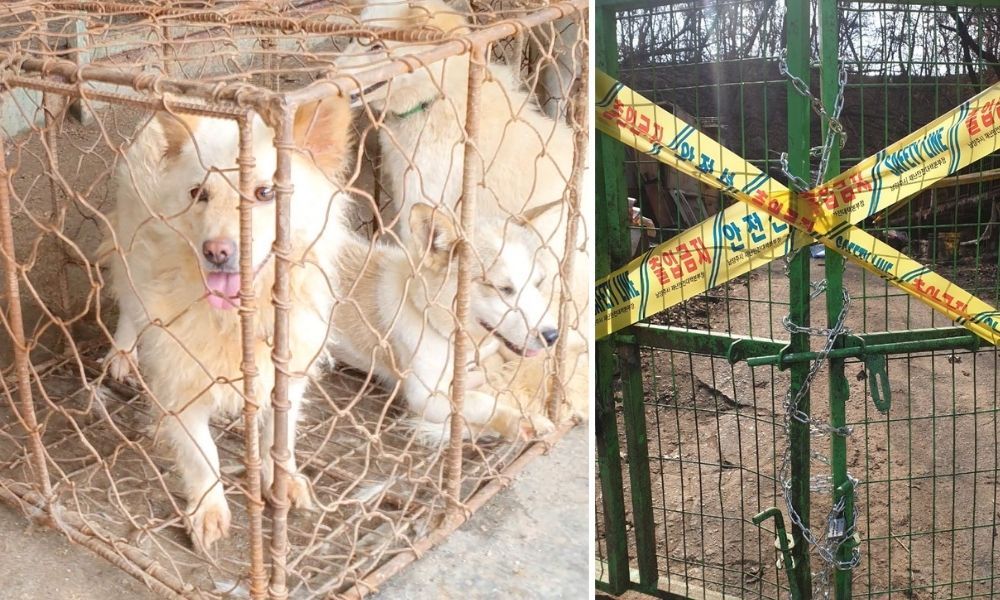
In a win for dogs suffering in S. Korea’s brutal meat trade, Nakwon Auction House the largest known dog meat auction in the country — is CLOSED FOR GOOD.

The closure follows Lady Freethinker’s undercover investigation and petition — covered by People Magazine — and local campaigning by partners Save Korean Dogs.

This victory is only possible because of YOU. Thank you for speaking out to save these dogs from slaughter, and supporting LFT’s fight against the cruel dog meat trade. 

Hundreds of dogs will no longer spend their days in tiny, filthy wire cages in this house of horrors while waiting, terrified, to be sold to dog butchers.

We thank the more than 46,000 supporters who signed LFT’s petition demanding this horrifying, illegal auction be put out of business! 

Undercover video released by LFT captured more than 200 terrified dogs in cramped wire cages at the Nakwon Auction House in S. Korea in Oct. 2020. 

The footage sparked public outrage, a call to demolish the auction house, and evidence the local government needed to shut down the illegal sales.

The city of Namyangju announced recently that the auction house is closed, the dogs are removed, and the owner was fined heavily and warned by authorities to stop his operations or risk more fines.

This is an important victory, and we couldn’t have done it without your support! But our work is far from over. Dogs continue to die every day for the horrific dog meat trade — and we won’t stop until every dog is safe.

View message online at:  Mark, you helped shut this dog meat auction down (mailupclient.com)

Mark

Togo: ‘Elbeik’ Livestock Ship Now Heading for Greece, Not Spain According to Information.

ELBEIK photo

4/3/21 – From info we have this morning, the ‘Elbeik’ livestock ship is now on its way to Piraeus in Greece; scheduled to arrive the re in the afternoon 0f 5/3/21.

We are getting news that Spain (Cartagena port) has refused to take the Elbeik; and that this was its intended destination.

It will be interesting to see, given all the circumstances about this vessel and its animals cargo; if Pireus will allow it to dock.

The Port of Piraeus is the chief sea port of Athens, Greece, located on the Saronic Gulf on the western coasts of the Aegean Sea, the largest port in Greece

This is the only information we currently have on this at present.  We will publish any updates accordingly.

Regards Mark