Month: November 2021

Chile – the Humboldt Archipelago must not be destroyed

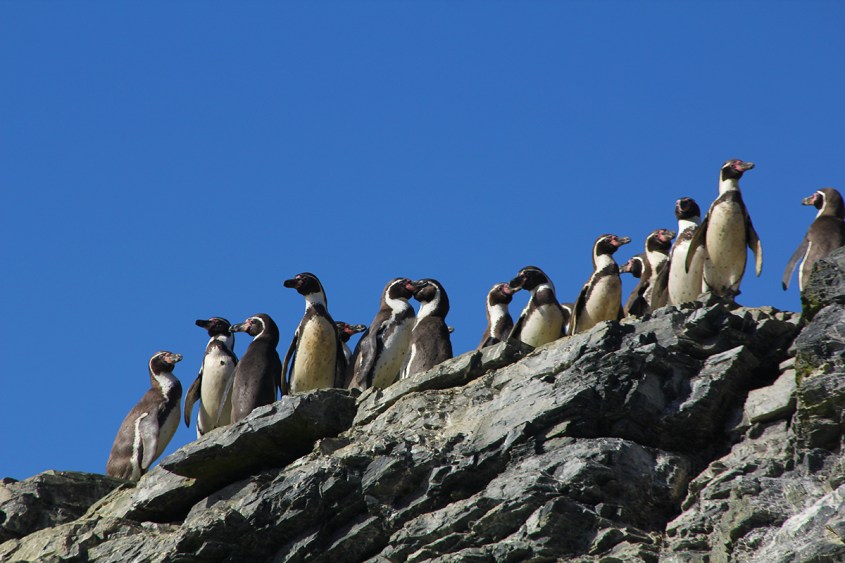
The breeding area of the Humboldt penguins off the northern Chilean coast is a “hope spot” for life on earth. But as in the past, port and mining projects are once again threatening the vulnerable penguins.

Chilean environmentalists are calling for the birds’ habitat to be placed under strict protection.

80% of the world’s endangered Humboldt penguin population lives here.

Humboldt Archipelago in northern Chileprotection decided, but NOT implemented

The marine area off the Chilean coast is incredibly biodiverse because of the cold upwelling waters of the Humboldt current. In the north of the country lies the Humboldt Archipelago, which the Mission Blue Foundation has declared a “Hope Spot” a place of hope for life on the planet.

Hope Spot

The unique and irreplaceable ecosystem is considered a priority for global conservation by international science. The special importance results from the unusual oceanic conditions of a continuous upwelling in the sea, which distinguishes this region from other areas of the country.

Cold water rises to the surface there, carrying nutrients that promote the growth and development of large quantities of plankton and phytoplankton.
The topography, consisting of numerous islands and islets, favors the life of larvae and the stages of their development.
The prevailing south-north currents and winds cause the larvae to disperse.

Continue reading “Chile – the Humboldt Archipelago must not be destroyed”

Germany and the dog fight mafia

Dog fighting is a heinous crime, but when it comes to monitoring their own platform for dog fighting videos, YouTube is falling far short of its obligation.
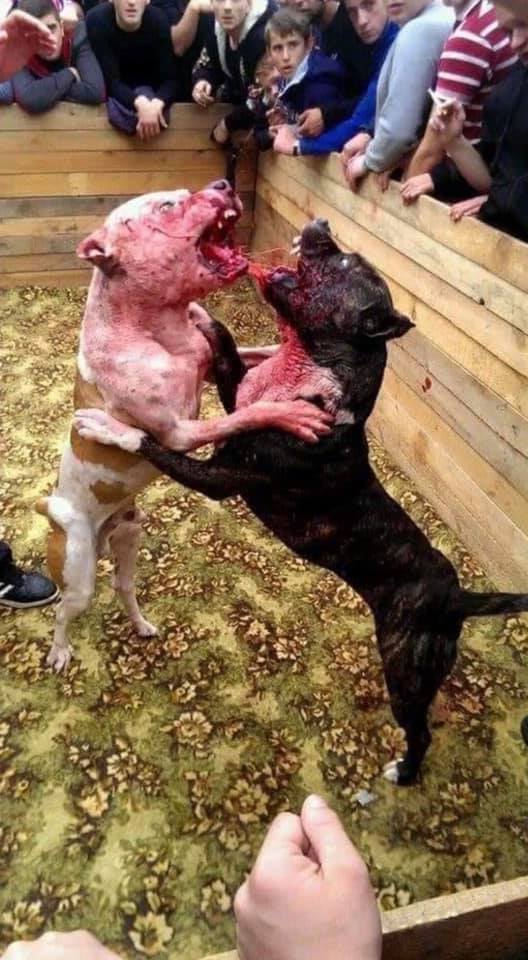
In just a few clicks, visitors to YouTube may find instructional videos about dog fighting and hours upon hours of material related to it.

A 2021 investigation conducted by animal welfare organization Lady Freethinker found 2,053 videos that depicted animal abuse, garnering a collective 1.2 billion total views.

The videos were posted across approximately 146 channels amassing 30.8 million total subscribers, covering wildlife, companion animals, and farmed animals in categories such as animal fighting, eating animals alive, hunting animals with other animals, monkey torture, and fox-hound hunting.

The charity also found channels on YouTube hosting videos of falsified animal rescues.
The controversial videos show cats and dogs placed in contrived “dangerous” situations in the wild, such as near predators including snakes and crocodiles, only to be “saved” just in time by a human2.

“YouTube must do a better job at monitoring and removing all videos that violate its terms and standards, alerting local law enforcement to illegal content, and holding channels accountable for their actions with suspensions and terminations,” said Nina Jackel, founder and president of Lady Freethinker told the Guardian.

From April to July 2020, YouTube removed 185 of the 2,053 videos identified in Lady Freethinker’s report, but that accounts for only 136.5 million out of 1.2 billion views related to dog fighting.

Often, these disturbing content creators simply rebrand themselves under a different name and continue to upload videos to YouTube.
In bringing these facts up to the company, YouTuber Charlie White, also called penguin0, found that learned that inquiries about removing channels with alleged animal abuse were directed to a separate manual review team.

The idea that the rest of these violent videos cannot be pulled down is an egregious lie, especially a year after the platform succeeded in removing hundreds of videos showing robots battling other robots under claims that they pictured animal abuse.

YouTube should not allow these videos to be featured anywhere on the site as they only promote violence and carnage.

Sign the petition below and demand YouTube’s CEO prohibit dog fighting videos on their platform!

https://theanimalrescuesite.greatergood.com/clicktogive/ars/petition/YoutubeDogfighting

https://www.facebook.com/marschfuerdietiere/posts/590604385613367

And I mean…Dog fights will still be held illegally in secret in Germany in 2021.

Behind this cruelty to animals is an animal torture mafia, which secretly gets in huge amounts of betting income with the horror.

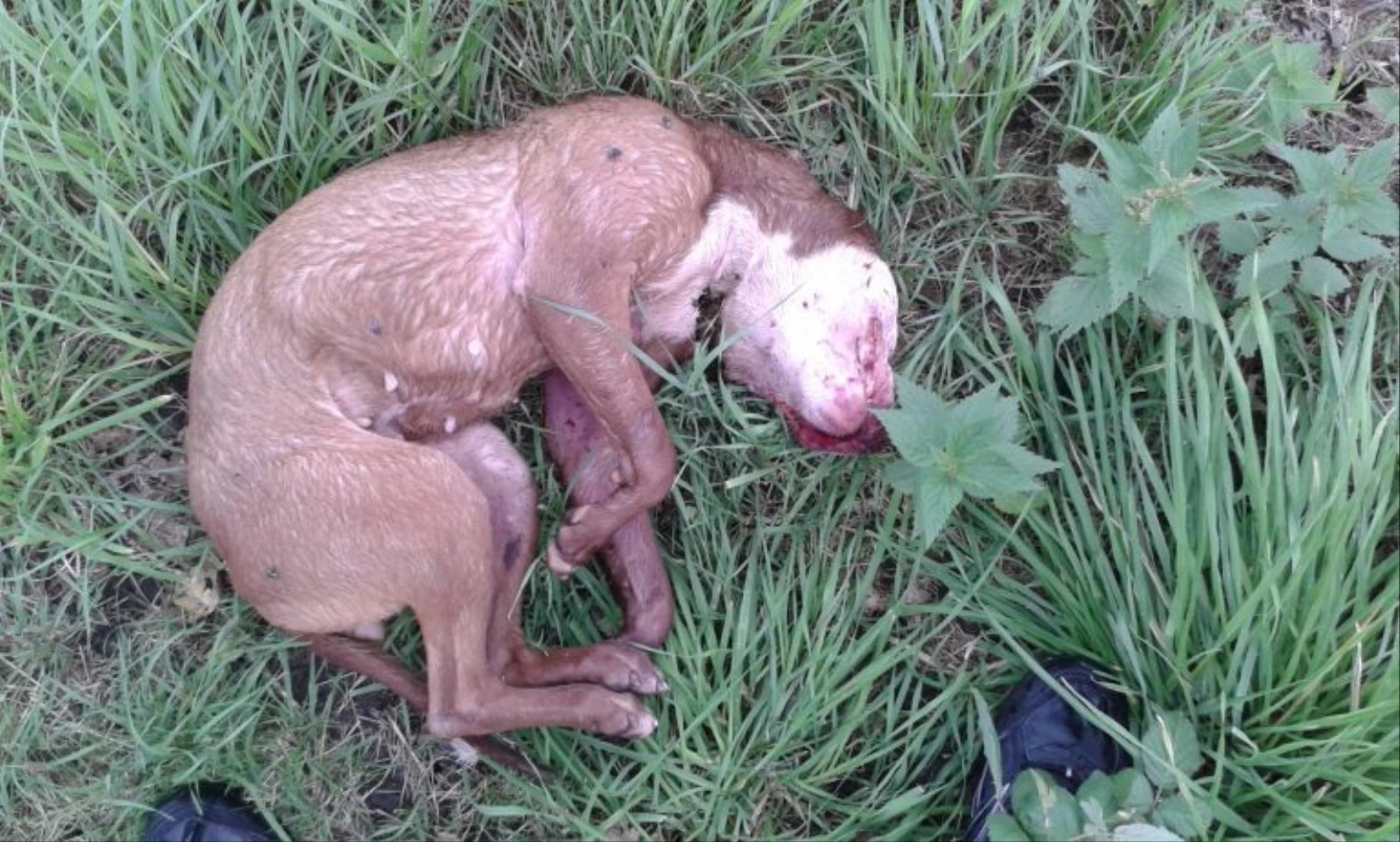
Dead dogs that are thrown away like rubbish with heartbreaking injuries and entire dog fight rings that are picked up are not uncommon for the everyday police force of the German executive.

Dog fighting isn’t even a “sport” as is so often referred to. It is a criminal business devised by unscrupulous people where two highly bred attack dogs are let loose on each other, usually until one of them is seriously injured or dies.
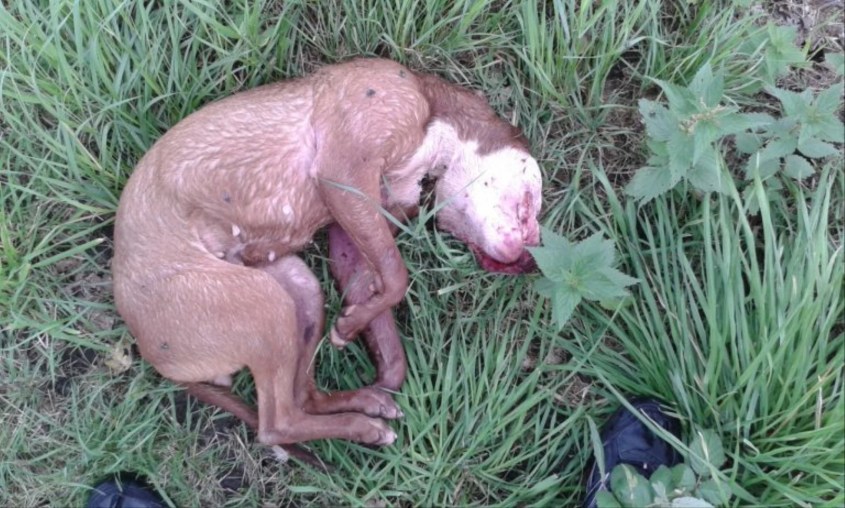
The dogs are made fit by using bestial practices for weeks for their “work”. They train up to four hours a day on treadmills, fully pumped with anabolic steroids and vitamin cocktails. Baby cats are used as bait and are usually torn to pieces by the tortured dogs.

Some dogs do not take part directly in the fights, but are used as bait to test the fighting dogs’ ability to fight. Often the animals are stolen from private individuals, and most of them have little chance of survival.
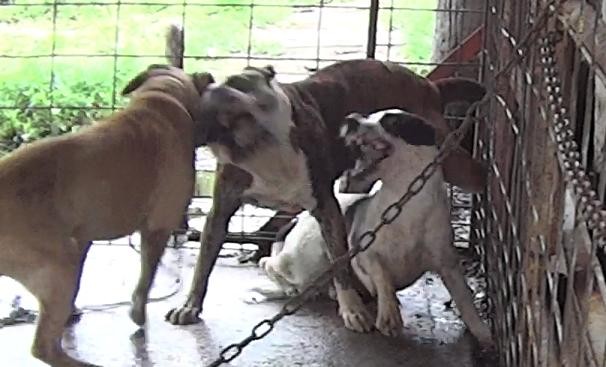
In illegal dog fights in Germany, fanatical masters pay up to 500,000 euros to the winner.

Some die after the fight. Others recover or need to be taken to the vet. But one can imagine that a criminal would not be willing to take his dog to the vet every week.

The worst fighters are often hanged, drowned, or left to die in the forest.

And the worst part is – these fights can actually take place anywhere, it’s usually a place where people don’t care what they hear or see.

In 2012, in the basement of a residential building in Ettenheim (a town in Baden-Wuerttemberg), the police discovered a prepared battlefield and eleven pit bull terriers that were being trained there.
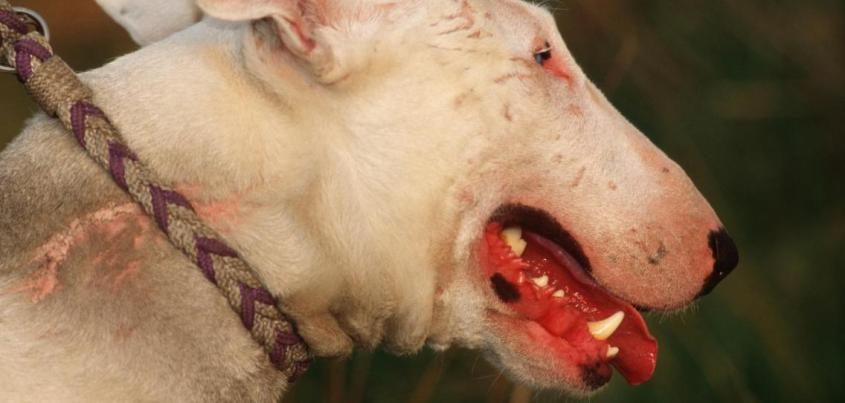
In addition to 11 confiscated pit bull terriers, the police found an arena in a cellar that was completely built for the purpose of dog fights, blood-soaked carpets, various medicines and drugs, bolt guns to release half-dead dogs, as well as beer tent sets and alcohol for the well-being of the primitive spectators and bettors.
A cannabis plantation was also secured.

The following year, during a house search in Bayreuth, seven Kangals were found in the premises of the rocker gang “Black Jackets”, as well as video evidence that documented the diabolical hustle and bustle of the competitions.
These two examples are only two of the many that take place in the middle of Germany.

Unfortunately, dog fights do not only take place in Germany, but in many other countries as well.
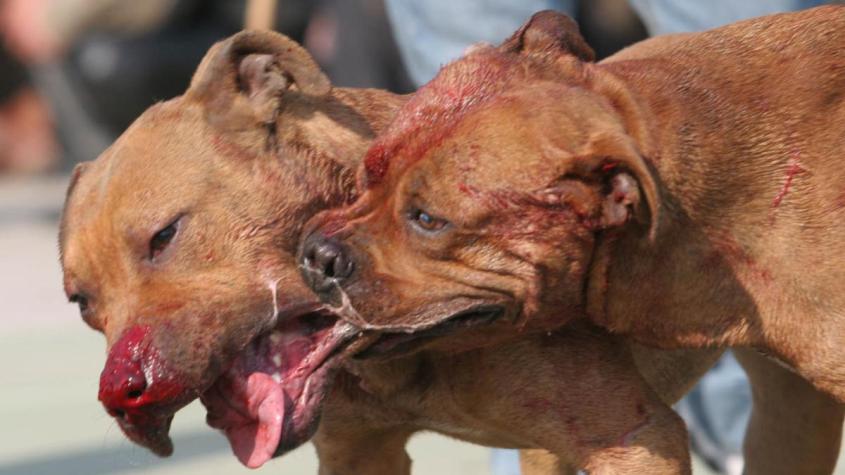
China, the USA, the Phillipines, Turkey and also European countries such as Romania, Bulgaria and Hungary are plagued by these criminal machinations.

A criminal community of their own was also formed, spreading these bloody battles on social media. Against this must be proceeded with the full severity of the law, and above all with draconian increased penalties.

Dog fights are a symptom of a larger criminal community-internationally, these swamps of crime and animal suffering must be drained.

My best regards to all, Venus
France: Hunter Killer Pensioner Attacked By Brown Bear Whilst Hunting Wild Boar. He Shoots Bear Dead ‘Acting In Self Defence’. No Hunter, No Attack !

Pensioner in France kills bear with rifle after part of his leg torn off in attack (msn.com)

WAV Comment:  If there was no hunter in the first place then there would be no need for the alleged ‘self defence’. Did he care that the female bear may have had cubs when he killed it ? – Note this ‘pensioner’ is not just someone (an older person) out for a weekend stroll; it was an animal killing hunter who was out attempting to slaughter wild boar.  This puts a complete alternative angle to the heading of this newspaper story – not just a pensioner, but a hunter, killer pensioner.  Karma ? – possibly.


Pensioner in France kills bear with rifle after part of his leg torn off in attack

A brown bear has been shot dead by a man hunting wild boar after it attacked and tore part of his leg off in southwestern France, according to reports.

The 70-year-old is said to have fired his rifle twice in self-defence – killing the female animal instantly.

He was airlifted to hospital by helicopter and is described as being in a serious condition.

The authorities in France have launched an investigation into the incident happened near Seix, in Ariège, on Saturday afternoon.

A member of the local hunting association told the news website La Depeche said: “I was a little further away, I didn’t see what was happening but I heard the call on the radio.

“The bear attacked him and grabbed his leg, he tore his calf off and injured him in the other leg too.

“One person managed to stop the bleeding until the arrival of help.”

He added: “It doesn’t surprise me, they are coming closer and closer because there is nothing left to eat in the mountains.

“But he shot him only for the sake of himself.”

The attack is set to reignite the debate over the reintroduction of brown bears to the Pyrenees.

The move was controversial among farmers who believe the animals pose a threat to their livestock.

In last year’s census, 64 bears were counted across the Pyrenees.

Critics argue as numbers grow they are increasingly finding it more difficult to get food, bringing them into closer contact with people.

Local media report between January and October of this year, bears killed or are thought to have killed 625 sheep, 16 cattle, 17 horses and a dog.

Regards Mark

England: Fur News and Features.

Fur News

Check out all the latest global fur news from our good friend Mark Glover at ‘Respect for Animals’; Nottingham England.

Want to know more about nations and if they have banned fur production, are in the process or will be in future ?

Use the guide to fur bans around the world by clicking on the following link:

A Guide To Fur Bans Around The World | Respect for Animals

The fur industry has been condemned for pursuing a COVID-19 vaccination scheme for factory farmed mink in Finland, diverting key resources needed in the development of vaccines needed to save human lives. The fur trade intends to expand the program around Europe as soon as possible.

Read the full story by clicking on this link:

Fur trade uses key materials needed for human vaccinations | Respect for Animals

Fur industry guilty of ‘greenwashing’ in new report

A new report detailing the environmental impact of fur has criticised the fur industry for ‘greenwashing’, as Respect for Animals calls for governments to take action.

Download the new report here:

Fur industry guilty of ‘greenwashing’ in new report | Respect for Animals

Check out the excellent ‘Respect’ site by visiting at 

Respect for Animals | Campaign against animal fur – Fur for Animals

Regards Mark

The calf blood: a billion dollar business

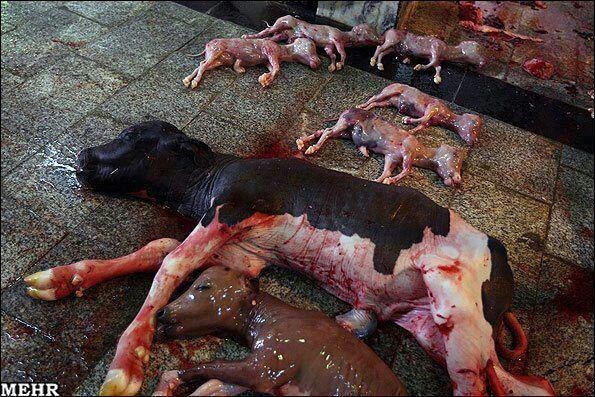
Millions of pregnant cattle are slaughtered around the world and the unborn calves are disposed of as “slaughterhouse waste”.

Some cows give birth to their young on the way to the slaughterhouse, in most cases the cow arrives at the slaughterhouse pregnant.
There the mother is stunned with a bolt shot and – often hanging by one leg – killed by bleeding.

The fetus suffocates in the dead womb.
If a pregnant animal is found on the slaughterhouse assembly line, it is separated, the uterus and the still unopened amniotic sac removed from the mother’s skeleton and disposed of.

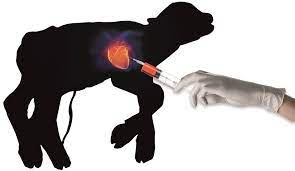
In non-European countries, like in Argentina, Australia and New Zealand, but also in some EU countries such as France, the calves face an even more terrible fate – a thick needle is stuck without anesthesia through the ribs into the still beating heart of the calf fetus and around half a liter of blood is drawn from each anima, in order to obtain the raw material for the production of FCS.

While the demand is particularly high in Europe and the USA, the VCS is mainly obtained in countries where cattle is raised intensively, such as Brazil, Argentina, South Africa and others.
It is estimated that 800,000 liters of VCS are sold worldwide each year.
That means-two million cattle fetuses are being exploited for this.

That equates to one million liters of fetal calf serum per year.
So far there are no federal or EU uniform laws for the protection of the mother animal or the fetus for handling during slaughter

The serum from the blood of unborn calves is used in research and for the manufacture of medicines.

Additional information on thisWhen the cow is slaughtered, the unborn calf is removed from its body.

The fetus is taken to a special room and cut out, where it is removed from the amniotic sac and disinfected.
Then a thick cannula is pierced through the ribs into the beating heart without anesthesia.
The heart still has to beat so that the blood can be drawn off more quickly and so that the blood does not wrestle.

Tapping into it takes between 5 and 25 minutes.
Millions of unborn calves are systematically bled.
The blood goes into the centrifuge to be separated from the red blood cells and then it is purified under sterile conditions with a very fine filter to make the serum.

Blood serum has enormous value.

Depending on the quality, it can cost up to 15,000 euros per liter
This means that 1-2 million unborn calves worldwide per year have to die a slow and miserable death.

They are then processed into animal feed.
The serum is needed in research and for the production of medicines.
It is also used for multiple sclerosis and cancers.
But nobody knows exactly what is in this serum, which is obtained from the blood of tortured animals.
Yet it is used in laboratories and around the world – it is considered a miracle cure!

The most important reason fetal calf serum should not be used is that its production is associated with immeasurable suffering of millions of calf fetuses.
Because fetuses also feel pain.

My best regards to all, Venus

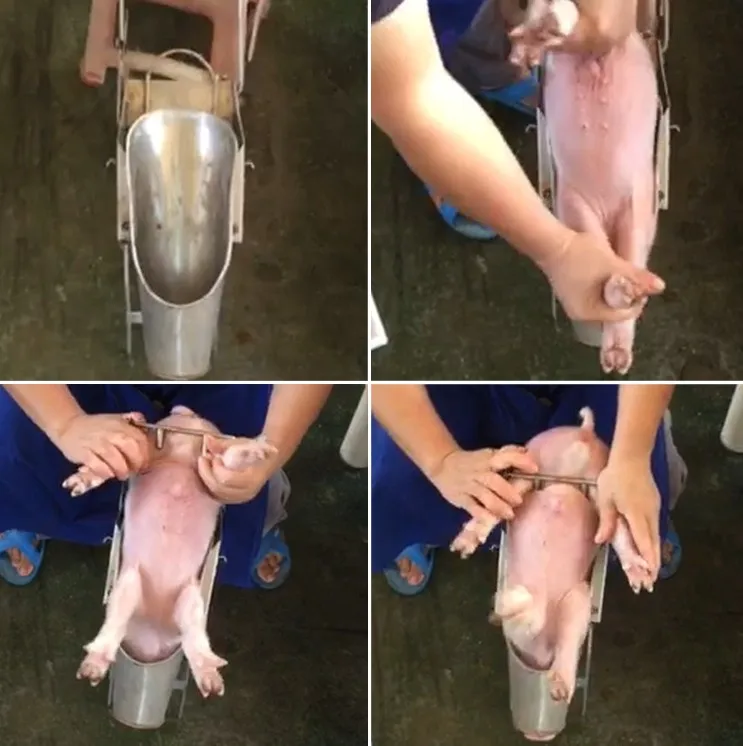
Welfarm is Calling for a Ban on the Castration of Piglets.

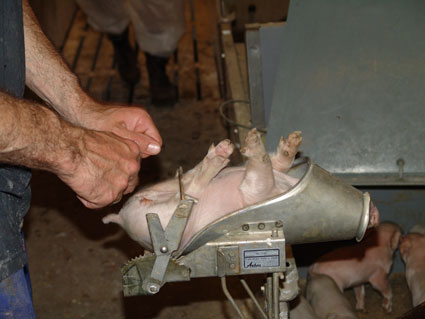
Castration of male pigs

Welfarm is calling for a ban on the castration of piglets

19 November 2021

WELFARM

Welfarm is calling for a ban on the castration of piglets in its new campaign launched on November 4th in Paris!

For more than ten years, Welfarm has been campaigning against the castration of piglets. On November 4th, Welfarm has launched its campaign to call for a definitive ban on piglet castration: in just a few weeks, it will be prohibited to castrate piglets without anesthesia and analgesia. However, no measures have been taken to definitively ban physical castration despite the many problems that it causes.

Under these conditions, it is likely that piglets will continue to be mutilated. 

Castration with anesthesia and analgesia is not a satisfactory solution in the long run. Indeed, as it stands now, no anesthesia and analgesia protocol allows to fully manage the pain of piglets during and after the procedure. Moreover, no current protocol seems compatible with the reality of farms. 

Today, two alternatives that respect animal welfare exist:

The breeding of non-castrated pigs (known as “whole male breeding”)

And immunocastration, which acts like a vaccine to block puberty in pigs.

Europe seeks alternatives to surgical castration on pigs - Farming  (Livestock)

These two alternatives are reliable, economically advantageous for farmers and have been tried and tested for a long time in many European countries. Thus, for the vast majority of productions (cooked ham, pâté, rillettes, etc.) castration of pigs is no longer necessary.

Unfortunately, some meat companies, including the Bigard group (which is the market leader), are opposed to the development of these alternatives because they refuse to change their practices.

Castration should eventually be abandoned and replaced by alternatives that respect animal welfare. Welfarm therefore asks that castration under anesthesia and analgesia be authorised only temporarily in order to facilitate the transition to the definitive ban on piglet castration. 

To find out more about the campaign, click here

Read more at source

https://welfarm.fr/stop-castration-evenement-paris

Regards Mark

Holder Easier Pig Farming Castration Tools Device For Piglet Castration -  Buy Pig Castration Device,Pig Castration Tool,Castration Tool Product on  Alibaba.com

UK: Lobsters are Sentient, Government Concludes, as Calls Grow for Ban on Live Boiling.

A chef places a live lobster in a pot - Alamy Stock
© Alamy Stock A chef places a live lobster in a pot

WAV Comment – Whoever says this is not cruel, and these creatures are not sentient; then we suggest they (the doubters) put their arm / hand into a pot of boiling water. We thiink their views may then change !

Lobsters are sentient, Government concludes, as calls grow for ban on live boiling

Lobsters, crabs and octopuses are sentient, ministers have decided, in a move that could pave the way for a ban on live boiling. George Eustice, the Environment Secretary, on Friday moved to strengthen new animal welfare laws after a government-commissioned study found strong scientific evidence to suggest the species had the capacity to be aware of feelings and sensations.

Carried out by researchers at the London School of Economics, the report concluded that decapods, which include crabs, lobsters and crayfish, and cephalopods, such as squid and octopuses, are sentient.

In response to the study, Mr Eustice has now tabled an amendment to the Animal Welfare (Sentience) Bill, seen by The Telegraph, which would extend its scope beyond vertebrates to cover all decapod crustaceans and cephalopod molluscs.

If approved by Parliament, the changes would mean that ministers will be answerable in future to a newly formed animal sentience committee and required to demonstrate that the Government has taken into account the ways in which policies may impact the welfare of the animals.

New codes of best practice

Government sources acknowledged it was now “feasible” that this would lead to other pieces of animal welfare legislation being amended to end certain practices, such as the live boiling of crabs and lobsters.

However, other Whitehall sources pushed back against suggestions there could be changes to existing industry practices. 

Drawing on evidence from 300 scientific papers, the report assessed the welfare implications of current commercial practices and has recommended a series of changes to improve the treatment of crustaceans and molluscs.

It includes banning the declawing of crabs and the nicking of their tendons; the removal of the eyestalks from shrimps, live dismemberment or decapitation; and boiling alive as a method of slaughter, unless the animals have been stunned first.

However, for species such as squid and octopus, it said that the current evidence suggested there was no slaughter method that is “both humane and commercially viable on a large scale”.

The authors have therefore called for new codes of best practice to be developed and for further research to be conducted on how the animals can be slaughtered humanely at sea.

‘Untrained, non-expert handlers’

Meanwhile, it recommended that ministers should now implement a ban on imports of farmed octopus, noting that because the animals are “solitary” and “often aggressive towards each other in confined spaces” it is “impossible” to conduct “high-welfare” farming.

The study goes on to suggest that there should also be a ban on live lobsters and crabs being sold to “untrained, non-expert handlers”, noting that currently they can be ordered from online retailers, such as Amazon.

“This practice inherently creates a risk of poor handling and inappropriate storage and slaughter methods,” it states. “Ending this practice would be an effective intervention to improve the welfare of decapods.”

On Friday night, Claire Bass, executive director of Humane Society International UK, said: “Recognition in law that animals like lobsters and octopus are sentient is a very welcome affirmation that this Bill is underpinned by science.

“It’s critical that animal sentience is not determined subjectively on the basis of political, economic or cultural preference or convenience, but that it is determined on facts, and the LSE report leaves no room for doubt on that front.

“This is an important first step to establishing more respectful treatment of these amazing animals. Knowing their capacity to suffer, we cannot now turn a legislative blind eye to some of the appalling things that are done to them, such as dismembering or boiling them alive. We look forward to working with government, industry and scientists to agree and implement humane solutions.”

Lobsters are sentient, Government concludes, as calls grow for ban on live boiling (msn.com)

Regards Mark

Spain: several monkeys died on board of Wamos Air

17 November 2021: Monkeys destined for US labs die on board Wamos Air flight

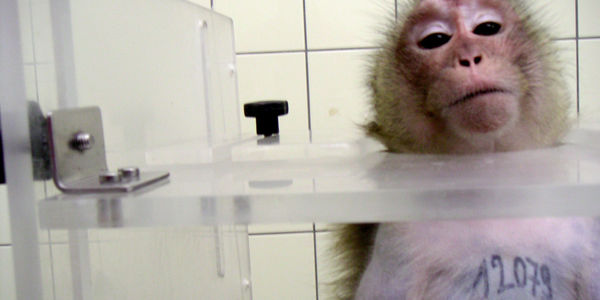
Animal Protection groups are calling on the Spanish holiday charter airline, Wamos Air, to immediately stop transporting monkeys for research laboratories following the tragic deaths this week of several monkeys on board its flight from Cambodia to the US.

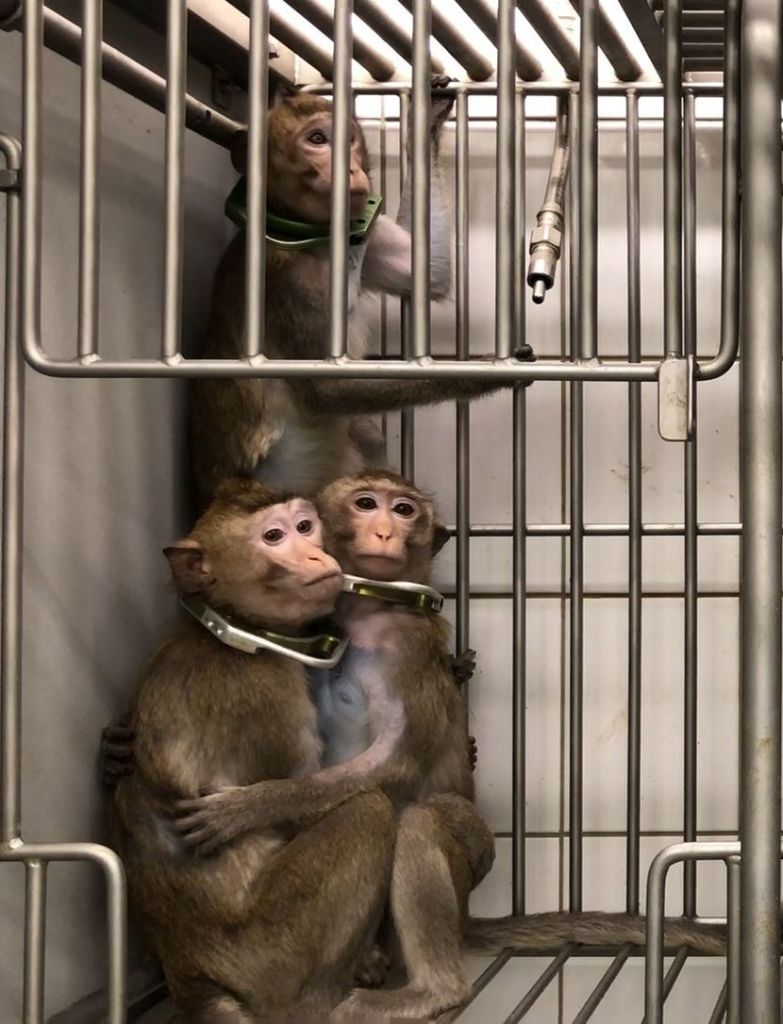
(Photo; long-tailed macaques on breeding farm, Cambodia, credit Cruelty Free International)
The tragedy began Sunday 14th November.

According to a tip-off received by a concerned person in Madrid, Wamos Air transported 720 long-tailed macaques as cargo on Flight EB998 from Cambodia (PNH) to Houston (IAH) (AWB 46090129060).

The ordeal suffered by these monkeys included confinement inside small transit crates for 24 hours of flying time, with an additional six hour stop-over in Tbilisi, Georgia, which included a three hour delay.

In addition, many hours would have been spent in transit to and from the airports.

In recent months, animal protection groups Action for Primates (UK), One Voice (France) and Stop Camarles (Spain), have spearheaded a campaign across Europe calling on Wamos Air to stop transporting monkeys after discovering the Madrid-based airline was flying thousands of monkeys to the US for research.

Sarah Kite, Co-founder of Action for Primates, stated:
“This tragedy exposes the shocking reality of the suffering inherent in the transportation of these intelligent and sentient beings. It is simply not possible to confine non-human primates to small crates, away from familiar surroundings, and transport them on long journeys across the world without causing considerable distress, physical and psychological suffering.

We know that deaths occur on airlines flying monkeys for research, but details are rarely publicised. This shocking and heartbreaking incident on board a Wamos Air flight is a stark reminder of the very real suffering involved in the global trade and transportation in non-human primates for research.”

The long-tailed macaque (Macaca fascicularis) is the most heavily traded non-human primate species for the global research and testing industry, with the US being one of the world’s largest importers and users of non-human primates for research.
In 2020, imports of long-tailed macaques from Cambodia by the US increased by 82.8% – from 8,571 in 2019 to 15,664 in 2020 (!!!)

Wamos Air, formerly Pullmantur Air, primarily operates passenger charter flights to holiday destinations, including in the Caribbean. It is a subsidiary of the Miami-based Royal Caribbean Group (formerly Royal Caribbean Cruises Ltd), the world’s second-largest cruise line entity, which operates Royal Caribbean International, Celebrity Cruises and Silversea Cruises.

During transportation, monkeys are held in small transit crates and travel as cargo.
In addition to the cramped conditions, they may be forced to endure inadequate ventilation, unfamiliar and loud noises, temperature and humidity fluctuations and delays en-route.

https://worldanimalsvoice.com/2021/09/14/wamos-air-stop-flying-monkeys-to-laboratories/

Monkeys may become ill or die in transit, as happened in this case.
For others, anxiety and stress can lead to infections and the onset of disease which may remain latent until the animals reach their destination.

For further information: https://actionforprimates.org/public/afp_news_2021.php…

Please share this post and join Action for Primates, One Voice and Stop Camarles, in speaking out for these monkeys and calling on Wamos Air and Royal Caribbean Cruises to stop flying monkeys to laboratories.

Even if you have written before, please do so again. The companies need to know that their involvement in this immoral trade is not acceptable:

Enrique Saiz, CEO, Wamos Air: charter@wamosair.com

Richard D. Fain, Chairman and CEO, Royal Caribbean Cruises Ltd: Rfain@rccl.com

Please also sign & share our petition: https://www.thepetitionsite.com/de/takeaction/776/007/311/

#StopPrimateShipments #StopPrimateTests #ProtectPrimates

And I mean…It should be noted that an important part of these monkeys are not used as laboratory instruments because they do not meet certain parameters. These are thrown away, which means, under abuse and cruelty, to be killed.

Today’s animal experiments seem to be very similar to the human experiments in Nazi concentration camps in Hitler’s time.
These crimes against people were the subject of the Nuremberg Doctors’ Trial.
But to date no laboratory doctor has appeared in court for his crimes against non-human animals.

Although we can never know if we will be successful every time, we can be sure that failure to act is failure.
So please sign now if you haven’t signed yet

My best regards to all, Venus

EU: Summary of the 10th meeting of the Platform on Animal Welfare.

PMAF

Summary of the 10th meeting of the Platform on Animal Welfare

15 November 2021

Green REV

The Platform on Animal Welfare met on the 10th of November to discuss a number of important issues from the sustainable food system framework to the recent citizens initiative to end the cage age, to the ongoing fitness check of the revision of the EU animal welfare legislation.

The aim of the platform is to promote dialogue among competent authorities, business, civil society organisations and scientists on animal welfare issues that are relevant for the Union. The dialogue intends to build mutual understanding, foster trust and encourage voluntary commitments between platform members to achieve concrete results in improving the welfare of animals. Eurogroup for Animals is a member of the platform along with our member organisations World Animal Protection, Green REV Institute, Welfarm, Compassion in World Farming, Four Paws and our Equine Working Group Chair Joe Collins. It was a lively meeting, however it left many people with more questions than answers, particularly concerning the balance between business and NGO stakeholders in the platform.   

The meeting kicked off with a video message from Commissioner Kyriakides, who couldn’t be in attendance, but gave her strong commitment to continue to improve the welfare of animals at European Union level. The platform received a presentation on the Sustainability Food Systems Framework, the public consultation on the sustainability food systems initiative will open in early 2022. The recent roadmap received a lot of feedback, with NGOs particularly stressing the need for policy option 4 as the only option with the capacity to deliver the change needed. 

Mark – WAV

The Commission then presented the Inception Impact Assessment on the revision of Animal Welfare Legislation with follow up presentations from the Vught Alliance Member States (NL, SE, DK, DE and BE), Eurogroup for Animals, and Copa Cogeca, representing the position of the farming industry, each outlining their vision for the new legislation. Eurogroup for Animals presented the No Animal Left Behind white paper which is calling for a new Kept Animals Regulation, that would provide protection for all animals kept for commercial purposes. This regulation would ensure all animals are afforded proper protection relevant to their species specific needs.

In the afternoon the platform discussed the creation of new subgroups and ongoing and new voluntary initiatives. The Commission proposed the creation of six new subgroups, which will contribute to the analysis of the different options developed in the context of the preparation of the revision of the animal welfare legislation. These subgroups are pigs, poultry, calves/dairy cows, transport, animal welfare labelling, slaughter/killing. There was a strong call to link these subgroups with voluntary initiatives to maximise the usage of expertise in these specific areas. The voluntary initiatives are currently on the responsible ownership and care of equidea, on the health and welfare of pets (dogs) in trade, on the welfare of fish and on the welfare of pullets. Members of the platform are invited to apply for different subgroups – Eurogroup for Animals will collaborate with our member organisations on the platform to ensure we are represented across all subgroups. 

Mark – WAV

The final presentation of the day was by PPILOW, who presented a Multiactor approach for improving animal welfare in poultry and pig low-input outdoor and organic production systems. Andrea Gavinelli, DG SANTE closed the meeting. The next Platform on Animal Welfare meeting will be held in June next year.

Powerpoint presentations from the meeting are available here.


Summary of the 10th meeting of the Platform on Animal Welfare | Eurogroup for Animals

Regards Mark

PMAF
Mark – WAV

France: Historic Animal Protection Bill Passed in France.

WAV Comment: Congratulations to all of our French animal campaigner friends in achieving such fantastic new legislation !

Historic animal protection bill passed in France

19 November 2021

LFDA

News

On November 18, the French Senate definitively adopted a new animal protection bill “aimed at combating animal abuse and strengthening the link between animals and humans”. This success follows an agreement on the measures by a joint commission (composed of deputies and senators) on October 21, and an almost unanimous adoption at the National Assembly on November 16.

Highlights of the bill include: 

Immediate ban on the breeding of mink and other animals raised specifically for their fur

End of wild animals in circuses within 7 years

Ban on keeping cetaceans in dolphinaria in 5 years

Increase in fines and recommended sentence times for those convicted of animal cruelty

Ban on the sale of dogs and cats in pet stores from 2024

Better regulation of the sale of animals online

The end of bear and wolf riders, pony rides or the exhibition of animals in nightclubs or parties by 2023

Awareness of respect for pets in the curriculum of primary education, colleges and high schools 

This victory marks a legislative turning point in France, a step forward that will lead to others, it is also the message that we want to send to the candidates of the 2022 elections.

Christophe Marie, Fondation Brigitte Bardot

It is a great victory long awaited by animal rights activists and a majority of French people, and a major breakthrough for the condition of animals in France.

La Fondation Droit Animal, Éthique et Sciences

This is a significant step forward for animal protection in France. Eurogroup for Animals congratulates our French member organisations for their tireless efforts that contributed to this victory.

Read more from our members:

UNE LOI HISTORIQUE POUR FAIRE PROGRESSER LA CONDITION ANIMALE EN FRANCE ! – Fondation Brigitte Bardot

La proposition de loi sur la maltraitance animale définitivement adoptée! – La Fondation Droit Animal, Éthique et Sciences

HISTORIQUE ! LA FRANCE INTERDIT LA CAPTIVITÉ DES CÉTACÉS EN DELPHINARIUM – C’est Assez

Regards Mark