
https://www.hillside.org.uk/
Regards Mark
IDITAROD – The gruesome Dog race in Alaska is sponsored by Formula 1!
Every year in Alaska the cruel dog race “Iditarod” takes place, in which dogs are tortured, mistreated, neglected, injured and also killed.
If the animals are no longer suitable for competition, they are often simply ruthlessly murdered.
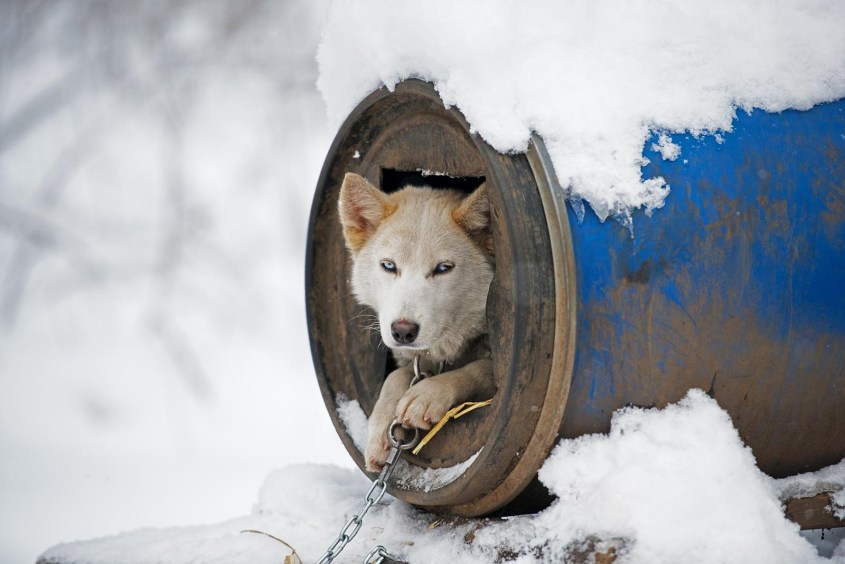
(We reported about it): https://worldanimalsvoice.com/2021/01/22/exxonmobil-ends-sponsorship-of-the-brutal-iditarod/
What very few people know, however, is that this horror race is sponsored by “Liberty Media”, the owners of Formula 1.
Despite the departure of all major sponsors, “Liberty Media” and its sub-company GCI are subsidizing the death race with more than $ 250,000 annually.
One might think that through leading personalities like Lewis Hamilton, who lives vegan and loves dogs, ethics and morals dominate Formula 1, but that is a fatal misconception.
With their help, dogs are exploited, tortured and killed, and all of this is completely legal.
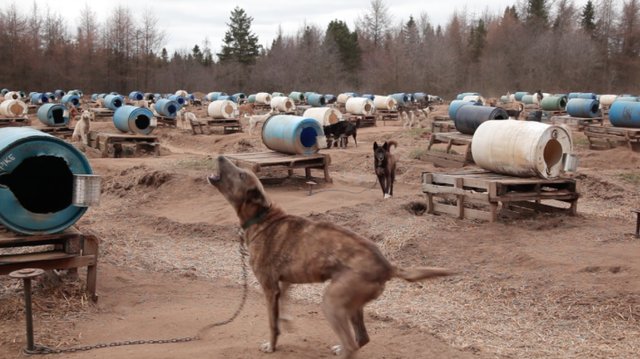
On the one hand, we condemn this terrible race itself and, on the other hand, the sponsorship by Formula 1 in the most decisive fashion.
Such competitions without empathy must be deprived of the breeding ground, i.e. the financial means.
Instead, they are pumping a large amount of money into the competition.
For us a shame that casts a gloomy shadow over the entire Formula 1.
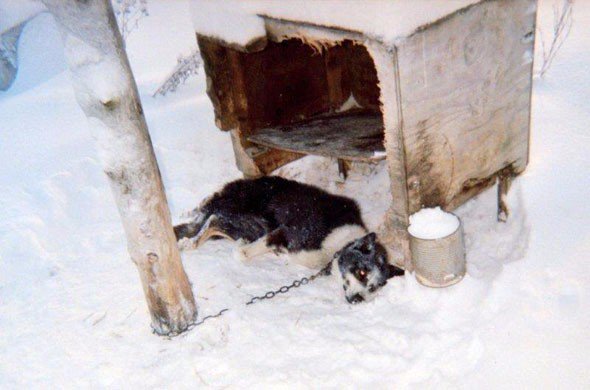
We appeal to “Liberty Media” to stop supporting animal cruelty and death with immediate effect and to make a public declaration for this madness, after all, as a sports organizer, you also have a great role model function.
Text: Gemeinsam für die Tiere (Together for the Animals)
Please everyone also sign the following petition to end this unholy sponsorship:
https://www.peta.de/aktiv/iditarod/
And I mean…It is not the first time that Formula 1 has supported a dubious business.
There has already been a shameful decision to reopen the Grand Prin in Bahrain (a kind of colony of Saudi Arabia) in 2020 after the postponement of the Bahrain Grand Prix due to the Covid-19 pandemic.
The Grand Prix in Qatar, Saudi Arabia and Abu Dhabi followed
Even then it was clear that Formula 1 did not see the right reason to cancel the Barin Grand Prix because of the massive human rights violations.
Amnesty International had sent a very good letter to the Formula 1 leadership in 2020, in which it expressed that a country like Barin, which suffers from human rights violations, should not be supported.
The Formula 1 in Saudi Arabia last weekend is also an indictment for the organizers in a political sense.
Because apart from the internal disregards and violations of human rights, Saudi Arabia is mainly responsible for the worst humanitarian crisis in the world in Yemen.
So if Formula 1 has no moral and no political inhibitions to support dictators all over the world, how can we expect them to stop supporting the animal abusers of the Inditarod regime in Alaska?
My best regards to all, Venus
Action for Primates is joining other animal protection groups across Europe in a Week of Action against the trade in long-tailed macaques for research from Mauritius.
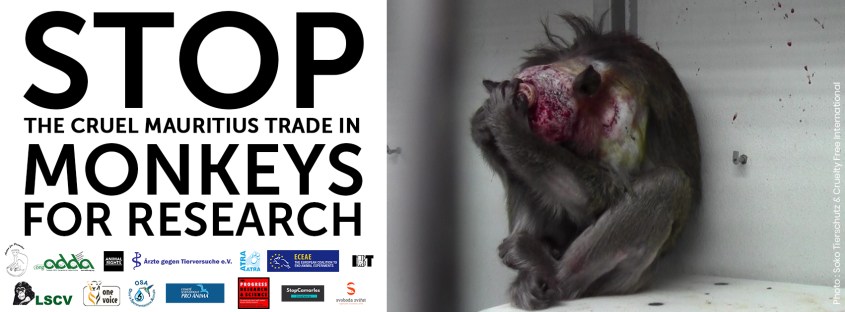
During 6th-11th December, more than a dozen European animal groups are raising awareness by holding events and taking part in a social media campaign that will focus attention on the Mauritius government, embassies and tourism offices across Europe, calling for an end to the Mauritius trade in monkeys for research.
Below, you will find numerous actions you can take to help the monkeys from Mauritius.
Please try to do all and ask others to join in this important campaign.
Mauritius, famous for its beaches, tropical climate, heritage sites and wildlife, is a popular destination for European holidaymakers.
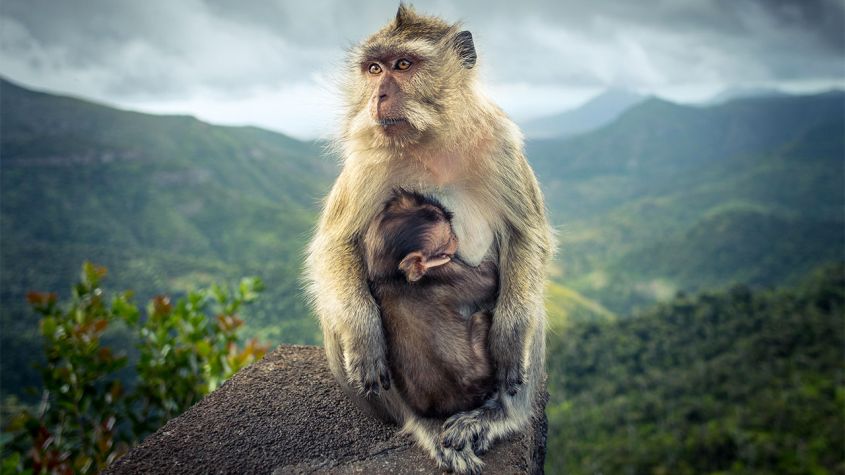
The country’s promotion as a “paradise island”, however, is tarnished by a dark side of which most holidaymakers are totally unaware: the country’s cruel persecution of the wild monkeys who share the island with the human residents.
Mauritius is one of the world’s largest exporters of long-tailed macaques for the global research and toxicity testing industry and the main supplier to Europe, exporting thousands every year.

There has been a significant increase in the number of monkeys exported during 2021. Between January and September, 10,810 individuals were sent overseas to laboratories, including 1,913 (Spain), 758 (France), 642 (UK), 109 (Netherlands), 112 (Canada) and 7,276 (USA).
This represents an increase of over 58% for the same period during 2020. Supply companies – Camarney SL in Spain and Silabe (Simian Laboratory Europe) in France – are known to regularly import many of these monkeys for breeding or for sale to laboratories in Europe.
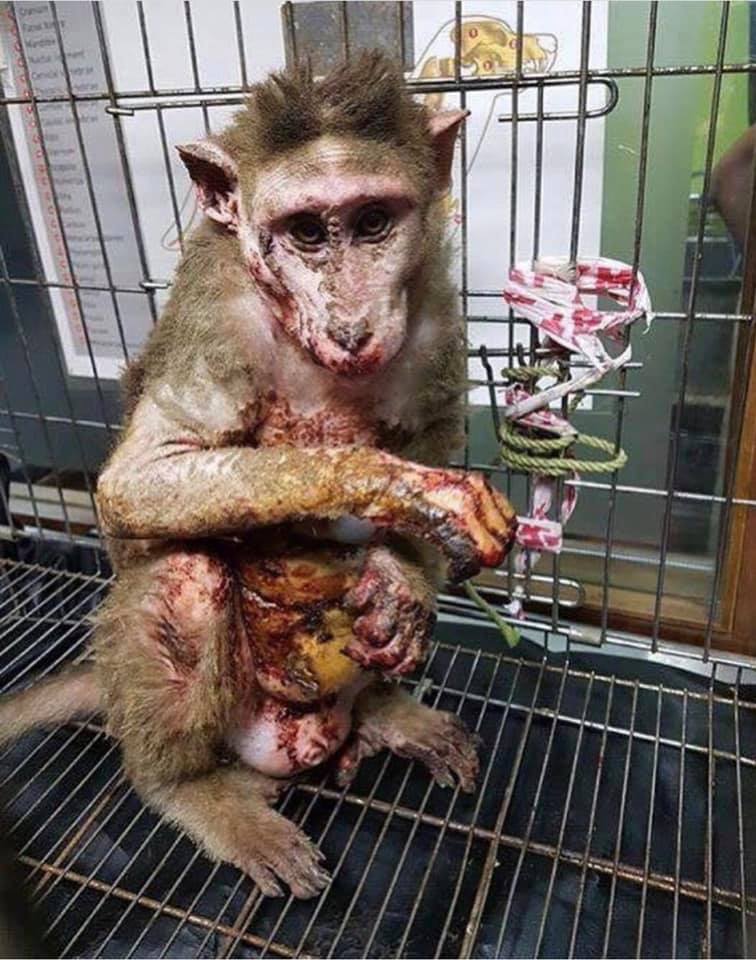
The monkeys are packed into small transit crates and transported from Mauritius as cargo by air.
Air France is the main airline known to be involved in transporting monkeys from Mauritius to Europe.
Other airlines that fly monkeys out of Mauritius to other destinations include Safe Air (Kenya-based) and Wamos Air (Spanish-based).
After France and Great Britain, Germany is the largest European “ape consumer”.
Continue reading “We call for the end of the monkey trade on Mauritius #Week of Action#”


Geronimo ‘killed for nothing’ as campaigners claim post-mortem reveals animal did not have TB
Post-mortem tests on Geronimo the alpaca, who was euthanised by vets in August after testing positive for bovine tuberculosis, failed to provide conclusive findings of the animal’s health.
Geronimo was culled by government officials in August after his owner, Helen Macdonald lost a lengthy legal battle to stop the killing.
She insisted that the two previous bovine TB tests returned false positives and Geronimo should have been tested a third time or allowed to live to aid research into the disease.
The alpaca was put down after police officers and staff from the Department for Environment, Food and Rural Affairs (Defra) arrived on Ms Macdonald’s farm in South Gloucestershire on 31 August.
At the time, Defra indicated the initial post-mortem had found a “number of TB-like lesions“, but further tests would be needed.

Chief veterinary officer Christine Middlemiss said that after further tests, it was not possible to culture bacteria from tissue samples meaning that whole-genome sequencing could not be carried out.
“Due to the complexity of the disease, further testing has not enabled us to use whole-genome sequencing to try to understand how the animal became infected in the first place,” she said.
“It is important to remember that infected animals can spread the disease to both animals and people before displaying clinical signs, which is why we take action quickly to limit the risk of the disease spreading.”
Defra said the additional bacteria culturing process carried out is not used to validate previous test results, but instead to identify which strain of the disease is present and inform decisions on testing other animals in the herd.
Dominic Dyer, who had campaigned alongside Ms Macdonald to save Geronimo, said the post-mortem examination results showed the animal did not have bovine TB.
“This case shows the level of incompetence, negligence and deceit on TB policy within Defra that goes back decades.

“Helen was a scapegoat. The poor alpaca Geronimo was killed for absolutely nothing in the most brutal disgusting way in front of the world’s media.
“This is a shameful, shameful incident when it comes to the environment policy and TB policy in this country.

“It’s about time that George Eustice took responsibility, and the prime minister firstly apologise to Helen, compensated her for all the pain and suffering she’s gone through and make sure that this never happens again.”
Related articles / news:
Geronimo the alpaca did have TB, Defra insists despite inconclusive post-mortem (telegraph.co.uk)
Geronimo the Alpaca’s owner reacts to ‘incredibly sad’ post-mortem results | ITV News West Country
Tests on Geronimo the alpaca fail to find source of bovine TB – BelfastTelegraph.co.uk
Culture results for Geronimo the alpaca – GOV.UK (www.gov.uk)
Our past posts relating to Geronimo:
Search Results for “Geronimo” – World Animals Voice
In lieu of this, we feel both of them should walk – out of their positions.
What a pathetic example of animal murdering when there is no justification – and remember all the thousands of badger deaths this pair are responsible for.


Regards Mark
Cats die in silence, unseen, hungry, suffer a slow death, dehydrated and many times ′ ′ poisoned ′ ′ by miserable people.
If there are kittens near your home, offer them food and clean water …
If it’s in your hands, sterilize a homeless kitten, that’s the only way to break that long chain of suffering.

If you don’t like them, don’t mistreat them or look at them like they have the plague.
Adopt with the heart and save a life.🐾🐾❤️
Text: Anna Pennino
Animals don’t need our pity.
They need our help.
And it doesn’t cost much to help a needy animal
regards, Venus


China ‘modified’ the weather to create clear skies for political celebration – study
Researchers say Beijing used cloud-seeding to create artificial rain and lower pollution in July, in latest example of ‘blueskying’ efforts
Chinese weather authorities successfully controlled the weather ahead of a major political celebration earlier this year, according to a Beijing university study.
On 1 July the Chinese Communist party marked its centenary with major celebrations including tens of thousands of people at a ceremony in Tiananmen Square, and a research paper from Tsinghua University has said an extensive cloud-seeding operation in the hours prior ensured clear skies and low air pollution.
The Chinese government has been an enthusiastic proponent of cloud-seeding technology, spending billions of dollars on efforts to manipulate the weather to protect agricultural regions or improve significant events including the 2008 Olympics.
Make it rain: US states embrace ‘cloud seeding’ to try to conquer drought
Cloud-seeding is a weather modification technique, which sees the adding of chemicals like small particles of silver iodide, to clouds, causing water droplets to cluster around them and increasing the chance of precipitation.
The Tsinghua study’s reported findings add to a small but growing body of scientific evidence around the success of the technology. Other countries have also invested in cloud seeding technology, but China has invested billions despite questions over the degree of its effectiveness, and debate about whether manipulating the weather in one area could disrupt weather systems elsewhere.

On Monday the South China Morning Post reported a recent research paper which found definitive signs that a cloud-seeding operation on the eve of the centenary had produced a marked drop in air pollution.
The centenary celebration faced what the paper reportedly termed unprecedented challenges, including an unexpected increase in air pollutants and an overcast sky during one of the wettest summers on record. Factories and other polluting activities had been halted in the days ahead of the event but low airflow meant the pollution hadn’t dissipated, it said.
The paper, published in the peer-reviewed Environmental Science journal and led by environmental science professor, Wang Can, said a two-hour cloud-seeding operation was launched on the eve of the ceremony, and residents in nearby mountain regions reported seeing rockets shot into the sky on 30 June. The paper said the rockets were carrying silver iodine into the sky to stimulate rainfall.
The researchers said the resulting artificial rain reduced the level of PM2.5 air pollutants by more than two-thirds, and shifted the air quality index reading, based on World Health Organization standards, from “moderate” to “good”.
The team said the artificial rain “was the only disruptive event in this period”, so it was unlikely the drop in pollution had a natural cause.
Last year Beijing announced plans to expand its experimental weather modification program to an area 1.5 times the size of India – 5.5 million square kilometres – covered by artificial rain or snow. The State Council has said it aims to have a developed weather modification system by 2025, including another half a million square kilometres hosting hail suppression technologies.
In the five years to 2017 state media claimed China had spent more than US$1.3bn on the technology and induced about 233.5bn cubic meters of additional rain. In 2019 officials said weather modification practices, usually the firing of iodine-packed shells to disrupt unfavourable weather fronts, had helped to reduce 70% of hail damage annually in agricultural regions of Xinjiang.
However it has also been used for political and other significant events, including the 2008 Olympics, the 2014 APEC summit, as well as National Day parades and annual Two Sessions meetings.
Cloud spraying and hurricane slaying: how ocean geoengineering became the frontier of the climate crisis
The weather manipulation activities, also known as “blueskying”, are usually implemented in conjunction with social changes in the lead up to events, including the shutdown of factories, construction and other polluting industries, and encouraging people to stay off the streets or leave the region, said Dr Shiuh-Shen Chien, of National Taiwan University’s department of geography, in a 2019 essay for Society+Space.
Dr Chien said China’s weather authorities had “institutionalised” climate controls for decades, with technological attempts dating back to the 1980s, but was unique in using it not just for commercial or agricultural reasons but also for “propaganda purposes”.

Regards Mark
The European Commission wanted to equate hunting and fishing with mining and ban them on 10 percent of the land area.
DJV (German Hunting Association) and other organizations successfully protested against it.

DJV calls on the federal government to implement the biodiversity strategy with a sense of proportion.
The European Commission has given up its controversial goal (!!) of enforcing a hunting ban on ten percent of the land area of the European Union. This is evident from the Commission’s statements on the application of its directives.
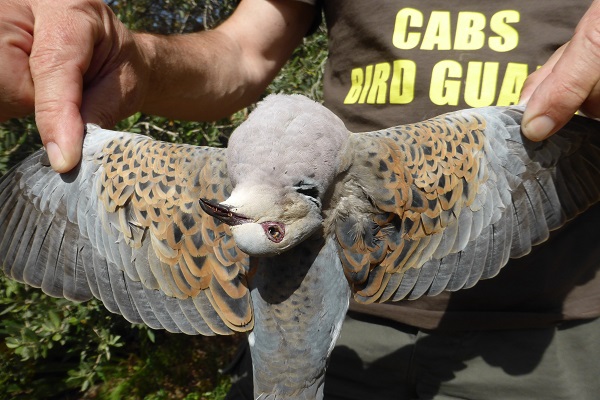 User associations, among others, have shown strong resistance to the plans in advance.
The German Hunting Association (DJV) had urged the federal government to delete the problematic formulation and exerted influence through the umbrella organization of European hunters, FACE.

The DJV welcomes the relenting of the European Commission and calls on the new federal government to implement the goals of the EU biodiversity strategy with a sense of proportion.
“Protecting through use is an internationally recognized principle for successful species protection”, said DJV board member Professor Jürgen Ellenberger.
In May 2020, the European Commission presented its guidelines for implementing a biodiversity strategy.
It stipulated that strict protected areas should comprise 10 percent of the land area of the European Union (EU).
 The plan was to prohibit any “extractive” activity there.
In addition to mining, this should also include hunting and fishing.
The DJV has now successfully protested against this approach together with FACE, the action alliance Forum Natur and many other organizations. The European Parliament and a large part of the EU member states also expressed strong criticism of the excessive approach of the Commission.
https://www.jagdverband.de/eu-jagdverbot-schutzgebieten-vom-tisch
And I mean…This withdrawal has the potential to massively destroy the few remaining wildlife rights, and it has already happened.
The report is the proof that the EU Commission business model is a completely failed institution made up of lazy, irresponsible, corrupt politicians.
As soon as the hunters protested (not sued, just protested) the EU Commission had to give up its target.
This 10% protection would be the least that the EU should do against the massive murder of wild animals, especially wild birds in the EU area. According to reports of the Committee against Bird Murder, the sum of all determined numbers of shooting wild and migrating birds amounts to a total of around 53 million LEGAL deaths per year!
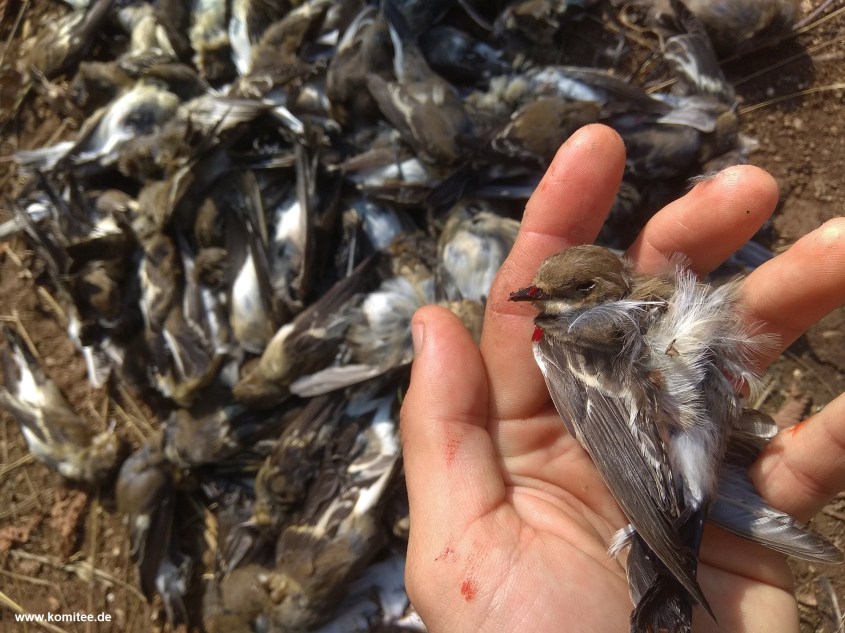
In the case of migratory birds, further losses in the millions are to be expected.
Also not included are losses through illegal hunting and bird trapping, including snares, which are among the most cruel animal traps of all.
As if this were not cruel enough, the commission obeys its allies, the hunter gang, and cancels its decision even to declare the populous 10% of the land area as protected areas.
FACE President, Torbjörn Larsson stated: “We are very pleased that common sense has prevailed and that there is no blanket hunting ban in this new category of strictly protected areas.
FACE has been actively opposed to unjustifiably banning hunting, highlighting that hunters play a key role in protected area management in Europe”. While thanking FACE Members for actively discussing this file at national level, Torbjörn Larsson added: “This shows how important it is for Europe’s 7 million hunters to work together”.

It is understandable that the FACE President gives such shit in public. But the fact that no one from the EU Commission is ashamed of being manipulated and led by FACE is a sign that this authority has no right to exist.
My best regards to all, Venus
When you receive a call about your vehicle’s extended warranty, you likely hang up without paying a dime—you know it’s a trick.
However, shoppers often don’t apply the same kind of thought when at the grocery store.
Unfortunately, much like a suspicious call offering a deal that’s too good to be true, “humane” and “sustainable” labels on animal-derived foods are deceptive.
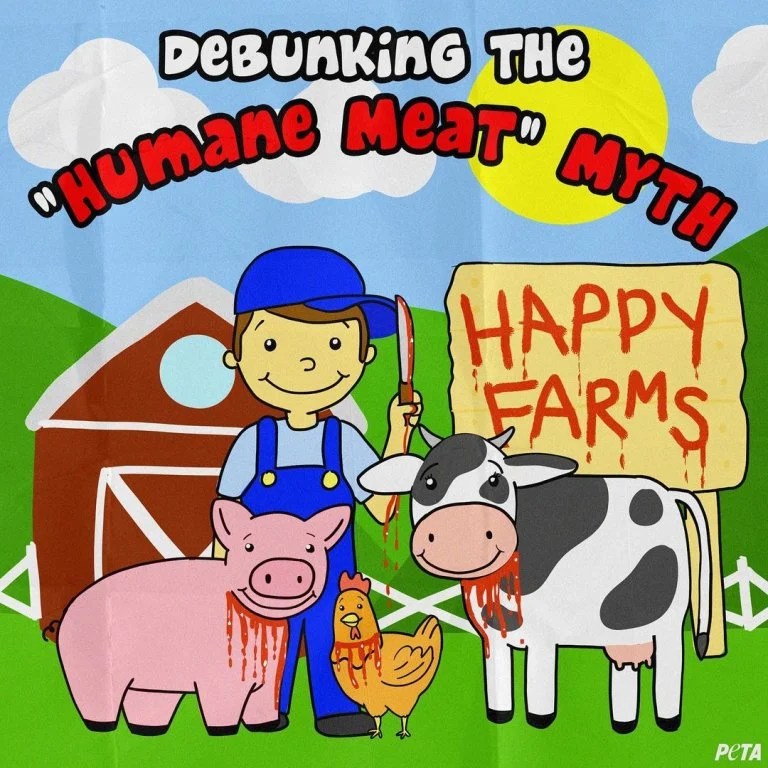
Instead of selling delicious vegan foods that are truly humane, many companies simply slap misleading labels touting compassion on the same types of cruelly sourced products that they’ve sold for decades.
This is known as “humane-washing,” and it’s a marketing ploy that makes consumers believe that they’re making kind choices when they’re actually not.
Here, we’ll break down what these deceptive labels really mean.
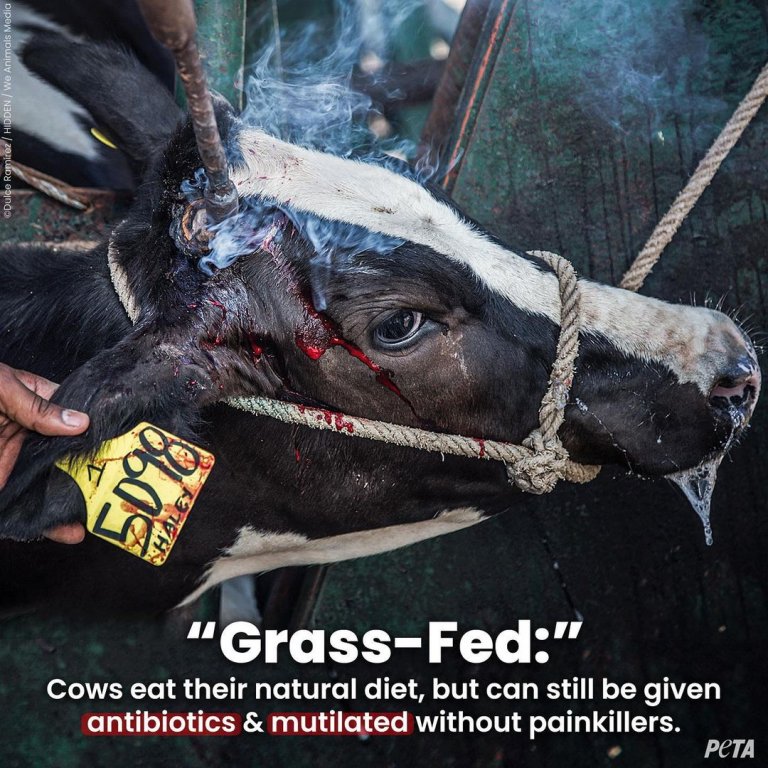
 ‘Grass-Fed’ Cows
The U.S. Department of Agriculture doesn’t verify the accuracy of producers’ claims, so it’s nearly impossible to know what the cows really ate.
“Grass-fed” cows are still subjected to mutilations without painkillers—hot irons are pressed into their skin, and their sensitive horns are burned off.
Farmers and ranchers may clear vast acres of land filled with natural plant life in order to graze cows, which kills wildlife and causes erosion.
’Cage-Free’ Chickens and Eggs
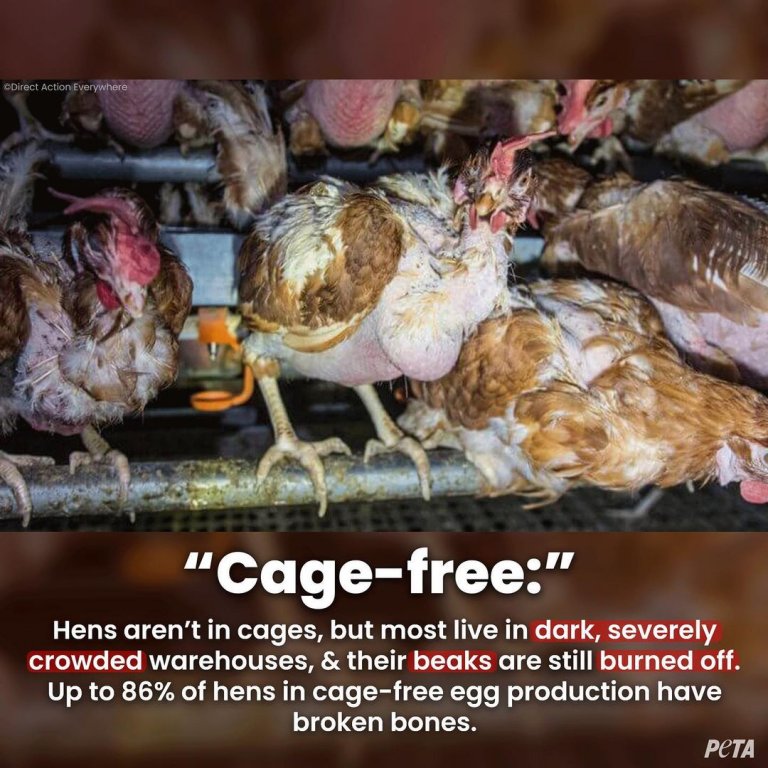
-Hens used in the egg industry live in dark, severely crowded warehouses.
-The tips of chicks’ beaks are commonly burned off.
-Up to 86% of hens used in cage-free egg production have broken bones.
-All male chicks are killed—often ground up or thrown into the trash to suffocate—because they’re considered useless by the egg industry.
What if Animals Raised With ‘No Antibiotics’ Get Sick?
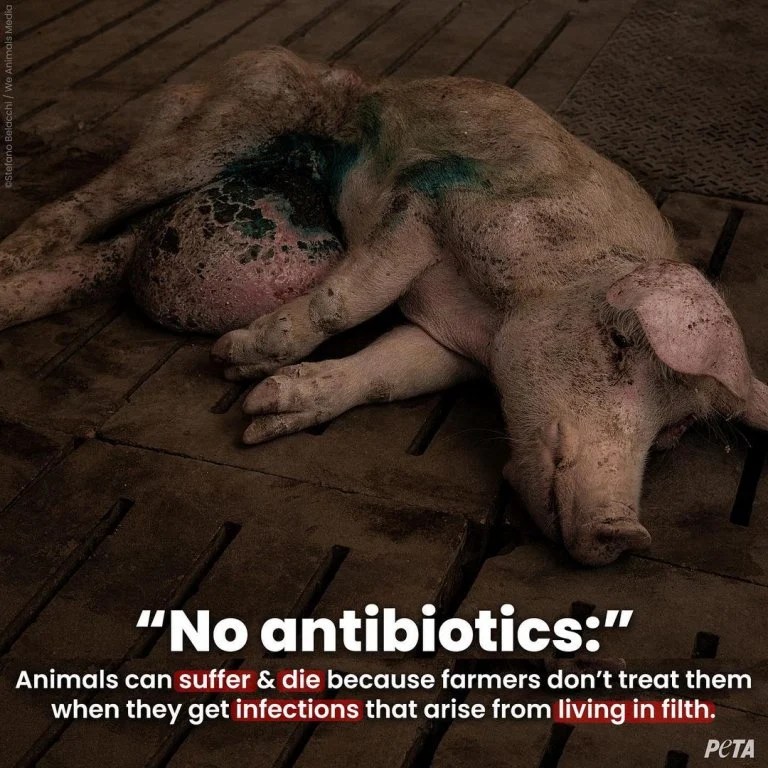
Producers can use this label as long as they provide “sufficient evidence” that the animals were raised without antibiotics.
More animals can suffer and die because farmers don’t treat them when they get infections, in order to keep the deceptive label.
 Which Animals on Farms Are Raised With ‘No Hormones’?
This label applies only to the flesh and milk of cows. It’s illegal to give hormones to chickens, pigs, and turkeys, so any company advertising hormone-free products from these animals isn’t doing any extra work.
If you look closely, you should find a stamp reading, “Federal regulations prohibit the use of hormones.”
Essentially, this is the equivalent of marketing zero-calorie water but with cruelty to animals thrown into the mix.
Continue reading “There is no such thing like “humane meat””

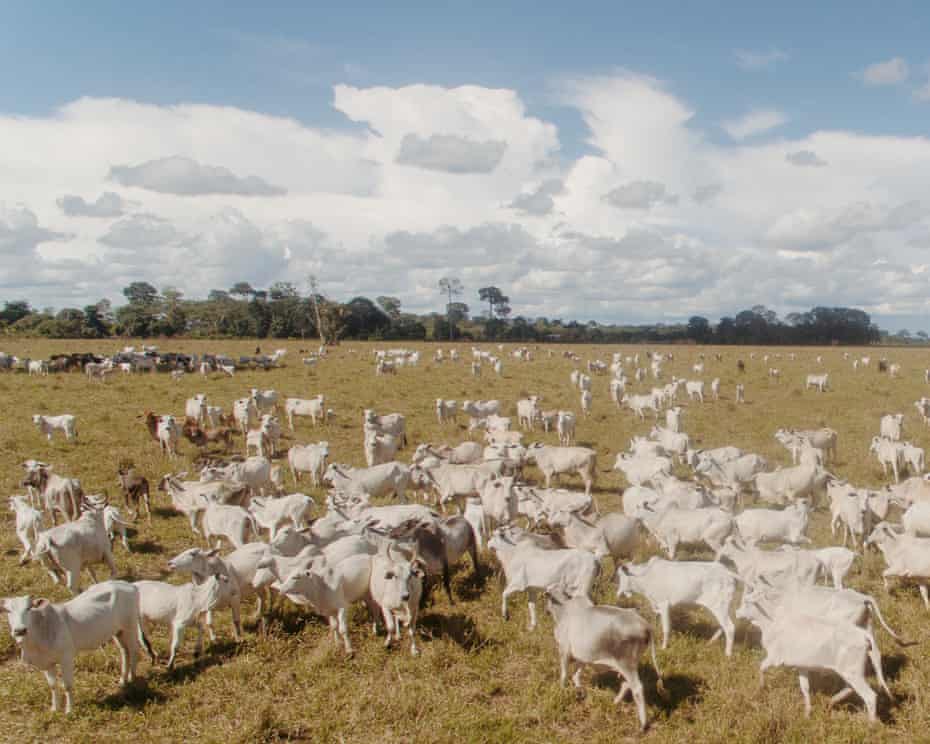
Brazil’s Amazon beef plan will ‘legalise deforestation’ say critics
The beef industry hopes a planned deforestation-free farming zone will tempt buyers back but many fear it will drive up illegal tree felling
Brazil’s Amazon beef plan will ‘legalise deforestation’ say critics | Deforestation | The Guardian
For many, the overriding image of agriculture in the Amazon is one of environmental destruction. About 80% of deforestation in the region has been attributed to cattle ranching, tainting beef exports.
Brazil’s beef industry hopes to tempt buyers back to the Amazon region, which covers about 40% of the country’s total area, with a new deforestation-free pledge. But critics are concerned it could effectively legalise deforestation in the region.
In May, government officials began fleshing out the details of the so-called Amacro sustainable development zone, which it is hoped will lead to a massive intensification of agriculture in the Amazon. The Brazilian president, Jair Bolsonaro, is expected to greenlight the project later this year.
The Amacro zone – an acronym taken from the states it covers: Amazonas, Acre and Rondônia – is a vast 465,800 sq km (180,000 sq mile) region in north-west Brazil. It encompasses the Mapinguari national park, Brazil’s fifth largest protected area, and the Kaxarari indigenous territory, where the tribe has struggled to defend its land against loggers. Greenpeace has identified the northern portion of the zone as an emerging deforestation hotspot.
Previous agricultural development projects have led to the loss of vast tracts of native vegetation in other parts of Brazil, but Amacro’s proponents promise it is being designed to prevent illegal deforestation. Edivan Maciel, the former agriculture secretary in the state of Acre, says the aim is to produce more beef on land that has already been cleared. It is about “optimising what we already have without having to advance over the forest”, says Maciel, a Bolsonaro-allied appointee.
But Humberto de Aguiar, a federal prosecutor in Acre who handles environmental crimes, told the Guardian that the effect of the plan is such as “to legalise the deforestation already being done”.
It’s very difficult to stay legal. If I had another means of survival, I would leave
Gabriel Santos*, small-time rancher
Amacro is the brainchild of Assuero Doca Veronez, a powerful figure in Amazonian agribusiness, who told a Brazilian news site last year that “deforestation for us is synonymous with progress”. Veronez, a ranch owner and president of Acre’s Federation of Agriculture and Livestock, was fined for illegal deforestation in 2006. He denied any wrongdoing and said he sold the property in 2002.
Veronez says more intensive cattle ranching will enable more beef to be produced on less land and protect against deforestation. He claims to produce about 2.5 times the state average for beef. “Amacro can contribute to the preservation of these areas,” he says.
The idea that a shift to intensive ranching could cut deforestation in the Amazon is disputed by some researchers. It may be a flawed approach, concluded a University of California report in 2017, which noted, “the opposite could be true”.
Judson Valentim, a researcher at Brazil’s agriculture research agency, says intensification is unlikely to change the system responsible for the breakneck pace of deforestation. Veronez, like most large ranchers, relies on a network of smaller producers, most of whom, according to Valentim, lack the technical and financial resources to invest in more efficient grazing practices.
While ranchers like Veronez may avoid deforestation, their suppliers may not have the luxury to do so, says Valentim.
Growing demand for Amazonian beef has tempted more local people to raise cattle as a viable livelihood for feeding their families, leading to a sharp increase in illegal deforestation.
Gabriel Santos*, a small-time rancher from the Amacro zone, has been fined more than $130,000 (£96,000) for illegally clearing land in the reserve for grazing. But he says converting the forest to pasture is his only viable economic option.
Revealed: UK supermarket and fast-food chicken linked to deforestation in Brazil
Because Santos’ farm has been blacklisted by regulators, he cannot sell cattle directly to slaughterhouses. So he sells to a middleman, who sells on to the big ranchers.
If big ranchers become more productive, even if they do so without cutting the forest, it pressures the forest-razing cattle producers beneath them to grow their operations as well, says Valentim.
Veronez says he has nothing to do with other people’s environmental issues: “I’m absolutely against this kind of control.”
Although Brazilian law restricts most Amazonian landowners from clearing more than 20% of their property, lack of regulatory oversight helps to explain why 94% of deforestation may be undertaken illegally.
“It is very difficult to stay legal,” says Santos, who has racked up half a dozen eviction orders because of unpaid fines. He says with an annual income of $10,000, he cannot pay. He hides when government agents come to his property and fears he will eventually be hauled to jail. He attributes a recent heart attack to the stress.
“How am I going to support my family?” he pleads. “If I had another means of survival, I would leave. I only stay here because I have nowhere to go.”
Regards Mark

“From an early age we are presented with an idealised view of what farms are like and how animals live on them.”
World Animal Protection hopes to change that with their Factory Farm Playset. Or ‘the worst toy in the world’, as they have labelled it.
Unlike ordinary farmyard toys, the playset has been designed to show the unnatural living conditions forced upon cows, pigs and chickens on intensive farms. It even has a warning on the packaging highlighting the methane and CO2 emissions from farming that contribute to climate change.
“While 5 or 6-year-olds may not have a grasp on politics, diplomacy and global issues, they have a clear sense of right and wrong and the need to make changes,” says Lindsay Duncan, UK Campaigns Manager for Farming at World Animal Protection.
The charity hopes the 1/32 scale model will allow children “to reimagine the traditional farmyard narrative we are taught while we are young.”
What is factory farming?
It is estimated that at least 50 billion animals are reared on factory farms every year. This means they are deprived of natural light, outdoor space and sustainable feed.
Designed to maximise production and minimise costs, agribusinesses keep livestock like cattle, poultry and fish at high stocking densities on large-scale production plants.
These cramped conditions cause serious health problems for many animals.
Over 80 per cent of factory-farmed pigs in the U.S. have pneumonia upon slaughter, while battery-farmed chickens spend their entire lives in a cage smaller than an iPad.
Weight-gain drugs administered through feed cause chickens to reach slaughter weight after only 35 days. This process would take over 90 days under natural conditions.
How does intensive farming impact the environment?
The Factory Farm Playset not only highlights the ethical dilemmas of intensive farming, it also underlines its correlation with climate change.
“Animal agriculture is responsible for producing the equivalent of 7.1 giga-tonnes of CO2 per year – that’s 14.5 per cent of greenhouse gas emissions,” continues Duncan.
If left unchecked, agriculture is projected to produce 52 per cent of global greenhouse gas emissions in the coming decades – 70 per cent of which will come from meat and dairy alone.
“We have to have a reduction in meat eating and an end to factory farming to help avoid further damage to the climate. Eating less meat and growing crops for human beings instead of animals uses significantly less land and resources, drastically reducing emissions and taking the pressure off wild animals and their habits.”
And while the Factory Farm Playset is designed for children, World Animal Protection hopes adults will come to the same conclusion.
“We can all learn something from it to help protect the planet for future generations. We, the ‘grown-ups’, have to change our ways, and quickly.”
World Animal Protection’s ‘Say Yes to Less’ campaign is encouraging people in the UK to do their bit to put an end to factory farming by taking meat off their plates – for a day, a week, or a whole month.
Watch the video above to find out more.
Regards Mark
 World Animals Voice