What a PETA eyewitness documented at Liberty Research, Inc.—a New York–based facility that conducts experiments on animals for pharmaceutical giants such as Bayer and Merck and churns out thousands of animals for use in other deadly tests—is horrifying.
In one experiment, workers used a drill to bore holes into the skulls of 30 beaglesso that distemper virus could be injected directly into their brains. Some dogs blinked and even whimpered during the painful procedure, and they woke up moaning. In the days that followed, they banged their heads against the walls of the cages, causing blood to spurt from their wounds.
Following PETA’s exposé of the suffering that dogs and cats endured at Liberty, the U.S. Department of Agriculture and state officials cited the company for failing to provide some of the approximately 3,000 animals in its “care” with adequate veterinary care. The laboratory was also suspended from experimenting on animals for three months after its renewal application was denied.
But despite evidence of rampant cruelty and a laundry list of citations, pharmaceutical companies and universities are still commissioning tests and ordering live animals from Liberty—and the animals locked inside its windowless buildings need your help.
Actually, the two live peacefully side by side (??) But now a group of chimpanzees has shown themselves surprisingly aggressive towards the larger apes.
Researchers have observed for the first time how they attack gorillas and even killed two.
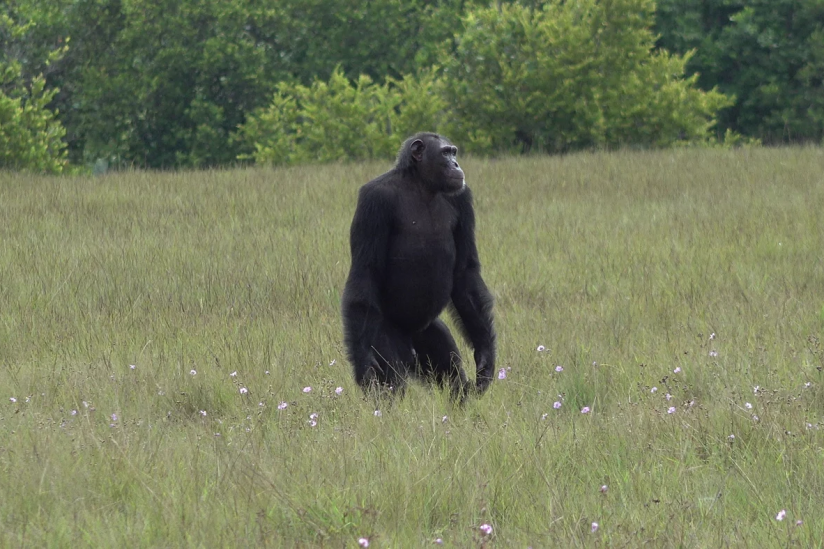
Two adult male chimpanzees in Loango National Park in Gabon.
Chimpanzees have long been considered peaceful fellows.
But at least since the 1970s we have known that they can do things differently – when Jane Goodall documented extremely brutal and bloody attacks by the great apes.
They usually go after rival conspecifics in territorial disputes.
In addition, chimpanzees prey on smaller animals, including other species of monkeys. However, it was not previously known that they also attack other hominids.
But researchers observed two deadly attacks by chimpanzees on gorillas in 2019.
“Interactions between chimpanzees and gorillas were previously considered relaxed,” says behavioral biologist Simone Pikafrom the University of Osnabrück, Germany, describing the relationship between the primates in a press release:
“We have regularly observed both species peacefully in foraging trees, and our Congolese colleagues have even witnessed chimps and gorillas playing together”.
In the Loango National Park in Gabon, Africa, the monkeys lived happily side by side until the brutal attacks took place.
Since 2005, scientists from the Max Planck Institute for Evolutionary Anthropology in Leipzig and the University of Osnabrück have been researching the behavior of around 45 chimpanzees in relation to their social relationships, interactions with other groups, their hunting behavior, their tool use and their communication.
In the journal Scientific Reports they describe the disturbing incidents and remember the first one in February 2019: “At first we only heard screams from the chimpanzees and thought we were observing a typical encounter between neighboring chimpanzee communities. But then we heard chest drumming, a display behavior characteristic of gorillas, and realized that the chimpanzees had encountered a group of five gorillas.”
Silverback on chest drums.
A total of 18 chimpanzees attacked a silverback, three adult females and a baby for 52 minutes.
The second time, in December 2019, 27 chimpanzees attacked seven gorillas, including one adult male and three females, one cub and two children, for 79 minutes.
In both attacks, the gorillas tried to defend themselves and fought back. However, they had no chance against the majority of the chimpanzees.
The adult animals were able to escape, but two gorilla babies were killed, one of them even being eaten by the chimpanzees.
Only three of the attackers were injured.
How did the attacks come about?
The researchers don’t know for sure. Attacks and killings between different animal species usually occur because of hunting for prey or competition for food.
“It could be that the coexistence of chimpanzees, gorillas and forest elephants in Gabon’s Loango National Park has led to greatly increased competition for food, which in extreme cases erupts in deadly conflicts between the two great ape species,” explains co-study author and primatologist Tobias Deschner from the Max Planck Institute for Evolutionary Anthropology.
Climate change may also have contributed, as it makes food and other resources increasingly scarce.
The researchers have several possible explanations for the observed aggression.
“Interspecies kills can be interpreted as either foraging behavior or competition for food. We are only beginning to understand the impact of food competition on the interactions between the two great ape species,” says Simone Pika.
“Our study shows that there is still a great deal to explore and discover about our closest living relatives and that Loango National Park, with its unique mosaic habitat, is a unique place to do so”.
And I mean..Here the following must be said: The two species have never lived side by side peacefully because they don’t usually meet in the wild.
The human species is expanding, and its fellow animal inhabitants are left with less and less living space.
It`s about distribution struggle for increasingly scarce resources, obviously that’s man-made, man has a decisive part to play in it.
The term “murder” does not apply to killings within the animal kingdom because it comes from the human world of consciousness and animals are not capable of the complexity of categorical thinking.
They give themselves no moral and ethical account of why they do or don’t do something.
Precisely this characteristic of conscience is also part of the qualification of a homicide: whoever kills insidiously and with full calculation is a murderer.
The characteristic cannot be applied to animals. And chimpanzees belong in the animal world.
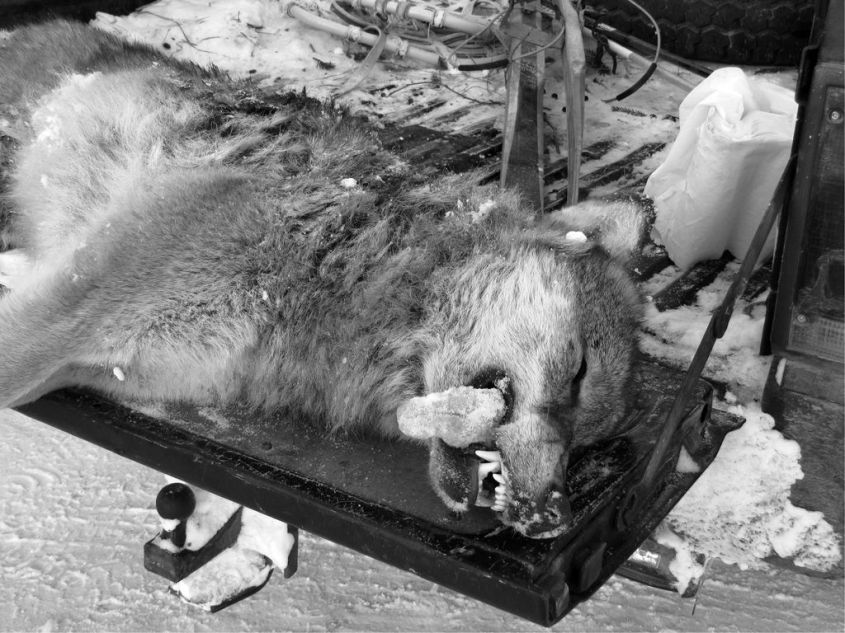
The current 2022 hunt is even more gruesome than usual as various local county governments work together to eradicate entire families of wolves from their territory and habitat.
Norway (a non-EU country where the hunt for54 wolves can continue until May 31) and Sweden are cooperating in this grotesque eradication effort and creating a wolf holocaust.
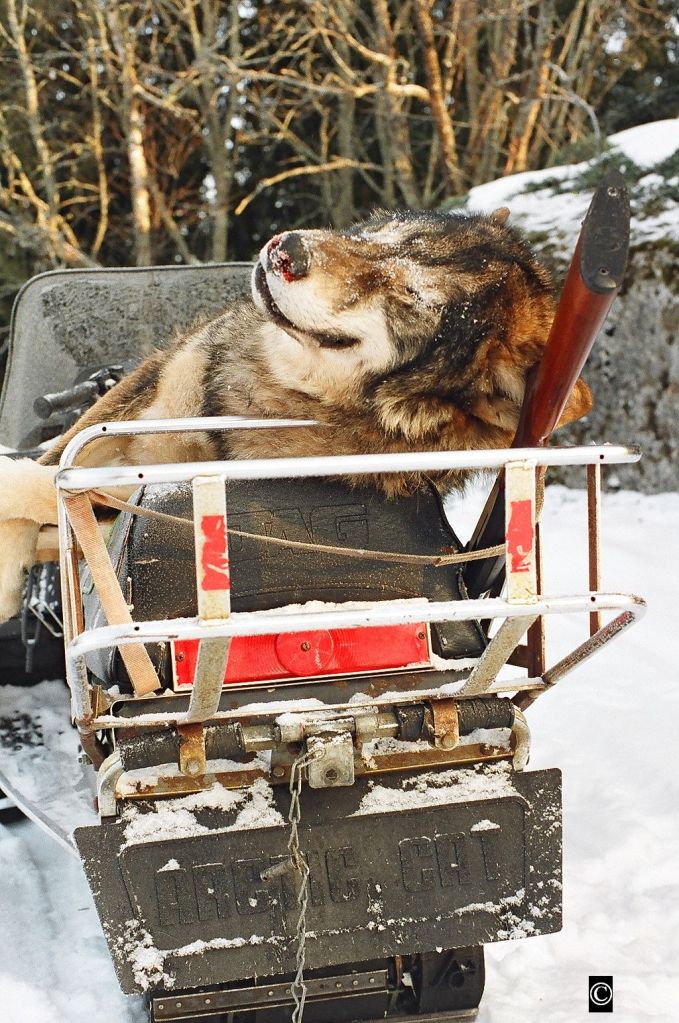
Almost 2,000 hunters have signed up on the Swedish side to kill 27 wolves. Finland has also launched a hunt for 20 wolves.
Thus, in Scandinavia in 2022 more than 100 wolves will be slaughtered in the most gruesome ways.
The intentional killing of predators goes against the spirit and spirit of the EU’s Habitats Directive protecting endangered species.
NGOs in Sweden, Norway and Finland have called for the hunt to stop. Not in line with modern nature conservation: Sweden has been involved in the cruel business of trophy hunting for brown bears, lynx and wolves since 2010.
Wolves and other predators were nearly wiped out by human persecution in the late 19th century. At the beginning of the 19th century, the love of nature and the movement of people to urban areas contributed to a renewed appreciation for a diverse range of animals. The Hunters’ Association also contributed to the protection of certain species.
Unfortunately, in the late 1930s the Hunters’ Association was entrusted with the management of wild animals by the state and received enormous economic resources, linking the state and hunting interests, on a model then used in authoritarian Germany.
This model is still valid and gives them a budget of about $5.6 million each year.
This created an institution that would exercise control over wildlife and act as a lobbying force infiltrating government and the hunting political agenda at all levels. And this despite the fact that hunters make up less than 3% of the population.
Why is there a trophy hunt in a developed country like Sweden?
Wolves were fully protected starting in 1966 to save the species.
But as we can see, that has changed, even though Sweden has been subject to EU safeguards since joining the EU in 1995.
Since 2010, licensed hunting has expanded trophy hunting in Sweden as hunters are now allowed to kill bears, lynx and wolves. Foreign hunters are also welcome.
WAV Comment – As if the UK government is not in enough deep water with their Covid drinks parties ! – another issue to anger the general public and to head them deeper down to road to election loss next time round. Pathetic by ignoring scientific advice – but then they, the fools, have always thought of themselves as better. The people will decide.
The government has ignored the advice of its scientific advisers to allow sugar beet farmers to deploy abanned bee-killing neonicotinoid pesticide in 2022.
British Sugar has successfully applied for an exemption to permit the banned pesticide, known as Cruiser SB, to be used in England this year because of the threat to sugar beet posed by a virus transmitted by aphids.
The decision by the environment secretary, George Eustice, to allow the “emergency” use of the neonicotinoid thiamethoxam came despite the Health and Safety Executive and the government’s expert committee on pesticides concluding that the requirements for an emergency authorisation had not been met, and that pollution from the pesticide would damage river life.
Announcing the decision, the environment secretary said that farmers would be forbidden from growing flowering plants for 32 months after the sugar beet crop to reduce the risk to bees, but admitted: “It was not possible to rule out completely a degree of risk to bees (and this is the case even with a 32-month exclusion) from flowering plants in or near the field in the years after neonicotinoid use.”
Environmental charities condemned the move as “shameful” and “a betrayal”.
Sandra Bell, campaigner at Friends of the Earth, said: “Allowing a bee-harming pesticide back into our fields is totally at odds with ministers’ so-called green ambitions, not to mention directly against the recommendation of their own scientists. This decision comes just two months after the government enshrined in law a target to halt species loss by 2030.”
Stephanie Morren, senior policy officer for the RSPB, said: “As we tackle the nature and climate emergency on our doorsteps we need decision-makers to support our farmers in delivering sustainable farming. This means upholding the ban on highly toxic pesticides like neonicotinoids, and instead working to support our farmers in reducing their reliance on these harmful chemicals.”
Matt Shardlow, chief executive of Buglife, said: “Neonicotinoids approved under the current pesticide approval process devastated populations of wild bees and heavily polluted rivers. It is shameful that no action has been taken to ensure that bee and wildlife destroying pesticides are properly assessed as being pollinator safe before they are approved or derogated for use.”
Neonicotinoids were banned for agricultural use across the EU and Britain in 2018 due to their devastating impact on bee populations. Tiny traces of these toxic chemicals in crop pollen or wildflowers damage bees’ ability to forage and navigate. A recent scientific study found that even a single exposure to a neonicotinoid insecticide could significantly damage future generations’ ability to reproduce.
The exemption for Cruiser SB was also granted in 2021 but was not needed by sugar beet farmers because modelling indicated that the yellows virus carried by aphids would pose no threat. In 2020, according to the government, the virus destroyed a quarter of the national crop.
A Defra spokesperson said: “This decision has not been taken lightly and is based on robust scientific assessment. We evaluate the risks very carefully and only grant temporary emergency authorisations for restricted pesticides in special circumstances when strict requirements are met.
“Last year the threshold was not met so the authorisation was never exercised. Strict criteria remain in place meaning this authorisation will only be used if necessary.”
Ministers have given the go-ahead for farmers to use a banned bee-harming pesticide in England for the second year running.The government went against the advice of its own scientific advisers, who said they did not see the justification for applying the neonicotinoid to sugar beet this year.
A single teaspoon of thiamethoxam is toxic enough to kill 1.25 billion bees, according to biology professor and insect expert Dave Goulson, and wildlife chiefs warned the decision could devastate already-struggling bee populations.
Environment officials announced they will permit the use of the pesticide to try to combat a virus transmitted by aphids.
They say the UK’s sugar harvest could otherwise be at risk this year and that “its exceptional temporary use will be tightly controlled and only permitted in very specific circumstances when strict requirements are met”.
Neonicotinoids are considered so harmful that they were banned by the UK and the EU in 2018, but since then 12 countries, including France, Denmark and Spain, have also granted emergency permits for neonicotinoid treatments to go ahead.
This time last year there was an outcry when ministers first gave beet farmers the green light to apply the pesticide, although eventually it was not used because a cold winter killed off the aphids.
Wildlife experts warned the decision “sounds a death knell for millions of bees and other insects” and flies in the face of government pledges to halt biodiversity loss.
The Pesticide Collaboration, which encompasses environmental organisations the RSPB, Friends of the Earth, Buglife and the Wildlife Trusts, said the would harm of wildlife and that the government should increase protection for bees and other wildlife from the harm caused by pesticides.
Minutes from a meeting of the Expert Committee on Pesticides say members agreed that the requirements for emergency authorisation had not been met and that pesticide water pollution caused by the decision would harm river life.
Even minute traces of neonicotinoid chemicals in crop pollen or wild flowers “play havoc with bees’ ability to forage and navigate, with catastrophic consequences for the survival of their colony”, according to the RSPB.
A recent study showed that even one instance of exposure of a “neonic” insecticide significantly harmed bees’ ability to produce offspring.
A third of the UK bee population is thought to have vanished in a decade, yet up to three-quarters of crop species are pollinated by bees, studies show.
Thiamethoxam is a seed treatment, taken up by the whole plant, including the flower, pollen and juices from the plant insects forage on, wildlife experts say.
Sandra Bell, of Friends of the Earth, said: “Allowing a bee-harming pesticide back into our fields is totally at odds with ministers’ so-called green ambitions.”
Joan Edwards, of The Wildlife Trusts, said the decision was “a clear betrayal of promises made to protect the natural world and comes at a time when nature declines are worse than ever”, adding: “Less than two months ago the government adopted a legally binding commitment to halt the decline of wildlife by 2030 within its flagship Environment Act – the authorisation of this neonicotinoid flies in the face of this commitment and sounds a death knell for millions of bees and other insects.”
A Defra spokesperson said: “This decision has not been taken lightly and is based on robust scientific assessment. We evaluate the risks very carefully and only grant temporary emergency authorisations for restricted pesticides in special circumstances when strict requirements are met.
“Strict criteria remain in place meaning this authorisation will only be used if necessary.”
The government also says work on gene editing will help develop crops that are more resistant to aphids.
WAV Comment – I (Mark) am so angry about this; we are trying so hard to encourage bee reproduction and increase numbers with our ‘Bee Hotels’; and yet here we have a dickhead government that simply appears to give the green light to the deaths of millions more. Dickhead government by name, dickhead government by nature.
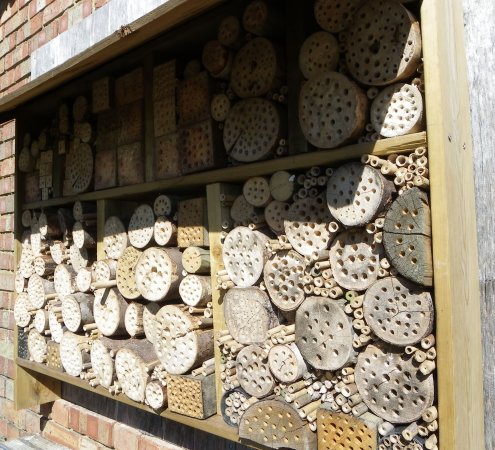
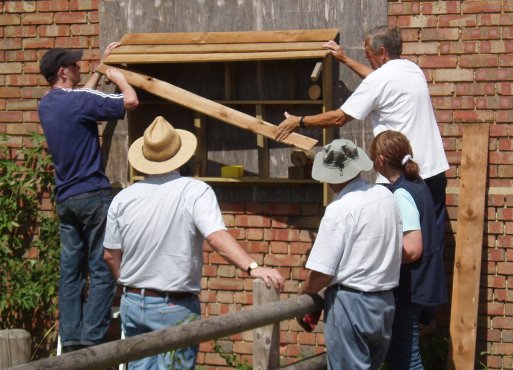
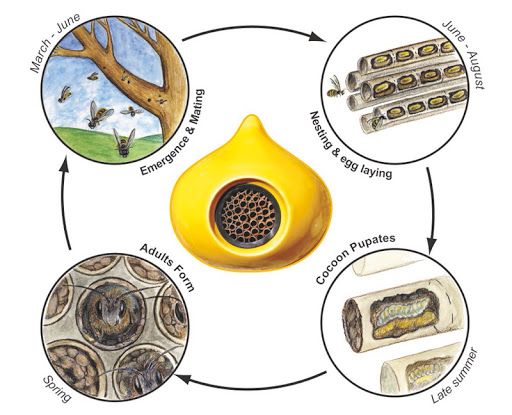
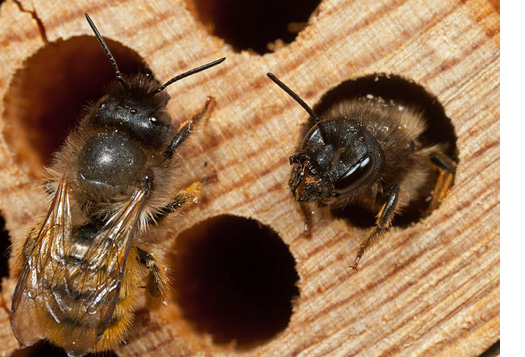
Here below you can see a few pictures of our bee hotel once we had made it. The little chambers in each log act as breeding tunnels for new bees to develop and then go into the wild as pollinators.
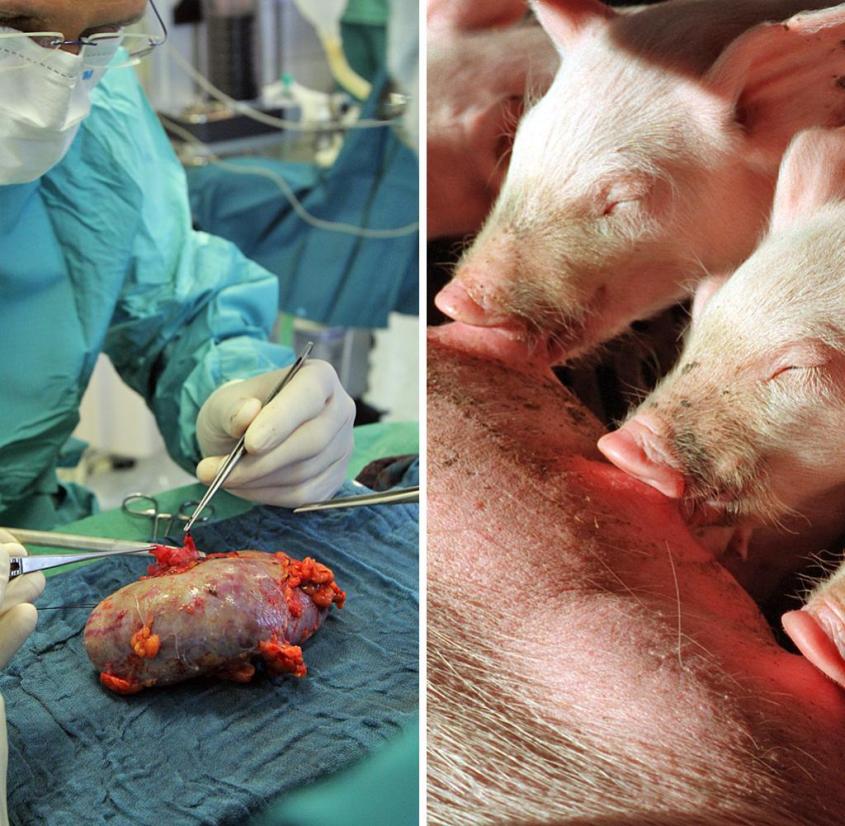
According to media reports, at the University of Maryland in the USA, a pig heart was transplanted for the first time in a patient with severe heart disease. That sounds like a medical miracle.
But only if you don’t look at the medical facts, as the nationwide association Doctors Against Animal Experiments points out.
In xenotransplantation,an organ from an animal is transplanted into another species. Even a transplantation within a species leads to massive acute and chronic rejection reactions of the body, which can only be kept in check by lifelong administration of drugs that suppress the immune system.
In the case of transmission from one animal species to another, this defensive reaction is far more severe.
One tries to control this rejection by “humanizing” the donor animal.
Human genetic material is introduced into pigs and genes responsible for rejection reactions are switched off. This is what happened in the current case, in which the heart of a genetically modified pig was implanted in a man in the USA.
The organs of these genetically modified animals should not be recognized by the recipient’s immune system. “A feared hyperacute reaction has apparently been prevented in the current case,” says Dr. Gaby Neumann, research associate at Doctors Against Animal Experimentation.
“But one has to assume that there will also be delayed rejection reactions.
Therefore, the organ recipient will definitely have to take immuno-lowering drugs that go far beyond the levels known from human heart transplantation.”
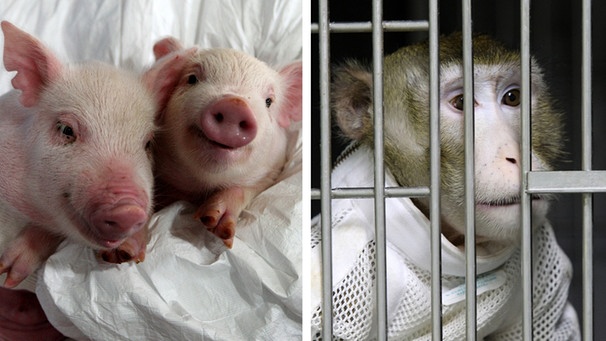
This human experiment has been preceded by animal experiments for years, in which pig hearts are planted in monkeys – mostly baboons.
The primates are exposed to a veritable cocktail of drugs that would hardly be feasible for use in humans.
Among other things, the animals receive painkillers, cortisone and a variety of other drugs and antibodies to lower blood pressure or support the circulatory system, to suppress a rejection reaction, to prevent thrombosis, to suppress inflammation, bacterial and viral infections and to form red blood cells. All drugs have a wide range of serious side effects.
Nevertheless, most monkeys die from organ failure within hours or a few days.
In Germany, too, such xenotransplantation experiments have been carried out for decades at the Ludwig-Maximilians-Universität in Munich.
Another problem is the potential risk of uncontrolled spread of previously unknown diseases.
Viruses that are harmless to pigs but potentially dangerous to the human recipient of the organ can hide in the pig’s genome.
And not only for him.
Because at the latest through Corona, we know that animal pathogens can change and spread to humans.
In the late 1990s, foreign organ research almost came to a standstill when it was discovered that porcine retroviruses (PERV) can infect human cells in the test tube.
Even if the enormous hurdles in rejection are to be overcome, it remains unknown how a pig organ reacts to human lifestyle.
The much higher cholesterol levels in humans than in pigs can lead to blood vessel blockage.
To date, nobody knows whether animal organs can be regulated by human hormones at all.
It is also unknown to what extent the much shorter life span of the pig affects the transplanted organ.
“Especially for the benefit of patients, the solution to the acute shortage of organs cannot lie in completely incalculable xenotransplantation,” says Neumann.
“Much more important is the increased focus on improving preventive measures and the development of new therapy options with the help of sensible, human-relevant high-tech methods that do not use animals.”
And I mean…“There are simply not enough donor human hearts available to meet the long list of potential recipients,” explained Bartley P. Griffith, who transplanted the pig heart, adding that though the scientists were “proceeding cautiously” with their research, they are “optimistic that this first-in-the-world surgery will provide an important new option for patients in the future”
Of course! Donating human organs requires the donor’s consent.
Animals are bred at will, genetically manipulated, and in the end they are slaughtered and what is needed is taken from them.
They don’t have to be asked, they are “only” animals and those without rights are not respected
I’m still waiting for the FIRST PIG that gets a human heart.
The US National Institute of Allergy and Infectious Diseases(NIAID) gave $205,000 to researchers for HIV study
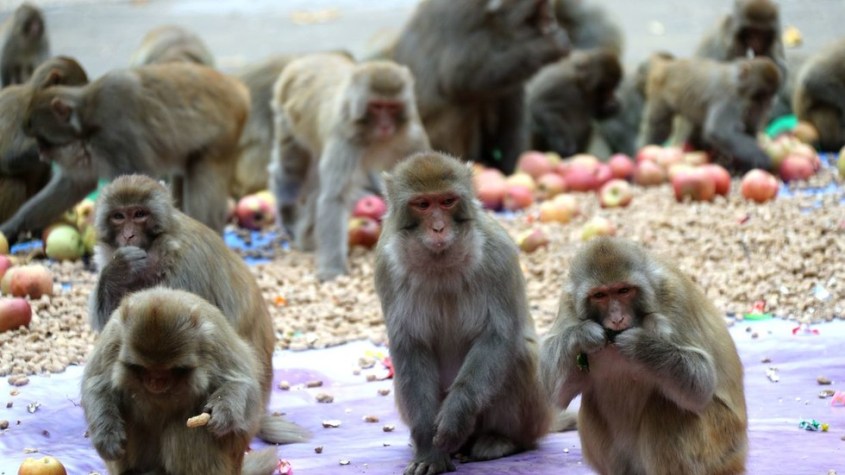
US corona czar Dr. Anthony Fauci’s agency awarded over $200,000 at the height of the Covid-19 pandemic to an experiment injecting male monkeys with female hormones, in a bid to find out why trans women have higher rates of HIV.
Fauci’s department, the National Institute of Allergy and Infectious Diseases, awarded $205,562 in funding to Scripps Research last month to inject male monkeys with female hormones.
Scientists plan to monitor how the hormones impact the males’ immune systems, testing the hypothesis that feminizing hormones negatively affect trans women’s immune systems and thus increase their likelihood of becoming HIV positive.
The project received NIAID funding last year but began a year earlier, in December 2020. Fauci has been linked to research injecting monkeys with HIV dating back to the mid-1980s.
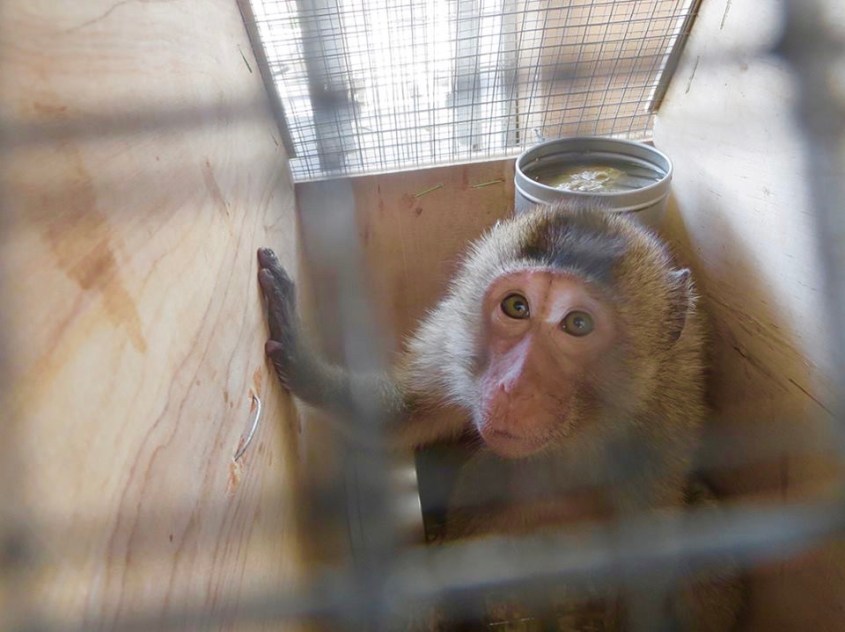
His agency has contracted to acquire some 500 of the animals annually from an island in South Carolina where they are bred specifically for US government research at an annual cost of millions, according to government documents published by campaign group White Coat Waste.
No parallel research injecting female monkeys with male hormones is being conducted – and accordingly, trans men are entirely missing from the Centers for Disease Control’s HIV factsheet, an odd oversight but one that has been justified by pointing out the low rate of infection among that population. Trans men contract HIV at almost the same rate as biological women – 3% vs 4%, respectively – while 19% of trans women are HIV-positive.
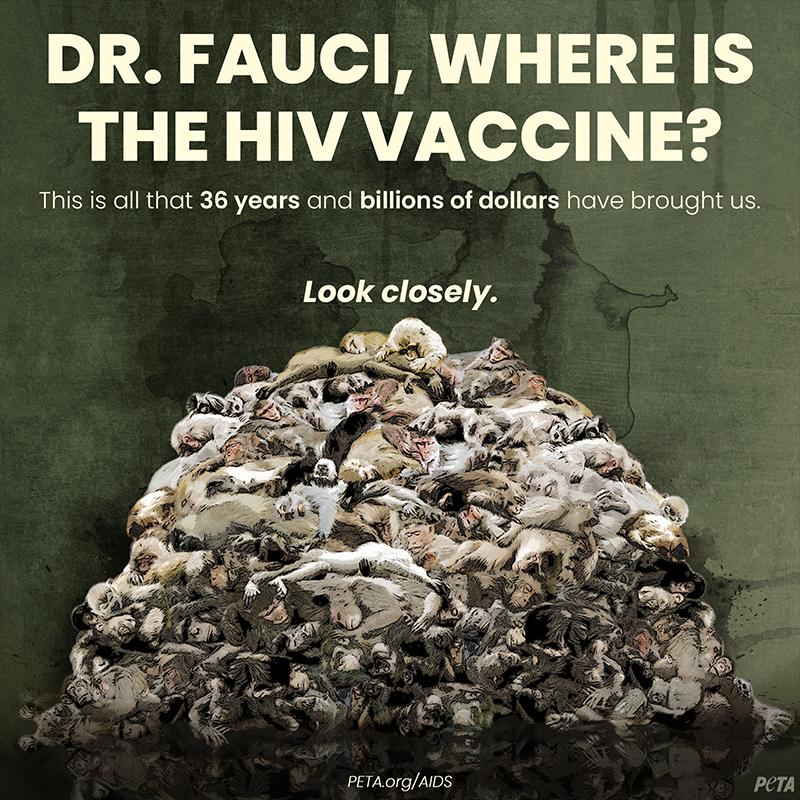
Neuroscientist with animal rights advocacy group PETA Katherine Roewas not impressed by the experiment, arguing that monkeys cannot even contract HIV and the testing thus has no value beyond “pointless, wasteful monkey torture.”
Instead, she said, monkeys contract the milder and more survivable SIV – simian immunodeficiency virus.
The experiment has brought Fauci once again under fire from animal rights groups, who have already heavily criticized him for horrific beagle experiments his agency was found to have funded, including infecting dogs with heartworm only to euthanize them afterwards.
And I mean…Not long ago, in August 2021, it was reported that NIAID awarded a $424,455 (taxpayer’s money) grant to the University of Georgia Research Foundation in September 2020 to test an experimental drug on beagles.
Dozens of healthy dogs were exposed to stable flies carrying a disease-causing parasite that can infect humans and expressed “vocal pain” when the scientists allowed the dogs to be bitten and infected.
They were later “euthanized for blood collection”.
This is a reprehensible misuse of taxpayer funds.
This time, it’s trying to create transgender monkeys.
But rather than holding a proper clinical study with willing human patients that would yield relevant information, these experimenters have decided to use monkeys, who can’t become infected with HIV.
Right now, so little money is going to research on health issues for women (both cis and transgender) that throwing away more than $200,000 is unethical as well as cruel.
Monkeys don’t get HIV, and after 40 years, hundreds of thousands of dead monkeys, billions of dollars and no vaccines on the market, any rational person would think thieves and scammers are working in research
This is another senseless, wasteful monkey torture experiment, and it’s every bit as stupid as its ruthless operators.
The EU imports horse meat from Canada and this trade is problematic as NGO investigations and EU audits revealed massive problems with animal welfare and food safety. Eurogroup For Animals and the Canadian Horse Defence Coalition recommend using the tools offered by the EU-Canada Comprehensive Economic and Trade Agreement (CETA) to address and improve horse welfare in Canada.
The EU is the biggest consumer of horse meat, even if consumption – and imports – have decreased over the past decade for various reasons, including the 2014 food scandal, and the subsequent ban on Mexican horse meat. Yet, since 2017, imports have been on the rise, and Canada’s share has remained constant at around 1,350 tonnes yearly.
Even if this volume is relatively low, the horse welfare abuses detected in the production chains are highly problematic. These significant shortcomings in the sector, not only on animal welfare but also on traceability, have been underlined by recent NGO investigations. Furthermore, the EU legislation that imposes a six-month residency period, during which horses are not allowed to receive any medication, has created many additional concerns in terms of horse welfare. During this residency period, the animals are kept in horrifying conditions in open-air feedlots, without any protection from adverse weather or veterinary care for six months until they can be slaughtered.
As animal welfare issues related to farm practices do not fall under the scope of EU animal welfare requirements currently imposed on imports, in a joint letter we call on the European Commission and on the Canadian Minister for International Trade to maximise the opportunities offered by the CETA Regulatory Cooperation Forum (RCF) to improve horse welfare.
The timing has never been better to discuss horse welfare now that it has become a priority of the Canadian government to ban live horse exports, mainly due to poor transport conditions
Sinikka Crosland, President, Canadian Horse Defence Coalition
Moving in this direction would respond to EU citizens’ expectations, as nine out of ten Europeans believe the EU should do more to promote animal welfare awareness worldwide. A petition, which has already gathered nearly 180,000 signatures, calls on the EU to suspend the imports of horse meat from countries where EU requirements on food safety and animal welfare are not respected.
If horse welfare fails to be addressed, the EU should send a clear message to its trading partners stressing that respecting the rules matters, and suspend imports where requirements are not met. In similar conditions, EU imports from Mexican horse meat were suspended in 2015
Stephanie Ghislain, Trade and Animal Welfare, Programme Leader, Eurogroup for Animals
Joint letter to the Canadian Minister of International Trade, Export Promotion, Small Business and Economic Development & European Commission Chief Trade Enforcement Officer.
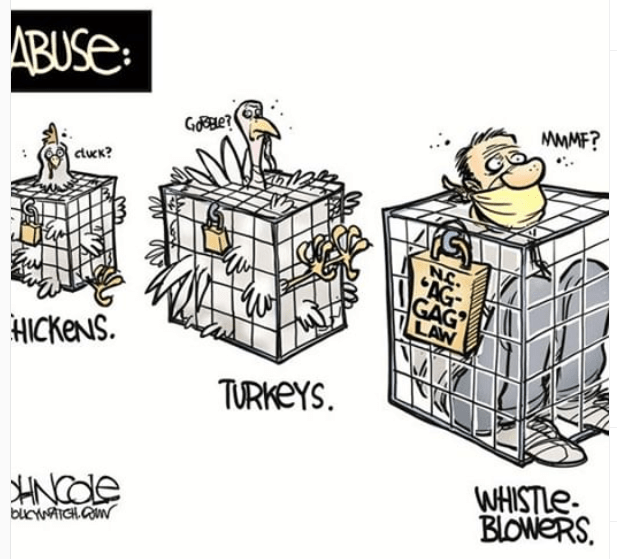
We know our investigations are troublesome, affecting the interests of powerful food groups, and we are aware of the legal risks we run. However, the need to improve living conditions for animals in factory farms drives us to carry out these investigations, and this is our primary goal. Attempts to intimidate us will not stop our work.
Simone Montuschi, President of Essere Animali
Well said Simone – we are fully behind you and your excellent work as animal defenders at Essere Animali. What a pity that the court did not pay more attention to stopping the abuses rather than trying to Ag Gag EA. Maybe then we would see some progress rather than the cover ups that they are trying to hide.
It would appear that despite the obvious abuses filmed by EA, the ‘bigger boys’ are now using a form of ag gag as their defence in order to cover up the exposed abuses. Money matters to the abusers more than anything ! – especially in the arena of animal welfare
EA you have our full support;
Mark.
13 January 2022
Essere Animali
Following the release of two investigations of two different dairy farms where Grana Padano is produced, the Consortium that protects the most consumed PDO cheese in the world has filed a civil lawsuit against Essere Animali and filed charges against their legal representative and some other members of the organisation.
As a result of the civil proceedings instigated by the Consortium, albeit in the interlocutory stage, the Court of Brescia ordered the removal of all the online videos related to the undercover investigations.
Additionally, the court prohibited the disclosure of any other footage or content from the investigations that involve Grana Padano. The only exception is the right to mention that the two farms involved are part of the Consortium.
Essere Animali appealed the Court decision, asking them to reconsider the order of removal and to allow the videos to remain online. The Consortium for the Protection of Grana Padano has also pressed charges against several members of Essere Animali, for different crimes including defamation and receiving stolen goods.
We know our investigations are troublesome, affecting the interests of powerful food groups, and we are aware of the legal risks we run. However, the need to improve living conditions for animals in factory farms drives us to carry out these investigations, and this is our primary goal. Attempts to intimidate us will not stop our work.
Simone Montuschi, President of Essere Animali
What happened
Following the dissemination of the first investigation, released on 13 July 2021, the Consortium for the Protection of Grana Padano replied with a video in which it distanced itself from episodes of animal abuse by referring to “isolated cases”. Subsequently, the Consortium proposed a meeting at their headquarters, during which Essere Animali were asked to remove the references to the Grana Padano trademark from the video, without making any concrete proposals regarding the requests of Essere Animali and Eurogroup for Animals’ Member Organisations.
Following the release of the second investigation on 29 September 2021, the police and official veterinarians intervened and found several animals in poor conditions. The farm, on which violations of regulations had previously been found, was sanctioned almost 10,000 euros, and was requested to adjust practices in accordance with regulations.
While the court of Brescia acknowledges that the investigations contain truthful footage, it accepted the request to blackout the investigative videos because they claimed the videos conveyed the message that “the entire production of the Grana Padano brand cheese takes place in violent ways and in the conditions reported“.
Essere Animali maintains the right to criticise and strive for the abolishment of legal and common practices such as the separation of the newborn calf from the mother and subsequent isolation, which cause stress and suffering to the animals.
Hardly anyone takes any notice of their suffering …
Homeless, picking garbage and sometimes with their feet tied up, they paddle through our streets.
Niches, walls and protrusions prepared with pointed spikes and nets make their nesting places inaccessible and rare.
Hungry around cafes and snack bars, they are chased away or even kicked away.
The city pigeon is a hated “pest” – the “rat of the air” and “building polluter”, whose population density – from the point of view of the cities – must be reduced by all possible means.
Did you know that city pigeons are feral “domestic animals” whose genetic predisposition makes them eternally dependent and dependent on human support and food?
Urban feeding bans turn generous pigeon friends into “criminals” as soon as they resisted because they can’t stand the sight of hungry birds.
To meet a city pigeon picking up vomit in its famine is unbearable and shameful.
Injured, sick birds and lost young animals are left to their own devices – they need our help so urgently.
The cooing beauties live among us – shape the cityscape … As fellow creatures, they are almost omnipresent.
Animal “fellow citizens” who are forced through human breeding efforts to colonize cities and seek our proximity. Yet many cities shirk their responsibility and ignore hunger and suffering.
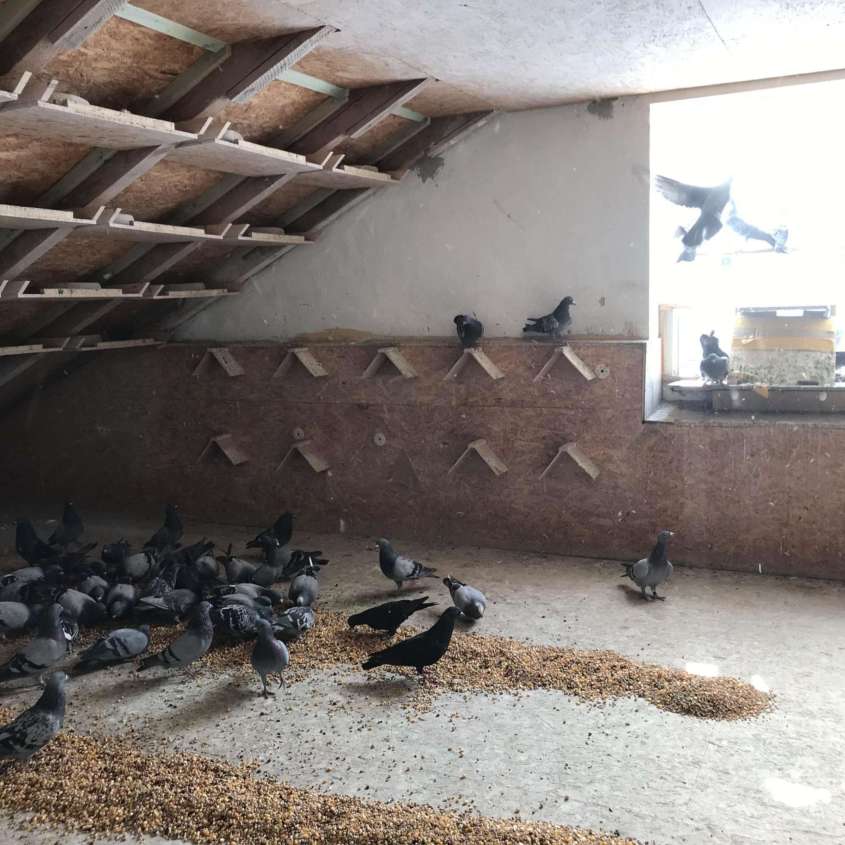
Giving homeless birds a home: The German city of Augsburg is a concept pioneer and built twelve supervised dovecotes for its city pigeons, some of which are operated in old attics.
Dovecote in Augsburg – train station
The lofts offer adequate nesting places, feed and also reduce the unpopular populations of pigeons in town squares, as the animals spend most of their time in the dovecotes and consequently leave less droppings in undesirable places.
Targeted “birth control”can also be carried out by animal rights activists within the dovecotes, who replace the clutch with mock-ups.
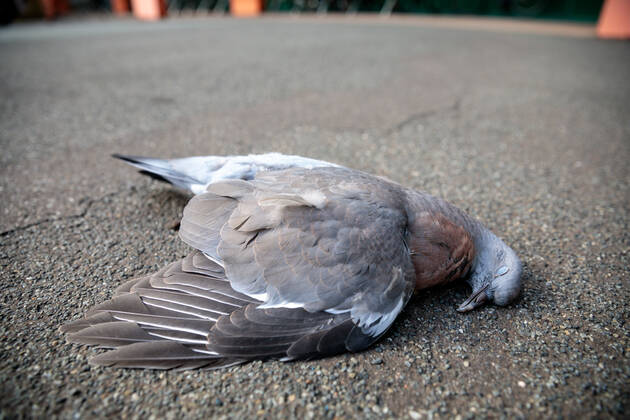
Hannover, 04 10 2020 A dead pigeon lies on an asphalt surface
No more ignorance of hunger and suffering! We demand shelter for all city pigeons in the country.
We call on all German cities and municipalities to offer city pigeons based on the “Augsburg Model” nationwide, species-appropriate, safe pigeon lofts and a constant feed supply.
City pigeons are human-bred, feral “domestic animals” whose protection and welfare is our responsibility.
Animals United e.V. – For animal rights. Because pity is not enough!
And I mean…In an effort to find an animal welfare-friendly solution, a city pigeon concept was developed in Augsburg, which is essentially based on the establishment of supervised pigeon lofts.
The animals get food and water in the dovecote, are looked after by a veterinarian and have sufficient nesting opportunities.
Reproduction is regulated by exchanging the eggs for plastic eggs.
Very few cities have followed this good example.
At the same time, the shameful ban on pigeon feed applies throughout Germany.
Only in Berlin the feeding of pigeons is not forbidden, unlike in other big cities.
I was never interested in the ban.
And I find it very racist to call pigeons “rats of the air”, as if rats were the last mud.
Since the Corona time I have been feeding three large colonies in my city.
Over time I have developed methods that have saved me from getting caught – I’ve never been caught, although all three places are very central.
I think … if you are afraid to feed a few pigeons because you think you will get caught, you will not create anything else useful for the animals.




 Almost 2,000 hunters have signed up on the Swedish side to kill 27 wolves.
 This created an institution that would exercise control over wildlife and act as a lobbying force infiltrating government and the hunting political agenda at all levels. And this despite the fact that hunters make up less than 3% of the population.





 Bartley P. Griffith, MD and patient, David Bennett © University of Maryland School of Medicine
 The primates are exposed to a veritable cocktail of drugs that would hardly be feasible for use in humans.





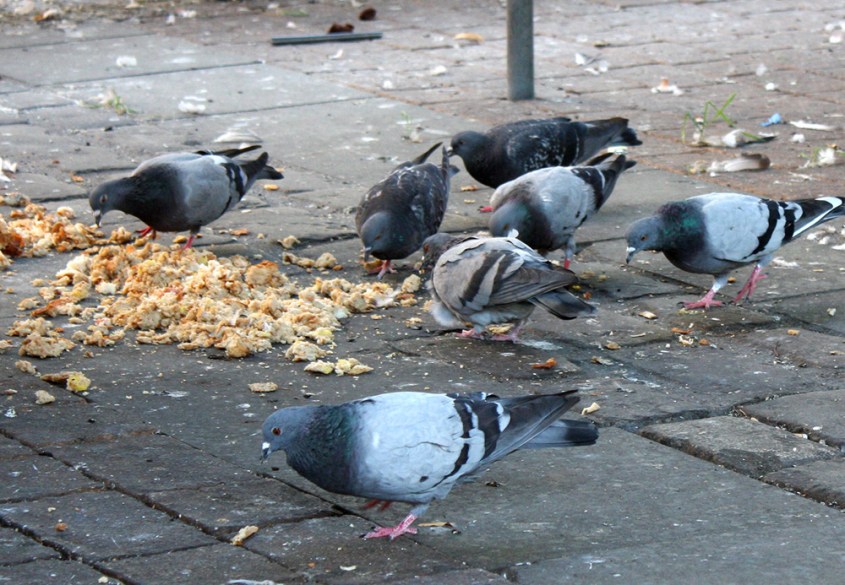

 The cooing beauties live among us – shape the cityscape … As fellow creatures, they are almost omnipresent.
 World Animals Voice