Month: January 2021

SeaWorld must empty its tanks!

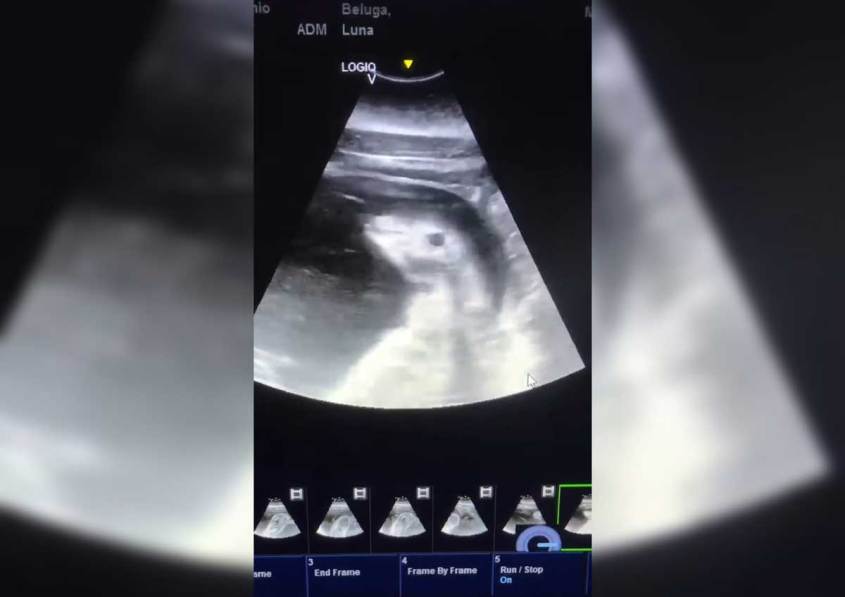
It’s the reminder no one needed: SeaWorld is beyond out of touch. The abusement park company took to social media on January 11 to flex its speciesist muscles, posting a sonogram depicting the unborn baby of Luna, a beluga whale who has been confined at SeaWorld San Antonio for more than two decades.

The publicity stunt is seemingly a vain attempt to attract new visitors to its park in Texas (where Luna resides in a cramped tank), making it clear that SeaWorld has forgotten (or perhaps just doesn’t care) that no one wants to buy tickets to a place that dooms newborns to a lifetime of exploitation.

Such cringe-worthy abuse is not new to Luna. In order for her to conceive her first calf, workers sexually abused her by forcibly impregnating her with the sperm of Nanuq.

Despite rejecting her calf, Alta (who was one of the first belugas conceived through artificial insemination), Luna gave birth to two more babies—and now she’s been impregnated again, possibly by forced insemination.
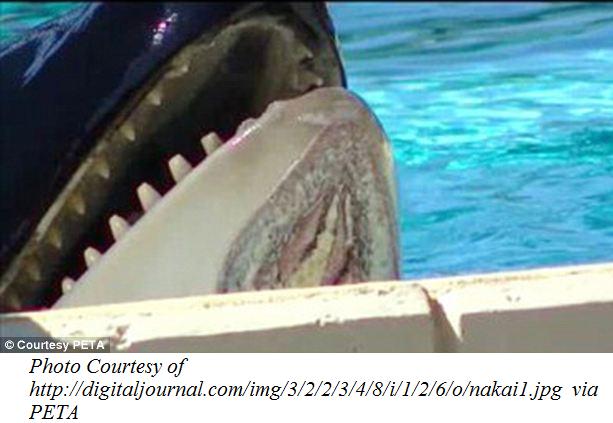
Torn away from his family and Canadian home waters when he was just 6 years old, Nanuq was held captive and then made to participate in an intensive, experimental artificial insemination program at SeaWorld: He was shipped around Canada and the U.S. repeatedly and removed from the water roughly 42 times so that workers could collect his sperm.

He fathered 13 babies (including one with Luna), but six died at birth or shortly thereafter. Nanuq died in 2015 while being treated by SeaWorld staff for an infection from a jaw injury that he had sustained while interacting with another animal.

SeaWorld continues to masturbate male dolphins forcibly and rape female dolphins by tearing them out of the water and sometimes drugging them so they can’t fight back while staff shove tubes filled with semen into their uteruses.

Some animals endure this process repeatedly, only for their babies to die or be shipped off to other SeaWorld parks.

SeaWorld Needs to Empty Its Tanks

When not ripped from their natural habitats or born into captivity at places like SeaWorld, beluga whales enjoy exploring thousands of miles of ocean every year.

They are social animals who communicate with each other using a language of clicks, whistles, and clangs. SeaWorld robs victims like Luna and Nanuq of the opportunity to do any of this, and now Luna’s baby, not even born yet, is doomed, too—unless SeaWorld acts, now and fast.

We and countless others have been urging it to empty its tanks for years.

Most recently, after the company ended its wretched orca-breeding program and its demeaning “dolphin surfing” shows (only after succumbing to successful PETA campaigns), we’ve increased our calls for the company to stop breeding other dolphins and whales.
SeaWorld failed Nanuq and so many others, but we hope it will now do the right thing and transfer Luna and her baby to a seaside sanctuary to live as close to a normal life as they can.
SeaWorld should take a page from SEA LIFE Trust and Whale and Dolphin Conservation’s book—in August, the pair proved to the world that seaside sanctuaries are a sure thing when Little Grey and Little White (two female beluga whales) were moved from a marine park in China and released into a seaside sanctuary in Klettsvik Bay in Iceland.

Now it’s time for SeaWorld to end its use of animals, stop breeding all dolphins and whales, and relocate them to seaside sanctuaries, where they could live in large areas of the ocean while still benefiting from human care for as long as they might need.

Please urge SeaWorld to establish a firm and rapid plan to end its use of animals, stop breeding all dolphins and whales, and relocate them to seaside sanctuaries.

Petition: https://support.peta.org/page/1943/action/1


And I mean…At least 166 orcas have been taken into captivity from the wild since 1961 (including Pascuala and Morgan).

– 129 of these orcas are now dead.

-At least 166 orcas have died in captivity, not including 30 miscarried or still-born calves.

-SeaWorld holds 20 orcas in its three parks in the United States.
At least forty-nine orcas have died at SeaWorld.

A growing catalogue of ‘accidents’, illnesses, failed pregnancies and premature deaths has helped to show up this industry for the cruel circus that it really is.

Orcas can live anywhere between 50 to 80 years, but in captivity, they are lucky if they can make it to twenty-five.

They are incredible fast swimmers, and get up to 48 km/h in the ocean, and will eat about five-hundred pounds of food a day. Females don’t start breeding until they are close to fifteen years old, and once they start breeding they might produce a new calf every 3 to 10 years, and gestation last 17 months.

Nature has intended them to live free, exempt from domination, but the human species, with its self-proclaimed fascist right to exploit other animals, has predetermined a pathetic fate for many of these animals.

The right to life, freedom, integrity and protection must be given to all species.

Only then is it a right and not a privilege of the ruler.

My best regards to all, Venus
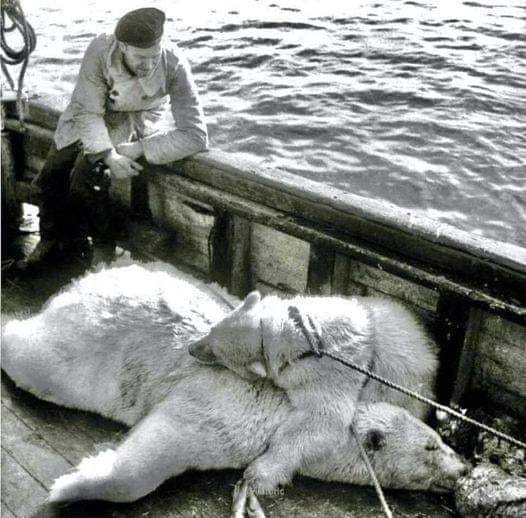
“White Bear Hunting”

This tragic photo was taken by Lennart Nilsson * in the 1940s in Spitzbergen / Norway.
Even then, it showed the brutality and horror of trophy hunting and the capture of wild animals.

The little bear’s mother was killed.
The baby bear stayed in this position all day and all night, crying sadly for his mommy.
He didn’t want to eat or drink anything.
With this sad photo, which unfortunately mercilessly and honestly reflected reality, Nilsson wanted to show us in an uncompromising way that it is not the bear that is the beast, but the trophy hunter who killed it.

* Lennart Nilsson (1922 – 2017), photographer and science filmmaker, born in Sweden, is known for his pioneering work in the imaging of embryos and microscopic images of human body tissue, bacteria and viruses.

In 1947, this photo was one of its first published and was used to illustrate an article called “White Bear Hunting”.
Nilsson commented on the content of this article at the time with the words:
“Man is the cruelest predator on the planet …”!

https://www.facebook.com/marschfuerdietiere/

And I mean..Trophy hunting, like any other type of hunting, is an unethical and terrible result of the sadistic abyss of human actions and a product of today’s affluent society.

It is cowardly animal murder of living, loving, pain-sensitive beings. Many animals are threatened with extinction.

Nevertheless, they are killed out of sheer lust for murder.

A few affluent hunters obviously have a lot of fun doing harm to other living beings and disturbing the natural balance.
This hunt is all about the trophies as bed rugs or wall decorations over the fireplace of a hunting room.

The United Nations assumes that a high percentage of all animal species that are extinct are caused by the help of pathological hunters. It has been proven that hunters reduce biodiversity.

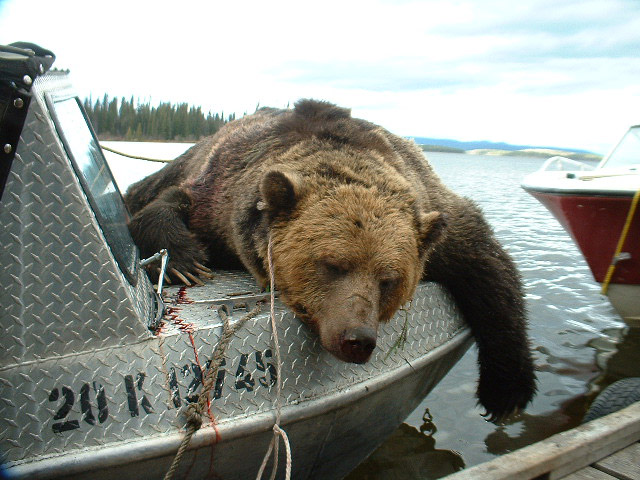
Grizzly bear killed by trophy hunters.
Germany also still allows the import of hunting trophies and not only that! the government also supports it with development aid.
This type of hunt, which is extremely ill in character, must be stopped globally.

My best regards to all, Venus

Philip Wollen: “Animals should be off the Menu”

It was a slaughterhouse visit on behalf of a customer that radically changed his life.
Top banker Philip Wollen (68) later describes this visit as the “most shocking experience of his life”.

That was almost 30 years ago – the Australian is now vegan and one of the most important animals and human rights activists.
That is why, on his 40th birthday, he decided to use all of his fortunes to make his contribution as an animal rights activist and philanthropist against crimes against animals, people, and the environment.


Together with his wife Trix, he founded the “Winsome Constance Kindness Trust”, which supports projects in five categories worldwide: children, animals, the environment, the terminally ill, and aspiring young people.

Among other things, the foundation supports schools, orphanages, clinics, nature reserves, castration programs for street animals, vegan mobile restaurants, and much more – meanwhile more than 500 projects in 40 countries.
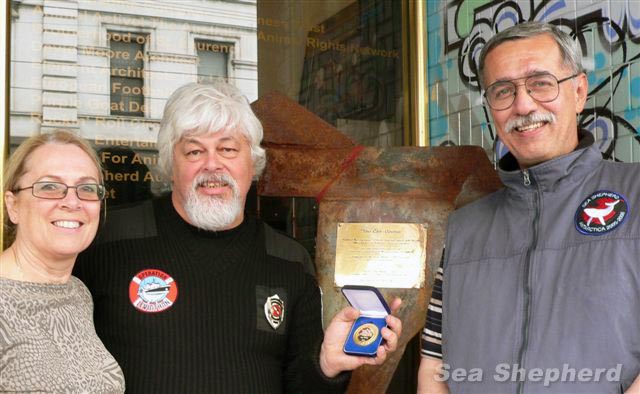
Wollen is also known as a supporter of the international marine protection organization “Sea Shepard”.


For his work against animal suffering, he received the Peter Singer Prize last year.

Philip Wollen describes the commitment to animal rights as the most important task in creating social justice since the abolition of slavery.
His engagement became known with the speech “Animals should be off the menu”, which he gave in 2012.

Here is his full speech in English with German subtitles:


In it, he addresses the effects of meat consumption:

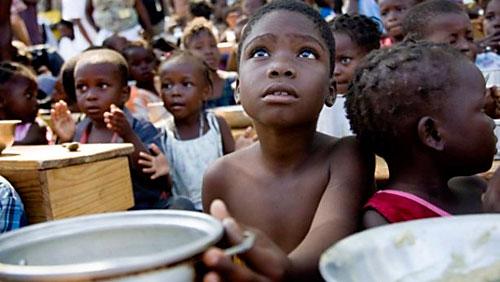
“When I travel around the world, I see poor countries sell their grain to the West while their own children starve in their arms. And the West feeds this grain to its livestock. Just so we can have a steak?
Am I the only one who can see that this is a crime? Believe me, every piece of meat we eat is a slap in the tearful face of a hungry child.
When I took this child in the eye, how can I be silent?

The earth can produce enough food to satisfy the needs of all people, but not the greed of all people. “
He wants to be a role model and encourage other people to work as activists towards a societal renunciation of meat and to stand up for a compassionate world in which all living beings are treated and protected with respect and courageously.

Regards and good night, Venus

Austria: an illegal puppy trade was discovered

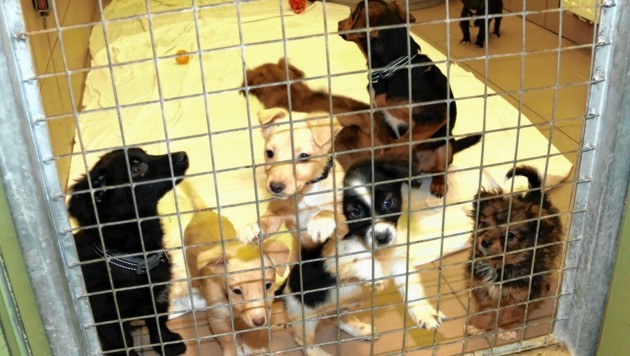
Incredible: An illegal puppy trade was discovered – and that in the middle of the Graz settlement area, in Austria.

Nine puppies, some of whom were sick and who had probably been injected with sedatives, were carted from Serbia to Styria, Austria.
Shameful: People even came from other federal states to buy them.

The poor puppies are nursed up in the Noah’s Ark animal shelter in Graz (Photo: Christian Jauschowetz)

The fact that the illegal puppy trade on the street was exposed at all is thanks to an attentive passer-by, who started the rescue chain for the poor puppies with his report to the active animal welfare organization.

Charly Forstner von der Grazer Arche Noah (Bild: Christian Jauschowetz)

Chef Charly Forstner is horrified: “The puppies were hypothermic and completely apathetic, later you found injections and sedatives in the car from Serbia. It turned out that they got away from their mother much too young, some had fevers, worms, skin diseases, undesirable developments due to insufficient supply. Even pneumonia. “

Almost unbelievable: People even came from other federal states to buy the cheap puppies in Graz!

“Anyone who buys or sells in this way is liable to prosecution,” says Alexandra Gruber, head of the Graz Veterinary Office, who courageously intervened.

And the expert clears up myths: “A cheap puppy can become expensive due to diseases and veterinary costs. In addition, it is irresponsible to buy an animal out of the trunk – please check beforehand where an animal comes from! “
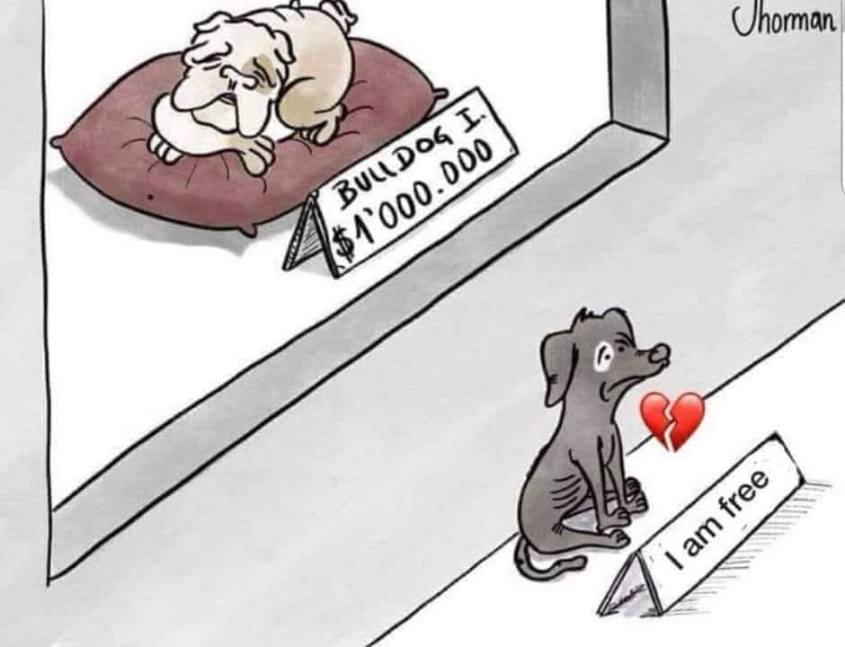

Whoever acts like this supports suffering: “Animal factories in which boy for a boy are “produced” are shameful. Buyers support that.

https://www.krone.at/2316626

And I mean…Such abnormalities exist as long as there are no stricter controls and no high fines for traders who should go up to 30,000 euros.
Why wasn’t the seller stopped at the border?
Because our good-for-nothing leaders in high politics have no plan for anything and are not even able to get illegal trade with animals under control.


And last but not least: because there are mindless buyers who support this business with pride and ignorance!

My best regards to all, Venus

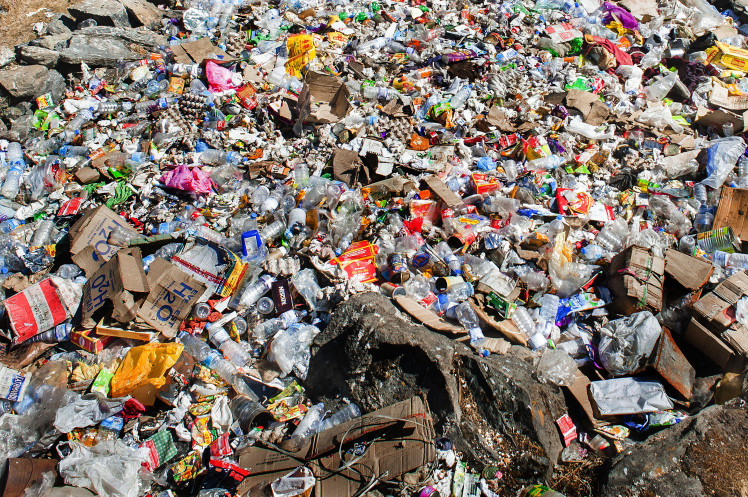
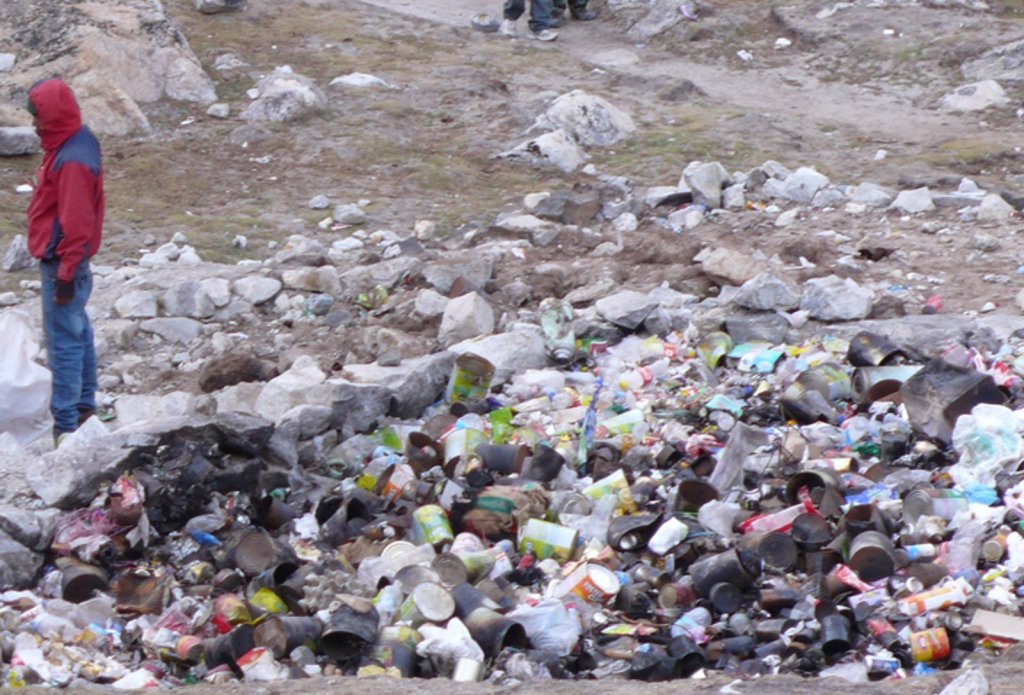
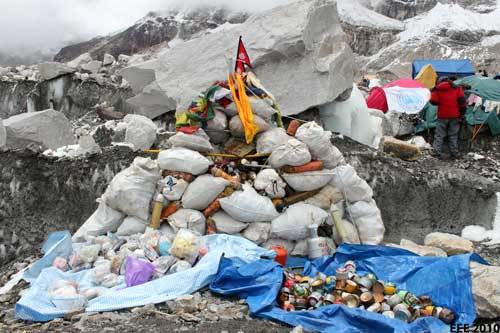
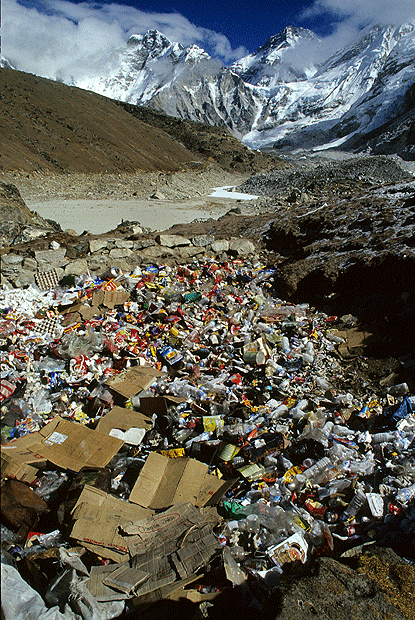
England: Mount Everest; The Sacred Mountain Of Dreams and Mystery; Now A Dumping Ground of Excrement, Plastic and Garbage, Made By; Guess; Mankind !

By Mark – When I was a young lad (16 /17’ ish), I was ‘into’ mountaineering in a big way.  Then, I can remember reading and enjoying ‘Everest the Hard Way’ by British mountaineer Sir Chris Bonington  https://en.wikipedia.org/wiki/1975_British_Mount_Everest_Southwest_Face_expedition

– a beautiful book detailing the 1975 British Mount Everest Southwest Face expedition, which  was the first to successfully climb Mount Everest by ascending the South West face.  For me, being young and influential I guess you could say; this was a trip into the unknown – the High Himalaya; mystery, danger, Rhododendron forests; the big unknown – all the things that gripped me and let my imagination do overtime.

If you ever get the chance, then read it – superb !

Decades later it was still ‘a thing’ with me; and finally, I made it to the big walls of El Cap and Half Dome in the incredible ‘Yosemite Valley’ in California.

Below – El Cap

and Half Dome

This morning (16/1/21) on the BBC; I watched a news story about how Everest was being turned into the highest rubbish tip on the planet.  My dreams of the magic of the few reaching the summit of the worlds highest mountain was well and truly shattered in learning that each year nowdays, around 900 – 1,000 people make it to the summit during the March – May period when they are only allowed to climb because of weather extremes at other times.

But even worse than ‘making the summit’ just being another ‘bragging’ item to be boasted about at the local; or at least I now view it in the modern non magical days, it was most sad for me to see that microplastics and human waste (literally), in the form of both rubbish, plastic bottles and shit; were now contaminating an enchanted, most sacred place that should still be the place of dreams for the very few that it was in the past.

Again, as always in my opinion, the wrecker called ‘man’ has managed to destroy the natural and majestic beauty of the Himalaya by leaving his personal calling card in a place that should be left in isolation, as what it was to me as a lad; that place of desolation and wonder; (then) untouched by the human being (fortunately) and a place of superfluous natural wonder and amazement.

So today, 16/1/21, I decided to look into the destruction a little more; and here below is what I found.  You can check it out a lot more if you want to.  Summary – Destruction by mankind as always with everything; it now seems that Everest is not the ‘Hard Way’ that it was in the 70’s; but yet another dumping ground made by the ‘many hundreds’.  Take a look;

Regards Mark

Below – bags and bags of human excrement (literally) on the mountain.

———————————————————————————

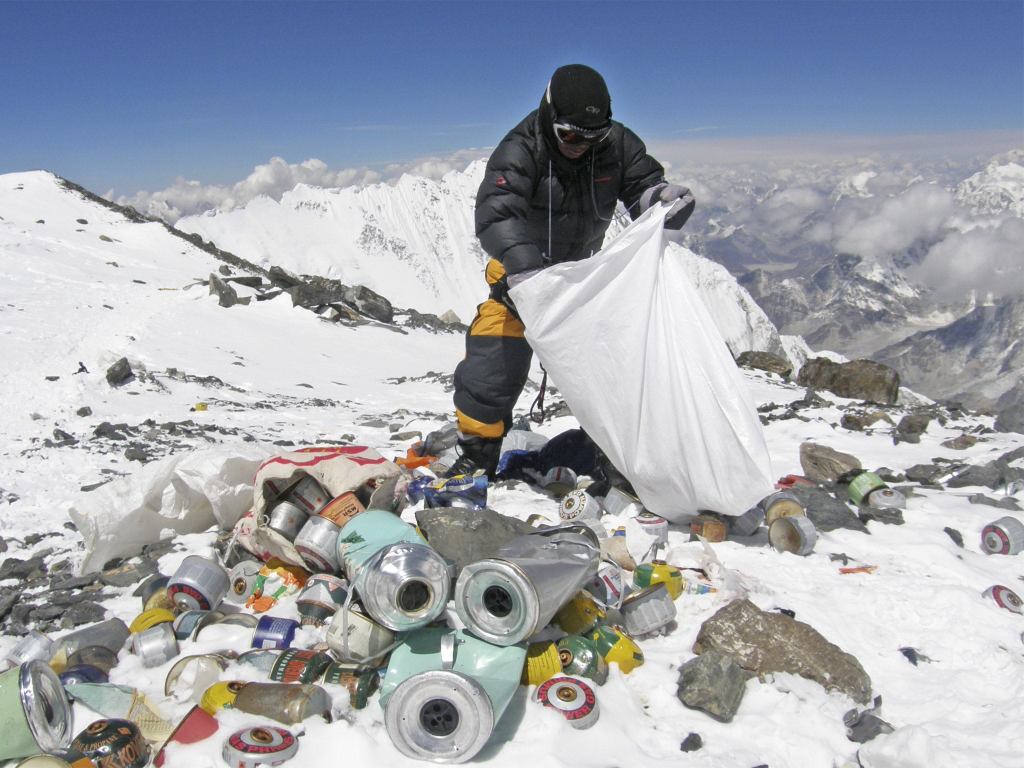
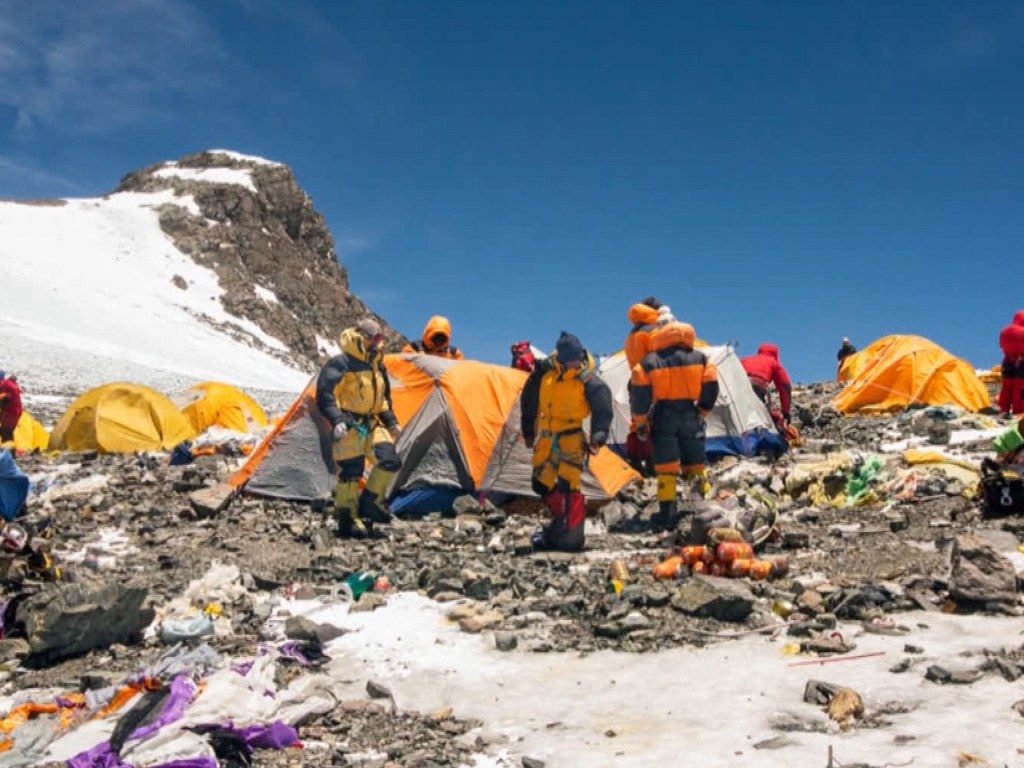
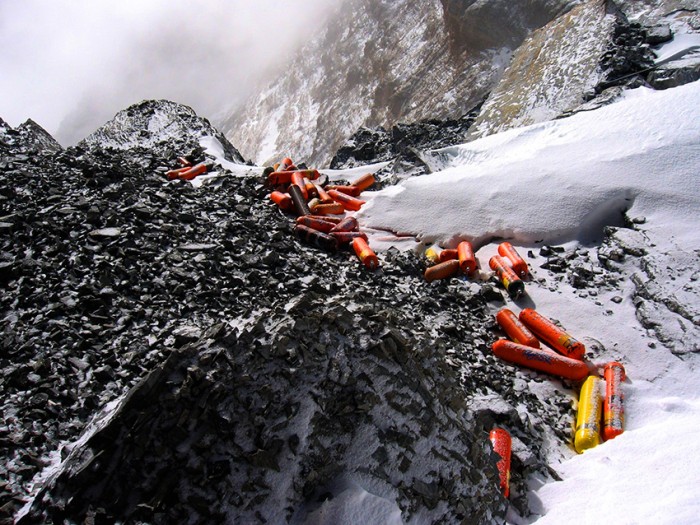
It’s being described as the ‘world’s highest rubbish dump’. That’s because Mount Everest, the tallest mountain in the world, has a problem with climbers leaving their waste on the slopes – both rubbish and poo. The mountain is home to three tonnes of climbers’ rubbish, left by adventurers visiting the mountain.

The mountain is home to three tonnes of climbers’ rubbish, left by adventurers visiting the mountain. The waste includes tents and equipment left behind, as well as human waste from mountaineers who need to go to the loo while they’re up there.

As the climbing season comes to a close for another year, Nepal Army helicopters are being used to lift some of the waste off the mountain.

The problem is that the rubbish is not only bad for the environment, but it could also spread disease for other climbers on the mountain.

People living at Base Camp use melted snow for drinking water, which could be contaminated with germs if other climbers aren’t getting rid of their waste properly.

Some climbers carry disposable travel toilet bags to use in the higher camps, while at Base Camp, there are toilet tents which have special drums where human waste goes. These can be taken away from the mountain and emptied safely.

But the camps further up, between the base and the top of the mountain, don’t have loos, which is why waste is often left behind.

Climbers can only go up Mount Everest during a specific period of the year, which begins in March and ends in May. Throughout the rest of the year, the weather is too bad.

This means that it is more difficult to clear away any rubbish left on the mountain at the end of the climbing period.

It is impossible to know exactly how much litter is spread across Everest because it only becomes visible when the snow melts.

Speaking in the Himalayan Times, Dandu Raj Ghimire – director general for the Nepal Department of Tourism – said: “The clean-up campaign will be continued in the coming seasons to make the world’s tallest mountain clean. It is our responsibility to keep our mountains clean.”

What are the rules about rubbish on Everest?

Nepal’s government hasn’t made rules about dealing with poo up the mountain yet. However, it is trying to stop the amount of rubbish that is left on the slopes.

The government is working on a plan to scan and tag climbers’ equipment and gear.

All climbers would have to pay a deposit of $4,000 (£3,100) before they go up the mountain and might not get their money back if they return without their items.

https://www.bbc.co.uk/newsround/31711591

Microplastic pollution found near summit of Mount Everest

This article is more than 1 month old

Humans now known to have polluted Earth from deepest ocean to highest peak

https://www.theguardian.com/environment/2020/nov/20/microplastic-pollution-found-near-summit-of-mount-everest

Microplastic pollution has been discovered in snow close to the peak of Mount Everest, the world’s highest mountain. With plastic debris revealed in 2018 at the deepest point on Earth, the Mariana Trench, it is now clear that humanity’s litter has polluted the entire planet.

The tiny plastic fibres were found within a few hundred metres of the top of the 8,850-metre mountain, at a spot known as the balcony. Microplastics were found in all the snow samples collected from 11 locations on Everest, ranging from 5,300 metres to 8,440 metres high.

The highest concentrations of microplastics were found around Base Camp, where climbers and trekkers spend the most time. The fibres were most likely to have come from the clothing, tents and ropes used by mountaineers, the scientists said. Other recent discoveries of microplastic pollution in remote parts of the Swiss Alps and French Pyrenees indicate the particles can also be carried by the wind from further afield.

“It really surprised me to find microplastics in every single snow sample I analysed,” said Imogen Napper, at the University of Plymouth, who led the new research. “Mount Everest is somewhere I have always considered remote and pristine. To know we are polluting near the top of the tallest mountain is a real eye-opener.”

Below – Majestic Everest

“With microplastics so ubiquitous in our environment, it’s time to focus on appropriate environmental solutions,” she said. “We need to protect and care for our planet.”

Reducing, reusing and recycling larger items of plastic waste is important, Napper said, as they can be broken down into microplastics when discarded into the environment. But many microplastics are shed from clothing made from synthetic fabrics, and she said a focus on better fabrics was needed, as well as using natural fibres such as cotton when possible.

Millions of tonnes of plastic are lost into the environment every year. It can contain toxic additives and carry harmful microbes and is known to injure wildlife that mistake it for food.

People also consume microplastics via food and water, and breathe them in, although the health impact is not yet known.

There have been longstanding concerns about litter on Everest, which was climbed by at least 880 people in 2019. But the new study is the first to assess microplastic pollution, which is less than 5mm in size and therefore too small to be picked up.

The study, published in the journal One Earth, analysed samples collected by a National Geographic expedition in 2019. The scientists found an average of 30 microplastic particles per litre of water in the snow samples and 119 particles per litre in the most contaminated sample. They also assessed stream water samples from eight locations, but only three had microplastics, perhaps as the streams were able to wash away contamination.

In her previous work, Napper has found that each cycle of a washing machine can release 700,000 microscopic plastic fibres, and that plastic bags that claim to be biodegradable were still intact after three years in the natural environment.


USA: Over Half Of Young Americans Describe Themselves As ‘Flexitarian’.

flexitarians

Over Half Of Young Americans Describe Themselves As ‘Flexitarian’

More than half of Americans aged 24-29 years-old identified themselves as ‘flexitarians’ in a poll carried out on diet

Over Half Of Young Americans Are ‘Flexitarians’ | Plant Based News

More than half of young Americans (aged 24-39) identify as ‘flexitarians‘, according to a new poll.

The survey of 2,000 Americans was commissioned by Sprouts Farmers Market and conducted by One Poll. It revealed that 47 percent of respondents overall describe themselves as such.

In addition, 63 percent said they’d be ‘willing to swap meat for a plant-based alternative if it met certain criteria’.

Flexitarian

Flexitarians – or meat reducers – tend to consciously cut down on meat and replace it with plant-based foods. The poll showed that 43 percent of respondents see it as a ‘permanent lifestyle change’.

Of those quizzed, 68 percent said they would swap meat for a plant-based alternative if it tasted the same. 60 percent would make the switch if it had the same nutritional value.

Nearly two-thirds (63 percent) would swap because the plant-based alternative is ‘more ethical’. However, over a third (36 percent) were ‘completely unaware of what being a flexitarian means or what’s involved. This is even if they classify as one’.

“Flexitarian interest is evident”

In a statement sent to Plant Based News, Sprouts Chief Executive Officer Jack Sinclair, said: “The interest in plant-based foods and a flexitarian diet is evident.

“Shoppers are more engaged with their food than ever. [They] are seeking innovative and alternative products to mix up the meals they prepare for themselves and their families.”

Flexitarians and sales

He added: “Plant-based product sales grew exponentially last year, indicating consumers are craving innovative items to try at home.

“We believe consumers will remain focused on incorporating healthy foods into their lifestyles to support immunity and overall wellbeing in 2021. 

“This includes introducing consumers to things they never considered before, like plant-based foods and meat alternatives.”

USA: Trump’s outgoing U.S. Fish and Wildlife Service (the Environments ‘Protectors’ ?) just signed an agreement to work with the National Rifle Association to recruit and train more Americans to shoot wild animals. The Final Acts of a Desperate Individual.

WAV Comment – the act of a desperado in the last few days of wanting the worlds attention.

Trump’s outgoing U.S. Fish and Wildlife Service Director Aurelia Skipwith just signed an agreement to work with the NRA to recruit and train more Americans to shoot wild animals.

The world has turned on Trump to show what this being is really about.  So he tries to get revenge by allowing the Fish and Wildlife Service; the ‘protectors’ of the USA; to do a deal with the National Rifle Association to go out and kill wildlife – the very animals that they are supposed to be protecting.

This says it all really and you have to question the mental state of this existing President.  Fortunately; by the middle of next week Trump will be out; searching the world for people who like him; and Mr Biden will take over; quickly and hopefully overturning these madman actions that we now witness as ‘the revenge at any cost’ by this very sad individual.

Please take action against Trump by using the link below; thanks.


Trump’s outgoing U.S. Fish and Wildlife Service Director Aurelia Skipwith just signed an agreement to work with the NRA to recruit and train more Americans to shoot wild animals.

Tell the Service this agreement is unacceptable and must be broken immediately.

This partnership will allow more animals to be shot — paid for by the agency tasked with protecting wildlife while funneling taxpayer dollars to a far-right gun-industry mouthpiece.

Throughout its anti-wildlife term, the Trump administration has moved to expand trophy hunting. It created an illegal wildlife council rigged with trophy hunters and issued permits to import body parts of threatened leopards and lions.

The administration moved to increase hunting of bobcats, mountain lions and foxes in more national wildlife refuges across the country and now wants to arm and train more people to gun down animals.

With wolves across the lower 48 no longer federally protected, more states could hold wolf trophy hunts this year.

This last attack runs directly counter to the purpose of the Service. In no way should it use its position as wildlife’s protector to enlist more Americans to hunt and kill wildlife.

The agreement between the Department of Interior and the NRA should be torn up and cancelled immediately.

Tell the Service to end this partnership with the NRA right away.

ACTION

Tell The Fish and Wildlife Service Not To Partner With The NRA (biologicaldiversity.org)

We have taken action on this – will you ? – please click on the above link to be involved.

The other species also deserve basic rights


The world only changes for animals when we give them back their natural rights, which we, human tyrants, deny them.
The other species deserve basic rights no less than how we claim them for ourselves, and their lives have the same value as ours.

Our fascist attitude towards animals does not change in a few years, because the mechanisms that make it possible to turn us all into perpetrators go very deep.

But the least we should do for the animals is not to eat them!

regards and good night, Venus

Animal Testing in US: Regulatory Use and Routine Production

Terrifying: 111 million mice and rats annually for animal testing in the USA
Rodents, fish, and birds are not considered animals there

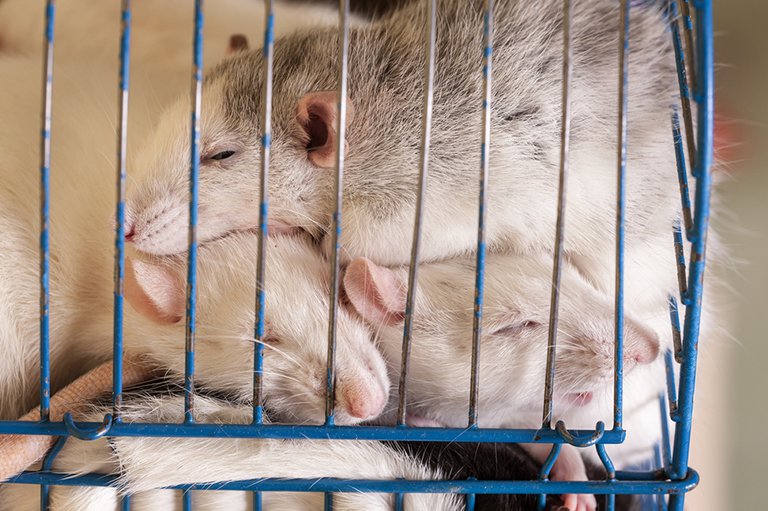
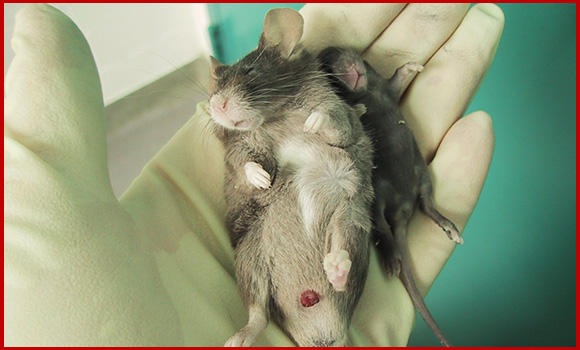
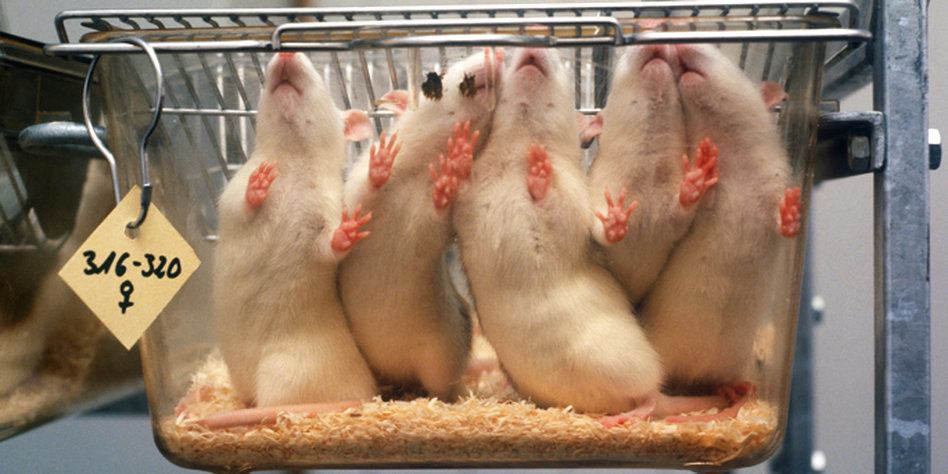
Mice and rats, the most common animals used in the laboratory, are not covered by the United States Animal Welfare Act and therefore do not appear in the official statistics of animals used for scientific purposes. A new analysis estimates that around 111 million mice and rats are subjected to animal testing annually in the United States.

The nationwide association Doctors Against Animal Experiments calls for better transparency of the animal experiment figures in the USA and in this country.

Most mice, rats, fish, and birds are not defined as “animals” in the American Animal Welfare Act since 1970.

Because of this, the numbers of these animals do not appear in the country’s official animal experimentation statistics, although mice and rats are the most commonly used in animal experiments.

“The United States plans to end all animal testing for regulatory purposes such as toxicity testing by 2035, which we clearly welcome. In order to be able to estimate at all whether the country is getting closer to this goal, one must at least know how many animals are used for experiments each year, ” says Dr. Dilyana Filipova, a research assistant at Doctors Against Animal Experiments.

A recent study at the University of California San Francisco looked at this problem and found that over 111 million mice and rats suffer annually in American laboratories, in addition to the 780,070 animals from the official statistics.

This includes dogs, cats, monkeys, rabbits, pigs, and sheep. The study author asked for information about the mice and rats used in experiments at 16 of the 30 best-funded research institutions using the Freedom of Information Act. In comparison to the approx. 39,000 “animals” defined in the Animal Welfare Act, around 5.6 million mice, and rats were used at these 16 institutes alone, which corresponds to 99.3% of all animals.

An extrapolation of this data using the animal numbers published in the annual statistics resulted in the staggering number of 111 million mice and rats.

According to the study, over 44 million of them were subjected to painful attempts that would be classified as “moderate” and “severe” in Germany.
Previous projections of global animal consumption for the research came to a total of 17.3 million for the US in 2005 and 14.6 million for 2015, based on the number of publications in relation to countries with known animal numbers such as the EU.

Worldwide, these studies came to 115.2 (2005) and 192.1 million (2015) animals, including those killed for organ and tissue removal.

“When the current study shows the figure of 5.6 million rats and mice in 16 American institutes alone, it becomes clear that the older projections are far too low,” says Filipova.

In Germany, 78% of the total number of 2.9 million animals recorded are rats and mice, while the American study assumes a proportion of 99.3%.


“It is not surprising when the life and death of animals that are not subject to the Animal Welfare Act and therefore not subject to official controls are dealt with much more laxly and there is greater ‘wear and tears’”, the biologist concludes.

“It is absolutely unacceptable that in the USA with at least 900 research institutions over 99% of all animals used for experiments fall through the cracks. The ability of rodents to experience pain and suffering has not been disputed in the scientific community for a long time, ” continued Filipova.

According to the official statistics of the Federal Ministry of Agriculture, 2.9 million animals were recorded in Germany in 2019.

2.3 million of them fell victim to animal experiments and about 700,000 animals were killed for tissue and organ removal.

But here, too, there is a large number of unreported animals that suffer and die invisibly in German laboratories: almost all invertebrates, all animals bred in advance, and animals that are not used in experiments due to their age, sex, and genetic characteristics.

An estimate by Doctors Against Animal Experiments comes to about 4.35 million vertebrates that are killed annually unused in German laboratories without appearing in the official statistics.


Doctors Against Animal Experiments are calling for all animal species used for research to be included in the American Animal Welfare Act and Statistics as a minimal first step. In Germany, the number of “committee animals” must be recorded.

The association also demands from the federal government a well-founded plan to exit the “animal experimentation” system with specific milestones and deadlines as well as massive support for innovative, human-based, animal experiment-free research methods.

And I mean… humanity has not yet overcome fascism!
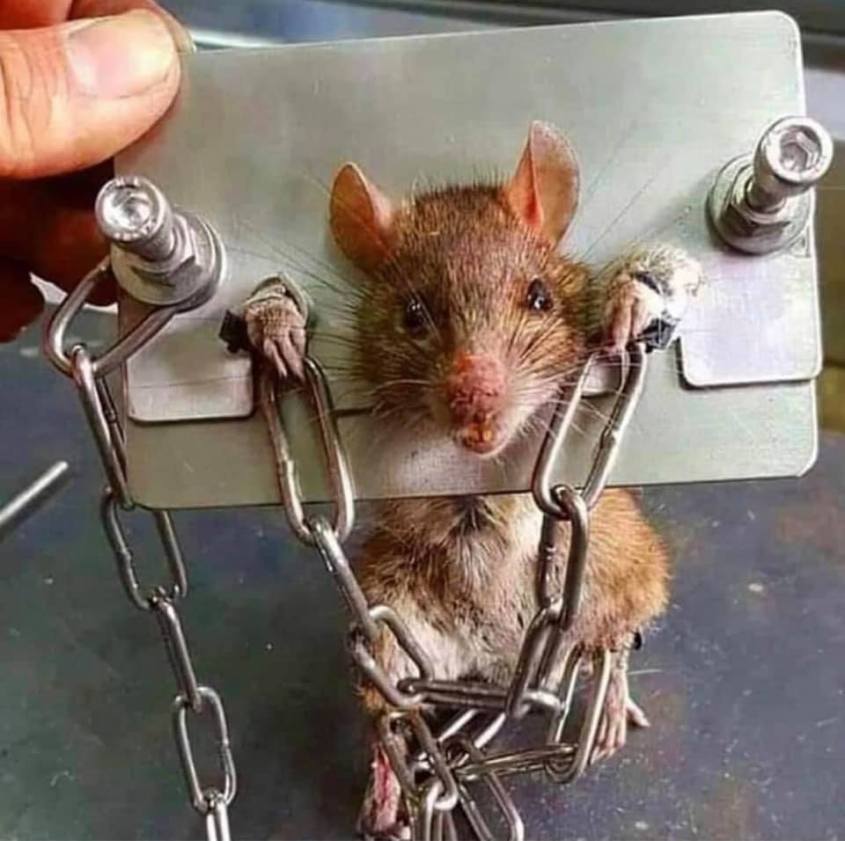
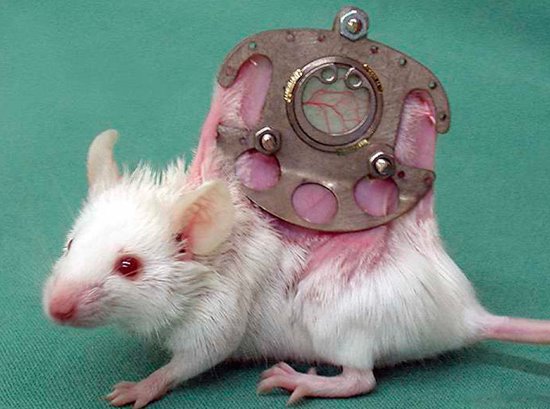
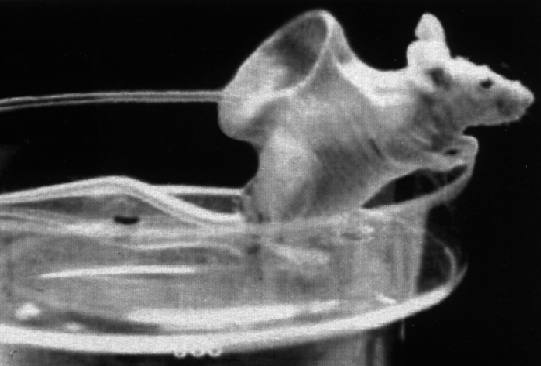
Rats are burned, pigs are suffocated. Mice have to swim for their lives to the point of exhaustion, dogs are broken bones, monkeys are poisoned.
In order to obtain single multiple transgenic animals, which is quite common in current practice, up to 54 animals have to die because they do not have the desired genotype – they are disposed of like garbage.
This “committee” quote underscores how disrespectful and undignified animals are treated and how they are merely degraded to disposable items.

Animals would have to endure all of this suffering under the “guise of research”, although animal experiments do not provide security, but rather resemble a lottery.
Only various branches of the economy benefited from these experiments, but not science and certainly not the patients.

95 percent of the results from the experiments are not transferable to humans.
One wonders how far a person must have sunk in order to inflict such damage on animals in any laboratory.
And these beasts live among us.

The politicians tolerate and support these criminals, who, by the way, should be punished, because the killing of the unwanted animals by the experimenter is a criminal disregard of the established animal welfare, which demands a “reasonable” reason for it.

“Vivisection is the greatest and meanest cultural disgrace of the present day, morally and intellectually it is to be equated with the delusional delusion of witch trials, and no people who tolerate it have the right to call themselves a people of culture.”
Manfred Kyber (German writer, 1880-1933)

My best regards to all, Venus

The link between biodiversity loss and the increasing spread of zoonotic diseases presented in new Euro Parliament report.

Photo – Mike Jeffries

The link between biodiversity loss and the increasing spread of zoonotic diseases presented in new Euro Parliament report

15 January 2021

In December 2020, the European Parliament published a new report on the link between biodiversity loss and the increasing spread of zoonotic diseases. The report, requested by the European Parliament’s Committee on the Environment, Public Health and Food Safety, aims at informing EU policy makers and introducing policy options to reduce risks originating from wildlife trade.

Although the document does not represent the official position of the EU Parliament, it introduces encouraging policy options including the following: a trade ban on live animals at wet markets as proposed by the United Nations ; adequate regulatory and enforcement mechanisms at national and international levels to prevent hunting and commercial trade of some species ; a revision of the illegal wildlife trade action in the EU and at EU borders. 

The wildlife trade – illegal and legal – drastically increases the risk of zoonotic diseases spreading by pushing humans and wildlife o closer than ever before.  In his speech at the One Planet Summit on 11 January 2021, European Council President Charles Michel reminded that illegal and commercial wildlife trade are important factors of zoonosis development in nature and among humans, stating that there currently are 1,6 million non-detected viruses in nature.

The European Union must act fast against the threats of future pandemics in the coming years. In June 2020, Eurogroup for Animals, and our 70 Member Organisations in 25 EU Member States, launched the ‘Stop Pandemics Start Here’ campaign, calling MEPs to undertake concrete actions to regulate wildlife trade in the EU to prevent the spread of further zoonotic diseases, as part of the EU Biodiversity Strategy. Eurogroup for Animals is also calling for a clear commitment by the European Commission to step up efforts to combat the illegal wildlife trade and to adopt  a full  EU-wide ban on the trade in ivory, as well as for the EU and Member States’ financial support to wildlife rescue centres and sanctuaries.