Month: November 2021

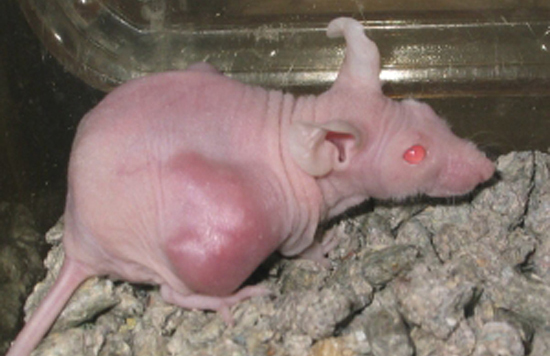
Cancer has won the war on cancer-the reason: animal experimentation.

This year marks the 50-year anniversary since then-President Richard Nixon declared a “war on cancer,” flinging open the floodgates to billions of American taxpayer dollars, which poured into research aimed at defeating this deadly disease.

A half-century later, there is still no cure for cancer. Cancer rates remain unchanged, while cancer prevention resources are limited.

What went wrong? How could such a technologically advanced country fail so spectacularly to find a cure for this disease, despite five decades of nearly unwavering focus from expert scientific minds? Simple: animal experimentation.

Cancer has won the war on cancer

In 1971, when Nixon signed the National Cancer Act, which launched the war on cancer, the disease was the second leading cause of death in the U.S.

Fifty years later, cancer is STILL the second leading cause of death in the U.S.

Officials estimate that cancer killed 606,520 Americans in 2020. About 39% of people in the nation can expect a cancer diagnosis at some point in their lives, and despite significant investment in research for cancer therapies, only 67.7% of them will survive for longer than five years after that diagnosis.

All this after 50 years of ineffective, cruel and deadly animal experimentation costing billions of dollars of taxpayer money.

Prevention, not animals, has brought down cancer rates

The most significant victories in the war on cancer don’t come from a lab. They’re personal preventive measures: quitting cigarette smoking, skipping red and processed meat in favor of a plant-based diet, and having regular checkups for screening. These measures have brought cancer rates down 27% over the past two decades.

Continue reading “Cancer has won the war on cancer-the reason: animal experimentation.”

Animal markets in Romania

November 23-Report from the Animals ‘Angels organization

Animals ‘Angels inspected four animal markets in Romania.
For a good six years now, we have been denouncing the fact that the authorities are neither adequately controlling nor taking action against the mistreatment of ‘farm animals’ when they are sold and transported in the markets.

The animals are often brought to the market in the trunk of normal cars and sold directly from the cars.

Due to the animal disease warning, markets in the country are currently closed.
We are relieved.
But animals are still being sold illegally just a few meters away from the markets – albeit significantly less.
Partly under the eyes of the police.
Here we mainly meet chickens. They suffer from the cold and they tremble.

The chickens are housed in narrow cages or placed on the floor with their legs tied together.

They often have injuries to their wings and are cuffed by the legs.
The sellers put them on the floor like inanimate goods.
Interested buyers pick them up by the legs and wings and put them down again – as if they were heads of lettuce. They don’t care if they cause pain to animals.

Only a child shows empathy when it sees us petting the hen Emma and imitates us.
At our request, it also puts some cardboard under the animal to protect it from the cold.

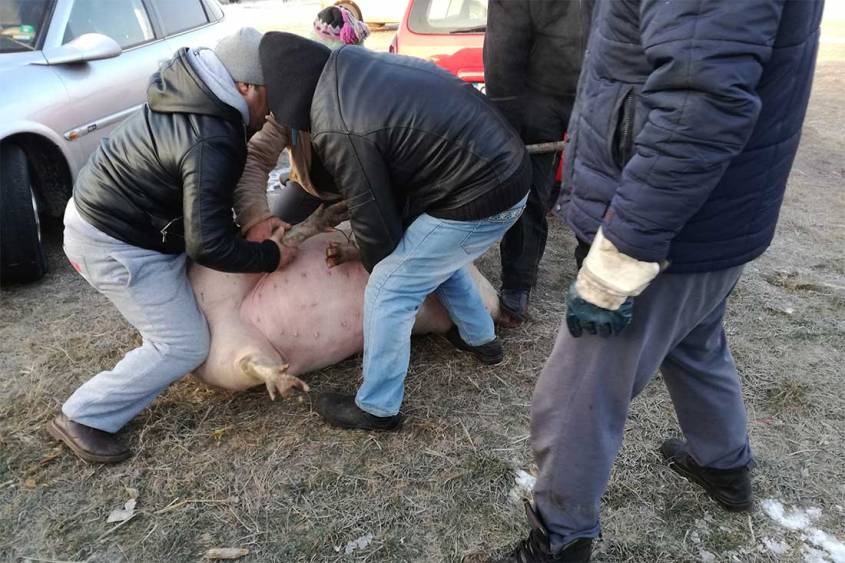
At Christmas and Easter, animals are also illegally slaughtered directly in the markets.

Now that the markets are closed, hundreds and thousands of animals are no longer transported and are exposed to the heat or cold for hours without water or food, but that is not enough!
The cruel and reckless handling of the ‘farm animals’ was not eliminated.

For the transport of the animals are mostly completely unsuitable vehicles are used, such as vans or cars.

We demand that the Romanian authorities also control the unofficial markets and enforce the regulations for the protection of animals here.

https://www.animals-angels.de/neuigkeiten/beitrag/rumaenien-die-tiermaerkte-sind-geschlossen-doch-das-leid-geht-weiter.html

From the same report: Large parts of Romania’s population live in the countryside and breed and keep animals for their own needs.
Since there is a brisk trade in these animals too, local animal markets have a long tradition here.
Since Romania joined the EU in 2007, the EU laws on the protection of animals should also apply here.
However, our research over the past few years clearly shows that these laws are largely disregarded in the market.

In the animal markets in Romania, the applicable EU laws are hardly enforced. We keep observing and documenting similar problems there:

-The animals are transported in all kinds of unsuitable vehicles: on horse-drawn carts, bicycles, in the trunk of cars or on the back of mini-vans and sprinters.
-Due to the lack of infrastructure, the animals are often sold directly from the vehicles and not kept in pens.
-The animals usually do not get any water – even in summer.
-The animals are tied by the legs, placed on the often wet, cold and dirty floor, and offered for sale.
-Violent handling, such as B. wearing or grinding on individual limbs, wings or ears.
-Illegal slaughter in many markets (mainly before Christmas or Easter).
-So-called ‘pull tests’ for horses, in which the animals usually have to pull heavy objects with lashes in order to demonstrate their strength.
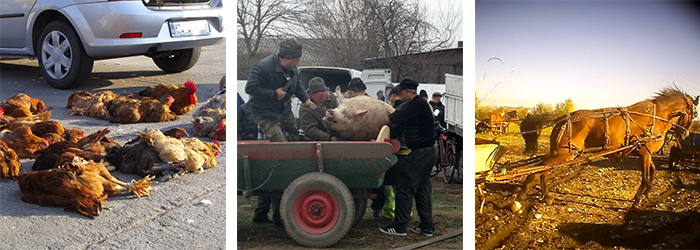
-No or insufficient supervision or sanctions by the responsible veterinarians.Left: chickens with their legs tied together. Middle: A pig is dragged around its jaw onto a cart with the help of a metal wire. Right: A horse being lashed with the whip during a so-called “pull test”

Large parts of Romania’s population live in the countryside and breed and keep animals for their own needs.
Since there is a brisk trade in these animals too, local animal markets have a long tradition here.
Since Romania joined the EU in 2007, the EU laws on the protection of animals should also apply here.
However, our research over the past few years clearly shows that these laws are largely disregarded in the markets.

In the animal markets in Romania, the applicable EU laws are hardly enforced. We keep observing and documenting similar problems there:

The animals are transported in all kinds of unsuitable vehicles: on horse-drawn carts, bicycles, in the trunk of cars or on the back of mini-vans and sprinters.
Due to the lack of infrastructure, the animals are often sold directly from the vehicles and not kept in pens.
The animals usually do not get any water – even in summer.
The animals are tied by the legs, placed on the often wet, cold and dirty floor, and offered for sale.

Violent handling, such as wearing or grinding on individual limbs, wings or ears.
Illegal slaughter in many markets (mainly before Christmas or Easter).

So-called ‘pull tests’ for horses, in which the animals usually have to pull heavy objects with lashes in order to demonstrate their strength.
No or insufficient supervision or sanctions by the responsible veterinarians.

Brute force and ruthlessness often rule these markets.
Everyone wants to sell at any price.
Cattle are tied by the horns and are beaten for no reason because people are afraid of them.
Sheep, chickens and turkeys lie tied up like parcels on the floor.
The whole thing reaches its climax when pigs are brutally slaughtered in the days leading up to Christmas.

All live animal markets in the world must be closed.
Because for the animals these markets are hell on earth.

My best regards to all, Venus

India and its live animal markets

PETA India exposes Illegal Indian wildlife Markets, dogs sold for meat.

For Immediate Release: 19 November 2021

Contact: Hiraj Laljani; HirajL@petaindia.org
Pradeep Ranjan Doley Barman; PradeepB@petaindia.org

Guwahati – As the COVID-19 pandemic rages on and during World Vegan Month (November) People for the Ethical Treatment of Animals (PETA) India is releasing its latest findings regarding dogs used for meat and wildlife meat markets in northeast India.

The video documentation reveals filthy conditions risking disease transmission and rampant violations of the Wildlife Protection Act, 1972;
The Prevention of Cruelty to Animals Act, 1960; and the Food Safety and Standards Act, 2006.

The video footage is available for download upon request.

“Filthy, illegal meat markets torture animals and act as petri dishes,” says PETA India Advocacy Associate Pradeep Ranjan Doley Barman.
“PETA India is calling on officials to do a sweep and shut them down, for everyone’s sake.”
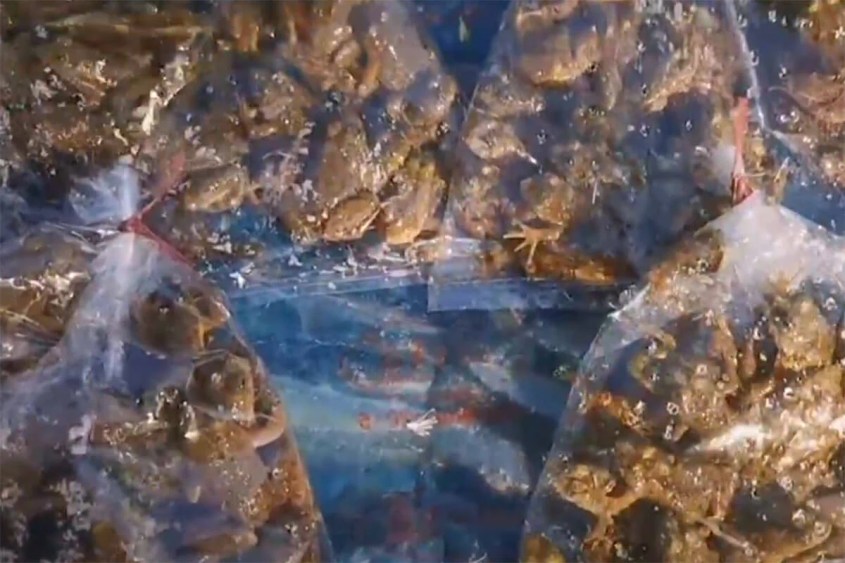
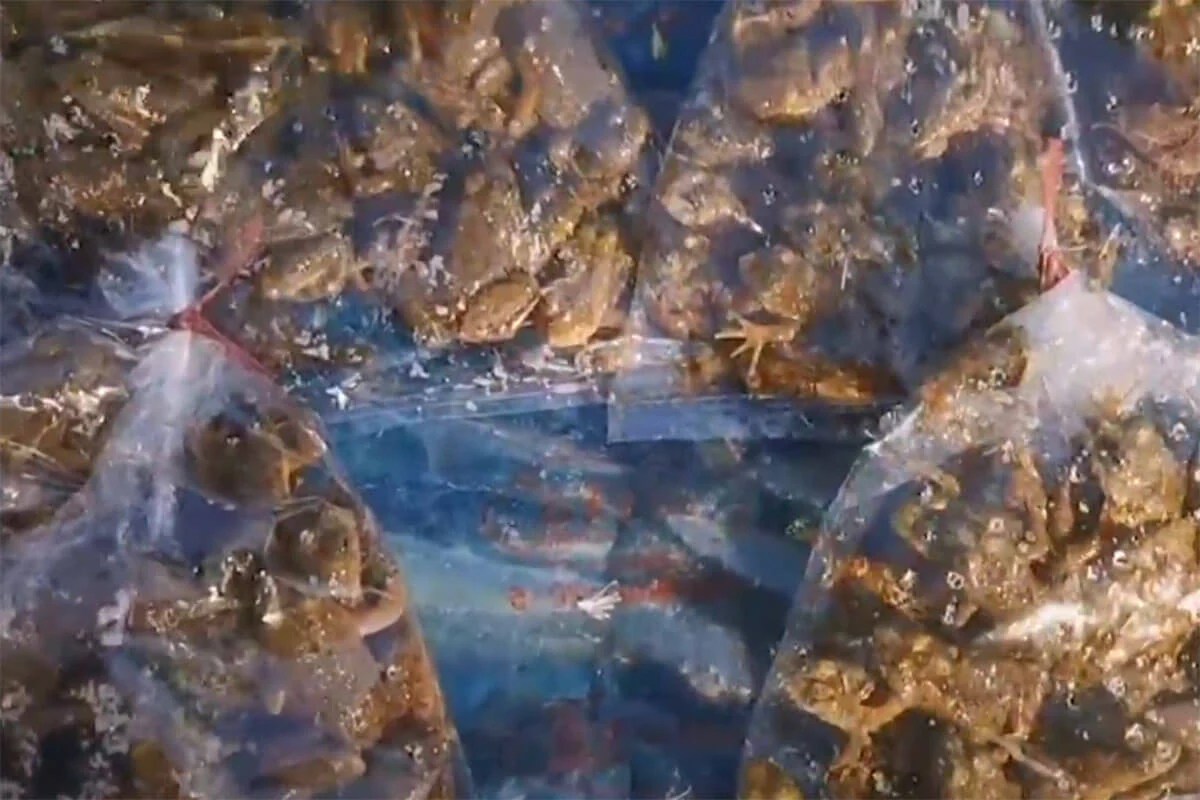
At Nute Bazaar in Manipur, the flesh of barking deer, wild boars, and frogs was illegally sold and buyers and sellers touched the charred animal parts with their bare hands.

At Senapati Bazaar, an illegally hunted deer’s severed head was passed around.
At markets in Nagaland, live eels, mice, frogs, and birds were openly sold and workers handled dead animals without wearing gloves.
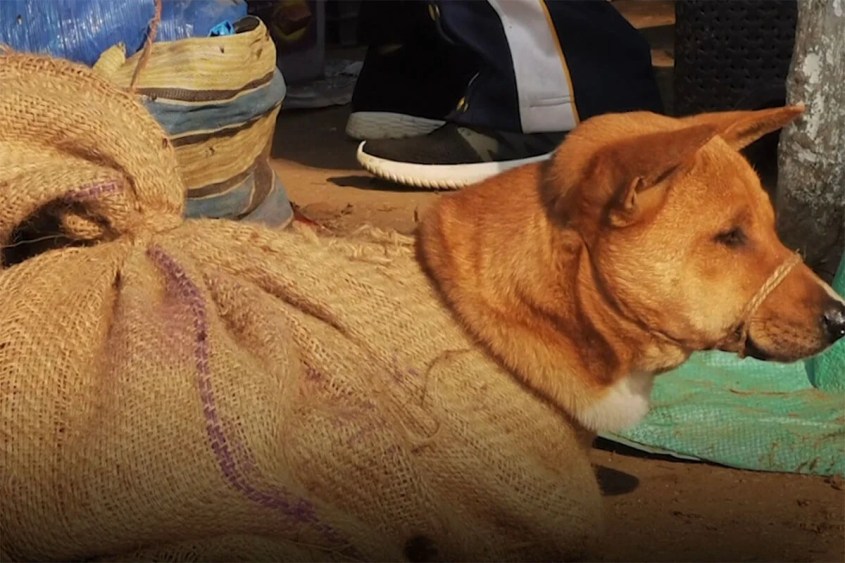
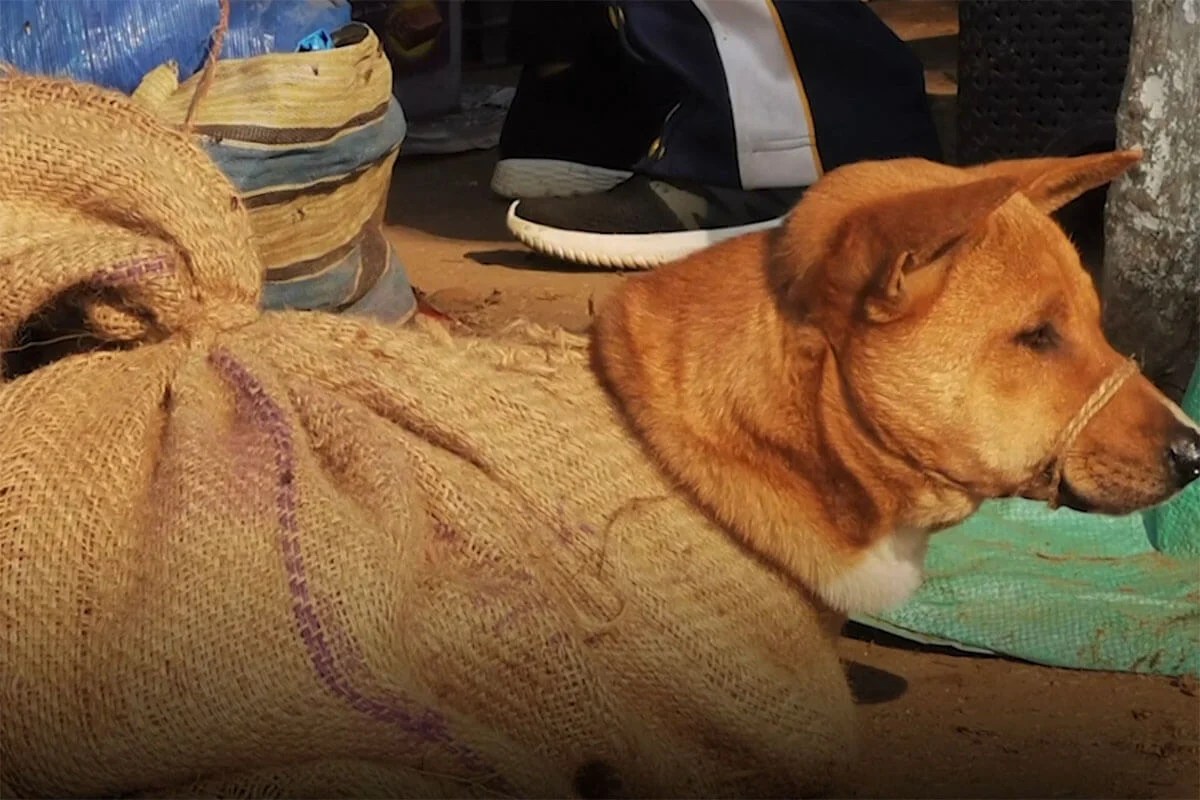
Live dogs were also illegally sold for their meat – puppies were caged, and older dogs’ mouths were tied shut as they were offered for purchase and slaughter.
At Itanagar Market in Arunachal Pradesh, meat of mithun – the state animal – was openly sold.
At every market, blood, sinew, and innards were everywhere.

PETA India has sent letters to the Wildlife Crime Control Bureau and the Ministry of Environment, Forest and Climate Change regarding these markets, urging them to take action against them.

Copies of the letters are available upon request.
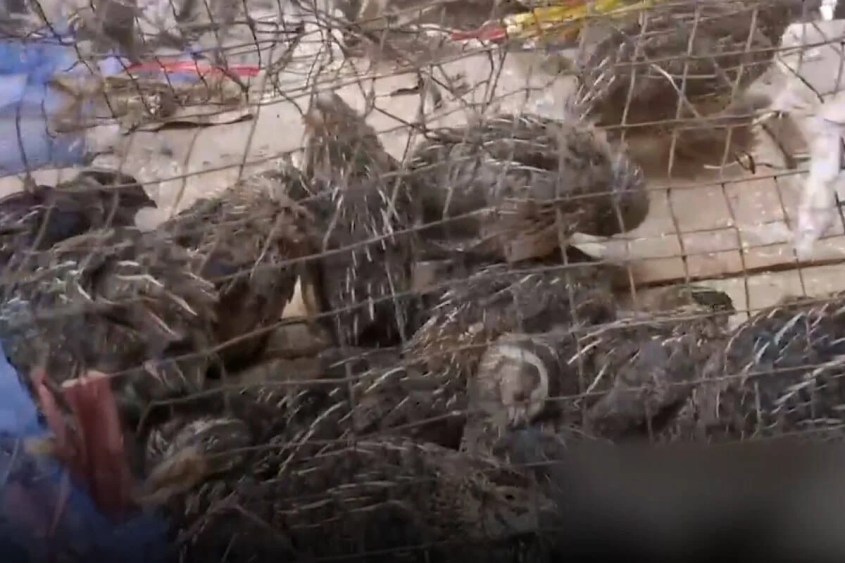
COVID-19 is largely believed by experts to have stemmed or spread from a live-animal meat market, and SARS, swine flu, and bird flu have also been linked to the practice of confining and killing animals for food.

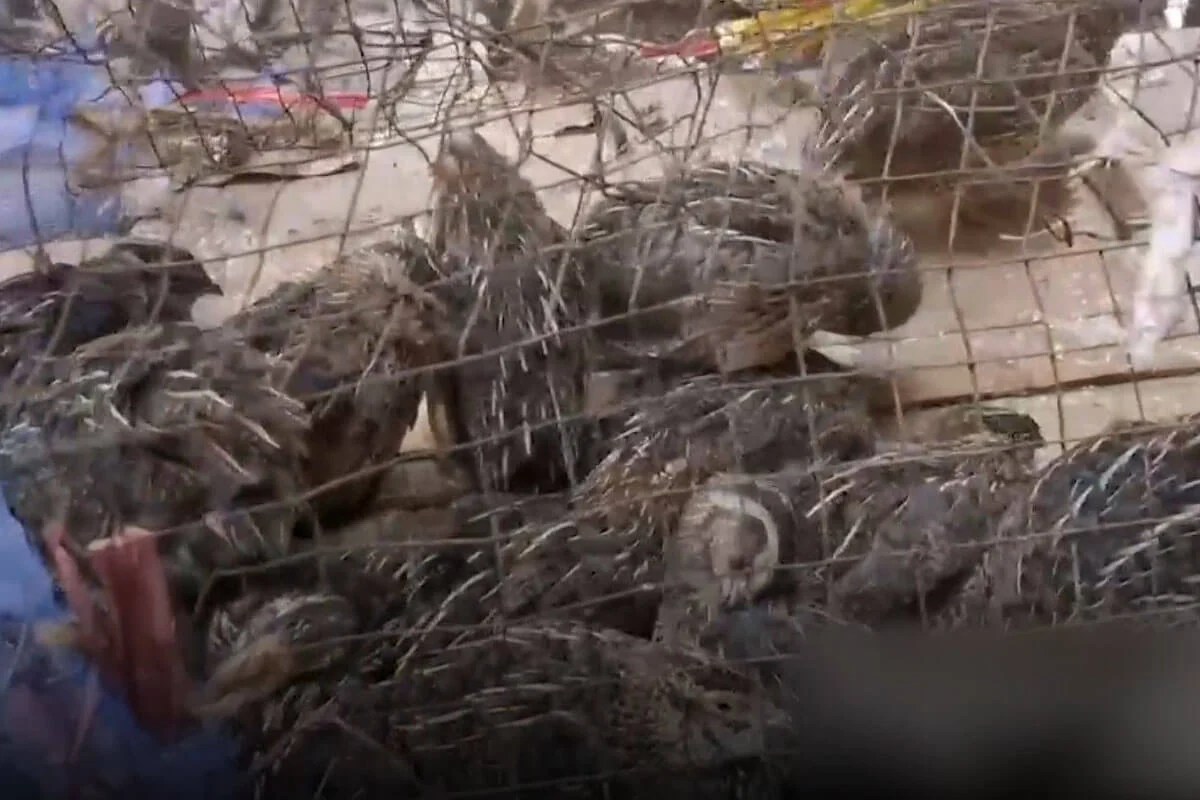
Last year, PETA India also released video footage of captured dogs killed and sold for meat in Nagaland, sellers in Manipur handling the charred remains of wild animals – including monkeys, wild boars, porcupines, and deer – and other incidents at other animal markets in the country.

A team from Assam University recently found that numerous primate species are being killed in northeast India over medicinal property myths.

The next pandemic could start in India (???)

All such markets are potential breeding grounds for and opportunities to spread zoonotic diseases (diseases that jump from animals to humans).
COVID-19, H5N1 bird flu, SARS, and H1N1 swine flu are among those zoonotic diseases linked back to the treatment of animals used for food.

The only way to make these markets safe is to close them.

Blood, excrement, and other bodily fluids can easily get on sellers’ and customers’ shoes and be tracked into homes. As the video footage shows, workers who handle the animals often don’t wear protective gear.
Flies swarm around decomposing bodies, and the countertops and floors are bloodstained from slaughtering animals.

PETA India has already written to the Ministries of Health and Family Welfare; Environment, Forest and Climate Change; and Fisheries, Animal Husbandry and Dairying requesting that they close these cruel and dangerous operations immediately.

https://www.petaindia.com/media/new-video-peta-india-exposes-illegal-indian-wildlife-markets-dogs-sold-for-meat/

https://www.petaindia.com/features/help-us-shut-down-disease-prone-indian-wet-markets/

And I mean…There is an opinion (including among animal rights activists) that the coronavirus originated in the wildlife markets of Wuhan, China.

It’s an opinion – it’s not yet proven. Not because it is not possible, but because these live animal markets in China and Asia have generally not existed since yesterday, and certainly not since December 2019, when the pandemic broke out.

So we do not know whether “the next pandemic could start in India” and whether closing the animal markets alone will remove this risk.

Finally, the biggest problem in fighting the pandemic is the cramped habitat of many Indians. In some large cities, a third of the population lives in slums, and up to 30 people share a toilet or bathroom.
Access to running water is very limited.

What is certain, however, is that dealing with animals in such markets is particularly cruel.
And that such markets, no matter where in the world, are places of horror for animals.
THAT is the main reason why we need to end animal markets for wild or farm animals around the world.

If we don’t stop destroying nature through factory farming, deforestation, species loss, urbanization, climate change, agribusiness and wildlife trafficking (legal and illegal), then we will not win the battle against viruses.

My best regards to all, Venus

UK: No routine checkups on welfare of fish at slaughter, officials admit.

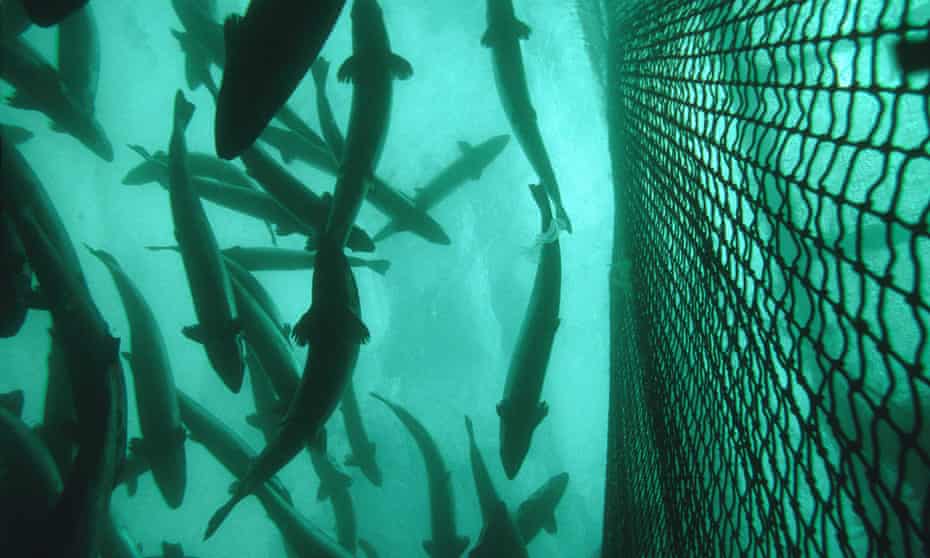
Atlantic salmon (Salmo salar) in a salmon farm cage
Campaigners are calling for farmed fish to be given similar rights to other farmed animals. Photograph: Bluegreen Pictures/Alamy

No routine checkups on welfare of fish at slaughter, officials admit

Campaigners say fish farmed in England, Wales and Scotland face cruelty, with no penalty for those who fail to meet welfare needs

The government has admitted there are no routine checkups on fish welfare at slaughter, after an investigation found no department would take responsibility.

Campaigners have said this means fish face cruelty with no repercussions for those who fail to meet their welfare needs, and have asked that fish are given the same oversight as other farmed animals.

An undercover investigation by Animal Equality into a Scottish salmon slaughterhouse this year showed fish having their gills cut while conscious and being repeatedly and painfully clubbed, with it taking up to seven blows to stun the animals.

Campaigners said the fish faced “vicious and imprecise bludgeoning”, and many fell to the floor to suffocate. Unlike farmed land animals, which have legislation for them to be slaughtered as humanely as possible, the fish farming industry sets its own standards regarding humane slaughter.

A government spokesperson admitted that in England and Wales, there was no routine animal welfare inspection programme at farmed fish processing premises.

While they claim the Animal and Plant Health Agency (Apha) did checkups in Scotland, freedom of information requests submitted by the Humane League to the Scottish government reveal there is no established process for regular welfare inspections at fish processing sites. The Humane League did not include Northern Ireland in the scope of its investigation.

Apha confirmed that it did not have “a routine programme of official inspections at fish processing sites”.

Scotland is the third biggest producer of farmed salmon in the world. The biggest, Norway, has a law mandating the pre-slaughter stunning of farmed fish. Scotland, England and Wales do not. The most recent estimate, from 2017, was that 22-52 million farmed salmon are farmed and slaughtered in the UK each year.

The same issue applies to trout farming in England. The trout industry has its own certification scheme, Quality Trout UK (QTUK), including standards for pre-slaughter stunning, but these are not enforced by the government and there are no routine checks.

Responses to freedom of information requests show not one public body has a clear understanding of what regime is in place, with the Food Standards Agency, the Fish Health Inspectorate, local government environmental health departments and Apha all confirming they do not conduct checks on fish farms in England. This means no government officials are monitoring fish welfare at the time of killing.

Cordelia Britton, the head of campaigns at the Humane League UK, said: “It is alarming that apparently zero government officials are inspecting fish welfare at slaughter. From our correspondence it seems clear that no relevant agency knows what’s going on, with each institution passing the buck to another. Without proper oversight, cruelty goes unnoticed. It is time for the government to take responsibility for how farmed fish are slaughtered, as they do for other farmed animals.”

Campaigners are calling for farmed fish to be given similar rights to other farmed animals. In the last few years there has been debate among scientists over the extent to which fish can feel pain, which is a growing area of research. In 2018 the science writer Ferris Jabr found that “the collective evidence is now robust enough that biologists and veterinarians increasingly accept fish pain as a reality”.

Dr Vicky Bond, the managing director of the Humane League UK, said: “Fish are often forgotten in discussions and decisions on animal welfare, and this is wholly unjustified. The scientific and public consensus is that they feel pain, so refusing farmed fish the same protections afforded to land animals is completely irrational. The government animal welfare committee suggested the law be updated with detailed stunning requirements back in 1996, and 25 years later farmed fish still have the same inadequate safeguards. This needs to change.”

A Defra spokesperson said: “The UK has some of the highest animal welfare protections in the world, including when animals are slaughtered or killed. We are carefully considering issues raised in the review of the welfare of animals at the time of killing (England) regulations, including detailed protections for the welfare of farmed fish.”

No routine checkups on welfare of fish at slaughter, officials admit | Fish | The Guardian

Guardian – England.

Regards Mark

UK: UK Ministers Accused of ‘Dithering’ as Trophy Hunting Law Delayed Again.

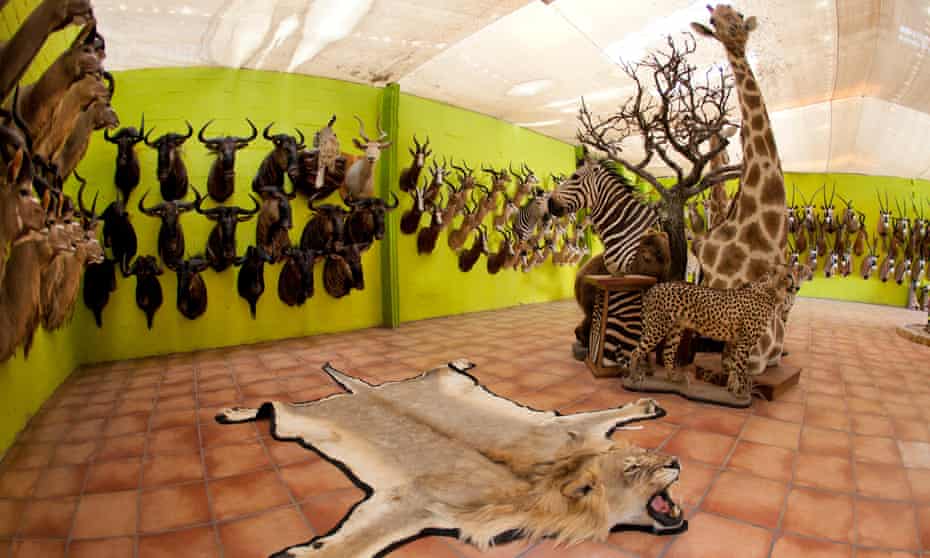
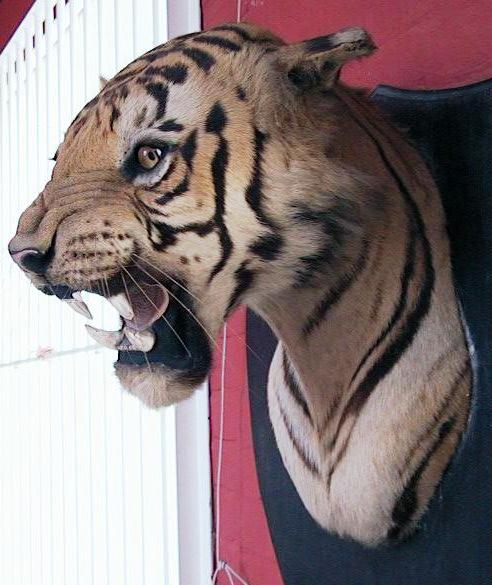
A taxidermy workshop in Namibia, where animal trophies are stuffed.
A taxidermy workshop in Namibia, where animal trophies are stuffed. Photograph: Ton Koene/Alamy

UK ministers accused of ‘dithering’ as trophy hunting law delayed again

‘Animals abroad bill’ aimed at clamping down on trophy hunting and harmful animal experiences pushed back

A law that will clamp down on trophy hunting and prevent people buying harmful animal experiences such as elephant tours meant to be introduced in parliament this autumn been delayed, the Guardian has learned.

The measures should be contained in the animals abroad bill – one of several new pieces of legislation the government has planned to improve animal welfare standards.

However the start of its passage through parliament has been postponed, with ministers accused of “dithering”. The bill was first hoped to be published before the summer recess in July, but has since been pushed back repeatedly.

Frustration at the delay has further been compounded given a public consultation on restricting the import of hunting trophies closed in February 2020, and sources said it was unlikely the government’s response and the bill being published would happen before February 2022.

he hold up was blamed on the pandemic by the Department for Environment, Food and Rural Affairs, which said the final bill would be informed by “continued discussions” with experts.

There are understood to be technical rather than fundamental policy disagreements remaining.

Eduardo Goncalves, founder of the Campaign to Ban Trophy Hunting group, said he had been assured the bill is “still alive” but expressed concern there appeared to be “no timetable or target date for bringing it to parliament”.

He said: “The pledge has been in every Queen’s speech since 2019, the prime minister confirmed it at the dispatch box, there’s been an extended public consultation, so the question is how much longer is this going to take?

“Every week that goes by means more animals being senselessly slaughtered for a sick souvenir. There’s a feeling of deja vu among the more sceptical observers. They point to the fact that the government said it would ban lion trophies after the Cecil furore, and then quietly dropped it …

“The government has put in a lot of work to develop appealing policies on conservation and animal welfare, and deserves to get the credit for it. There’s a risk, though, that its reputation could take a hit if it’s seen to be dithering without clear cause.”

Luke Pollard, Labour’s shadow environment secretary, called the delay “another broken promise from this government” and warned it would mean more endangered lions, tigers and other precious wild animals would die.

He said ministers were “failing to deliver” having “abandoned” their initial timetable for passing the bill, and added: “Labour would consign trophy hunting to the history books.”

A Defra spokesperson said: “Our recently published action plan for animal welfare sets out the government’s vision to introduce a range of world-leading reforms to improve the welfare and conservation of animals at home and abroad.

“This year we have already introduced our animal sentience and kept animals bills to parliament and we intend to legislate further to protect animals abroad as soon as parliamentary time allows.”

UK ministers accused of ‘dithering’ as trophy hunting law delayed again | Wildlife | The Guardian

Regards Mark

Wales (UK): Wales Landowner Bans Trail Hunting After Use As Foxhunting Cover.

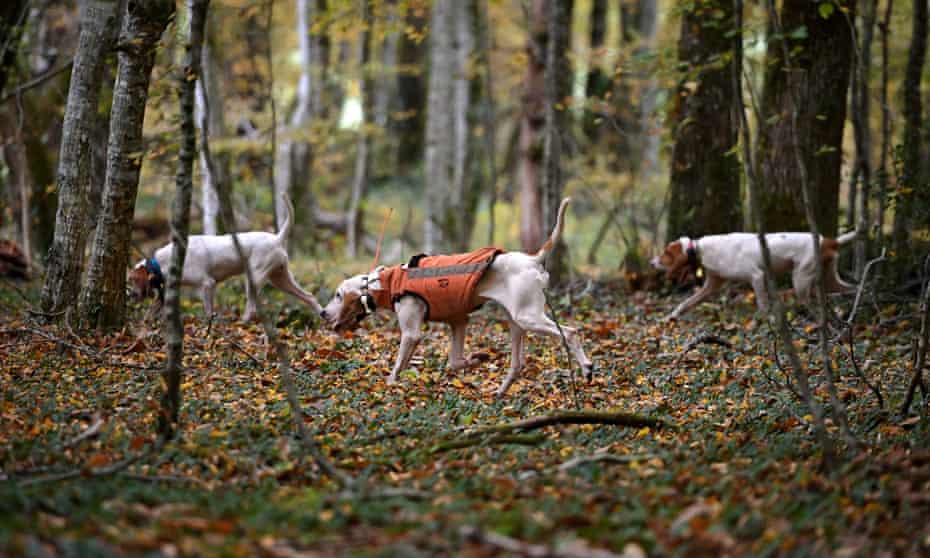
Dogs follow the trail of wild boar through a wooded area in south-western France.
Dogs follow the trail of wild boar through a wooded area in south-western France. Photograph: Valentine Chapuis/AFP/Getty

Wales landowner bans trail hunting after use as foxhunting cover

Natural Resources Wales says it cannot be sure trail hunting will not be used as smokescreen for illegal activity

One of the biggest landowners in Wales has banned trail hunting after a court ruled that a leading huntsman had encouraged the practice as a smokescreen for illegal foxhunting.

Natural Resources Wales (NRW), a government-sponsored body, said it could not be sure that trail hunting was not still being used as a “cover” for illegal activity so had decided to ban it completely.

The decision was welcomed by hunt saboteurs and animal rights campaigners who say the conviction in October of Mark Hankinson, the director of the Masters of the Foxhounds Association (MFHA), showed that trail hunting was a “fiction”.

Hankinson (below) was found guilty of encouraging or assisting others to commit an offence over his comments in two webinars in front of an audience of more than 100 MFHA members.

In trail hunting, devised after the Hunting Act banned the hunting of foxes with dogs, a “trail layer” goes out ahead of the hunt, dragging a rag coated in an animal scent. Huntsmen cast the hounds to this scent, and follow it to the end of the trail.

Dominic Driver, the head of land stewardship for NRW, said: “The outcome of the court case against a senior leader of the MFHA has resulted in a loss of confidence in the organisation’s ability to ensure its activities are carried out within the law and terms of its agreement.

“In order to assure ourselves properly that trail hunting on our estate wasn’t being used as a cover for illegal activity, we would have to invest in skills and resources that we currently don’t have, to police it properly.

“Given what has historically been a minor use of the land we manage, this does not represent good use of our limited resources. All trail hunting activity on the NRW-managed estate will end with immediate effect.”

Lee Moon, spokesperson for the Hunt Saboteurs Association, said: “The fallout from the leaked webinars continues and these landowners now realise they’ve been duped by the hunting community. It’s only a matter of time before more large landowners follow suit leading to the loss of millions of acres of land and the total demise of some hunts.”

Chris Luffingham, deputy chief executive of the League Against Cruel Sports, said: “For such a major landowner like Natural Resources Wales to permanently end trail hunting on its land is hugely significant.”

The League is urging other major landowners such as Forestry England, United Utilities, the Church of England, the crown estate, the Duchy of Cornwall, local authorities, the national parks authorities, and the Ministry of Defence to permanently end hunting on their property.

NRW was formed in April 2013, largely taking over the functions of the Countryside Council for Wales, Forestry Commission Wales and the Environment Agency in Wale

Wales landowner bans trail hunting after use as foxhunting cover | Hunting | The Guardian

Regards Mark

Germany-“Avernalic agony in the slaughterhouse”

Organization report: “Together for the animals”

The images are shocking and go to the bone, the criminal complaints read “Avernalic agony in the slaughterhouse”.

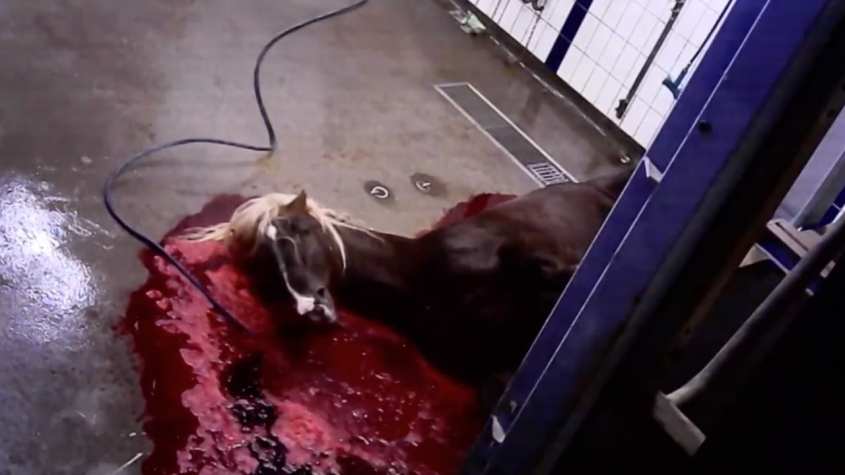
Undercover research in thehorse butcher’s shop” Härting GmbH in Kaiserslautern, during which meaningful video evidence was created by courageous animal rights activists, shows shocking conditions in this company, including the most severe animal cruelty.

The Härting horse butchery in Kaiserslautern is being accused of cruelty to animals and is not allowed to slaughter any animals for the time being – Photo: Ralf Vester

Operation was under observation for a total of 5 weeks in September and October 2021.

Apparently systematic violations during the slaughter of cattle in the area of ​​stunning and bleeding were recorded.
The recognizable incompetent anesthesia regularly fails.
The first bolt shot is often not enough due to amateurism and the animals still show violent reactions.

Death struggles over several minutes were captured in pictures, a total of 37 bolt shots on 18 animals can be proven.
The torture of the animals was also recorded by means of an eccentric driver, which was used on sensitive parts of the body such as the head and spine.

Unfortunately it doesn’t look any better with the horses and incompetence or indifference reigns here as well.
Despite unsuccessful anesthesia and severe defensive reactions, anesthetized animals are stabbed to bleed into the chest.

During the bleeding, clear movements can be seen, also in the eyes and nostrils.

And the same misery with the pigs.
After amateur anesthesia with electric pliers, many animals show violent reactions, struggle for air and exhibit body movements in the bleeding area that clearly indicate failure of the anesthesia.

Criminal charges against this horror operation were filed with the Kaiserslautern public prosecutor’s office on November 12, 2021, on presentation of the collected video material.

The responsible veterinary office was able to obtain a temporary suspension of the slaughterhouse until the situation was clarified.

You can find a video evidence of the atrocities of this company under the following link (The text of the video can be read partially translated below )
However, we expressly draw your attention to the fact that it is only for extremely strong nerves and only serves as evidence.
We saw it ourselves and are shocked:

https://fb.watch/9rzyt04TBy/

We strongly condemn such cruel treatment of sentient beings.
Before the only thing they have, namely their life, is taken away from them, there is absolutely nothing to excuse them.
If you do this to an animal, you have something very “bad” deep inside you and, in our opinion, must be stopped and punished with long prison sentences.

The operators of this death block are also to be brought to justice and sentenced.
The business should be shut down and locked with immediate effect, and the last thing he sees should be the wrecking ball.

Therefore we appeal to the court in Kaiserslautern not to get away with those responsible for these massacres with a black eye, but to let the full harshness of the judiciary prevail, because what they have done can be described simply with one word: CRIME !!!

https://www.facebook.com/marschfuerdietiere/posts/590604385613367

Some translated passages from the video:
“Horse butcher Härting GmbH in Kaiserslautern – it is a traditional company with a 100-year history.

Origin of the animals
our horses come from the southwest of Germany.
They are recreational and breeding animals as can be seen everywhere in the pastures.
These animals are given up when they can no longer be used for breeding or recreational riding.
The owners often bring these animals themselves to see for themselves that they are treated appropriately
Our pigs come from Guthof Franck.
These animals are fed normally and have enough space.

These are the slaughter conditions at a trusted butcher.

Brutal use of the electric driver against the head of the cattle
The cattle fought for minutes.
There are no individual cases, but sad everyday life.

These recordings were made over 5 weeks in September and October
All images were handed over to the police
Different animals – same fate

Who are you caressing
who do you let kill”

And I mean…Giving people the information is one goal.
But we have to get them to react to this information
It is more important and more effective when the consumer finally listens, looks and ACT.

There are apparently still people who do not want to understand that the consumer, with his consumer behavior, his greed for meat and animal products, is responsible for precisely these conditions.
The butcher, livestock farmer or whoever is just the executive organ.

As a consumer, you are the client – animals are sentient individuals who have rights and deserve a life without pain and suffering, like you who eat them.
It should be the highest moral principle for everyone that animals are not there to be exploited or “serve” people.

My best regards to all, Venus

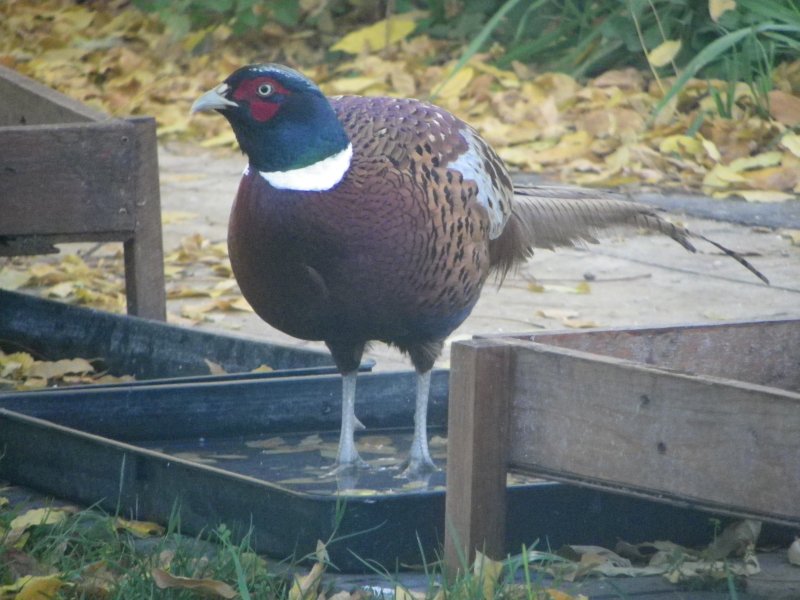
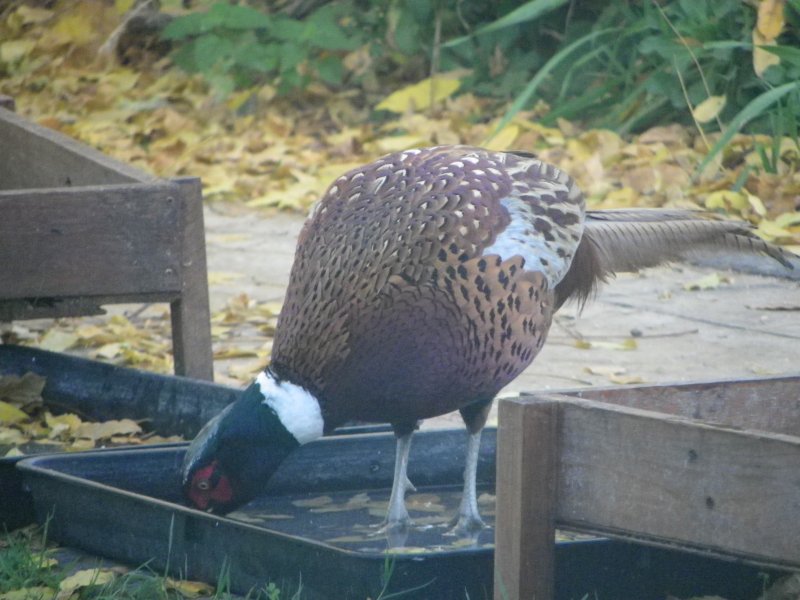
England: Regular Visitor Back.

This is a regular visitor to the garden, but we were concerned as we had not seen him for a while.

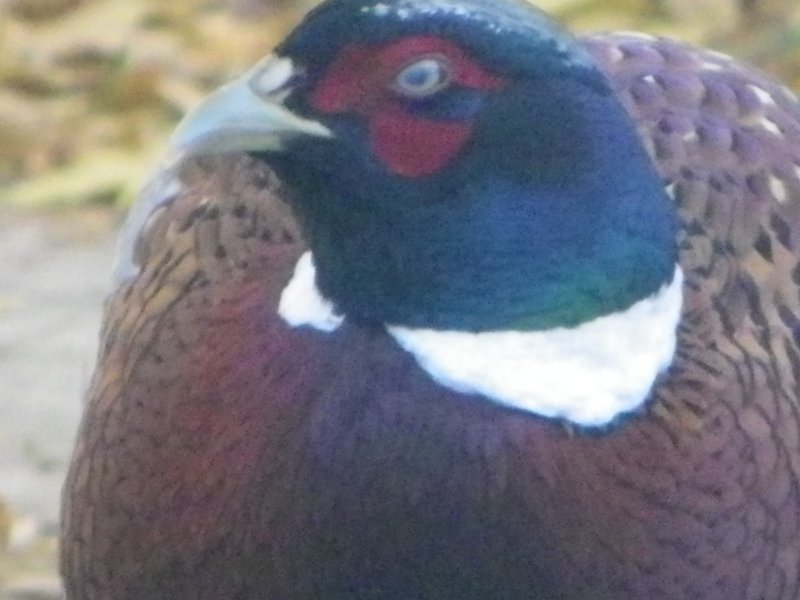
Anyway, back now and looking beautiful – colours are amazing !

Had a good feed with all the other birds; I took these through the window, hence bad quality.

Welcome back my friend !¬

Regards Mark

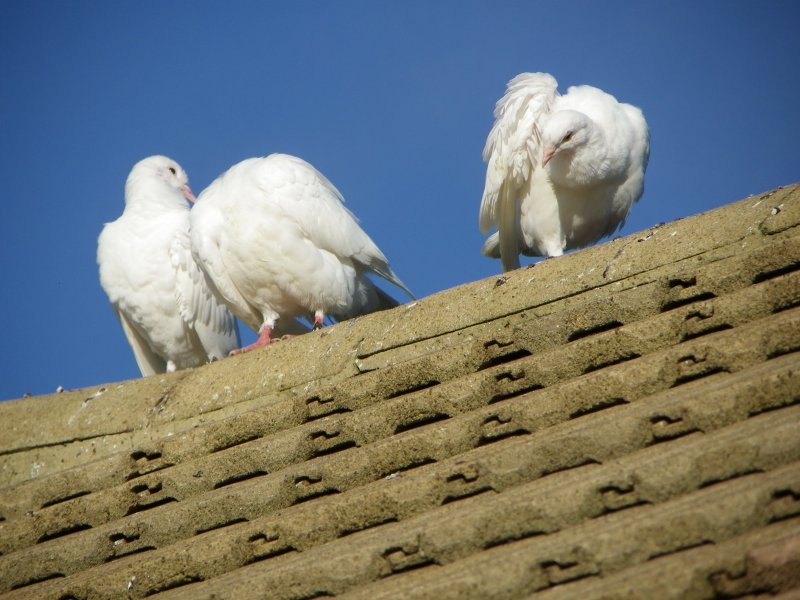
Across the Northern hemisphere, we are heading into Winter now.  Things have been pretty mild here in the UK until the last few days, when it is noticeably colder.

But the weather has been cold and clear, so a good time for photos.  I ventured into the garden a few days back to see the amazing colours.  Here are a few shots;

Regards Mark

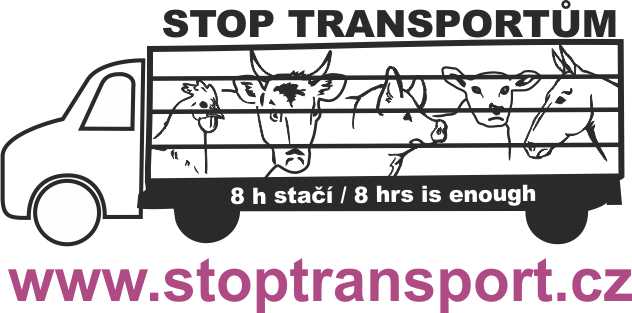
Live Animal Transport – A New Petition has Been Launched in the Czech Republic by Animal Campaigner Friends – Please Support.

WAV Comment – As many of you know. The stopping of live animal transport is one of our main issues.  It is great to see our Czech Republic friends have now set up a petition to support the stopping.  Below we have given all the links to the petition; please add your voice by supporting it.  Note – a ‘translate’ message should automatically appear when you go to the petition.

Regards Mark

Open petition to end long-distance live animal transport in Czech Republic

18 November 2021

Společnost pro zvířata

A new petition has been launched in Czech Republic by Společnost pro zvířata to demand a ban on long-distance live animal transport. They already have collected 4.000 signatures and they need to reach 10.000.

Back in June, our Member Organisation Společnost pro zvířata lit candles for the animals, victims of cruel transport practices, in front of the Czech Republic Ministry of Agriculture sending a strong message to the representatives. 

MEP Jiří Pospíšil, member of the Intergroup on the Welfare and Conservation of animals, also sent his support and lit a candle for the animals. 

The ceremony was also an opportunity to launch a petition calling the Czech government to :

  • Ensure maximum journey times of 4 hours for chickens and 6 to 8 hours for cattle, pigs, sheep and other mammal (including waiting, loading and unloading hours),
  • Work on a strategy to shift from live transport to a trade of meat and carcasses as well as genetic material only,
  • Ensure the protection of animals at the time of slaughter or killing by enforcing mandatory stunning.

The petition is nearing its goal of achieving 10,000 signatures. 

Read more and support the petition here.

Wording:

Petition for an end to long-distance transports with animals and for the export
of meat, for the breeding and life of animals as close as possible to their place of birth

for the Government and Parliament of the Czech Republic

motto: Animals are living sentient creatures, just like we humans. They are not goods.

Therefore, we, the undersigned citizens of the Czech Republic, ask the Government and Parliament of the Czech Republic to adopt legislation and its implementation in practice, which will ensure:

  • that the animals (used for farming purposes) live and live in or near the place of birth;
  • a maximum limit of 4 h (poultry) and 6 to 8 h (bovine, pig, sheep and other mammals) for transport to slaughterhouses, fattening and rearing/rearing, without exception and including waiting, loading and unloading;
  • the replacement of long-lasting transport of animals by the transport of meat, half-carcases and other animal products;
  • the creation of economic incentive tools for the above requirements;
  • the slaughter and killing of animals at their place of birth, as quickly as possible and brought unconscious by prior stunning, without exceptions;
  • severely penalise natural and legal persons for infringements relating to the protection of animals during transport and during the slaughter/killing of animals.

Regards Mark

Solidarity with the demonstrators in Austria


In Austria, the pressure on unvaccinated people is enormous.
There is a 3G rule in the workplace, a 2G rule that excludes unvaccinated people from large parts of public life, as well as a lockdown for EVERYONE from Monday!

While this measure is expected to end on December 13 for vaccinated and convalescent people, it will then continue to apply for unvaccinated people indefinitely.
After the protests against the new Corona measures in Austria, Interior Minister Karl Nehammer warned against further radicalization of the opponents.
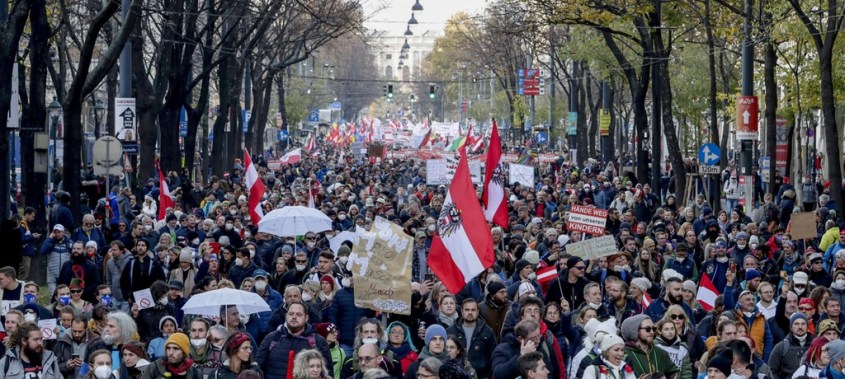
That is his impression due to the controls of the 2G rule and incidents during the demonstration of around 40,000 people in Vienna.

around 40.000 People protest against COVID-19 measures in Vienna, Austria, on November 20, 2021. © Reuters / Leonhard Foeger

There are death threats against the Chancellor and the Minister of Health.
Chancellor Alexander Schallenberg has been compared with the concentration camp doctor Josef Mengele. Mengele had killed many Jews through medical experiments during the Nazi regime.

“Tens of thousands have taken to the streets today in one of the largest protests in the history of Vienna, Austria, after the government implemented a new COVID lockdown and became the first in the world to announce compulsory vaccination.pic.twitter.com/FFriWCZioG”
— Michael P Senger (@MichaelPSenger) November 20, 2021

https://www.tagesschau.de/ausland/proteste-wien-103.html

AndI have no comment to give but I picked up a very accurate one from the enlightened press (https://qpress.de/2021/11/16/oesterreich-verschaerft-den-zwang-zur-freiwilligkeit/) in Germany.

“Greetings from the good old days.
This time you don’t even send the brown staff into the neighborhood to save the world, now you do it at home.
Austria’s Chancellor A. Schickelberg does the honors and locks away those who are symptom-free.
They are a danger to the program and since there can be no more health or immunity without the pharmaceuticals, one simply has to weed out these cross drivers.
As a test, there is initially a test inclusion or exclusion of 10 days for the unwilling.

There can be no more grace.
The police are instructed to sweep all asymptomatic healthy people who can be shown to be walking around freely without an injection or a health certificate from the street on the spot.

There were no special blocking times here, unlike in Germany back then, in order not to allow malicious comparisons to arise.
Freedom should clearly prevail here.

Paths to work and the work itself are of course approved for the lepers in order to increase the gross national product.
Leisure activities of all kinds, on the other hand, can no longer be tolerated, as the virtual viruses have been shown to be particularly virulent and dangerous in such an environment.

The reality is that seven billion people have to be injected through … voluntarily and no matter what the cost.
Austria must not be left out.
From the point of view of the Austrian government, the current measure is suitable to significantly promote this voluntariness.
And no, of course there will be no vaccination Gestapo, it is all intolerable scaremongering”.

My best regards to all, Venus