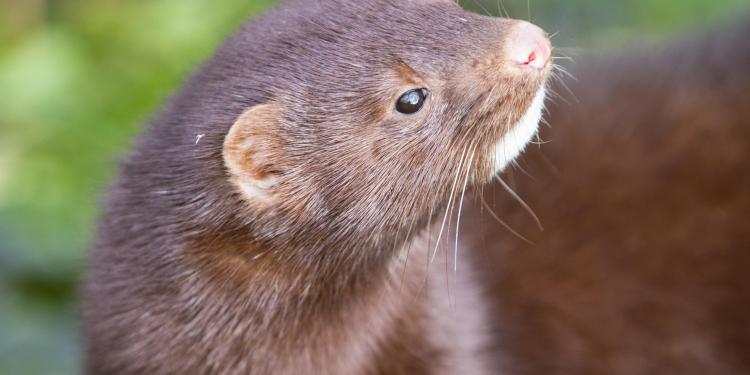
Today marks history: after having adopted a temporary ban linked to the COVID-19 outbreaks in mink farms and the potential impact on pubic health, Italy decided today to ban fur farming for good as of 1 January 2022.
Over 60,000 minks were killed every year in Italy for the “value” of their fur. Thanks to the endless efforts of Italian animal protection organisations and the mobilisation of citizens, from 1st January 2022 this cruelty will never be repeated.
The approved amendment:
Fur farming ban (for all species, not only mink), as already established by almost twenty other European countries, from 1st January 2022.
Dismantling by 30th June 2022 of the 5 latest farms which in 2020 produced 60,000 mink per year; and, at the same time, confirmation of the breeding ban already in place since last January for the 7,039 breeders still held in these farms.
A Decree of the Ministry of Ecological Transition, the Ministry of Agriculture and the Ministry of Health will be issued by 31st January 2022 to regulate eventual change of ownership, sterilization and detention of mink from former fur farms to sanctuaries/shelters preferably managed directly or in collaboration with recognized animal rights associations.
State indemnities up to a maximum of 3 million euros for the closure and disposal of each farm, as well as 3 million euros in total for their conversion into agrivoltaic the production of clean energy, to be assigned by 31 January 2022.
A special congratulations to our Italian member organisations who have been very busy achieving this historical step during the last months: LAV, Essere Animali , Animal Law Italy and Animal Equality
Italy is a more civilized country, we have put an end to a cruel, anachronistic, unjustifiable industry that has no more reason to exist in a civil society where the value of respect for animals, as sentient beings, is always more widespread and rooted
Simonhe Pavesi, Animal Free Fashion Area Manager at LAV
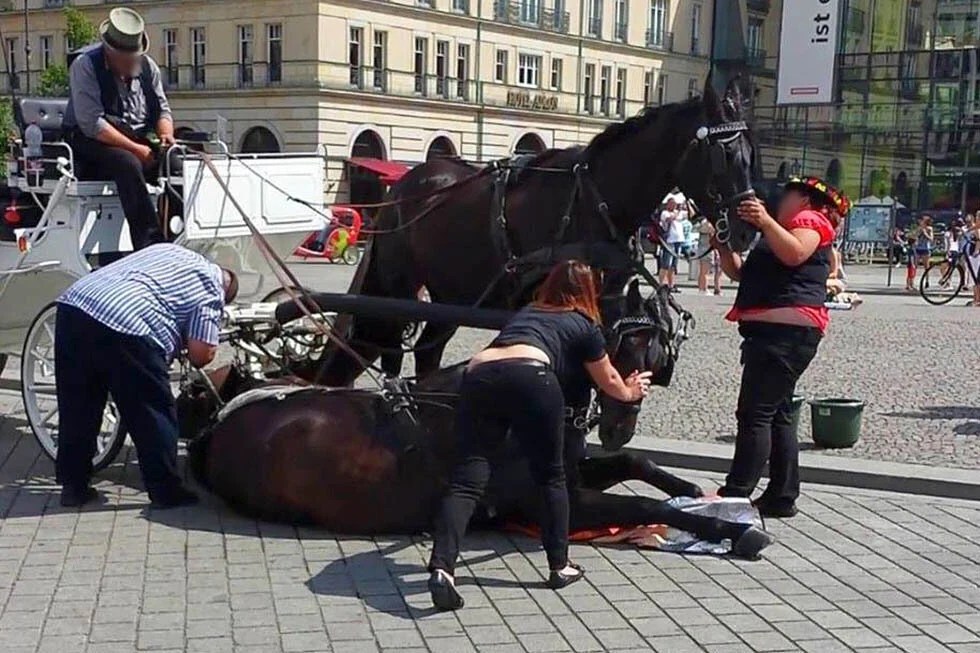
After Czech animal rights activists were able to collect over 12,000 signatures, the city council of Prague changed the market regulations so that horse-drawn carriages are no longer allowed to drive in the city from 2023.
Berlin- Germany
Prague joins a large number of animal-friendly cities that have already abolished this cruelty to animals: Paris, Barcelona, London, Rome, Oxford, Montreal, Chicago, Salt Lake City, Las Vegas and many more.
We are very happy about the news.
Especially when an organized struggle is crowned with success
We continue to fight in the hope that this animal suffering will be understood as such by all countries and finally abolished.
Give a sponsorship gift of an Animal Aid Unlimited sweetheart as a Christmas present this year. Your gift will include special edition certificate of your sponsored animal sporting a cheerful Santa hat, sharing with the recipient that this life-loving gift comes from YOU.
Oh, and our newest sponsorship dogs Sammy, (blind and adorable), Kitu (partially disabled and filled with play) wish you Happy Holidays from Animal Aid.
Milky Way is not “just” a donkey. Shy, a little inward, and an essential part of the universe!
A passing vehicle must have hit this boy we named Milky Way.The laceration was very deep, and if the injury had been lower on his leg he would have surely died. Fortunately, we could give him a chance.
The bandaging was very tricky. We useda bandaging technique in which a few stitches are placed around the wound, and padded bandages are then tied down protecting the wound. This kept the wound clean and eased his pain as his healing journey began.
He’s not a very social boy, remaining quite independent and inward, but Milky Way’s eyes shine like stars.
Snuggler’s mother “told” his rescuers that she was desperately worried…
The mother of a collapsed, comatose puppy told us everything we needed to know.
She held her anxiety in her shoulders, but most of all in her eyes, which were filled with the greatest sorrow–a mother watching her baby dying.But her worried posture alerted neighbors to look more closely at the grey mound in the soil and saw the little one still breathing. He twitched unconsciously.
The little one was in critical condition and we hurried him to our hospital and treated him for life-threatening hypothermia (cold), pain, and gave him IV fluids to stabilize him. He had no fractures but we cleaned and dressed several puncture wounds on his neck. He was still comatose when we lay him bundled in a basket, and he slept through the night. In the morning, we were delighted to find his eyes open: he had woken up from the coma! Now the next task would be to get him to eat–if he would eat we knew he had a good chance of surviving.
Watch life return to little Snuggler, and his return home to his busy siblings, and his beautiful mom and dad.
Even those who are only sporadically on Instagram,Facebook,Youtube and Twitter cannot ignore it:
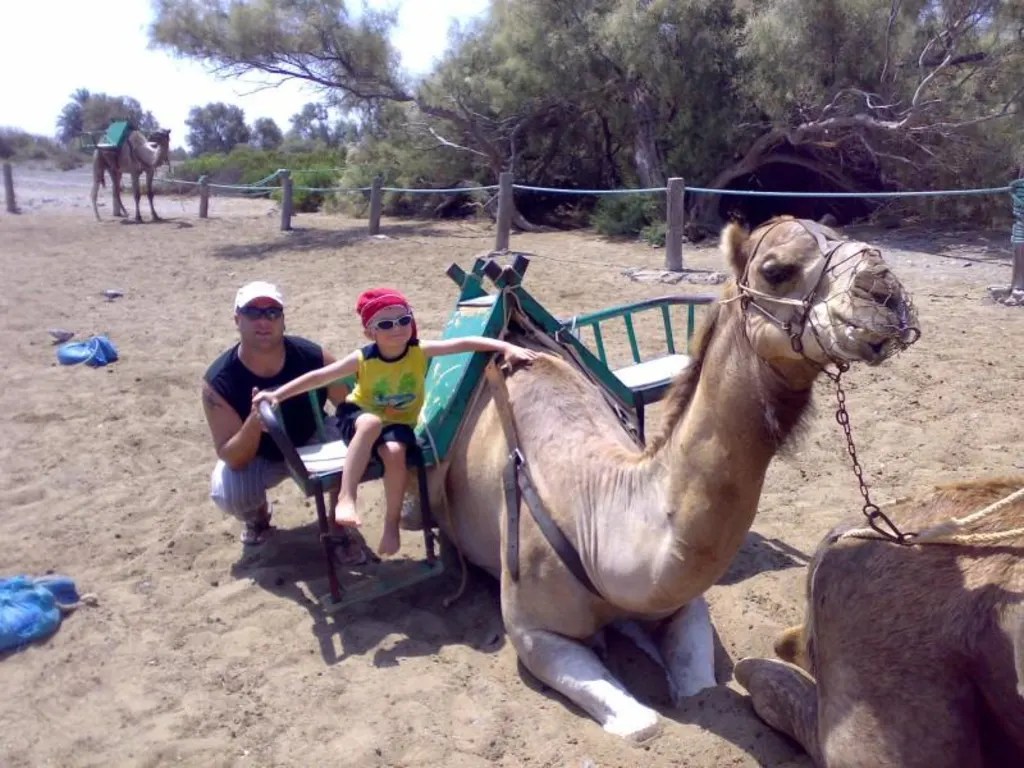
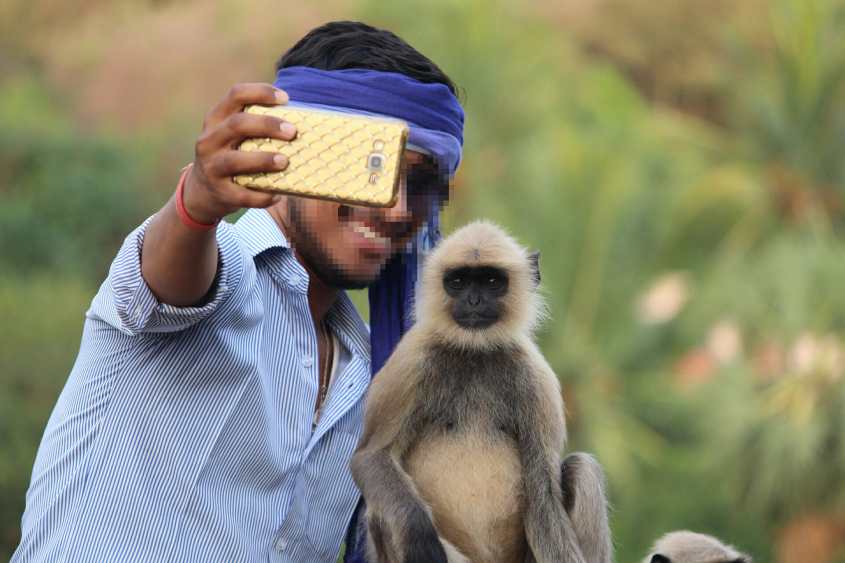
Happy vacationers post pictures of themselves with a monkey on their shoulder, petting a big cat, riding a camel – or even riding an elephant.
The photo tourism industry is growing and flourishing – in every major tourist destination you can meet traders who offer to take a photo with monkeys, koalas, snakes or even elephants and big cats. The presence of such images on social media shows how eagerly tourists accept these offers – great business.
What does it actually mean for the animals to end up as a photo souvenir?
Abuse and mutilation
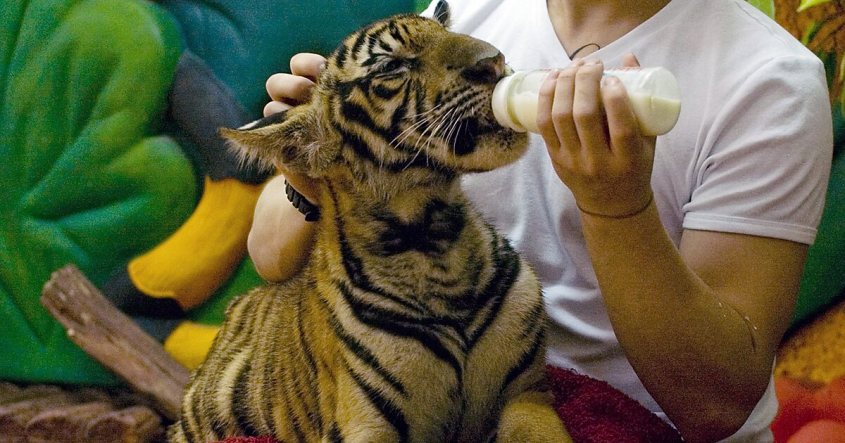
Behind the “photo accessories” are animals that were torn away from their mother and other social partners at a young age, often immobilized with medication and made submissive by force.
The animals’ claws or teeth are often removed so that they do not bite or otherwise injure the tourists – that would be bad for business.
If the animals are too old or too unpredictable, they are disposed of – big cats such as tigers, lions and leopards then usually end up on a “game farm”, where they are released for hunters to shoot for a fee.
Other animal species spend the rest of their short lives cooped up in tiny cages.
Species extinction and illegal trade
Many of the animal species that can be seen in the photos are endangered – for example the slow lorikeet.
These animals may not be kept legally – and certainly not be used as a photo object all day as a tourist attraction or as fun objects.
These animals are likely to have been trafficked – that is, they were captured from the wild to attract tourists.
The victims of photo tourism die early
Reaching around means unbelievable stress for the animals – regardless of whether they belong to an endangered species or not.
They often die early as a result of the hardships and inadequate care.
Taking photos, often with a flash, also scares the animals off. Improper posture and constant contact with a wide variety of people mean that the likelihood of infections and a generally poor physical condition is very high.
The nocturnal slow loris, which unfortunately you see more and more often in pictures of tourists, are shown in broad daylight.
These factors cause the animals to die miserably early.
Photo tourism encourages the illegal trade in endangered species
Seeing photos of people together with wild animals often encourages the desire to keep these animals as pets.
In the meantime, various research studies show that animals that can be seen in photos / videos together with people are perceived as less threatened and are also assessed as suitable pets.
Thus the demand of the pet trade with these animal species is growing – and with it, unfortunately, the illegal wildlife trade
Photo tourism is spreading
The photo tourism business is expanding due to its high popularity with tourists – celebrities such as the singer Rihanna, who was photographed with a slow loris in Thailand, have also contributed to this.
With dramatic effects.
A few years ago, the offer of photos with these animals was only limited to those countries where slow loris can be found in the wild (e.g. Thailand), the trend is spreading. Researchers found, among other things, several slow loris in a popular holiday destination in Turkey.
These then often end up with tourists as “monkeys”“lemurs” or “bush babies” on social media.
How the animals ended up in Turkey is not clear – only one thing is clear: it did not happen legally.
Because business is booming, more and more animal species, often endangered, have to serve as photo souvenirs.
Slow loris, macaws, various big cats, turtles, lemurs, various species of monkeys and many more – many of them are endangered species.
The providers themselves often cannot even name the species of the animals – in a study in Turkey the slow loris found were touted as lemur and sloth. The sellers are probably not even aware that these animal species are all threatened and protected.
You can change something here – show your commitment to exotic animals in need!
-Under no circumstances should you accept offers with animals as a photo souvenir.
-Do not like or share pictures on social media that show people with “animal photo souvenirs”
-Point out the negative consequences of photo tourism to people around you and ask them not to take advantage of the offers and not to spread them.
And I mean…All over the world, animals are suffering as photo tourist attractions.
Sloths and parrots are captured in South America and young Barbary macaques in Morocco so that tourists pay for photos with the animals.
In Japan owls and in South Korea raccoons are used to attract visitors to animal cafes.
In Vietnam, turtles, snakes and other reptiles are very popular in cafes, while in Thailand foxes and meerkats are on display.
Who is interested in this tormenting circus?
The operators.
And the visitors who are lied to, that the animals do it voluntarily and with fun;
This means that some earn money from cruelty to animals and many are lied to.
The question is: would visitors ever take part in this excruciating circus if they were fully informed?
Perhaps not, and that is why the cruel truth is hidden and the outrageous lie spread that the captive animals are happy to serve visitors.
There is hardly a wild animal that does not have to be used to entertain stupid tourists.
In addition to entering the zoo and selling souvenirs, petting baby tigers and predator selfies are guaranteed ways to make money.
Obviously, snapping a selfie with a wild animal is not as easy in the wild as it is in captivity.
That is why there are now more tigers in the shabby private zoos in the USA than in the wild in the world.
Thanks to everyone who doesn’t take part in this tormenting circus
New investigation reveals cruelty and illegalities on an Italian egg farm
20 December 2021
Essere Animali
NewsAn Essere Animali investigator worked undercover on an egg producing hen farm and witnessed, among others, covert slaughter, cruel killing of sick hens and violent loading procedures.
For years, through investigations carried out in a random selection of farms and slaughterhouses, Essere Animali has documented frequent violations which were reported to the relevant authorities.
Yet their latest investigation in an egg farm adds on additional evidence that an urgent change in animal protection is needed. Essere Animali calls on more controls, severe sanctions for those who act in violation of these laws, and also a plan for a transition towards ending intensive farming.
The images reveal several unacceptable behaviors such as:
Illegal slaughter of hundreds of hens without prior stunning;
Repeated violent behavior towards animals;
Images and testimonies of eggs produced by caged hens being marketed as free range eggs.
INVESTIGATION IN A HEN FARM: covert slaughter, possible fraud and illegal work
In never-before-seen footage, a PETA Asia investigation into an Indonesian slaughterhouse that supplies Gucciwith lizard skins reveals how Gucci wallets, belts, and purses are made.
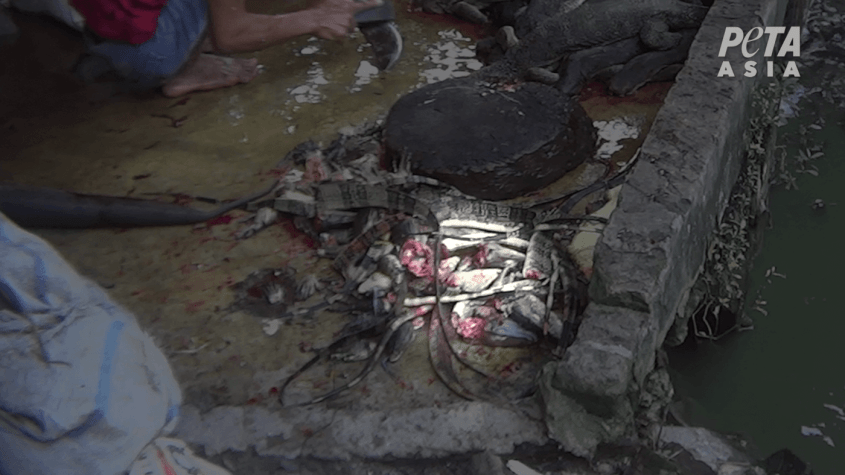
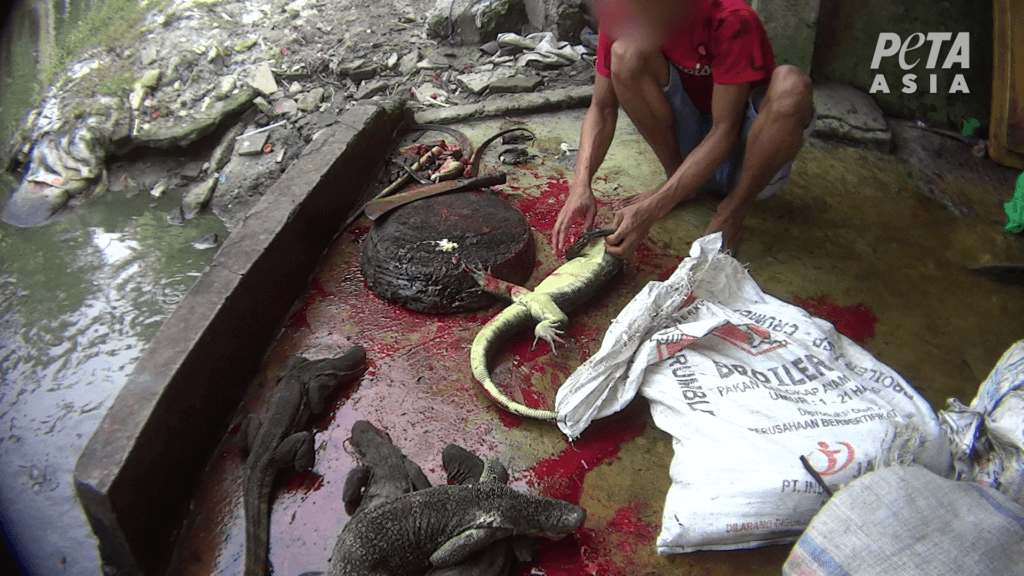
The lizards’ legs are tied, then they’re callously thrown around and beheaded without stunning—causing them a prolonged, agonizing death.
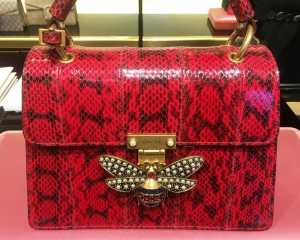
This kind of cruelty goes into every one of Gucci’s lizard leather purses, belts, wallets, and other fashion accessories.
Workers put the lizards on a wooden block one by one and chopped off their heads.
PETA Asia’s investigators documented workers striking lizards up to 14 times with a machete until the decapitation was complete.
Lizards struggled and thrashed throughout the process.
According to Dr. Clifford Warwick, a reptile expert who reviewed PETA Asia’s footage, decapitating live, conscious reptiles has been recognized as extremely inhumane by major scientific bodies for approximately four decades and is illegal in some parts of the world.
Decapitation does not cause an instantaneous death in lizards. According to Dr. Warwick, the lizards’ brains were probably conscious—fully aware and feeling intense physical pain and psychological stress—for over 30 minutes after they had been beheaded.
PETA Asia’s footage shows lizards’ heads moving after being severed.
Workers then inflated the lizards’ headless bodies with an air compressor to make their skin easier to remove.
“The film depicts the brutal treatment and killing of lizards using methods that are strongly inconsistent with scientific evidence-based protocols, are contraindicated, are abusive, and are inhumane.”
—Dr. Clifford Warwick, PGDip (MedSci), Ph.D., C.Biol., C.Sci., EurProBiol, FRSB
Despite hearing from PETA, Gucci continues to profit from this kind of cruelty.
Lizards have individual personalities, just like cats and dogs. Research has shown that some species of lizards are devoted parents and mates, and three generations of lizards may live together in family groups.
Rather than exploring lush rainforests, the lizards used by Gucci are taken out of their natural habitat, abused, and violently killed for cold-blooded vanity.
No matter what standards companies tout, PETA entities have repeatedly exposed the horrendous ways in which animals are abused by the exotic skins trade.
A previous PETA Asia investigation documented that snakes in Vietnam are killed by being inflated with compressed air and that crocodiles are electroshocked, stabbed, inflated, and then likely skinned alive.
In South Africa, PETA U.S. investigators caught workers on camera striking ostriches in the face during transport, and at the slaughterhouse, they were stunned and flipped upside down, and then their throats were slit in full view of the other terrified birds—all for the bumpy-textured ostrich-skin purses sold by Gucci.
No bag, belt, or wallet is worth so much pain and suffering.
Please don’t buy accessories made out of exotic skins: Choose humane, eco-friendly, vegan options instead.
Gucci banned fur and angora after hearing from PETA and our supporters. It’s time for the company to do the same with exotic skins.
Please join PETA in calling on Gucci to stop using exotic skins today.
The trade in Asian pythons alone is an estimated 1 billion US dollars annually.
Because the leather of the phyton snake is particularly popular.
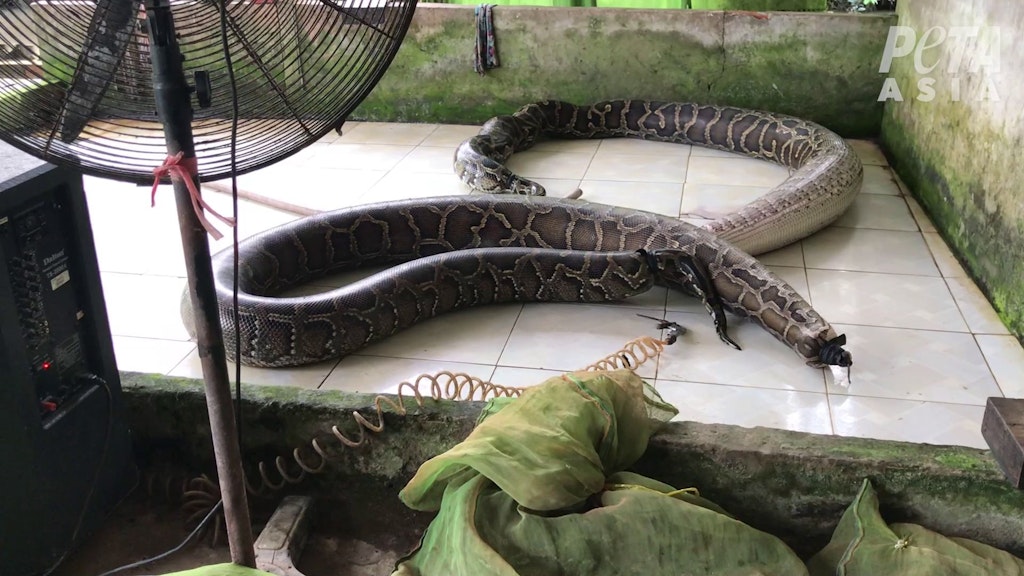
To do this, the living phyton snakes are hung with their jaws on a hook and pumped full of water so that the body is full and the snakeskin can be peeled off with a straight cut.
A living python with a compressor hose: anus and mouth are sealed with tape Photo: dpa / Peta
After that, the skinned phythons, which are disposed of as waste, often live for several days before they die in agony.
The EU countries alone imported an incredible 6.3 million whole hides and more than 4 million pieces of skin from protected snakes, crocodiles, monitor lizards and tejus (monitor lizards from Latin America).
Most of the leather used is imported from “low-wage countries” such as China, Brazil, India, Bangladesh and Vietnam.
The conditions there are cruel in terms of keeping and killing the animals, but also in terms of working conditions.
In the countries of origin, leather can now often be sold more expensive than meat, which is why leather is no longer a waste product of the meat industry, as is widely believed, but the opposite is often the case.
The leather of exotic reptiles is back in vogue: The reptile leather is mainly imported from luxury fashion brands such as Gucci, Cartier, Hermès and Bally and processed by them into watch straps, shoes and bags.
Switzerland is the world’s largest dealer of goods made from the leather of exotic animals.
The industry and the exclusive clientele do not seem to care what agony the animals have to suffer from in order to end up as an accessory.
There is no species-appropriate way to kill an animal. Millions of animals die each year for trade in exotic skin, and every single animal goes through the same excruciating killing process.
We don’t need wildlife products for luxury fashion. This damages the ecosystem and causes incredible torture for the animals
WAV Comment – Talking of old fossils – there I was thinking the Conservative Party had only been around since 1834. Just shows you; you live and learn. Joking aside; an amazing discovery to learn more about the past.
Regards Mark
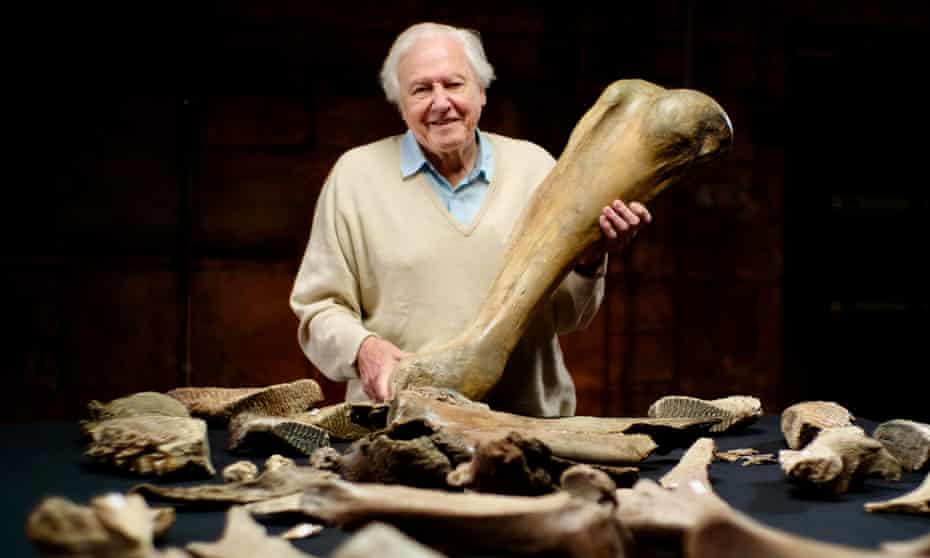
Sir David Attenborough with some of the mammoth bones found in the gravel quarry near Swindon. Photograph: Julian Schwanitz/BBC/Windfall Films
David Attenborough will tell of ‘pristine’ skeletons found with other extinct species
Five ice-age mammoths in an extraordinary state of preservation have been discovered in the Cotswolds, to the astonishment of archaeologists and palaeontologists.
The extensive remains of two adults, two juveniles and an infant that roamed 200,000 years ago have been unearthed near Swindon, along with tools used by Neanderthals, who are likely to have hunted these 10-tonne beasts. More are expected to be found because only a fraction of the vast site, a gravel quarry, has been excavated.
Judging by the quality of the finds, the site is a goldmine. They range from other ice-age giants, such as elks – twice the size of their descendants today, with antlers 10ft across – to tiny creatures, notably dung beetles, which co-evolved with megafauna, using their droppings for food and shelter, and freshwater snails, just like those found today. Even seeds, pollen and plant fossils, including extinct varieties, have been preserved at this site.
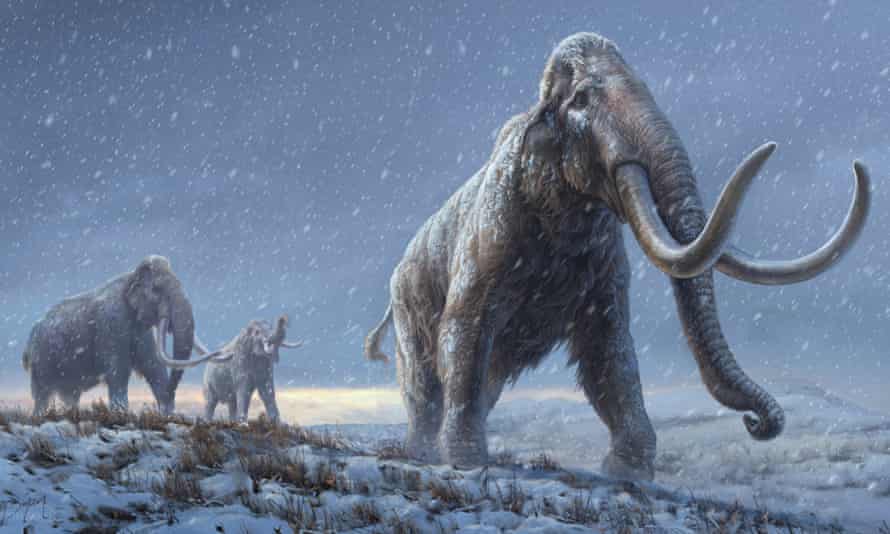
An artist’s impression of the Steppe mammoth. Photograph: Beth Zaiken/Reuters
All these will now offer new clues into how our Neanderthal ancestors lived in the harsh conditions of ice-age Britain, a period of prehistory about which little is known. The exceptional discoveries will be explored in a BBC One documentary, Attenborough and the Mammoth Graveyard, to be aired on 30 December, in which Sir David Attenborough and evolutionary biologist Professor Ben Garrod join archaeologists from DigVentures to film the excavation.
Garrod told the Observer: “This is one of the most important discoveries in British palaeontology.” While the odd mammoth bone often turns up, he said, finding such complete skeletons is “incredibly rare”. “Where these mammoths lie in the ground is exactly where they died a quarter of a million years ago – next to incredible things like stone tools and the snails they trampled underfoot.
“We have evidence of what the landscape was like. We know what plants were growing there. The little things are really revealing the context of these big, iconic giants. It’s a glimpse back in time. That’s incredibly important in terms of us understanding how climate change especially impacts environments, ecosystems and species.”
Lisa Westcott Wilkins of DigVentures, an archaeology social enterprise, said: “Exciting doesn’t cover it. Other mammoths have been found in the UK but not in this state of preservation. They’re in near-pristine condition. You can’t take it in.”
She added: “Archaeological sites from this period are rare, and critical for understanding Neanderthal behaviour across Britain and Europe. Why did so many mammoths die here? Could Neanderthals have killed them? What can they tell us about life in ice-age Britain? The range of evidence at this site gives us a unique chance to address these questions.”
The researchers believe that the mammoth remains and the artefacts date to around 220,000 years ago, when Britain was still occupied by Neanderthals during a warmer interglacial period known as MIS7. Falling temperatures had forced Neanderthals south, and this site was then a lush, fertile plain to which both animals and humans were drawn.
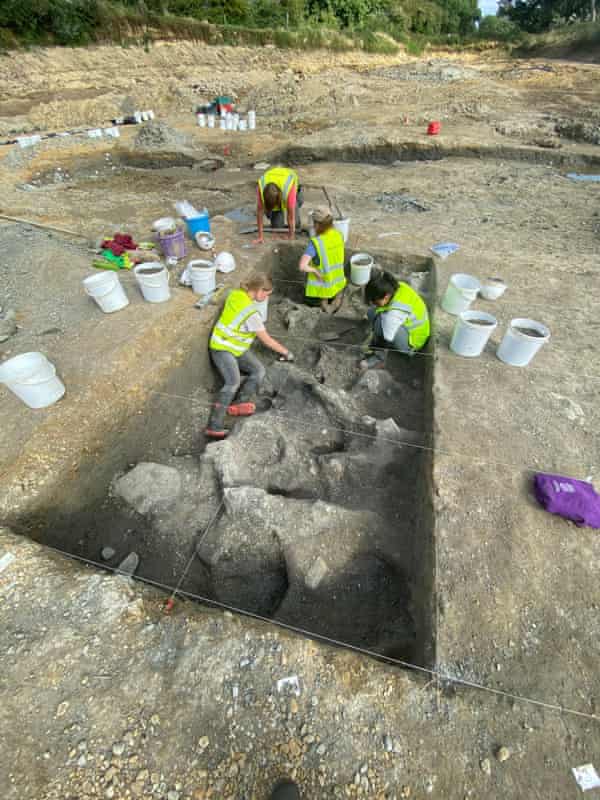
Archaeologists excavating the mammoth bones. Photograph: DigVentures
The earliest mammoths came from Africa about five million years ago. This particular species, the Steppe mammoth, was the largest of them, and lasted from about 1.8m years ago to about 200,000 years ago.
Garrod, professor of evolutionary biology at the University of East Anglia, said the species weighed up to 15 tonnes, twice or three times the weight of an African elephant: “This was the largest species of mammoth ever. By the time they were about to be gone, they had dropped down to 10 tonnes, which still sounds a lot. We think that was an adaptation to the change in environment, climate and resource availability. It was becoming colder at that time, resources were getting sparser, and it drove that shrinking of the species. On top of that, there would have been undoubtedly local pressure from hunting and competition from other species.”
Speculating on why so many animals died at this site, he added: “Was there a massive glacial flood that washed these poor animals down? By looking at the mud, it doesn’t look like there was. It’s very uniform all the way down. Were they hunted by people? Were Neanderthals crouching down in the rushes and chasing them into the water? Possibly. There is definitely an association between a wonderful hand-axe and other stone tools and these bones. Did they chance upon this bunch of dead mammoths and have a mammoth buffet?
“Or was it just really muddy? With elephants today, if a juvenile gets stuck, often the adults won’t leave the site. They’ll try and help them. This is very thick mud. I’ve grown up near the seaside, near estuaries; you don’t need to be very heavy to get stuck in mud very quickly.”
The excavations also revealed further evidence of Neanderthal activity on the site, including flint tools that would have been used for cleaning fresh hides. Some of the bones have possible butchery marks.
DigVentures is a team of archaeologists that specialises in public outreach. They were called in after a Neanderthal’s hand-axe was found with the initial discovery of mammoth remains by amateur fossil-hunters Sally and Neville Hollingworth.
DigVentures raised the funding from Historic England, dug the site and is coordinating the analysis and research. They hope to continue excavations once further funds have been raised. The site is now protected from fossil hunters by natural flooding.
Westcott Wilkins praised the Hills Group, the quarry owners, for allowing them as long as they need: “There are also early discussions about wanting to build a public outreach centre where we can display some of the finds.” Other finds are expected to go to the Bristol Museum.
She noted that the mammoths were barely five metres below ground level and close to a busy road: “People are whizzing by, not realising that feet underneath their car is this scene. It’s very surreal. We’re all still trying to get our heads around what we found.”
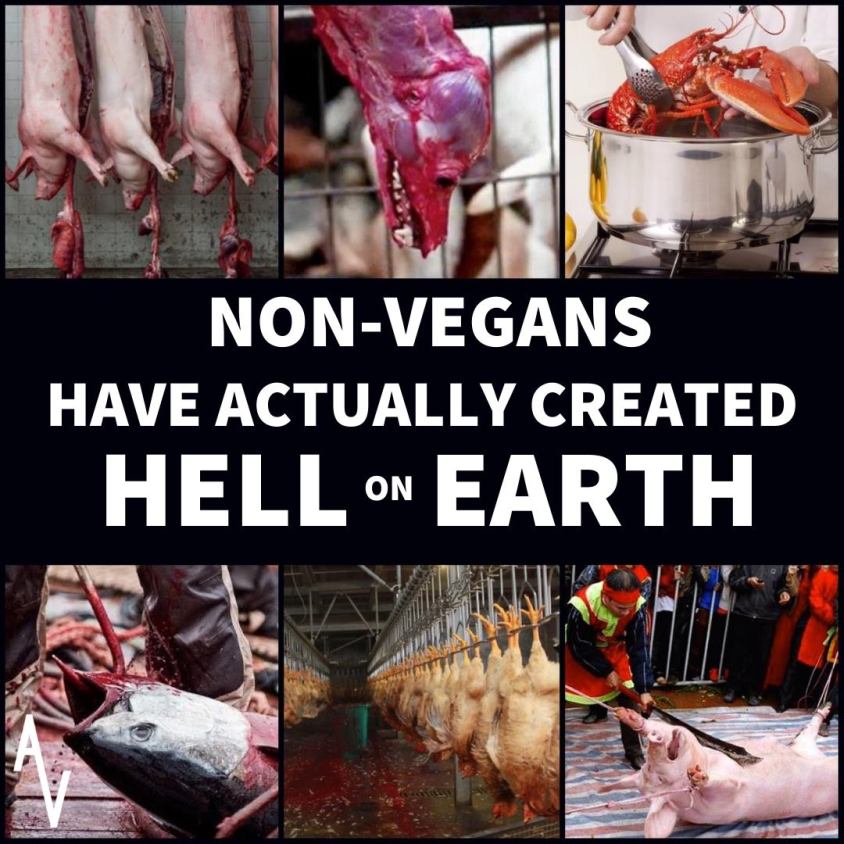
Every year around 60 billion animals are murdered worldwide to satisfy the greed of industry and carnivores.
It’s an extremely cruel and violent practice, but that’s how the meat mafia works.
The machinery draws its energy from the large power plants of economy, press, religion and politics, but the energy itself is extracted in the deep, dark tunnels of the thought mines of human indifference.
The meat eaters in the billions help to maintain this system of exploitation, extermination, crime against animals, although they are informed almost every day, and even by conventional media, about the Holocaust of animals.
When you buy eggs or milk, meat or fish, you are paying the ones who make the money to do the dirty work … you are not innocent of these crimes if you still consume animal products … your money is that what they want … and they go all out to get the most money … by the cheapest means and the worst animal suffering …it’s time to stop eating animals and their products, it’s time to say … Animals of any kind are not resources, they are individuals, part of our Earthling family. Speciesism and anthropocentrism are both ideologies that have enforced and manifested the highest contempt for life in the non-human world.
Don’t be a follower of these filthy ideologies; finish them.
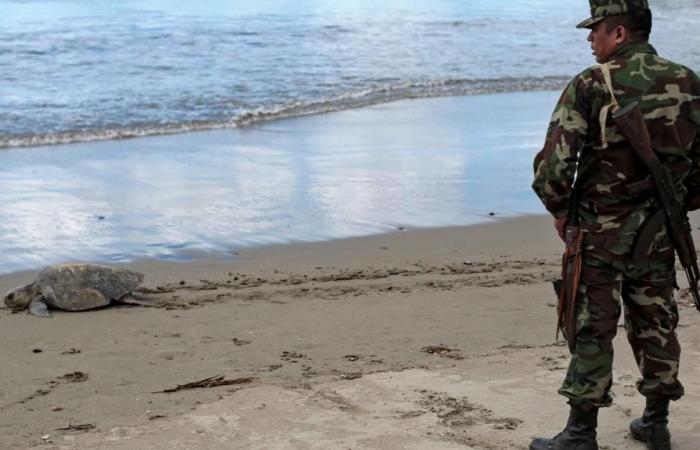
Soldiers have guarded thousands of sea turtles on the coast of Nicaragua in the past few days.
The animals laid their eggs under military protection (!!)
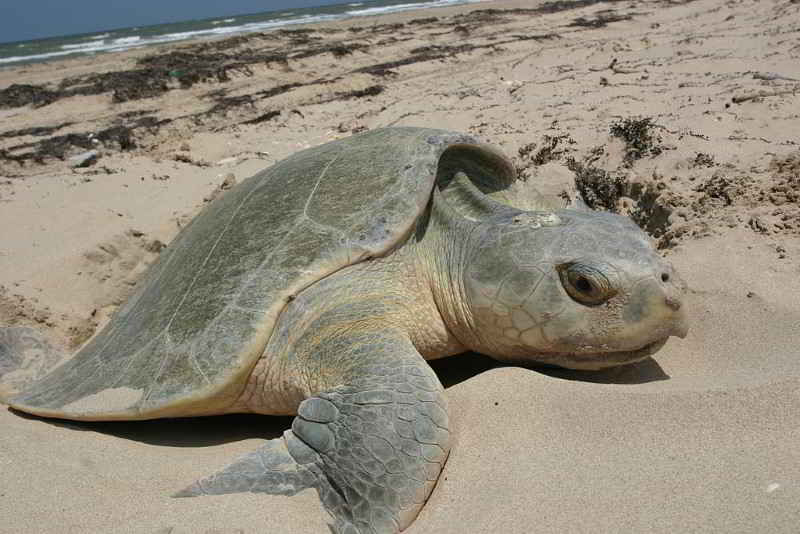
A member of Nicaragua’s army carries a paslama (or Lora) turtle (Lepidochelys olivacea) after it laid her eggs at the beach in La Flor Wildlife Refugee in San Juan del Sur, Nicaragua, during nesting season, on December 5, 2021. – (Photo by Oswaldo RIVAS / AFP)
Together with the environmental authorities of the country, the emergency services on the beach of La Flor in San Juan del Sur in the south of the country are to prevent residents from neighboring communities from plundering the nests of the olive ridged turtles.
The turtle species is considered critically endangered.
The sea turtles cover long distances to lay their eggs in the La Flor and Chacocente nature reserves on Nicaragua’s Pacific coast.
Authorities estimate that out of 100 hatched turtles, 90 make it into the ocean, but only 3 reach adulthood.
However, the young animals in particular are exposed to many other dangers: They are eaten by larger fish and seabirds.
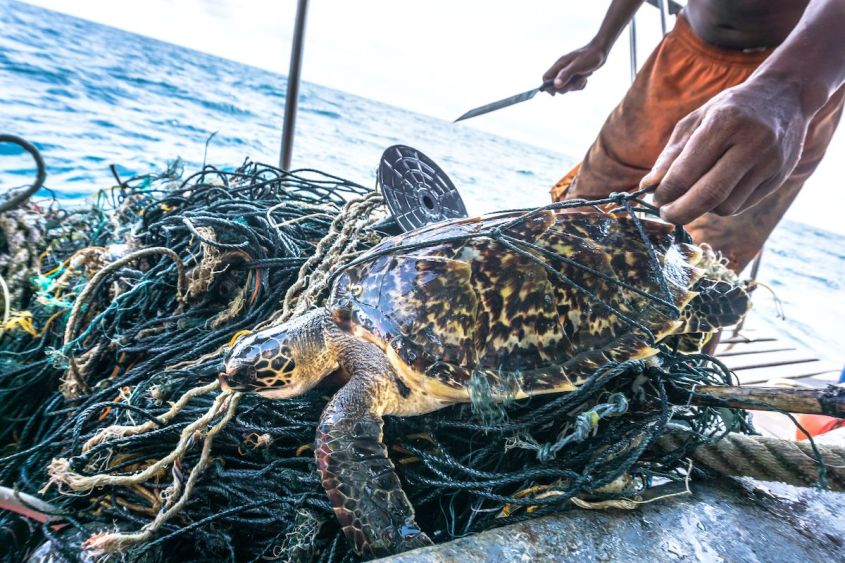
In addition, pollution, boats and fishing pose a threat to the turtles.
For example, many animals are killed as “bycatch”.
Each of the turtles lays around 90 eggs.
The offspring hatch from the eggs after about 40 to 70 days.
When fully grown, the animals are a little over half a meter tall and weigh around 38 kilograms. Source: spiegel
And I mean…Nice! the good news of the day!
You can see, if wanted, that the military can also be used for extremely sensible measures: to protect endangered animals from human violence.
It would be nice if the example caught on worldwide.
For many other endangered animal species too!
This is really a military phrase that can be welcomed without reservation.
In the country’s most recent elections (November 2021), Nicaraguan President Ortega received 75 percent of the vote.
The Biden government condemns the Sandinista government of Ortega as undemocratic and threatens with consequences for his election victory.
The US should be the last to criticize other nations’ elections.
Any election result that the US does not like is a bad one; any brutal dictator, as long as he is on the side of the United States, is good.
We congratulate on the election result and hope that further such meaningful actions for animals on the part of the government will follow!
The European Commission adopts a set of new measures to end ivory trade. While they will help in the fight against wildlife crime and to protect elephants, significant gaps remain.
The new measures suspend trade in raw ivory on the EU market except for the exclusive purpose of repairing objects containing ancient ivory. Together with amendments made to Commission Regulation 865/2006, the Guidance also suspends intra-EU trade in worked ivory items, unless strict conditions are fulfilled.
While Eurogroup for Animals welcome the Commission’s amendments to Regulation 865/2006 and the revised guidance document on the EU regime governing trade in ivory, some significant gaps still remain.
The trade restrictions on worked ivory are only partially addressed in the Regulation (with the rest being in the guidance document), and those on raw ivory are currently only included in the guidance document and therefore are not legally binding for Member States.
Eurogroup for Animals has been directly involved in the process of developing the new rules, through participation in meetings, consultations, drafting documents and public mobilisation.
The recently adopted measures represent a great achievement in the fight against wildlife crime and the slaughter of elephants. However, we will continue working, together with our members, to ensure that the new rules are duly implemented by Member States and strictly monitored by the European Commission.


 Species extinction and illegal trade
 The victims of photo tourism die early
 Photo tourism encourages the illegal trade in endangered species
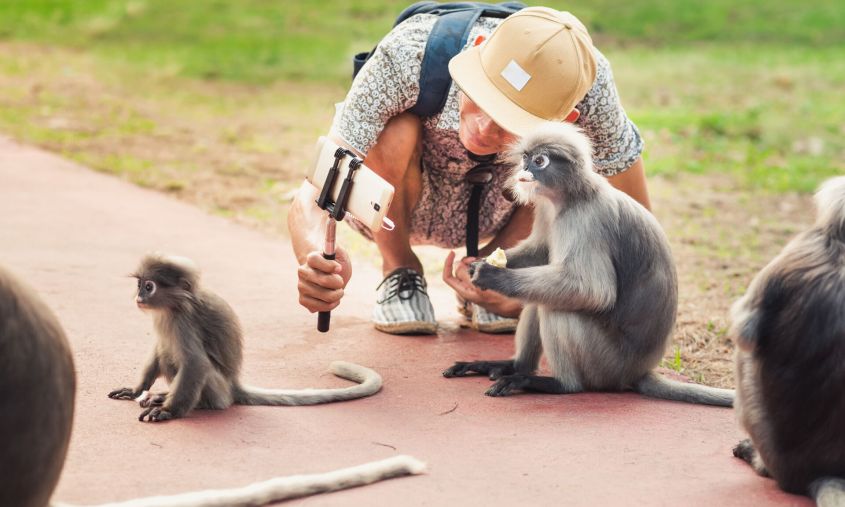 Photo tourism is spreading
 Because business is booming, more and more animal species, often endangered, have to serve as photo souvenirs.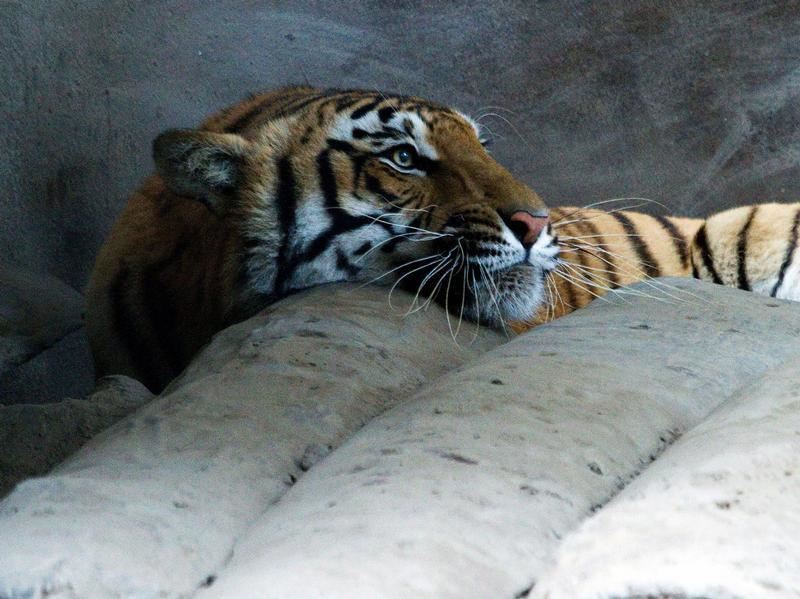
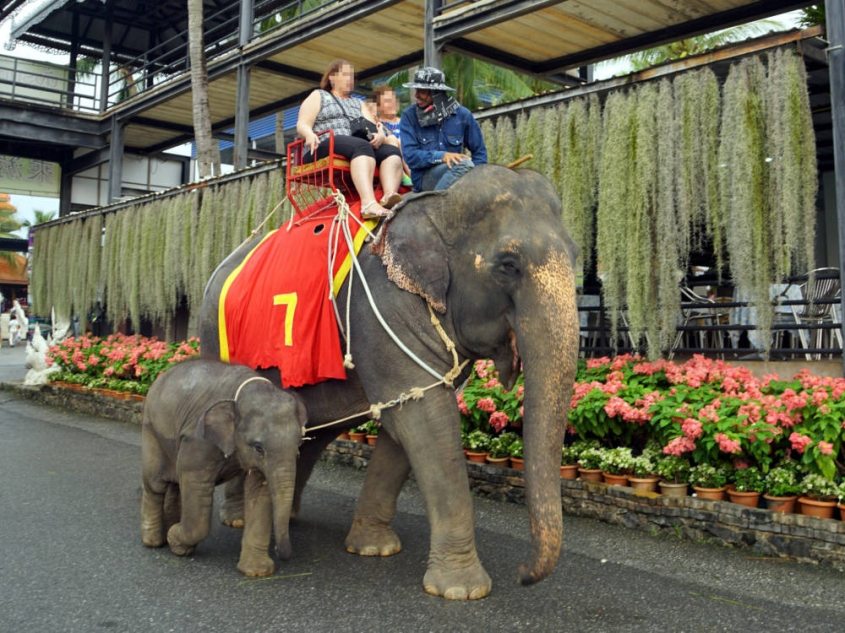 Thanks to everyone who doesn’t take part in this tormenting circus





 The sea turtles cover long distances to lay their eggs in the La Flor and Chacocente nature reserves on Nicaragua’s Pacific coast.
 However, the young animals in particular are exposed to many other dangers: They are eaten by larger fish and seabirds.
 Each of the turtles lays around 90 eggs.
 World Animals Voice