“As a professional driver, the animals are in your hands. You need a certificate of competence to carry live animals.
Image: Manfred Karremann
Compliance with the relevant welfare and transport legislation will help you achieve consistent high standards of quality and welfare (!!!)” Check all the animals during stops. Separate and treat (if necessary and possible) any sick and /or injured animal or seek veterinary assistance.
European Commission, DG Sante pilot project: “Three years ago our consortium started the adventure of developing good and better practices for the transport of 5 groups of animals.
Now in February 2019, we completed the EU project work, having developed guidelines, fact sheets, videos and having toured many European countries to forward our findings and discuss how to improve animal transport. Although officially this means the end of the project, we will keep on spreading our messages. This website will be kept alive and we hope that we will even be able to add additional translations of our documents on a later stage.
Our Facebook page will also be kept alive and report routinely on EU events on animal transport.
We invite everybody to keep using the recommendations to make sure animals are transported in the best possible ways (!!!)
And here is the visualization of the Animal Transport Guides
EU-Kommission: ..”We invite everybody to keep using the recommendations to make sure animals are transported in the best possible ways” (!!!)
Eurogroup for Animals:The leading animal welfare organisation at EU level: We are recognised by the European Parliament and Commission as the leading animal welfare organisation at EU level and represent animal welfare interests on many EU advisory committees and consultation bodies. Over the years we have been instrumental in achieving legal protection and EU standards which dramatically improve the way animals are treated.
And we mean: The video work is actually very good, congratulations.
What we do not quite understand, to whom are the videos directed.
To the truck driver?
And before 2018, before the project is completed, did the drivers not know which laws apply to animal transport at EU level?
And now that they finally know, do they have to follow these rules? Or only if they want?
The second is more likely to be the case, as most animal transports do not comply with EU regulations so far.
And because the EU, as the “largest agricultural lobby” (Jean Ziegler quote) respects the opinion of agriculture ministries, animal transporters, slaughterhouse owners.. much more than the life of animals.
The experience of the last months with the transport of 70,000 sheep in the Persian Gulfhas shown us.
Even an EU Commissioner – Vitenis Andriukaitis – got involved, a courageous MEP Anja Hazenkamp was also on the ground; but in the end, none of these individuals (who were certainly involved in drafting Animal Transport Guides) could commit the mass murder of (certainly) a thousand sheep!!
Therefore, a very legitimate question arises: if truck drivers, agriculture ministers, slaughterhouse operators, transporters … regulate the transports only on a profit basis and not on the basis of EU-Animal Transpot Regulation, which instance is responsible for their punishment, and which paragraphs regulate their penalties?
So far, it seems that the EU has not thought about it yet.
But we do.
We have not seen any dramatic improvements in animal transport, on the contrary: the condition remains dramatic to catastrophic, with still a high degree of animal suffering.
This suffering can not improve videos if those who cause it are not punished severely.
It’s that easy, even the EU and its staff could understand it.
We are waiting for the infringement procedure against Romania.
Only when that happens can Eurogroup convince us of “dramatic improvements” in animal transport.
There is a nice anecdod that illustrates the absurdity in our live very well:
A gentleman goes to the psychiatrist: “Doctor,” he says, “my brother thinks he is a chicken.”
“And why don`t you bring him to the clinic?” asks the doctor
“I would like to do that, but I need the eggs”!
It’s the same in life, we see the absurd, the paralogue, but we need the eggs.
Therefore, it is not very easy to admit that the EU has failed at every level if one is well paid by the EU.
Everyone needs the eggs!
In the case of the EU Commission the absurdity is only a harmless word, we should actually speak of convinced animal haters.
Who else would extend the castration of the piglets without anesthesia?
Who else would prolong the chick shredding?
Who else would bury the 8-hour campaign in the sand, despite the 1.2 million signatures?
Who else would let criminals animal tansporteure unpunished if they drive animals with 40 degrees to death?
Who else would have slaughterhouse operators continue to work if they sent pregnant, sick and injured animals for transport?
The questions go to Eurogroup for Animals, because according to their statutes they are the skilful actors to transform animal suffering to animal welfare, as a trusted bridge between the European Commission and animal suffering!
Nobody would deny that the driving force of any Eurogroup for Animals member is the defense of animal rights, at least in the first phase. It is more difficult for anyone to understand, how is it possible to work for them, who the animals demonstrably hate and have not done anything else until now, rather than closing lucrative deals with those who live on animals.
In that sense, a job for Animal Rights in Brussels is like any other job, except that it is seductively rewarded.
Over time, and having experienced all facets of anger and disgust inside ourselves for the validity of the EU Commissioners, we believe that we should not expect any improvement from either groupings or individual officials.
The groupings, because they do not even believe themselves that they have the power to persuade and convince the inept and unwilling commissars to take action.
But they need the eggs, they stick to it.
The commissioners because they have no interest in defending neither animal rights nor human rights (the case of Catalonia, a sad proof), and because the EU, as the largest agricultural lobby, has betrayed the animals.
For a long time, we have only known EU Commission and Eurogroup for animals as egg sellers from happy chickens.
Two young coyote pups were dangled by their feet from a utility pole in front of a home in Vermont’s rural Essex County. The grisly sight took place on a main road and horrified people who passed by. These innocent victims were hunted, killed, and hanged in a smug showcase of vanity.
Brenna Galdenzi of the group Protect our Wildlife was shocked when she saw these poor creatures strung up for a gruesome display. Outraged, she told New England Cable News, “I don’t really think there’s any other way to look at those photos than to be completely appalled.”
Because these pups were hanged on private property, no current laws were violated. Coyotes can be hunted all year in Vermont. In fact, it’s open season on coyotes year-round in most of the US. Even more sickening, most states hold annual coyote-killing contests that are nothing short of “gruesome celebrations of slaughter,” as reported by The Washington Post.
Vermont has recently become the 2nd state to ban these horrific contests, but we need more. Animal advocates are calling for change. However, the Vermont Fish and Wildlife Board recently denied a petition to restrict coyote hunting. We must speak out to save coyotes and other animals from such brutal treatment.
Sign this petition to urge Governor Scott to call for legislation that would protect coyotes and end barbaric practices such as stringing them up like criminals on display.
London University bans hamburgers ‘to tackle climate change’
A London university is banning the sale of burgers to try to fight global warming.
Goldsmiths, University of London, is removing all beef products from sale – and charging a 10p levy on bottled water and single-use plastic cups.
It plans to install more solar panels across its New Cross campus, in south-east London, and switch to a 100% clean energy supplier as soon as possible.
It will spend money on its allotment and identify other areas where planting could help to absorb carbon dioxide.
Carbon footprint
The university emits about 3.7 million kg of carbon each year but is hoping to become carbon neutral by 2025.
And it will try to increase the number of students studying climate change.
The college’s new head, Prof Frances Corner, said: “The growing global call for organisations to take seriously their responsibilities for halting climate change is impossible to ignore.
“Though I have only just arrived at Goldsmiths, it is immediately obvious that our staff and students care passionately about the future of our environment and that they are determined to help deliver the step change we need to cut our carbon footprint drastically and as quickly as possible.
“Declaring a climate emergency cannot be empty words.
“I truly believe we face a defining moment in global history and Goldsmiths now stands shoulder to shoulder with other organisations willing to call the alarm and take urgent action to cut carbon use.”
Follow suit
Goldsmiths Students’ Union president Joe Leam said: “Our house is on fire,” invoking the words of teenage climate activist Greta Thunberg.
“I believe Frances Corner and the university management are realising this and making these changes to put their part of the house fire out.
“The SU will be a part of this process every step of the way to make sure this stays true, seeking to speed the process up wherever possible, and will keep the college community updated throughout.”
Rosie Rogers, of Greenpeace UK, said: “It’s encouraging to see an institution like Goldsmiths not simply declaring a climate emergency but acting on it.
“From energy use, to food sales and plastic pollution – all universities and organisations with campus sites can make changes across their facilities that are better for our planet.
“We call on others to urgently follow suit and to include cutting all ties from fossil fuel funding in their climate-emergency response.”
From Mark – this is what I have to say. I am sure Venus will want to say more, and I leave the page open for her to write further posts if she desires.
The text below (at the end) is from the ‘Eurogroup for Animals’ – we have provided the link so that you can see the site. We have reproduced the text in full.
We (WAV) as a group have over the past few weeks have, shall we say, ‘had a different view’ to some organisations over the subject of live animal transportation. As you have probably seen with some of our past posts, we don’t really hold back; and if we feel that not enough is being done by institutions such as the EU with regard prosecutions or following up on specific incidents, then we shall say so; simple as that. We are not simply content to just sit back and accept non action after non action on issues that we consider are so important in the welfare of animals, such as live transportation in extreme temperatures.
So, here are a few instances where we. as an animal advocate organisation, would for example disagree a bit with the statement which is put out (By Eurogroup) below. We give the statement form the site, and then follow on with our own perspective. This is for you; our visitors, to read and then hopefully discuss. We are not saying that either party is correct or wrong in what they say; there is though, a difference of opinion on the issue, and importantly; how it should be addressed.
Statement – “Despite a warning from the EU Commission to Member States not to export animals during hot weather conditions, evidence collected by NGOs at the main EU exit points demonstrates that animals are systematically loaded into trucks and vessels regardless of weather forecast and EU requirements”.
Our Comment– we think here that really the Eurogroup are saying that no (or not many) EU member states actually adhere and act to warnings given by the EU about hot weather transportation. So why is the EU continually allowing its member states to ignore what it requests / warns ? From the statement it is clear that even the EU itself, accept that ‘animals are systematically loaded into trucks and vessels regardless of weather forecast and EU requirements’. We would say rather than just continually pushing the actions of member states who break the rules to one side; the EU needs to wake up and through the Commissions, needs to take firm and decisive actions against those member states who are non compliant. What is the point in having a ‘Regulation’ on the so called ‘protection of animals during transport’; ie. 1/2005 of 22nd December 2004, and to which all member states should adhere to, when many of them just turn around and give 2 fingers to the rules ?
Statement – “Transportation of live animals outside the EU has proven to be problematic from a welfare point of view even under normal circumstances.”
Our Comment– so the EU is basically accepting itself in this statement that live animal transport from a welfare point of view is not really working; or in other words, that member states are not following the regulations to ensure better welfare, or no shipments under such circumstances. If the engine of a particular type / series of car is found to be ‘problematic’; then the manufacturer usually does a recall of vehicles involved and attempts to rectify the problem. So in this case, why is the EU not attempting to look at the reports and evidence provided to them by NGO’s (and there sure is enough !!) and then actually do something to rectify the ‘problems’ ? – you could call it turning an EU blind eye to the problems.
Statement – “.As concluded by DG SANTE: “Due to the inability of the livestock vehicles ventilation system to lower the temperatures in the animal compartment below the external environmental temperature […] it is very difficult for transporters to ensure that animals inside the lorry are kept below 35°C when ambient temperatures are over 30°C”.
Our Comment – An EU (DG SANTE) ‘fact-finding mission’ took place in Turkey from 5 to 8 September 2017, as part of the published DG Health and Food Safety audit programme. The objective was to collect information on causes of delays in the import of EU animals into Turkey at the Kapitan Andreevo-Kapikule border point, in order to identify actions that allow the transport of live animals to Turkey to operate smoothly, while ensuring a satisfactory level of protection for the animals concerned.
The report concludes that “there is a high risk of causing unnecessary pain and distress to animals transported on this route during hot days”.
“Due to the inability of the livestock vehicles’ ventilation system to lower the temperatures in the animal compartment below the external environmental temperature and the limited opening hours of the veterinary control point, it is very difficult for transporters to ensure that animals inside the lorry are kept below 35 degrees C when ambient temperatures are over 30 degrees C. This is made worse by the lengthy administrative procedure”.
Section 4 ‘Background’ of the report states:
“After a sudden drop in exports to Turkey between 2012 and 2013 this trade has been increasing significantly in recent years. The number of live ruminants exported to Turkey in 2016 (more than 290,000) has surpassed thenumbers for 2011 (more than 280,000) and is expected to reach similar numbers in 2017”.
“The central (Turkish) competent authority indicated that national guidance points towards not performing official veterinary controls at the border during the night as there is limited visibility to perform an appropriate inspection”.
“There is a dedicated lane for livestock vehicles waiting to undergo veterinary controls.
This lane has one single water source available for vehicles; on the day of the visit there were six (6) trucks present here.
Shade is not available for vehicles waiting to undergo veterinary controls.
There are no facilities at the border inspection post to unload any animals. If the animals are detained due to shortcomings detected during controls, they have to remain in the vehicle”.
“The veterinary border control point opens for the veterinary checks at 8:30 and closes at 17:30. During this time, controls stop between 12:00 and 13:00 (lunch break)”.
“Conclusions on conditions at the veterinary border control point:
The scarce availability of facilities to address the needs of the animals and the lack of facilities to unload them is a high risk to the welfare of the animals transiting this border, in particular during the hotter periods of the year and/or when they have to be detained. This makes it difficult for transporters to comply with EU ruleswhen travelling along this route”.
So, move on to now, almost September 2019; 2 years later; and ask yourself what improvements have there been ? – we ask why is there a ‘limited opening hours (8-30 am to 5-30pm with an hour lunch break !) of the veterinary control point’, when transporter vehicles are turning up at all hours of the day and night often in temperatures that very easily the maximum permitted ? – could it be that the EU authorities really need to talk with Turkish counterparts and ensure that facilities at control points are open 24/7 ? – and could they also not take action to reduce the ‘lengthy administrative procedures’ ? – are we missing something or is this NOT quite rocket science !
The (Turkish) competent authority’s response to the recommendations can be found at:
Ask the 290.000+ animals being exported if they are now benefitting as a result of the DG SANTE fact finding mission of 2017 and the resulting actions of the Turkish ‘competent’ authority.
We have no further information showing us that there have been any follow up visits by DG SANTE to see if their comments in the report of 2017 have actually been addressed by the Turkish competent authorities. If anyone does have information, then please let us know via the ‘contact’ route.
Hungary is one EU member state that has taken action regarding these shipments, and we congratulate them on their actions. The Eurogroup for Animals states:
“We welcome the Hungarian ministerial decision and we urge other Member States to follow this example,” says Reineke Hameleers, director of Eurogroup for Animals. “We call on the Member States and the Commission to suspend the live export during summer, as compliance can’t be guaranteed. We need to avoid the immense suffering of the animals as witnessed over the past years at all costs.”
We ‘urge’ and we ‘call on’ ! – “We need to avoid the immense suffering of the animals as witnessed over the past years at all costs”.
Here at WAV, we also ‘urge’ and ‘call on’; we call on a 2017 follow up visit and report by DG SANTE to investigate exactly what improvements, if any, there have been. We urge the EU officials and Commissioners to come out from behind their desks in ivory towers and actually take action, in the way of prosecutions, towards members states who are exporting animals in conditions; and who have paperwork which is non compliant with the (1/2005) regulations.
How much longer do we have to wait for positive action ?
Will the EU ever really wake up to the issue of live animal transport ?
With all these EU animals being exported to a non EU state, does this not tell us that the EU is overproducing – EU subsidies to pay farmers, to produce, and then export the ‘not required’ produce to non EU nations ?
Like everything with the EU, finance is the driving force. Other issues such as those shown above take a very lowly second place in the stack
We vote for the European Parliament to act on our (EU citizens) behalf. It never really happens with live animals, despite positive votes in the Parliament in the past, the Commissioners never act to follow up what the people and parliament say.
Why ? – that is our simple question – they are in a position to take action – so why don’t they ?
If you’ve been feeling the heat this week, imagine what it’s like for animals crammed into trucks for transportation – often for several days or weeks – without receiving water and veterinary care, and in temperatures largely exceeding 30 degrees.
Despite a warning from the EU Commission to Member States not to export animals during hot weather conditions, evidence collected by NGOs at the main EU exit points demonstrates that animals are systematically loaded into trucks and vessels regardless of weather forecast and EU requirements.
Transportation of live animals outside the EU has proven to be problematic from a welfare point of view even under normal circumstances. With the increase of temperature, the situation drastically worsens. As concluded by DG SANTE: “Due to the inability of the livestock vehicles ventilation system to lower the temperatures in the animal compartment below the external environmental temperature […] it is very difficult for transporters to ensure that animals inside the lorry are kept below 35°C when ambient temperatures are over 30°C”.
Some EU countries are starting to take action to ensure that animals don’t have to endure this hell during heatwaves such as this one. Hungary has recently made a ministerial decision to suspend the export of ruminants to Turkey in high temperatures. The suspension applies to all consignments of live animals without air conditioning, and means that if the temperature of the vehicle reaches a maximum of 30°C + 5°C, the vehicle will be directed to the nearest rest station. The Ministry of Agriculture decision also forbids trucks to continue on from the Hungarian resting places to Turkey if animal welfare conditions are not met. Some restrictions are also in place in Germany, Austria and the Czech Republic, where due to extreme temperatures for 3 days starting from today, the State Veterinary Administration announced that it will not dispatch consignments of farm animals from the Czech Republic for more than 600 km.
“We welcome the Hungarian ministerial decision and we urge other Member States to follow this example,” says Reineke Hameleers, director of Eurogroup for Animals. “We call on the Member States and the Commissionto suspend the live export during summer, as compliance can’t be guaranteed. We need to avoid the immense suffering of the animals as witnessed over the past years at all costs.”
Friedrich Mülln lies somewhere in Hungary in the bushes. He is well camouflaged, wears camouflage and has covered his face. He must not be discovered under any circumstances. Because what he is currently filming with his camera, no one should actually see. The animal rights activist of “SOKO Tierschutz” is in the process of revealing a scandal.
He sees how brutally a Hungarian subcontractor treats turkeys to be slaughtered in Germany.The animals are beaten, kicked and thrown by force into the livestock truck. “When I lay there in the bushes and saw how the animals are beaten and they are smashed into the van from one meter away,” says Mülln, “then you feel powerless and can not do anything, otherwise you’re the next one yourself is beaten. ”
Foto: SOKO Tierschutz e.V, 2014
Turkey is delivered to Bavaria
The turkeys are to be transported to Bavaria, Germany. More specifically, after Ampfing. There sits the turkey slaughterhouse “South German Turkey AG”. The turkey farm in Hungary is one of the subcontractors, where the brutal pictures that we see in video have been made.
“In 2014, “SOKO Animal Welfare ” actually documented the whole potpourri of this company’s horror: unbelievable brutality in the fattening farms, where animals were thrown alive into the trash, turkeys were beaten down with truncheons, even animals were hunted alive,” says Mülln. “That happened in Bavaria and also in Baden-Wuerttemberg – documented by us.These recordings now from Hungary show: The company has learned nothing”!!
“The system causes the problems”
After loading, the animals travel to Germany for over seven hours. The recipient of the animals – the South German Turkey AG – is one of the largest turkey slaughterhouses in Germany.
“In this company is often advertised with regionality: In fact, it has now created a huge network of suppliers – about 700 businesses, most of them in southern Germany and Austria, but now also in Hungary and the Czech Republic. There is a reason for this: because it is even cheaper to produce, you can drive that even more to the limit, “says Friedrich Mülln from “SOKO Animal Welfare”.
In total, more than 35 million turkeys were slaughtered in Germany last year. There are around 20,000 animals a day at “South German Turkey AG” alone. The customers:gastronomic shops and butchers as well as well-known supermarket chains and discounters in Germany, Austria and Switzerland.
This mass of animals explains, at least in part, the brutal actions of the suppliers.
“It`s hardly getting better, the system causes the problems,” says Mülln. “If you want to load animals in such a mass in the shortest possible time, you dress animal suffering, for that people are not made.”
Politics wants to pursue the matter
Faced with animal cruelty in the Hungarian fattening farm, the “South German Turkey AG” replies: “Both the inspection by the veterinary authority before loading in Hungary and the inspection by the German veterinary authorities after arrival at the slaughterhouse and meat inspection were inconspicuous.”
But it seems almost impossible that the animals arrive safe and sound after such a treatment.
Foto: SOKO Tierschutz-loading of turkeys-Hungary
The Bavarian Ministry of the Environment has also seen the pictures of the agonizing loading of turkeys in Hungary and wants to pursue the matter.
“Once the allegations became known, we asked the authorities involved to clarify the facts – this is retrospective and once in the future, and of course we will carry out checks,” says Gerhard Zellner, head of the Consumer Health, Food Safety and Veterinary Department in the Bavarian Ministry of the Environment and Consumer Protection.
In addition, the Social Democratic Party of Germany (SPD)in the Bavarian state parliament calls for a new meat labeling requirement at the federal and EU level for consumers. “We need a mandatory state animal welfare label, where it says: from the birth of the animal to the slaughter, how the animal was kept, under what circumstances, whether it had exit to the outside, etc”.
“This is a massive double moral”
And what about the consumers? For those who see Friedrich Mülln of the SOKO animal welfare “a massive double moral”. Many are outraged, but few of them have consequences.
“If indignation were the same as selling the products, there would be no factory farming anymore,” says Mülln.
However, the numbers speak a different language. Whether cattle, pigs or chickens: In recent decades, the development means: significantly more animals per farm.
Mülln is sure his revelation will once again cause plenty of indignation.
“We keep people in the mirror, and when people get upset, we say, ‘They should look in their own mirrors and see who the actual patron of the mess is.’
My comment: Paul Mccartney said, “If the walls of the slaughterhouses were made of glass, all humans would become vegans.”
The walls have been of glass today.
We have never had as many undercover investigations in Germany as in recent years.
In mass animal husbandry, in experimental laboratory, in fur farms …
“Good information is hard to come by. It’s just harder to do anything with them, “ Sir Arthur Conan Doyle said.
We have information today, more than ever.
If something is permanently abused today, that is the right of the other, of the animals, we know it.
But by the state legitimation of the brutal animal mass murder nobody commits itself to the consequent action, and eating meat everyone considers as his good right.
Whether the animals suffer or not, most people simply do not care. Main thing cheap and a lot of meat.
Mülln is right, consumers are not innocent of these crimes when they still consume animal products. They know what it’s all about, they know who do they pay for the dirty work.
The walls of the slaughterhouses are already made of glass, but we live in a society of childlike and indifferent meat-eaters, who regard indignation as the highest moral duty.
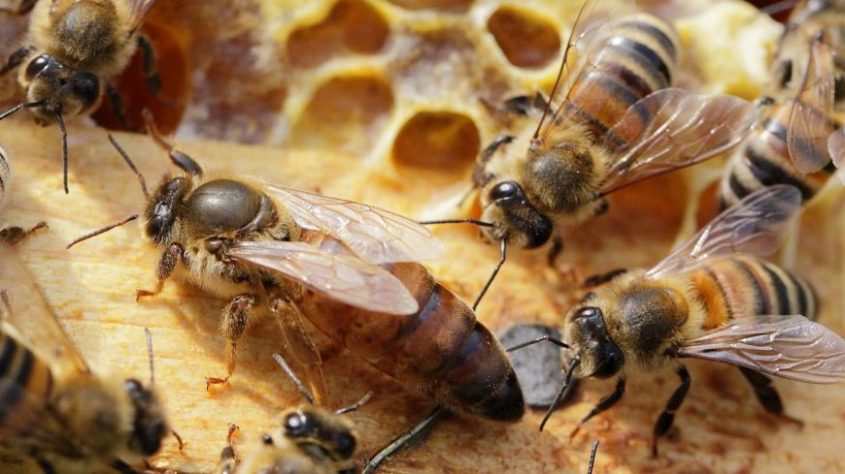
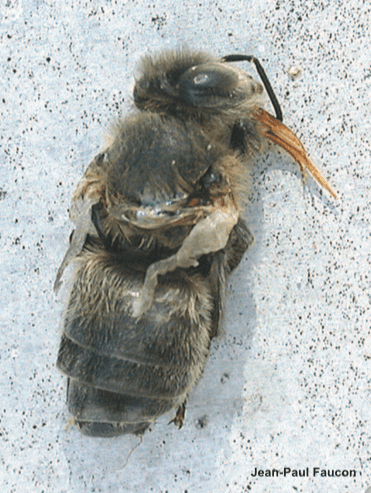
Honeybees, of which there are currently seven recognized species, are used worldwide for the commercial production of honey.
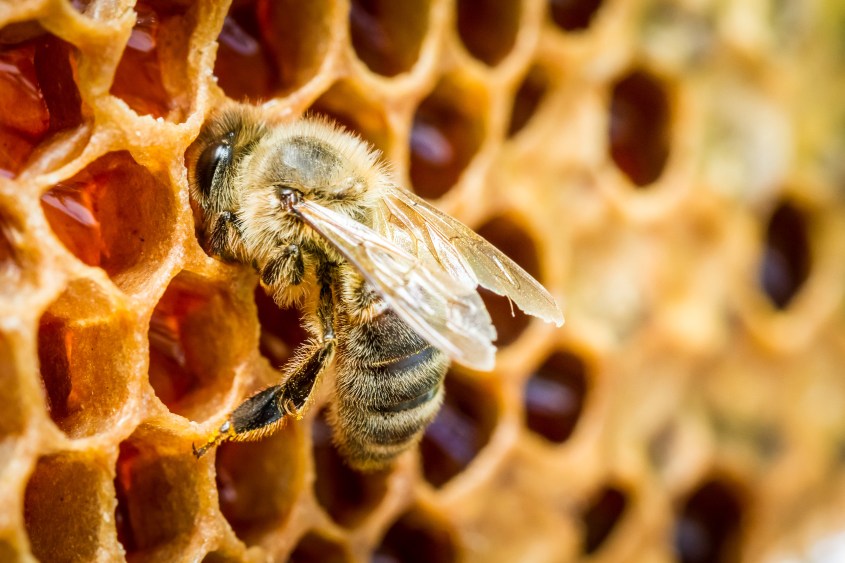
A honeybee colony typically consists of one queen bee, who is a fertile female, up to a thousand drone bees—fertile males and worker bees—and sterile female bees. It is the worker bees who collect both pollen and floral nectar, the latter being used to produce honey.
The nectar is sucked up through the proboscis (the tubular feeding and sucking organ found on the head of the bee), stored in their honey stomach (or “crop”) and transported back to the nest. This stomach holds around 40 milligrams of nectar, which can require over a thousand flowers, and its digestive enzymes break down the sucrose in the nectar into fructose and glucose.
Once back at the nest, the honey is regurgitated from bee to bee until it reaches a honeycomb, where it is stored. The worker bees then fan the liquid to speed up evaporation and remove excess water from the liquid. The bees then cap the cells with wax to seal them. Honey is used as a source of carbohydrates for the colony, with adult worker honey bees requiring 4.0 milligrams of utilizable sugars per day and larvae requiring about 59.4 milligrams of carbohydrates for proper development.
It is their main source of energy and is stored for the winter months (when the colony cannot forage for flower nectar) and used to increase the body temperature of the bees.
In commercial honey production and artificial bee hives, queen bees are not fertilized by drone bees but are artificially inseminated. A drone bee is selected, his head is crushed, and then he is squeezed to release the semen. Following this, the selected queen bee is rendered unconscious and the semen is inserted into her.
However, many of the drone bees killed for this purpose are deemed unsuitable, and up to 15 are crushed to inseminate one queen bee. Once the queen bee has been successfully inseminated, she will be placed back in the hive. In the wild, queen bees often move nests and will be followed by her worker bees.
As this is not optimal or profitable for commercial honey production, the queen bee will often have her wings clipped so she cannot leave the artificial hive.
To collect the honey produced by the colony, a bee smoker is used. This is a device that pumps smoke into the hive, causing the bees to initiate a feeding response in anticipation of needing to abandon the hive due to fire. This, combined with masking pheromones omitted by guard bees to alert the colony, means that the bees are distracted from protecting the honeycomb, which makes it is easier for the beekeeper to retrieve it.
Furthermore, to replace the taken honey, beekeepers often give bees a sugar solution that is not comparable to honey and lacks essential nutritional components.
Commercial beekeeping exploits and sexually manipulates both the queen and drone bees. It uses painful body mutilation for the purpose of taking a product intended for someone else.
Humans have no need to take honey, and there is a wide range of similar substances, such as agave syrup, maple syrup, and molasses.
Honey is made by bees, for bees.
Anonymous for the Voiceless
My comment: Maybe no other animal natural product is as overrated as honey
As a sweetener honey suggests a special naturalness and is often touted as a healthy alternative to sugar.
Honey has no health benefits over sugar.
Honey is mainly composed of glucose and fructose and is therefore classified as “sugar”.
Vitamins, minerals and amino acids occur in such small amounts that they can not be attributed nutritional importance.
Even worse is the widespread conviction in folk medicine about the therapeutic effect of honey, which is highly controversial according to the current medical state. In addition, honey causes even more decay due to its stickiness than table sugar.
Conclusion: honey is also sugar and nutritious only for its producers, the bees.
For this, bees are enslaved, exploited and abused.
Who wants to have a clear conscience, abstains from honey and any animal product.
Here is our comprehensive directory of major vegan festivals and events happening around the world. These events are packed with dedicated activists and the best vegan restaurants and food companies in your region. Attending one of these events gives you a wonderful opportunity to sample amazing vegan food, make new friends, and listen to some of the vegan world’s most prominent speakers.
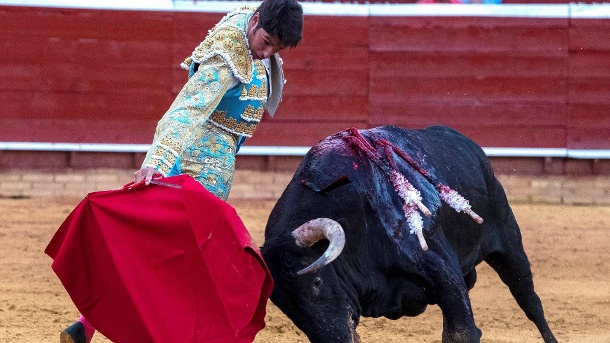
For two years no bulls were allowed to be killed on the holiday island of Majorca –
At the end of 2018,some of the judges in Madrid overturned a 2017 Balearic law passed by the left-wing regional government, which inter alia prohibited the injury or killing of the bulls.
This ban was lifted again. The rationale of the judges: Since bullfighting was declared from UNESCO as national cultural asset in 2013, only the central state could decide on such bans. The regions must therefore not take such decisions on their own authority.
Now the blood spectacle celebrates its comeback to Mallorca thanks to the Spanish corrupt judiciary.
Shortly before the blood of eight bulls in Majorca flowed under the cheers of thousands, there were insults, whistles and tears.
On the Spanish holiday island, the bullfight celebrated a controversial, but successful comeback late Friday evening despite angry protests from animal rights activists.
Pep Berrio (72): “I hope the Torreros are killed by the bulls today.”
At the first “Corrida de Toros”after a two-year compulsory break, the grandstands of the 11,600 spectator arena in the island capital of Palma were well filled.
Nearly 9,000 fans paid the proud ticket prices of up to 130 euros.
“Torero, you coward”
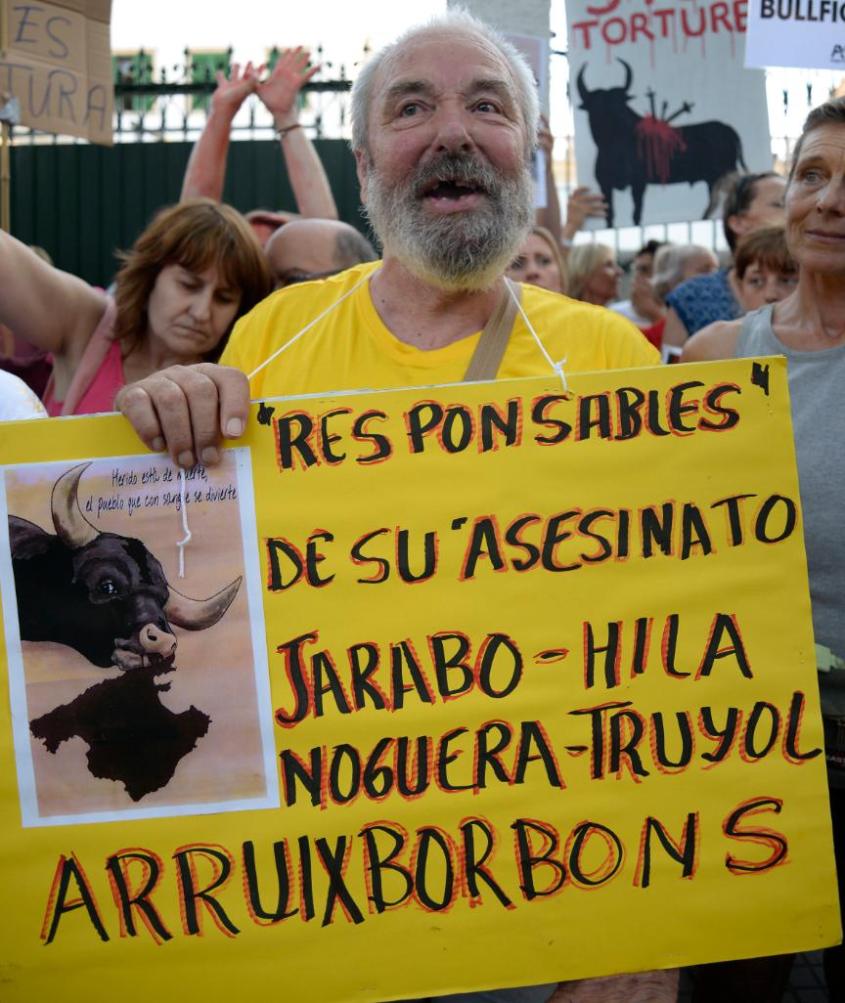
In front of the arena, around 400 people had already gathered two hours before the start of the event to loudly protest the bloody show.
They beat pots, cursed nearly 30 bullfighting gunmen who organized a counter-demo as “murderers” and fervently chanted slogans like: “Mallorca does not kill, Mallorca protects animals!”,“Culture is not Torture”and “Torero, you coward, we wish you a bad evening!”. Some young demonstrators had tears in their eyes.
Spectators cheer especially loud about attempted death blow
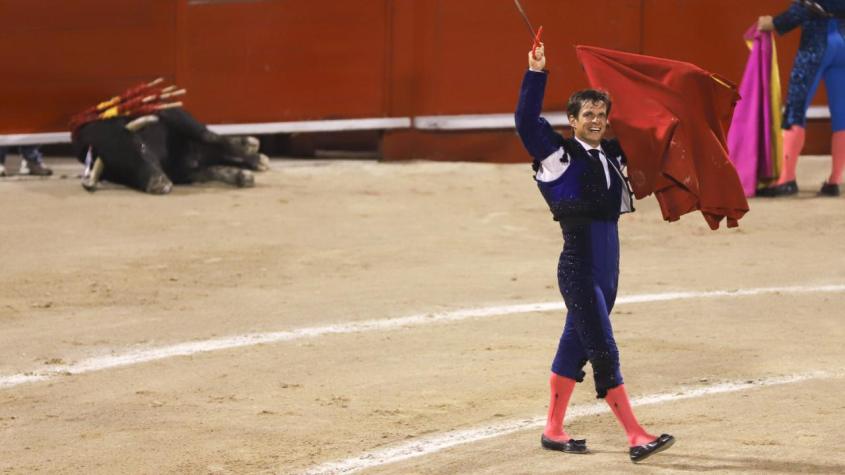
To Spanish folk music, there was a great mood. Whenever one of the matadors tried to reach the heart of the bull with his sword from above, and put the bull to death, the spectators broke out in a particularly loud jubilation. “Oleeeé” and “Bieeen” (Guuuut), came from the stands almost in unison.
After the death of the first bull by the glittering green suit starred Matador Morante de la Puebla(39), who needed five tries with his sword for the death thrust, ran an activist in protest in the arena. “Corridas never again,” read his black chest in black letters. Under abuse of the fans, the young man was but very quickly dragged out by security forces again.
The bullfighting operators are outraged that minors are no longer allowed in the arena and alcohol is no longer being served – these resolutions of 2017 continue to apply in Mallorca.
“These rules make it difficult for the organizers to work economically”(!!!) said a bullfighting operator!
Among the spectators who did not want to miss the appearance of the four star Toreros on Friday, were also many known in Spain politicians of the conservative People’s Party (PP).
For example, the parliamentarian Adolfo Suárez Illana, the son of former Prime Minister Adolfo Suárez González, in the stands.
Bullfighting is big business in Spain. The more than one thousand breeding companies with around 70,000 employees alone generate around 1.5 billion euros each year.
But the number of spectators is declining sharply, in 2018, the number of bullfighting in comparison to the record year 2007 by about 60 percent to 369 back.
Many arenas have therefore been closed in recent yearsor have been converted into shopping centers, as in Barcelona.
Video: “the art of killing” -What you have just seen – or perhaps you have not been able to look at exactly – is what the Bullfighting Mafia calls “art” and has been protected by UNESCO as a World Heritage Site.
My comment: Is cruelty worth protecting?
If one can inspire and enjoy how innocent and totally defenseless animals suffer and be tortured to death, one is nothing but a miserable monster and has in no way earned anything like his own human rights.
The pseudo-argument of “culture” as a justification of bullfighting is so hollow, in fact false and implausible, that it can not convince anyone with reason and education.
And with this “argument,” the Spanish bullfighting mafia has once again found some idiotic, mentally frail proletarians in politics, who are as stupid as they are, endorsing the new massacre that disgusts civilized humans.
One has to be Spaniards to believe that in a modern Europe, this kind of animal cruelty can exist long term and even with EU funds under the guise of agricultural subsidies.
Maybe the bullfighting mafia, despite its mental limitations, can once engage with Facebook and other social media and then see what the world thinks about this legacy.
95% of all Germans and Europeans can do without this brutal massacre and do not want to have anything to do with its calamity.
Medieval spectacle is not a tradition, it is a business for primitive barbarians!
Every day our rulers preach about how we behave and what is good for us.
These supposedly democratically elected oligarchs of the world are interested in reality a shit for the people, the nature, the environment and least of all for the animals!
They cheat, steal, murder, wage wars, sell weapons to dictators and, when it comes to money, make a deal with every filth in the world.
These are the “democratically” elected governments, such one rules certainly also in the country of this dirty slave owner.
They watch how animals suffer, are raped, enslaved and murdered. The same goes for people and the environment.
I can not see and hear any more these preaching, lying and depraved governments around the world, this scum that could change anything, if it really wanted to…
This misery on the video, the misery of our world, is supported by the oligarchs of governments around the world and the next misery is a discouraged, wordless and cowardly society that cooperates with those at every level, making this misery happen with its indifference, and doing so watching how, bit by bit, all life is abused and exploited.
Where is the decency, the courage, the empathy?
We must finally stop being cowardly and look away !!!!
We have to stop these guys by not giving their crime a voice or a podium.

 Image: Manfred Karremann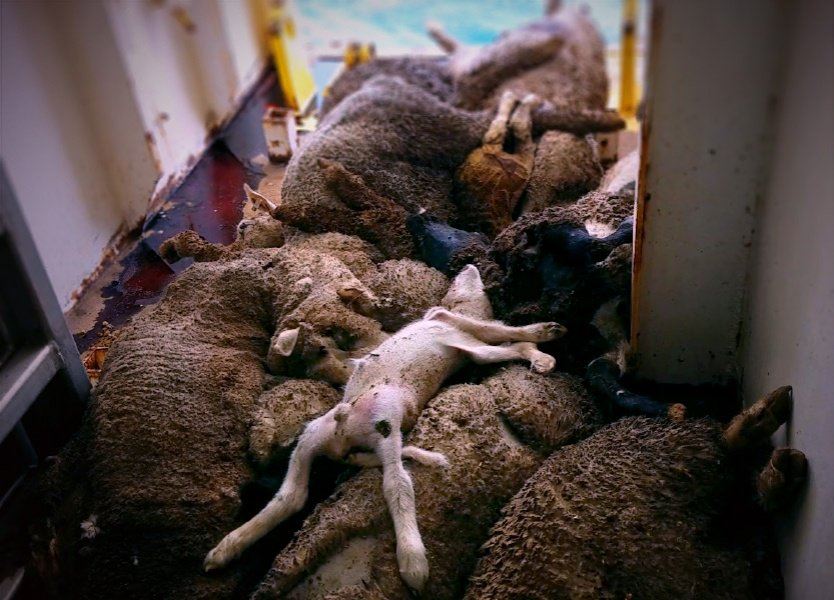
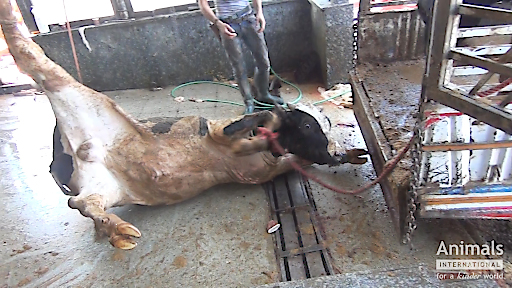




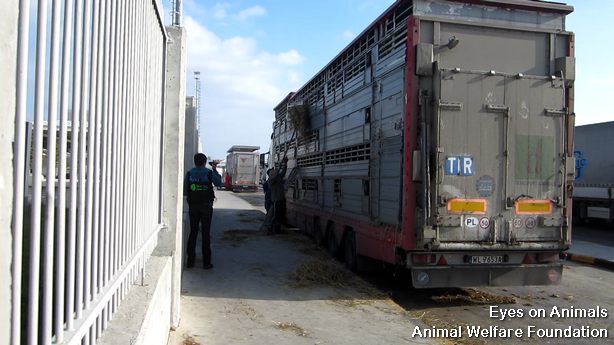

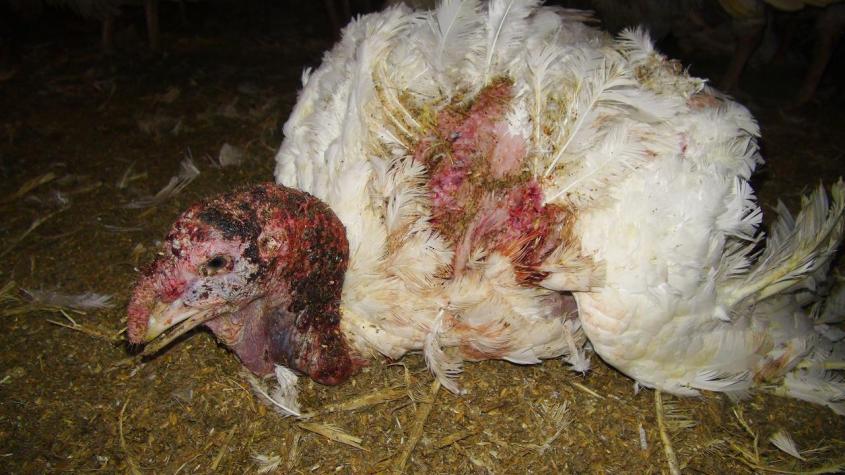 Foto: SOKO Tierschutz e.V, 2014
 Turkeys Farm, Germany, 2014 Foto: SOKO Tierschutz e.V
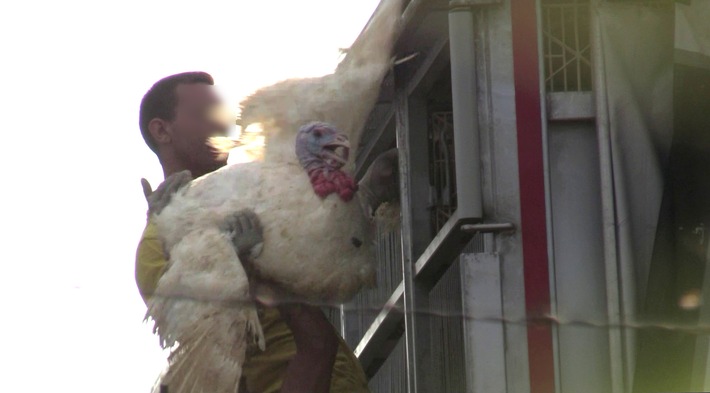 Foto: SOKO Tierschutz-loading of turkeys-Hungary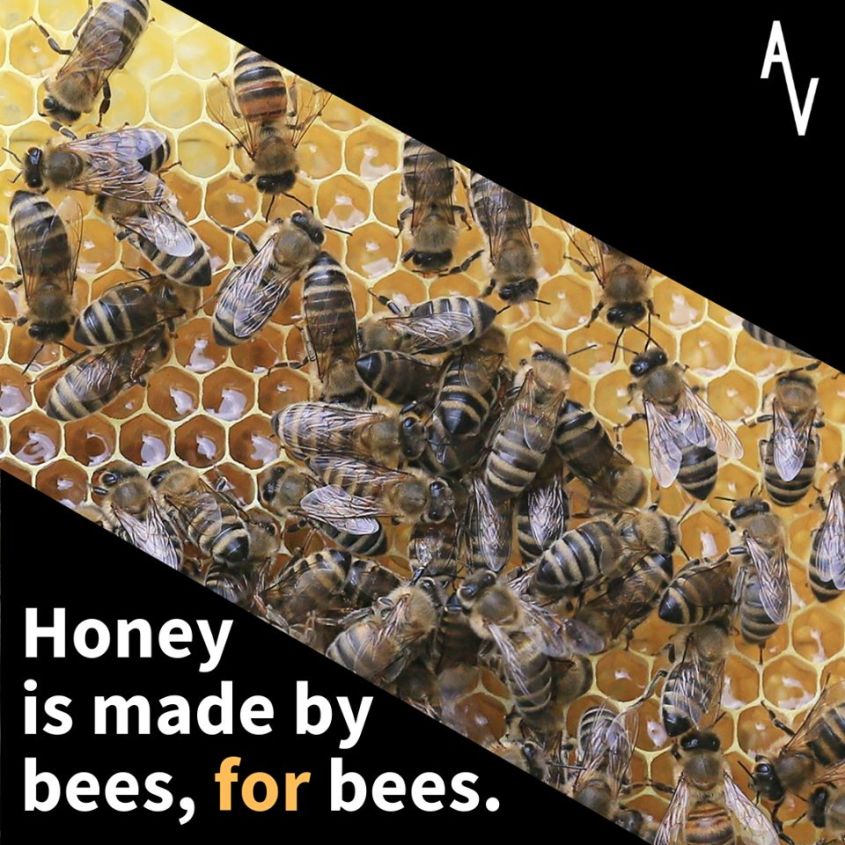






 World Animals Voice