Month: July 2021

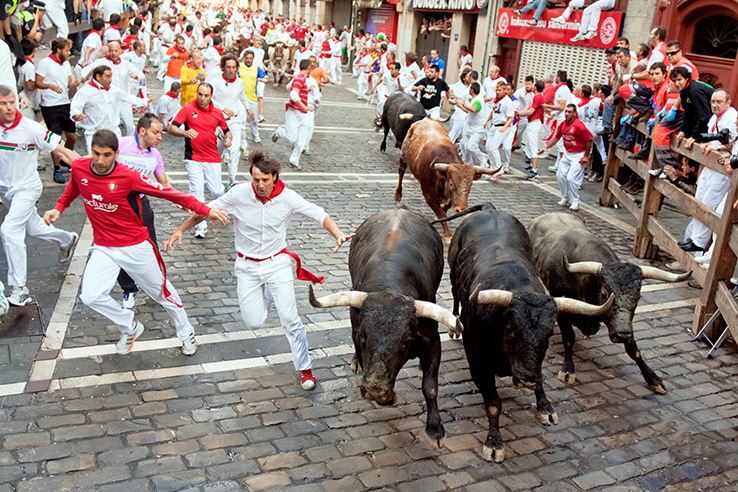
Spain, Pamplona: the “Fiesta” is over for this year!

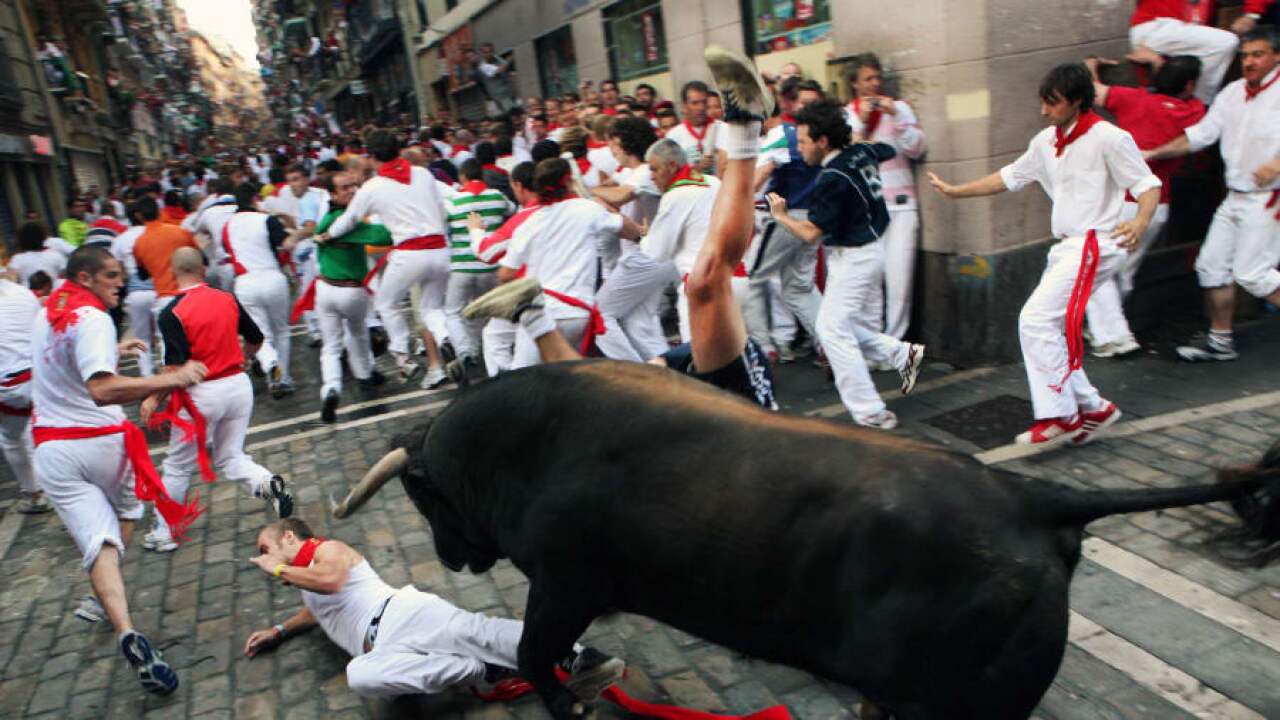
We have very good news:  ​​According to the regional government of Navarra, the bull run in Pamplona has to be canceled this year due to the corona pandemic.
We have already reported about it: https://worldanimalsvoice.com/2019/07/08/pamplona-the-blood-runs-along/

Photo courtesy of CNN

The Spanish newspaper “El Pais” announced the city’s decision as follows: “Sadness and silence in a new July 7 without closure of San Fermín. In 2022 the centenary of the bullring is commemorated and the mayor advocates celebrating “something special”.

“Something special” is the spectacle of San Fermin!
Because to inspire and enjoy in the 21st century how innocent and completely defenseless animals suffer and are tortured to death is a sign that humanity has barely developed, and that invalidates our humorous manifesto that we are “the coronation of creation”.

The second consecutive cancellation is seen as a major blow to Navarre’s economy, which is heavily reliant on hospitality and cheap tourism.
Hotel and restaurant operators are angry and sad because they are still struggling with the consequences of several corona lockdowns.

But we are very happy, although we know exactly that next year the “something special” will come again, and this massacre will mean blood and life for the animals again.
PETA has therefore organized a petition calling for the eternal abolition of this medieval spectacle in Spain.

San Fermín. Feste in Pamplona | spain.info auf deutsch

It says: “No More Deaths: Call For a Permanent End to Bullfights and Bull Runs”
We sign and share

https://secure.peta.org.uk/page/61097/petition/1

My best regards to all, Venus

Canada: Poisons for wolves, bears and coyotes!

Every year, with the permission of the Government of Canada, thousands of wildlife die a painful, slow, and excruciating death from poisoning.

The Canadian government allows the deadly poisons strychnine, sodium cyanide, and sodium fluoracetate to be used to kill wolves, bears, and coyotes in the provinces of Alberta and Saskatchewan.
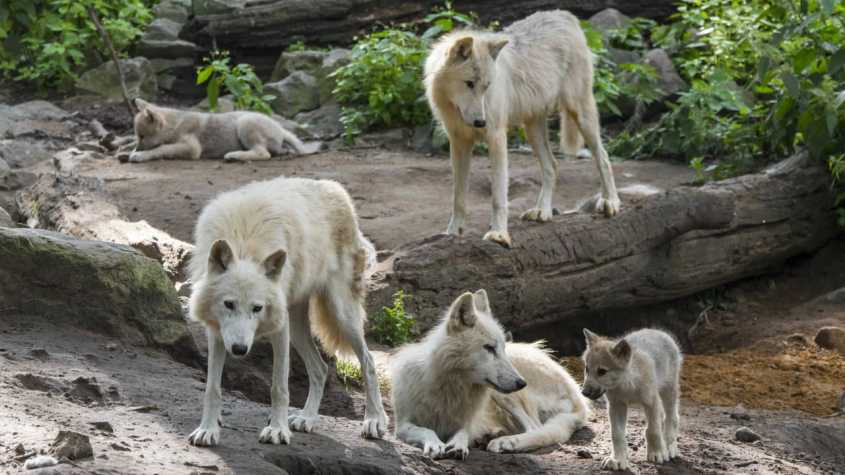
But every year the widespread and poorly regulated use of these poisons leads to the agonizing and painful death of not only these species, but also other animals including dogs.

No question: an unnecessarily long and painful death from poison is inhuman. There are far better ways of dealing with conflicts between animals and humans. If the killing of a wild animal is indeed inevitable, there would also be more humane solutions.

These poisons have no place in modern wildlife policy.

Killing wolves, coyotes and bears is not a sustainable solution to recurring conflicts between humans and these animals. And there is enough scientific evidence to end the ineffective, unnecessary, and cruel use of the above poisons.
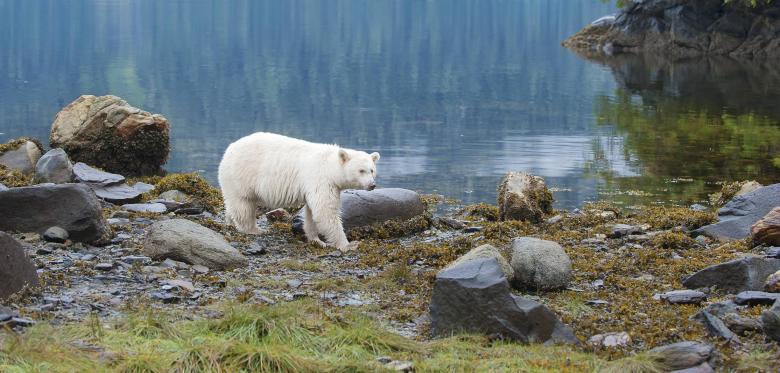
Please help us and send an email on your behalf to the Canadian government (Prime Minister Justin Trudeau, Minister for Environment and Climate Change Jonathan Wilkinson, Health Minister Patty Hajdu and Ambassador Stéphane Dion) using the prepared form.
The email can be found further down:

“I am writing to express my concern about the current policy allowing the use of using poison to kill wolves, bears and coyotes in Canada. There is sufficient scientific evidence indicating that the use of strychnine, Compound 1080 and sodium cyanide to kill large vertebrate predators is inhumane, and I would like to see an immediate end to the use of these poisons to kill wolves, bears and coyotes in Alberta and Canada.

The use of strychnine, currently approved for use in the province of Alberta, is in contravention of the guidelines of the Canadian Council on Animal Care, the Canadian Veterinary Medical Association, the American Veterinary Medical Association and the American Society of Mammalogists. The use of cyanide and compound 1080 have also been denounced by many of these bodies.

Strychnine, sodium cyanide and compound 1080 are inhumane and indiscriminate poisons, causing unnecessary pain and suffering and killing far more animals than those for which they are intended. These poisons have no place in modern wildlife conservation practices.

Wolves, grizzly bears and coyotes are apex predators that play a valuable ecosystem role. There is no scientific evidence to suggest that killing predators will assist in the recovery of prey populations, such as caribou, or to reduce human-wildlife conflicts. I urge your governments to invest in humane, non-lethal methods to manage conflicts between humans and wildlife”.

Text: ifaw

Petition: https://action.ifaw.org/page/83576/action/1

And I mean…There are some people, who really think that human civilisation is a blessing even for animals, not the least for wild animals, and that wilderness is the epitome of cruelty and violence.

When did one “violent” wild animal poison another?

Canada is a huge country and the wolves live mostly in very sparsely populated regions.
There are around 60,000 wolves in Canada, they are found all over the country and generally avoid the densely populated south.
Encounters between wolves and farm animals are correspondingly rare.

Nevertheless! The criminal deals of Canada with its wildlife has long been known: in British Columbia, in the far west of Canada, over 460 wolves were shot in the winter of 2019.

Polar bears are critically endangered around the world. There are only about 25,000 left! Main threats: climate change and commercial hunting!
The living space melts away from the animals’ paws, they fight for survival.
Yet hundreds of polar bears are shot down in Canada every year – quite legally!
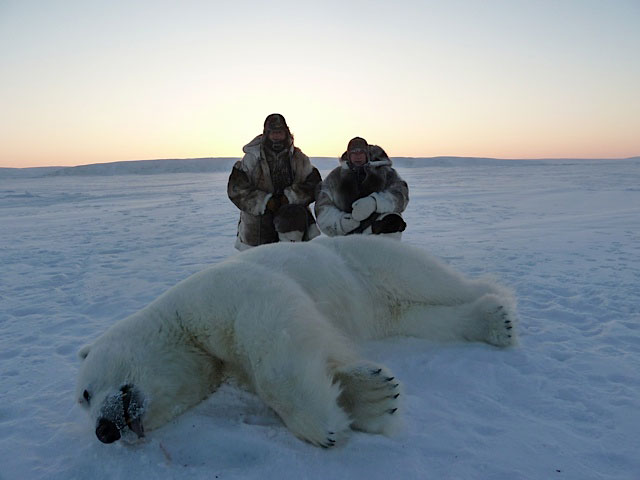
=> Canada sells hunting licenses to international hunting tour operators, who in turn directly to trophy hunters – officially!

=> Canada is the only country in the world that allows trophy hunting for polar bears and makes money from it!
Trophy hunters from all over the world come to Canada every year and pay up to 40,000 dollars to shoot a polar bear!

=> In Canada up to 700 polar bears are shot by hunters every year, who then enjoy their “trophy”!

When will this government finally cease to be the unconditional servant of the hunters and farmers?

My best regards to all, Venus
UK: Boiling Lobsters Alive to be Banned Under New Government legislation – Also Includes Crabs, Octopuses, Squid and other invertebrates recognised as Sentient Beings Capable of Feeling Pain.

Boiling lobsters alive to be banned under new Government legislation

Cooking lobsters by boiling them alive could be banned under animal welfare plans being drawn up by Government ministers.

The Animal Welfare (Sentience) Bill, currently making its way through the House of Lords, only covers animals with a backbone.

But the House is making amendments to the legislation which would mean crabs, lobsters, octopuses, squid and other invertebrates are recognised as sentient beings capable of feeling pain.

It would give them legal protections and stop fishmongers and chefs boiling crustaceans alive. Instead they would have be stunned or chilled before boiling which is believed to be a more humane way of cooking.

Shrink-wrapping live shellfish or posting them is also likely to be banned under the amendment, put forward by Baroness Hayman of Ullock.

https://www.standard.co.uk/news/uk/boiling-lobsters-alive-ban-new-government-legislation-b944489.html

Lobsters’ feelings loom large as British Parliament debates animal welfare bill

By

William Booth

July 4, 2021 at 9:28 p.m. UTC

LONDON — How does a lobster feel when it’s dropped into the boiling pot? The British Parliament wants to know.

Is an octopus sad, sometimes? Does the squid learn its lessons? The bee feel joy? The earthworm anxiety? The peers in the House of Lords are currently debating the matter.

These questions arise because Prime Minister Boris Johnson is trying to make good on his electoral pledge to enshrine into law the idea that animals are “sentient beings,” meaning the government would be obligated to not only safeguard creatures’ physical well-being but also take into account their feelings — of pleasure, pain and more.

The Animal Welfare (Sentience) Bill is a potentially sweeping piece of legislation that could require all arms of government — not just the agriculture ministry — to consider animal sentience when forming policy and writing regulations. The implications could be moral and profound, supporters hope — or cumbersome and bureaucratic, critics say, with some seeing a power play by vegan activists and animal rights radicals.

The bill does appear to go further than European Union protections, once seen as the most comprehensive on Earth, and far beyond the relatively lax laws in the United States.

What is sentience? As Charles Darwin suggested 150 years ago, it may be the ability to feel “pleasure and pain, happiness and misery.”

In the House of Lords, the peers wondered aloud whether they were not touching on questions of the soul.

“The big picture has changed,” said Donald Broom, a Cambridge University authority on animal welfare.

“I think of the new idea as ‘one biology.’ That human animals and other animals are extraordinarily similar,” he said, “and that sentient animals are individuals who feel pain and suffering and all sorts of other things, and that should be taken into account.”

Broom said he was “not against eating or exploiting animals, but we should think about them as individuals.”

He said the scientific study of animal cognition, consciousness and sentience has galloped forward in recent years and that abilities once thought unique to humans have also been discovered in nonhuman animals, including tool use, language, sense of time and the future, deception, empathy and altruism.

The bill now being debated is unprecedented in scope because it seeks to protect wildlife as well as domesticated and companion animals such as cows and chickens, dogs and cats.

https://www.washingtonpost.com/world/europe/animal-welfare-sentient-uk-parliament/2021/07/04/44593460-d8df-11eb-8c87-ad6f27918c78_story.html

Positive News about time;

Regards Mark

Enjoy ‘Grumpy old Rick’

EU: Finally After Decades of Asking, The EU Consumer May Now Be Given More Detailed Information On Their Food Products – Production; Transportation; Slaughter Method Etc.


WAV Comment:  For decades, we (in past forms), along with other massive numbers of animal welfare groups across Europe, have been calling for this.  Are we now going to see the EU Commission finally wake up and listen to what people have been asking for years ?

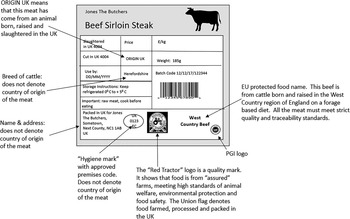
One EU wide labelling system is drastically needed, rather than the current dozen different labelling schemes that include farm animal welfare criteria in at least six European countries.  Consumers need to know how their food is produced; is it free range or intensive ? (hopefully cages will go but we need this info earlier); stunned in a slaughterhouse or to religious standards (non stunning / ritual) only ? – we would like to see the country of origin and the country of slaughter; as this will no doubt involve the consumer if the animal involved has suffered live transportation. Labelling needs to apply to ALL products, and to an informative standard, rather than the yukspeak people have had so far. If people knew the facts; we think shoppers would amend their shop drastically. Is this why the EU has never moved on this issue ?

It is time for change, as it was time for change twenty years ago, but then, the EU considered itself above us / more important to bother with issues such as this.  People power is now demanding change, and they want it now; as we have seen with the cage systems; consumers want to know where their food comes from.  We regard this one standard labelling system as a positive move, but ALL aspects of animal welfare must be given / included to a nowdays much informed consumer. 

The days of buying products and not being given any useful information on them has passed, it is now time for change.  Bring it on !

Regards Mark

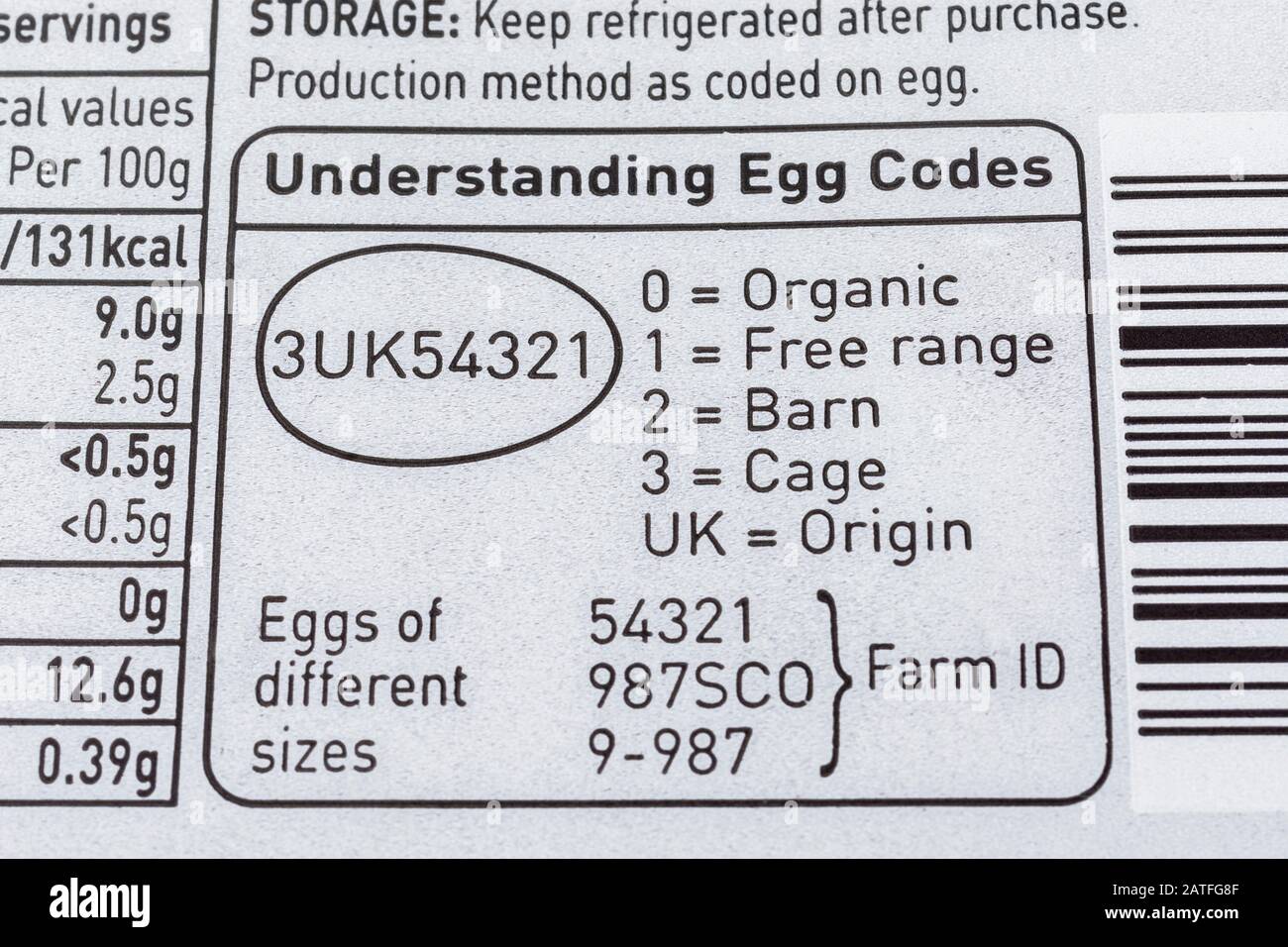
Close up food label on egg box from ASDA explaining UK Egg Codes. Food  packaging, nutrition labels, food labelling, British produce, food Stock  Photo - Alamy

BVA is campaigning for the introduction of mandatory method of production labelling of meat

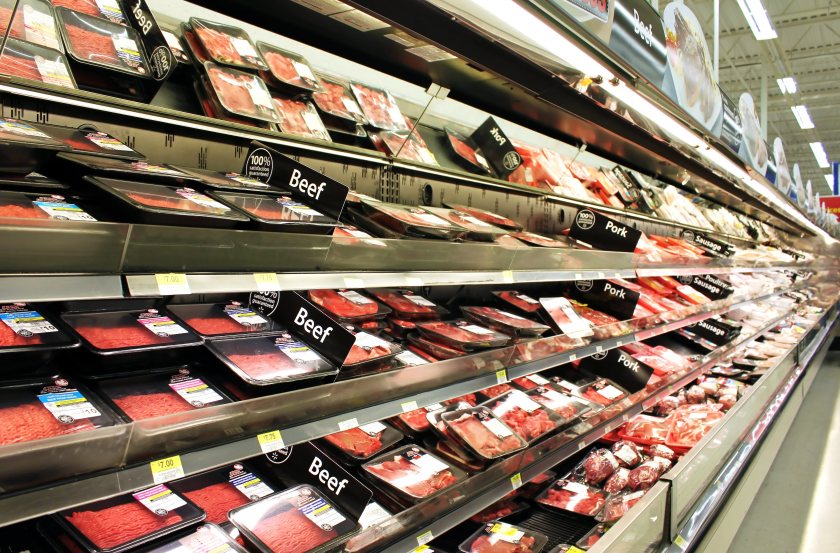
Lidl trials new meat 'production method' labelling | Food and Drink  Technology

European Commission gives green light for a comprehensive labelling system displaying the well-being of animals over the whole animal food production cycle

7 July 2021

Today, the European Commission’s Subgroup on Animal Welfare Labelling published its final recommendations giving green light for an EU-wide label on animal welfare which will create greater transparency, better opportunities for farmers and a progression framework to improve animal welfare. In order for the labelling system to be effective, it is, however, important the European Commission commits to a mandatory Method Of Production + (MOP+) label which guarantees a harmonised uptake across food industries in the EU.

MOP+ is the most transparent, progressive and fair labelling method. It gives clear and transparent messaging to consumers about how animals are reared as well as allowing for a benchmarking platform amongst existing labels. It also allows for a progression on animal welfare standards by stimulating improvements on animal welfare and providing a full range of products with different levels of welfare to the consumers. On top of that, it provides farmers with a transparent way of demonstrating their achievements on animal welfare, allowing for a fair compensation of their efforts.

The conclusions foresee the labelling to start off as voluntary and state that the possibility of becoming mandatory should be evaluated at a later stage. They also state that a voluntary label represents a great risk to the impact of the label, since not only could the uptake be low but it would also be likely to only be adopted by producers already committed to higher animal welfare standards. The impact of a voluntary label on animal welfare would therefore be lower than of a mandatory label. This would not serve the purpose of providing full transparency to consumers and a fair level playing field for farmers and certainly would not serve the purpose of improving animal welfare across the EU.

Further to that, the recommendations do not mention the coverage of the label in terms of range of production systems. It states animal welfare labels should cover as many individuals as possible. Eurogroup for Animals asks for the scope to be from minimum EU standards to premium standards, also clearly indicating products that do not comply with the minimum EU animal welfare standards, to guarantee the label’s effectiveness. 

Other positive key points of the recommendations:

  • EU animal welfare label should also protect the use of terms and claims indicating a better welfare for animals.
  • The scope should include not only the rearing but also the slaughter and transport phase. Standards used in animals that are directly involved in the production as sows or cleaner fish should also be included in the label.
  • Besides fresh products, processed products or products used in food services should also be covered.
  • The EU label should help harmonise and take existing labels into consideration, helping the consumer gain more clarity on those. 
  • Active participation of all stakeholders is necessary in the creation of an EU wide animal welfare related label and its development should be monitored and evaluated.
  • Animal welfare is an important part of sustainability, but in case of labelling integration, animal welfare can never be diluted.

Currently, there are a dozen different labelling schemes that include farm animal welfare criteria in at least six European countries, risking the Single Market to becoming fragmented.The European Commission aims to counter this trend and is expected to put forward a proposal for a harmonised food labelling scheme in the context of its Farm to Fork strategy (F2F). At the end of last year, the Council of the European Union on Agriculture and Fisheries also adopted Council Conclusions which had called for an EU-wide animal welfare label aimed at improving animal welfare for as many food producing animals as possible. 

File

Animal Welfare and Food Labelling1.84 MB


ENGA pushes for non-GMO food labelling across Europe


Country-of-Origin Labelling, Food Traceability Drivers and Food Fraud:  Lessons from Consumers' Preferences and Perceptions | European Journal of  Risk Regulation | Cambridge Core
For Shoppers - Global Animal Partnership Animal Welfare Food Labeling

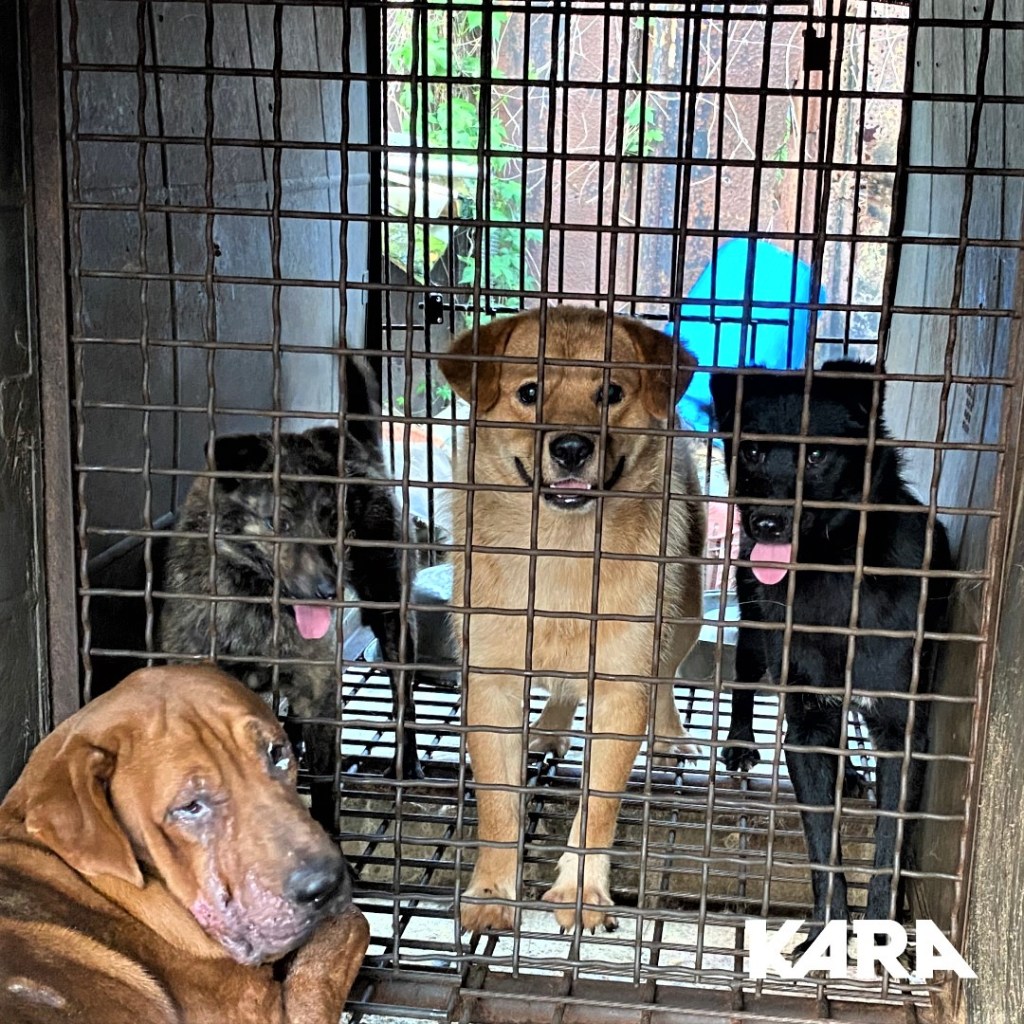
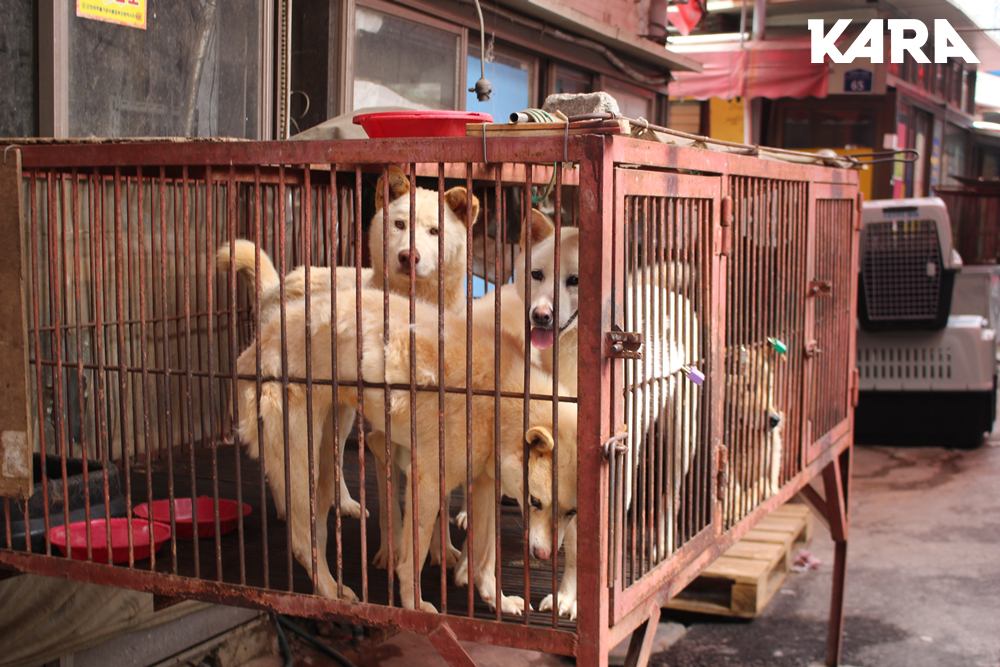
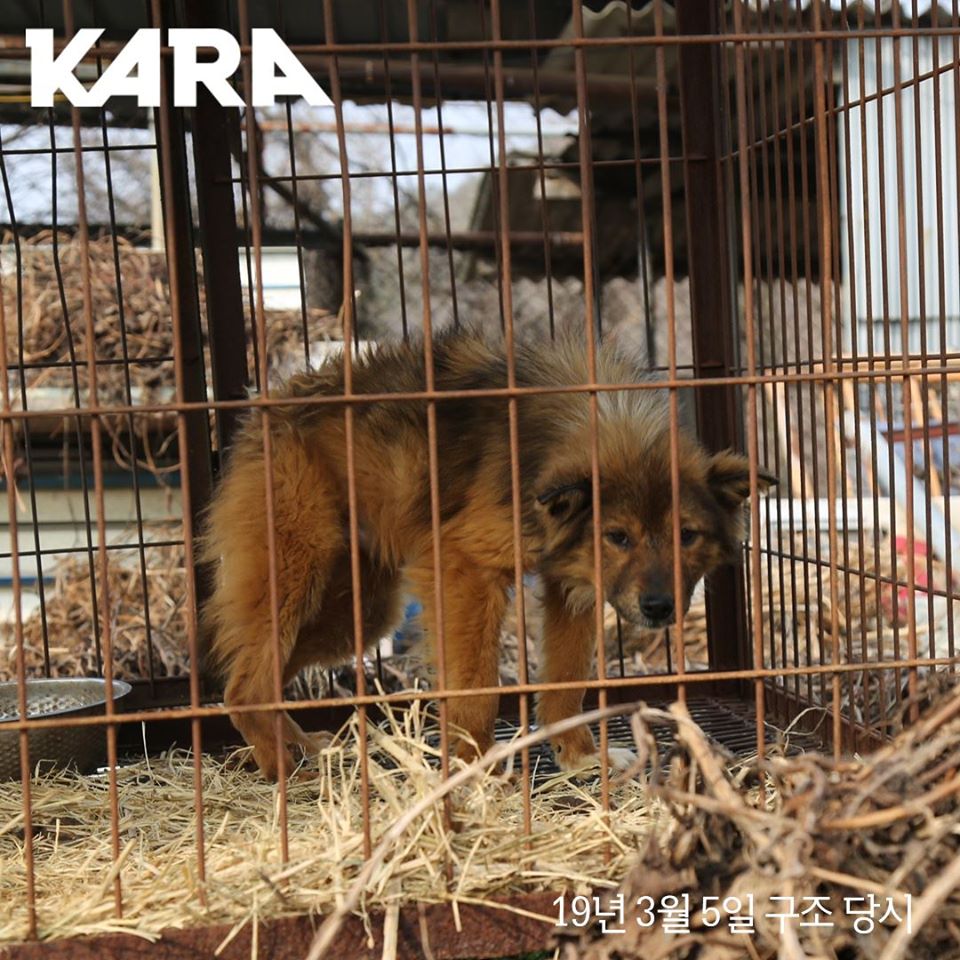
South Korea: KARA rescues 33 dogs from a dog slaughterhouse in Goyang Yongdu-dong.

KARA rescues 33 dogs from a dog slaughterhouse in Goyang Yongdu-dong

Early yesterday morning, Korea Animal Rights Advocates (KARA) raided the slaughterhouse in Yongdu-dong, Goyang City, and, with the help of the Goyang Animal Protection Department, officially took ownership of a total of 33 dogs at that site.🙏

While some of the dogs at the slaughterhouse were extremely afraid of people, others were so happy to see their rescuers it is clear they were once pets. When we leashed the dogs, there were some that walked right next to people. Pitbull, who appeared to have been tied up to protect the slaughterhouse, was also friendly to activists.🐕

Activists who stayed at the front of the slaughterhouse throughout the early morning immediately rescued all of the dogs as soon as abandonment of ownership was decided.

Inside the slaughterhouse, a dog was lying with an illegal electric skewer in his mouth. He was immediately taken to a nearby animal hospital and given CPR, but because of the electric shock the poor dog’s heart had stopped and he couldn’t be revived.😭

The slaughterhouse in Yongdu-dong, Goyang, had been feeding dogs the boiled organs of unknown animals. In the front yard of the slaughterhouse, a plastic bag filled with hair from the bodies of dead dogs was found. Inside the slaughterhouse, many different leashes from dogs that had been caught gave rescuers an idea of how many dogs died there in pain.😢

KARA will file a formal complaint against the animal abuser in Yongdu-dong, Goyang, on charges of beating dogs with golf clubs; slaughtering dogs brought to him by individuals; feeding livestock waste to animals; and slaughtering dogs with illegal electric iron skewers. 

The journey with the 33 dogs rescued from the slaughterhouse has just begun. It may not be easy to domestically adopt out many of those dogs, especially the large ones. There are also dogs who appear to be very unhealthy, and the time and costs to treat these dogs and restore them to health so they may be adopted will be significant.

KARA recently rescued 10 young puppies from a dog farm in Namyangiu, so the 33 dogs just rescued will need to be placed elsewhere due to the lack of a protected space at the KARA’s The Born Center.

💙 Your love and support is desperately needed to help protect and care for the dogs rescued from the slaughterhouse and give them the opportunity for a new chance at life. Won’t you please help KARA care for these poor animals?💗🙏

Learn more and updates at:

KARA rescues 33 dogs from a dog slaughterhouse in Goyang Yongdu-dong – Stop the Dog and Cat Consumption in S. Korea! (koreandogs.org)

Donate to KARA:

동물권행동 카라 (ekara.org)


Past Newsletters:

Newsletters – Stop the Dog and Cat Consumption in S. Korea! (koreandogs.org)


Read this article, combined with more actions to take at:

https://r.newsletter.koreandogs.org/alabj8odtht7e.html?utm_source=sendinblue&utm_campaign=_KARA_rescues_33_dogs_from_a_dog_slaughterhouse_in_Goyang!_&utm_medium=email

Regards to all

Mark

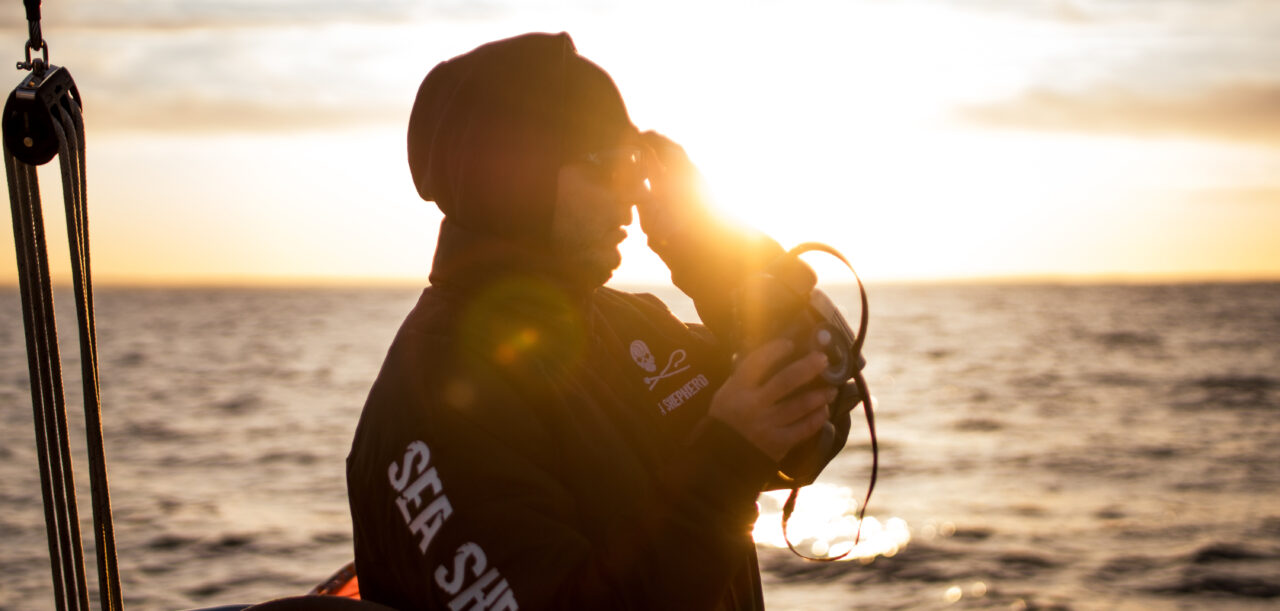
The Baltic Sea Campain-Sea Shepherd in Germany

Sea Shepherd GermanyThe BALTIC SEA CAMPAIGN 2021 started with great success.

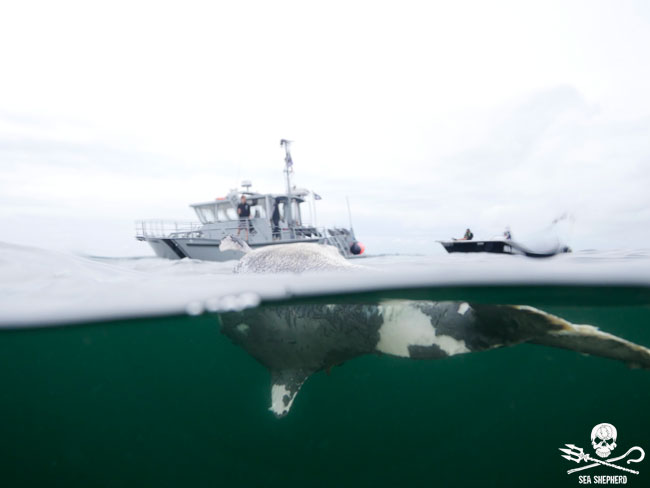
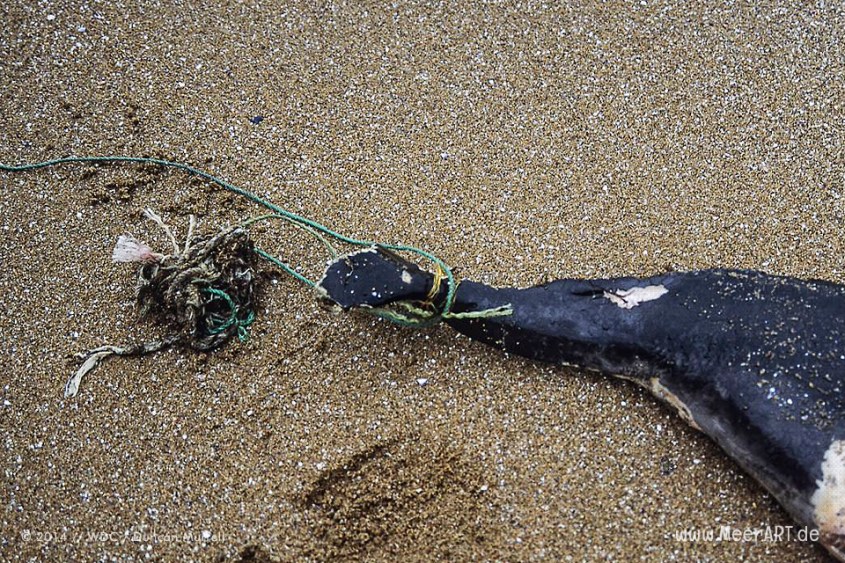
During the first weeks of the campaign on Fehmarn and Rügen, eleven ghost nets with a salvage weight of more than 900 kilograms and hundreds of fishing lures were recovered from the Baltic Sea.

These nets, fish hooks and lines will no longer kill marine animals.

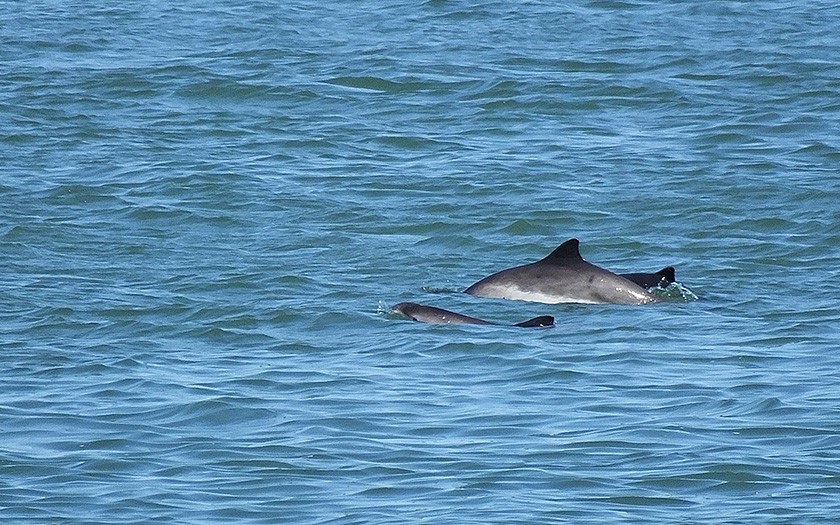
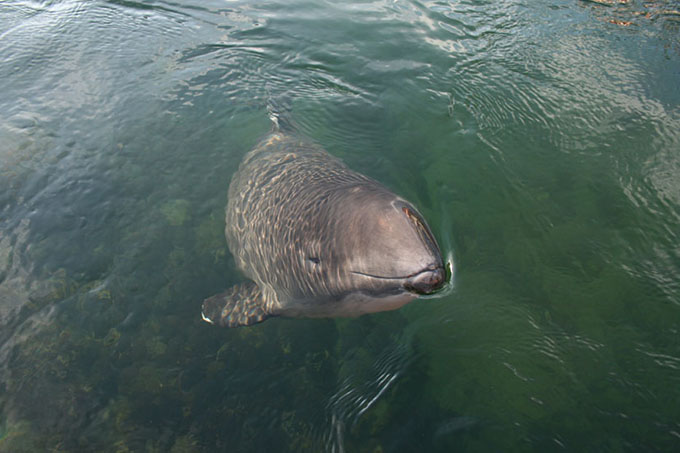
Sea Shepherd Germany returns to the Baltic Sea again to fight for the survival of harbor porpoises and many other threatened sea creatures.

In July 2017 Sea Shepherd Germany launched its first ship-based campaign in Germany.

From July 1 to the end of September 2017 and from April to June 2018, the EMANUEL BRONNER and the SIERRA speedboat patrolled various areas in the Baltic Sea. The aim of the campaign was to protect the threatened harbor porpoises, which often perish as bycatch in fishermen’s gill nets.

Illegal networks were documented and reported to the responsible authorities. The patrols also served to record the threat to harbor porpoises and to rescue deadly ghost nets.

Bycatch remains the greatest threat to animals, but fishing with gillnets is allowed, even in marine protected areas.

It is the first Sea Shepherd Germany campaign to use an ROV to effectively monitor networks in protected areas.
Although harbor porpoises, seals and seabirds are known to get entangled in set nets, fishermen deny this and report false bycatch rates.

They are aware that their fishing method is unsustainable and may be banned in the near future if too many undesirable species end up in the nets.

This is why they often disguise bycatch from protected porpoises.

Despite the ban on driftnets from 2008, the number of harbor porpoises caught has not changed, only the number of reported cases.

On the Polish coast alone, ten porpoises were found dead within a short period of time in June. For some of them, attempts had been made to cover up the cause of death with bycatch, for example by cutting open the body.

The harbor porpoises are part of the critically endangered Baltic population. With only 500 animals left, there is no time for weak regulations that allow loopholes.

In areas such as the Putziger Wiek, which are important for the porpoise to survive, all types of fixed nets, such as gillnets, must be banned.

WDC / harbor porpoises // Foto: Duncan Murrell

The harbor porpoise population in the Baltic Sea does not have much time left.

For decades, scientists have agreed that gillnets pose the greatest threat to harbor porpoises in the Baltic Sea due to the high risk of bycatch.
Nevertheless, this fishing gear is also allowed in marine protected areas.

In June 2018, a ruling by the EU Court of Justice (case C-683/16) changed everything.
Several German nature and environmental protection associations tried to obtain a ban on fishing in German marine protected areas, but the request was rejected.
Because a ban would also affect fishermen from other EU countries, it would be a matter for the EU, if at all.

After years of trying to get a state-level fishing ban to implement EU nature conservation law, the EU is now claiming that the ban is incompatible with other EU legislation.

Once again, the interest in profit is higher than the interest in nature conservation. But there are no winners in this situation: gillnet fishing has declined sharply over the past few decades.

It just doesn’t bring enough profit anymore, because the biodiversity in the Baltic Sea is decreasing by humans.
The question now is, what will die out sooner – the Baltic porpoises or gillnet fishing?

If this game of shifting responsibility to other institutions continues for the next decade, the losers will be the porpoises.

https://sea-shepherd.de/kampagnen/baltic-sea-campaign/

And I mean...Pollution, overfishing, warming and acidification are just a few of the issues affecting the ocean as a habitat. The consequences not only endanger life in the water, but also change the climate on land. And our life.

“If the ocean dies, then we all die”.
We are faced with a choice of either doing nothing or trying the impossible.
When consumers order fish in a restaurant or buy fish from the market, they are helping to destroy marine ecosystems around the world because they are also helping commercial fisheries, which are hideous and killing the planet.
Rethink and leave carcasses out of your plate.

My best regards to all, Venus
Solidarity for Brigitte Bardot

The former star actress Brigitte Bardot reported on the website of her animal welfare foundation against the French hunting association. She now has to pay several thousand euros for her statements.

Because acting icon Brigitte Bardot insulted the head of the French Hunters Association, she has to pay a fine of 5000 euros. As a court in Arras in northern France decided, she also has to pay compensation and pay the court costs.

According to the public prosecutor’s office, the former star actress must also delete offensive statements from 2019 about the hunters’ association from the website of her animal welfare foundation.
She had called hunters, among other things, “terrorists of the animal world.”
She called the French hunting association chief Willy Schraen a “blatant example” of this.

Willy Schraen, de la FNC : "La chasse rend heureux"

Bardot has to pay a total of 7,000 euros

The hunting association therefore received death threats and sued Bardot.
In addition to the actual fine of 5000 euros, Bardot has to pay 1000 euros in compensation to the hunting association chief Schraen and pay 1000 euros in court costs.
The 86-year-old reportedly did not appear in court.

The prosecutor had demanded a fine of 6000 euros in the process.
Bardot has been committed to animal welfare for a long time.

https://www.spiegel.de/panorama/justiz/brigitte-bardot-wegen-jaeger-beleidigung-zu-geldstrafe-verurteilt-a-2fb37479-0e3d-46e9-830a-46a89a918db0

And I mean…The animal rights activist Brigitte Bardot describes hunters as “sub-humans” – “Nazi jargon”!
We are of the same opinion with you, Brigitte Bardot!
The lawsuit and the fine should do little harm to the passionate animal rights activist.
Rather, have helped.

Here is a petition against the verdict and the fine.
We sign!

https://www.mesopinions.com/petition/animaux/brigitte-bardot-soit-condamnee-payer-amende/149843

My best regards to all, Venus

India: 5/7/21 – Latest From Our Great Friends At ‘Animal Aid Unlimited’.

Homepage | Help injured animals in Udaipur | Animal Aid Unlimited

Every new patient arriving in Animal Aid needs a little time to take in the new smells, sounds and looks of the other animals and the people caring for them. But within a few short days, most have bonded with one special “other”–a new best friend with whom they feel more confident and secure. Every species has their own way of chatting with each other–a word here, a nudge there, the extension of a playful paw.

Rana was terrified and bleeding, but now he’s doing great!

Rana was overcome with fear after being hit by a car. His lower canine tooth was dislodged and bled profusely and he couldn’t stand. Although he had no broken bones, it took several days before he had the strength to stand on his own.

His broken tooth needed to be removed surgically. When he woke up after surgery, Rana was so upset that he wouldn’t eat until he was cuddled and reassured.

We neutered Rana as soon as he was strong enough, and now he’s as good as new. If courage is measured by overcoming fear, Rana proved to be a very brave little boy.

Some little heroes need extra love in order to heal. Please donate today.

Sweetheart Rollie rescued with a horrific wound

A vehicle must have slammed into this beautiful bull at high speed causing a large and painful wound.Several passing motorists called us immediately after it happened, and we rushed to the site to find one of the most gentle beings we have ever met.

From Rollie’s first wound dressing until now, fully healed, he did everything he could to make his difficult medical treatments as easy as possible. And when he healed, Rollie surprised us all by becoming a father figure to the babies.

Innocence comes in all packages. Please donate today.

Sponsor Honey, the sweetest girl in town!

We rescued Honey in 2017 after someone had thrown acid on her back. She had suffered 3rd degree burns over a large part of her back.

This loveable, bright, infinitely charming honey of a girl was so severely burned that we weren’t sure we could save her. It took months for the wound to heal; in fact there is a little portion of her scar that never fully closes which is why we have given her a forever home in Animal Aid.

Honey is playful and truly one of those brilliant dogs who misses nothing, learns in a flash, knows so many concepts and navigates with wit and unstoppable sweetness through currents of ever-changing people and animals.

Click here to sponsor Honey:

Honey | Animal Aid Unlimited

Cub is all better now, rescued after animal attack.

Beautiful puppy Cub lay unconscious after being attacked by an animal.

Worried neighbors stayed by Cub’s side while waiting for our ambulance to arrive. Completely collapsed, this puppy was close to death. We immediately started him on fluids, pain control and antibiotics, allowed him to rest and thoroughly cleaned and bandaged his wounds. At first, he was too weak and exhausted to interact with his caregivers. But when he started to recover from shock, his little tail-wag told us we had reason to hope he could survive.

Be the reason a tail wags! Please donate today.

Celebrate the lives of Annie and Chintu with us.

On Sunday, Animal Aid lost two of our precious family members. Our hearts are heavy in saying goodbye to beloved Annie and Chintu, whose completely unexpected departures on the very same day left us all deeply shocked and sad. Annie’s memorial service was held in the morning and Chintu’s in the afternoon. We took great comfort in the shared sadness between all of our AA team, and each needed extra hugs from the many thriving animals in our midst.

Annie was born by C-section in 2011 after her mother was hit by a car and her pelvis broken. Her mother died in surgery; Annie was the only surviving puppy and we nursed with syringe feeds every 2 hours as she grew and could eat on her own. During the decade to follow Annie was always on the job as a mighty alpha girl who adored attention and ruled her area-mates with an iron paw. You had the feeling that if she trusted you, she would have been a dog who would sacrifice her life to defend you. Annie died suddenly and unexpectedly after falling into a coma in the morning, without any prior signs of illness. Her absence will forever echo through the hospital.

Chintu–well, now, Chintu was a different kind of hero. Partially paralysed from the neck down after surviving canine distemper as a puppy 6 years ago, Chintu’s astounding sparkle shined so brightly that even though he had major mobility issues, he convinced us that he would “manage” and boy, did he ever. A charmer of the highest order, one simply could not pass through Chintu’s area without being stopped by his insistent eyes and delightfully big ears, always laying flat in an attitude of utter gratitude–grateful for the day; grateful to be caressed; grateful for your love. Chintu became extremely ill with an acute systemic infection. We did everything we could to save him, including giving him the strongest antibiotics we could, oxygen, hydration drips and love, but his little body gave up Sunday. We will never stop missing him.

(20+) Watch | Facebook

Regards Mark

London – Global Fur Ban: Natalie Emmanuel And Dame Judi Dench Join Stella McCartney’s Calls.

Global Fur Ban: Natalie Emmanuel And Dame Judi Dench Join Stella McCartney’s Calls

The luxury designer is calling for more people to sign the global fur ban petition – and enlisted the help of the celebs to help spread the word on social media

A host of celebrities are joining sustainable designer Stella McCartney on a campaign calling for a global end to the fur trade.

They include Sir Paul McCartney, Dame Judi Dench, Natalie Emmanuel, and Leona Lewis – among others. Moreover, it’s in partnership with Humane Society International (HSI).

Global fur ban

The luxury fashion designer – that has always been fur-free – enlisted the help of the celebrities to help direct more people to HSI’s petition that calls for a final end to the ‘cruel’ practice.

It involved a video of Dame Judi Dench posted on Instagram. In it, she pleads: “Every year, 100 million animals are bred and killed for their fur to supply to the fashion industry.

“I’m Judi Dench and I’ve long been an advocate of animal rights. Please will you join Stella McCartney and me and sign a petition? Don’t let them use fur. Please join us.”

Game of Thrones star Natalie Emmanuel added: “Our time has come. Animals are our equals. Animals are friends, not fashion.”

Additionally, in another video, Stella called on people to sign the petition in a cameo with her rock legend father, Sir Paul McCartney.

Stella McCartney campaign

The videos feature the celebrities sporting animal head costumes in collaboration with the designer’s most sustainable collection to date.As part of the Autumn 2021 collection, models wore the animal masks to show all creatures as equals. This was promoted in a mockumentary video narrated by David Walliams.

Moreover, it comes after Stella McCartney successfully staged protests in London’s Piccadilly Circus and Duomo di Milano in Italy.

Fur Trade

Whilst Stella McCartney claims to have already prevented 60,000 animal deaths by avoiding using animal fur, leather, or feathers: the industry remains very much alive.

Claire Bass is the Executive Director of the UK branch of Humane Society International.

In a statement sent to PBN, she said: “Stella McCartney’s new campaign and brand is everything the fur trade isn’t – fresh, innovative, sustainable and cruelty-free. 

“We’re thrilled to be working with her. And, to have the support of so many compassionate celebrities, to magnify the message that the age of fur fashion is dead. 

“As the UK government considers our call for a ban on the import and sale of fur from animals who have suffered overseas, this light-hearted campaign sheds light on a serious subject.”

You can sign the global fur ban petition here

Regards Mark

Global: July 6 – Is World Zoonoses Day

July 6 – World Zoonoses Day

A zoonosis is an infectious disease that has jumped from a non-human animal to humans. Zoonotic pathogens may be bacterial, viral or parasitic, or may involve unconventional agents and can spread to humans through direct contact or through food, water or the environment

https://www.cbd.int/article/world-zoonoses-day-2020

World Health Organisation:

A zoonosis is an infectious disease that has jumped from a non-human animal to humans. Zoonotic pathogens may be bacterial, viral or parasitic, or may involve unconventional agents and can spread to humans through direct contact or through food, water or the environment. They represent a major public health problem around the world due to our close relationship with animals in agriculture, as companions and in the natural environment. Zoonoses can also cause disruptions in the production and trade of animal products for food and other uses.

Zoonoses comprise a large percentage of all newly identified infectious diseases as well as many existing ones. Some diseases, such as HIV, begin as a zoonosis but later mutate into human-only strains. Other zoonoses can cause recurring disease outbreaks, such as Ebola virus disease and salmonellosis. Still others, such as the novel coronavirus that causes COVID-19, have the potential to cause global pandemics. 

https://www.who.int/news-room/fact-sheets/detail/zoonoses


List of zoonotic diseases found in the UK – Defra:

https://www.gov.uk/government/publications/list-of-zoonotic-diseases/list-of-zoonotic-diseases

Regards Mark