Richard Ratcliffe’s wife, Nazanin, has been used as a pawn now for over 5 years;detained by the Iranian authorities. Richard is now into his 18th day of a hunger strike to highlight this issue even more.
Boris Johnson, the UK PM, along with many of his senior ministers, have let this issue fester for far too long. It is a gutless British government led by a gutless British PM.
We’ve long known that animal experimenters are still living in the dark ages—after all, they imprison our fellow animals in laboratories and subject them to cruel, useless experiments before killing them.
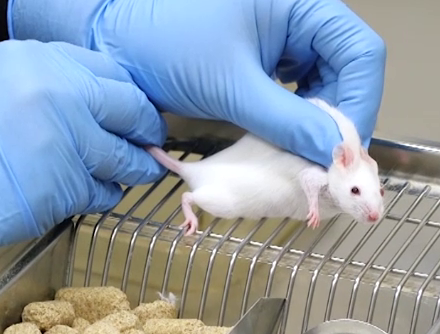
In one egregious example, experimenters have been using genetically manipulated mice as “models” for autistic humans.
In a recent major clinical study, a hormone tested on mice, which was thought to promote social bonding, was found to have “no meaningful impact” on autistic children.
The study was called a “major setback,” but it was doomed to fail from the start—children are not mice.
Autism refers to a broad range of characteristics, including differences in social skills and a tendency to exhibit repetitive behavior.
More than a decade of experiments on animals has shown that mice cannot replicate the unique aspects of autism in humans, and the scientific community is well aware that using them in experiments will not advance our understanding in this area.
It shouldn’t take countless failed clinical trials to prove that experimenting on mice will not produce anything of value for autistic humans. Using mice in experiments to “cure” aspects of autism is speciesist and ableist.
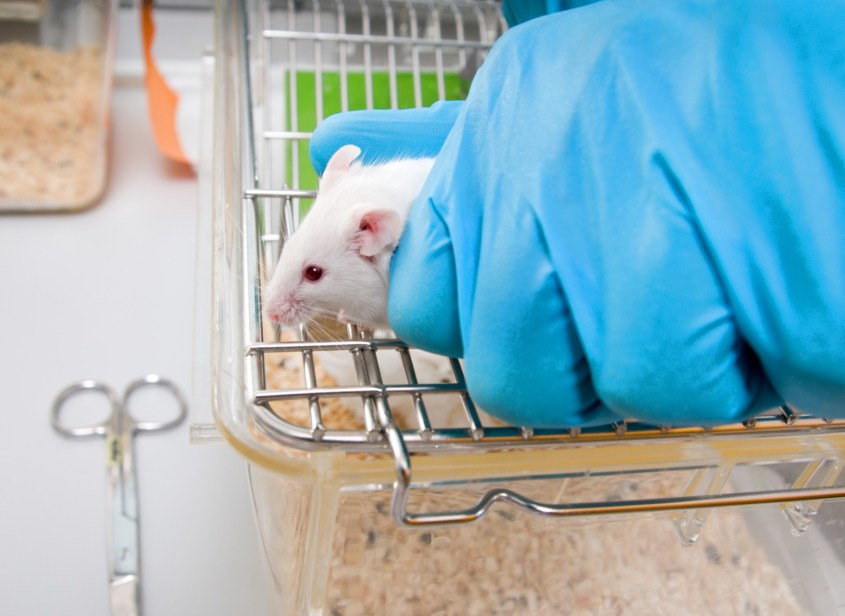
In their failed attempts to replicate autism in mice, experimenters genetically modify the animals, inject them with chemicals, damage their brains, or manipulate the bacteria in their stomach, causing them to have fewer social interactions and produce unusual vocalizations.
Even though these genetically and experimentally modified mice aren’t autistic and mice are poor models for humans in general, some companies—such as Charles River Laboratories and The Jackson Laboratory—sell these animals to be tormented in pointless experiments often intended to “treat” specific characteristics of autism.
https://t.co/YUPDYcgPomOh dear. Some errors in this document about using drugs to ‘cure’ us of autism. (Well, allegedly cure mice, of alleged autism, but I can understand they’re struggling to tell the difference) I’ve helped fix their PR paper. pic.twitter.com/GrQy3f4pGM
— Ann Memmott PGC🌈 (@AnnMemmott) January 15, 2019
These experiments aren’t just cruel to mice, who have meaningful relationships, complex emotions, and interests of their own. They also harm neurodivergent humans by treating autism like a problem to solve.
Human-Relevant research is the answer for understanding human health
Mice and other animals aren’t ours to experiment on, and there are plenty of modern, non-animal research methods that can actually help autistic individuals.
For example, many human clinical trials have led to advances in early diagnosis, uncovering and addressing health disparities in autistic patients and understanding how autism affects adults.
PETA has been saying it since the beginning: It’s time to replace archaic experiments on animals with modern, human-relevant research.
PETA’s Research Modernization Deal is just the solution we need to revitalize laboratory research.
Help PETA replace cruel experiments on animals with human-relevant research by asking your legislators to support our plan:
And I mean…Animal experiments usually have no practical relevance.
The so-called “researchers” know it too.
But they also know that a lot of other interest groups are involved in this business, for example: universities that get millions in research funding, pharmaceutical and chemical industries, contract laboratories, laboratory animal breeders, companies that manufacture laboratory accessories … all of which have an economic interest in keeping animal experiments going .
It has long been clear that the pharmaceutical industry relies on animal testing for reasons other than human welfare.
They sell animal experiments as an alibi function: they have tested on animals, so the consumers automatically get a feeling of security and have confidence that the effect is guaranteed.
The German Research Foundation (DGF), which finances animal experiments in higher education to a large extent, had a budget of 3.3 billion euros (!!!) from the state treasury in 2019.
This is our money.
We give them huge sums of money so that they can discover why we are dying from cancer in terrifying numbers, and with our money they buy countless mice that they torture and kill for free in their research hells.
If these “researchers” still want to convince us that it makes sense to experiment with mice to solve the problem of autism, nothing can convince us that they have a useful mind.
Year long report, Germany– by North American Animal Liberation Press Office
Via: various local and regional newspapers.
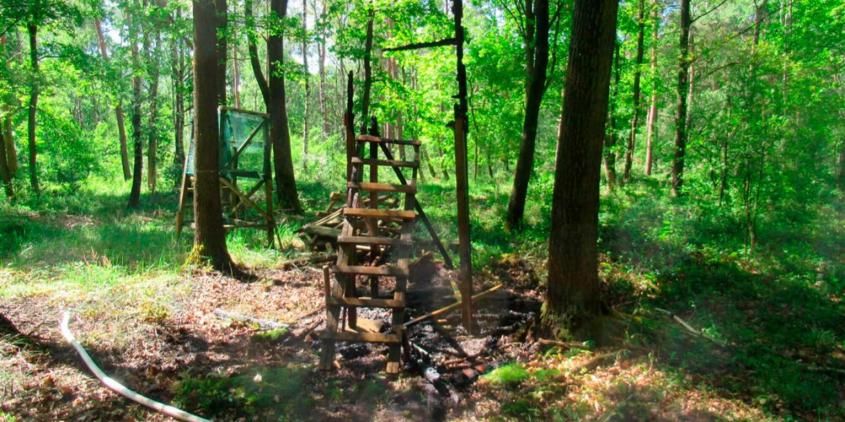
According to local press, two hunting seats in Billiger Forest in Euskirchen (North Rhine-Westphalia) were set alight on the 20th of August.
This is not the first time that persons unknown have targeted Billiger Forest. A total of eighteen hunting seats and towers have been destroyed in Billiger Forest since the beginning of the year, either by cutting or by setting on fire.
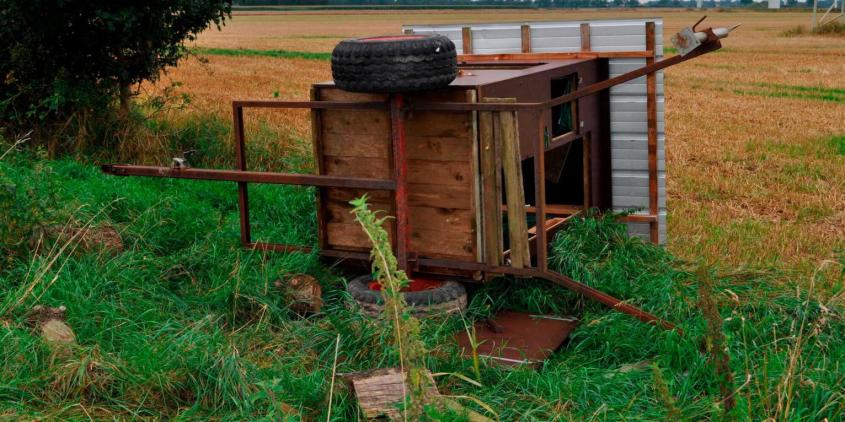
On the 26th of August in Eitzendorf (Lower Saxony) a hunting hut on wheels was targeted too.
Animal shit was found smeared over the walls, equipment was stolen, tyres slashed and windows broken.
In between the 29th of September and the 2nd of October, the police reported a total of 17 hunting towers felled in Erzgebirgskreis (Saxony) using a chainsaw.
On the 8th of October, a hunter in Vilsbiburg (Lower Bavaria) realised that the central locking nut that holds the high seat together had been removed when he fell of the tower as soon as he sat on it.
He then checked another seven towers in the area that had been manipulated in the exact same way, leaving no visible marks to identify the the towers were broken but ready to fall as soon as someone used them.
The police has recommended the hunters to check the towers and seats before using them to avoid injury.
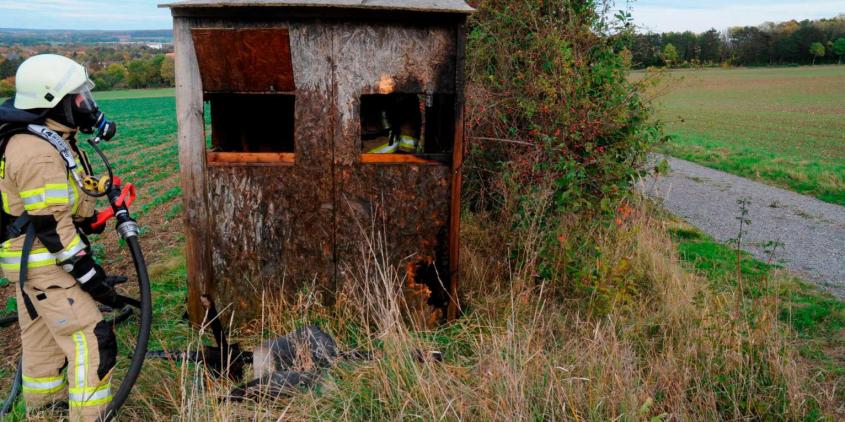
Meanwhile, on the 10th of October the fire brigade responded to a call reporting a hunting hut on fire in Königslutter (Lower Saxony).
For the creative award, in June a hunter in Cuxhaven (Lower Saxony) reported that someone had set up a trap inside of his hunting tower.
Using holes and a rope, someone prepared a mechanism that would ensure that as soon as the tower’s door was open, a bucket of manure would fall on top of the hunter’s head.
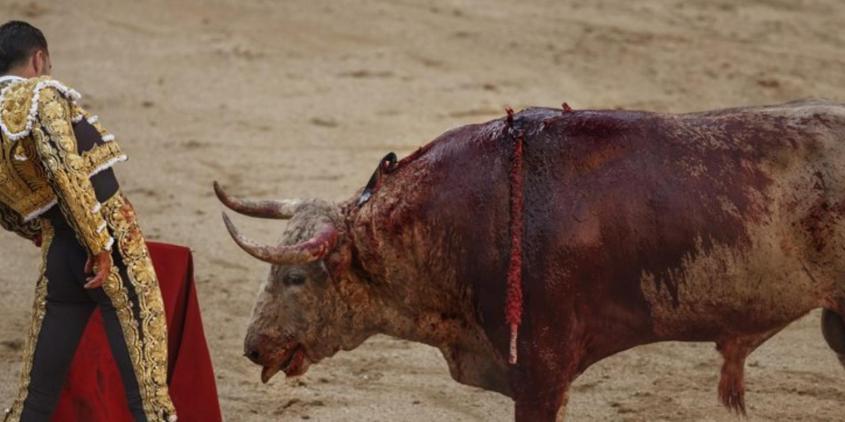
And I mean…To be a hunter means to commit and execute the murder of innocent animals.
To like this class of society you have to be very jaded.
These actions are not about personal enmities
It is about the defense of generally applicable ethical structures in this world.
Man is what he does. Nothing else.
Killing animals is not an expression of rationality and common sense;
Letting animals live is species-appropriate because it corresponds to their right to life.
Like it or not.
If hunters don’t get it, then they have to live with the fact that others have found a way to make it clear to them
And these will always find a way.
We are grateful to them for that
There will be no more corridas in the oldest bullring in Mallorca!!
Instead, it should be transformed into a socio-cultural center.
The bullring in Alcúdia is the oldest of its kind in Mallorca. Photo: Amalia Estabén
This has now been confirmed by the mayor of the municipality, Bàrbara Rebassa, on request in a municipal council meeting.
A company had been managing the community square for years. But now his license has expired.
As the “Ultima Hora” reports, the concession is not to be put out to tender again.
If Mayor Rebassa has his way, the arena will in future be used as a center for the activities of clubs and cultural institutions.
If possible, the community also wants to set up rehearsal rooms for musicians.
The Alcúdia bullring was built in 1892 in the Sant Ferran bastion, which is part of the 17th century city walls. It has 1037 seats.
Traditionally, two bullfights were held here every year.
In recent years these corridas have been accompanied by anti-bullfighting demonstrations outside the gates of the bullring.
But there are also headwinds from the advocates of bullfighting.
On October 12, the community received a letter from a law firm.
According to Rebassa, it pointed out that the corrida is a cultural asset and that the law obliges the community to maintain bullfighting. The mayor rejected this with the argument that the system no longer complies with the applicable regulations.
And the brave, civilized authorities of Spain, who view bullfighting as a disgrace to the country rather than a cultural asset.
There are still those too.
Time is ticking against the bullfight and we know… it will end!
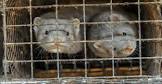
Big disappointment in Sweden: the Board of Agriculture decided today to lift the mink ban
10 November 2021
Djurens Rätt
At the end of this year, the temporary ban on breeding mink for fur production will expire and the Swedish Board of Agriculture has just announced that it will not be extended. The decision means that 2022 may mean that half a million minks will once again be staying in cramped grid cages, with risks to animal welfare and continued spread of infection. Animal Rights are deeply disappointed with the decision.
In January 2021, the positive news came that the mink farms would be closed again for 2021 to reduce the risks of spreading the coronavirus SARS-CoV-2. The breeding animals remained on the farms, almost as a promise to the companies that they would be allowed to start up again. It has now happened.
With today’s decision, the mink farms will be allowed to start their operations again on 9 November.
This is in contrast to Denmark, which recently decided that their ban on keeping minks will be extended for 2022. Other countries have also taken a different path than Sweden: the Netherlands imposed a permanent ban on fur farms following the pandemic, and during the week British Columbia in Canada decided on a plan to close down mink farms due to the spread of infection.
In order for the Swedish mink farms to be able to breed mink again, certain specific restrictions have instead been extended, such as a ban on the movement of live mink and isolation of the farms. But this is clearly not sufficient.
“I am deeply disappointed with today’s message. There are many reasons to stop mink farms from breeding minks in cramped lattice cages, the risk of infection spreading is just one of them. When the authorities made this decision today, they also took a stand for the mink industry to continue to conduct unethical activities in Sweden. I now urge politicians to take a new approach to the issue and introduce a permanent ban” says Camilla Bergvall, national chair of Animal Rights Sweden.
Minks have proven to be extra susceptible to the coronavirus, which also affects humans. The majority of Sweden’s approximately 28 mink farms have had outbreaks of infection, with consequences such as increased mortality and respiratory symptoms. Despite the breeding ban in 2021, the infection came on a farm during this summer.
Investigation in Sweden is ongoing
The Government has commissioned the Swedish Board of Agriculture and the Swedish Veterinary Institute to investigate the risks of the spread of infection between animals and humans in Sweden. That assignment will be presented in February 2022, and may involve other proposals for restrictions than the current announcement. However, there are few indications that a breeding ban will be introduced again. It will be up to politicians, especially in government, to implement other legislative proposals to protect minks from suffering and disease.
Animal Rights, with the support of at least 76% of the population, is not alone in proposing the decommissioning of mink farms for infection control and animal welfare reasons. Other examples are the Swedish Veterinary Association and several farmers.
14 animals die during sea transport from Portugal to Israel
10 November 2021
AWF
Live animal transport from Portugal to Israel: livestock vessel stuck off the Italian coast for two days, 14 animals died during the trip.
NGOs call on the ANIT Committee to ask for a ban of live animal transport at sea.
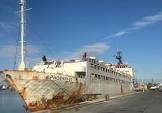
The vessel Phoenix III, heading to Israel with a cargo of 1,200 young bulls and 5,644 sheep, was dangerously stuck for two days at sea near Mazara del Vallo, Italy.
Portuguese authorities were informed by PATAV (a Portuguese civic movement) that the vessel had stopped for 48 hours. The ship, which left Sines (Portugal) on October 22nd and stopped on 27th near Italy, then left again after two days and reached its destination port in Israel on November 4th.
A coalition of NGOs, which followed the ship and filmed the animals while they were unloaded in the port of Haifa, wrote to the ANIT Committee (Committee of Inquiry on the Protection of Animals during Transport) urging to support a ban of live export.
The images taken during the unloading process show stuck and exhausted animals in high overcrowded conditions, with animals on top of each other, and very dirty bulls with broken horns. Some of the animals also showed heat stress symptoms. The animals were quickly loaded again on trucks. They will spend eight days in quarantine in the region of Mehola (90 km from the port), and then they will be transported again to different feedlots in Israel for 4-8 months before slaughter.
This case, as in the well-known cases of Karim Allah and Elbeik at the beginning of 2021, shows again how dangerous sea journeys can be for the animals.
In this incident, 14 animals were reported dead, but if the vessel were stuck for more days, we could have witnessed another tragedy.
In the letter to the ANIT committee, the NGOs referred to the importance of contingency plans and the need, by competent authorities and organisers, to take into account the forecast weather conditions until final destination when authorising a transport. Lack of feasible contingency plans and lack of weather verification have the potential to negatively affect animal welfare when unexpected situations arise.
Phoenix III is a 43 years old livestock vessel (Ex-reefer converted in 2011 at the age of 33 when it should have been already scrapped). Most of the livestock vessels operating in the EU are under similar age and conversion situation, andsince 2017, they are the No. 1 category for the number of detentions worldwide, and considered as a high risk in Paris MoU risk profiling.
Furthermore, according to a recent study published in 2021, 36%of EU-approved livestock vessels have suffered major incidents, failures, or loss.
Besides that, there are concerns regarding the Phoenix III authorisation: according to the Romanian central authority Phoenix III had been transporting live animals without authorisation from April to August 2021 when it made 8 journeys exporting animals from Croatia, Portugal and Romania to Israel. On August 18 the vessel was re-authorised to export animals by Croatia.
Aside from the reason for the stopping, this episode is again a good example of how the welfare of exported animals remains largely unknown during the sea part of the journey, and during transport in third countries to the final destination.
The many tragedies already happened in the past (the Queen Hind, Karim Allah, Elbeik vessels among others) show that the protection of animals during transport at sea is not possible for various reasons: bad weather and technical failures can cause delays, most ports are not able to shelter the animals, and conditions at sea can deteriorate suddenly with no possibility to escape putting both animals and crew at great risk.
Given the comprehensive work that the ANIT did on transport via sea, the NGOs are now asking for the Committee to recommend a phase out of extra-EU sea transport and to urge stricter and refined rules on intra-EU sea transport.
Based on PETA’s evidence, a team of U.S. Department of Agriculture(USDA) officials conducted a multiday inspection of the mill.
The dogshad no beds, no toys, no stimulation—no real lives.
For more than 50 years, various companies have bred them at this dog factory farm to sell to laboratories for experimentation.
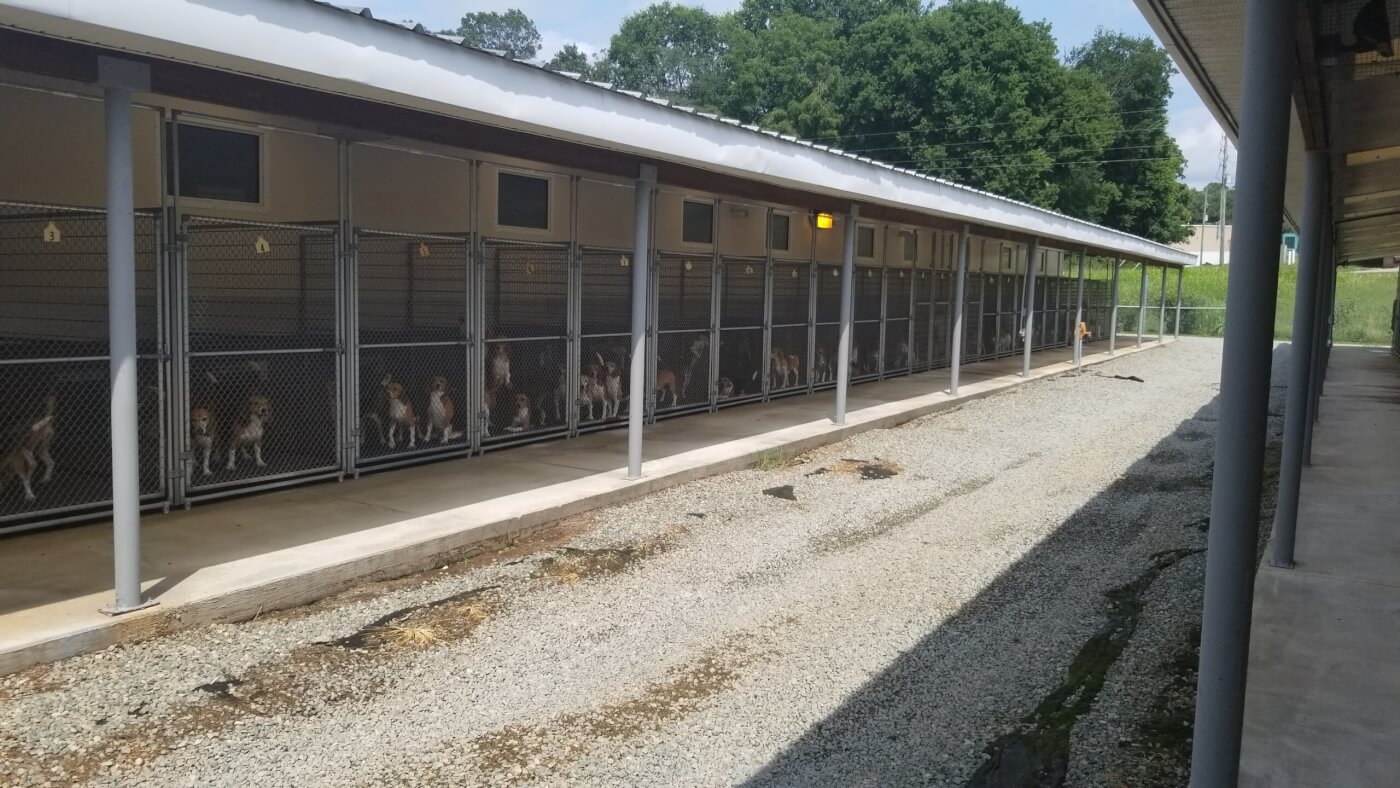
The dogs were kept in sheds that stretched as long as a football field and were deafeningly loud when hundreds of them barked at once.
The noise level reached over 117 decibels—louder than a rock concert—and of course, the dogs have no way to escape from the virtually constant noise.
Dogs’ hearing is much more sensitive than humans’—they hear sounds that we cannot and from much farther away.
The crowded and stressful conditions cause the animals to fight, often resulting in injuries, especially to their ears.
Female dogs are bred repeatedly for years.
Many gave birth to puppies on the hard floor.
A supervisor found one pregnant dog afflicted with a fever. The next day, a worker found her “dead—like stiff as a board,” with “two puppies in her and … they had torn through her uterus [and] were just kind of floating around in her abdomen. So all like … the afterbirth … was all … in her stomach. And I think that just led to a massive infection.”
Dead and Dying Puppies: An Almost Daily Occurrence
Over the course of the investigation, PETA’s eyewitness found more than 350 puppies dead among their live littermates and mothers.
Some puppies had been inadvertently crushed to death by their mothers inside the cramped cages, while others suffered from hydrocephalus (in which fluid builds up inside the skull and puts pressure on the brain), were eviscerated, or just couldn’t survive the harsh conditions.
This is really for UK residents only, but it will provide an insight into the ‘scratch my back, I scratch yours’ lobbying / open doors issues which happen in politics.
As we (UK) are all aware of, and by now, totally bored with; a lot in the media / press recently about Members of Parliament (MP) having ‘other’ paid ‘work’ in addition to that of being an MP, for which they are paid a basic salary of £81,932.
We personally would often call it being a lobbyist for an organisation or company; the very recent Owen Patterson MP case showing that he was paid in excess (in addition to his MP salary) of £110k to be a ‘consultee’ for 2 organisations. Very much case of getting money to open the right doors we would say; something which campaign groups do not have the funds to do, or wish to be involved with.
So here and now, I am supplying UK residents with a few links which will help them determine if ‘their’ MP is being paid for work in addition to than being an MP. Most people outside of parliament would think and say that being an MP is a full time job in its own right; let alone having more time to earn extra money for undertaking extra duties; but the data provided in the following may show differently.
Today, 9/11/21, we now have additional info relating to one as provided here:
Here below is the main (They work for you) link which allows you to find your own MP and any financial interests associated with them. I (Mark) have not obtained this info through the back door, through ‘contacts’, lobbyists, or any other secretive routes. It is information which is available to everyone who has computer access and knows where to look.
I know where to look and so I want to share the link with you, without me asking for any financial backhanders to do so; a case of simply passing over info so that you can look at your own MP in a little more detail; view them a little differently (?); and maybe ask them some questions if you wish.
In addition, here below is a link from the BBC which again details additional ‘work’ payments that are being given to some MP’s in addition to their MP salary of £81,932.
No wonder Boris Johnson (Prime Minister) is trying to keep it all quiet and sweep it under the carpet. Personally, I view it that an MP is an MP, full stop; and should have NO other job or paid work interests. Some people would skin their grandmother for a few extra quid; and to some, making money is the ‘god’ that they worship. Fortunately, lots of us ‘normal people’ are not in the same boat; we get by and fight the fights that we feel need actions; without paying for doors to be opened or other favours to get us up the pyramid.
Why do adults still drink milk? Why do we obtain it from an entirely different species, let alone a being who is not our mother? Why do we continue to guzzle down a drink that leaves us bloated and uncomfortable hours later? It simply does not make sense.
According to evolutionary history and fossil records, the modern human being has inhabited this earth for the past 200,000 years (1).
Historians date the practice of drinking cows’ milk back to the past 8,000 to 10,000 years. (2).
What this tells us is that consuming the milk of another species isn’t instinctual, and our bodies don’t naturally ‘crave’ it. So the question is – which one of our brilliant ancestors looked at a cow’s udder, licked their lips, and started sucking? Perhaps more importantly, why did others join in?
‘A short but riveting history’
Relative to human existence, the history of milk is considerably short – yet it is truly riveting. Power, corruption, greed, mass manipulation—all are present in the evolution of milk in our modern-day society.
Thanks to the bizarre thinking of that early human, most of us are guzzling down a substance not meant for human consumption. It’s time to leave cow’s milk to the textbooks, and of course, to baby cows
Dairy farms organize
Fast-forward through the evolution of lactase persistence in European regions (yes, all early humans were lactose intolerant past their toddler stage), domestication of dairy cows, the invention of cheesemaking, millions of people who died from milk-borne illnesses prior to the invention of pasteurization (a fourth of all food-borne illnesses in the US were attributed to cows’ milk prior to the early 1900s), and the invention of the glass milk bottle, and we find ourselves in 1922 with the seminal passing of the Capper-Volstead Act (3).
This bill gave agricultural industries permission to act together, form organizations, and market their product. While the industry was very much reliant on small farms back in the day, this bill paved the way for the enormous dairy conglomerates and massive milk marketing campaigns of today. Without it, the American people would have never known the phrase: “Got Milk?”.
The popularization of skim milk
Before pressing further, a note on skim milk. Prior to the 1930s, most of it was literally sent downriver. Families who drank milk had one option – whole – but skim milk still existed as a byproduct of the butter-making process.
This ‘waste’ was commonly disposed of by dumping it into rivers throughout the 1920s until the government was forced to put a stop to it due to the horrific odor of spoiled milk that permeated the surrounding areas.
Skim milk powder
It wasn’t until the 1950s that skim milk received some commercial attention, though this was in the form of a dry, powdered, ‘just add water!’ mix (4). As awful as instant milk powder sounds today, we can’t blame our grandparents – instant was all the rage back then.
The industry also had plenty of skim milk to get rid of, as much of it was leftover from WWII when dry milk powder was used as a relief food. To chisel down this surplus, the industry employed skilled marketers to position skim milk as a weight-loss food.
Milk dealers received backing from physicians to pedal this product as a health food, and by the 1950s, skim milk had transformed from a waste byproduct to a trendy weight loss beverage mostly consumed by affluent society (15).
In reality, farmers just need a way to get rid of (and profit of off) the skim milk they had made during the war effort … which tends to be a theme in milk’s history: made too much? Turn to clever marketing.
World leaders must address the impacts of animal farming on climate change
8 November 2021
Eurogroup For Animals calls on world leaders to enhance pledges to reduce greenhouse gas emissions in order to better uphold the obligations derived from the Paris Agreement. Linking animal protection, trade policies and sustainable food systems would be a first step in the right direction.
Six years after the Paris Agreement, the 26th United Nations Climate Change Conference of the Parties (COP) is taking place in Glasgow. This conference is particularly important because it’s the first time the ‘ratchet mechanism’ foreseen in the Paris Agreement will be used.
Indeed, each country is expected to submit enhanced “nationally determined contributions” (NDCs) every five years to ratchet up ambition to mitigate climate change. However, despite the fact that the 2020 conference was postponed due to the pandemic, dozens of countries still have not updated their pledges to reduce their greenhouse gas (GHG) emissions by the time of the 2021 conference.
The implications are serious. A global temperature rise of 2°C above pre-industrial levels delivers the probability of dangerous climate change. Hence, GHG emissions need to be drastically reduced but countries continue to do “business as usual”.
Livestock farming represents a significant share of the planet’s emissions that cannot be ignored as they account for approximately 18% of global GHG emissions, which is more than all transports combined.
As outlined in the recent IPCC report, we have no time to lose in cutting methane emissions. Reducing livestock numbers could contribute significantly to meet the Paris target, while failing to reduce them will put most of the UN SDGs out of reach.
World leaders need to explicitly recognise the intrinsic link between animal protection and the UN SDGs, and the importance of animal protection in putting the world on a sustainable path to 2030. Changing the food system and how we treat animals is a major opportunity for climate change mitigation. Political leaders and governments can, for example:
Redirect subsidies from industrial animal production, the main receiver today, to plant-based ones.
Invest in the development of plant-based proteins and cultivated meat.
Use the land differently, since deforestation is driven by animal feed production.
It is also high time to address the impact of trade on climate. Currently, trade agreements liberalise trade without any climate or animal welfare conditions. As a result, they fuel unsustainable production systems, harming people, animals and the planet. For instance, the EU-Mercosur trade deal, by granting significant market access to animal products, will fuel intensification of animal farming which highly contributes to deforestation, which in turn will contribute to climate change. In Brazil alone, over half of the country’s deforestation over the last twenty years came from the beef sector, mainly due to the conversion of forests into cattle pasture.
Eurogroup for Animals’ contribution
To inform COP26 attendees about the environmental issues associated with animal-related sectors, as well as how improved animal welfare and transformed food systems can help build back better, Eurogroup for Animals have created a leaflet entitled “Protecting Animals to Protect the Planet”.


 In one egregious example, experimenters have been using genetically manipulated mice as “models” for autistic humans.
 In their failed attempts to replicate autism in mice, experimenters genetically modify the animals, inject them with chemicals, damage their brains, or manipulate the bacteria in their stomach, causing them to have fewer social interactions and produce unusual vocalizations.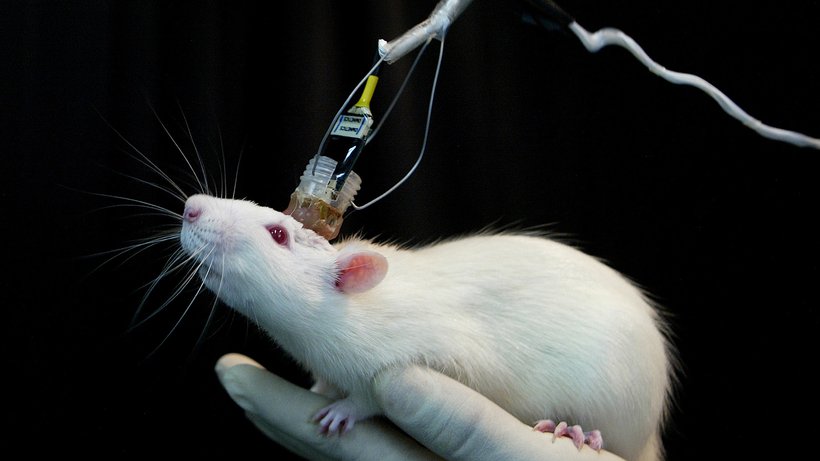
 This is not the first time that persons unknown have targeted Billiger Forest.
 On the 26th of August in Eitzendorf (Lower Saxony) a hunting hut on wheels was targeted too.
 Meanwhile, on the 10th of October the fire brigade responded to a call reporting a hunting hut on fire in Königslutter (Lower Saxony).



 The dogs were kept in sheds that stretched as long as a football field and were deafeningly loud when hundreds of them barked at once.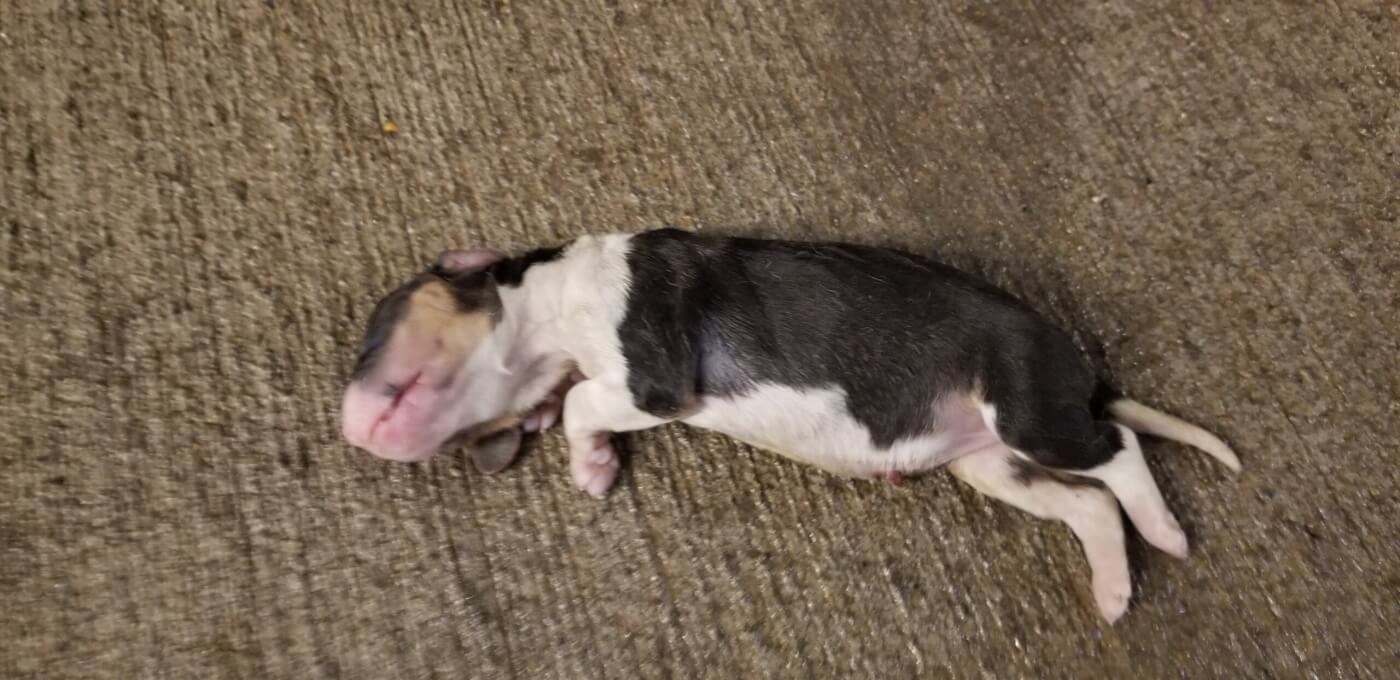


 World Animals Voice