
London – November 2018.
Quite rightly; those who gave their lives to defend their homeland should always be remembered. There are many national events happening in the UK this week to mark the centenary of the end of the First world war – one of, if not the, biggest takers of life of all time.
https://www.standard.co.uk/news/london/the-best-pictures-of-tower-of-londons-stunning-armistice-memorial-lights-a3981516.html
https://news.sky.com/video/10000-lit-torches-in-tower-of-londons-moat-11545197
https://www.theguardian.com/uk-news/video/2018/nov/05/ten-thousand-torches-light-up-tower-of-london-in-armistice-memorial-video
The Tower of London was illuminated on Sunday evening by thousands of torches, which were lit in its dry moat to mark the centenary of the end of the first world war.
A Beefeater began the ceremony by bringing a flame down from the tower to the moat, which had been filled with smoke. Representatives of the armed forces and volunteers used the flame to ignite about 10,000 torches scattered at the foot of the tower’s walls

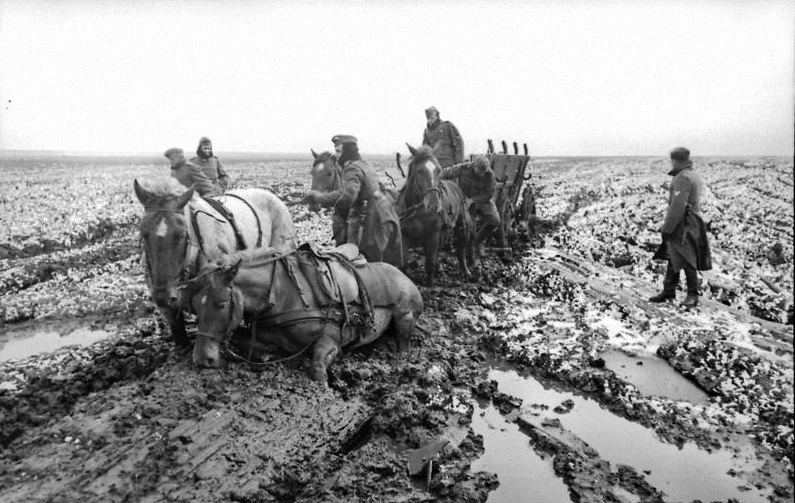
We always remember the fallen humans; but what about the animals that have given their lives in conflict ?
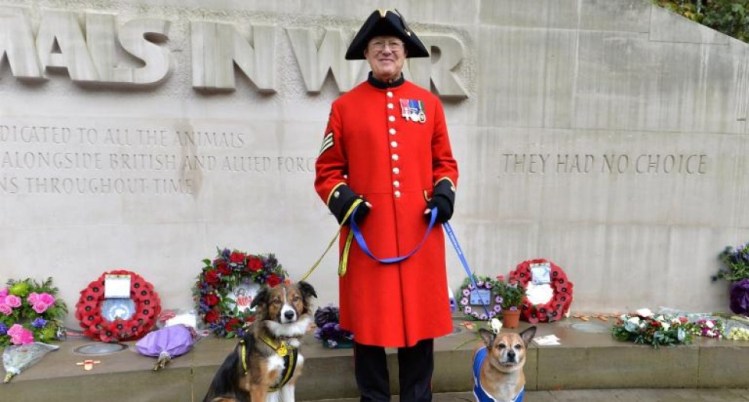
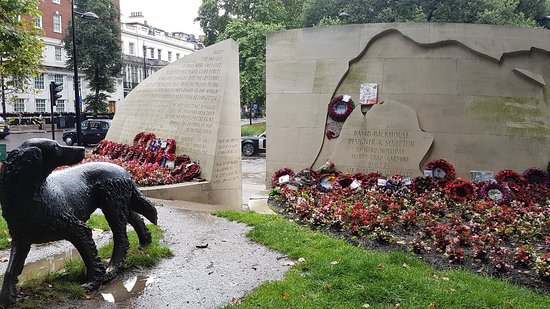
London has many memorials dedicated to the service provided by animals during the great wars. Every year, whilst the memorial to the fallen soldiers is taking place in London; many people visit the animals memorial to lay wreaths and to thanks the forgotten heroes who were such a force in the war.


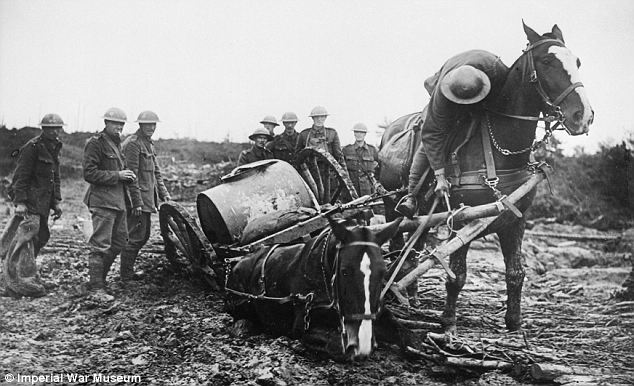
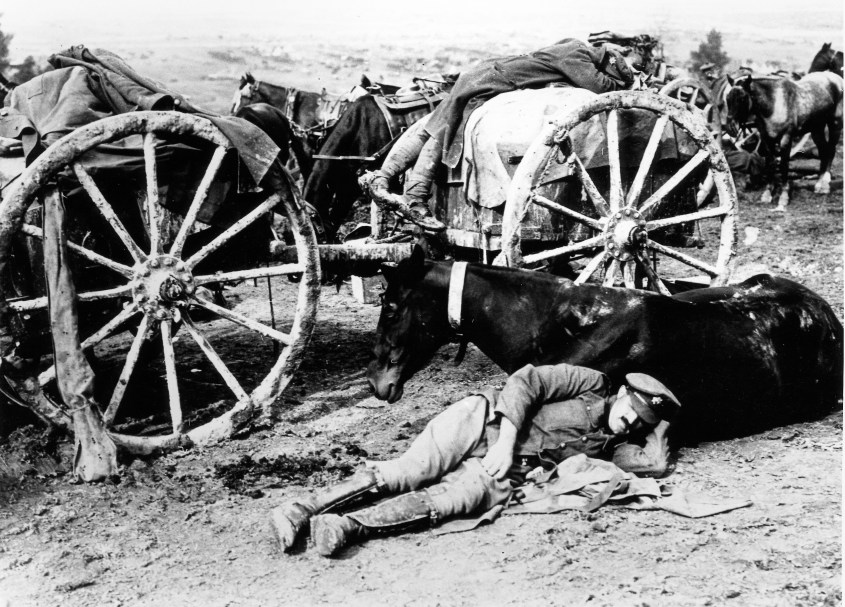
Horses, donkeys and mules fought like heroes in WW1, side by side with millions of soldiers. Over eight million equines fell during the war and without them the outcome could have been very different.
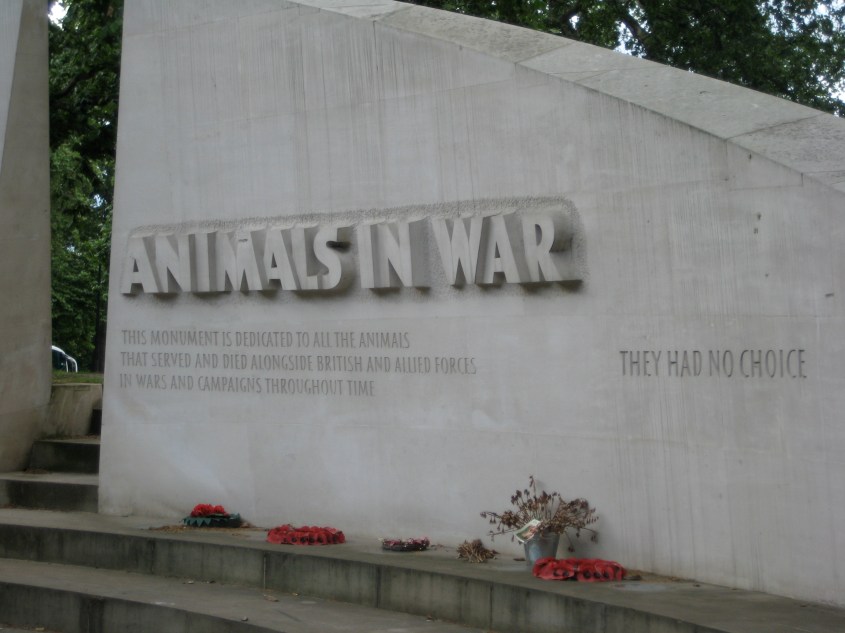
On arrival in Egypt in 1930, Dorothy Brooke was determined to find the surviving ex-warhorses of the British, Australian and American forces. These brave and noble horses were sold into a life of hard labour in Cairo when conflict ended.
Searching for them throughout Cairo, Dorothy was appalled to find hundreds of emaciated and worn-out animals desperately in need of help. She wrote a letter to the Morning Post (which later became the Daily Telegraph – London newspaper) exposing their plight.
Read more and visit the Brooke website – a leading animal charity today – https://www.thebrooke.org/about-brooke/history-brooke
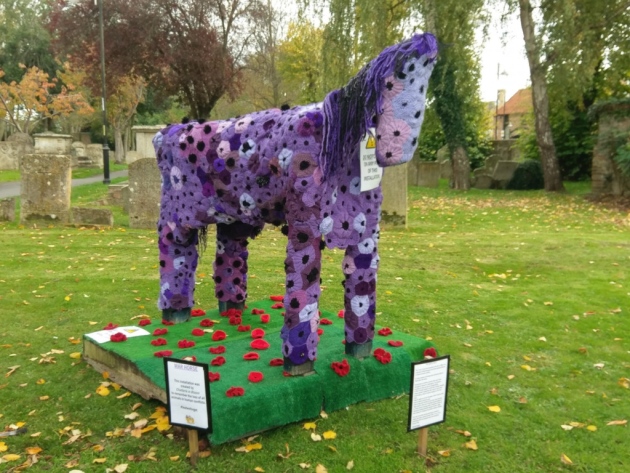
Rather than the traditional red poppy, Purple Poppies are warm to remember animals in conflict.



 World Animals Voice