Month: May 2020

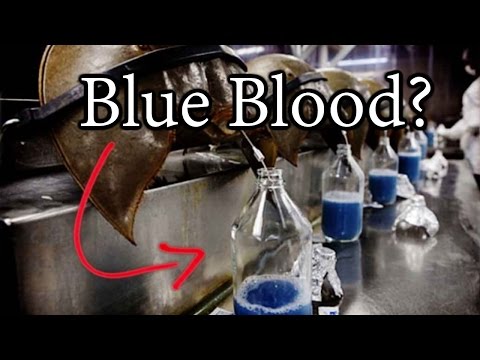
“Blue blood” – The dinosaurs of the sea disappear

The blood of this animal is worth almost 15,000 euros per liter.

blaues blut 5pg

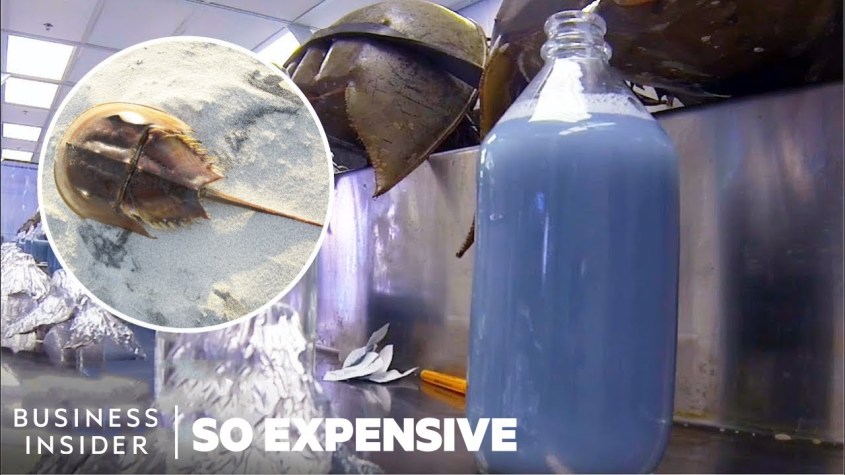
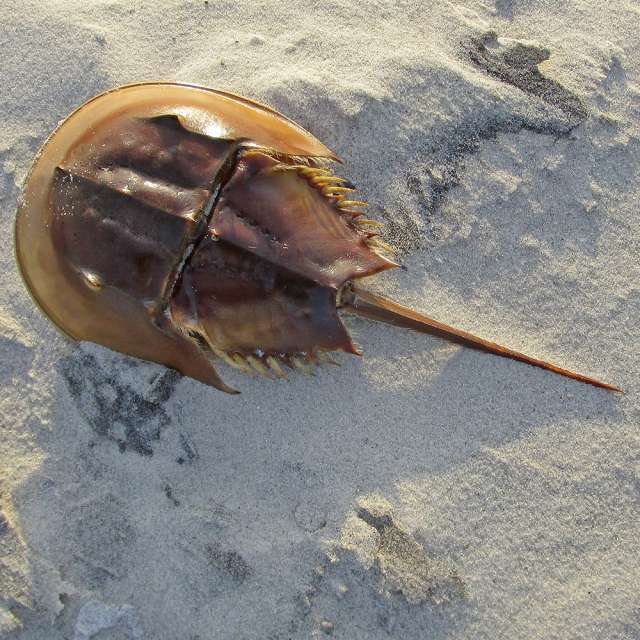
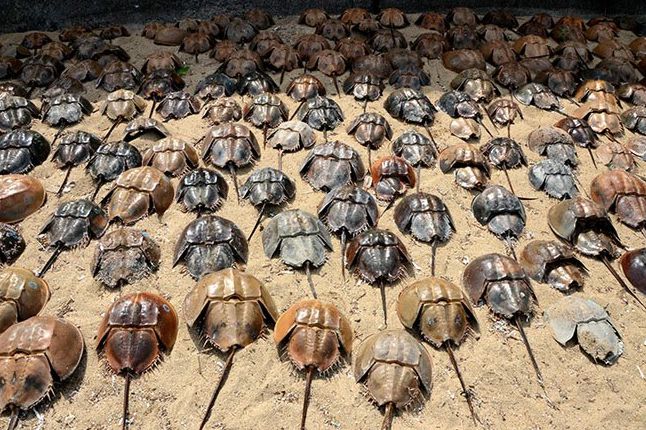
The pharmaceutical companies owe their bulging accounts to horseshoe crab – a creature that is older than the dinosaurs and that floats in our oceans as a “living fossil”.

fossile blaues blut

For decades, the pharmaceutical industry has been harvesting blood commercially from an animal with the scientific name ‘Limulus Polyphemus’ – the Atlantic horseshoe crab (also called Moluccan cancer or horseshoe cancer), for a very special reason: its “blue gold”, as they call it can bring tens of thousands of dollars per liter, Bloomberg reports.

blaues Blut pg

The blue blood of the crayfish is used to detect germs in vaccines and infusions as well as on medical devices. It contains a protein molecule that works like a primitive immune system: as soon as it comes into contact with disease-causing coli bacteria or Salmonella, it clots like sour milk.
No substance in the world displays bacteria better.

The uniqueness of their blood, which was to revolutionize medicine, was discovered in the 1960s in these crab species, which are 450 million years old.

blue blood 1
Unlike vertebrate blood, horseshoe crabs do not use hemoglobin to carry oxygen through their bodies. Instead, the blood ( called is called Limulus Amebocyte Lysate ) contains hemocyanin, a protein that transports oxygen, stains the blood blue, and has specialized immune cells that are extremely valuable.
That is what makes these animals so valuable.

And then there’s the pharmaceutical industry!!

Around 430,000 American horseshoe crab  are caught and forced to donate blood on the US coast alone, reports the English Guardian. A lucrative business: The lysate made from blood is one of the most valuable liquids on earth. A liter costs up to 15,000 euros.

As soon as the blood is drawn, the horseshoe crabs are released back into the ocean. However, it is estimated that 15% to 20% of them die from the consequences of the process.
According to Bloomberg, horseshoe crab stocks have plummeted by 80% in the past four decades.

Up to a fifth of horseshoe crabs did not survive «blood donation».

blaues blutjpg

In the procedure, the shell of the animals is pierced near the heart. The animals must leave 30 percent of their blood in the laboratory before being released again.
A professor at the National University of Singapore developed a synthetic solution two decades ago that would replace the blood of horseshoe crabs.

Apparently, however, the pharmaceutical industry prefers to bleed horseshoe crab until this animal too, at some point, like the dinosaurs, belongs to the animals that have become extinct.

blaues blut 4pg

https://unserplanet.net/blaues-gold-das-blut-dieses-tieres-ist-fast-15-000-euro-pro-liter-wert/


And I mean…A million dollar business, isn’t it?

The animals have even survived the dinosaurs but they will not survive the bloodsuckers.
They are in the hands of the pharmaceutical mafia, which draws blood from them in masses.

This is mainly about the ethical problem, above all because of the way in which this procedure be practiced. In Japan, for example, they are squeezed alive in order to obtain the maximum amount of blood.

So another animal with which the pharmaceutical mafia fills their accounts with billions.

The human species is the only species that is mostly responsible for the extinction of another species.

My best regards to all, Venus

New findings show Australian sheep face dangerous heat stress on export ships.

sheep123


As many of you are aware, live animal transport (live export) is one of our major hates and something we have been involved with for decades; personally acting as investigators into this sordid business – https://serbiananimalsvoice.com/about-us/ – thus we feel that we do have experience in; and feel we have some degree of knowledge to talk about this trade.

After the two articles we have reproduced from ‘the conversation’ which you can read below; with further links in the articles; we have reproduced a few links specifically relating to our own work monitoring sheep exported live from Romania (EU) to the Middle East. We published updates every day of the position of the vessel on its shipment, along with conditions and temperatures for the sheep which were clearly outside of EU regulation 1/2005 on the so called ‘Protection’ of animals in transport.

As we have said many times before, the EU regulation is just a smokescreen behind which all the authorities and regulators can hide, whilst really doing nothing. As always, in the end it is the animals that suffer terribly.

Regards Mark (WAV).


Here are just a few of our recent posts relating to Romanian sheep being exported to the Middle East in extreme temperatures:


https://worldanimalsvoice.com/2019/08/01/romanian-sheep-ship-update-1-8-19-1020hrsgmt-vessel-now-entering-kuwait-city-expected-to-dock-0300hrs-local/


https://worldanimalsvoice.com/2019/07/30/romanian-sheep-transporter-ship-update-30-7-19-currently-moored-at-jebel-ali-dubai-uae-no-speed-moored/


https://worldanimalsvoice.com/2019/07/26/update-26-7-19-2000hrs-gmt-for-romanian-sheep-livestock-carrier-al-shuwaikh/


https://worldanimalsvoice.com/2019/07/25/25-7-romanian-sheep-exports-update-vessel-now-n-the-gulf-of-aden/


https://worldanimalsvoice.com/2019/07/24/eu-se-england-meps-now-asked-by-wav-as-to-why-france-stops-live-transport-and-yet-romania-exports-70000-live-sheep-to-the-middle-east-in-temperatures-10-degrees-hotter/


https://worldanimalsvoice.com/2019/07/23/al-shuwaikh-romanian-sheep-shipment-70000-animals-current-position-red-sea-has-departed-jeddah/


https://worldanimalsvoice.com/2019/07/20/romanian-sheep-shipping-news-20-7-19-new-kuwait-eta-over-another-weeks-sailing-time-now-set-what-are-conditions-like-for-the-animals/


https://worldanimalsvoice.com/2019/07/16/romania-re-70000-sheep-exported-to-the-middle-east-how-to-contact-romanian-meps-to-express-your-disgust-at-their-nation/


https://worldanimalsvoice.com/2019/10/28/eu-remember-the-romanian-sheep-to-the-middle-east-in-extreme-temperatures-the-latest-from-the-eu-but-still-no-infringement/


https://worldanimalsvoice.com/2019/09/18/remember-the-al-shuwaikh-and-the-romania-sheep-now-it-is-trying-to-take-sa-sheep-read-the-latest-from-animals-australia-and-the-rspca/


https://worldanimalsvoice.com/2019/09/06/england-wav-now-write-to-europe-regarding-romanian-sheep-and-animal-carrying-box-trailers/


https://worldanimalsvoice.com/2019/09/04/nightmare-comes-true-for-romanian-sheep-exported-to-the-gulf/


https://worldanimalsvoice.com/2019/08/04/romanian-sheep-exports-on-al-shuwaikh-we-have-all-the-data-and-are-now-waiting-for-the-eu-to-return-from-summer-holidays-then-we-start/
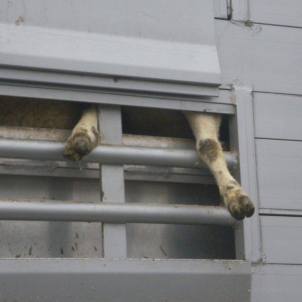



Sheep legs


australia


https://theconversation.com/new-findings-show-australian-sheep-face-dangerous-heat-stress-on-export-ships-137598


New findings show Australian sheep face dangerous heat stress on export ships


May 4, 2020 8.50pm BST


It’s been almost three years since thousands of Australian sheep died during a voyage from Australia to the Middle East. My group’s new research provides insight into the heat stress faced by sheep exported in recent years and casts further doubt on the industry’s future.

We found sheep experienced heat stress on more than half of voyages to the hottest port in the Middle East, Doha, over three summers from 2016 to 2018.

This is the first time the extent of heat stress in live sheep exports from Australia has been quantified, and the findings do not bode well. A federal government ban on exports during the Northern Hemisphere summer is already hurting the industry. And COVID-19 looks likely to affect the annual Hajj pilgrimage and Eid al-Adha religious holiday, when our sheep meat is in high demand.

The future of Australia’s live sheep export industry appears bleak. Sheep farmers would be wise to seriously explore alternatives.

Severe heat stress exposed

Australia to the Middle East is one of the world’s longest sea transport routes of live sheep for slaughter, usually taking about 20 days.

The welfare risk to sheep from heat stress is highest on voyages departing Australia in our winter, and arriving in the Persian Gulf in the Northern Hemisphere summer.

In April 2018, whistleblowers released video footage filmed the previous year showing shocking live export conditions on the Awassi Express ship. More than 2,400 sheep died on the voyage from Fremantle to the Middle East.

The footage triggered public outrage. As part of its response, the federal agriculture department established a committee, of which I was a member, to assess the heat risk facing sheep exports to the Middle East.

The committee recommended measures to ensure sheep experienced heat stress on fewer than 2% of voyages. Subsequent research by my group would reveal just how far the industry is from that target.

Alarming findings

The federal government granted us access to temperature and mortality data from 14 voyages from Australia to the Middle East in May to December, between 2016 and 2018.

We wanted to know at what temperatures the welfare of the sheep began to be affected by heat stress.

To determine this, we analysed so-called “wet bulb temperatures” on the sheep decks. This measures not just air temperature but water vapour, which affects the levels of heat stress actually experienced at a particular temperature.

Wet bulb temperatures typically increased from 20℃ to 30℃ during the 14 voyages in the Northern Hemisphere summer. Ten out of 14 ships stopped at Doha in Qatar, the hottest of the four Gulf ports. There, daily maximum wet bulb temperatures from July to September exceed 27.5℃ half the time, at which point heat stress in sheep increases.

The wet bulb temperatures at Doha exceeded 32.2℃ 2% of the time, at which point sheep deaths are more common.

Ships docking at Doha sit in the sun for about a day and a half while some sheep are unloaded, exposing those left on board to high temperatures.

The ban is not enough

The federal government recently banned sheep exports to the Middle East between June 1 and September 14 this year, due to heat stress risks. Shipments to Doha are banned from May 22 until September 22.

The government has argued that a longer ban would have too great an impact on the industry. But our results show mortality increases during voyages from September to November, compared with May. This suggests more sheep will die as a result of the shorter ban.

The government introduced other measures this year to try to improve sheep welfare on ships.

First, it will require temperature data to be recorded at two sheep pens per deck. However my group has shown this does not produce representative results.

Read more: Grattan on Friday: Live sheep exports tarnish Australia’s reputation and should be stopped

Second, sheep can be unloaded at no more than two ports. But our results suggest that it is not the number of ports that influenced sheep deaths, but whether sheep were kept in hot conditions on board at Doha.

The COVID-19 pandemic has struck a further blow to sheep welfare. The federal government requires that animal welfare audits are conducted at holding facilities in the destination countries. But quarantine requirements have made these checks difficult.

It’s also worth remembering that heat stress is not the only challenge sheep face en route to the Middle East. They usually have very little space and likely get stressed by ship motion.

A double whammy

The Australian live sheep export trade has declined from about 7 million per year in the late 1980s to about 1 million per year now.

Australia has recently been unable to meet the Middle East’s demand for sheep meat – a problem the industry blames partly on the export ban. Middle East buyers are increasingly turning to the horn of Africa, Europe and Asia.

Compounding this, COVID-19 looks set to force the cancellation of the annual Hajj pilgrimage to Mecca in Saudi Arabia culminating in Eid al-Adha – a sheep-eating festival usually celebrated by millions of Muslims.

The double whammy will particularly hurt Western Australia, which in 2019 handled 97% of sheep leaving Australian ports.

If the festival is not cancelled, Australian sheep may be sent early to be stockpiled alive in the Middle East, to avoid the export ban. This would leave them exposed to the high temperatures the Australian government has sought to protect them from on ships.

Looking ahead

Some Western Australian sheep farmers have seen the writing on the wall. In the short term, some are turning to alternative livestock, such as prime lamb or beef cattle for domestic consumption or export as carcasses. This has the added benefit of keeping processing jobs in Australia.

In the long term, farmers would do well to look at the rising popularity of vegetarianism and veganism, and the threat to conventional meat production posed by “clean” meat grown in labs.

Some sheep grazing has already been replaced by cropping, and this is likely to increase in future.

There is no quick fix to the problems facing live sheep exports from Australia. The sooner we shift our economic reliance to more humane alternatives, the better.

Read more: Can meat exports be made humane? Here are three key strategies


https://theconversation.com/the-ban-on-live-sheep-exports-has-just-been-lifted-heres-whats-changed-123998


The ban on live sheep exports was only ever intended to be temporary. The Australian government enacted the ban earlier this year to prevent sheep from being shipped to the Middle East from the beginning of June through to September 22 – the highest heat stress risk period.

During this time, sheep are adapted to the cooler temperatures of a southern Australian winter. And for this reason they find it difficult to cope with the sudden increase in temperature and humidity as the transport vessels undertake the two week journey to the Persian Gulf region

This ban affected any voyages where the vessel would travel through waters in the Arabian Sea north of latitude 11°N at any time – effectively stopping the Middle East sheep trade as the entrance to the Gulf of Aden is at 12°N.

Why are Australian sheep shipped to the Middle East?

It seems outwardly strange to ship live animals (and their feed) across an ocean just for them to be slaughtered for meat shortly after arrival.

But there is a demand for live Australian sheep in the Middle East, which means it’s economically viable for exporters to ship animals from southern Australia, particularly out of Fremantle, but also from ports including Portland and Adelaide.

Read more: Government suspends licence of biggest live sheep exporter

Western Australian farmers received an average price of A$117 for each exported sheep during 2018, so the price of each sheep at the other end must be substantively greater.

There are significant animal welfare challenges in successfully live exporting sheep. Part of the problem has been that the location of the greatest concern for animal welfare is the Australian public. But the Australian public have no consumer power, they’re not the ones buying the sheep.

So, the Australian government has been required to “push” animal welfare requirements down the industry supply pipeline, rather than having these requirements being “pulled” through by market demand.

What we do not know is how the economics would change and whether additional market lines would open up for boxed meat – rather than live sheep – if the live trade were to be stopped.

Why was the ban put in place for the first time in 2019?

The ban was one of the consequences for the live sheep trade after disturbing video footage was revealed in April 2018. The graphic video showed sheep suffering and dying due to apparent heat stress on voyages from Australia to the Middle East.

The government immediately commissioned a review into the conditions for the export of sheep to the Middle East during the northern hemisphere summer.

Read more: Government to announce increased penalties for live sheep trade

That review made a number of recommendations, which were then implemented by the government, including increases in space allowance for sheep on board and independent auditing of ship ventilation systems. Government-appointed observers were also included on voyages, and the notifiable mortality threshold reduced from 2% to 1% of animals during a voyage.

Since government-appointed observers were included on voyages the notifiable mortality threshold on voyages reduced from 2% to 1% of animals.Trevor Collens/AAP

A key recommendation was that the regulatory framework should change from minimising mortality from heat stress to, instead, safeguarding animal welfare.

The government then commissioned further reviews to determine how to implement this recommendation, including an independent technical reference group.

This report was released on September 20, and the government has stated it will be used along with other information to determine the regulations for how (or if) live sheep shipments occur during the northern summer of 2020.

Are the changes sufficient?

The live export industry argues they have succeeded in making substantial changes to how it operates since the original footage was revealed in 2018.

Whether these will be sufficient to prevent further revelations of heat stress incidents or other adverse animal welfare outcomes remains to be seen.

Read more: Australia’s history of live exports is more than two centuries old

Including independent observers on voyages to keep an eye on animal welfare should increase the transparency of what happens to sheep during live export shipments. Although, there has been criticism of the delay in reporting from this initiative.

The new arrangements in place since 2018 and the temporary ban from June to September are unlikely to satisfy animal welfare advocates who are against live exports. On the other hand, the live export industry argues the sector is important for Australian livelihoods, including supporting sheep farmers.

What’s more, the current coalition government has repeatedly stated its commitment to maintaining a live export industry. Interestingly, the 2019 federal election was the first time there was a clear policy difference on the issue between the major parties, with the ALP committed to a phase-out of the live export sheep trade.

It will be interesting to watch whether this policy difference will remain after the ALP’s review of its 2019 election policies.

Read more: The ALP promises to phase out live sheep export

But in terms of what more needs to be done, it’s likely impossible for policy-makers to satisfy all parties in the live export debate.

New overarching standards for the export of livestock from Australia are scheduled to be introduced soon, covering more than just heat stress risk.

However, those who are against the trade in live animals are unlikely to be persuaded to desist in their efforts. A repeated history of damaging incidents and revelations serves as a reminder of what may happen again in the future if the industry does not get to grips with its animal welfare responsibilities.
USA: 1 in 5 ‘Wendy’s’ Is Now Out of Beef – Analysts Say.

USA Flagge


https://edition.cnn.com/2020/05/05/business/wendys-beef-shortage/index.html


New York (CNN Business)The national meat shortage has come for Wendy’s. The fast food chain says some menu items are unavailable, and one analyst estimates nearly one in five of Wendy’s restaurants are out of beef.

Around 1,000, or 18%, of Wendy’s 5,500 US restaurants are not serving any hamburgers or other meat-based items, according to an analysis of online menus at every location conducted by financial firm Stephens. Wendy’s is “more exposed” to the shortage sparked by the coronavirus pandemic because of its reliance on fresh beef compared with its competitors, the note said.

Wendy’s (WEN) said some of its menu items might be “temporarily limited at some restaurants in this current environment.” The company said its delivery schedule remains unchanged, but supply has been tight because beef suppliers across North America face production challenges during the pandemic.

Many meat suppliers have temporarily closed their factories because workers are falling ill from Covid-19.

“We’re working diligently to minimize the impact to our customers and restaurants, and continue to work with our supplier partners to monitor this closely,” a Wendy’s spokesperson said.


Continue reading via the link given above.


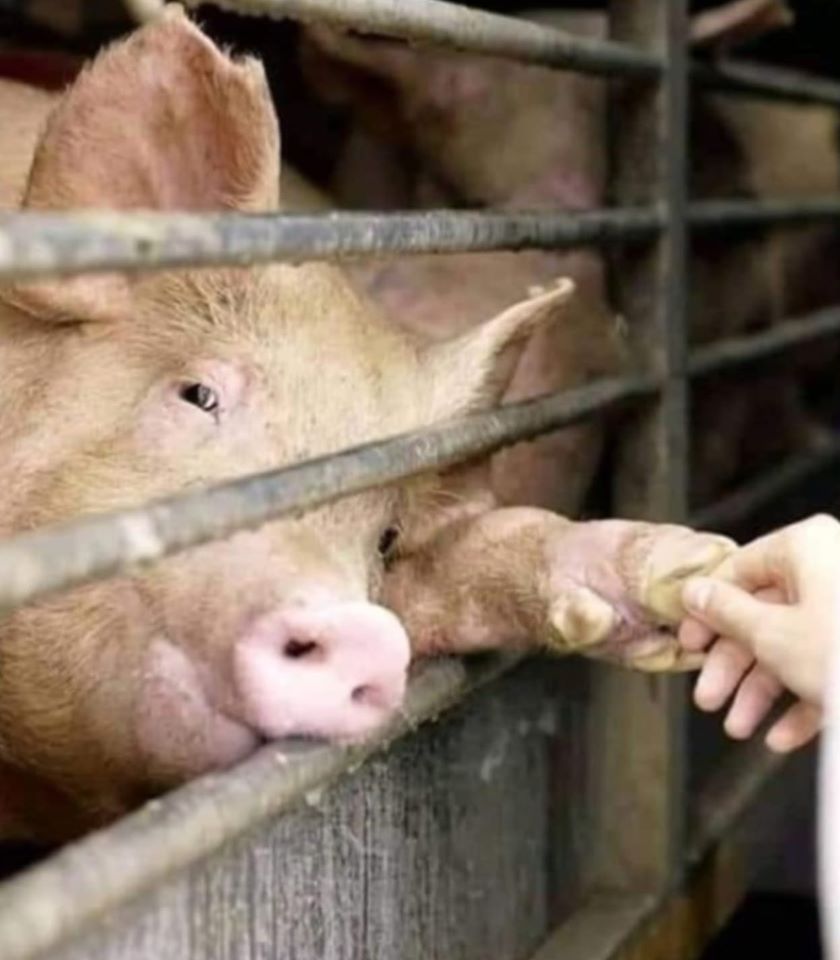
For us it is temporary. For them it is forever


COVID-19 locked us up.
For us it is temporary
For other animals it is forever.
Their suffering is incomparable
They want to get out
They are scared
They spend their lives alone
in cages WE build
They cry ..
we are not listening
we prefer not to know about it
We put some victims on display
We prefer to hide other victims
They’ll never see a tree
never run around outside
They don’t understand why that happens
They also want to be free
They want to live too
They also want to love
They also want to celebrate life

Everyone deserves freedom

KinderWorld


…Really? Do you feel restricted in your freedom?
Lonely?
Are the four walls unbearable to you?
Then you can swap with this one

schwein gibt die Pfote jpg

My best regards to all, Venus

Austria: Corona regulations do not apply to hunters

Foreign hunting tenants are allowed to enter!

österreichpg

The strict entry requirements to Austria will remain in force until the end of May.

There are reliefs for nursing staff or for foreign tenants, for example. There are 300 territories in Tyrol that are leased to foreigners.

They do not have to show a certificate on entry (!!)
Basically, people who want to travel from abroad have to show a negative coronavirus test result that is not older than four days or they go into a 14-day quarantine.
Hunting tenants don’t have to be in quarantine!

These restrictions do not apply to commuters. And these restrictions are now no longer applicable to foreign tenants.

They do not need a medical certificate, nor do they need to be quarantined (!!!)

It is sufficient to submit a hunting lease contract or a contract for shooting wild animals.

Jäger im Hochsitz

There are 1,300 hunting areas in Tyrol, 300 of which are leased by foreigners. The relief has to do with the hunting season, which begins on May 15, according to the National Hunters’ Association.

It is about fulfilling the given shooting plan.

https://tirol.orf.at/stories/3047105/


And I mean…Article 3 of human rights
(1) All people are equal before the law.
It looks like hunters have negotiated a special status with the legislature and are above the law.

Murder is murder, the systematically planned mass murder must be carried out.
This reminds us of similar “exceptions” in the Nazi era …

My best regards to all, Venus

Latvia: Wolf Hunting Update From Sandy.


Re our recent post about wolf hunting in Latvia:


https://worldanimalsvoice.com/2020/04/29/latvia-organized-hunting-criminality/


We have been sent the following message from Sandy – thanks Sandy for your important information which says it all really. Again, the EU looking the other way when it wants to.


As per this update from Sandy; we would encourage any of our followers to provide us with further updates or information to our posts.

We are keen to hear more from Dawn about the bullfighting issue / experience she has been getting – contact us Dawn please if you have anything more to provide.


Regards Mark


Dear Venus!
Thank you for your information about the egregious situation of lynx and wolf hunting in Latvia.

As to the large carnivores Latvia has signed the European Council’s Directive 92/43/EEC on the conservation of natural habitats and of wild fauna and flora.

Lynx is listed under Annex II (lynx habitats have to be designated as strictly protected areas) and Annex IV (need of strict protection). In 2004 the hunters’ lobby group from Latvia with no appropriate scientific assessment of the species wolves and lynxes made efforts in the EU to get exemption for Latvia as to wolves and lynxes hunting.

For lynxes the exemption from Directive was reached only to Annex II (no need to designate specially protected areas), but there is no exemption as to Annex IV for Latvia as the EU member state.

As lynxes are subject to the Habitats Directive’s Annex IV regime in Latvia, the only way provided in the Directive to make exceptions to the killing prohibition is through derogations.

The EU should know that there is a blatant violation of Directive 92/43/EEC as regards the hunting derogation of lynxes and wolves in operation in Latvia.

Thank you and
best regards,
Sandy


Latvia: Wolf Hunting Update From Sandy.

howlingwolfmoon graphic


Re our recent post about wolf hunting in Latvia:

https://worldanimalsvoice.com/2020/04/29/latvia-organized-hunting-criminality/


We have been sent the following message from Sandy – thanks Sandy for your important information which says it all really.

Again, the EU looking the other way when it wants to.


As per this update from Sandy; we would encourage any of our followers to provide us with further updates or information to our posts.

We are keen to hear more from Dawn about the bullfighting issue / experience she has been getting – contact us Dawn please if you have anything more to provide.


Regards Mark


Dear Venus!

Thank you for your information about the egregious situation of lynx and wolf hunting in Latvia.

As to the large carnivores Latvia has signed the European Council’s Directive 92/43/EEC on the conservation of natural habitats and of wild fauna and flora.

Lynx is listed under Annex II (lynx habitats have to be designated as strictly protected areas) and Annex IV (need of strict protection). In 2004 the hunters’ lobby group from Latvia with no appropriate scientific assessment of the species wolves and lynxes made efforts in the EU to get exemption for Latvia as to wolves and lynxes hunting.

For lynxes the exemption from Directive was reached only to Annex II (no need to designate specially protected areas), but there is no exemption as to Annex IV for Latvia as the EU member state.

As lynxes are subject to the Habitats Directive’s Annex IV regime in Latvia, the only way provided in the Directive to make exceptions to the killing prohibition is through derogations.

The EU should know that there is a blatant violation of Directive 92/43/EEC as regards the hunting derogation of lynxes and wolves in operation in Latvia.

Thank you and
best regards,
Sandy


England: Every Day Is Like Sunday.

gemalt-england-flagge-5d


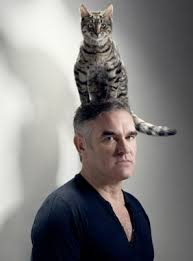
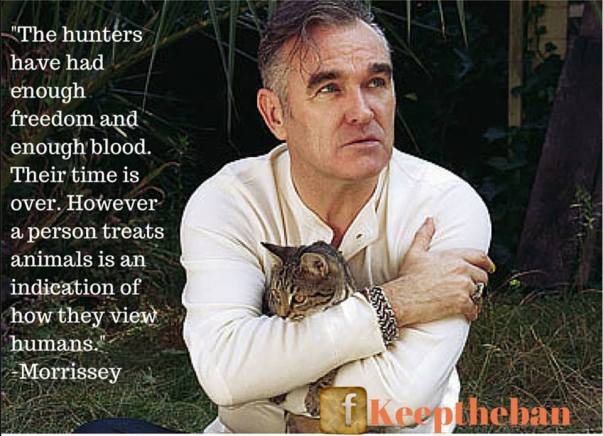
‘Meat is Murder’ by ‘The Smiths’ is an old track now but is well known in England as the song which converted more people to vegetarianism than anything else.

‘Morrissey’ was the lead singer of the Smiths – he has gone it alone but is a now, more than ever a massive animal rights campaigner.  He makes some bloody good music also.


mozza2

morrisey


India: More Great Rescues From Animal Aid Unlimited. Please Donate to Help Them Do Their Great Rescue Work.

INDA0001


Dear Mark,


Chickens have spectacularly brightened our world here. We can all remember a few years ago (BC–Before Chickens) and I don’t think we could have imagined then how much joy, humor and atmosphere of busy activity they bring. When you enter their area, you’re surrounded by calves and sheep and goats vying to stand in your lap, or even on your back. But meanwhile, in the background, there is a flurry of various plots: big white rooster Tony is bothering big white rooster Merin; bright-feathered Spin is prancing with pride over the grub she nabbed in the shade; proud mother Spice is herding her fast-growing speckled brood. Our 15 rescued chickens celebrate their lives by enjoying their lives. You can see it and you can feel it. May 4th is Respect for Chickens Day and we love seeing the dust baths, the roosting on branches, the quarrels and love affairs, and the comfort they bring to each other’s lives. For loving them with us and helping provide the safe haven where they can flourish in their joy, thank you.


Olivia’s story is a simple rescue of a piglet with a wound in her neck. Her treatment and recovery are made sweeter by loving care from people, which she desperately needed because she is very young and we couldn’t find her mother. But there’s another story here–about her intelligence, humor, playfulness, and sensitivity. Qualities most pigs had at birth, but were never allowed to explore or develop. By the time you have finished watching this happy little 4-minute video, thousands of pigs will have been killed in the meat industry. Each of these individuals have qualities like Olivia’s. Each one wanted to think, to create, to play, to feel this magical earth beneath her little toes, just like Olivia is doing now. #EveryPigIsOlivia


Precious. Life. Please donate.


Angelo is a bull who we found in excruciating pain with multiple ropes digging through the flesh of his front leg clear to the bone. Someone had tied his leg to his horns–a devastating technique to keep cows from running away. Usually a single rope is tied, and you often see cows crouched and hobbling down the roads with their heads bent low. You can almost feel the horrendous neck strain. In Angelo’s case, the abuse was compounded with time and with the extra shortness of the rope. But although his only experience with human hands had been to suffer human cruelty, Angelo radiated sweetness. Even during daily wound dressings that must have sometimes been painful, he seemed to understand that we were trying our best to help him.


Let’s turn cruelty to kindness. Donate today.


Celebrate the caregivers – Nandini.


Nan AAU


When Nandini applied to work here, she was so keen on helping animals that she said “I’ll do virtually anything.” With degrees in philosophy and natural resource governance, her interest in literature and her unusual grace with people, Nandini was a natural to serve as a community relations officer. Meeting with government officials on cruelty cases and other matters, families thinking about adopting a pet, volunteers and guests, she always inspires in people a deepened commitment to helping vulnerable animals. We feel so lucky to have Nandini on the team.


Zeus was hiding in a sewer because he may have instinctively thought cold water would bring down his terrible pain from a head wound. Many dogs will do this when their pain is overwhelming. We reached in and carried him to safety, where we could begin the thorough cleaning and bandaging that would save this sweetheart’s life. Thank you for transforming Zeus from hurt to healed. You also turned deep sadness to sweet happiness.


Tomorrow’s another day of rescue — please donate


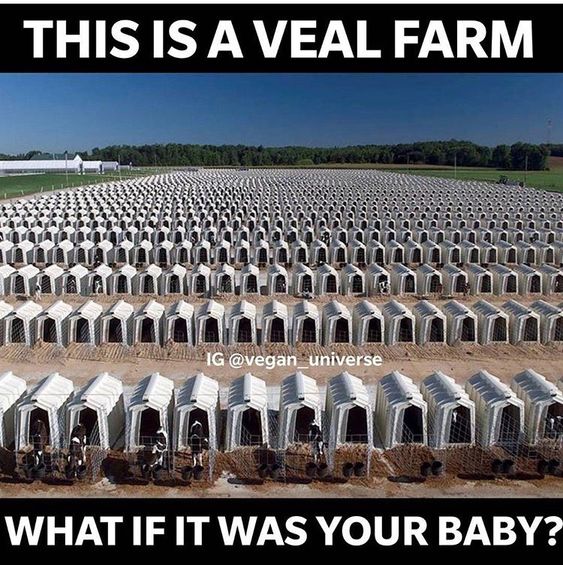
cemetery of living calves

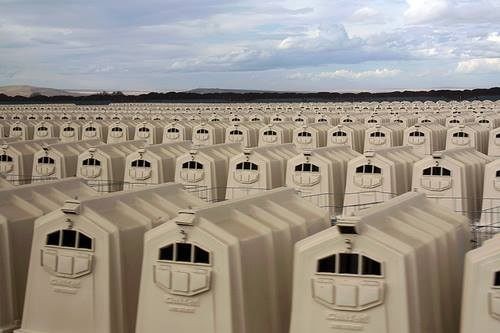
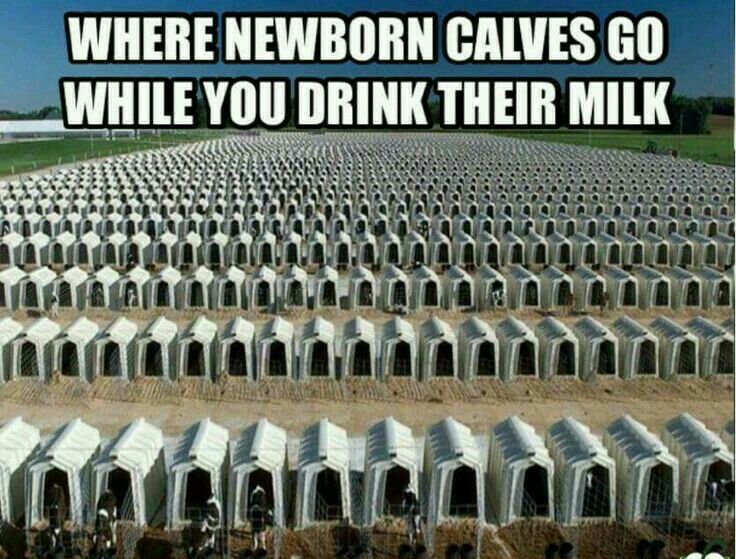
All the atrocities of industrial agriculture have been summarized in one terrifying photo!


The image you see was not edited with Photoshop. It is a photo of Diane Scarazzini, an animal rights activist, and was taken in an intensive care facility in Oregon.

In each of these boxes is a calf that was taken away from its mother just a few hours after birth. Diane defines him as “doomed to die within a few weeks” when his meat is used and processed into tender steaks …

kälber friedhof 5

The calves were separated from their mother after birth, which means enormous stress for both the calf and the mother animal, which are closely linked.

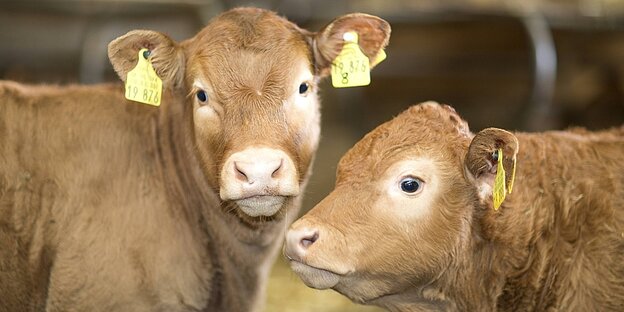
Hausrind Bos primigenius f taurus zwei Kaelber im Kuhstall Portraet Deutschland domestic cattl

Often, the mother screams for days after the separation to call her little one…

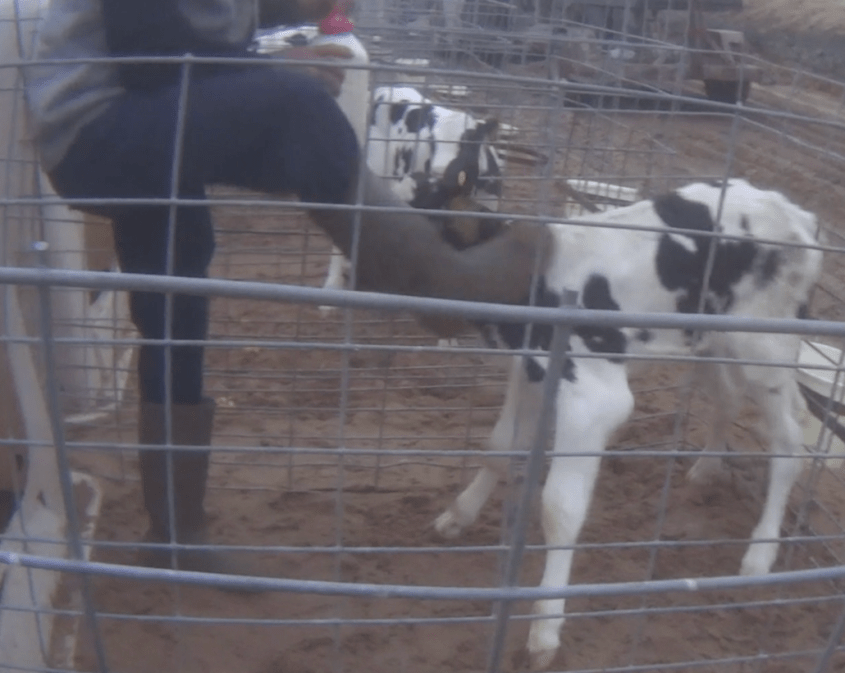
Coca-kälber schlagenng

Male calves that cannot produce milk are doomed to end up on the meat market in intensive animal husbandry systems..

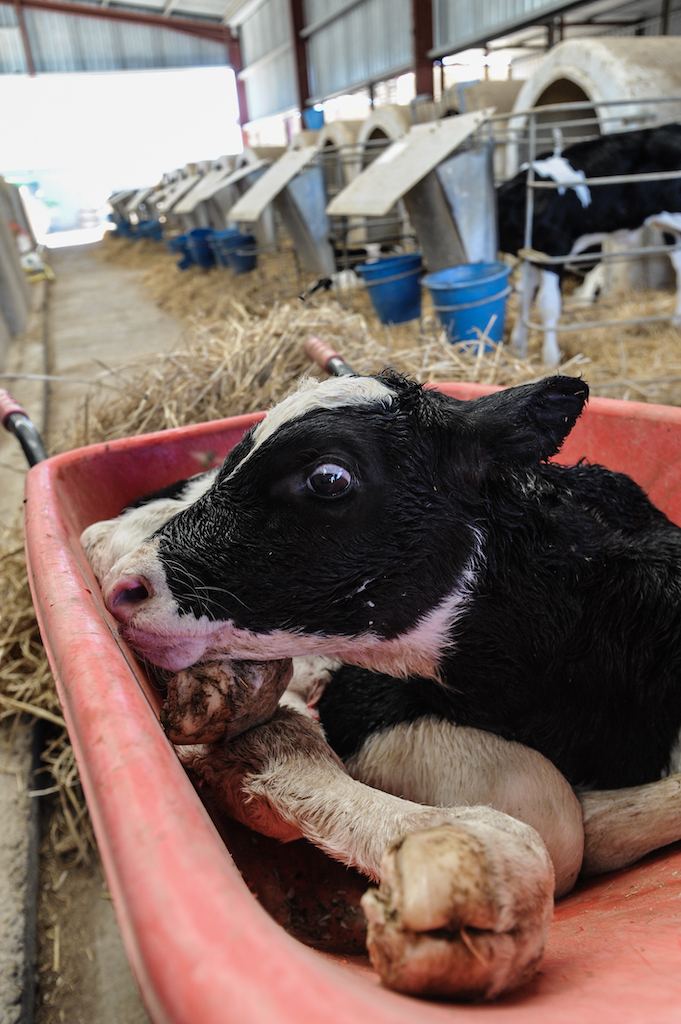
massentierhaltung-kaelber

The cows spend their lives in a constant cycle of pregnancy, birth and milking. Milk was supposed to feed the little ones, but it is used to produce milk and cheese products.

kälber Friedhof 3 c

https://www.curioctopus.de/read/8909/all-die-grausamkeit-der-intensiven-tierhaltung-%e2%80%93-eingefangen-in-einem-unglaublichen-foto


My comment: Man is the only living being on earth who drinks the milk of another species. Milk is also baby food: Apart from humans, no other living being drinks milk after infancy. Many people do not tolerate milk at all. And yet they drink it because they fall victim to the milk mafia propaganda

Male calves are rated as collateral damage in the meat industry. Every year over 4 million calves are born in Germany. But only a few cow calves are needed for breeding –
most are slaughtered at the age of only three to five months. They are “goods” that nobody wants because they have only costs and no profit.

Factory farming is the other word for animal cruelty!

The animals bred for consumption are treated as goods, as numbers, and not as sentient beings who experience suffering and pain and grief. Cattle are usually castrated and dehorned without anesthesia.
The factory farming system was developed only a few decades ago, so animals did not always have to suffer this way – but today they do! because this planet now has over 7 billion meat eaters. And the environment suffers in the same way.
Nobody likes to deal with the issue of factory farming;  it is extremely uncomfortable, everyone wants his meat and milk, but it causes physical and mental pain to imagine (or even look at) what suffer the animals we eat.

And even in times of a pandemic, politics promise us a return to “normal”, even though today’s pandemic has arisen because everything in our consumption was not normal.

But it is necessary that we show it.
Because it takes courage and willingness to take risks, which (at the moment) very few do.

We will definitely fail if we continue as before.

anonymous lügepng

My bestr regards to all, Venus