I have friends who live in Salta and they told me that they are trying to create a Prosecutor’s Office of Crimes against Animal Abuse. My request is so that this is not only something provincial but it is more national, covering the whole country. Cases of animal abuse go unpunished or the guilty parties receive only a fine and hours of community work, but none are imprisoned.
But the biggest problem I think is when people make complaints about cases of animal abuse, because the police often does not serve the neighbors and they do not receive the complaints because they say they do not have time, or they put any excuse, happened to me in the commissary of my neighborhood when I denounced a neighbor who hit his dog. This makes many people desist from making the complaint and the cases go unpunished. Another serious problem is that many people do not know where to make a report or how to do it.
With a Prosecutor’s Office of Crimes against Animal Abuse these problems would change and the reception of complaints and the investigation of each case would be carried out. I would like you to be able to work together with animal associations.
Thank you.
Created byAntonio Arias
Ingeniero Maschwitz, Argentina
Diane von Furstenburg has become the latest luxury fashion house to join the international anti-fur crusade, announcing they will discontinue all use of fur in their clothing lines.
“It’s time for us to make this change and accept responsibility,” states Chief Executive Sandra Campos, “to ensure that we don’t promote killing animals for the sake of fashion. We are committed to supporting the shift to a more ethical and sustainable fashion industry.”
Founder Diane von Furstenburg herself exclaims, “I am so excited that technology has provided us a way to feel as glamorous with faux fur.”
Congratulations also go to the Humane Society of the United States and the PETA for partnering with this establishment.
With the rise of human consciousness in our times, the animal rights movement is changing minds about the morality of once-accepted treatment of animals. One realization is the inherent cruelty of trapping and raising animals for their fur, so amply portrayed in many petitions and investigations. This compassion has also been embraced by an increasing number of companies in the garment industry.
One by one, fashion designers and retailers have become aware of the senseless suffering that is the bloody heart of producing fur. But they have also realized that the divesting of fur could help their profitability.
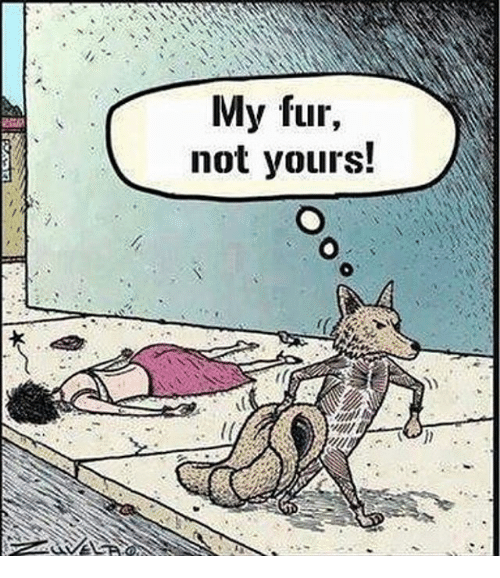
Fur is a barbaric relic of a bygone age. The cruel trapping of animals was part of the commercial impetus, one of the main factors in the development of human history that has been with us for millennia. Trade has facilitated knowledge, basic needs, riches, and wars. Some historians have indicated that the search for fur was a major factor in the spread of civilizations such as Russia, while others have noted that it has also generated friction between countries, most conspicuously with Canada. Massive fortunes, such as that of John Jacob Astor, made for a legend. Before the advances in synthetic clothing production in the Industrial Revolution, the search for garments and the avarice for luxury clothing prompted this international fur and pelt frenzy, which entailed the slaughter of countless animals, such as the beautiful beaver above.
Times are changing for the better, and we hope to soon see animal fur removed from the fashion world completely.
Unilever is taking a stance on products tested on animals, and consumers will approve. First, Dove—one of the most widely recognized and conveniently available personal care product brands in the world—has banned all tests on animals anywhere in the world and has just been added to PETA’s Beauty Without Bunnies cruelty-free list!
Dove will begin using our cruelty-free bunny logo on its packaging in 2019.
On top of that, consumer goods giant Unilever—which owns the Dove brand—has banned all tests on animals not required by law for all the rest of its products. Unilever will be added to PETA’s list of companies “Working for Regulatory Change.” This category recognizes companies that test on animals only when explicitly required by law, are completely transparent with PETA about what tests on animals have been conducted and why, and work diligently to promote the development, validation, and acceptance of non-animal methods.
Consumers Want Compassionate Change
We hope other companies will follow Dove’s compassionate choice to spare animals cruel, horrifying tests and go cruelty-free.
Always make sure that the products you buy are from the more than 3,500 cruelty-free companies that are included in PETA’s Beauty Without Bunnies searchable global database of companies that don’t test on animals.
By purchasing only cruelty-free products, you can help save conscious, feeling rabbits, guinea pigs, mice, rats, and other animals from excruciating tests, a lifetime of suffering, and death. Need help finding out which products are cruelty-free? We have you covered:
The cow (Beef) farmer who learnt that each animal is an individual; and he did not want to send them for slaughter.
So, he had his entire heard taken into lifelong care at Hillside sanctuary, Norfolk, England; where they could live out the rest of their time safe from the slaughterhouse.
He became the Vegan farmer; growing cops instead of killing animals.
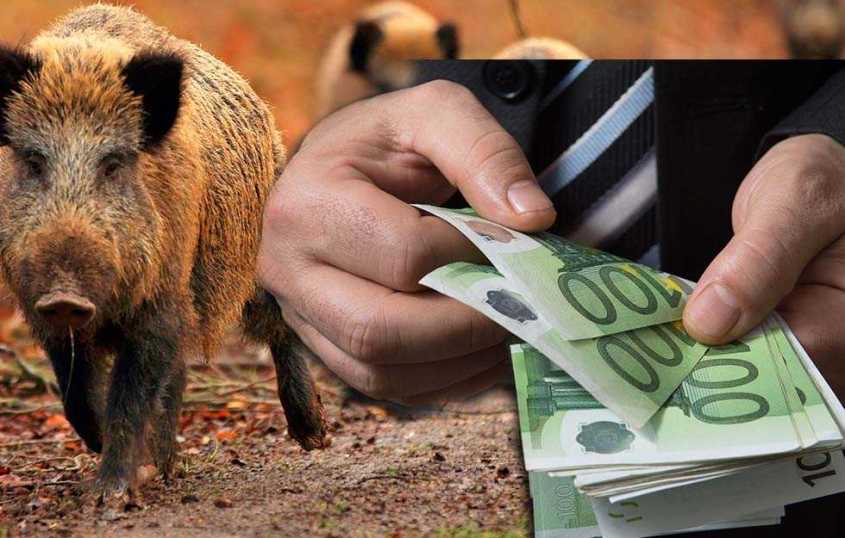
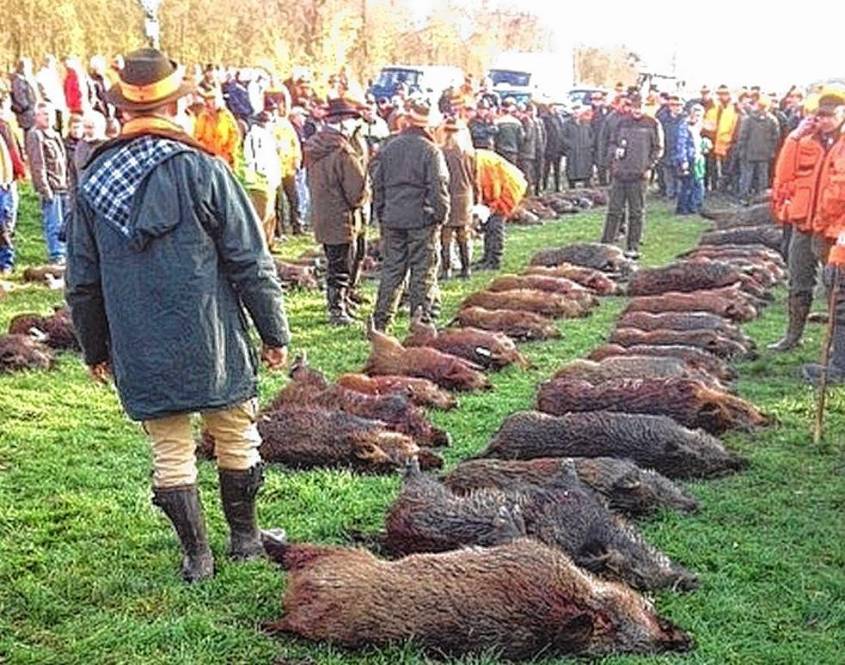
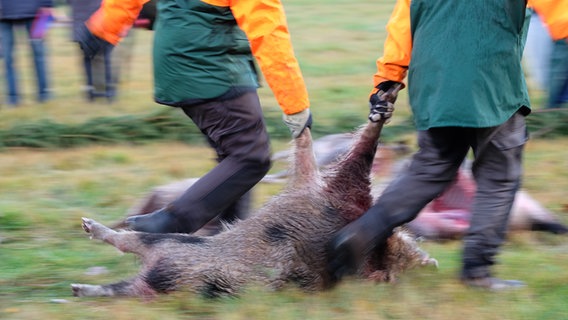
In Brandenburg (a country in the northeast of Germany) hunters celebrate a bloody record: in the last hunting season, they shot 90,000 wild boars, more than ever before. Decisive reason for the mass shooting is the “tail premium”, which is awarded in most hunting circles. For each “tail” (hunter language for the chopped tail of a wild boar), the hunters receive from the responsible district administration a premium of up to 50 euros. In other federal states hunters report after the introduction of “tail premiums” record firing.
The “reason” for the state support for the shooting of wild boar is the fear that the African swine fever could come to Germany!!! For humans, the animal disease is completely harmless.
The raly reason for the mass murder is the concern about the economic factor “pork”. If the notifiable disease breaks out in a fattening stable, all animals kept there are killed immediately. Restricted areas would make the usual animal transport through half of Germany impossible. In addition, the export of pork from Germany would be regulated. The German pig breeders fear billions in damage.
However, mass killing of healthy animals will not prevent the spread of the disease, because the biggest risk factor is humans themselves.
An introduction by travelers, professional drivers or hunting tourists is much more likely. On shoes, clothes or vehicles, the resistant viruses can adhere. Especially risky is imported food, which is carelessly disposed of at rest areas. Enlightenment, better border controls and solid game protection fences at rest areas are therefore much more effective measures to prevent the spread of African swine fever than the criminal massacre (under the guise of prophylaxis) of thousands of perfectly healthy wildlife.That this happens anyway, and is financed with our taxpayers’ money, is due to the enormous influence of the hunting and the agricultural lobby on German politics.
Source: animal public
My comment:First of all, I should make one thing clear: the German hunting law is an enabling act in the sense of 1933. It authorizes the hunters to take possession of foreign property. So, that comes from the “brown” times of Germany, and remains faithful to these times (with only a few unimportant changes).
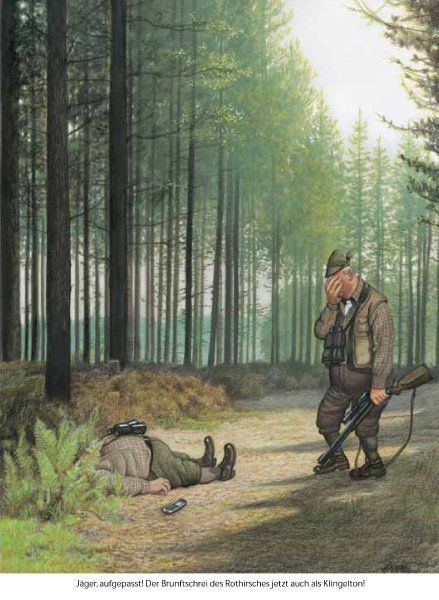
They walk heavily armed in the woods and think they can do and leave what they want. And everyone’s opinion is intimidated by force of arms.
There is only excuse and no logical explanation for the murders they commit on innocent beings. And with their dirty propaganda (swine, plague, population, conservation …) try to gain the consent and tolerance of a society that – in its majority – considers hunters for sadistic murderers.
Hunter: You have long revealed your ugly face of mendacity. Shoot yourself and your stupid fellow-travelers in politics.
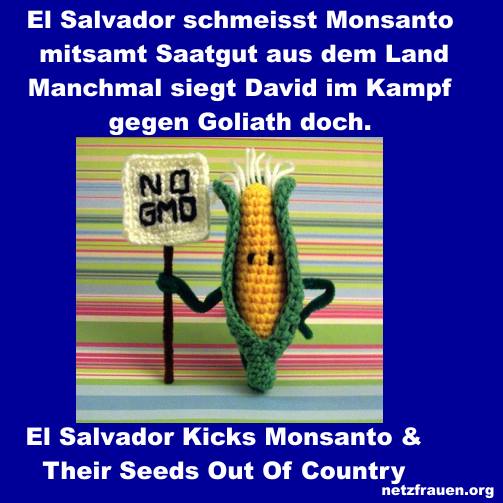
El Salvador throws Monsanto out of the country along with his seeds!!!
ElSalvador does it – the resistance of the farmers has triumphed over the big companies like Monsanto. For the big corporations, the farmers from El Salvador must appear like little nuts, because they cannot be overpressed with anything.
Back in October 2014, we told network women that the US was putting pressure on El Salvador to buy GMO seed from Monsanto and threatened to cut its financial aid.
Unbelievable! State blackmail in favor of Monsanto!!
One of the United States conditions for approving nearly $ 300 million in aid was El Salvador’s commitment to buy genetically modified seeds from Monsanto, rather than non-GM seeds from local farmers. But they did not all count on the obstinacy of these peasants. Especially in Africa, we are seeing how the industry is trying hard to grow GMOs in Africa.
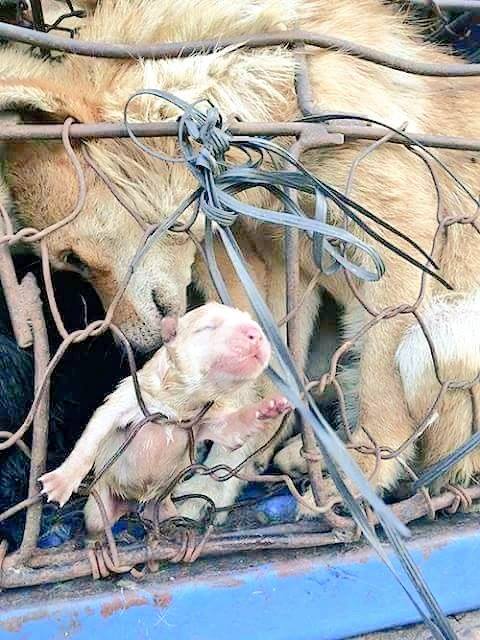
The little puppy was unlucky and was born in Yulin.
In slavery, hell, like his mother.
A cruel death awaits him, like his mother. Also on this day, also this year, the year of the dog in China.
Maybe he will not live anymore.
The World Dog Day was celebrated on October 10, 2018.
The day is a day of honor for the dog, who was always the most faithful companion of man.
But even these faithful pets are brutally destroyed if the human species decides that.
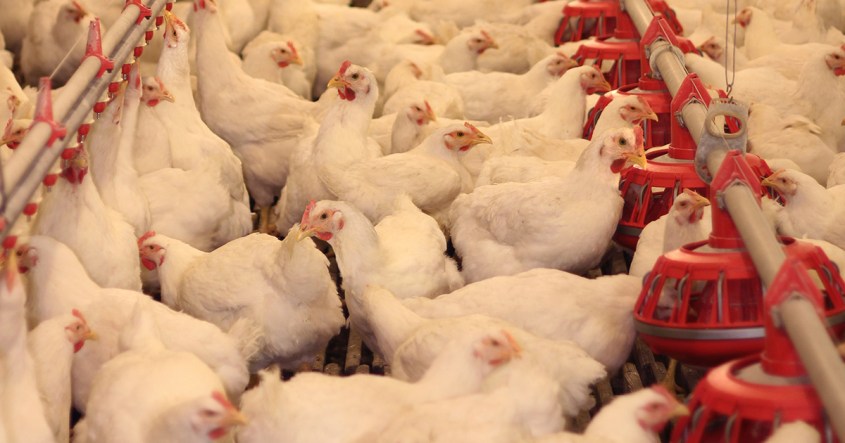
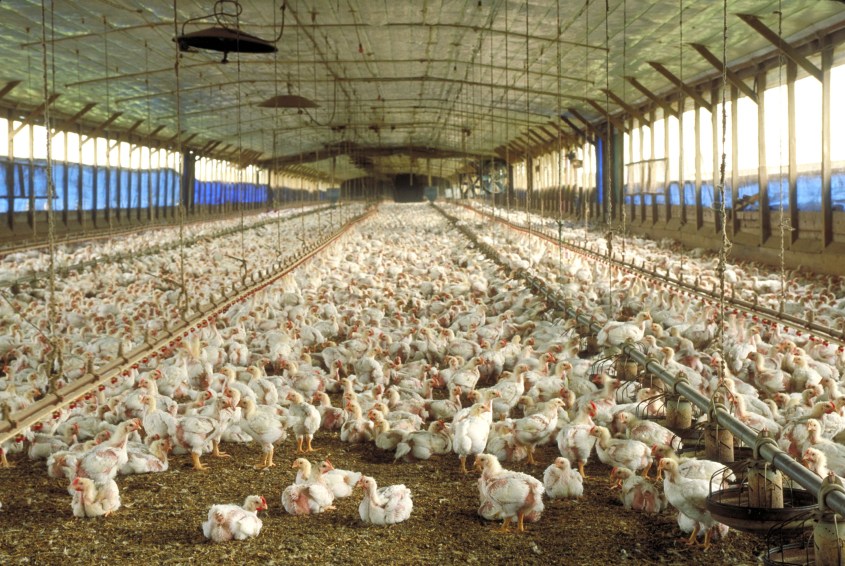
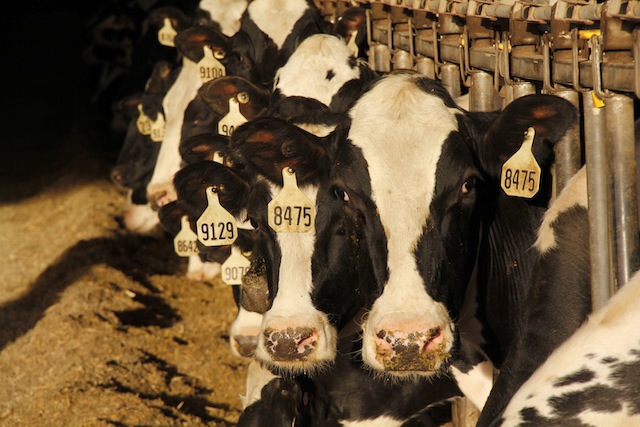
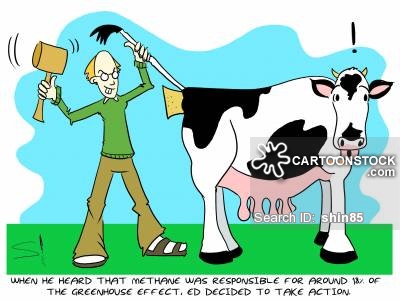
Farming livestock – cattle, sheep, goats, pigs and chickens – contributes around 6 billion tonnes of greenhouse gases (carbon dioxide, methane and nitrous oxide) to the atmosphere each year. While estimates vary, this could represent up to 18% of global emissions.
How does livestock cause pollution?
And their wind and manure emit more than one third of emissions of another, methane, which warms the world 20 times faster than carbon dioxide. Livestock also produces more than 100 other polluting gases, including more than two-thirds of the world’s emissions of ammonia, one of the main causes of acid rain.
How does livestock contribute to greenhouse gases?
A cow does on overage release between 70 and 120 kg of Methane per year. Methane is a greenhouse gas like carbon dioxide (CO2). But the negative effect on the climate of Methane is 23 times higher than the effect of CO2. … Cattle-breeding is taking a major factor for these greenhouse gas emissions according to FAO.
How does animal manure pollute the air?
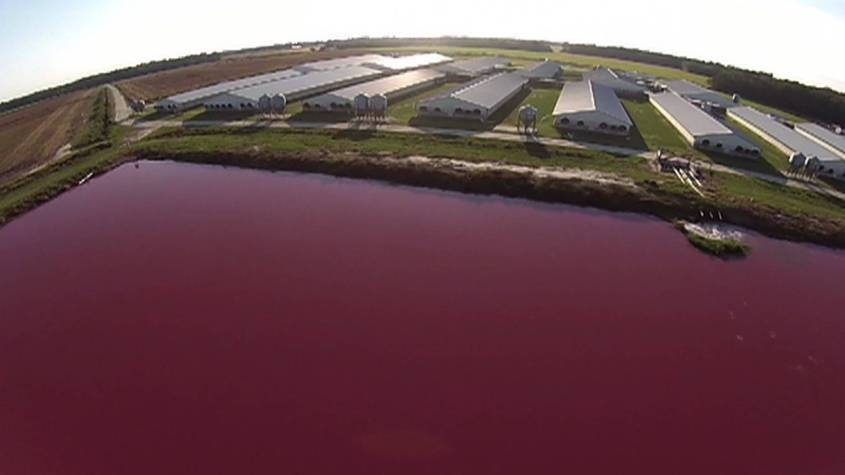
Stored for long periods of time in giant tanks or lagoons, the animal waste decomposes and pollutes the air with hundreds of different gases. … Hydrogen sulfide, methane, ammonia, and carbon dioxide are the major hazardous gases produced by decomposing manure.
How does meat production affect the environment?
Air pollution’s effect on human respiratory health.Meat production is one of the leading causes of greenhouse gas emissions and other particulate matter pollution in the atmosphere.… That prolonged exposure to airborne animal particulate, such as swine dust, induces a large influx of inflammatory cells into the airways …
Do cows pollute as much as cars?
A significant portion of these emissions come from methane, which, in terms of its contribution to global warming, is 23 times more powerful than carbon dioxide. … The world’s 1.5 billion cows and billions of other grazing animals emit dozens of polluting gases, including lots of methane.
How much pollution does factory farming produce?
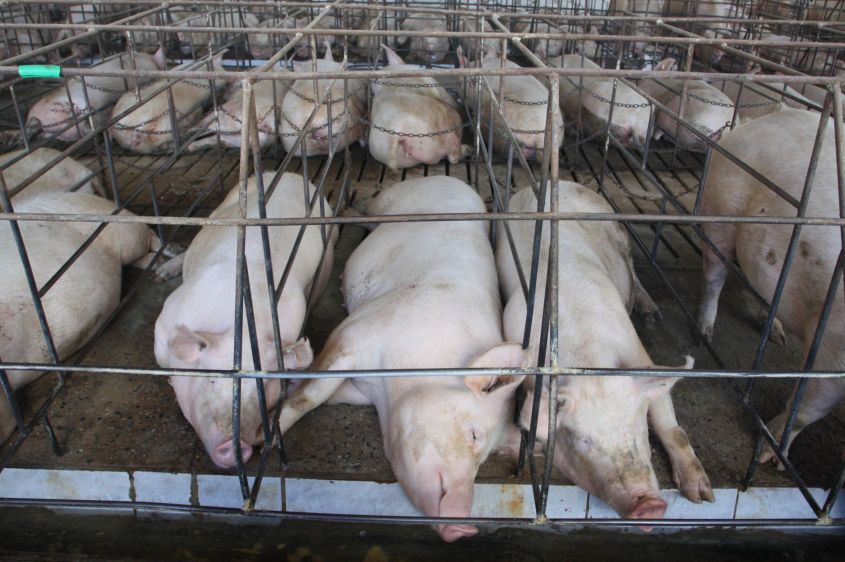
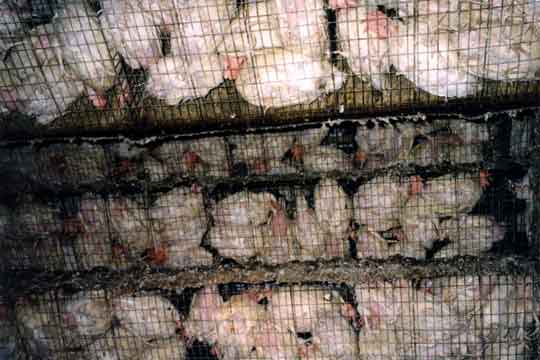
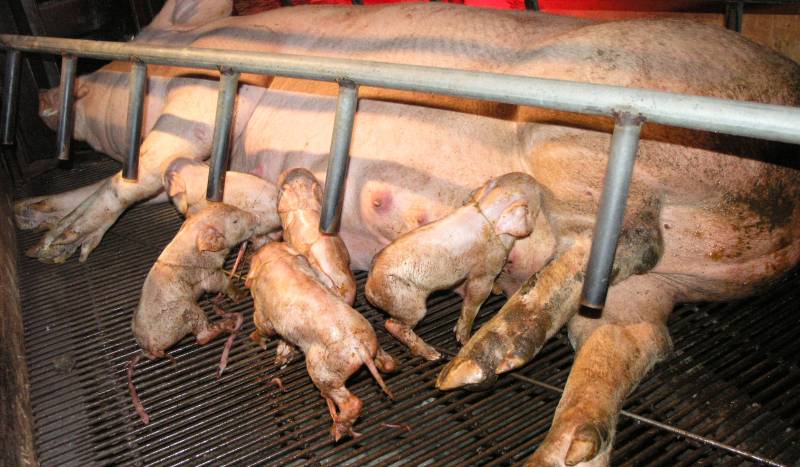
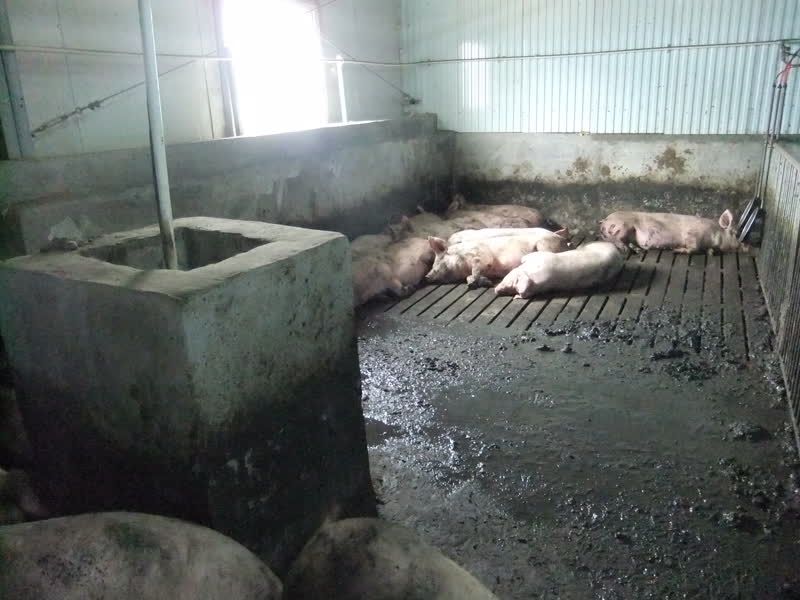
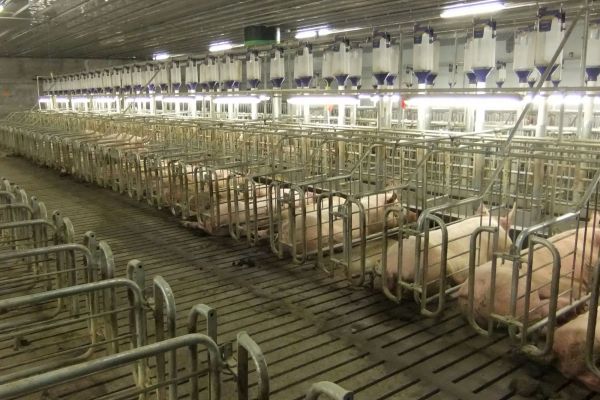
Factory farms typically concentrate tens or hundreds of thousands of animals in one area, and a large operation can produce as much excrement as a small city. According to the EPA, “A single dairy cow produces about 120 pounds of wet manure per day, which is equivalent to the waste produced by 20–40 people.”
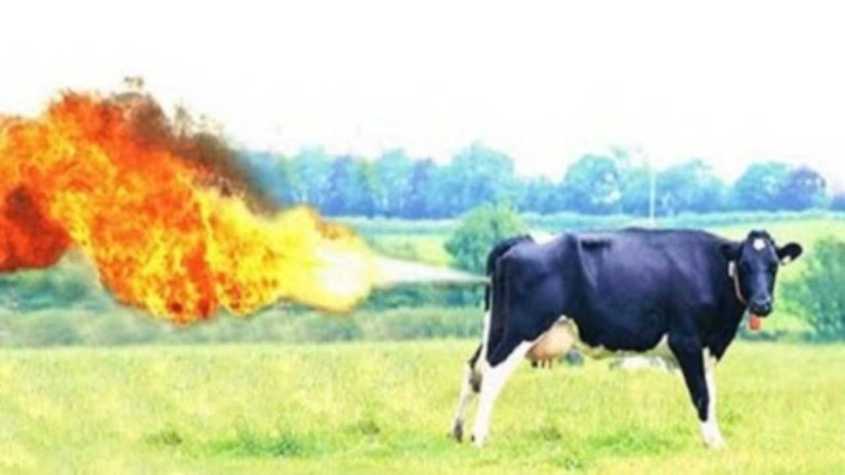
Do cows fart?
Much like humans, when they eat, gas builds up inside of their guts and has to be expelled. (See Why Beans Make You Fart) Cows fart and burp… a lot. The result is a large amount of methane being introduced into the atmosphere.












 World Animals Voice