Month: June 2019

Russia: Good News – Russia fines ‘whale jail’ company White Whale.

Russian federation


https://www.bbc.co.uk/news/world-europe-48557320

Russia fines ‘whale jail’ company White Whale
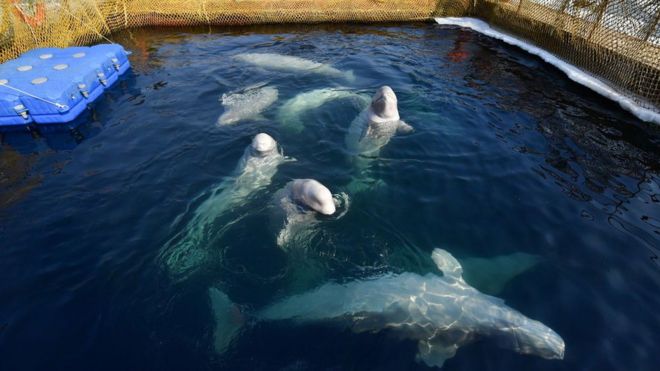
 

Whales kept in enclosures in the far east of Russia

Photo – Getty Images

A Russian company that runs a so-called “whale jail” in the east of the country has been fined 28.1 million rubles ($433,000; £430,000).

White Whale is one of four firms holding killer and beluga whales in small enclosures on the Sea of Japan, which they say is legal.

But a Vladivostok court on Friday ruled the company broke fishing rules.

Cases against the other three companies are expected before the courts in the next week.

Although Russia allows the capture of whales for scientific purposes, the fear is these animals are bound for theme parks or aquariums in China.

International outcry over Russian ‘whale jail’

The confined whales have scandalised scientists, politicians and activists at home and abroad.

Environmental groups have demanded the release of the mammals ever since news of the “whale jails” first broke.

About 10 orcas and 90 beluga whales are currently being held at the facility.

The Russian government however seems to be bowing to pressure to end the practice. In February, President Vladimir Putin asked his government to look into the whale enclosures.

Authorities have since said the whales will be released, but it is not clear when.

Environment minister Dmitry Kobylkin this week said they would be freed in July or August, but officials had previously said this would happen in May or June.


https://www.straitstimes.com/world/europe/russia-fines-fishing-firm-running-whale-jail

Russia fines fishing firm running ‘whale jail’

MOSCOW (AFP) – A Russian court on Friday (June 7) fined a fishing firm for illegally capturing killer whales and keeping them in an overcrowded “jail” in the country’s far east.

The company that supplies sea mammals to aquariums is one of four firms keeping 10 killer whales and 87 Beluga whales in a controversial facility near the port town of Nakhodka.

Media have nicknamed it a “whale jail” due to its crammed pens and the company’s controversial plans to sell the animals to aquariums from nearby China.

A district court in the far eastern city of Vladivostok ruled that the White Whale company violated fishing regulations when it captured three killer whales, also called orcas, and ordered it to pay a fine of 28.1 million roubles (S$590,00), news agencies and activists said.

Local environmental activist Dmitry Lisitsyn, coordinator of Sakhalin Watch group, said he expected similar decisions about the rest of the killer whales and eventually Belugas.

The fate of the Russian orcas and Belugas – highly intelligent and social marine mammals – has scandalised the international community, with scientists and celebrities calling for their release.Laws regarding the capture and keeping of marine mammals in Russia contain multiple loopholes.

The fishing firms have argued they had the proper paperwork and planned to deliver them to aquariums abroad.


Related Story

Russian officials agree to free ‘whale jail’ animals


The Russian government has promised to release the animals, but is not clear how and when this will be done.

This week, Environment Minister Dmitry Kobylkin said that the animals will be released in “July or August”, though previously officials named May or June.

Russia has for years been the only country where it is legal to capture live killer whales, most of which are the seal-eating variety of the species that scientists say is rare and must be protected.

People increasingly oppose using such sea mammals for entertainment in the West, but in China the industry is booming and many new facilities are under construction.

Global: 8/6/19. Today Is ‘World Ocean Day’ – Learn More and Take Part.

WOD 1


https://www.worldoceansday.org/

https://www.worldoceansday.org/below-the-surface/index.html


On World Oceans Day, people around our blue planet celebrate and honor the ocean, which connects us all. Get together with your family, friends, community, and the planet to start creating a better future. Working together, we can and will protect our shared ocean. Join this growing global celebration on 8 June!

How can I get involved?

It’s fun and easy! This site was developed as a free resource for everyone around the world to use:

WOD 2

Why celebrate World Oceans Day?

A healthy world ocean is critical to our survival. Every year, World Oceans Day provides a unique opportunity to honor, help protect, and conserve our world’s shared ocean. The ocean is important because it:

  • Generates most of the oxygen we breathe
  • Helps feed us
  • Regulates our climate
  • Cleans the water we drink
  • Offers a pharmacopoeia of medicines
  • Provides limitless inspiration!

WOD 3

Now each of us can give back

Participate in a World Oceans Day event or activity this year and help protect the ocean for the future. It’s up to each one of us to help ensure that our ocean is healthy for future generations. World Oceans Day allows us to:

  • Change perspective – encourage individuals to think about what the ocean means to them and what it has to offer all of us with hopes of conserving it for present and the future generations.
  • Learn – discover the wealth of diverse and beautiful ocean creatures and habitats, how our daily actions affect them, and how we are all interconnected.
  • Change our ways – we are all linked to, and through, the ocean! By taking care of your backyard and helping in your community, you are acting as a caretaker of our ocean. Making small modifications to your everyday habits will make a difference, and involving your family, friends, and community will benefit our blue planet even more!
  • Celebrate – whether you live inland or on the coast, we are all connected to the ocean. Take the time to think about how the ocean affects you, and how you affect the ocean, and then organize or participate in activities that celebrate our ocean.


The Ocean Project helps lead global promotion and coordination of World Oceans Day. Since 2002, we have collaboratively worked in partnership with hundreds of organizations and networks from all sectors to help rally the world around 8 June, and continue to grow engagement and action for our shared ocean throughout the year. All information, materials and resources on this site and associated with World Oceans Day are free to use to those who are celebrating World Oceans Day as a way to bring about a healthier ocean and a better future. World Oceans Day® is trademarked to protect it from those who might have commercial or counterproductive interests.

How are plastics linked to climate change?

The vast majority of plastic is made using oil, which is a fossil fuel. Throughout its life cycle, from production to disposal, plastic contributes to greenhouse gas emissions, including carbon dioxide. With increased amounts of carbon dioxide in the atmosphere our oceans will become more acidic, which affects marine life like coral and shellfish.

In a warming world, as the oceans heat up, currents will be increasingly disrupted and the distribution and range of species will change – meaning food supplies dwindling for other species, causing their numbers to fall. 

WOD 4.jpg

This World Oceans Day we want to raise awareness that the biggest threats that are facing our incredible seas are not working in silo, they are interlinked, just as all life on earth is.

We’re working with Sky Ocean Rescue to better protect our oceans and marine wildlife, but we need government action to help us in this fight. We need your help to tell the Government that climate action needs to be a priority.


Sign the climate petition:

https://www.wwf.org.uk/fight-climate-change?pc=SGM019003&utm_source=Supporters&utm_medium=Email&utm_content=ClimatePetition&utm_campaign=SGM019003_FRIENDSLapsed_FY19_WorldOceansDay&_ccCt=d4elT%7elDU3NSCqRIvGnoEuBQIyCT5EB9Z4XFh%7eKkJQFp3vaJbWnOfmrvZlcNWqqu


Links associated with the ocean plastics clean up campaign:

https://www.plasticsoupfoundation.org/en/divers/?gclid=EAIaIQobChMImLGuuuDZ4gIVpbXtCh0algq_EAAYBCAAEgKEpvD_BwE#top

https://www.worldoceansday.org/about


WOD 5

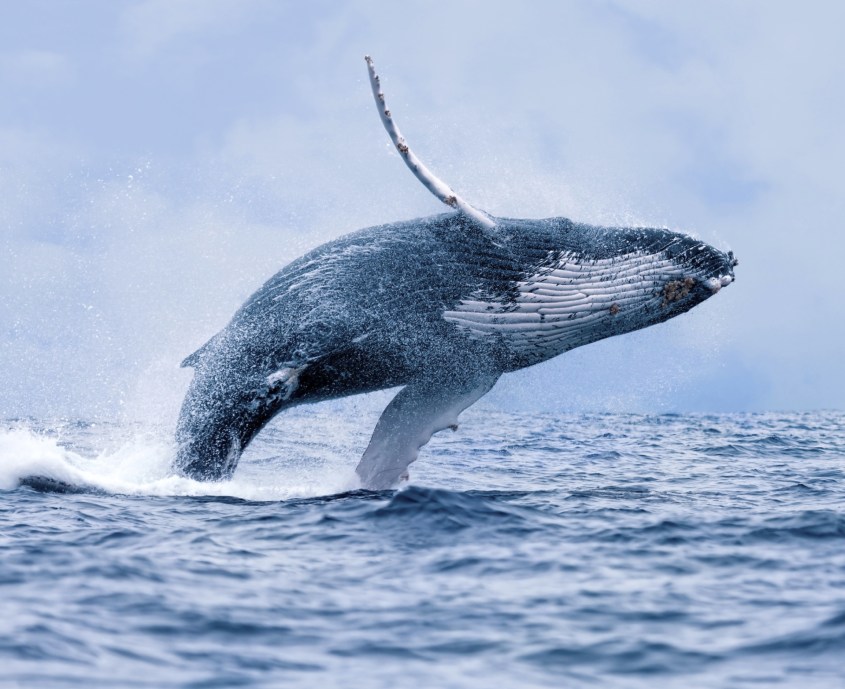
whale leap.jpg


Two different countries , the same animal suffering!


USA-FlaggeGreece


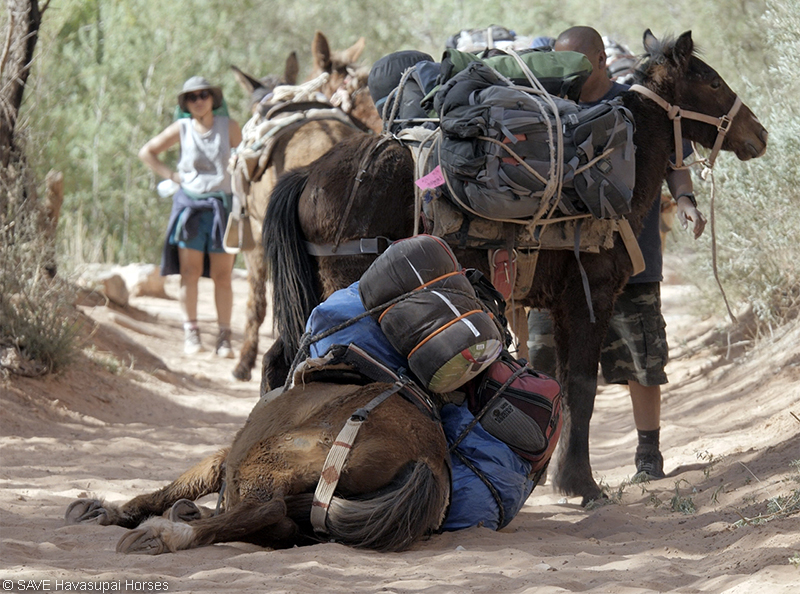
An eyewitness recently reported seeing a young horse being forced to carry an oversized load on the Havasupai trail in Arizona. The animal was suffering from apparent extreme heat exhaustion, while swaying back and forth and sweating. Moments later, the horse collapsed and died.

collapsed horse kollabiertes Pferd CR-COI-DBHorses—like those pictured above—endure grueling conditions on the Havasupai trail.
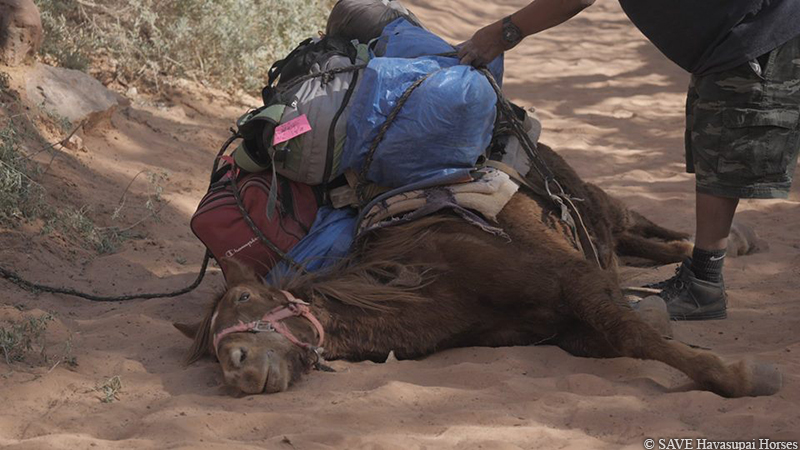
 

It’s not uncommon for the animals used to transport tourist gear there to suffer or die. They may fall off the steep trails, and those who survive are reportedly left to die. On the trail, they endure horrifying conditions as they’re made to carry grossly overloaded packs while often being denied water, food, or rest breaks in temperatures that routinely exceed 100 degrees.

SAVE Havasupai HorseIn a different incident, involving another wrangler, a horse was reportedly kicked in the face after collapsing.
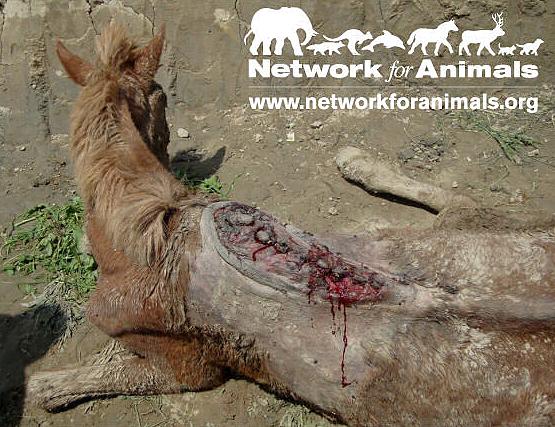
 

This horse’s wrangler reportedly has others who are in poor condition, and we need your help to ensure that no more horses suffer the same fate.

Please join PETA and Save Havasupai Horses in urging the Bureau of Indian Affairs to inspect the other animals in this wrangler’s possession immediately and bar the individual from packing horses until the investigation is complete.

Sign and share the Petition: https://support.peta.org/page/11414/action

On a website I found the following information for tourists who absolutely want to see Havasu Falls in the Grand Canyon before they die!!!

…”On the way you will always meet mules and horses, sometimes with luggage, sometimes without, sometimes with “master”, sometimes without. Don’t afraid, they are safe and know where to go….”

…”You can ride the mule, either in the canyon or from bottom to top. The mules / horses / donkeys transport u.a. The luggage of the Campground- / Lodge guests on request down to the Supai Village and also back up.
If space is free, you can ask nicely and pay for about $ 80, they also transport exhausted hikers”.

Yes! For $ 80, these animals do slave work for some stupid tourists who want to see the Havasui Falls before the animals die.

santorin-esel-04

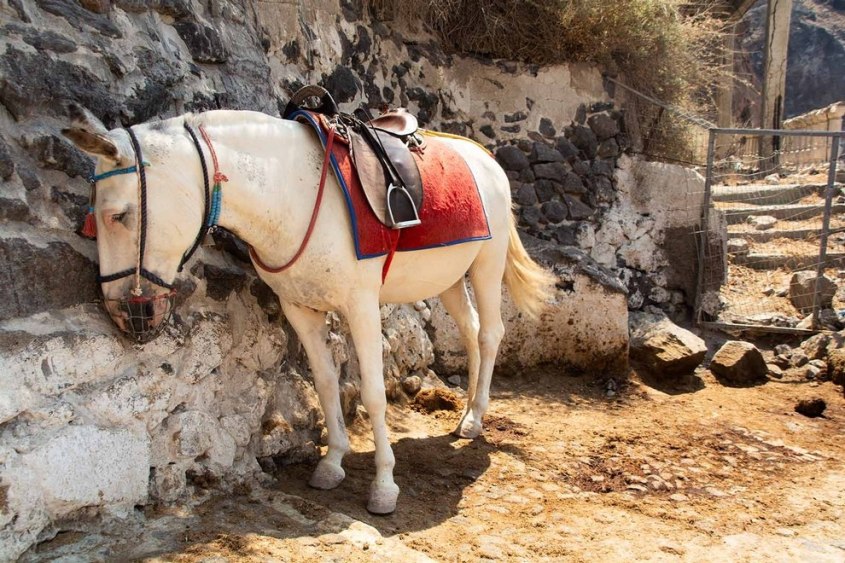
As in another corner of the world, in Greece, on the island of Santorini. Another country, other culture but the same animal torture: Last animals, enslaved for tourism who transport meat mountains of stupid tourists until to exhaustion.

2018-08-Esel-Santorin-vlcsnap-
588 steps must cope the animals in a blazing heat!
The tourists see a touch of adventure, but for the donkeys is a torment: First, because the animals must spend hour after hour in the scorching sun.

Second, because they have to transport a mostly over-greased human cargo. Due to the heavy load and badly fitting saddles, the backs of the animals rub on, almost all of them carry serious back injuries and open wounds.

esel-santorini2

After increasing protests from animal rights activists, the Greek government finally takes in Oktober 2018 the problem seriously – and bans obese tourists without further ado. “Animals should not carry more weight than their size, age and physical condition”, said the Ministry of Agricultural Development and Food.

Whether the weight limit can be enforced in practice, is still on another sheet of paper, but the animal rights activists are still happy about their small success: “The problem will not be solved in one day, but we have won our fight in which we the international media have pointed this out, “animal rights activists say.

https://www.bluewin.ch/de/news/vermischtes/griechenland-verbietet-dicken-touristen-das-eselreiten-157946.html

My best regards to all, Venus


Human zoos and animal zoos

Menschenzoo-1-c-frei

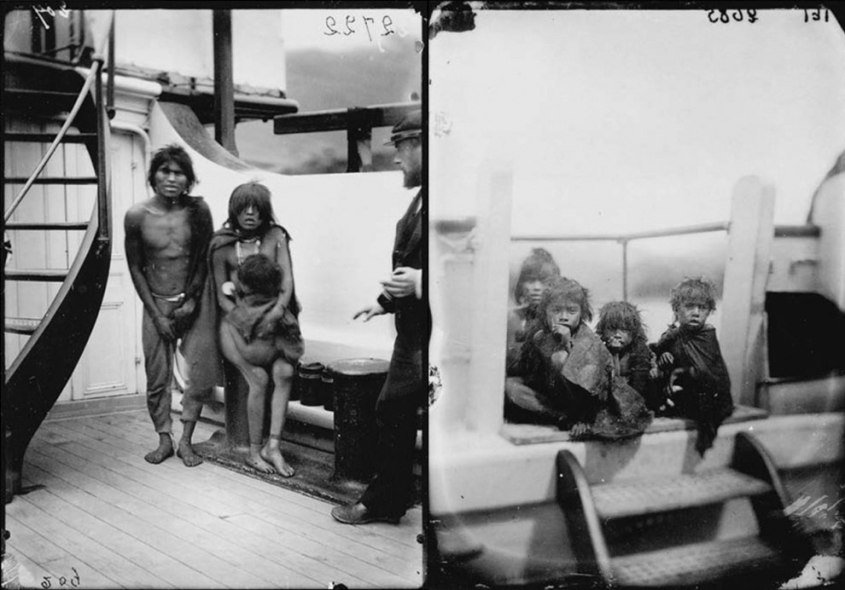
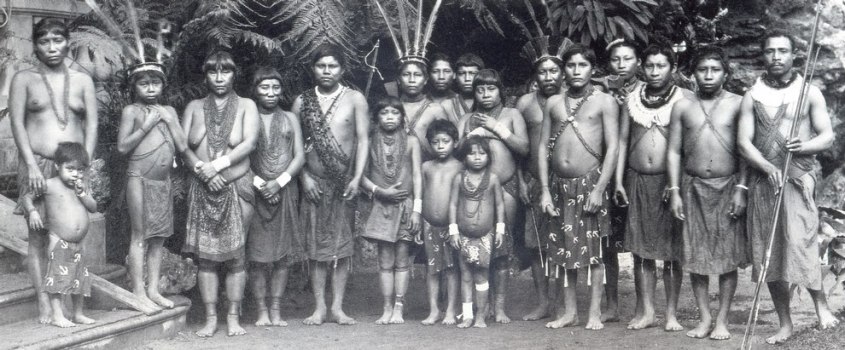
It is a dark chapter in the story of which you may have never heard of it: until the year 1958, people were exhibited in so-called human zoos.Yes, that’s right. The often fenced areas were often placed between animal cages. Occasionally with the note: “Please do not feed.”

Already Christopher Columbus abducted hundreds of Native Americans to Europe and exhibited them on Spanish fairs. Most natives did not survive this crossing.
The “heyday” of human zoos was heralded by the pet trader, the German Carl Hagenbeck in 1874, when he presented his first folk exhibition to the world.

Titelbild-Menschenzoos

For his peoples shows, he shipped “exotic” – looking people along with animals and objects to Europe and built zoo worlds that had little or nothing to do with reality.
Thus he activated already anchored clichés. The zoo visitors were interested in “wild”, “uncivilized” people in their “natural” environment (or what they thought was just that). Hagenbeck staged exactly that. He made a lot of money when he showed exposed women, pregnant women or people with physical deformities.

Menschenzoo-c-frei 2

Scientists of that time used these unworthy and inhumane human zoos for their purposes.
They introduced the race doctrine in which people of white-skinned were given a place of honor and other cultures were considered inferior. In addition, they played colonialism in the hands. The false and degrading accounts were used to explain why one had to “save” these cultures and “protect” themselves from them.

To put people behind bars symbolizes power and superiority.

Menschenzoo-3-c-frei

The big deal with the suffering of others

Like wild animals today, people were seen as unemotional exhibits.
Even if the human-animal comparison needs to be handled sensitively, a look at the history of zoos may make it clear how reprehensible it is to earn with the suffering of sentient beings.
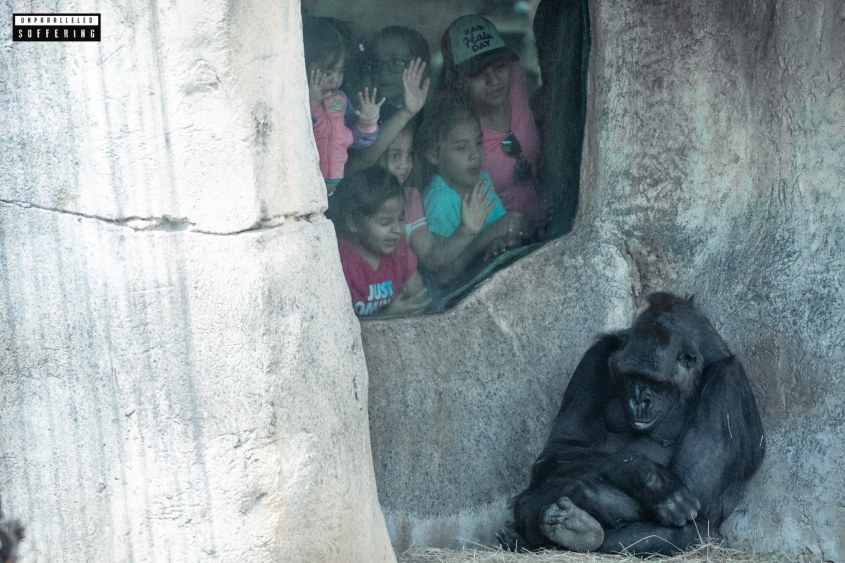
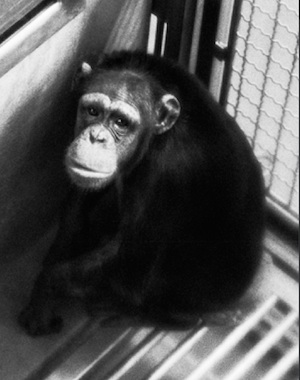
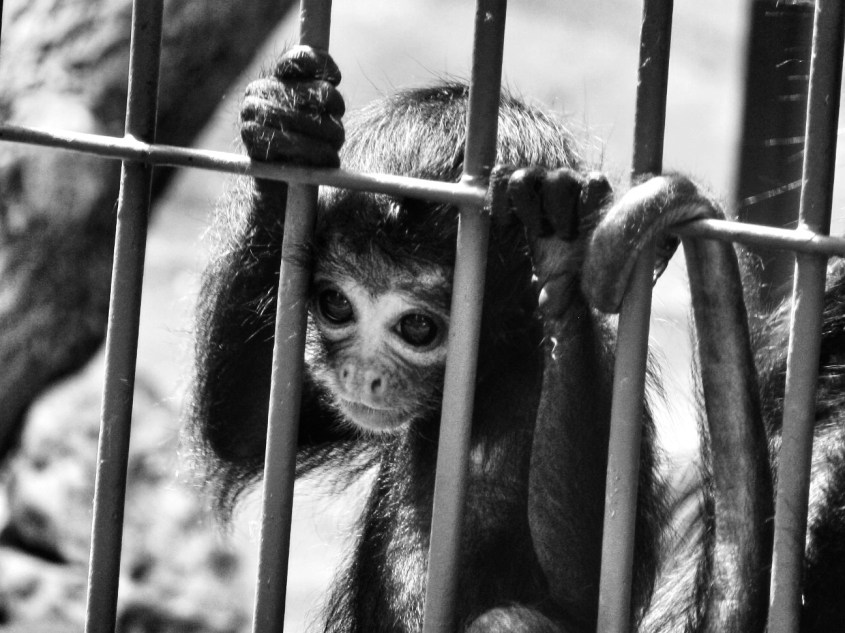
Even today, animals are staged in unrealistic prisons – and that throughout their lives. They also want to lead a self-determined life in freedom. In captivity they are exposed to severe mental suffering. Many develop stereotypes or mutilate themselves.

Affen gefangen in Thai Zoo jpg

We also believe that zoos with animals must finally close, because these undignified and unsuitable conditions do not fit into an enlightened and compassionate society. So we know how intelligent and highly sensitive animals are.
It can not be that our own entertaining conversation is still about the lives and suffering of others today.

Afe im Zoo und Scheiß Kinder um ihnjpg

https://www.peta.de/menschenzoos

My comment: The owners of the zoos today defend their business by arguing that it serves education and research.

Their false arguments are so hollow, in fact false and implausible, that they can not convince a single person with reason and education.
It is only embarrassing and tragic that they find again and again some dull mentally weak proletarians who visit these prisons.

In addition, it requires a large dose of stupidity and indifference that one parent selects the zoo as an educational site for his offspring, makes selfies with the animals, and teaches his children that for these animals the only way of life is captivity, monotony, one tight cell and the degradation of their existence to show objects.

We can only change the future if we learn from the past.
And if human zoos are now a thing of the past, animal zoos still exist today, showing that our dealings with the “others” are still rooted in the fascist ideology of the stronger.

unter-menschen-sw

My best regards, Venus


England: Make Yourself at Home !

England


It started off as a ‘normal’ kind of day; with things planned, computer / site stuff etc; but soon it turned upside down.

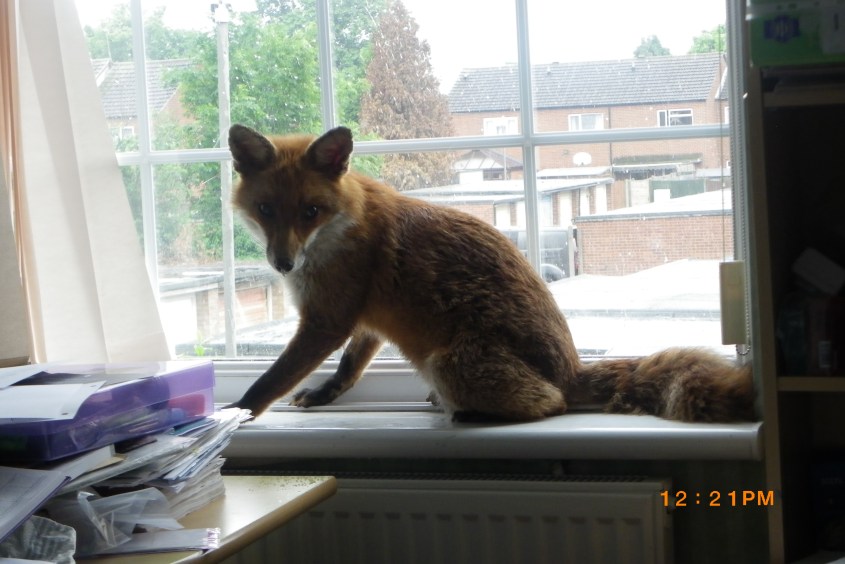
So there I was at first sitting in the office doing the new software ‘things’ for the computer; when in walks a fox and jumps up onto the window sill in the office !

IMGP0133.JPG

I looked at him; he looked at me –  I wanted to stroke his head but declined – he is a wild animal.  So I carried on with the download; he sat there watching me; sometimes looking out into the garden.

He sat about 60cm away from me – real close as you can see – within good touching distance.  But I declined – we made eye contact many times; I sat in my chair; he was on the sill.

IMGP0136.JPG

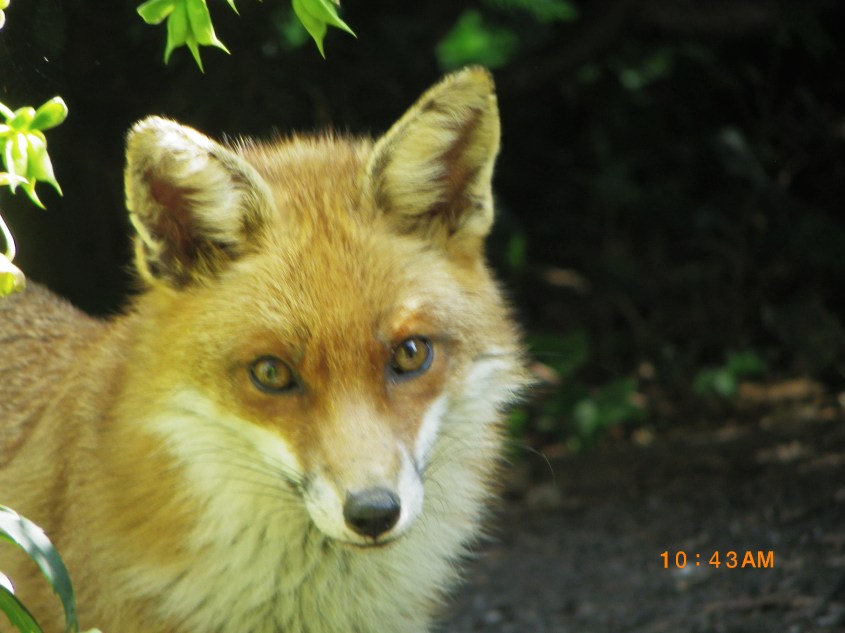
It is one of my ‘regulars’ that comes round into the garden every evening, I can tell from the colouring and especially the tail markings (nice healthy Brush), but this is the first time something like this has happened.  Not every day a fox walks into your office and makes itself at home by the window.  I used to do fox recue, but wondered if he was ok.

After a while and a phone call; I got out a friend out from the brilliant Fox Project who are here in Kent, http://foxproject.org.uk/    they caged him; fully checked him over, then took it out the front door and released him.  Real Animal Liberation !

He had, No injuries, no problems; just an amazed Marky. There he was with me in the office like a pet dog; me sitting there downloading software, and him just looking out of the window or at me.

I had to grab a few shots of the Foxy visitor or people would say I am telling bullshit !

I love foxes a real lot and take many photos of them in the garden; but this is going a bit far when they stroll in and pose on the inside window ledge of the office ! – they must keep their distance, be wary of humans really; not make a regular of sitting alongside me in the office; after all, they are wild animals.

It was enjoyable, but not everyone loves foxes as I do – so off you go mate and keep being sly and keep your distance !

10

One of my ‘normal’ shots – outside in the garden !

The entrance stays closed a bit more from now on !

PS – in the end I got the printer sorted after all this; over 3 hours later than planned, but sorted.  But an all round different, enjoyable day.

Regards Mark


The new hope: personalized medicine


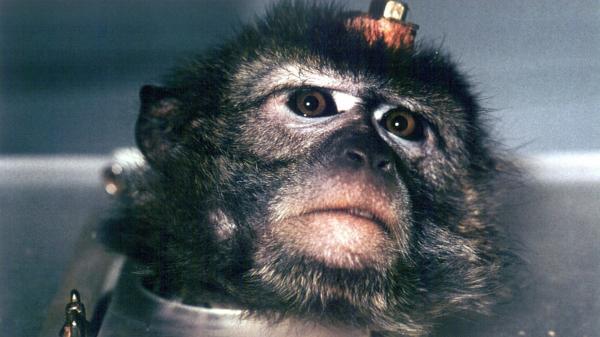
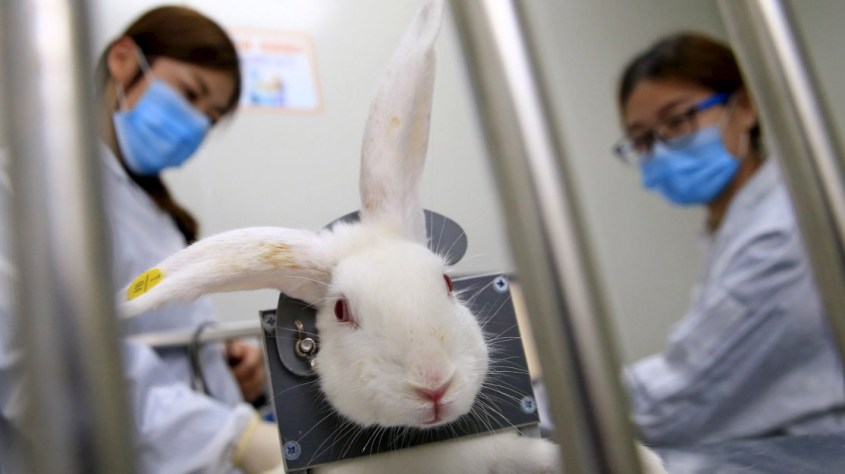
Rats, mice, fish, pigs, goats, birds, monkeys, cats, dogs, rabbits, guinea pigs. It can be said that there is no species that is not used in animal experiments.

Makaken-Affe beim Tierversuch

Animal experiments are not only unethical and morally objectionable, but scientifically unreliable too. Humans and animals are fundamentally different in their physiologies such that data obtained from animal experiments cannot be applied to humans.

This film by the German NGODoctors Against Animal Experiments” shows some of the possibilities of innovative research methods based on cells of human origin that are scientifically sound and provide human-relevant data.

Mini-organs and multi-organ chips allow a research that not only brings reliable results for humans, but also works without animal experiments.

There is no complete man on a chip yet, but the developments are in full swing.
Single organ chips are already available: Heart, intestine, lung, kidney, liver and currently a mini brain was developed. Watch the video!

Here individual human organs are reproduced. The advantage is that they are based on human material, such as cardiac cells, which, for example, occur during surgery anyway. This will test drugs or other substances. Such organ chips can be connected with small tubes – almost to a mini human.

multiorgan-chip-100-Multi Organ Chip


Who is interested in leaving everything as it is during animal experiments?

There is a billionaire animal experiment lobby behind. Animal experiments can make huge sums of money. Whole industries thrive, from the laboratory equipment companies that sell all the equipment to the breeders of the animals.
Everyone can order animals for experiments as in the catalog.
And, of course, the researchers themselves, who are getting funds for doing animal experiments. The more they publish in professional journals, the more money they receive for new animal experiments.

This is the self-sustaining system of the laboratory mafia.

gegen-tierversuche-äffchenjpg

Apart from ethics, animal experiments are a very fatal aberration, if one believes that he wants to cure or understand human diseases. Although this is spread in the public, but does not correspond to the facts. And the vast majority of animal experiments, more than 40 percent,  serve from the outset the purportedly purposeless basic research.

Of the few drugs that make it to the market, up to 50 percent are withdrawn because they show side effects, sometimes even with death, show, which could not be detected in animal studies before. This is further proof that the animal experiment is not suitable for creating security for us consumers.

kanninchen festgenageltg

Scientific studies prove again and again that animal experiments do more harm than good. Accordingly, announced medical breakthroughs, such as cancer, are missing.

It is a consumer security faked, which is not given in reality. Rather, animal testing is a tool to legally protect companies, such as the chemical industry, in the case someone is harmed or killed.

An end to animal testing does not mean an end to medical research. On the contrary: Without animal experiments, medicine would be much further, because animal experiments only stop medical progress.

https://www1.wdr.de/wissen/mensch/aerzte-gegen-tierversuche-100.html

My comment: Cancer is a typical example of the chronic failure of animal experimental medicine.
It may be that with some types of cancer certain treatment successes are to be observed.
But given the billions of investments in chemos, radiation, medicines etc … and the millions of cruelly tortured animal victims, the overall balance is sobering to catastrophic.

 
“The history of cancer research is the story of how to cure cancer in mice. For decades, we have been curing cancer in mice, but it has not worked out in humans” (Dr. Richard Klausner, Director of the American National Cancer Institute).

My best regards, Venus

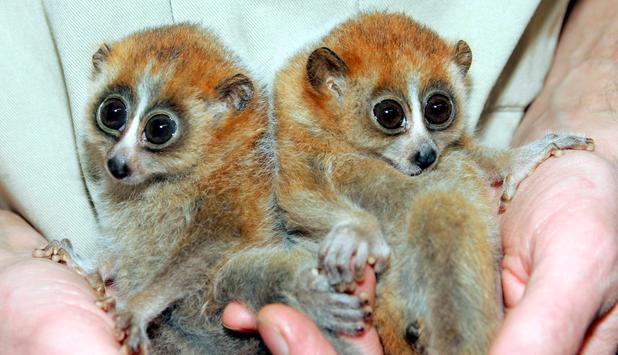
Plumploris are not sweet toys!!


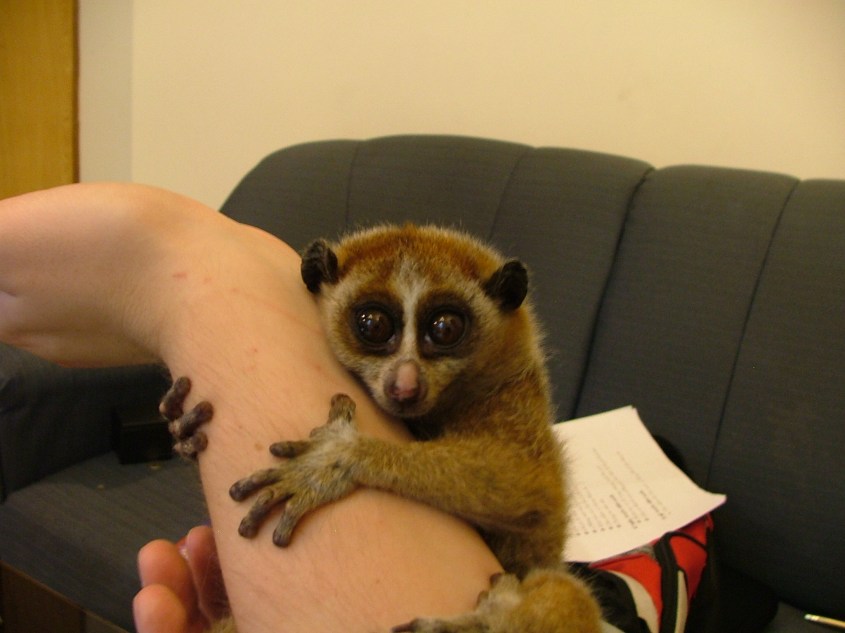
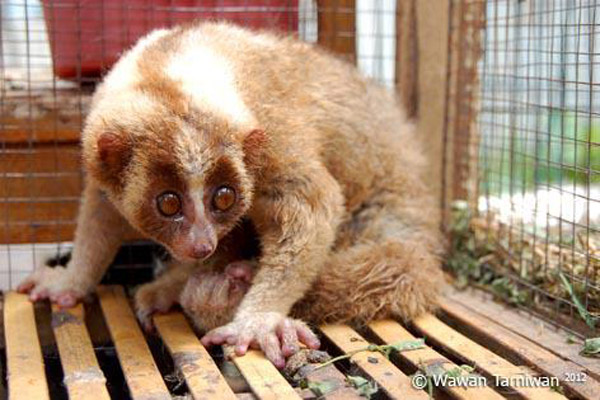
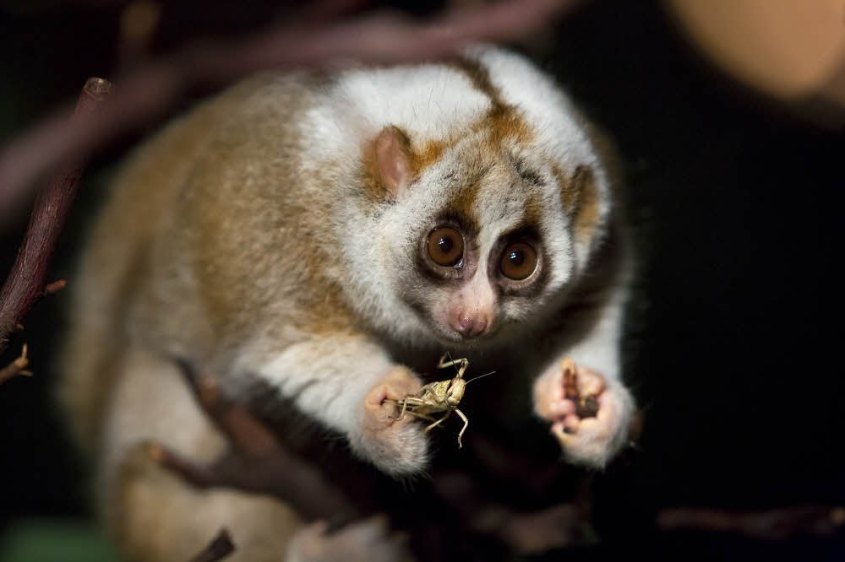
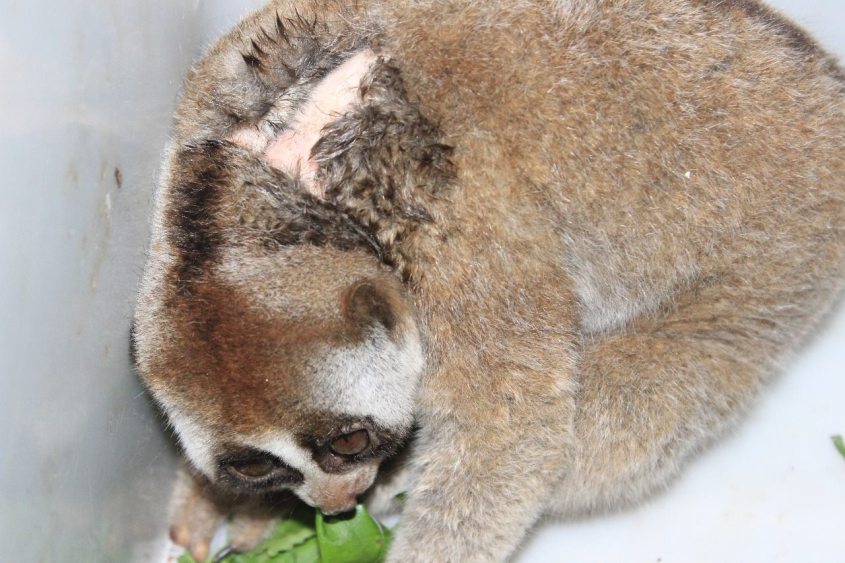
They have big, spherical eyes, live in treetops and their favorite pastime is certainly not to be tickled. We are talking about Plumploris, a primate species native to Southeast Asia.
Sweet as the monkeys are, they live so dangerously. Their biggest enemy: the human being, who subjects the Plumploris to a torturous treatment so that they can finally be considered cute pets!

plumplori

They are spreading like wildfire in social networks: videos of these sweet exotic monkey race – the articles are being lied, commented on and shared thousands of times.

The result: more and more people want to keep such an exotic animal as a pet!!

Slow_plumporiFemale

What many are unaware of – behind it is unspeakable suffering for the individual animal, poaching and illegal trade and even the eradication of whole Plumplori species.

According to the International Union for Conservation of Nature and Natural Resources, (IUCN for short), Plumploris are among the “critically endangered” species.

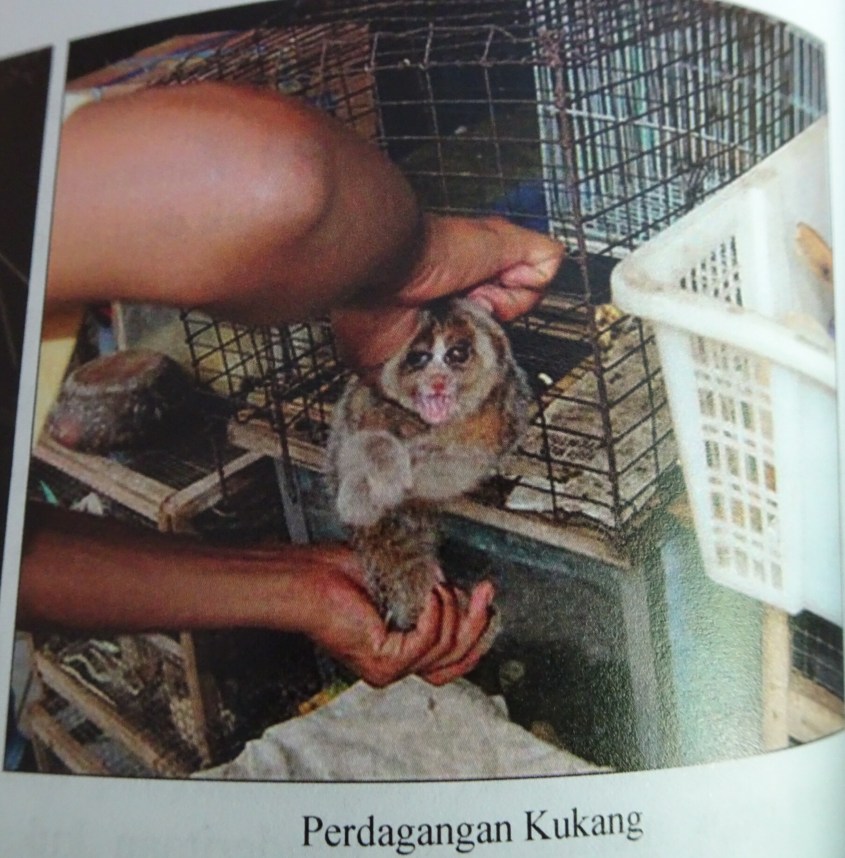
Since 2007, the sale of animals is prohibited. Still, they are still hunted on a large scale, caught alive and sold to exotic animal markets. Especially in Japan and China, Plumploris are welcome pet animals.

illegaler-wildtierhandel.jplumpori pg

The information about the agonizing treatment that Plumploris has to endure for their pet use is deliberately kept secret.
Plumploris are among the few mammals that are poisonous. On their forelegs they have a gland that produces a secretion that unfolds its toxicity in conjunction with their saliva. Even a bite of the cat-sized, nocturnal animals is poisonous.

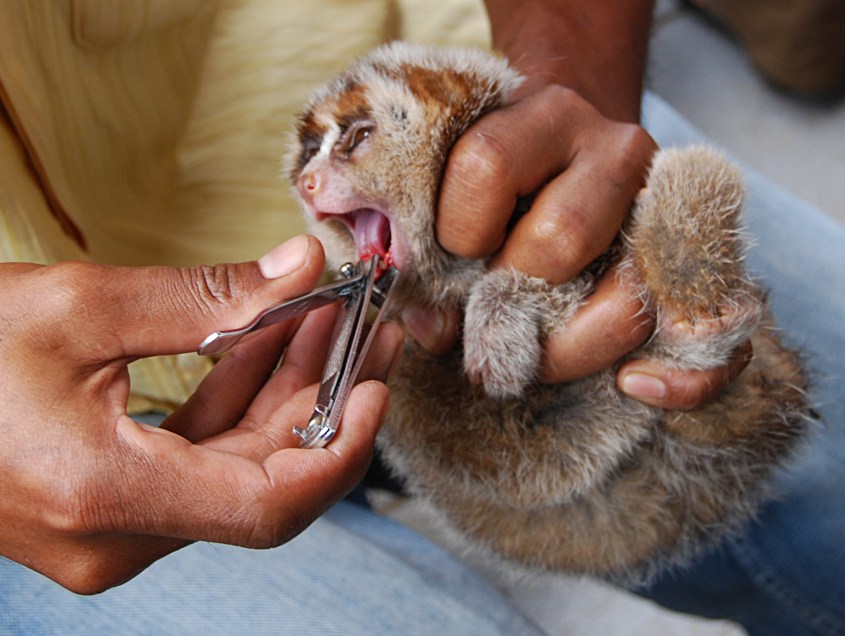
plumporis mit Zahn operation01

Teeth are pinched off!

The “logical” consequence for black market traders, who scent the big business with the sale of the small animals: The teeth must be gone. Thus, the canines of Plumploris are pinched right after catching. This has fatal consequences: every feeding becomes agony and the open wounds can cause serious infections.

Often this not only leads to severe inflammation, but even to the death of the animal. Apart from that, one knows too little about the feeding habits of the monkeys, with the result that many animals die in captivity due to malnutrition.

plumplorijpg

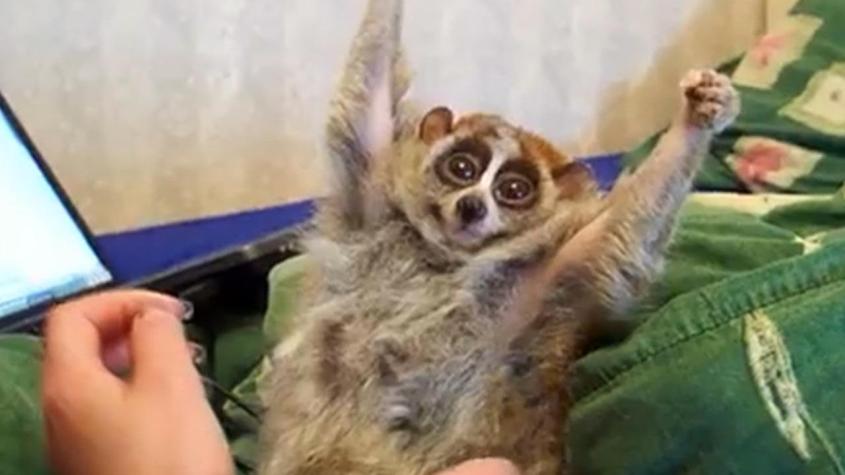
Very few people know that the Plumploris, who are considered to be particularly trusting, can only be lifted up and stroked without resistance because the silent persistence is part of their defense strategy.

And also a gland on the elbow produces a strong poison, which, in combination with saliva, can even be dangerous to humans. The supposedly “sweet” videos on which the lories stretch their arms over their heads to be tickled show just that – a defensive attitude and a warning.

plumpori kitzeljpg

The ETN (European Animal and Nature Conservation) has therefore set itself the task of educating consumers on why the exotic animals are not pets and what are the serious effects of keeping the animals. We want to make Internet users aware that every “like”, “sharing” and positive comment has devastating consequences for the whole species.

71-94313485--plumplori-kate--

Help for the animals – very concrete

The ETN not only clarifies, but also provides applied and concrete help. Therefore, we also support projects that help the animals who have become victims of illegal trafficking – ideally projects in which the animals end up living in their natural environment.

A research project funded by the ETN helps to keep the diseased and often traumatized Plumploris in reception centers in the best possible condition and to prepare them for life in the wild, as far as possible. In addition, it will examine which measures in captivity are best suited to promote the natural behavior of animals – thus avoiding behavioral problems and allowing the animals to survive in their natural environment in case of later release.

5plumporiso

In addition, the research results are used to make recommendations for the attitude of the Loris – as well as other monkey species with similar food and behavioral spectrum, for the rescue stations. This allows confiscated animals to be cared for as effectively as possible worldwide and, ideally, prepared for reintroduction.

If you also want to help protect Plumploris and other exotic species, support our education and share our Petition:

Please sign and share: https://www.change.org/p/facebook-stop-the-distribution-of-videos-showing-wild-animals-as-pets-669e8dd0-d3c1-4b20-91ab-67243622f039

https://etnev.de/themen-etn/533-plumploris-suess-und-bedroht

https://www.ticklingistorture.org/

My comment: I found the video below on the internet.
At the beginning of the video, which lasts 4 minutes, a German Undercover journalist appears as a potential buyer of a Plumploris. The vendor, a woman, at the animal market tells him that the operation must be done via a poacher, because that’s illegal !!
He does it.
At the end of this video, we learn that the poacher gets 2 euros per animal because he’s just the middleman in this business.

And now comes the moral of the story: The German Undercover journalist confesses that he can not judge the poacher, because he does that to feed his family, and that’s barely enough for that.

Such videos are even more dangerous than the Plumploris’ handsets on the Internet.
They represent perpetrators as innocents victims of the demand.
They need to feed their family, so we have to understand (that is: forgive) that they are destroying other families of other beings, and selling the small members of these families, the monkey babys, to the market for 2 shit Euros.
No one is to blame, misery is to blame for everything …

The buyer demands what is already on the market, and this market requires “products” that the poachers and the end dealers invent and operate.
According to the same logic, rapists would be forgiven for necessarily satisfying their sexual needs.
In the case of murderers one can even rely on the instinct of aggression (after Konrad Lorenz, an important biological function for survival).

And that assassins, arms dealers, kidnappers and blackmailers have to feed their family is out of the question.

https://www.prosieben.de/tv/uncovered/video/33-der-illegale-verkauf-von-plumploris-in-indonesien-clip

My best regards to all, Venus


Brazil: Is the President Now Giving a Free Pass to Illegal Logging, Farming and Mining ? – Highest Monitoring Levels Ever Say ‘Yes’.

Brazil


Click on the link below – it makes very interesting reading – fraud as you would expect – and a bad omen for future.

Regards Mark.

Image result for amazon forest deforestationImage result for amazon forest animals

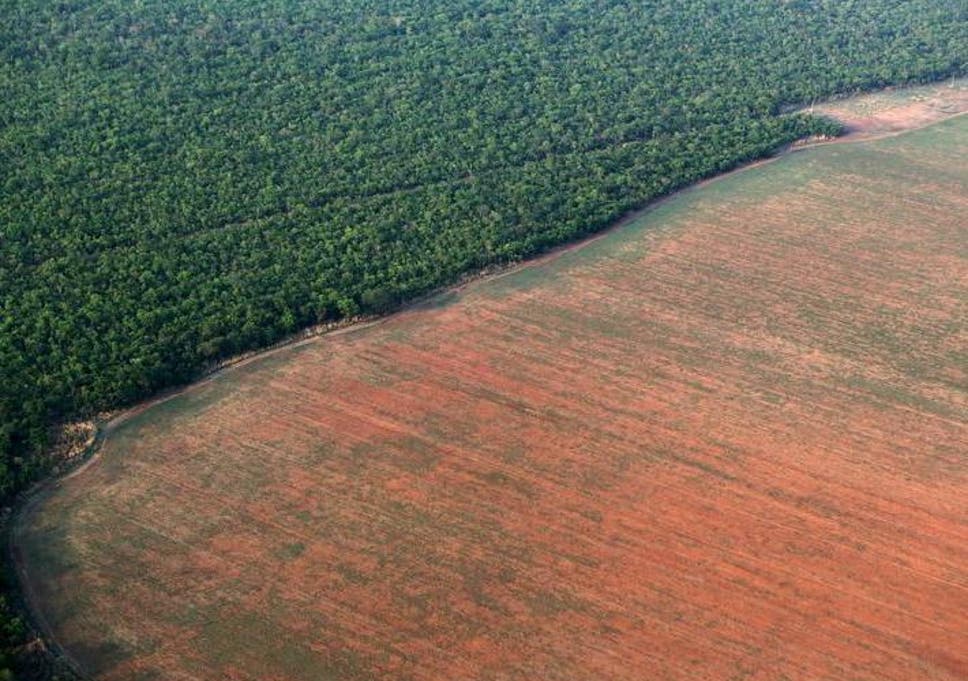
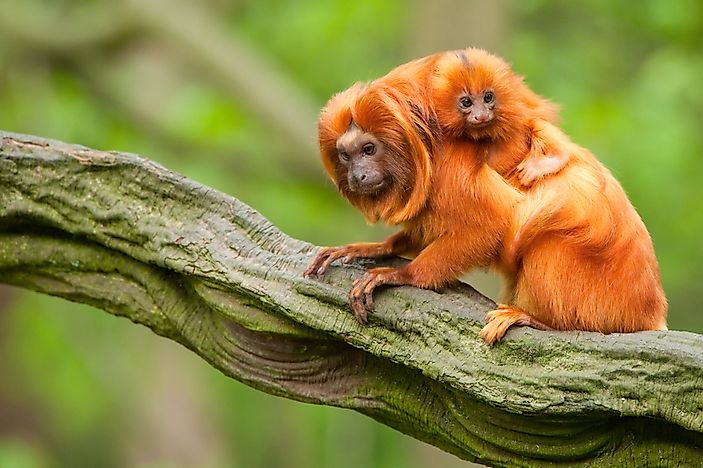
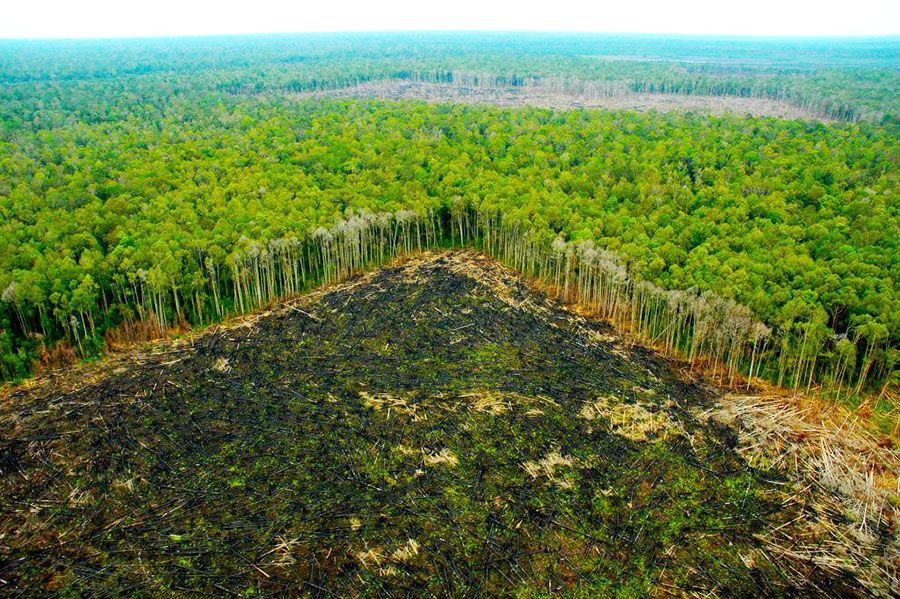
Deforestation of the Brazilian Amazon surged last month to the highest May level since the current monitoring method began, prompting concerns that president Jair Bolsonaro is giving a free pass to illegal logging, farming and mining.

The world’s greatest rainforest – which is a vital provider of oxygen and carbon sequestration – lost 739sq km during the 31 days, equivalent to two football pitches every minute, according to data from the government’s satellite monitoring agency.

Image result for amazon forest deforestationImage result for amazon forest animals

Unless the government sends a clear signal it will not tolerate a further acceleration, environmentalists fear there will be an increase in the coming months that could make 2019 one of the worst years for deforestation in recent memory.

Read the full article from The Guardian (UK newspaper) by clicking on this link:

https://www.theguardian.com/world/2019/jun/04/deforestation-of-brazilian-amazon-surges-to-record-high-bolsonaro

Image result for amazon forest deforestationImage result for amazon forest animals


Further reading:

https://www.theguardian.com/environment/2018/nov/12/eu-states-call-for-tough-action-on-deforestation-to-meet-2020-un-goal-amsterdam-declaration


https://www.theguardian.com/environment/2018/nov/03/stop-biodiversity-loss-or-we-could-face-our-own-extinction-warns-un


https://www.theguardian.com/world/2018/nov/01/bolsonaro-environment-agriculture-ministries-amazon


Brazil President, Jair Bolsonaro, a seven-term lawmaker and former army captain, represents a clear and present danger not only to his country but to the planet.

https://www.theguardian.com/commentisfree/2018/oct/31/the-guardian-view-on-brazils-new-president-a-global-danger

Global: Today, 5th June, is ‘World Environment Day’.

wed 4


Today, 5th June, is World Environment Day.


https://www.standard.co.uk/futurelondon/cleanair/world-environment-day-2019-uk-theme-air-pollution-un-a4159936.html

https://www.worldenvironmentday.global/what-causes-air-pollution#agriculture


Created in 1974 by the UN, World Environment Day happens every June 5. Hosted by a different country each year—this year it’s China—the day seeks to raise public awareness of environmental issues.

“The celebration of this day provides us with an opportunity to broaden the basis for an enlightened opinion and responsible conduct by individuals, enterprises and communities in preserving and enhancing the environment,” says the UN’s website.


wed 2


How much pollution we breathe in is dependent on many factors, such as access to clean energy for cooking and heating, the time of day and the weather. Rush hour is an obvious source of local pollution, but air pollution can travel long distances, sometimes across continents on international weather patterns.

Nobody is safe from this pollution, which comes from five main human sources. These sources spew out a range of substances including carbon monoxide, nitrogen dioxide, nitrogen oxide, ground-level ozone, particulate matter, sulphur dioxide, hydrocarbons, and lead–all of which are harmful to human health.

WED 3

Agriculture

The major sources of air pollution from agriculture include livestock, which produces methane and ammonia, rice paddies, which produce methane, and the burning of agricultural waste. Methane emissions contribute to the formation of ground-level ozone, which causes asthma and other respiratory illnesses. Methane is also a more potent global warming gas than carbon dioxide – its impact is 34 times greater over a 100-year period. Around 24 percent of all greenhouse gases emitted worldwide come agriculture, forestry and other land-use.

There are many ways to reduce air pollution from agriculture. People can move to a plant-based diet and/or reduce food waste, while farmers can reduce methane from livestock by optimizing feed digestibility and improving grazing and grassland management.

WED 6

Industry

In many countries, power generation is a leading source of air pollution. Coal-burning power plants are a major contributor, while diesel generators are a growing concern in off-grid areas. Industrial processes and solvent use, in the chemical and mining industries, also pollute the air.

Policies and programmes aimed at increasing energy efficiency and production from renewable sources have a direct impact on a country’s air quality. At the moment, 82 countries out of 193 have incentives that promote investment in renewable energy production, cleaner production, energy efficiency and pollution control.

Transport

The global transport sector accounts for almost one-quarter of energy-related carbon dioxide emissions and this proportion is rising. Air pollution emissions from transport have been linked to nearly 400,000 premature deaths. Almost half of all deaths by air pollution from transport are caused by diesel emissions, while those living closest to major traffic arteries are up to 12 percent more likely to be diagnosed with dementia.

Reducing vehicle emissions is an important intervention to improve air quality, especially in urban areas. Policies and standards that require the use of cleaner fuels and advanced vehicle emissions standards can reduce vehicle emissions by 90 percent or more.

Household

The main source of household air pollution is the indoor burning of fossil fuels, wood and other biomass-based fuels to cook, heat and light homes. Around 3.8 million premature deaths are caused by indoor air pollution each year, the vast majority of them in the developing world.

Out of 193 countries, 97 countries have increased the percentage of households that have access to cleaner burning fuels to over 85 percent. However, 3 billion people continue to use solid fuels and open fires for cooking, heating, and lighting. The adoption of cleaner, more modern stoves and fuels can reduce the risks of illness and save lives.


Day Mask Challenge:

https://www.worldenvironmentday.global/get-involved/world-environment-day-mask-challenge


On World Environment Day, soak in these amazing Earth photos


It’s a day to see the environment through what may be a slightly different lens: 50 incredible images of our planet:

https://www.nationalgeographic.com/environment/2019/06/amazing-earth-photos-world-environment-day/


Reality and lies about animal farms


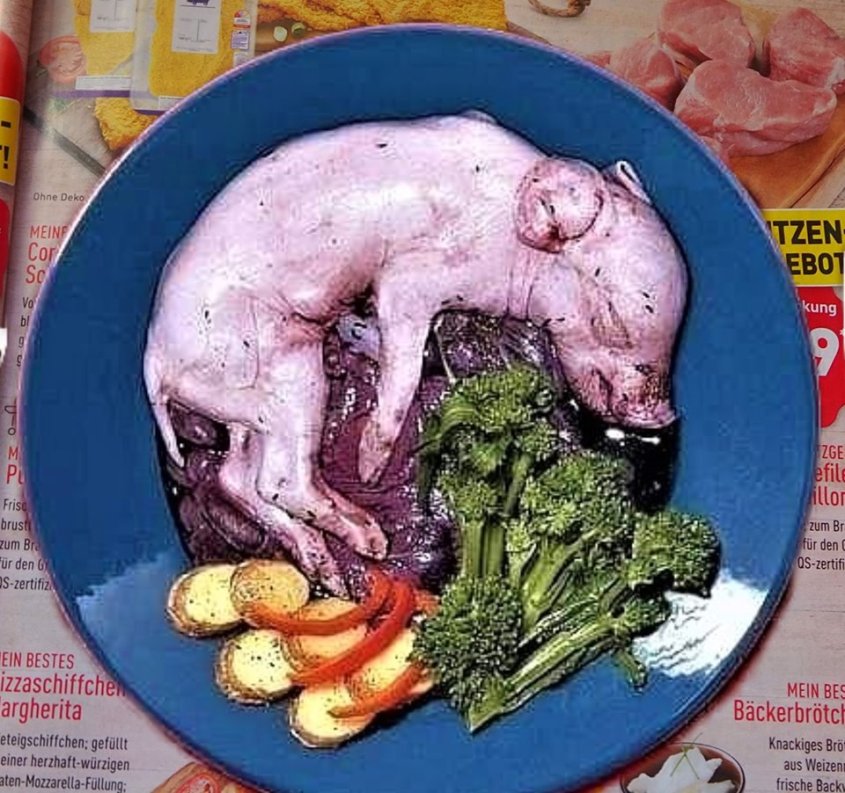
ferkel am Tellerjpg

One should picture such a plate on all commercials!
On cigarette packs, it is not a problem !!

bilder in Zigarettenschachtelpg
Supermakts deliver themselves a price battle, which offers a 400-g-package of pork minute- steaks at the promotional price of 1.99 Euro instead of 2.79 Euro, the other lowers the price for the same “product” to 1.45 Euro! Just to name one example of many. It is the poor animals that are suffering !!!

Consumers are increasingly rejecting cheap meat from factory farming, so the discounters and supermarkets increasingly resort to tricks. “My butcher shop”, so one advertises.

kuh im Bio schlachthofpgFoto: ARIWA: Cow in the “Bio” slaughterhouse -Germany.
 

But who now believes that the “butcher” is right in the neighborhood, is wrong.

And even the “Mühlenhof” from the supermarket chain “Penny” and “Gut Ponholz” from the “Netto” chain does not exist.
Beware of advertising terms such as “from the region” or “from here”, because the term “region” is not protected by law.
Recently, the discounters advertise with new meat seals, but even here there are hardly any improvements in animal husbandry.

Reality: Also in the “farmer next door” is violated when driving the animals in the slaughterhouse building against animal protection regulations. It is forbidden to use electric shock devices systematically, even on the head, but still common practice!
A beef that struggles for hours is not only powered by two electric motors at the same time. The workers also turn his tail painfully and kick the animal with their feet. Some cattle are specifically sprayed with water, so that the electric shock hurts even more and they finally go to their deaths.

schweine bildjpg
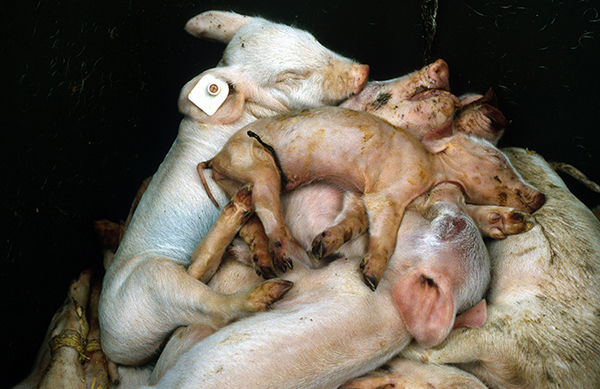
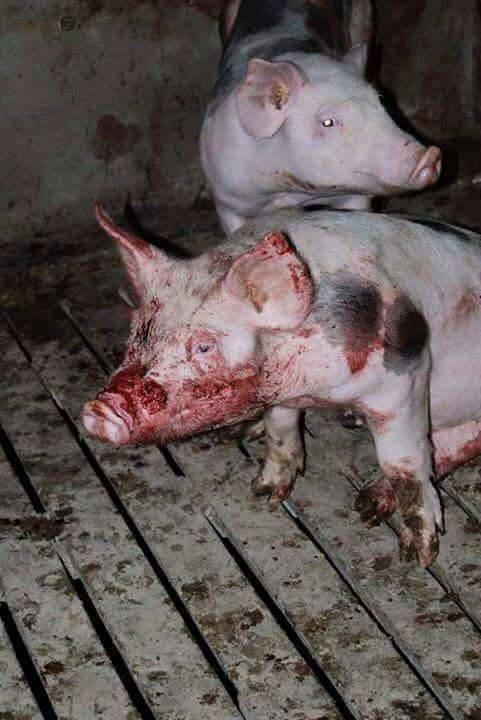
In the pig farms the animals are crowded. In these so-called organic animal factories, 5000 pigs are controlled by one person. Their tails are cut and their teeth are ground down, because otherwise they will bite each other’s tails out of boredom, get sick and need antibiotics.
After a short life they are then slaughtered by modern slaves keepers at an insane pace that bring animals from life to their deaths.

Germany is the world’s largest meat producer and make subsidies possible!

Verletzte Schweine_n

About 60 million pigs are slaughtered annually in Germany!
In 2016, Germany’s slaughterhouses produced 8.25 million tons more meat than ever before. And in order to be able to produce these millions of tons of meat, animals suffer excruciatingly in factory farms. In all factory farms, also in the bios and in the “regional”.
In Germany, 50,000 piglets per day (!!!) are thrown into the garbage container. They are garbage and are not needed.

Schweinezucht

In Germany about two million animals are slaughtered on day. Livestock carriers travel non-stop through Germany and stop at the slaughterhouse. The animal welfare breaches of animal transport have increased. The state closes its eyes, the EU is interested in a shit about animal welfare and laws during transport.

They are cruel pictures and we often hear them screaming. Every day we see them driving, the trucks, their cargo: animals! In “livestock farming”, as in all other economic sectors, it is all about money. Time is money and therefore everything has to go fast – and how such transports run you see in the video!


https://netzfrauen.org/2018/01/12/agrarindustrie/


The “animal welfare” from next door!


These pictures in this video come from a pigsty with 1,500 animals near the city of Ulm, Germany. The shots have with hidden camera animal rights activists from the SHOKO. e.V. (I’ve translated the most important part of it, but the pictures speak for themselves)

From the outside, it is a stable like any other.

And yet the activists wanted to know what it looks like behind this facade.
Already in the floor they found dying, injured, dead animals.

schweine soko pgImage: SOKO

The bays are so full that the ground is no longer visible. The stable is in a catastrophic hygienic condition. The columns are full of excrement, mice and cockroaches are the only creatures who feel good in this hell!

soko bilderpg.jpgImage: SOKO

Important Information: the operator of the stable is employed in the district office, in the department “agriculture”. The man who runs this stable is sitting next door to the responsible authorities, who should intervene against such conditions long ago!

The animal rights activists have documented clear criminal offenses: apart from decaying carcasses, they find dead animals or animals dying. A pig is emaciated, unable to stand in his own urine, it should be extinguished.
Others are already in the trash, left to their fate.

soko verletztes Schweineg.jpegImage: SOKO

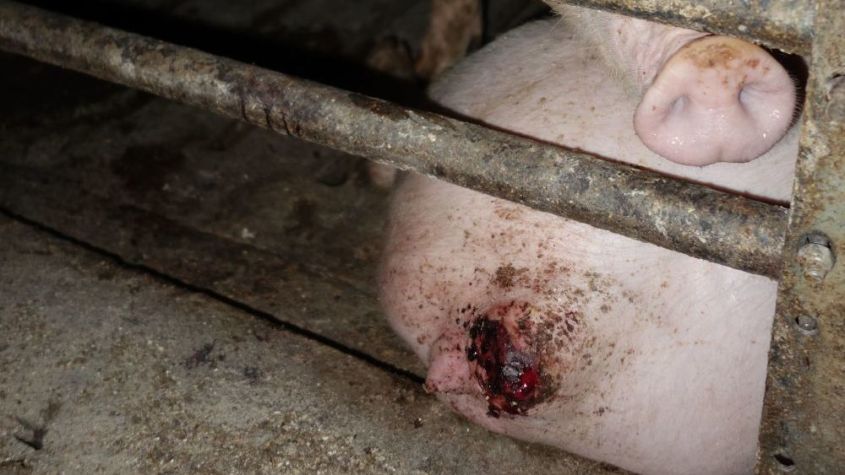
Many have huge ulcers, are sick, they have open wounds and can not get up.
One is particularly noticeable and cruel: bitten ears, bitten off tails and cannibalism. Conditions that are a common practice in each stable because of monotony, but in this stall fell the animals whole pieces of meat!

Facing the mass catastrophic situation, the stable looks like a hospital.

Schwein-AbzessImage: SOKO

There are 40 kilograms of antibiotic found.
Because most animals are seriously ill, the farmers try to keep them alive with medication to make their way to the slaughterhouse.
And thus the profit.

This meat bears the seal QS (Quality Systems) and this stall even took part in the “Animal Welfare” initiative, an industry campaign that has as its goal the alleged improvements in the stables.

The SOKO activists want to know how these animals are subsequently marketed.

They come, for the most part, under the name of a butcher who advertises regional products.
And exactly the operator of this horror stall gave an interview in the newspaper of the butcher and said: “I want the animals to be fine”!! The rest of the animals land allover in German supermarkets. Hidden cameras show how this stable handles the no longer viable animals.

Ulm District Court on 15 March 2019 sentenced the pig owner to three years’ imprisonment for animal cruelty.

schwein mit hammer jpg

https://www.presseportal.de/pm/110736/4219602


My comment: And if not every stable has the same horror, that does not mean that the other stables fulfill the conditions required by the animal welfare legislation.

Germany, the country with the largest power in Europe, likes to advertise with the slogan “we have the best animal protection law in Europe”.
Animal welfare is indeed in the Basic Law in Germany, but organizationally, it is located at the Ministry of Agriculture. Too often, the interests of industry and business outweigh the welfare of the animals.

Germany needs its own animal protection ministry. Only then can we speak of a properly progressive animal protection law.

“For the animals today all peoples are more or less barbaric, it is hypocritical and grotesque if they emphasize their supposedly high culture at every opportunity, and daily commit the terrible atrocities against millions of defenseless beings.” (Alexander von Humboldt)

My best regards, Venus