Month: August 2019

The undercover investigator and author Rich Hardy-an interview


Rich Hardy has been an undercover investigator and ‘visual evidence gatherer’ in the animal protection movement for 20 years. His upcoming book, ‘Not As Nature Intended’, follows his journey, telling the stories of the animals he’s met, and the people behind their suffering.

We spoke to him about the power of story-telling, the importance of visual recording, and what it’s like to be close enough to see everything, but just far enough away not to be noticed.

You call yourself a “visual evidence gatherer” rather than a photographer. Can you describe the nature of your work?

Rich Hardy: I learnt to use cameras as a way of gathering evidence for animal protection groups in my role as an undercover investigator. I think a ‘visual evidence gatherer’ is a more honest appraisal of what I’ve done. The focus of my assignments has been to document systemic problems, law-breaking and to show what animals have to endure when farmed for food, bred for fashion, trapped for science or held captive for entertainment. Capturing images has been a big part of it, but it was also about gathering insider information to bolster campaigns. The resulting documentation has been used as evidence to create new laws, to support prosecutions, or has been released as part of media exposés to the press.

For nearly two decades I committed myself to go undercover for animals. The work varied, depending on the assignment. A project could be trailing live animal transport trucks across Europe for several days, or a week of surveillance at a circus, filming from the boundary of a hedgerow. But my main specialisation was infiltration and getting close enough to the people and industries who are responsible for the cruelty animals endure that they would share their secrets with me.
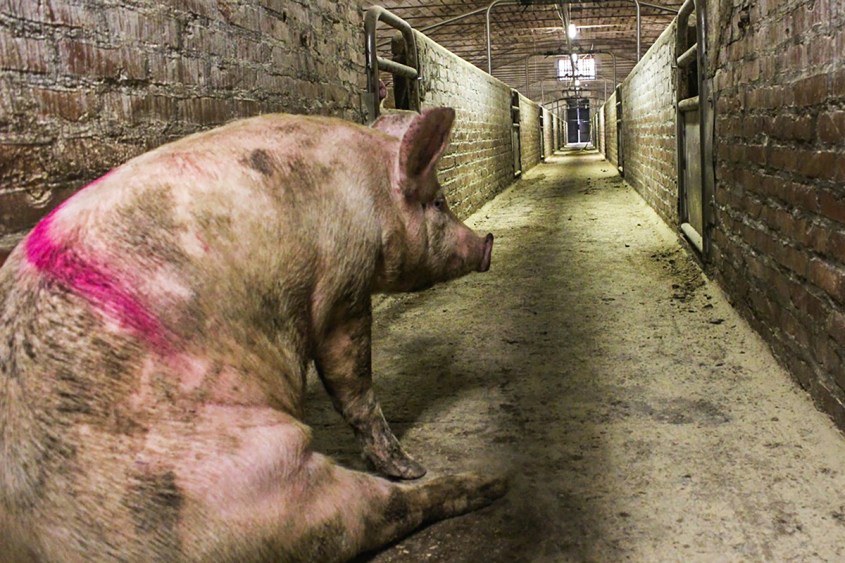
RichHardyFeature1200pxImage, Rich Hardy: Left to die. A factory farm in Italy.


Which came first for you: animals or photography? Can you tell us a little about your path to where you are today?

RH: Animals came first and by quite a long way. I was brought up in a veggie household and we were all vegan by the time I was 15 (I’m 47 now). We had quite a few rescued animals around the house, and activism coursed through our veins (my parents took me out to protests at slaughterhouses when I was a toddler).

After college I saw a job advertised for a farm animal campaigner at Compassion in World Farming. I went for it and got it. The early 1990s was a lean period for pure vegan advocacy. I could see it was essential to work on campaigns to outlaw the very worst of the farming systems out there, so I began working on campaigns to end barren battery cages, sow stalls and live animal exports.

I met a lot of politicians during this period, especially when delivering reams of scientific reports to them that explained how bad it was to confine farm animals in cages and crates. But it was never enough. They always wanted more than just black text on white paper. They wanted imagery, and we didn’t have much, so I u-turned on lobbying and got myself some cheap cameras, which I hoped to put to use documenting the systems the politicians were failing to take action against.

I did my first assignment in 1999, inside a battery cage egg-laying system in New Zealand, and my last in the Autumn of 2018, training Ukrainian activists in the art of undertaking investigations for farm animals.
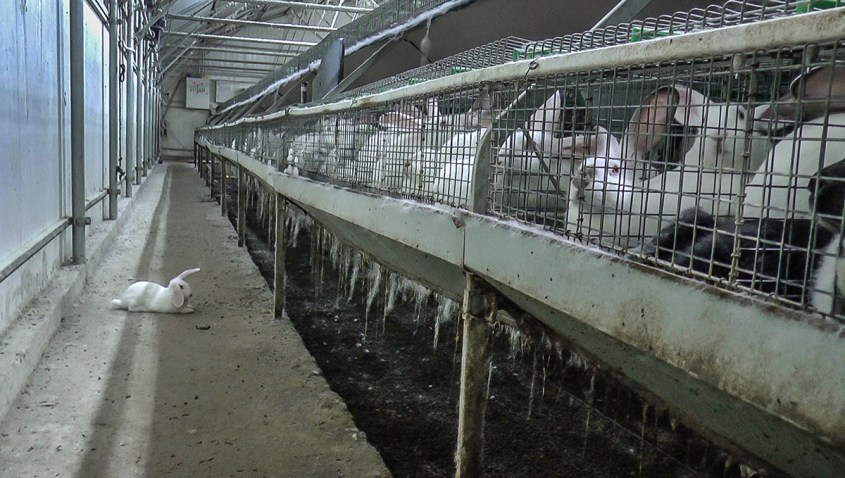
kanninchen ausser Käfig jpgImage, Rich Hardy: Out of the cage but always a prisoner.


What are you trying to achieve with your work, and why is focussing on animals important?

RH: It’s always been clear to me that the plight of animals used by humans is a huge social justice issue that urgently needs addressing. First and foremost I’ve always worked to meet the needs of the relevant campaign group through investigations. I think it’s helped being trained as a campaigner first, as I can easily put myself in their position of understanding what would be of most value to help the campaign. Having that knowledge, and also understanding animal behaviour, has helped me get into positions where I can capture these critical moments – moments, which can sometimes make the difference in whether a campaign is successful or not.

Recently though I’ve been interested more in storytelling. I’ve started looking through my archive of images and footage, along with reams of notebooks, and found myself reliving moments. I’ve discovered important stories that were lost within the bigger project, tragic encounters with individual animals that I’ve never expressed to others, and those moments I’ve had to endure with my adversaries – people responsible for terrible actions. I want to make sure I share these in a wider context to ensure people understand what’s hidden from them. While I don’t have the strength to go undercover anymore, I can make sure I squeeze every ounce of information out of the work I’ve undertaken, through storytelling.

It’s for that reason I set up an Instagram account and began sharing brief moments from the unique perspective I’ve had as an eyewitness in a world of suffering. I usually focus on posting images that tell the story of an individual animal, through the experiences of another individual – myself.
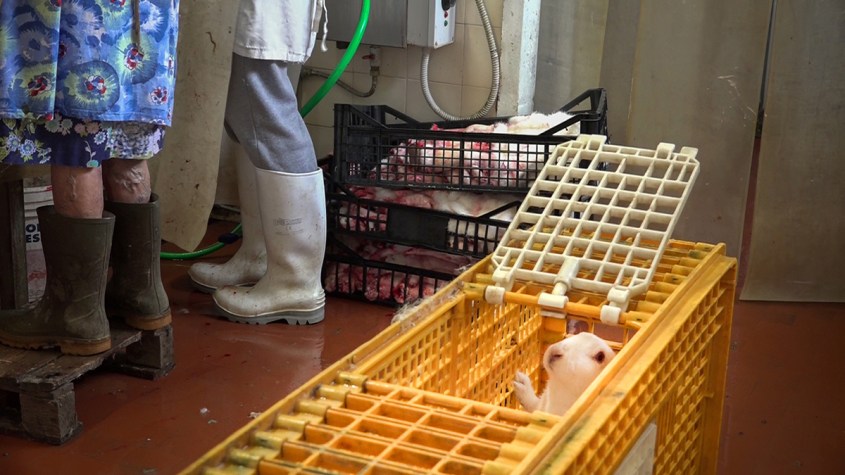
kanninchen im schlachthousepgImage, Rich Hardy: Caged right up to the final moments. Rabbit slaughterhouse.


A lot of your images are taken using a covert camera. Why did you choose this approach? What are its strengths and challenges?

RH: While I’ve used DSLR’s and plenty of video cameras over the years, my go-to equipment for infiltration projects has to be a covert camera. It’s allowed me to capture images that I could never document openly. I’ve spent quite long periods of time undercover infiltrating the people behind animal exploitation industries. Getting to know them and understand how they work has opened up a world that is closed to most. These projects require a lot of patience and an ability to build trust with people whose every action you would normally recoil from. They are often cruel and brutal peopleto animals, and sometimes to their fellow humans too. But not all. Sometimes they are very normal people, respected for kind acts in their community, while simultaneously keeping 30,000 hens locked up in tiny cages in a windowless shed.

I usually use a body-worn camera package. So a DVR (digital video recorder) and a high-definition button camera, which I conceal in a shirt. These packages have improved so much in recent years. Not just in quality, but also in their size and weight. They are more comfortable to use and easier to conceal.

They still take a bit of time to get used to, but with a little practice, your body and the camera start to work together as one. And while you don’t have your hands on it, you learn to hold and direct your body in a way that you know will capture the everyday occurrences you need to gather as part of the assignment. But things can and do go wrong, and the situation doesn’t always allow for you to put it right, so you have to accept some loss of imagery. In those moments, I just stay patient and hope when the next opportunity comes round I don’t miss it.

However, it’s dangerous work. There’s one moment I’ve always dreaded when wearing these cameras. Detection. I’ve never been caught but I’ve come very close. I remember being challenged by a manager at a huge reindeer slaughterhouse in the middle of nowhere in the Arctic about wearing a hidden camera. He’d noticed me adjusting the overalls I’d been given and became suspicious. He asked me straight out if I was wearing a camera. My heart skipped several beats and all I could think about was how easy it would be to hide my body in the deep snow, if they wanted to. Calling his bluff was the only way out. I began undoing the overalls one button at a time. With one button to go before the camera was revealed he told me to stop, and apologised for challenging me. I can’t tell you how relieved I was.

I’ll always switch to overt cameras, if the situation allows. Sometimes it might take a week or two for this happen or sometimes it won’t happen at all. It depends on the project and the type of people you’re around. It might not always be a fancy camera – that might not fit in with your cover story. An iPhone’s pretty useful. People are used to seeing them around and the quality is good, so using them doesn’t always raise suspicion – which is what you’re looking to avoid at all cost on infiltration projects.
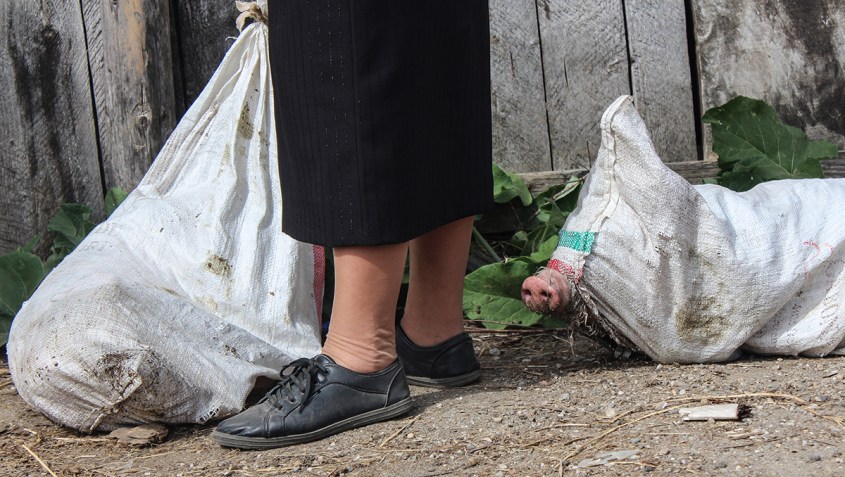
schweine in rumänischem MarktImage, Rich Hardy:Trading places. A Romanian animal market.


What do you enjoy most about your work? What do you find most challenging?

RH: There’s not much to like during the projects. At times I felt pretty powerless swallowed up in situations of immense suffering. During these moments, I just had to put those feelings aside, and focus on the task that had been asked of me. The natural instinct is to want to intervene when you see an animal suffering, but on investigations, particularly those that put you in direct contact with the people that own them, you have to take a step back. I guess in some ways it’s a bit like theatre. You’re watching the cast perform, and you’re sitting in the front row of the audience. You’re out of the spotlights, but only just. Close enough to see everything, far enough away to not be noticed.

It’s also pretty challenging maintaining a cover story for a long period of time. I had to create opportunities to document things that few get to see, but I had to build it on a fabricated story. I always believe if animals are suffering it’s in the public interest to know about it. Most industries using animals for human gain prefer to keep their methods and systems to themselves, so using a cover story is often the only way in to see what takes place. But it’s hard work spending a month undercover, say with fur trappers, and keeping your cover story intact. Especially when you’re trying to bond with them. It’s pretty exhausting, and when you’re exhausted you can slip up. I quickly learned to keep my cover identity simple and as close to the truth as possible to avoid costly mistakes.

I don’t think I’ve ever enjoyed any of this work. I never expected to do it for so long either. I never set a timeline for how long I was going to do it, so perhaps that’s why it’s gone on so long. I just kept answering the call when it came, and putting regular life on hold.

I am of course satisfied with some of the outcomes of my work. I’m very happy to have been able to help over twenty of the world’s animal protection groups by working on multiple assignments for them across 30 countries. And while I don’t think it’s always easy to measure impact, I’m content knowing that some of the assignments have contributed to speeding up reforms for animals, less suffering or just opening someone’s eyes to something new that had been concealed from them.

You are currently writing a book, ‘Not As Nature Intended’, about your experiences working undercover and the animals you’ve met. Why is this project important, and what do you hope to achieve with it?

RH: The book started out as something I thought I might do about 5 years ago, but didn’t really get moving on until about two years ago when I started jotting down some of the feelings and thoughts I was left with post-assignment. It’s not a photographic account, but a narrative non-fiction on what it’s been like to infiltrate secretive animal industries and shine a light on what happens to make them work from the inside. There are plenty of stories I tell about individual animals, but I also examine the people behind the animal suffering. To be honest it’s been a bit of a surreal experience; a real rollercoaster of emotions that swing from the bizarre to the chilling. So in addition to reporting on the secret workings of these industries, I’m recounting how I got to be there, what I saw, who I met and how I was left feeling.

I’m working with a British publisher to get the production costs crowdfunded, after which it can enter the mainstream publishing world, where I hope the stories can then really make a difference. I hope it will open people’s eyes or attract the curious-minded to find out more about how animals are treated to put food on our plates, clothes on our backs or smiles on our faces.

I’ve also written it so it could sit within an animal rights archive of sorts. I really think it’s important for us to archive all the elements and techniques that have gone into securing change for animals. There will come a time when people look back at all these campaigns and be appalled that we ever had to fight so hard to end the abuse animals endure at the hands of humans, but like all social justice issues it’s important to remember and learn from hard-won battles. Undercover investigations have been a big part of our movement and I feel it should be recorded in a format that others can access to learn from and adapt to other issue-based campaigns. This would be my contribution.
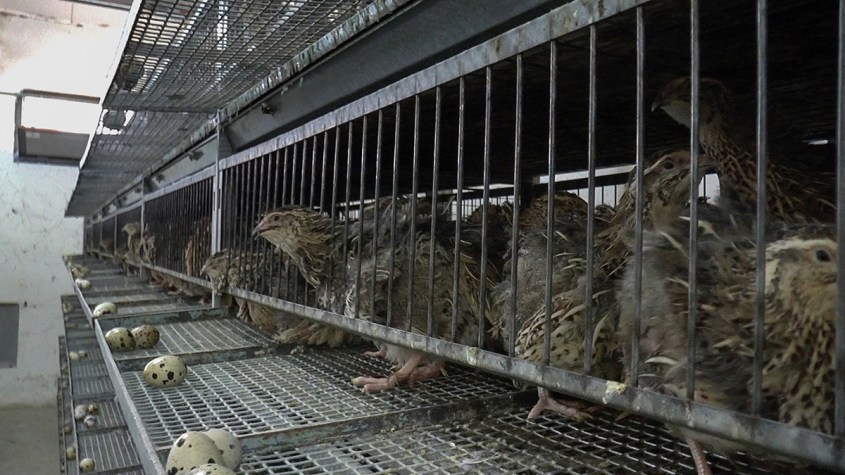
hühner in KäfigenpgImage, Rich Hardy: Factory farming in miniature. A quail farm.


What’s next for you?

RH: After spending a little time helping the next wave of activists learn some of these investigative skills, I’ve gone back to frontline campaigning for farm animals. Rather than focus on the problems, I’m advocating the solutions.

I’m running the campaign programme at ‘Veganuary’ – a worldwide month-long pledge, where people can try a vegan diet. It’s a campaign built on inspiring and supporting people to experience a vegan lifestyle, and it’s a pretty big thing right now. The campaign – a twist on trying vegan as a New Year’s resolution – is at its peak in January. Almost a quarter of a million people have signed up for this year’s campaign, which is so exciting to see.

Coupled with all the exciting innovation taking place around the development of plant-based foods, I’m more hopeful than ever before that people will start ditching the meat and dairy in their lives and transition to cruelty-free lifestyles.

I’m also doing a few public talks as well to support the book project. It actually feels quite liberating talking about some of these projects for the first time.

Other than that I’ll be trying to surf a bit more often, while also looking after the 17 rescues me and my fiancee have at our micro-sanctuary in Cornwall. We’ve managed to rescue dogs, cats, chickens and ducks, from shelters and factory farms, and are hell-bent on making sure they get the best life possible, after such terrible starts.

https://weanimalsmedia.org/2019/03/01/interview-with-undercover-investigator-and-author-rich-hardy


Does anyone need a comment about it?
No! We sincerely thank Rich Hardy for his courageous and well-planned investigative work that brings to light the suffering of the animals and the unscrupulous animal industry that produces it.


Best regards to all, Venus
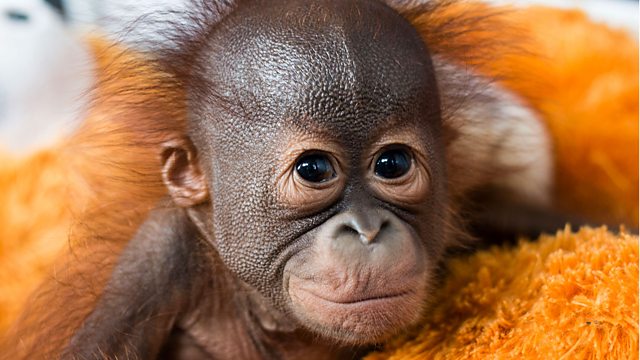
Happy World Orangutan Day !

Image result for orangutan


World Orangutan Day

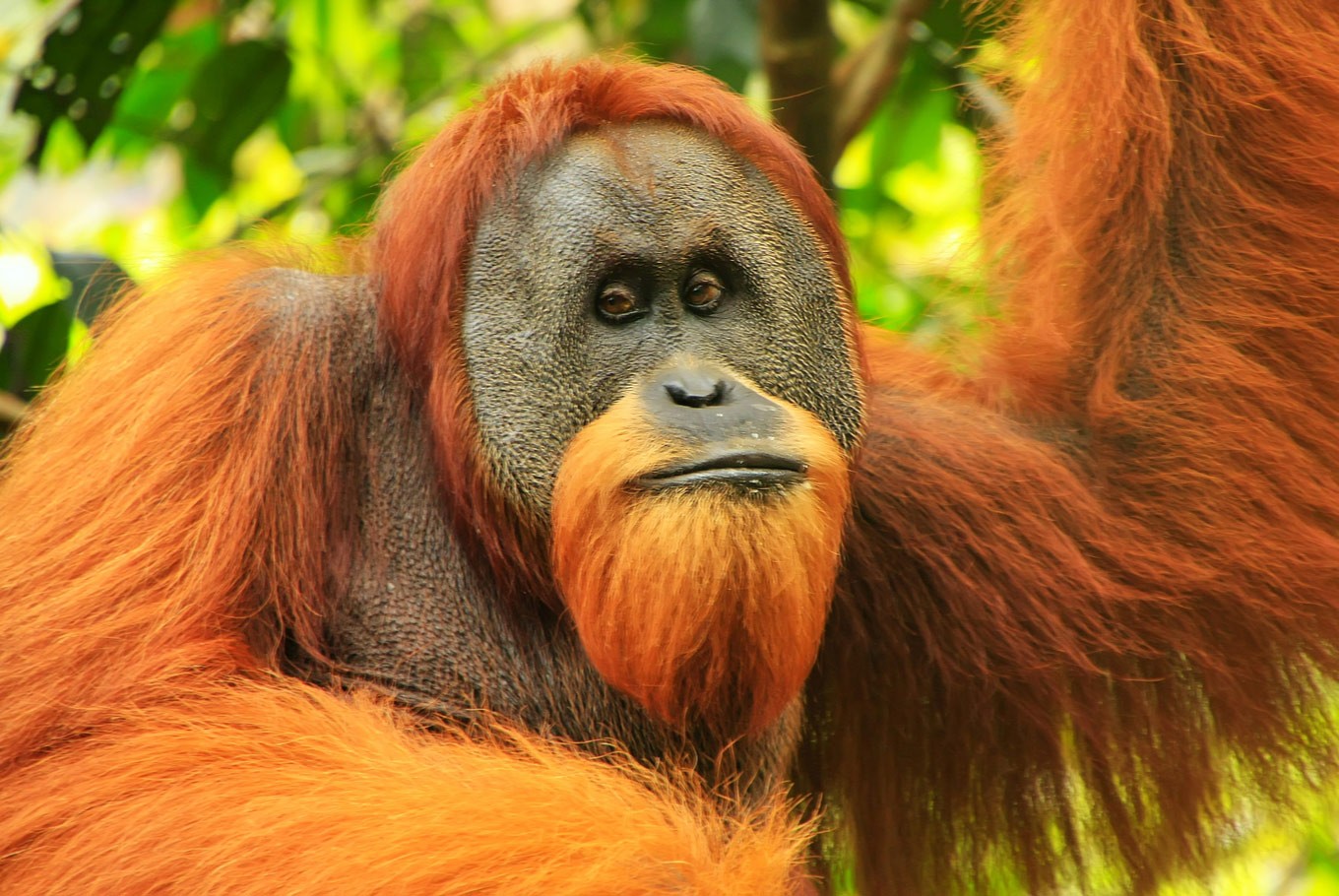
Did you know that over 100,000 Bornean orangutans were lost between 1999 and 2015 mainly due to deforestation and poaching? And now these orangutans are  critically endangered.

To help prevent further habitat loss, WWF Malaysia led a project in Sarawak to provide a sustainable habitat for orangutans as well as create a stable income for the local communities living alongside these great apes.

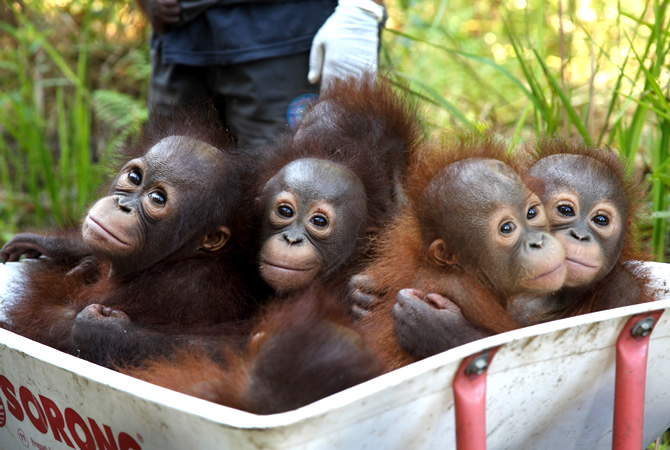
Baby orangutan dies of hunger after mother shot and badly injured

The Gaharu Tree

At the centre of this project is the Gaharu tree –  a native plant to Sarawak that traditionally provided valuable wood to the local people. It was then discovered that the tree leaves could be made into a tea which can be farmed and sold.

Great news for both the local people and the orangutans, as the tree no longer needs to be cut down and can continue to grow with only its leaves being trimmed for the tea.

Because of this, the Menyang Taih people planted 8,000 Gaharu trees on empty and degraded land which prevented further deforestation – and with the help of WWF volunteers a further 3,000 trees were planted.

Encouraging tree planting means that the orangutan habitat can be protected and hopefully orangutan populations will grow and thrive in Sarawak.

Find out more:

https://www.wwf.org.uk/updates/planting-future-orangutans-and-people?pc=GLN005002&utm_source=Supporters&utm_medium=Email&utm_content=FindOutMore&utm_campaign=GLN005002_FriendsActive_FY20_WorldOrangDay&_ccCt=tpKGLIbyPykBIbEfbsB7P8C3NEnb7vdHSY%7eiozMGgtAbBZsl5qbf5mrvZlcNWqqu


Image result for orangutan

Adopt an Orangutan

Projects like this create a sustainable economy and a stable ecosystem for both orangutans and people. But more still needs to be done.

Borneo is projected to lose 22 million hectares of forest between 2010 and 2030. We’re running out of time.

Adopt an orangutan today so we can continue to help local communities manage protected areas and to fund our other essential work with orangutans.

Adopt an Orangutan:

https://support.wwf.org.uk/adopt-an-orang-utan?pc=GLN005002&utm_source=Supporters&utm_medium=Email&utm_content=AdoptOrangutan&utm_campaign=GLN005002_FriendsActive_FY20_WorldOrangDay&_ccCt=il9iQ3C9z8hBIbEfbsB7P8C3NEnb7vdHSY%7eiozMGgtAbBZsl5qbf5mrvZlcNWqqu


Image result for orangutan

Top 10 Orangutan Facts

Want to find out more about orangutans? Our top 10 facts page will tell you everything you need to know!

View the top 10 facts here:

https://www.wwf.org.uk/updates/top-10-facts-about-orangutans?_ccCt=99WzneLiJRnBIbEfbsB7P8C3NEnb7vdHSY~iozMGgtAbBZsl5qbf5mrvZlcNWqqu&pc=GLN005002

Image result for orangutan


England: Breaking News – Viva! Win Against Hogwood After Years Of Showing (Pig) Animal Abuse. Tesco Stores BAN Meat From Supplier After Expose of Conditions and Animal Abuse.

England

WAV Comment – This is BRILLIANT news and we congratulate Viva! in finally getting Tesco to pull the plug after years of being shown the abuse.  More to come when we get the official Viva! news / PR.  Tesco is one of the UK’s major food stores; so this will send massive shockwaves to the industry of meat supply to supermarkets.  Namely – do it right or be exposed and shut down.


This has changed for the positive within the last 24 hours.

The following is from Viva! who undertook the investigation and have been campaigning against conditions and treatment of animals at Hogwood for years.

First – the good news;

Mon 19/8/2109 – Tesco drops one of its biggest pork suppliers after animal rights campaigners release footage of shocking abuse at pig farm including animals being kicked and hit with metal rods

  • Tesco banned meat from Hogwood Farm in Warwickshire after an exposé
  • Activist group Viva! filmed images they claim expose ‘systematic animal abuse’
  • Campaigners released shocking footage of pigs screeching in terror as farm workers kicked them, slammed gates on them and hit them with metal rods

Pictures – Viva!


Read the full story at:

https://www.dailymail.co.uk/news/article-7367957/Tesco-drops-pork-suppliers-animal-rights-campaigners-release-footage-shocking-abuse.html


Viva! – before the announcement – This is their words:

Against all odds, we return to Hogwood pig farm to expose shocking conditions at Tesco-approved hell hole for the third year running.

You probably know the story – we’ve told it twice before. Back in June 2017, I went inside one of Britain’s largest pig farms: Hogwood. The horrors that my team and I filmed were impossible to forget.

This year, we left hidden cameras.

Just last month, we went back – this time armed with hidden cameras to capture round-the-clock surveillance. What we discovered was shocking: pigs ruthlessly kicked by farm workers and struck with metal riding crops and hand tools.

We filmed a farm worker slamming a metal rape rack onto a confined sow – she screamed as he administered a painful injection, then she was hit over the head.

Hogwood: The Story

It was June 2017 when I first went into Hogwood Farm – and it’s a farm I’ve since come to know well. A huge industrial unit in Warwickshire, Hogwood houses over 16,000 pigs and supplies Tesco.

We have submitted official complaints to the RSPCA, Animal and Plant Health Agency, Red Tractor and Tesco – none of it resulted in action being taken to protect these pigs. All we received were worthless assurances.

Big business and the meat industry don’t care about the distress and misery at Hogwood farm. We need you to stand up and help us expose this horror.


Germany: the cows are milked to death


-germany
Germany is the largest milk producer in Europe. More than 33 million tons give our cows a year. Lots of milk, yoghurt, cheese – all at low prices.

werbung mit Kuh auf Milchkartonn

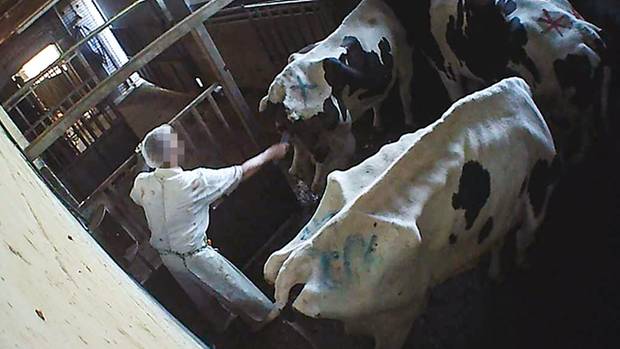
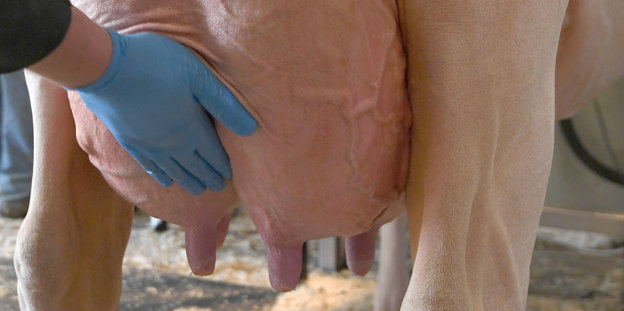
Cows have to give more and more milk. That makes most animals sick. According to BR24 research, more than one and a half million dairy cows are “sorted out” nationwide each year. Veterinarians and scientists speak of torture.

Turbo Kuh_n

On average, a cow today has to give twice as much milk as in the 1970s. This means an increase from 4,000 kg to 8,000 kg per animal. The high performance has its price, says the agronomist Matthias Gau ly of the University of Bolzano: “We have problems with animal health and, accordingly, with animal welfare, and that’s something we urgently need to change.”

“The higher the performance of the animals, the sooner animals go off.”

According to agricultural scientist Gauly, there is a clear correlation between performance and illness. Above all, the udders are heavily loaded, which often leads to inflammation. In addition, it comes, for example, to serious metabolic diseases.
For the scientist, the low life expectancy of the animals is worrying: Instead of 15 to 20 years, dairy cows are on average only five to six years old today.

Bad Iburg abgemagerte Kühepg

“There are clear statistics that show that the higher the performance of the animals, the sooner animals will go.”

How many dairy cows go out, that is to be sorted out annually from German stables, is cleverly not recorded centrally.

Every year 1.7 million dairy cows are sorted out

According to research by the bavarian broadcasting, according to the latest figures, around 1.7 million dairy cows are sorted out each year, ie slaughtered or disposed of in animal carcass disposal. Most because of injuries, illnesses or too low milk yield. This resulted in a query in associations of the dairy industry in all 16 federal states.
Torment breeding: the cows are milked to death!

45. "Schau der Besten" und Wahl der schönsten Kuh

Politicians should have the courage to increase animal welfare, according to scientist Matthias Gauly. This opinion also shares the Berlin Land Animal Welfare Officer Diana Plange. The biggest problem of dairy cattle breeding is performance. The performance limit of the animals is long exceeded, in many cases, the cows would literally “broken milk.” She speaks of tormenting, which is prohibited by law.

Kuh-SOKO Investigation

Agriculture Minister of Germany, Julia Klöckner sees no need for action

Land Animal Welfare Officer Diana Plange calls on Federal Minister of Agriculture Julia Klöckner to intervene and define limits for dairy cows. On BR24’s request, the Ministry shifts responsibility to the federal states, they are responsible for the implementation of the ban on the prohibition of rape. For the introduction of performance limits, the Agra Ministry sees no need for action, only requires the countries to carry out more checks in the stables (!!!).

What does it mean for a cow to perform well? This great animated film from the news channel BR24 makes it clear to us in a short and realistic way. The film is also very suitable for children.
The translation follows below.


…bloody milk…
Dairy cows are bred to perform well.
They give up to 50 liters per day
To produce a lot of milk, the cow has to give birth regularly
Usually the calf is then removed from the mother immediately
Because the mother’s milk is to be sold
Female calves later become dairy cows themselves
Male calves are a waste product to be fattened and slaughtered there

Irene Weiersmüller, Animals Angels: “Often the calves are not weaned, that means they are used to milk, not to hay or cold water, and the trucks can not give that to the animals
unsupported animals and calves die on the streets …
Animal rights activists and veterinarians have been observing such ills for years
But even the adult high-performance animals suffer, giving viuel milk makes the cows ill:
mastitis
Metabolic problems
Claw and joint diseases
This causes veterinary costs and more effort in the stable”

Matthias Gauly, agricultural scientist: “There are many farmers who are overwhelmed with the high-performing huh, because they can no longer afford this balancing of keeping, feeding and care of the animal”

Sick animals become unprofitable in this system, they often come too young in the slaughterhouse

Lots of milk, a lot of animal suffering.
Does Germany have an animal welfare problem?

https://www.br.de/nachrichten/deutschland-welt/viel-milch-viel-tierleid-deutschlands-kranke-kuehe,RPo00FU

My comment: Animals are tortured until they get sick.
The milk of the sick animals makes people sick.
And the unhealthy milk from the sick animals is still advertised as healthy and given subsidized by the state as school milk in the schools to the children.
And the environment and climate are also ruined by animal feed, liquid manure and methane.

A shick, criminal system that only ministers, farmer associations, abattoirs, animal transport industry, and stupid human carnivores, the victims of advertising want that.
Can someone else want that? If so, who?


Slogan gegen Milch

My best regards to all, Venus
‘We Animals’.

Here is some news provided to us from Stacey at Our Compass:

https://our-compass.org/author/ourcompasses/


watch the video.png

https://our-compass.org/2019/08/19/we-animals-media/


About the video

2018 marked the 20th anniversary of the first We Animals photo and a year of tremendous achievement in the world of animal photojournalism.

Photography: Jo-Anne McArthur
Film: Kelly Guerin, 2019
Narration: Jo-Anne McArthur


We Animals Media Mission

We Animals Media recognizes the invisibility of animals in our world and seeks to give their lives and stories a place in the public conscience.

Through compelling photography, journalism, and filmmaking, We Animals Media illuminates the lives of animals used for food, fashion, entertainment, work, religion, and experimentation. We are committed to telling these stories through an empathic lens – collectively widening our circle of compassion to include all animals.

We Animals Media also seeks to mentor the next generation of media makers, create bridges between social movements, and inspire solutions that will result in a kinder and healthier world for all.

Thousands of photographs and videos are available to individuals, organizations, and media outlets around the world via our We Animals Archive.

See more

Our Work
We Animals Archive
Learning


France: the gardeners go to the roof


The world’s largest roof farm will open soon in Paris. 14,000 square meters vegetable garden on a roof! Agriculture is different too!


France colorful brush strokes painted flag.


Large roof farms are not new.
The advantage: no long transport routes and old, forgotten vegetables, which can be stored only for a limited time, find their way back to the table.
Urban gardens and community gardens are a worldwide phenomenon. More and more people are coming together to shape their environment together and grow organic food.

After French Minister of Agriculture Didier Guillaume announced that France will stop using glyphosate and also encourage organic fruit and vegetables, Paris will open the world’s largest rooftop farm with around 14,000 square meters.

Paris2 gemüsegärtenjpg

So far, the largest 7,000-square-meter rooftop farm and giant greenhouse is on a factory building in Chicago’s South Side. Here grow up to 10 million pieces of leafy vegetables per year. “Urban farming” is the name of the trend that began in New York.
Although smaller farms have been built on rooftops in other locations in Paris, this project is the largest in the world.

Agriculture Minister Didier Guillaume recommends organic and biodynamic agriculture and urges producers to return to the farming practices used by their grandparents, which have been forgotten. With success, because in France, 3,000 producers of fruit and vegetables have joined in one year, avoiding pesticides using nets, different agronomic techniques and crop rotation.

The plants are grown in the air like on a traditional farm, but in vertical watchtowers similar to those used in indoor farms like Plenty, a robotic farm in Silicon Valley. On the sides of the towers sprout plants that allow to grow more food in a small space. The system is aeroponic, ie no soil is used, and the plants are fed with a nutrient-filled mist that meets biologic standards and uses little water.

Paris

When asked how one wants to feed people in a large metropolis, without the food having a long journey behind it, New York had an answer: “Urban Farming”, while city dwellers simply plant their own vegetables. In the metropolis, however, there is hardly any room for it – that is why the gardeners usually go to the roof.

New York’s Brooklyn Grange is a seasonal, commercial rooftop farm that sells its crop through neighborhood supermarkets and weekly markets.
Founded in 2010, Brooklyn Grange was the world’s largest single-roof urban farm project, covering more than 6,000 square meters. Replaced in 2016 with a new 7,000-square-meter rooftop farm and a giant greenhouse on a factory building in Chicago’s South Side.
Here grow up to 10 million pieces of leafy vegetables per year.

brooklyn roof gartenjpg

Vertical agriculture – fields and pastures should no longer extend to the horizon, but into the air: floor above floor, in the middle of the city. The hope is a revolution in agriculture and an answer to the question of how we feed humanity. More than seven billion people inhabit the earth today, and in the year 2050 it will be over nine billion, according to United Nations estimates. 70 percent of them will live in cities.

Can we produce enough food for everyone on the planet? A question many scientists around the world ask themselves. In Singapore, “Skygreen” provides an example of how this is possible, not just technically, but also economically.
Increasing food safety through this food production, also due to the impact of global climate change, is 10 times more productive per square meter than conventional agriculture, according to the Skygreen video.

The Singapore Vertical-Farms that herald an Agricultural Revolution –
Take a look, it’s worth it.

https://netzfrauen.org/

My comment: I would like to try the salad from the Roof Gardens, but if we want to talk seriously about global hunger and solving this problem, it certainly is not a suitable solution for world food.

The cause of misery on this planet, hunger, massacre, climatic catastrophe, destruction of the forest and the oceans is primarily due to the uncontrolled, inexorable proliferation of human species.
And more and more children are being made, who in future will have a large share of blame for the climate catastrophe and the rise of animal misery.
Because also the man of the future needs his food, his wood, his plastic, his house, his car … the more people the more climate and animal misery, that’s how easy it is.

To put a child into the world today has less to do with love than with cruelty.
Therefore, such projects do not really help. What really can help us is rethinking about overpopulation around the world.


My best regards to all, Venus

India: August 2019 – Latest Rescues and News From ‘Animal Aid Unlimited’.

India

animal aid unlimited india


Dear Mark,

Rain is pouring but spirits are soaring because we need the rain to raise the ground water table in the arid Udaipur region. Donning rain coats and slogging through very muddy ground our amazingly devoted staff and volunteers arrived on Thursday for the double festival of Rakhi and India’s Independence Day. After singing India’s national anthem we moved into the Rakhi mode, celebrating with bracelets tied on each other’s wrists to signify protection of one another.

After terrible abuse, Frankie was abandoned to die. But we saved him!

Multiple knife-sharp ropes cut into an abused donkey’s leg. We saved Frankie’s life with 3 months of wound dressings, and he’s happy now.

This is the story of one donkey, but abuse happens to almost all working animals. They are so often hurt, whether as bullocks used in agriculture or elephants used for tourist rides. We hope Frankie’s story can help inspire all of us to speak out against abuse of the vulnerable wherever they are, whoever they may be.

Please donate for the medical care of animals rescued from abuse


Setting them free! 6 heart-thumping animal rescues

A donkey’s legs flail when he’s completely stuck upside down in a ditch…a dog is suffocating with his entire head caught in a plastic jar…an enormous cow is trapped after falling into a well, and more! How to hoist and carry and pull them into safety?

These beautiful rescues will leave you breathless.

Please donate for street animal rescue in India.


The Lemon Tree Team brightened up a very rainy afternoon with smiles and animal love.

Biggest staff group ever to visit–thank you to LEMON TREE HOTEL! 

lemon tree india

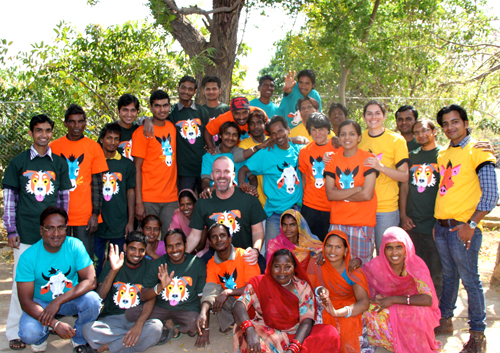
With the largest employee group ever to visit Animal Aid, we were thrilled to welcome the staff of The Lemon Tree, a luxury hotel opening soon in Udaipur, whose general manager Rahul Kargaonkar and Alwin Divarkaran have been long-time animal protectors. They’ve been feeding 11 street dogs in the construction site of the new hotel, and say they will remain welcome residents after the hotel opens. Animal Aid will sterilize all of them within the next few weeks. Thank you so much Lemon Tree People for brightening up our rainy afternoon with your incredible commitment to helping animals


Celebrate the Caregivers: Kesar!

kesar

Often moving at lightning speed, here comes Kesar Gameti, who for 5 years has given incredible care to the 30 disabled dogs who live in the shelter area–Tarzan with cerebral palsy, 2.5-legged Hero, arthritic Buddy, behaviorally challenged Annie, (said only with a half smile), “otherly-abled” Horse (one heck of a distemper survivor) and a luscious batch of others, each with his or her own reason for needing to live in Animal Aid.

Kesar is as dear to each as they are to her. She bathes them, feeds, cleans, combs, and encircles each one with the most beautiful loving care. There are many souls in Animal Aid whose happiness is owed to Kesar (and many of them are human, too!)


South Korea: Korean Dogs – August Newsletter.

korean dogs header

South Kores

Korean Dogs – August Newsletter

Click here to read the newsletter – https://koreandogs.org/newsletter-august-16-2019/?utm_source=sendinblue&utm_campaign=Shut_Down_Illegal_-Meat_Dog-_Auction_House_in_Gimpo!__Our_interview_with_a_Belgian_news_magazine&utm_medium=email


Call for Action: Shut down the illegal “Meat Dog” auction house in Gimpo!

Shut down this awful dog auction site, where bidders bid for dogs such as jindos (one of the Korea’s national treasures), golden retrievers, labradors etc., while their cage mates watch on in horror as the humans try to out bid each other for their meat. This is an example of how horrific humans can be to our best friends. Let’s take action now to close this auction for good!


Click here for actions:

https://koreandogs.org/gimpo-dog-auction-house/?utm_source=sendinblue&utm_campaign=Shut_Down_Illegal_-Meat_Dog-_Auction_House_in_Gimpo!__Our_interview_with_a_Belgian_news_magazine&utm_medium=email


URGENT! Tongyeong, South Korea:
Punish the dog butcher bludgeoning dogs to death!

Dog butcher in Tongyeong, South Korea is daily bludgeoning dogs to death in front of other terrified dogs and the local government authority is doing nothing about it. This video is not a replay of same clip over and over. Each of these were recorded at different times. This psychopath criminal has 40 to 50 dogs in his farm and the dogs are killed in this horrific way. This is a violation of the Animal Protection Act. We want the city of Tongyeong to punish this criminal and shut down the hellhole dog farm/slaughterhouse immediately. Please sign and share!

Click HERE for our campaign page.


Sign the petition at:

https://www.change.org/p/tongyeong-mayor-kang-seok-ju-tongyeong-south-korea-punish-the-dog-butcher-bludgeoning-dogs-to-death?utm_source=sendinblue&utm_campaign=Shut_Down_Illegal_-Meat_Dog-_Auction_House_in_Gimpo!__Our_interview_with_a_Belgian_news_magazine&utm_medium=emai


The chicken: the most popular victim in the world


flagge.jdeutschlandpg

From an interesting article of the German newspaper “taz”:

“Since April of this year, the “Climate Cabinet” of the Federal Government has been struggling to find sustainable solutions for transport and agriculture. German society is debating meat abstinence, and consumption of beef and pork is slowly declining. Only the chicken has none of it.

huehner3

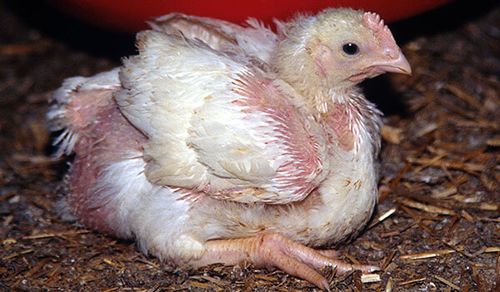
622 million broiler chickens landed in slaughterhouses in 2018, 23 million more than in the previous year. 81 percent of all slaughtered animals in Germany are broiler chickens. Chicken breast fillet, 300 grams for 4 euros. Never before has so much poultry been consumed as it is today. Not only in Germany, but worldwide.

The chicken has become a mass product. The super-bred chicken that grows faster and delivers more meat and eggs than ever before.

A change, an increase in efficiency, which has not only affected the chicken, but the entire agriculture. Fewer and fewer farms are cultivating more and more land and fattening more and more animals. The chicken is the most greasy commercial face of this evolution. A development that makes machines out of animals and forces farmers into a system from which there is hardly any exit.

hochgezüchtetes Masthuhn_

“The Ross 308 is recognized worldwide as a broiler that delivers consistent performance. Producers appreciate the growth rate, feed efficiency and robust performance of the Ross 308. “

This is how it is in the product description of the animal.

Us Flagge napv
Read on the website of the American company Aviagen, one of the largest broiler breeders in the world. There is also a manual for the Ross 308, called “Broiler Manual.” In addition to tips on temperature control in the house and the recommended amount of feed and the performance of the animals is recorded. Four kilos in 40 days!

In about 40 days, a Ross 308 chicken eats around four kilos of grain and grows two to three kilos. As much and fast as no other farm animal. Pigs have to eat three kilos to put up a kilo of meat, cows, depending on their weight and age between eight and ten kilograms.

“The Ross 308 is the world’s most popular broiler.” This is what the Aviagen Broiler Handbook says.

The American company belongs to the German Erich Wesjohann Group, EW Group for short, a network of 28 German and 81 foreign companies.
The group is the world market leader in chicken genetics.

The EW Group’s product range includes chickens, which have been classified according to their predisposition and nature:
In laying hens and broilers, females and males bred for weight gain. Animals from the laboratory, hybrid chickens, bred from different breeds of chicken.
Most of them give birth to 377 eggs in 85 weeks.

Huehnermast-huhn

“A chicken, particularly suitable for organic farming, the Ross 308: for an exceptional meat yield”!!!

The brother of “Wiesenhof”

The head behind these high performance animals is Erich Wesjohann.
He is the brother of Paul-Heinz Wesjohann, better known as the heir and owner of the poultry brand Wiesenhof, the largest manufacturer of poultry meat in Germany. Chicken is in the family.!!!

(In 2011, PETA II undercover had taken pictures of a Wiesenhof chicken fattening farm. It was about a scandal. https://www.peta.de/wiesenhof201)

The company center of the EW Group is located in Lower Saxony, Germany.
Here, in a white castle that serves as the company headquarters, Erich Wesjohann rules over the genotype of the chicken. Wesjohann’s chickens are shipped to more than 160 countries. To Kazakhstan, Argentina and France. The success of this expansion lies in the chicken itself, in its genetics.

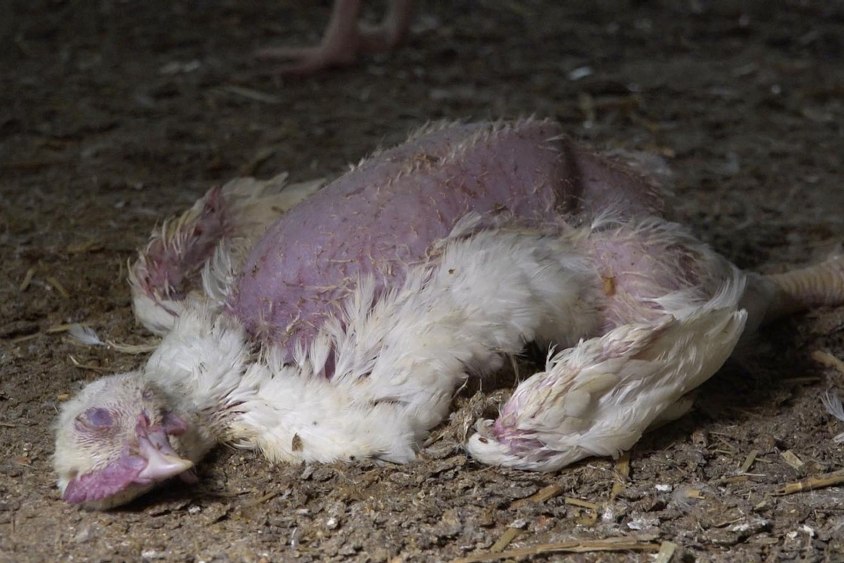
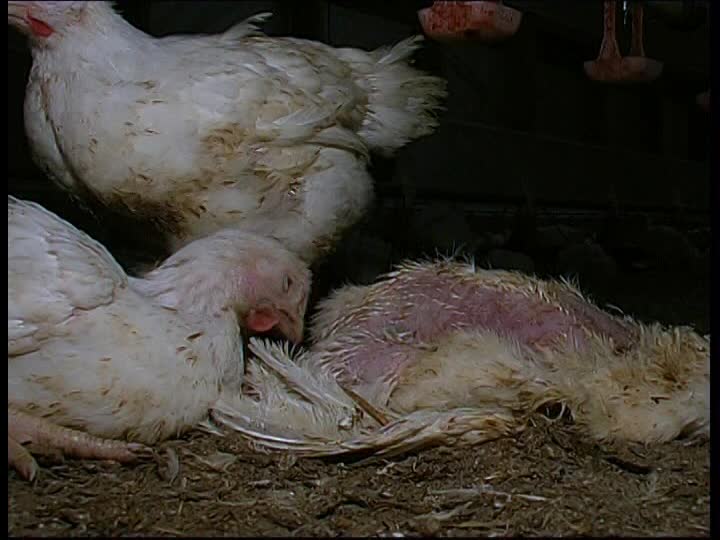
Through breeding, the EW Group has succeeded in turning the chicken from a tender little bird into a chunk of meat.
In a machine whose body weighs about three kilos more than in 1957, and almost twice as many eggs laid as in the 1960s, today about 300 pieces per year.

954403362-free-run-force-feeding-of-chickens-chicken-factory-deutschlandjpg

The time of slaughter determines the demand of the customers. If a discounter plans a barbecue with cheap chicken fillet, then the slaughterhouse trucks will arrive on day 35 and not on day 40, at the usual time of slaughter.

Mass is worth it. Not only for chickens, but also for barley or corn. This is mainly due to the agricultural policy of the EU. In Europe, farmers receive subsidies based on the area cultivated. If you have a lot, you get a lot of money. Money that can be used to buy new land again. So the big farms are getting bigger, and small farms are disappearing.

Since the mid-1990s, the number of fattening farms in Germany has shrunk by half. The number of workers fell by one third. This is shown by data in the current agricultural atlas of the Heinrich Böll Foundation.

https://taz.de/Massenprodukt-Huhn/!5610775


massen tierhaltung hühnerpg

My comment: What we see in the photo is what’s be eaten all around the world.

The offer responds to demand; The buyer is responsible. Every animal killed is a murder that we order!
And companies like Wiesenhof or Aviagen are the ones who commit this murder. The argument that torment breeding is the result of the demand for cheap meat is wrong and hypocritical!

The price has nothing to do with the conditions of keeping or the conditions of production of meat or other animal products.

Foie gras e.g. is (allegedly) a delicacy, is offered at maximum prices. The “production” is hard to beat every disgusting animal cruelty.

Just like the caviar. The sturgeons are slashed alive, the eggs removed, the animal thrown away.

Lobster is often thrown alive in boiling water (in Germany even the prescribed killing species).

Just because something is expensive does not mean that the animal has not to suffer.
Likewise, no one can guarantee that expensive chickens on the shelf had a nice life in the stable!
Whether it’s a conventional or a “Ross 308” chicken, in the end, all animals die a cruel death.

It is high time to finish the murderous work of the chicken barons and butchers.

My best regards to all, Venus


Hunting is murder


island


Puffins are among the most popular birds worldwide.

papageientaucher_fluegel

Unfortunately not only with animal friends, but also with hunters. Iceland is home to the largest stock of this species of alken – and mercilessly releases the endangered migratory birds.

Images of the puffin hunt are currently making the rounds, posted on the Facebook page Ban Trophy Hunting. It is all about British foreign fighters who go in the far north on the bird stalk.

But also German hunters seem to enjoy the hunt for the colorful birds: So you can book for example at “Malepartus Hunting Travel” for 1040 € a trip to Iceland – per shot puffin you pay 20 € “shooting fee”!
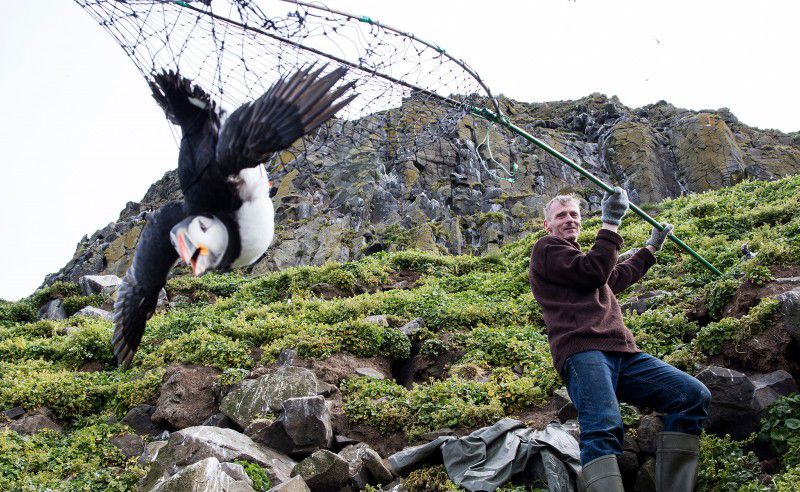
papageientaucher-hunt

The hunting for razorbills, fulmars and seals is also offered here to the German speaking public, quite legally! If you reject this form of tourism, the company Malepartus writes your opinion! Here is the link to Iceland Hunt: https://www.malepartus-jagdreisen.com/island.html

island jagd papageientaucher

The picture shows the screenshot of an Icelandic hunting agency, which advertises big “routes” in the puffin hunt.

Source: Committee against the bird murder e.V.


My comment: Yesterday I looked at this website and I’m really horrified. And angry! https://www.huntingiceland.com/

Mentally ill murderers proudly pose in front of the murdered victims, and with these pictures, this club advertises travel to different regions of the world.

How primitive and murderous can human nature be!

Instead of evolving and rising to a higher spiritual level, the screw of intellectual and moral development is falling at breakneck speed.
Hunt only satisfies psychopaths.
The fact that there are still “hunters and trophy collectors” is a sign that we are developing faster and faster in the Stone Age than it has lasted to evolve into modern times.
The worst thing is that this animalistic drive is infiltrating more and more industrialists, politicians, celebrities, etc., who feel they are elite.

Hunting is and remains murder, hunters are mentally ill murderers!

Please sign the Petition: https://www.onegreenplanet.org/animalsandnature/petition-stop-organized-puffin-hunting-iceland/

My best regards to all, Venus