Month: September 2019

Japan: Taiji Dolphin Hunt Is Underway – A Message from Ric; Director of Dolphin Project.

Japan


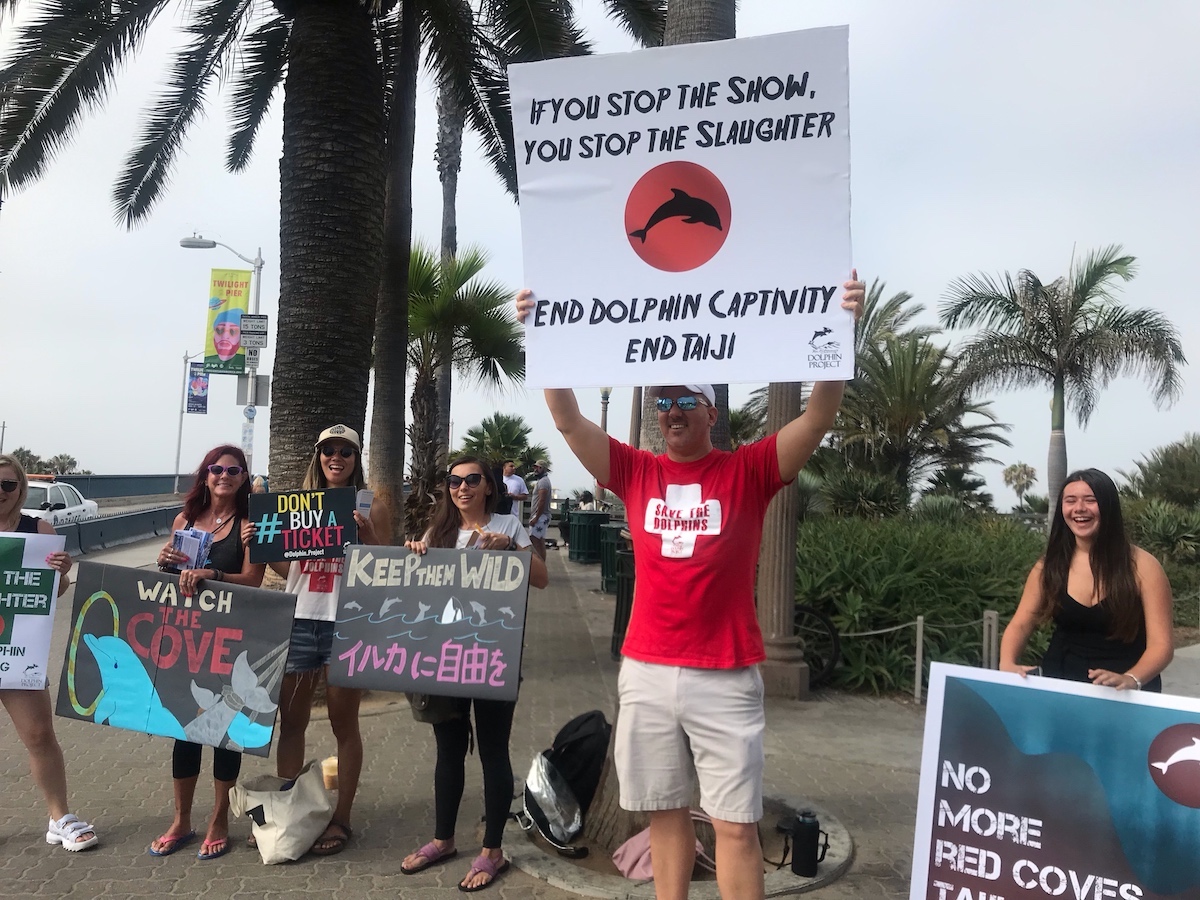
On September 1, individuals across the world took to the streets and stood up on behalf of dolphins. While you held up signs, and helped educate why dolphins should be celebrated, the dolphin hunters of Taiji, Japan readied their boats in preparation for the annual drive hunts. Less than two weeks in, it’s already been a brutal season.

Dolphin Project Returns to the Cove

Sixteen years ago when I first stood on the shores of the Cove, observing in horror as dolphins were selected for “life” in captivity and slaughtered for their meat, we didn’t have the benefit of social media to shed an international spotlight on these atrocities. We do, now – and this truly is the heart and soul of Dolphin Project’s campaign in Taiji. By live streaming and documenting the brutal dolphin hunts, Japan can no longer hide their crimes against dolphins and nature.

Worldwide protests

Thanks to your activism and sharing our images and live streams, much progress has been made. Japanese activists have come back to Taiji, stepping up their fight from within. In many parts of the world, the captivity of dolphins and other whales has been banned. Breeding bans have been enacted. Major tour operators have stopped selling tickets to attractions that keep dolphins in captivity. The tide is definitely changing.

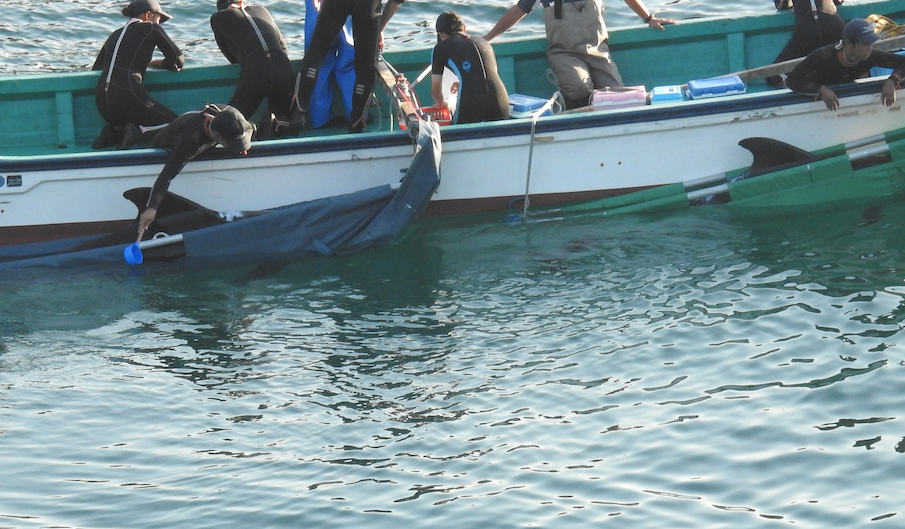
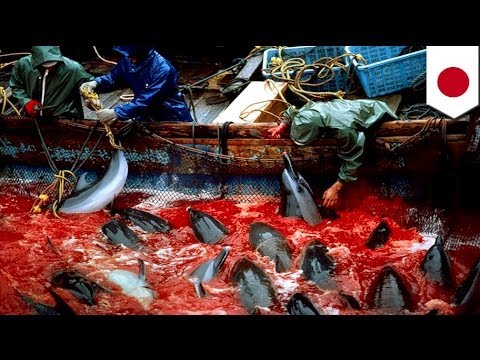
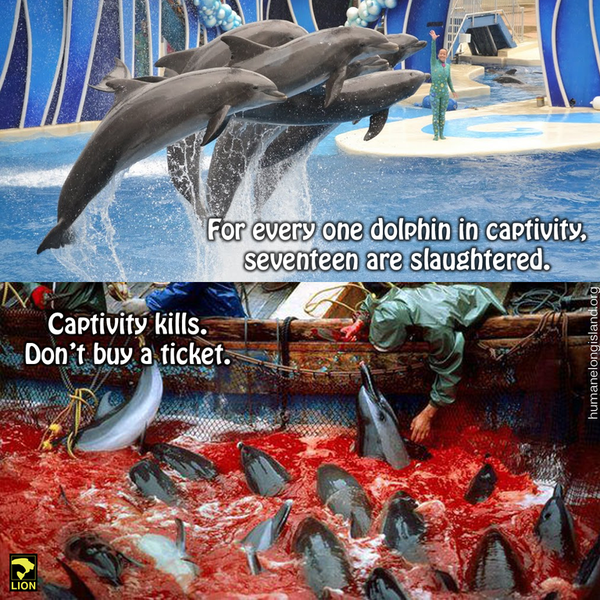
Above – Dolphins selected to become circus performers will never lead a normal life again, now totally dependent on their human captors for food, Taiji, Japan.

Credit: DolphinProject.com

With the Taiji annual dolphin hunt now underway, more than ever, I’m asking for your help. As the only organization consistently on the ground in Taiji, we are determined to keep shining a light on what happens there. It’s imperative we live stream and keep documenting, but we can’t do this without your generous support.

Our field team will be vigilantly documenting the hunts all season, because it is our duty to do so. Together, we must do all we can to end this war against dolphins.

PLEASE SUPPORT DOLPHIN PROJECT’S COVE MONITOR CAMPAIGN IN TAIJI TODAY!

Let’s protect dolphins together,
Ric O’Barry,

Founder/Director of Dolphin Project


For access to clothing, blog, and to donate to support, please go to:

https://www.dolphinproject.com/product-category/taiji/?link_id=2&can_id=d65114dba44065e803a3c5cb7210e08d&source=email-dolphin-project-returns-to-the-cove-5&email_referrer=email_617061&email_subject=dolphin-project-returns-to-the-cove 

————————————————

WAV Archive photos and videos:

taiji 2 15

Taiji 4

taiji 7

taiji 6.png

Taiji March 4.png

taiji 5


dolphins free.jpg


Aquarium: End these animal abuse all over


flag-china-


Chimelong Ocean Kingdom, China is considered the largest aquarium in the world and opened in 2014.
This huge factory also includes a full theme park with rollercoasters and co and a walk-in underwater observation dome.
The aquarium should have cost the equivalent of about 2.4 billion euros.
Nine Russian orcas were first introduced at Chimelong Ocean Kingdom Park in 2017, and at least two more entertainment venues will open in the next few years, the park said.

On July 10, 2017, six dolphins, one male and five female, were transferred from Japan to Qinhuangdao Lertao Ocean Kingdom.

delphine für chinesischen Park

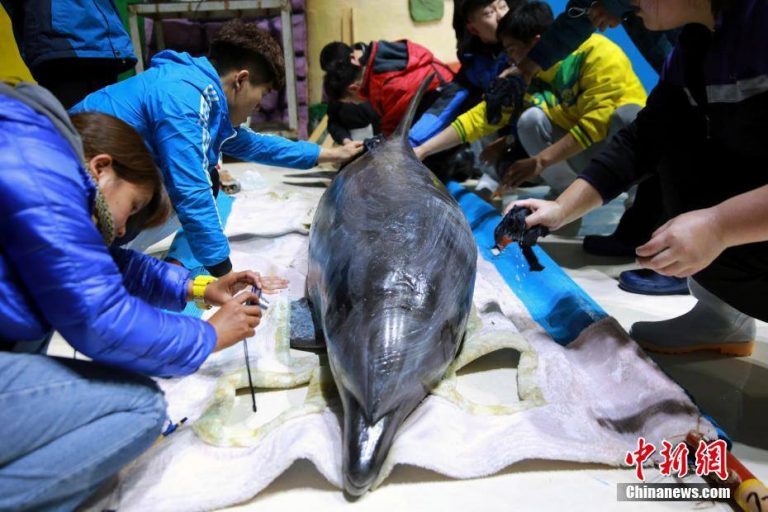
This dolphin female lies on a dry cloth, his eyes exposed to the bright, artificial light. She had just been flown from Japan to China when the picture was taken, and she looks exhausted and miserable.
Brain sick people are gathered around her, taking pictures and touching her backs. These poor wild dolphins are dragged out of the water in Japan, taken to an airplane, hung there simply, with no water at terrible noise and stuffy, and those who survive it then end up in a Chinese “seaworld” for the amusement of the Chinese.


russian-flag-

In the small Russian port of Nakhodka, more than 100 whales were found in November 2018, caged in small cages. The whales had been caught for illegal sale to China. Now their suffering is over because they were released after a worldwide protest in June 2019.
The animals were reportedly accompanied on their six-day journey by 70 specialists. The whales should be exposed where they were caught.

wale-Russland

Incidentally, the second largest aquarium in the world is in Portugal.

portugal jpg

Oceanario de Lisboa, Lisbon, Portugal was created as part of Expo98.
João Falcato, CEO of Oceanário de Lisboa, says: “We are honored that our visitors continue to value our work and mission to protect the oceans. Thanks to our large and dedicated team we can offer you a unique and unforgettable experience. Twenty years after the inauguration, it is a source of pride and motivation to continue to promote the sea, if you consider it the best aquarium in the world. “
By the way, the operators call it “for the protection of the oceans”

One of the largest aquariums in Europe is in Spain

-spanish-flagjpg

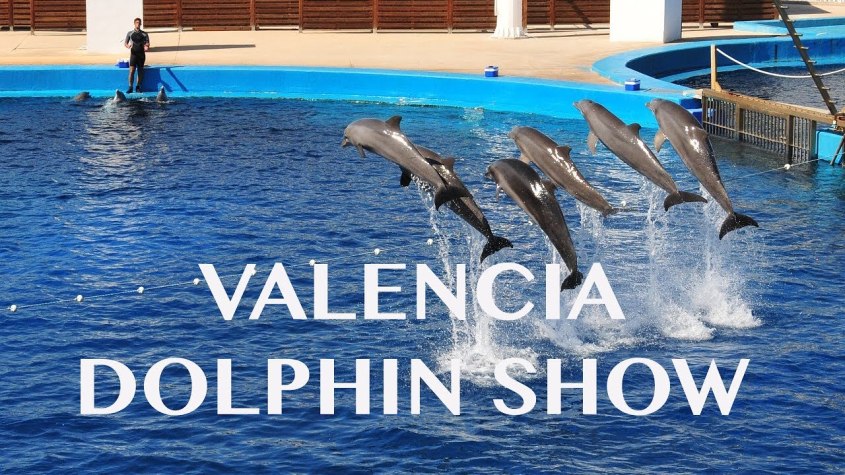
Oceanografic, Valencia in Spain is considered the largest aquarium in Europe. It was opened in 2003 and on 110,000 square meters are about 45,000 animals.
Among them about thirty dolphins and also sea lions, penguins and other marine life are shown there for amusement.

valencia dolphin show

The big aquarium in Italy

Italy flag

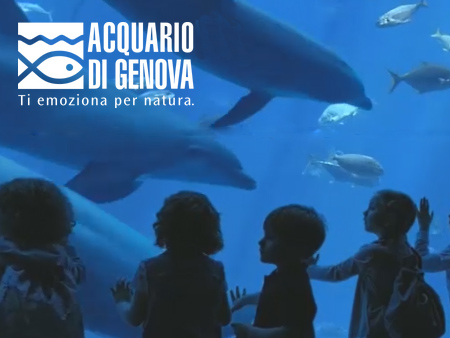
Acquario di Genova, Genoa, Italy, where dolphins, seals sharks and turtles live.
It was opened in 1992 on the occasion of the celebrations for the 500th Anniversary of America and expanded several times. There are 15,000 animals in 71 pools and dolphins are also used for entertainment.

genova-aquario3

In Canada, a law has been passed and dolphins and whales may no longer be captured to be mistreated for the enjoyment of visitors. Those who do not comply will be fined up to $ 150,000. We have already reported: https://serbiananimalsvoice.com/2019/06/14/canada-stopps-the-captivity-of-whales-and-dolphins/

Britain has no captive whales. While there is no absolute prohibition on keeping whales in captivity, the rules for their attitude are so strict that no aquarium will ever try to import and display whales.

India, Switzerland, France, Barcelona and Croatia have similar bans, in with India even recognizing whales as “nonhuman persons”.

https://netzfrauen.org/2019/06/25/dolphins/


My comment: It may not be known to many that the largest animal parks that still harbor whales are in Europe.
Why are there laws in Europe that are supposed to protect animals?

Nowhere else is the profit with animals made so much as in the entertainment industry!

Obviously, Europe is not only the largest meat producer in terms of factory farming, but with huge animal parks, whales and dolphins make a huge profit in Europe.

A shame for a continent that wants to assert itself progressively in education, enlightenment and animal welfare !!
And that is being financed with taxpayers’ money.

But after the worldwide and strong protests, even the biggest aquarium industrialists get into trouble.
We stay active and alert!

My best regards to all, Venus

1.5 million votes for “end the cage age”: what’s next?


eu-flagge-zerrissen-pg


Surely most of you have signed the petition “End the Cage Age”.
For non-EU citizens and readers: This European Citizens’ Initiative aims to end the use of cages in EU agriculture by calling on the European Commission to consider new legislation in this area.

schweine kasten mit ferkel-PETA-D

With 1 million signatures alone, the European Commission would be asked to propose legislation prohibiting the use of:

• Cages for laying hens, rabbits, pullets, chickens for fattening, laying hens, quails, ducks and geese;
• farrowing crates for sows;
• Sections, if not already prohibited;
• Individual calf pens, if not already prohibited.

hühner Batterie Annie Mc n

The petition ended with a great result: instead of the one million needed, over 1.5 million people signed the European Citizens’ Initiative against livestock caging. Now the European Commission has to deal with that: what’s next?

The collected signatures are checked first. Subsequently, the citizens’ initiative will be submitted to the European Commission. The Commission must then deal with the demands to abolish cages.

In addition, the initiators of the petition will be invited to a public hearing in the European Parliament.

This does not mean, however, that the caging ban automatically comes. Although the European Citizens’ Initiative fulfills all the criteria, the European Commission has the choice: it can accept the proposals of the initiative, change them or do nothing.

The last seems to me the most likely.
Not because I am a pessimistic person or because I have seen so much bad in my long-standing fight for the rights of animals and expect nothing positive.
But, from experience.

Because the 8hours campaign of 2013, with the requirement of 1.2 million people to limit animal transports to 8 hours, never came true. The animal transports became even worse, the controls weaker, the times longer, the victims more.
Instead of realistic improvements by the EU Commission for more humane animal transports, we got animated films with instructions on how have to be transported the animals. And blood still flows from the trucks to the streets and the ships.

Tiertransport

Irresponsible, unethical, unprofessional has the EU Commission reacted.

On September 12, 2019, we read on the official website of Eurogroups for Animals:
“With the largest European petition ever for farm animal welfare ending at 23:59 last night, today is one of the most significant days for farm animals….

…With more than 1.5 million signatures so far, End the Cage Age’s success should be more than enough to persuade the European Commission to start the legislative procedure to end the use of cages for farm animals across the continent.

…“Today we have crossed the finish line in the biggest political push in farm animal welfare history. But the fight to get animals out of cages isn’t over yet,” says Reineke Hameleers. “Now it’s time for the Commission to make the changes that the citizens demand and bring us closer to the day when cages are relegated to the history books.” (https://www.eurogroupforanimals.org/more-than-a-million-people-want-to-see-the-end-of-cages-for-farmed-animals)

huhn massentierhaltung

Eurogroup and all those who render their services to the European Community for high salaries, all these must now mobilize theirselves strategically and actively so that the 1.5 million will not become bankrupt again, as they did then.

Now diplomacy, media work and commitment is announced.

If they really want to experience the day, like other 1.5 million citizens too, that “the cages are banned to the history books”, they must do everything so that the commission decides against the cages. Without compromise and consideration.
They are the ones who work closely and confidently with the commissioners, and that is why they know best that their bosses are the strongest agrarian lobyists, who not only allow painful mass animal husbandry, but demand and protect it by law.

Therefore, the question arises, what will they do if the European Commission does nothing?
In that case, we would demand of them that they give up their jobs, they leave that mendacious institution and, like us, fight on the streets for the abolition of the cages.
This is an effective and honest job.

My best regards to all, Venus

NZ: “Motherhood Led Me to Quit Dairy Farming”. But What if You Had Not Become A Mother ?

NZ


From Stacey – https://our-compass.org/2019/09/16/motherhood-led-me-to-quit-dairy-farming-forever/ 


WAV Comment – I personally am finding it difficult to accept some of what is being said by the ex dairy farmer here in relation to her change – “Mothers who gave birth during snow or storms had their babies taken immediately and didn’t even get to clean them first”. “It is not uncommon for day-old babies to have the tube incorrectly forced into their lungs and drown in colostrum within a minute or so, with colostrum pouring back out their noses. When this happens, there are many more fearful and crying babies lined up behind these, so the dead baby is thrown onto a pile of other dead ones as you don’t have time to do anything else but keep working on automatic pilot”.

So it was only when you personally had your first child you related to the mother cow having hers taken away within 24 hours ? – and what I ask, if you had gone on to not have any kids ? – would you still be a dairy farmer finding it acceptable that baby calves are torn away from their mothers almost immediately by your industry ? – am finding it really hard to accept what the ‘animal activist’ goes on about – with the tears and all that. For me, any real activist would surely have been aware (in advance) of the real horrors of the dairy industry beforehand and completely refused to get involved with it. I find it most sad that we have to wait for the birth of a human baby for this ‘activist’ to find out what the dairy industry is about. And most importantly; where would she be now if she had never become a mother ? – PS: what is husband partner doing now ? – still working at this facility stealing baby calves away from their mothers; or has he changed track also ? – we are not told in the video – I do respect her for her change of policy after the birth of her baby; but find it hard to accept that she was not educated enough at the start to know about what this industry is about; male calves being taken away within hours of birth; or shot in the head at birth when people like her partner find out that the cow has given birth to a male. Mark.


The following is Jess Strathdee’s first person account of her years spent working on a dairy farm, and what motivated her to finally leave the industry forever. 

In February 2013, my partner and I moved to live and work on a West Canterbury, New Zealand dairy farm with a 600 head herd. My partner was the second in command on the farm, and I was employed as a relief milker and calf-rearer while starting my studies with Massey University via correspondence.

When I first started milking that year, it was getting to the last months of the season, before the cows were dried off for the winter. They didn’t have a great volume of milk at that time, and the milking would generally only take an easy 2.5 to 3 hours. I remember feeling a sense of pride, solidarity and sisterhood with the cows, honoured that I was privileged to handle such a private area and process of their bodies. Except, of course, on dairy farms nothing about an animal’s body or reproductive process is respected as private or belonging to them.

…the dead baby is thrown onto a pile of other dead ones as you don’t have time to do anything else but keep working on automatic pilot.

Oh God, what I numbed myself to.


The Babies

Then calving started. I knew, logically, that cows need babies to produce milk, but I’d never really thought about the fact that those babies are almost immediately taken away from their mothers. On my first morning, I stood in the freezing pens with tiny babies who looked absolutely shattered; still wet with afterbirth, bloody umbilical cords dangling. Mothers who gave birth during snow or storms had their babies taken immediately and didn’t even get to clean them first.

The tiniest babies are tube fed, which involves a tube being shoved down their throats and into their tiny stomachs, and a litre of colostrum poured in. This is traumatizing to watch, and I can’t even imagine how it must feel. Their poor, tiny, soft mouths and throats that should just be suckling small amounts from their mothers while their systems are learning to work, must be so sore from the tubing.

It is not uncommon for day-old babies to have the tube incorrectly forced into their lungs and drown in colostrum within a minute or so, with colostrum pouring back out their noses. When this happens, there are many more fearful and crying babies lined up behind these, so the dead baby is thrown onto a pile of other dead ones as you don’t have time to do anything else but keep working on automatic pilot.

Oh God, what I numbed myself to…

Please read the rest HERE

Order a FREE vegan kit: http://www.peta.org/living/food/free-vegan-starter-kit/

Take PETA’s Cruelty-Free Shopping Guide along with you next time you head to the store! The handy guide will help you find humane products at a glance. Order a FREE copy HERE

Searching for Cruelty-Free Cosmetics, Personal-Care Products, Vegan Products, or more?
Click HERE to search.

Click HERE to find out How to Wear Vegan!

Want to do more than go vegan? Help others to do so! Click below for nominal, or no, fees to vegan literature that you can use to convince others that veganism is the only compassionate route to being an animal friend:

PETA: https://www.petaliterature.com/

Vegan Outreach: https://veganoutreach.org/order-form/


India: September 2019 – The Latest Rescues From the Brilliant Team At ‘Animal Aid Unlimited’.

India

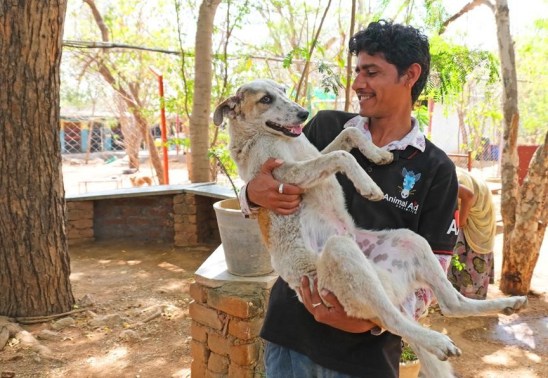
Helping animal protectors is, in many ways, as important as helping animals directly. We’re delighted that Animal Aid was chosen by by Animal People Alliance, an animal rescue organisation in Kolkata, to train 5 of their staff in an intensive month-long session covering treatment, documentation and case prioritization techniques. 

In addition to focusing on treatments, thorough health exams, handling and how to interpret animal behaviors, we taught the APA team our approach to answering tough questions on a daily basis:  Which cases are immediate priorities? Who can wait a couple of hours for treatment later in the day? Who has healed? Who needs more time?

The staff from APA were amazing learners and they will save thousands of Kolkata sweethearts in the coming years.

Mother dog helps rescuers dig for her buried puppies


This frantic mother dog’s love of her puppies has her digging with paws, biting at stones and tearing at the rubble to free her buried babies who are trapped after a house collapsed in the rain.

When Animal Aid’s rescuers arrived, they feared the puppies might not be alive, but their Mama must have been able to sense that they were still alive and she was determined to tell us so. Every minute was precious and she seemed to realize that they could suffocate at any moment. You’ll never forget this incredible portrait of a blissful rescue and a mother’s unstoppable love. For a mother, nothing is more important than the safety of her children.

To answer mothers’ pleas for help, please donate

Jaanu had an enormous wound but wagged his tail anyway!


A passing motorcycle must have caught a piece of this brave dog’s skin, so deeply that it ripped away an enormous slab almost to the bone. But Jaanu was eager to please, and seemed so grateful for help that he calmly came with his rescuers and wagged his tail throughout a month of intense wound dressings.

He was young, strong, and the wound was fresh when we reached him, so the skin around it was healthy and granulated well with moist bandaging.

To heal the helpless, please donate.

Walking skeleton dog transforms after rescue: Meet Beautiful Mary!


Weary and weaving with illness, this desperate girl was dying from mange when we rescued her. She was too weak to resist, or maybe somehow she knew she needed our help. Without us, she only had a few days of life left.  

Mange is particularly dangerous for street dogs because when they itch, they tend to keep moving, leaving their home neighbourhoods. Only in the advanced stages do they slow down. And that’s why we could find her, and save her life.

Please donate to keep our ambulances on the road, arriving in time to save a beautiful life like Mary’s.


Lena waited patiently for her rescuers with a huge laceration


Wagging her tail with what almost seemed recognition, this incredibly sweet dog lay utterly still with a bleeding slice from chest to belly after falling into a dry well. Once back in our hospital we stitched up Lena’s wound and watched her beautiful recovery.

You can tell an animal “I’ll help you” too. Please donate.


Celebrate the Staff: Lalit!

lalit

For the millions of people who have watched and loved Animal Aid’s rescue videos, they might stop to wonder who’s behind the camera during the animal treatment scenes, or who’s capturing the joy in the happy endings segments.

Meet Lalit Kumar, who has served as our in-house videographer for the past 3 years. Lalit focuses on the face and eyes of the animal, often crouching down to be at animal-eye level; he works cheerfully in mud and baking sun; he has to be subtle and call no extra attention to himself, especially while filming in areas where there are many curious noses ready to poke in and investigate.

Lalit’s great camera work is one big reason why Animal Aid is one of the most viewed animal channels in the world, inspiring people everywhere to treat animals better, and to help them when they’re sick

Cambodia: the “timber gangsters”


dcambodia-flag-watercolor


(from the blog of netzfrauen.org)
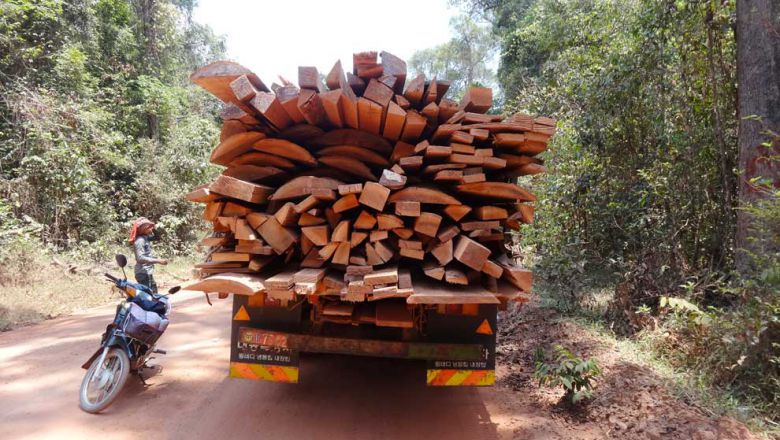
Kambodscha WaldkriminalitätjpgA truck containing rosewood suspected to have been logged illegally in Kampong Thom province sits on the side of the road near an economic land concession belonging to Try Pheap in 2013. PHOTO SUPPLIED


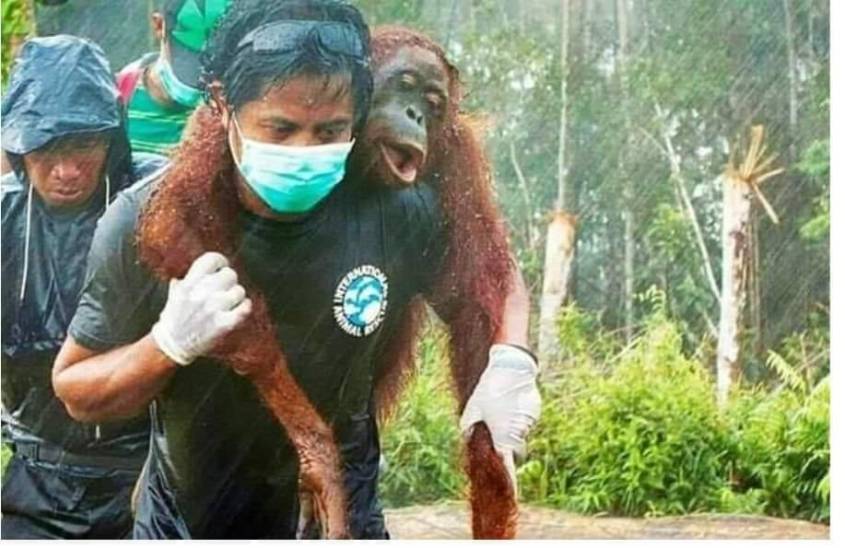
The destruction of nature has taken on a gigantic dimension. If humans had a planet twice the size, they would probably spread further. But they only have this planet. It’s like a screw that you put on more and more: at some point it’s crazy. Plant trees against climate change, it is said, but on the other hand, real raids are taking place against forests.
The Amazon rainforest is on fire and new research shows that in just a decade, large corporations like General Mills, IKEA, Johnson & Johnson, Kellogg, L’Oréal, Mars, Nestlé, PepsiCo, Procter & Gamble and Unilever have 50 million acres of forest destroyed.

In Congo, too, the biggest threat to the rainforest is industrial clearing and the shift to large-scale agriculture, and here as well: massive deforestation for palm oil, rubber and sugar production. They are also called the wood magnates who do not stop at protected areas.
It is a rampant illegal trade in which only a few benefit, while at the same time a raid against humans and nature takes place and many animal and plant species are extinguished.
rettung eines Affenjpg

Many countries and companies are committed to reducing deforestation by 2020 or avoiding deforestation altogether.
Unfortunately, it was only a promise, as recent research shows.
Companies that are globally recognized as polluters, such as General Mills, IKEA, Johnson & Johnson, Kellogg, L’Oréal, Mars, Nestlé, PepsiCo, Procter & Gamble and Unilever, have committed themselves in 2010 over the next decade the deforestation to end.
Now it turns out they destroyed 50 million hectares of forest in just a decade to raise cattle, palm oil, pulp and paper and soybeans.

Wald-55.Tabelle png

We have already reported on the deforestation of Solomon Islands.
The Solomon Islands have a fascinating and varied landscape with rainforests, waterfalls, lagoons, coral reefs and active volcanoes. But that could soon be over, because to quench China’s hunger for wood, the precious forests of the Solomon Islands are felled.

Corals, colorful fish, long sandy beaches, lonely islands – that’s how many people know the Solomon Islands, but the South Seas paradise is in danger and doomed to sinking.

OLYMPUS DIGITAL CAMERA

The small group of islands in the Pacific is after Papua New Guinea (PNG) China’s second largest source of tropical timber.
Together, the Solomon Islands and PNG deliver a staggering 50% of tropical timber imports in China. The rain forests are ruthlessly cut down because of the valuable woods, without paying attention to nature and environmental protection or to the delicate ecological balance of the rainforests. They quench the hunger for wood of the Chinese.

SlomonDrone picking wood collection in a harbor in Solomon Islands. Picture © Alessio Bariviera 2018.

Palm oil plantations instead of rainforest: After the corporations destroyed the rainforests of Sumatra and Borneo, the palm oil industry is now pushing to new regions like Papua.
The rainforests of Papua are ruthlessly cut down because of the valuable woods, without paying attention to nature and environmental protection or to the delicate ecological balance of the rainforest.

Entwaldung-77On the map of globalforestwatch.org you can see where deforestation is taking place in Asia.


In the 2000s, the Cambodian government began leasing millions of acres of land – called concessions – to private companies, some of which are located in protected forests.
According to a series of reports by the international non-governmental organization Environmental Investigation Agency, between 2016 and 2018 nearly half a million cubic meters of wood were smuggled from Cambodia to Vietnam.

“Perhaps 10 years ago there were jungles and lots of forest and many wildlife such as elephants, tigers, rabbits …” says Auch Leng, an environmental activist who fights against the gigantic wood tycoons to stop deforestation.
“Private companies have come to destroy the forest here, and other sanctuaries, such as Boeung Per in the north, are rapidly approaching the same fate. I saw 23 wooden transporters from the Phnom Prich area. “

Another Cambodian forest activist, Chut Wutty, was killed in 2012 when he revealed the machinations of a lumberjack company. Since then, several other forest patrols have been killed, including three who were shot dead on the Vietnamese border last year. Leng also received numerous death threats.

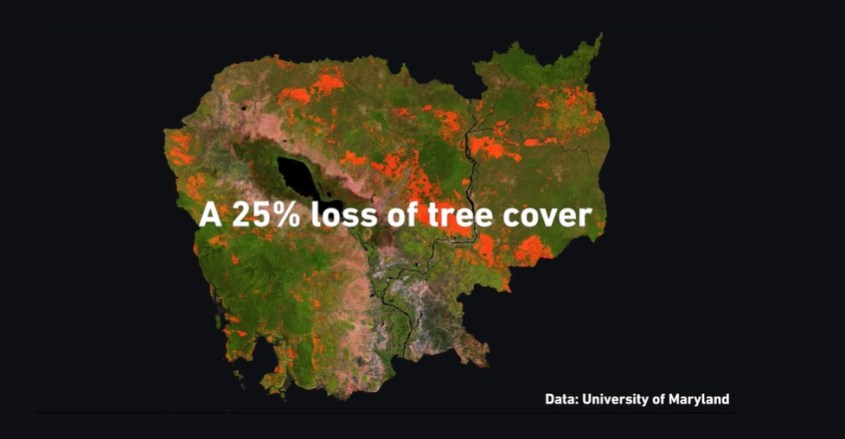
According to data from Global Forest Watch, Cambodia lost 2.17 million hectares of tree cover from 2001 to 2018, a decrease of 25%.
Entwaldung-6

“Sometimes I cry. I’m disappointed because I can not protect the forest, “says Leng on a mission to defeat Cambodia’s wood magnate and expose a rampant illegal cross-border trade. “I see the destruction is so great, but nobody helps protect it.”
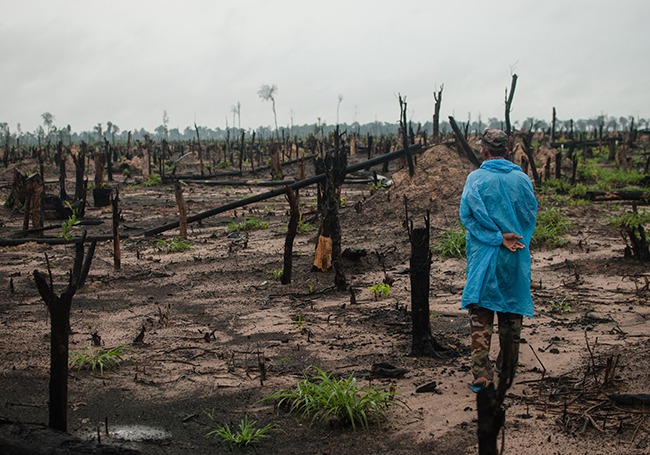
Kambodscha. wüstenwaldjpg“They burned it until only a few stumps were left.” Picture credits: Sebastian Strangio


Try Pheap is one of several Cambodian business magnates who have amassed tremendous wealth during Prime Minister Hun Sen’s regime.

Already in 2016, the American business magazine “Forbes” reported on Cambodia’s rulers. Over the past decade, Try Pheap, in its early fifties, has made a name for itself in this 15 million nation. An employee of Prime Minister Hun Sen, who has ruled the country since 1985, is deeply “connected” with him. In addition to agricultural plantations, Try Pheap has a large and growing interest in real estate, including three casinos, two dry harbors for local and international shipping and two special economic zones in border areas. He founded the petrol dealer “PAPA” and is building a $ 300 million port in Kampot province on the south coast of the country.

Try pheapTry Pheap


The EU has been an important development partner of Cambodia since the early 1990s. The EU support is intended to support the policy of the Royal Government of Cambodia, which is reflected in the government’s medium-term development plans, the EU said.
The European Union’s development assistance for Cambodia currently amounts to 410 million euro for bilateral cooperation 2014-2020 and 21 million euro for the thematic budget lines 2014-2017 (approximately 457.3 and 23.4 million USD, respectively).
With this funding, the EU can focus its support on priority sectors in Cambodia that have a significant impact on the country’s development.
Who the EU actually supports: the tycoons of Cambodia!

Lost world of Cambodia

In Cambodia, approximately 14.5 million inhabitants live on an area of 181,040 square kilometers. That corresponds to about half the area of Germany. Cambodia is not only losing valuable rainforest through illegal logging, but Singapore is digging sand out of the mangrove forests of Cambodia.
It threatens to extinguish an ecosystem, the home of many animals and plants on the Red List of endangered species, whether the Siam crocodiles, cap gibbons or even elephants.

So, like the depletion of nature in Cambodia, so the gigantic pillage takes place all over the world!

https://netzfrauen.org/2019/09/11/earth/#more-66012


My comment: “The world is not evil, it’s just full”, I had read somewhere.

Humanity is growing every day by about 200,000 heads! This is an apocalyptic number par excellence. It is the cause by which the future of man, animal and nature will lasting and permanently destroyed.

(Genesis 1: 1-2,25): God created man in his image, in the image of God he created him; and created them as husband and wife.

And God blessed them and said to them, “Be fruitful and multiply and fill the earth and conquer it and reign over the fish in the sea and over the birds under the sky and over all the beasts crawling on the earth”.
We did that.
And we have created more than this crime, we treat animals and nature as raw materials, as factory goods and our slaves, we are about to eradicate both. Of course, we can continue to breed animals as slaves, but the destruction of nature is unaffordable and soon becomes a life-threatening reality.

Therefore: be infertile and not multiply.
Reign over the manipulation and propaganda of the system and stop living on animals, exploiting animals.
That could be enough as a first measure.

My best regards to all, Venus


Early exercises who wants to become a murderer


spanische flagge mit Stier


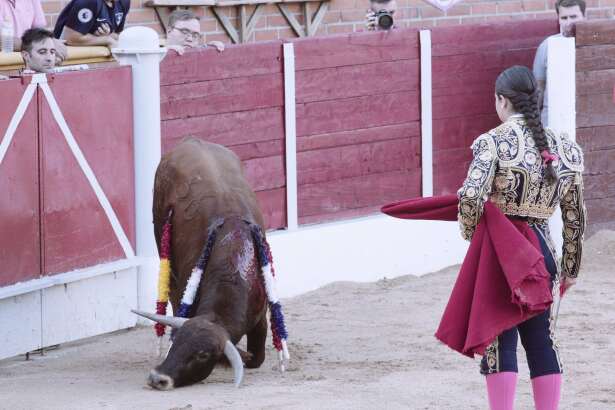
A bullfight in August in honor of the women of the city of Esquivias, Spain, resulted in cruel scenes. In a video you can see, among other things, a 15-year-old girl mercilessly stabbing a calf.

15 jährige sticht Stierjpg

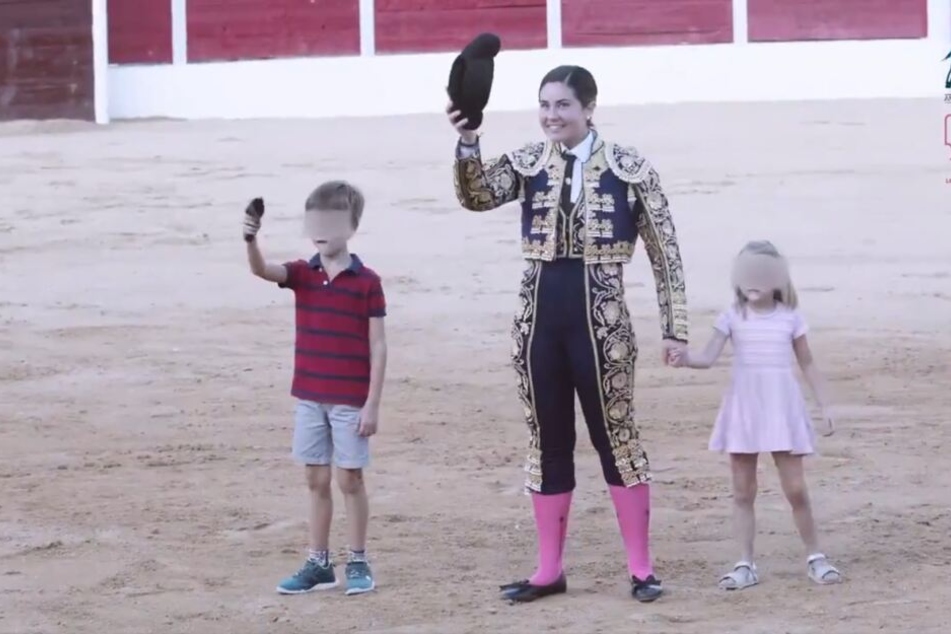
When she succeeds after many cruel attempts to kill the animal, the young calf’s ears are immediately cut off as a trophy.

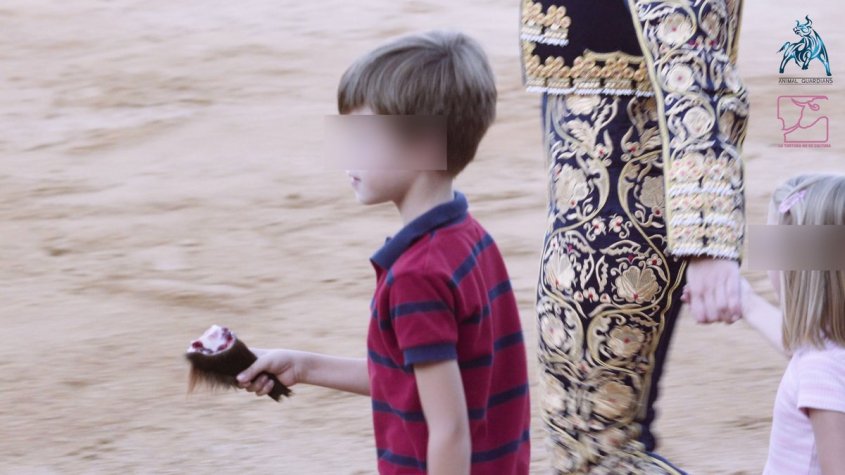
The young bullfighter girl can be seen shortly after, as she proudly laughs after her bloody fight in the crowd and holds two children by the hands. One of the children presents to the audience the ear previously cut off from the defeated calf.

abgeschnittenes Ohr vom StierpgNot the only ears that were cut off that day. Another will be presented to a woman in the audience. She looks forward to the bloody memory. The frightening video has since been removed by YouTube for its brutal content.

Stolz präsentiert sich eine Stierkämpferin dem Publikum. Ein Junge hält ein abgetrenntes Ohr in der Hand.

Spanish animal and child protectors go to the barricades

Marta Esteban of the “Animal Guardians” and the “Independent Committee for the Protection of Children” lead the way: “Would it be a kind of entertainment for boys and girls to torture dogs and cats or even sheep? Why is it in cattle? It’s obviously not, “said the activist in a report by the Animal Guardians.

Not only was the event an animal cruelty, it was also a crime on the psyche of the children who would attend and watch. “Allowing children to torture and kill animals and cause them so much suffering, especially during a public spectacle, is abnormal from the point of view of their physical and mental integrity, destroying their empathy for the suffering of others and opening the door to further violence “, the activist continues.

Carmen Ibarlucea, President of “La Tortura No Es Cultura” (torture is no culture) also commented on the perfidious bullfight that was held in honor of women.

“Tributes to women, such as bullfighting in this case, are a tradition to end”, and continued: “The exhibition of female minors who use violence against animals is not a means to promote equality, and violates the protection of children.

https://www.tag24.de/nachrichten/grausames-video-15-jaehrige-sticht-beim-stierkampf-auf-kalb-ein-1210784

My comment: If the “butcher girl” would rather have taken careful of a bit more at school and enjoyed a school system that is on a European level, then surely a good person would have become her too.

Unfortunately, Spain is a country that has and spends very little money on education. This is also noticeable at every point and also on bypass with animals.

It is known, that millions are wasted by this “tradition” of the primitives, while the schools in Spain are completely polluted and decayed. Every year, Spain holds its hand and begs like a small child from other European countries for help, so that their “culture”, the mindless, can continue to exist. Education and the future of Spanish children are not worth a penny in and for Spain.

This is also evident from the fact that traditions from the Middle Ages are perceived with enthusiasm, which only scare and disgust every other educated person.

erziehung bei Kinder Stierjpg

My best regards to all, Venus
15/9 – WAV Letter to MEPs Re Romanian Sheep and Box Trailers. Nothing From Anyone – So We Write Again !

BT1


We wrote to ‘our’ reps at the EP Parliament recently, asking what the EU is doing about live Romanian sheep being exported to the Middle East in temperatures way exceeding EU Reg 1/2005 on the protection of animals in transport, and also about the use of ‘box’ trailers to carry livestock in the EU.

lyn1

Here is the link to that article; which involves a copy of our letter as well as a report associated with the box trailer issue:

https://worldanimalsvoice.com/2019/09/06/england-wav-now-write-to-europe-regarding-romanian-sheep-and-animal-carrying-box-trailers/

At the time of writing this, 15/9; we have not even had any acknowledgement to our issues from ANY of the MEPs who are allegedly representing us. So also today, we have sent yet another e mail to them all asking for a response or acknowledgement in the very least.

Or, does this show the true face of the EU ? – people allegedly representing us in Parliament who do not even bother to contact us on issues ? – for which they are paid:

https://www.europarl.europa.eu/news/en/faq/13/salaries-and-pensions

For that money, at least you would expect an acknowledgement of your letter; if nothing else.

In our letter of today we have at least asked for the basics; if these are not even met then we will be doing another post in the near future providing you, our supporters and visitors, with updated information.

Please watch in the near future.

“The abuse of animals won’t stop until we stop eating meat”


Here is a nice article by Peter Singer.

Peter Singer,  (born July 6, 1946, Melbourne, Australia), is an ethical and political philosopher best known for his work in bioethics and his role as one of the intellectual founders of the modern animal rights movement.
He is Ira W. DeCamp Professor of Bioethics at Princeton University and Laureate Professor at the Center for Applied Philosophy and Public Ethics at the University of Melbourne.

Animal liberationn

When Animal Liberation was published, I hoped that, 40 years on, there would be no more slaughterhouses – and therefore no more newspaper stories about atrocities like the one at an abattoir in the north of England. The arguments against our oppression of animals seemed to me so clear and irrefutable that surely a powerful movement would arise, consigning these abuses to history, as the anti-slavery movement had put an end to the African slave trade.

parallele-sklaverei-tier-mensch_n

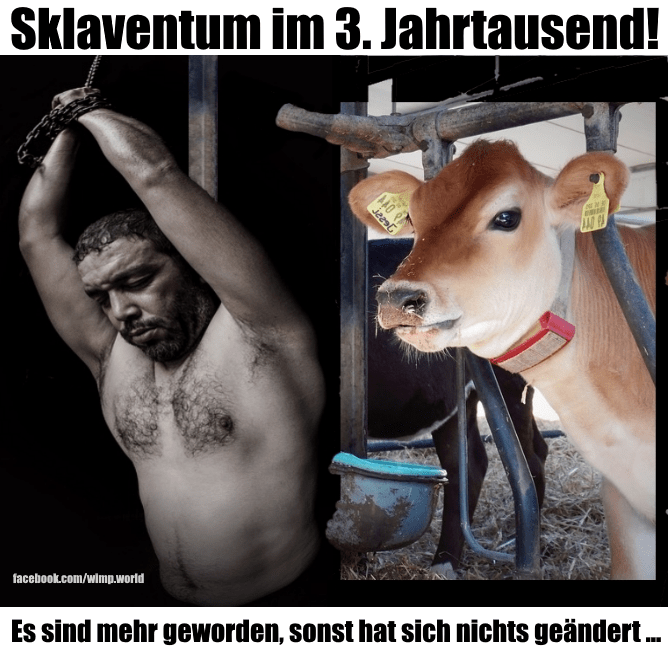
At least, that is what I thought in my more optimistic (or naive) moments. In my more pessimistic (or realistic) moments, I understood the vastness of the task of changing habits as deeply ingrained as eating meat, and transforming philosophical outlooks as fundamental as speciesism. More than 200 years after the abolition of the slave trade, racism is still with us, and even slavery, though everywhere illegal, still exists. How could I expect ending speciesism and animal slavery to be easier or more swift than ending racism and human slavery?

Sklaven sind mehr geworden, sonst hat sich nichts geändert n“slavery in the 3rd millennium: there have been more, otherwise nothing has changed-“


Against the background of those more realistic assumptions we can deplore the fact that animals are still being mistreated on a vast scale, but we should not despair. In many parts of the world, including Europe and the US, there has been tremendous progress in changing attitudes to animals. A powerful animal advocacy movement has emerged, and it has made a difference for billions of animals.

In 1971, when a few other students and I set up a display in Oxford to show passers-by how their eggs and veal were produced, people asked if we really imagined that we could win against the political and financial might of the agribusiness industry. But the animal movement has challenged that industry with success, achieving reforms across the entire European Union that require farm animals to have more space and better living conditions, and similar changes have now become law in California as well. Admittedly, these changes are still far from giving factory-farmed animals decent lives, but they are a significant improvement on what was standard practice before the reforms came into effect.

Schweinezucht-Guenthersdorf-Ferkel-Gitter

Perhaps even more satisfying is the number of people who have abandoned eating animals entirely, and the others who have cut down their meat consumption for ethical reasons. In the 1970s, to be a vegetarian was to be a crank – a thought reflected in the self-mocking name of what was then London’s best vegetarian restaurant, Cranks. If you used the term “vegan” you invariably got a blank look and had to explain what it meant.

zitat über Vegane

Despite all this, it is probably still true that there are more animals suffering at the hands of humans now than ever before. That is because there are more affluent people in the world than ever before, and satisfying their demand for meat has meant a vast expansion of factory farming, especially in China. But to see this as an indication that animal advocates have made no progress would be like saying that because there are more slaves in the world now than there were in 1800, the anti-slavery movement has made no progress. With the world’s population now more than seven times what it was in 1800, numbers do not tell the whole story.

Bilder von Chinas grausamer Pelzindustrie.

Progress is not steady. There will always be periods in which we seem to be treading water, or even going backwards. Periodically articles appear about the resurgence of fur, for example, but I doubt that fur will ever be as uncontroversially accepted as it was 40 years ago. The fact that newspapers give extensive coverage to stories about the abuse of animals being slaughtered for food (not only about abused dogs, cats or horses) is itself a sign of progress.

Meanwhile, there is a simple lesson to draw from the videos released by Animal Aid investigators: if you turn animals into things to use, and give workers complete control over them, it will never be possible to stop the occurrence of the kind of abuse allegedly shown in the videos. Sacking one or two workers merely makes a scapegoat out of them. (Think about what that word tells us about our traditional attitude to animals.)

The problem is not one or two workers, nor the practice of halal slaughter, but the system, and the system will not change until people stop buying meat.


an-animal-rights-poster-pg


https://www.theguardian.com/commentisfree/2015/feb/11/abuse-animals-meat-eating-industry-liberation-speciesism


My best regards to all, Venus

Ban on animal transports to Russia and the dark motives of politics


russian-flag-


A few days ago, the following report appeared on the website of the Animals Angels Organization, Germany, known for its excellent work against animal transports.

Great success: Lower Saxony prohibits long animal transports of cattle to Russia, Uzbekistan and Kazakhstan!

This was announced by Agriculture Minister Barbara Otte-Kinast (Christian Democratic Union, CDU) on Friday. The Minister acknowledges that the animals on these routes are not adequately cared for.

Our stakes on the route to Uzbekistan in February contributed to this decision.
Three Animals’ Angels teams followed 66 pregnant cows from Germany over 6,000 kilometers to their destination for nine days. Locally, it became clear to us: The animals can not be so supplied – and get rest breaks – as required by EU law. In addition came extreme weather. Freezing cold and frozen potions, snowdrifts and slippery roads. Animal transports on certain routes will no longer be approved in the future.

Tiertransporte-Hitze-hecheln-jpg

“I have current information on the official side, that certain unloading and supply stations in the Russian Federation do not exist or only in insufficient condition,” said the Minister of Agriculture. “Therefore, I have arranged that the processing of cattle transports on the main route Kazakhstan-Uzbekistan-Southeast Russia will be stopped.”

Last year, about 3,600 cattle were transported from Lower Saxony to Uzbekistan and around 630 cattle to Kazakhstan.

In total, living animals worth just under € 42 million were transported to countries outside the EU in 2018. There was criticism, as the routes are often extremely long and can be difficult to check how well the animals are supplied with water and food on the way.

tiertransporte-Schiff Transport

Animals Angels: “We welcome the Minister’s decision and hope that it sets an example nationwide and beyond, and we ask all authorities involved to take the next steps now”.

The turnaround of the minister surprised!

In the spring of 2019, Schleswig-Holstein, Bavaria and Hesse had already temporarily banned transport of animals to several countries outside the EU. The background was information from the animal welfare organization “Animal Angels” about a livestock transport in Lower Saxony to non-EU countries where apparently animals were tormented. Corresponding information from the animal welfare organization “Animal Angels” about this transport has been available on the Minister of Agriculture’s table since the end of February.

Tiertransport per Schiff: …sterreichs grausamer MilchkŠlber-Export

Nevertheless: Otte-Kinast had still refused a ban of these transports.
The minister said at the time: “We simply do not have the legal basis to ban animal transports to third countries” !!

https://www.ndr.de/nachrichten/niedersachsen/hannover_weser-leinegebiet/Land-schraenkt-Tiertransporte-in-Drittlaender-ein,tiertransporte122.html


My comment: every step in the direction of “no animal suffering, no animal transports” makes us all happy and of course we also welcome such decisions.

We have demand the same ban from the EU Commission against animal transports from EU countries to the Arab countries. Without success, only with many victims.

Therefore, some questions arise openly: why did the Minister of Lower Saxony banned animal transports to Russia so quickly?
And six months ago, when it came to transports to North Africa, she rejected this prohibition on the grounds that it lacked the legal basis for this?
Under what reason is this basis now existing?

I have a guess: because the whole German policy is currently directed against Russia.
Forced by Trump’s anti-Russian strategy.

The move is good, but if this is only politically motivated, it will stay there and the animal transports in the “other” third countries will continue as they did before.

My best regards to all, Venus