Compassion Over Killing has released undercover footage of horrific abuse against cows at Martin Farms, a factory dairy farm in Chambersburg, Pennsylvania.
COK’s investigator followed a delivery truck straight from Martin Farms to a Dreyer’s ice cream facility owned by Nestlé, the world’s largest dairy company.
At the farm, COK captured some of the most inhumane treatment they say they have ever witnessed, including gruesome violence against mother cows and their calves.
The video revealed “downed cows” — cows who cannot walk or stand on their own — hoisted up by their hips using metal clamps and dragged by tractors. In one instance, a manager shot a “downed” cow in the head, and she suffered in agony for almost a minute before she was shot again and died.
Image Credit: Compassion Over Killing
The meat from “downed” cows like her was casually doled out to employees in garbage bags.
In another shocking incident, a manager stabbed a cow with no anesthesia in a misguided attempt to treat a stomach malady.
Workers kicked, stomped on and hit cows, or sprayed them in the face with scalding water just to make them move faster.
As painful as the footage is, it depicts the typical activities at a factory farm. Shortly after birth, calves are separated from their mothers, and the mother’s milk that is meant for her calf is instead used for products for human consumption.
After being taken from their mothers, calves are branded and their horns are seared off. COK’s footage shows the anguish they endure during these brutal procedures, which are done without pain releif.
Cows are deprived of desperately-needed veterinary care and suffer from painful and bloody conditions such as prolapsed uteruses and open sores. One scene shows a mother cow with a severed teat, bleeding as she is being milked.
COK handed the evidence over to the Pennsylvania State Police and the Franklin County District Attorney, and is calling for swift legal action against Martin Farms.
In a statement released shortly after the undercover video was released, Nestlé claimed to have cut ties with Martin Farms. But other cows are still suffering at the hands or their suppliers.
Help stop the cruelty.
Sign COK’s petition calling on Nestle to end the cruel dehorning of cows, and start producing more vegan options.
Porcupines Poached for Chinese Medicine at Risk of Becoming Endangered
Porcupines across Southeast Asia are at risk of becoming endangered due to a misguided belief that undigested plant material found in their stomachs can cure cancer, diabetes, and dengue fever. This plant material, called bezoars, can only be removed through slaughter.
The prickly animal’s spines are also used in traditional Chinese medicine to prevent nosebleeds. The decline of porcupines is raising red flags in the conservation world and calls for porcupine protection are growing.
If the word bezoar sounds familiar, you may have heard it in a few of the Harry Potter books. In J.K. Rowling’s magical world, a bezoar from a goat counteracted most poisons. However, this is not the case in the real world.
There is no scientific evidence they offer any of the healing properties promised by traditional Chinese medicine.
Porcupine Poaching
The full extent of porcupine poaching is unknown despite calls to monitor and protect these animals. Since bezoars fetch between hundreds and thousands of dollars per ounce, the high price makes porcupines a prime target for poachers.
During the 1990s alone, the Malayan Porcupine declined by 20% due to overhunting. Though no comprehensive study has been done since that time, evidence suggests the decline has only continued.
Porcupine Farming
Almost as unpalatable as poaching wild porcupines, porcupine farming is common in Southeast Asia. The animals are bred, kept in small enclosures, and slaughtered for their meat, spines, and bezoars. Some sources claim that wild porcupines produce more potent medicinal properties, putting populations at risk.
Farmers have also admitted to using wild porcupines as founder stock. In addition, poachers will sell wild porcupine meat at a cheaper price than farmed meat. These activities put pressure on wild populations, threatening the species.
Porcupines are not at the forefront of conservation news. Though there are laws in place offering varying levels of protection, most protections are minimal and enforcement is difficult to navigate among legal trade.
Conservationists fear that porcupines will follow the path of pangolins. Illegally traded in the millions, pangolins became critically endangered before real protections kicked in.
Giving them the status of threatened or endangered would increase legal protections and raise awareness. CITES (Convention on International Trade in Endangered Species of Wild Fauna and Flora) has not designated the porcupine any protections for trade.
What Can You Do?
It may seem daunting to think about combating the poaching of these adorable herbivores. But you can speak up for their protection. Email the U.S. ambassadors in Vietnam, Malaysia, and Indonesia and let them know this issue needs to be addressed.
In December 2016, undercover images of Animal Equality Mexico exposed unimaginable animal suffering in 21 slaughterhouses in Mexico.
The investigators of Animal Equality, Mexicodocumented the terrible everyday life in 21 slaughterhouses. Some of the slaughterhouses are owned by the government, such as Jalisco, Nuevo León, Aguascalientes, San Luis Potosi, Colima, Zacatecas and Nayarit. The footage clearly shows how these farms regularly violate the Federal Animal Health Law – without any legal consequences:
-ALL pigs are fully conscious when they are stabbed. In most slaughterhouses, pigs are killed by being stabbed in the side with several knife wounds and then bleeding to death.
In none of the documented abattoirs are sheep and goats stunned before slaughter. The animals are tied together, a worker pulls them on one foot over the ground and then cuts off their heads.
-Workers forcibly force them to move with blows and electric shock when they panic.
-Workers kill more than three pigs at the same time.
Some pigs try to climb over other pigs to escape the impending death, while the workers kill the other pigs and begin dissecting them.
-Pigs are beaten with a hatchet.
-Cows are driven forward with surges.
-Bleeding cows try to get up after they wake up from their anesthesia. Partially, underage children are present at the time of killing the animals.
-A worker ties a lamb, slits his throat and rips his head off while fully conscious.
These practices did not constitute a crime. In Mexico, there have been no laws protecting so-called livestock from maltreatment.
The current animal welfare laws that protect dogs and cats do not prescribe any regulations for the animals in the breeding, fattening and slaughterhouses of the food industry. If somebody treated a dog or a cat like workers in the farms visited, such as pigs, cows, sheep, chickens or goats, these people would have to face imprisonment.
The Animal Equality team in Mexico has managed to change this, at least in the Mexican state of Jalisco, with an unprecedented initiative.
Anyone who abuses so-called livestock in the future commits an offense.
This is a significant advance for animal welfare in Mexico!
That’s what the congress of the Mexicanstate of Jalisco decided at the weekend by an overwhelming majority. The amendment has a direct impact on 211 million animals a year: so many are killed every year in slaughterhouses in the state of Jalisco alone.
For the first time, the abuse of so-called livestock in a Mexican state is considered a criminal offense. A strong signal to the rest of the country, which will hopefully follow suit soon.
The Animal Equalityteam in Mexico will definitely stay tuned and we’ll keep you up to date.
And… of course, Animal Equality would monitor closely whether the farms would comply with such regulations in the future.
My comment: We welcomed the 21st century long ago, but in the sense of “morality” we still live on the trees. These pictures prove it. That most animal eaters see such images and still participate in this daily, excessive mass murder of innocent beings proves that the human species has lost any ethical basis.
The daily torture and exploitation of our fellow animal beings for food is a matter of course in the still underdeveloped conscience of the human world.
Given that such massacres happen in EVERY land and are now widely publicized and shown many times but still have 7 billion meat eaters, one can say with certainty that the only honest reason why people eat animals, the fact is that the suffering of other beings interests them a shit.
Photo: Dulce Ramírez, chair of Animal Equality in Mexico, and Alejandro Hermosillo, MP of Movimiento Ciudadano.
Thank you, Animal Equality, for the courage, perseverance, and loyalty to our animal comrades!
Target: Fabiola Martha Muñoz Dodero, Minister of the Environment, Peru
Goal: Protect the Peruvian Amazon and its endangered species from the dangers of deforestation.
The Peruvian Amazon is under attack. Illegal gold mining and other methods of deforestation have robbed the rare and biologically unique forest of over 70 square miles of forestland in only two years. Demand that more be done to combat this illegal deforestation.
Gold mining is the leading cause of deforestation in the rainforest. Researchers are calling the recent statistics “historical.” The year 2018 was the highest year on record, with 36 square miles of forest destroyed. This is a tragedy, with the once lush and green Amazon turning to dull, brown dirt.
There are perhaps 6,000 to 7,000 people living and mining illegally in the Amazon. This must come to an end. The rainforest and its hundreds of diverse species must be protected. Instead of fighting back, some local government officials allegedly have received payments from mining companies. Demand that the federal government step in and bring this deforestation to a complete stop.
PETITION LETTER:
Dear Minister Dodero,
Over 70 square miles of Amazon rainforest in Peru have been destroyed. Half of this was done in 2018 alone, which made 2018 the deadliest year on record for your nation’s forest. Between 6,000 and 7,000 miners run rampant in the Amazon, turning the lush land to dust.
Local government has proved inefficient at ending this destruction. It is time the federal government step in and protect what remains of the Peruvian Amazon.
Last month you took action against harmful meat – and we won!
We moved closer to European rules against factory farming that floods the market with cheap disgusting meat, as many Members of the European Parliament (MEPs) were convinced by your pressure. [1]
But next Tuesday a different bunch of MEPs could deliver a big blow to us if they vote to block this progress. This is a harder bunch to convince, as they mostly want to keep things as they are – to protect the interests of big corporations. That’s why we are going to scale up our efforts!
For MEPs their Facebook wall is a big part of their public image -and they don’t want their public image questioned-, so they care a lot about what’s posted on their Facebook walls. If us, their electorate, put our concerns there, our representatives will have little choice but to vote in favour of our health on Tuesday – or be accountable for voting against us.
Big business swamps the market with cheap meat, so that we consume more and more of it. But this meat is mostly produced from animals crammed in horrible conditions – and by abusing antibiotics. As a result, hundreds of thousands of people get ill from antimicrobial-resistant diseases – an estimated 700,000 of them die globally every year for this reason. [2]
We cannot miss our opportunity next Tuesday: this will most likely be the last vote on meat farming in this legislature – and it’ll be a determining one.
There are reasons to be optimistic. We already influenced many MEPs back in February by sending them public messages via Twitter. In this final vote we plan to use the same tactic – but with a tool many more of us have access to: Facebook.
We must flood our representatives’ walls with messages of concern visible to the whole world: to journalists, to other politicians, to other people like you and I. It’s an easy action, and it can make a real difference for your health.
Many small farmers don’t agree with a sickening factory farming model either – and they’ve come together to say so. In fact, we are mobilising because they called for our solidarity beyond borders, and we came in thousands to join their movement.
Some of the leaders of the farmers movement were recently at the European Parliament, and explained how industrial farming is degrading the soil of their farms, and polluting the water, while at the same time giving them little profits. Many farmers prefer sustainable meat farming, but they need regulations to support them! [3]
Small farmers in Europe are doing their bit – and now our community of action must do ours!
Olga (Bologna), Jörg (Lübeck), Virginia (Madrid), and the rest of us at WeMove.EU
In the lead-up to the Federal Election being called, Labor has committed to rectifying the double-standard in Australia’s live export laws that makes exporters legally accountable for the treatment of one group of animals, but leaves thousands of ‘breeder’ and ‘dairy’ cows — arguably, the most vulnerable — utterly exposed.
Mark, images of sick and dying dairy cows exported by Australia’s live export industry have shocked us all. Since I wrote to you, thousands of people have called on the government to close the loophole that, for too long, has excluded these vulnerable animals from basic protections under live export laws.
We had to ensure this appalling situation was a catalyst for change. And it’s close to being just that.
Labor’s commitment could be game-changing for so many animals. It could not only prevent a repeat of the suffering unfolding right now in Sri Lanka, but the additional layer of accountability on exporters could also impact the viability of sending these animals overseas in the first place.
Mark, if yours was one of the thousands of emails that helped catapult this issue onto the political agenda — thank you.We hope the government matches this commitment.
I appreciate that when it comes to political lobbying especially, you may wonder if your ongoing — and often repeated — actions are making a difference. Progress like this is proof that they are 🙂
I can definitively say, after 20 years in this field, that if there is one thing that pays off for animals — it is persistence. We are so close to major outcomes now, because every time we are told ‘no’, we hear ‘try harder’. And because we do — and because you stay with us — animals have hope, like never before.
For the animals,
Lyn White AM Investigations Director
P.S. Labor’s pre-election commitment is fantastic, but obviously the situation for the animals right now in Sri Lanka is still dire. Our expert has just arrived and is already providing much needed assistance. We’ll keep you informed of any developments.
By Helmut.F. Kaplan, Austrian philosopher and animal ethicist*
The “Salzburger Nachrichten”Newspaper was published on November 24, 1994, and nothing has changed in the animal-disdaining leaf line to this day:
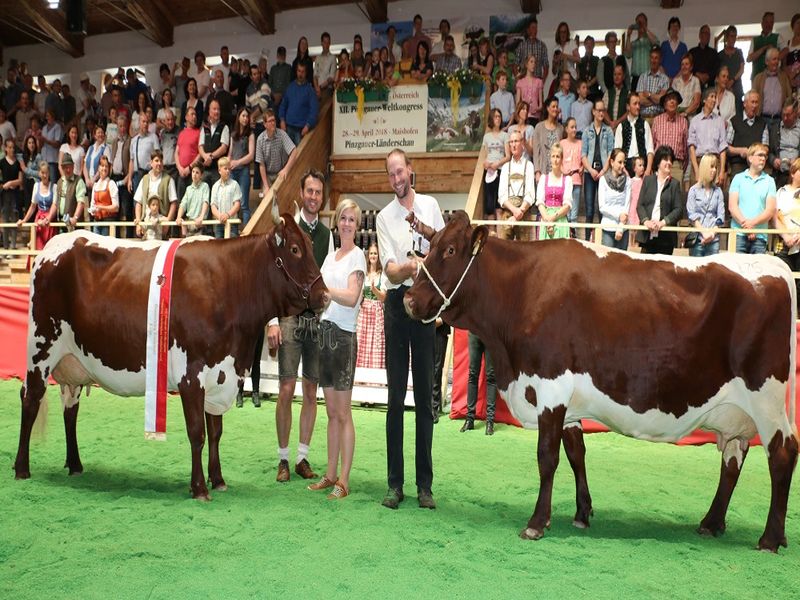
“The autumn bull market in Pinzgau (Austria) has a decades-long tradition in Maishofen. Also this year, hundreds of visitors from home and abroad came to the big event of the cattle breeders. Out of 60 offered bulls, 58 were sold at an average price of 30,000 Schillins (today will be payed 5,000 Euro for the best slave, note from Venus) per animal.
The leader was ‘Winston’.
The 15-month-old bull of the breeder Franz Gumpold from Saalfelden was acquired by the cattle breeding club Rauris by 84,000 Schilling. The picture in Newspaper shows breeder Gumpold ‘Winston’ in the arena of the auction hall Maishofen on 1994. ”
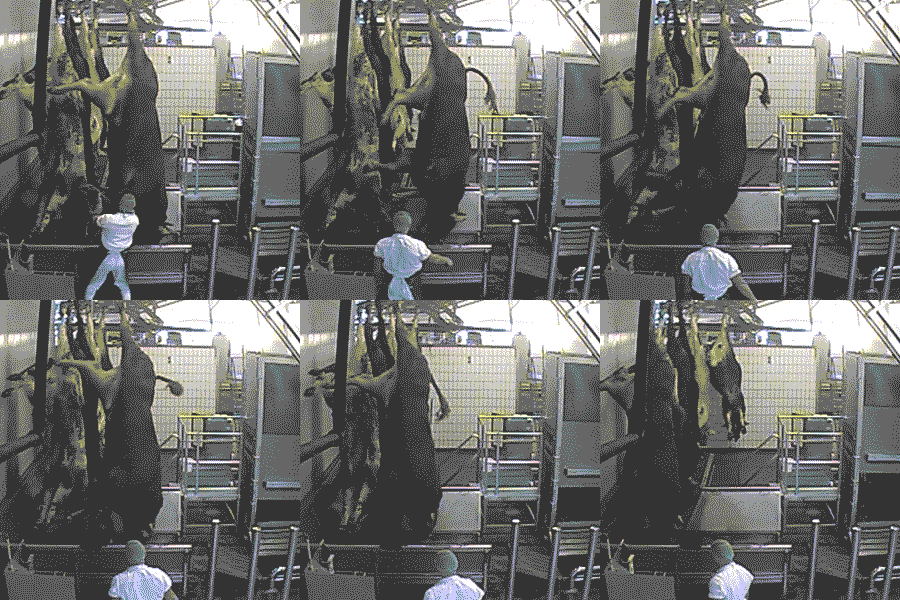
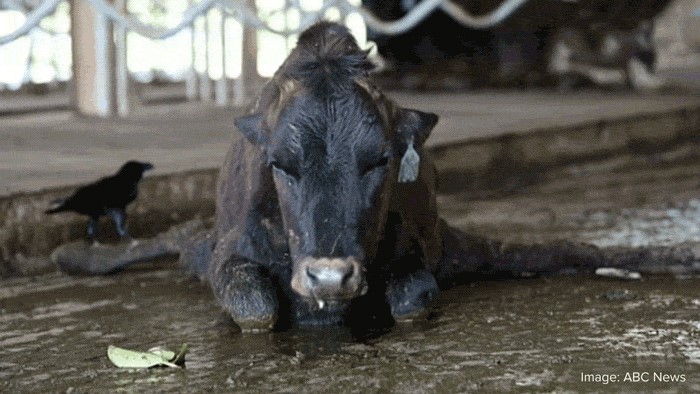
the winners in Pinzgau autumn bull market of 2018
The parallels between former slave markets and today’s animal auctions are so obvious that it is actually incomprehensible how they can not be seen by someone.
For the animals that are our slaves today, life is a continuous and inescapable nightmare.
Everything that torments us in the worst fantasies is a terrible reality for the enslaved animals. Daily, nocturnal, lifelong reality. Only death, which usually surpasses the horrors of life, ends the hell we prepare for animals on earth.
All wickedness, primitiveness, and evilness to which men are capable, must be endured by innocent and defenseless animals.
We are the only real devils compared to whom all the other devils are harmless bunglers and sympathetic dilettantes.
A farmer was sentenced on Friday in Ulm (West germany) because of animal cruelty to three years imprisonment. Animal rights activists of SOKO Organisation had uncovered the abuses in a pigsty in Merklingen ( West Germany).
Image: SOKO
The Judge Oliver Chama spoke in his verdict in the district court Ulm ( West Germany) of a “mass animal hell” that lasted for months instead of mass animal farming. The farmer accepted the sentence with his head bowed.
Films shown as proof (published on 19.10.2016
The 56-year-old farmer from Merklingen (Alb-Donau-Kreis, West Germany) is responsible for the deaths of a total of 1,600 pigs due to catastrophic conditions in the completely overcrowded and filthy stables, the court said Friday. They found carcasses, bitten off tails, shredded ears. In addition, the defendant killed two animals with a hammer.
Image: SOKO
Animal rights activists welcomed the verdict as “historical”. “For the first time in Germany an industrial animal owner was sentenced to prison for animal cruelty,” said the founder and chairman of the association of Soko animal protection, Friedrich Mülln.“Finally, a judge has dared to break a taboo and severely punish grievances in industrial livestock farming.”
Closure: 160 animals had to be killed immediately after becoming aware of the abuses, the operation was closed. The accused, who was confessed, received a lifelong animal keeping ban. The judge cited the “rudeness” of the farmer: he had inflicted considerable pain and suffering on animals.
From a “historical judgment in Ulm” animal rights activists speak of the “miracle of Merklingen”, of a “breakthrough”. Ulm District Court on 15 March 2019 sentenced a pigmeat from Merklingen for animal cruelty to a prison sentence of three years. With “Oh, finally,” many would have welcomed the verdict, says Friedrich Mülln, spokesman for the association Soko Animal Welfare, who testified in the process as a witness. The Soko had revealed in 2016 the catastrophic abuses in the pigsty.
For the first time in Germany, a prison sentence for crimes under the Animal Welfare Act in industrial livestock has been imposed, explains Mülln. Therefore “Ulm is so special”, the judge “courageous”. The outcome of the procedure “causes panic in pet owners,” he is sure. With a suspended sentence, the farmer would have gotten away with “unscathed”: “Then the deterrence would have failed.”
image: SOKO
The prosecutor had demanded a milder probation sentence: that the farmer was confessed and unpaid, must be appreciated. He has appealed, as well as his defense. The case will be reopened at Ulm Regional Court – possibly only in 2020.
Often in Germany no procedure is opened, says Mülln – that’s 26 years of fighting for animal rights in his experience.
The farmer’s sentencing to imprisonment is an important step, says Mülln. But even more he sees veterinary offices in the duty, which he accuses complete “failure”. Stall controls – on average every four years – are usually pre-announced, overcrowded stalls are still considered a minor offense. “We always come to it only when veterinary offices fail. ” Veterinarians are a big problem, says Mülln. “They know which companies are the worst.” But there is a law of silence throughout the industry.
https://www.swp.de/suedwesten/skandal-zeigt-wunde-punkte-auf-30656090.html My comment: All this is not in China! it is in Germany! And it is the standard business model of the meat mafia whose employees are usually freed from any guilt, no matter how big or how small the crimes they commit against animals are.
And the evildoers, this disgusting peasants’ association, are mainly working with EU subsidies and our tax money and are under the protection of politicians and local communities who regard animals as a cash-making factory and torture them to the most hideous.
Hopefully the verdict of the Ulm court will lead to a stricter control in the farms and a certain inhibition against the sadism of the slaveholders.
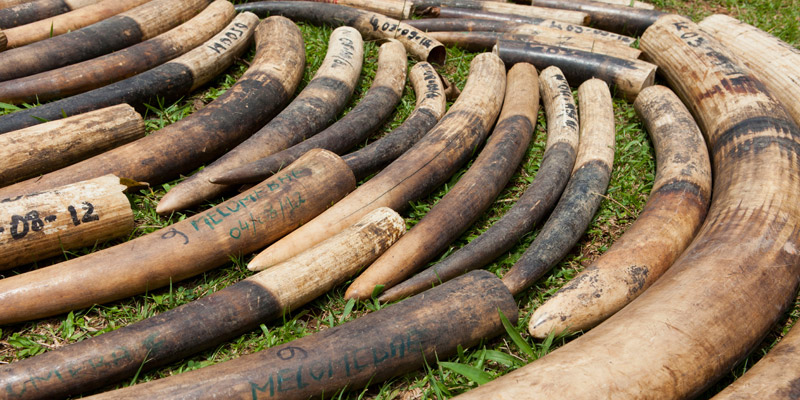
The Belgian parliament passed a national trade ban on ivory on the evening of 4 April.Exceptions, however, continue to apply to processed ivory, which was acquired before 1975.
The Belgian Ministry of the Environment has up to now spoken out against trade restrictions – but now supports a ban in Belgium and at EU level.
Thus, the pressure on other EU member states and the EU Commission to prohibit trade increases. Daniela Freyer of the animal and species protection organization Pro Wildlife comments:
“We hope that the turnaround in Belgium will help finally usher in the end of the ivory trade in Europe. Germany and the EU should not be in bottom position and should finally ban the ivory trade. “
In July 2018, the Federal Government, together with France, Great Britain and Luxembourg, demanded EU-wide restrictions on the ivory trade.
“Because of the inaction of the EU, all these countries have already acted at national level – only Germany so far not” so Daniela Freyer (ProWildlife)
The United Kingdom adopted the strictest ban in December 2018, Luxembourg in July 2018, Belgium on April 4, 2019. France has already imposed trade restrictions in 2016 and the Netherlands has at least prohibited the sale of tusks and other raw ivory since March 2019.
The EUhas been strongly criticized for years: despite numerous international resolutions and demands for a closure of the ivory markets and although the international ivory trade has been banned since 1990, it still allows the trade in ivory from alleged old stocks, sometimes even without permission and thus without control options.
Ivory poaching elephants can be traded through this loophole.
In addition, the EUis the largest exporter of supposedly “old” ivory to Asia, the largest market for ivory.
“The sale of ivory in the EU and exports to Asia undermine global efforts to control poaching and trafficking,” said the Pro Wildlife spokeswoman. The EU has already announced steps against the ivory trade three years ago, but has so far only banned the export of full tusks and other raw ivory. Export and trade of ivory carvings are still allowed.
China, formerly the largest market for legal and illegal ivory, had already closed its ivory shops and carving factories in early 2018. Demand and black market prices have fallen significantly since then. In the Special Administrative Region of Hong Kong, an ivory ban should come into force in 2021, in Taiwan in 2020. The vast majority of African states that have joined forces in the 32-member African Elephant Coalition, conservationists, scientists, the European Parliament and some traders demand a trade ban for a long time. The result of a public consultation of the EU Commission is also clear:92 percent of the almost 90,000 responses call for a consistent ban on ivory trade in the EU. In petitions by animal and species protection organizations, well over one million people have called for a ban.
“It is high time that the EU rejects bloody ivory trade once and for all, and that it no longer ignores international decisions, demands from African states, the European Parliament, scientists, animal rights activists and more than one million EU citizens”, so Daniela Freyer
The closing of the ivory markets will also be the focus of attention at the forthcoming CITES Species Protection Conference in Sri Lanka from the end of May.
Background of the story
So far in the EU the trade with ivory from allegedly legal old stock,which was acquired before 1990, is allowed.
For alleged antiquities acquired before 1947, not even approvals are required. Reliable age determination is almost impossible, checking the legality of “antiques” that are offered on the Internet, in auction houses, in shops and flea markets are rare. These exceptions therefore make it possible to infiltrate poached ivory into legal trade.
In addition, in recent years the EU has become the largest exporter of “legal” ivory to Asia: in 2015 alone, EU countries exported 10,000 pieces of ivory – mainly to China.
Currently, every year about 20,000 elephants are poached for the ivory trade.
My comment: Every day we get a new reason to be against the EU. The more informed one is, the greater is the anger, the rejection, but also the fear that nothing positive and ethical can arise for the animals under this oligarchic gang. Stefan B. Eck, the well-known MEP, has officially told the European Commission: “EU parliamentarians are no longer allowed to use the word ” morality ” in their mouths”!
And he was right!!
The EU (and that means above all Germany) is nothing more than a lobby for the exploitation of animals, regardless of the form in which it occurs: aggrar lobby, trophy hunting, meat mafia, animal experimentation, circus with wild animal…. The list is so long that you lose your courage, keep counting.
Thank you, Belgium! We need more courage, independence and resistance from the inner circle of the EU, because obviously, the will of EU citizens to abolish the suffering of animals interests the EU a shit.







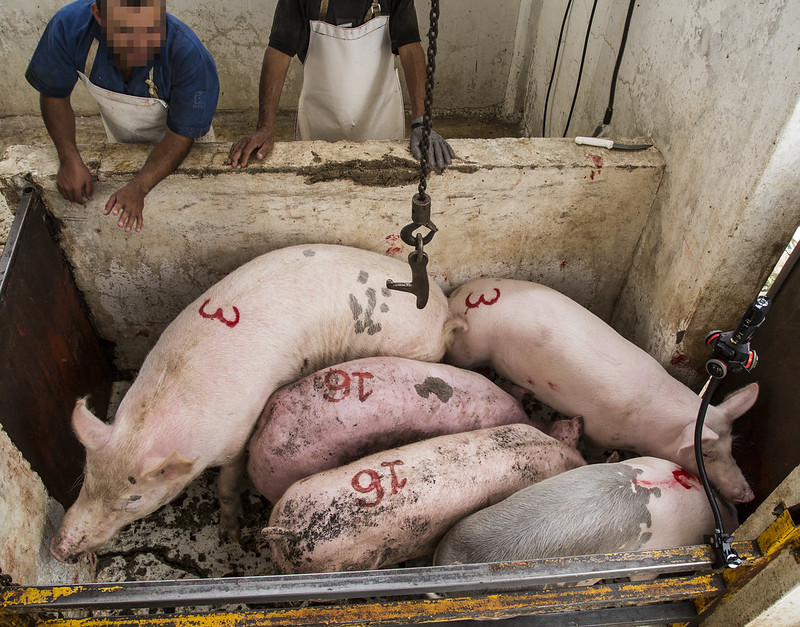
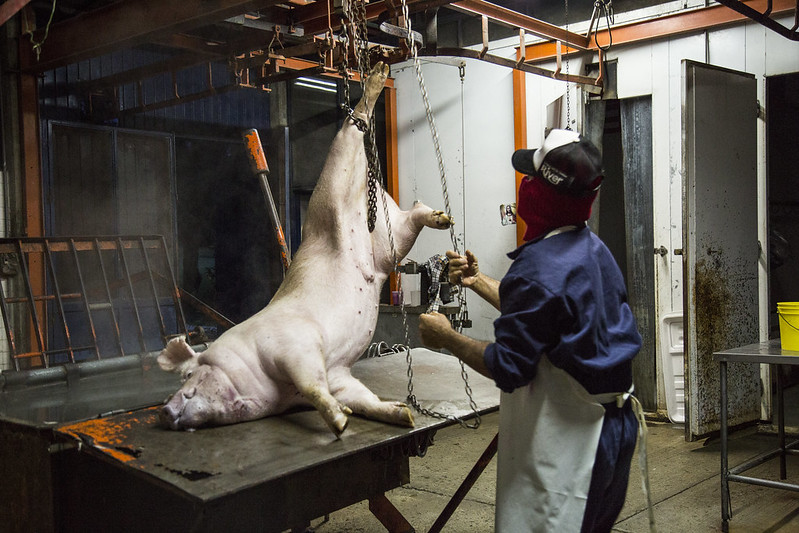
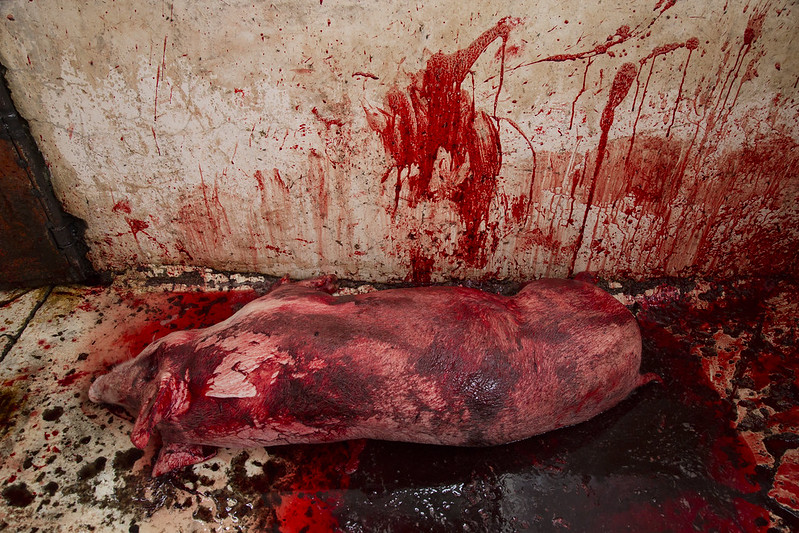
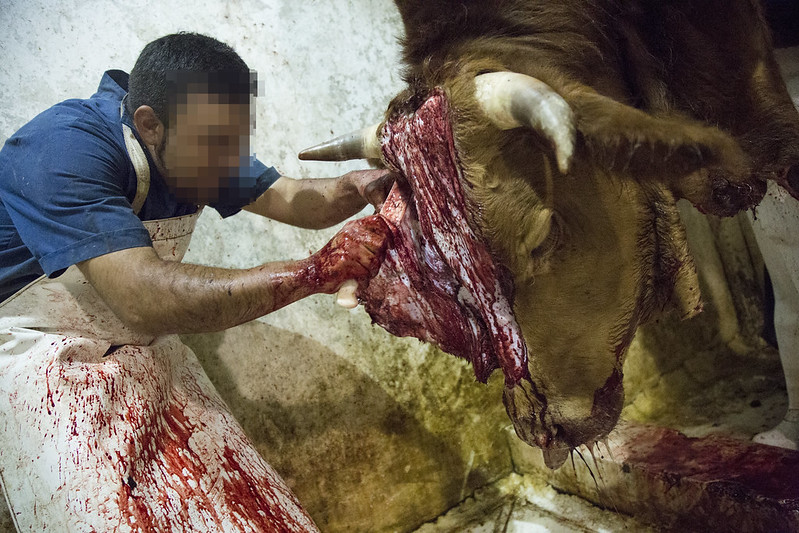
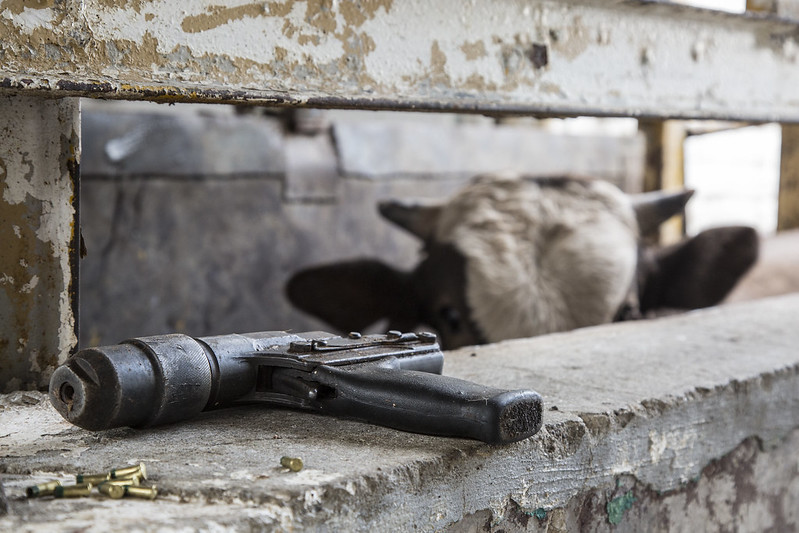

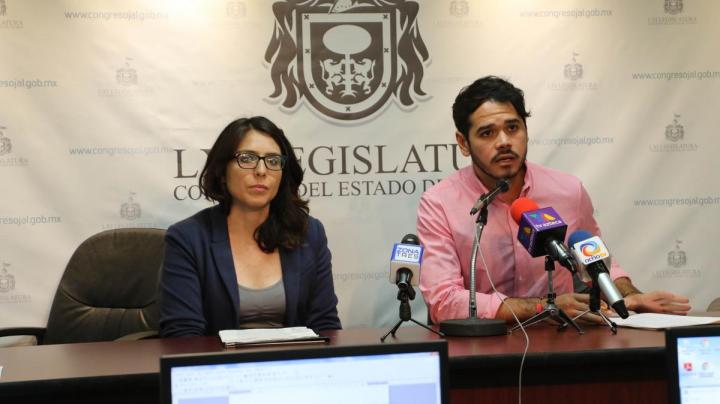 Photo: Dulce Ramírez, chair of Animal Equality in Mexico, and Alejandro Hermosillo, MP of Movimiento Ciudadano.






 the winners in Pinzgau autumn bull market of 2018

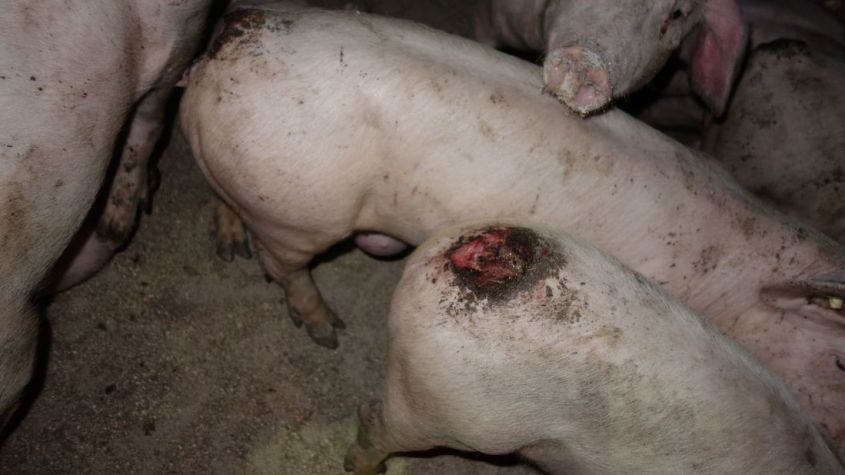 Image: SOKO
 Image: SOKO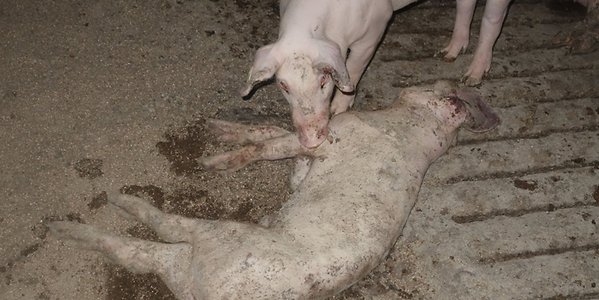
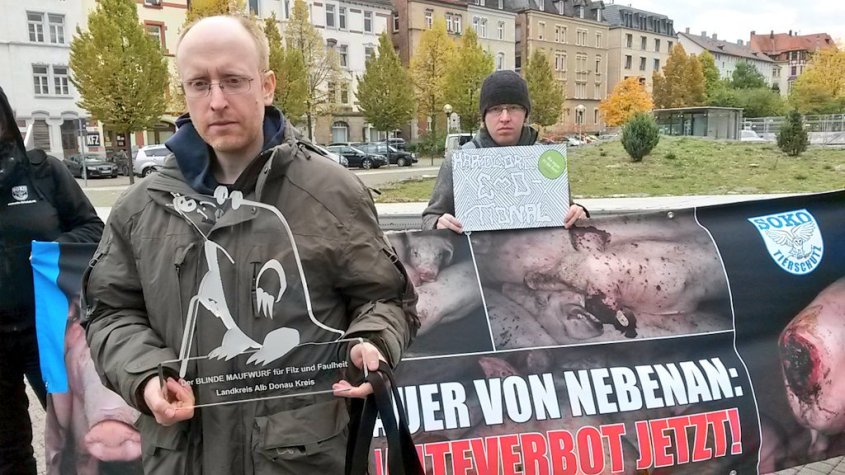 image: SOKO


 World Animals Voice