Month: March 2019

India: March Rescues From Animal Aid Unlimited. Please Donate If You Can.

INDA0001

AA 2019 header

Dear Mark, 

We are deeply honoured that Animal Aid Unlimited was featured in Psychology Today, when world-renowned scientist Dr Marc Bekoff used our recent rescue video Anguished mother dog wails for wounded baby. Sweetest Reunion! to highlight the profundity of animals’ emotions. Marc Bekoff is famous for his contributions to the science of animal behavior, animal psychology and to deepening our awareness of the complexity of animals’ emotions and has collaborated extensively with Jane Goodall. Bekoff said our video “could form the foundation for an entire course on the emotional lives of dogs and other animals. They say a picture is worth 1,000 words, and my impression after watching this video more than 15 times is that it’s worth countless words, and also could form the basis for an entire book.”

Friends of Animal Aid know how deeply animals feel, how clearly they can think, how intensely they can worry and love. It’s so wonderful to know that Marc Bekoff’s work helps the general public realize that much more keenly the truth about animals’ emotions. You can read the whole story here.


Cuddles: Rescuing a cutie pie in pain

The saddest little sweetheart sat frozen in the road, her pain so intense she couldn’t even drag herself to her mother. We brought her to our hospital expecting a fracture, but were delighted to discover that although her wound was really painful, her hip was sprained, not broken. A few days of rest, tasty food and lots of affection were just what the doctor ordered, and this love bug couldn’t wait to be back on her feet so that she could start playing again. Meet Cuddles now. Please donate today for happy new beginnings.


Surgery saved Maxine when her
lung was perforated and exposed

Air billowed out of the wound with every breath she took, and she cowered in a thicket, hiding and confused by pain. With a de-gloving wound over her ribs and a punctured lung, we didn’t know if this old girl could survive such a trauma. We rushed her into emergency surgery, inserting a tube to re-establish negative pressure, thoroughly flushed the wound and began the several layers of sutures that we hoped would save her. We would wait for several days before we knew if she would make it. But her extraordinary will to live was even bigger than her wound. Watch beautiful Maxine today.

And to help the sweetest older dogs who are out there now, please donate today.


Rescue of adorable puppy with crushed leg  


Cherry’s leg amputation isn’t what this story is really about. It’s about how astoundingly sweet and almost you can say “gracious” this little one was through a shattering experience. We got the call that a puppy had been hit by a car and her leg was injured. But we’d never seen anything like this–her leg completely crushed and her face–so bewildered, so utterly vulnerable, engulfed by pain and yet trying it seemed to be just the best little patient she could possibly be. She had lost so much blood that we needed to give her 24 hours of IV fluid to build her strength enough to–we hoped–survive surgery and save her life. Cherry’s loving nature inspired everyone around her–to love.

Please donate. Because you can save a beautiful little life today.


Shocking rescue of dog impaled by steel rod (with happiest ending!)

You have to see this to believe the horror for a dog who got impaled by a steel rod at the base of an electrical pole, upside down, dangling and pinned by the rod which pushed right through her abdomen, almost out her back. She must have jumped from a ledge in the dark and landed on the rod, where she trembled in unthinkable pain until our rescue team, horrified at this ghastly sight, literally slid her backwards and up off the foot long rod to free her, in fear that she would die any moment. 

You will believe in miracles when you see this astounding rescue and within a month of medical care, Queen’s complete recovery.  Help us get there for those who have no time to lose. Please donate.  


At first we couldn’t see how massive his wound was

From a distance, this sweetheart’s wound looked like caked mud covering his backside. But when we examined him in the hospital we found to our horror that maggots had bored tunnels around his tail in a massive wound the size of a frying pan–and the pain this boy had endured was beyond imagining. Even cleaning the wound took hours but from the moment we started flushing with saline, the healing had begun. Meet Chipper now!

Sometimes love begins with “I can help.” Please donate.  


Some amazing rescues and recoveries;

Please donate if you can;

Regards Mark.

USA: America’s Biggest Food Companies Are Moving to Meatless.

USA-Flagge


America’s Biggest Food Companies Are Moving to Meatless

Many of us have made the decision to go vegan. Whether this is for health reasons, compassion for animals, a desire to reduce planetary footprint, or all of the above, choosing to be meat-free is good for the world. What’s even better than an individual going vegan? An entire company making that commitment. And recently a few big companies have done just that, moving toward a more plant-based planet.

America’s Biggest Food Companies Are Moving to Meatless

MorningStar Farms, a subsidiary of Kellogg, will go completely vegan by 2021. Though the brand has been around for years, their decision to go 100% animal-product free comes with a growing market for vegan food. Shoppers care about the welfare of animals and are savvy enough to notice if a product is vegan or just vegetarian. MorningStar Farms wants to stand out among other veggie meat options on the grocery store shelves.

Beyond Meat will release a completely vegan ground beef this year. Made from pea, mung bean, and rice proteins, the “beef” will be located next to animal meat in the grocery store. Created to embrace the versatility of ground beef, the plant-based product can be molded and cooked in a variety of ways: to make burgers, meatballs, tacos, and more.

Another perspective on going meat-free, WeWork, the coworking and office space company made an astounding call to become a meat-free organization. They will no longer serve meat at meetings or functions, all meat was removed from on-site food kiosks, and they even went so far as to stop reimbursing employees for meat consumed on business trips. The company wanted to reduce its impact on the planet and set a new standard for sustainability.

If you live in Los Angeles or another big city, vegan restaurant options are fairly easy to find. But in most of the country, classics like pizza can be hard to find without animal products. But Pieology just became the first national pizza chain to offer plant-based proteins. Though the chain is not vegan or even vegetarian, having vegan options creates a more inclusive environment and normalizes the choice to decline animal products. Other companies could also go further toward a plant-based planet. Boca recently released a 100% vegan ‘Turk’y’ Burger, but has yet to eliminate cows’ milk from all of its products.

Why go meat-free?

Studies have shown our meat-eating habits are contributing to pollution, poverty, and climate change. Moving toward a plant-based planet could help feed the hungry, end the suffering of millions of animals, and help to clean up our water and air. Eliminating meat is a start, but going from vegetarian to vegan can make an even bigger impact. MorningStar Farms says by going vegan, 300 million egg whites will not be used in their products. This puts an end to the suffering of thousands of laying hens as well as eliminating the use of a lot of water and land.

Going meat-free may be good for business as well. Data has shown that demand for plant-based meat went up 24% last year. And the longtime vegan staple, Tofurkey, has received a loan of $7 million to expand production. More and more grocery stores are putting meat-free options on their shelves and marketing them next to meat. When consumers push for plant-based options and businesses deliver, people, animals, and the planet all win.


Regards Mark.


Apes – Our Intelligent, Endangered, Relative.

https://animalpetitions.org/educational-series-apes-our-intelligent-endangered-relative/

palmoilorand death

They’re our closest living relatives of the animal world, some sharing almost 99% of our DNA. They are far more intelligent than scientists once realized, with elaborate social structures and family networks. They make sophisticated use of tools. And they are among the most endangered mammals on the planet. These are the apes, a group of animals about whom we still have much to learn despite decades of scientific research.

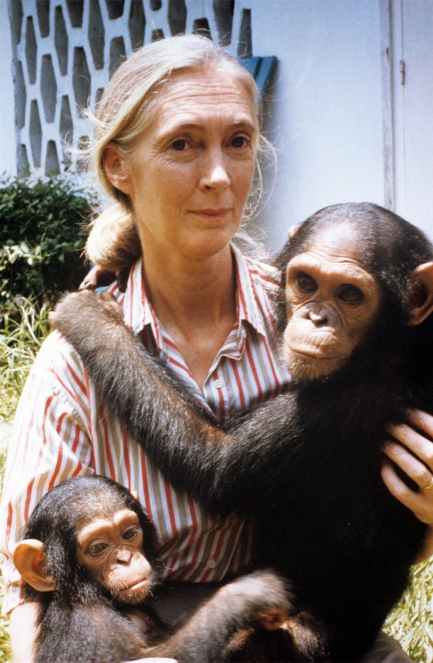
The ape most famous for close genetic ties to humans is the chimpanzee, one of the “great apes.” Chimpanzees live only in tropical forests of Central Africa, the continent where modern humans first evolved some 100,000 years ago. Despite this long history of chimps and humans living in close proximity, the scientific community knew little about their behavior in the wild until the 1960s, when primatologist Jane Goodall began studying chimps at Gombe Stream in Tanzania. By carefully and patiently observing them in their natural habitat, Goodall became the first scientist to witness chimpanzees making tools, hunting and eating meat, and displaying complex social behaviors, among many other discoveries.

Today we know chimpanzees live in loosely connected social groups of as many as a few hundred individuals, divided into more closely knit subgroups. Mother chimps spend years caring for their offspring and family ties can remain important even once chimps reach maturity. Chimpanzees use a wide array of vocalizations and facial expressions to communicate. Scientists have even observed cultural differences between chimpanzees over different parts of their range, with groups in some areas practicing behaviours that are never seen in other chimpanzee communities.

lab3

It is now widely known among even the general public that chimpanzees share almost 99% of humans’ DNA. However, in the last few years evidence has emerged that another ape species may be as or even more closely related to us. This is the bonobo, formerly known as the “pygmy chimpanzee.” Genetic studies suggest it’s a toss-up whether chimpanzees or bonobos actually deserve the title of closest living human relative. But studies of human, chimpanzee, and bonobo muscular systems show bonobos appear to be more physically similar to us.

Whereas as chimpanzee societies are male-dominated, bonobos are matriarchal. They are also known for being less prone to social conflict than chimpanzees, and for using sex to maintain social bonds. Bonobos eat mainly fruit, other vegetation, and insects, and unlike chimpanzees they hunt meat only occasionally. From a conservation standpoint, another important fact about bonobos is they are restricted to only a single country: the Democratic Republic of the Congo.

jane-goodall-work


Only slightly less closely related to us than chimpanzees and bonobos are gorillas. There are actually two species, the eastern and western gorillas. Eastern gorillas are divided into two subspecies: the eastern lowland gorilla and mountain gorilla. The western species is likewise divided into the western lowland and Cross River gorillas. Like other African great apes gorillas are social, but their networks are smaller than those of chimpanzees. Gorillas travel in groups related by family ties, consisting of as few as five or as many fifty individuals. Groups are dominated by an older male known as the silverback.

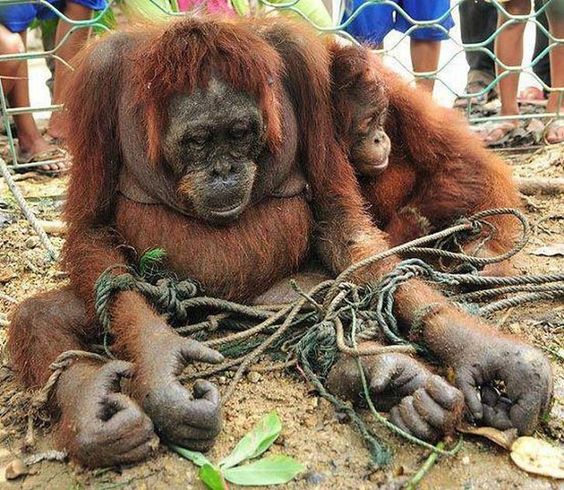
The only great apes found outside of Africa are orangutans. They differ from African great apes in several important respects, including their habits. While gorillas, chimpanzees, and bonobos are all social, orangutans are solitary with adults normally coming together only to mate. They are also the only great apes to spend most of their time in the trees. This makes orangutans the largest truly arboreal, or tree-dwelling animals in the world.

Orangutans are found only on the Southeast Asian islands of Borneo and Sumatra, and for many years scientists recognized two species, each confined to one of the islands. However, in 2017 a third species was announced. Known as the Tapanuli orangutan, this species lives in northern Sumatra and was previously thought to be simply a population of the Sumatran orangutan. Tapanuli orangutans are the most recently-described great ape species–and with only 800 individuals are also the most endangered.

More than a dozen additional ape species live in the tropical forests of Southeast Asia. These are the gibbons, or “lesser apes.” They get this name not because they are somehow less important than great apes, but simply because they are much smaller. Like orangutans, gibbons are mainly arboreal. They are famed for swinging hand-over-hand through the tree branches at speeds of up to 35 miles per hour,

Sadly, all or most apes are at risk of extinction due to factors like deforestation and hunting for the meat and pet trades. Although Tapanuli orangutans have the smallest population of any great ape, all the others are classified as endangered or critically endangered. In Africa threats like logging, poaching, and armed human conflict threaten great apes. Gorillas have also been seriously affected by the spread of the Ebola virus, which is deadly to them just as it is to humans. While the outlook for Africa’s great apes is grim, there are rays of hope. For example, thanks to conservation efforts mountain gorillas has seen a modest population increase recently.

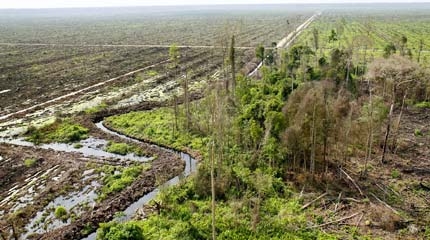
In Borneo and Sumatra the single largest threat to orangutans–and gibbons found on the islands–is the conversion of rainforests into palm oil plantations. Used both as biofuel and an ingredient in everything from peanut butter to shampoo, palm oil production has skyrocketed as demand for these products increases worldwide. Limiting this industry’s expansion represents the best hope for Borneo and Sumatra’s apes. Fortunately, consumer-driven campaigns led by groups like Greenpeace and the Rainforest Action Network have had success pressuring some U.S. food companies–including Kellogg’s, Mars, and General Mills–to adopt policies limiting their use of palm oil that is not sustainably grown. More public pressure is needed to persuade additional companies to cut ties with palm oil deforestation.

Most people know iconic great apes like the mountain gorilla are endangered. However, the apes at greatest risk of imminent extinction are gibbons. With only about two dozen individuals in existence, the Hainan crested gibbon has the smallest population of any primate species. They live only in a single forest on the island of Hainan in the South-China Sea and have lost 99% of their habitat. Only slightly better off is the world’s second-rarest primate, the Cao-Vit gibbon. Only 100 members of this species survive in a forest in Northeast Vietnam. Though not quite as rare as these two, most other gibbon species are also at severe risk. Habitat loss is the most serious threat, but gibbons are also hunted for meat, with babies sometimes being sold into a life of captivity in the pet trade.

If our ape relatives survive into the latter part of the twenty-first century, it will be because of the caring actions of people all over the world. Whether by writing to major food brands and encouraging them to adopt sustainable palm oil policies, or supporting conservation groups working to protect great apes and gibbons from poaching and habitat loss, you can take action wherever you live. If you travel to Central Africa or Southeast Asia, consider patronizing eco-tourist organizations that help local communities profit from conservation.

With their intelligence, complex societies, and human-like expressions, apes are a reminder that humans are not as separated from our animal ancestry as we sometimes like to think.

By saving these remarkable primates from extinction, we are also preserving links to our own rich evolutionary heritage.


Regards Mark.

Who has a spider in his home, should be lucky!


save spider daypng

The fear of spiders is quite common. Most people disgust themselves and grab a vacuum cleaner or paper towel when they find one in their home. They must be killed immediately or disposed of, so that one can feel well again. And even those who are not afraid of the eight-legged, they do not want to have them in the house. Because cobwebs always look like a messy and not clean home.


The 14th of March is National “Save a Spider” Day, a day when arachnids everywhere relax and let their spinnerets down!! While spiders can be terrifying to some, they actually provide incredible services to humans and our ecosystem.
Spiders survive on insects like fleas, flies, and mosquitoes annually up to two kilograms of insects.

spinnen-nutzen-tMost people are afraid of the creepy-crawlies and kill the beast because they do not know how to help each other better. But one thing you should definitely know: The so threatening acting spider does not want you any harm. She is more afraid of you than you are of her and she is not poisonous at all.

  • Fans of Spyder roadsters, did you know that spiders extend their limbs using hydraulic pressure?
  • Spiders eat a lot of the insects whom people aren’t always so fond of, such as mosquitoes, flies, ants, and aphids.
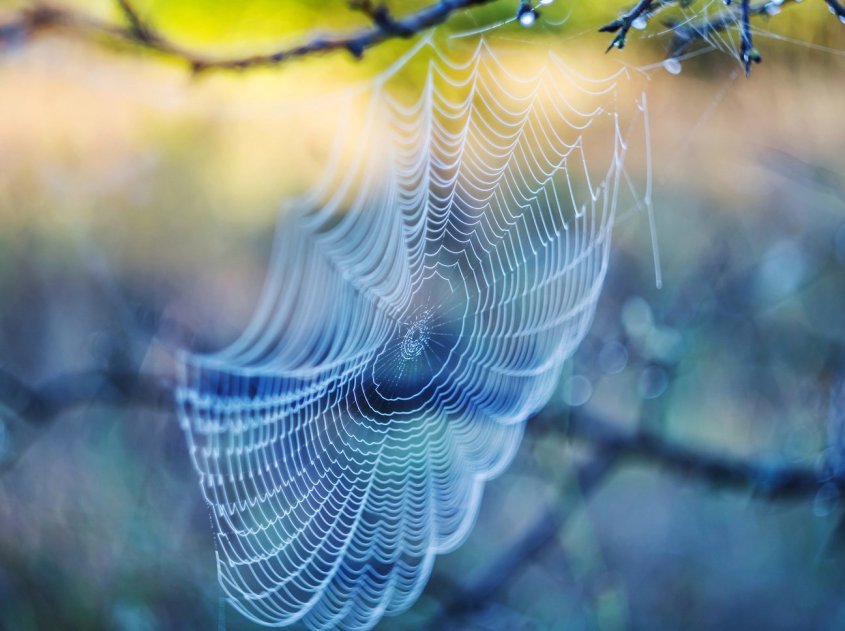
  • Spider webs are similar in strength to nylon, but they’re much more elastic and less prone to breaking or losing their shape.
  • Spiders were used in some ancient artwork to symbolize patience.
  • One species of spider is actually vegetarian. (Spiders for the Ethical Treatment of Animals?)


If you really can not stand this spider at home, in your garage, or wherever, try to catch it and bring it out instead of killing it. She will be looking for a new place and both parties will be pleased with this outcome. We should better learn to live with these roommates rather than kill them, because in the end they are well-disposed to us … at least most of them!

And don`t forget:  spiders are usually harmless!
We are a much bigger danger to them than they are to us.

My best regards, Venus

Dead Philippines whale had 40kg of plastic in stomach.

Phil


https://www.bbc.co.uk/news/world-asia-47608949


Dead Philippines whale had 40kg of plastic in stomach

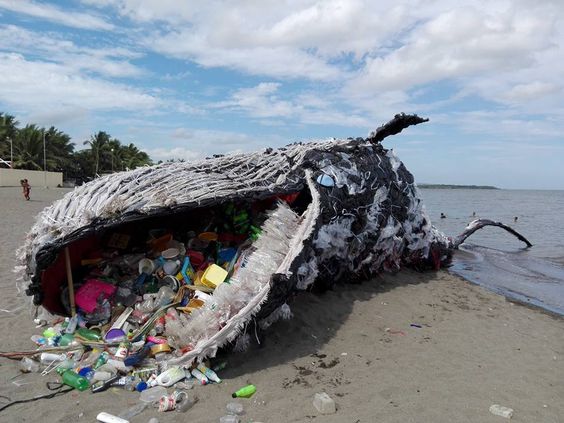
A dead whale that washed up in the Philippines had 40kg (88lbs) of plastic bags inside its stomach, researchers have said.

Workers at D’Bone Collector Museum recovered the Cuvier’s beaked whale east of Davao City earlier in March.

In a Facebook post, the museum said the animal was filled with “the most plastic we have ever seen in a whale”.

There were 16 rice sacks in its stomach, as well as “multiple shopping bags”.

The museum will post a full list of the items found in the whale over the next few days.

plastic planet

“I was not prepared for the amount of plastic,” the museum’s founder and president, Darrell Blatchley, told broadcaster CNN. “It was so big, the plastic was beginning calcification.”

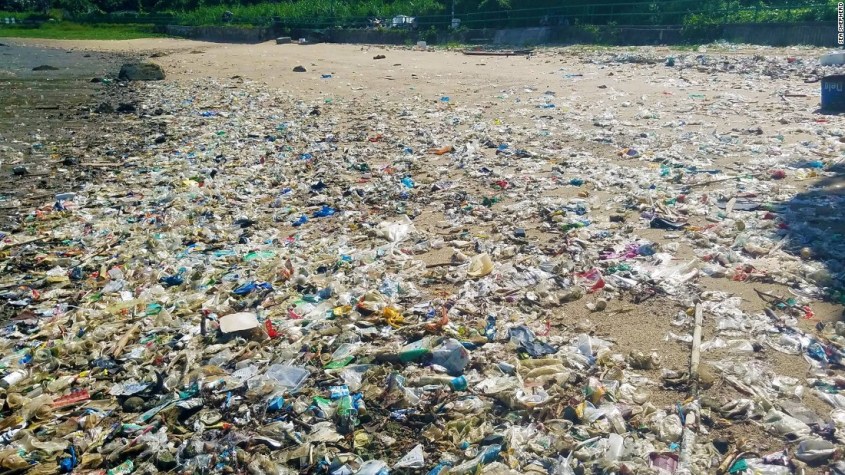
The use of throwaway plastic is a particular problem in some South East Asian countries, including the Philippines.

Five Asian nations – China, Indonesia, the Philippines, Vietnam and Thailand – accounted for up to 60% of the plastic waste that ends up in oceans, according to a 2015 report by environmental campaigner Ocean Conservancy and the McKinsey Center for Business and Environment.

In June last year, a pilot whale died in Thailand after swallowing 80 plastic bags.

Its death came shortly after a report for the UK government revealed the level of plastic in the ocean could triple in a decade unless steps are taken to curb litter.


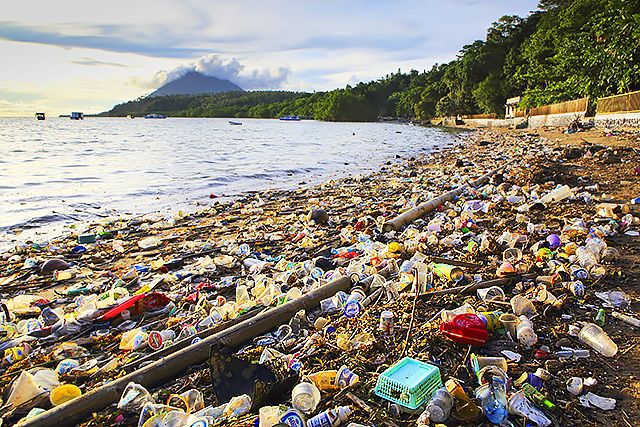
The following pictures are NOT associated with this article – including the Whale – WAV.

plastic beach 2

plastic whale trash

plastic beach 3

Cheers Jean “Clown” Juncker!!


When the media deal with Juncker, they do it for two good reasons: either because of his sciatica or because of his drinking. He, however, has officially stated that shaking at him only comes from sciatica.

juncker pg

Since the Dutch Finance Minister Jeroen Dijsselbloem, Juncker has called “a stout smoker and drinker”, the explanation with sciatica does not work gut, sways strong, like him….

Juncker wuschelt_2

We have only one reason to give Jean “Clown” Juncker a small price: because it is considered the perfect symbol of the EU: frivolous, rundown and dement.

Juncker küsst eine GlazepgLet’s shake each other’s hair and sing Beethoven’s  9 Symphony!!

 

It is an open secret in EU circles that the Commission chief likes to drink gin and sparkling wine. “Whenever an assistant brings a glass of water to the head of commission, everyone knows it’s gin, the French EU correspondent Jean Quatremer recently quoted in the British magazine “The Spectator.”

Juncker betrunken mit BodygardsIn the following video you can easily see what luck it is to have such sweet guys in the EU. This is how EU looks like!
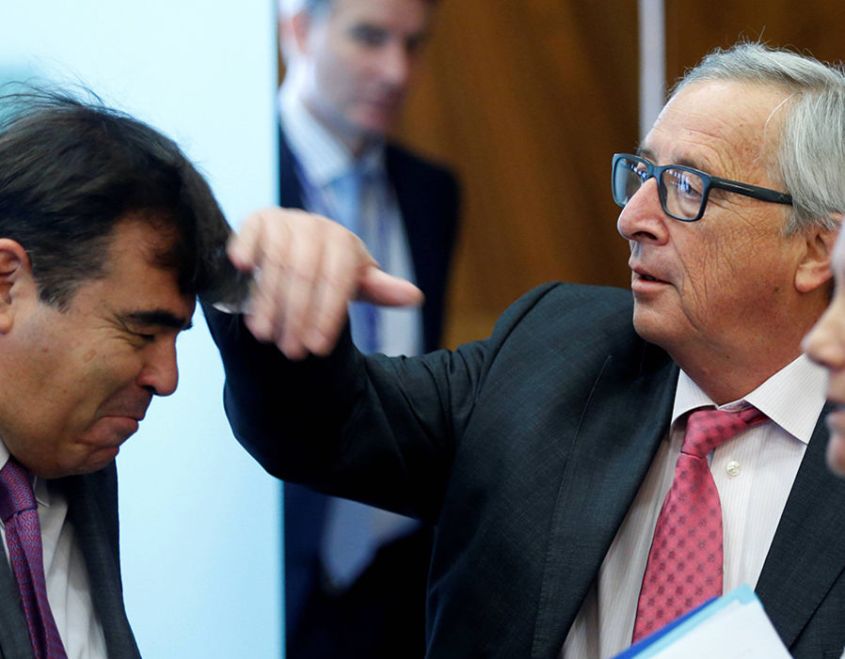

And after this video, we could not hesitate for a minute to award Juncker the prize for the best jerk. You can easily see, he is ” blue” and sees stars, and snaps off anyone, whether he likes it or not ….

juncker fasst Haare an

…Merkel mentally ill, Andriukaitis meat mafia lobbyist, Juncker alkoohliker … a great company this EU!

Juncker und MerkelgThey kiss each other like old communists. Or like mafia bosses.

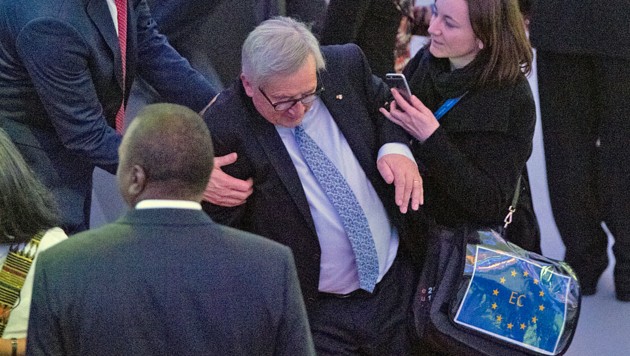
 

At the NATO summit and just before the Torkel Tour began, the boss was seen in the wheelchair. According to Mainstream Media, this was a sciatica attack. For this kind of “back pain” in Italy, Police take away your driving license …But  the EU leaders smile and kiss drunk Juncker. Tolerance is part of the business!

Juncker in rollstuhl

But just imagine, only imagine!

Trump will appear in front of cameras and constantly drunk in Parliament, in front of more than 300 million people in the US and makes his work drunk, and harasses in front of the camera every employee who can NOT defend himself!

Imagine! Imagine that you show it the Greens in Germany, various German journalists, Merkel, the feminists.. and they SAY NOTHING AGAINST TRUMP??

Imagine!!

Does not work, we know.

The double morality in the Western world is really scary, what we Germans should know best!

Juncker muss gestützt werdenpg

After all, the sex change of the alcohol in Ischia gives us all a great idea. Now we finally know what we can say to our partner when we come late at home with blue stars on the eyes..

We see only one benefit from Juncker’s Jin influence: at least attacks on him are very unlikely. Moving targets that still wobble, sway, and cause strange contortions are hard to grasp!

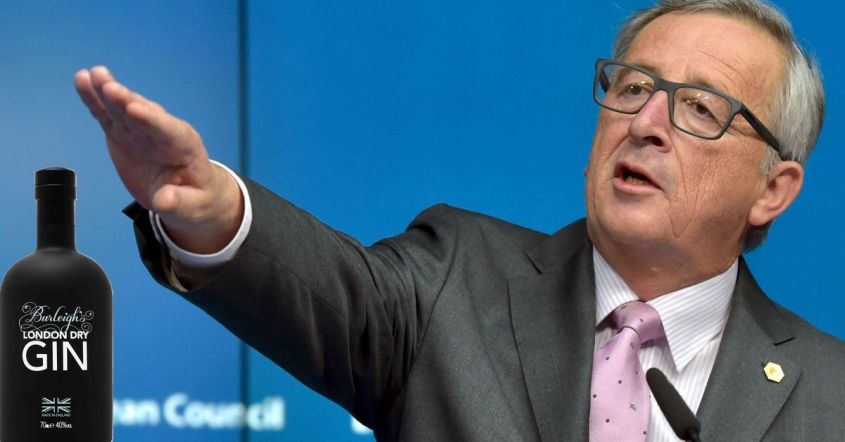
Junck in Hitler Gruß

Cheers Jean “Clown” Juncker, and we wish no longer see you after the elections!

Best regards to all, Venus and Mark


UK: The Campaign To Ban Trophy Hunting. Read More; See More; Learn More …..

UNKG0001


The campaign to ban trophy hunting.

https://bantrophyhunting.org/supporters/

https://bantrophyhunting.org/2018/07/26/the-journey-begins/

https://bantrophyhunting.org/gallery/


It’s time to END trophy hunting.

Killing animals for pleasure is cruel, unnecessary, and has no place in a civilised society.

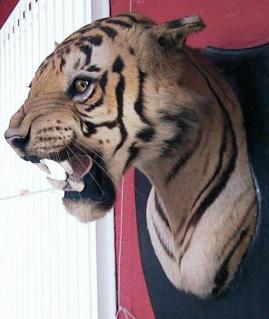
Humans have no right to take the life of an animal for recreation. Animals experience suffering and pain when they are hunted for trophies. Killing endangered wildlife for pleasure only helps push them even further towards extinction.


do something

The Campaign to Ban Trophy Hunting calls for:

  1. Governments to ban trophy hunting and the import and export of hunting trophies
  2. Effective enforcement of existing national and international laws against trophy hunting, with tough penalties for offenders
  3. An immediate halt to the trade in trophies of vulnerable, threatened or endangered species
  4. Trophy hunting exemptions to be removed from existing international conservation agreements
  5. Negotiations to commence on a comprehensive global agreement banning trophy hunting

trophy 1

trpohy hunter 1


Pepsi’s Business Partner Indofood Has Been Kicked Off The Roundtable On Sustainable Palm Oil – Send A Message To The Forest Abusers.

Mark,

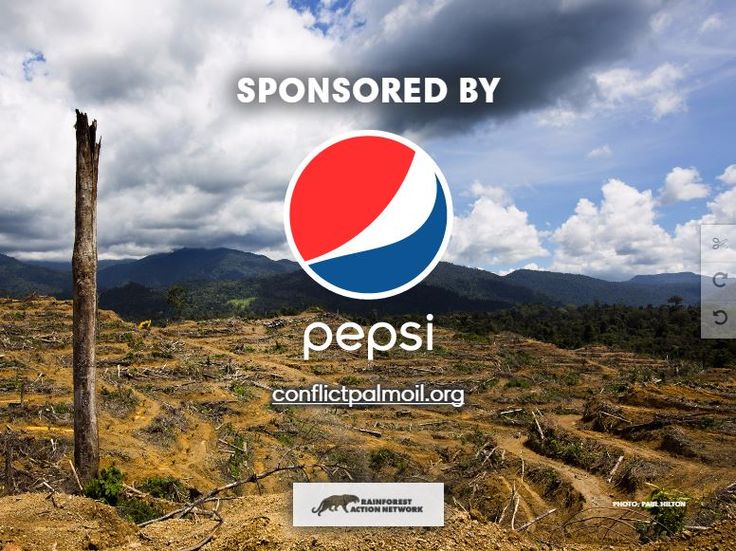
Pepsi has nowhere to hide now: its business partner Indofood has been kicked out of the Roundtable on Sustainable Palm Oil (RSPO), the world’s largest sustainable palm oil authority, for mistreating workers on its environment-wrecking plantations.

Over 100,000 SumOfUs members like you have already told PepsiCo to cut ties with this palm oil villain, but the snack food giant has resisted so far, hiding behind those RSPO certificates. Nowthough, Pepsi’s surely going to drop Indofood like a hot Cheeto… right?

pepsi 5

Wrong. Pepsi’s still cashing obscene profits from its partnership with Indofood, and reacted to the RSPO decision only with “We are very disappointed”.

“Disappointed”, Pepsi?! Indofood isn’t a misbehaving toddler — it’s a corporation that destroys rainforests, mistreats female staff, uses illegal child labour, and exposes its workers to hazardous pesticides.

Tell Pepsi: Stop disappointing us and cut ALL your ties with toxic palm oil company Indofood!

palm oil greenpeace uk

Indofood’s abuses were always an open secret. But in 2016, our partners at Rainforest Action Network exposed Indofood and filed an official complaint with the RSPO. Together, SumOfUs members used our collective power to drive up pressure last summer and get the RSPO to first sanction — and now kick out entirely — the palm oil giant.

Now it’s official: Indofood’s palm oil cannot be called sustainable, even by the subpar RSPO standards. Meaning that if Pepsi’s ‘sustainable’ palm oil policy is to retain any scrap of credibility, it must end its joint venture partnership with the corporation — NOW.

Please sign the petition and help force Pepsi to terminate its business partnership with Indofood once and for all!

We know our people-powered campaigning can push big brands into action. After sustained pressure from SumOfUs members, Nestlé ended its own 13-year business partnership with Indofood. Showing that if PepsiCo really wanted to, it could too.

Palm Oil Harvest in Riau

And after 150,000 SumOfUs members put pressure on Pepsi’s departing CEO, Pepsi responded and stopped sourcing palm oil from Indofood — but failed to cut ties completely, keeping its business partnership in Indonesia.

Unless we use this moment to double down on our campaign, with the threats of reputation damage, negative media coverage, and lost customers, Pepsi may hope to weather out the storm. So we need to act fast.

Let’s tell Pepsi’s CEO there’s no excuse for inaction on exploitation and rainforest destruction — it’s time to drop Indofood.

 Sign the petition 

Thanks for all that you do,
Fatah, Rebecca and the team at SumOfUs