For the Waorani people, life begins in the forest (omere) and everything important in life has a song.
Here, at the edge of a waterfall near the village of Nemonpare, a group of Waorani sing about waimo epe, beautiful water, before traversing down the forested canyon to the base of the falls.
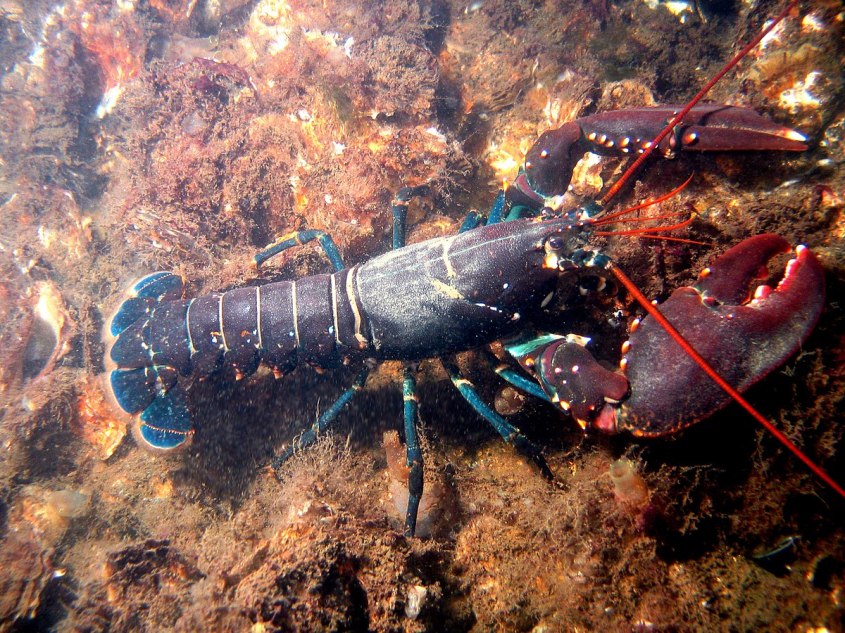
For a long time, it was a foregone conclusion that crustaceans did not feel any pain. Underdeveloped is their nervous system, the animals are only capable of reflexes. It would be nice if this assumption were true, considering how lobsters are boiled alive in hot water.
However, research has already produced results that point in a very different direction. For example, in experiments, the probes of shrimp were irritated with acid, whereupon the animals began to rub them. If the sensors were previously anesthetized, there was no reaction. Even with a painful injection, crabs began to rub the affected part of the body on the floor.
Most meaningful, however, was an attempt with common beach crabs. The animals were placed in the center of an enlightened aquarium, whereupon they sought shelter on the darkened sides. They did this to instinctively secure the best possible protection against predators like gulls. In the experiment, however, the animals were given surges as soon as they were in the dark areas. After two test runs, the animals had learned that the dark faced a surge and despite the strong urge to protect themselves from predators, the beach crabs remained in the light. Obviously, they found the impulse so unpleasant that they favored fear in the light. Their behavior was similar to that of vertebrates.
As invertebrates, however, lobster, crawfish and crabshave no rights whatsoever. Animal welfare regulations do not apply to them. As knowledge progresses, however, man’s attitude towards crustaceans is also changing. In Switzerland, the United Kingdom and New Zealand, it is now mandatory to stun lobster before cooking.
How far the animals go to avoid the pain is illustrated by a video that went viral in June 2018: a small crayfish cut off its own pair of scissors to escape the cooking pot.
Since the potential for suffering is obvious, the handling of crustaceans in the food industry needs to be reconsidered. Catch, storage, transport and killing are by no means species-appropriate. For lobsters alone, 250 million animalsare caught every year, all in all they care about billions of crustaceans.
My comment: Why do we still have to discuss today, in the 21st century, whether we are allowed to throw a living being with feeding organs into the boiling water?
Did the cavemen not do the same thing with other animals because they were simply underdeveloped at the time, and this was the only way to deal with animals that corresponded to their culture at the time?
So the question is not whether a lobster feels pain or not, but how far that information is relevant to our current ethics and gives us the right to treat animals like lifeless objects.
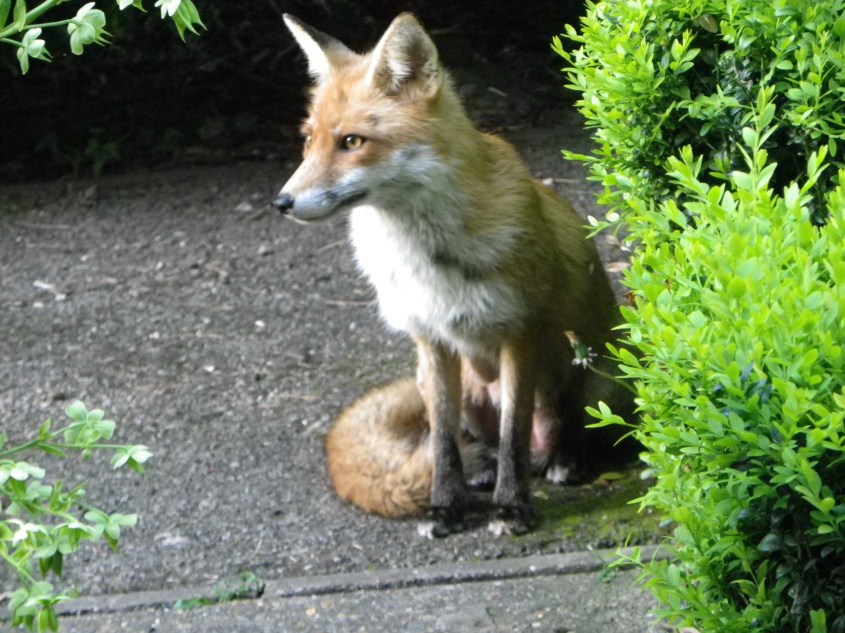
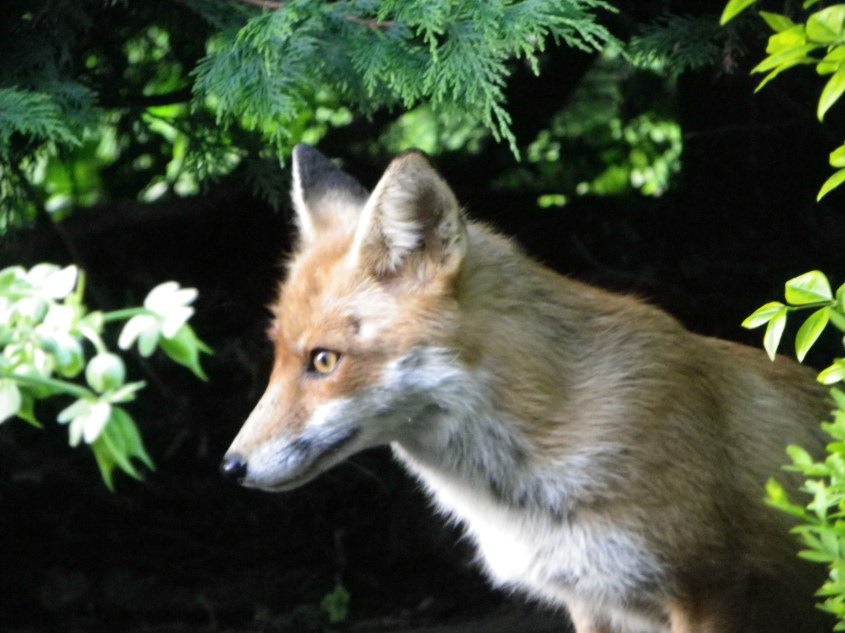
I want to share with you some photographs I took yesterday evening (12/5/19) of a few visitors who come into the front garden every evening. They are coming round for some food, which I always supply; but just as importantly, and being an ex volunteer fox rescuer for the ‘Fox Project’ which is based here in Kent –
– please check out their website; I make sure I can do a very regular health check on them to make sure there are no problems; especially Mange.
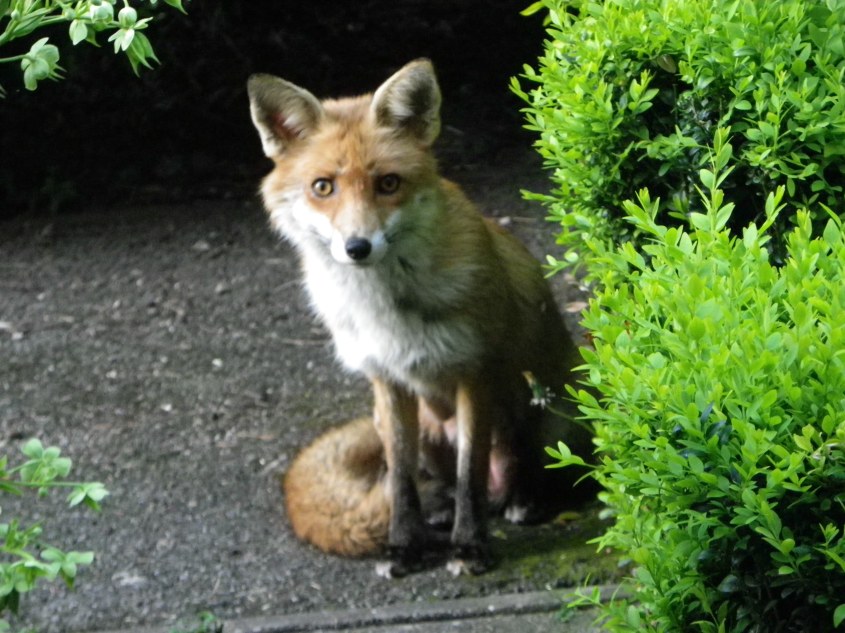
So here they are; pictures from yesterday, taken from my front door. I never encourage foxes to come too close; as not everyone is like me regarding Vulpines; but if you have some in your area; they have a very sweet tooth; and love jam sandwiches, some cake, bsiscuits, sausage rolls; or any dog or cat food which is left over. I always mix this up with some really broken digestive biscuits to just ‘bulk up’ what they get.
Enjoy
Regards Mark
Additional link – the National Fox Welfare Society – NFWS – (England). Along with the Fox Project; both dedicated to saving, helping, and improving the lives of foxes.
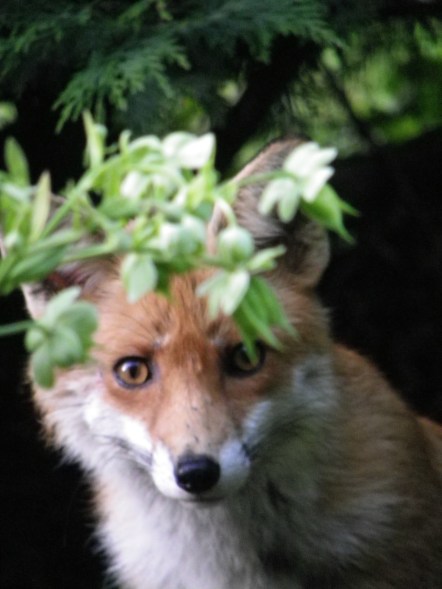
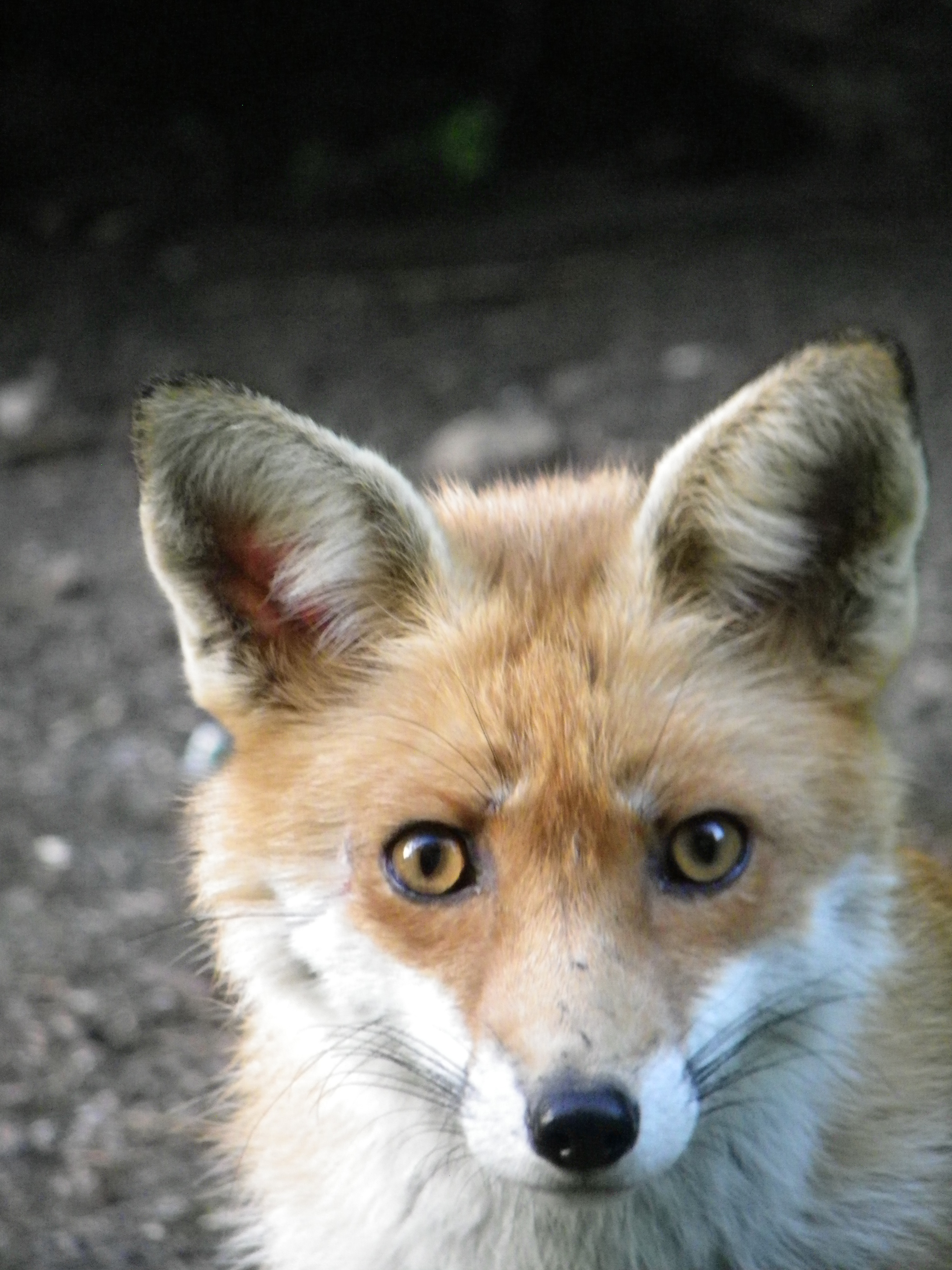
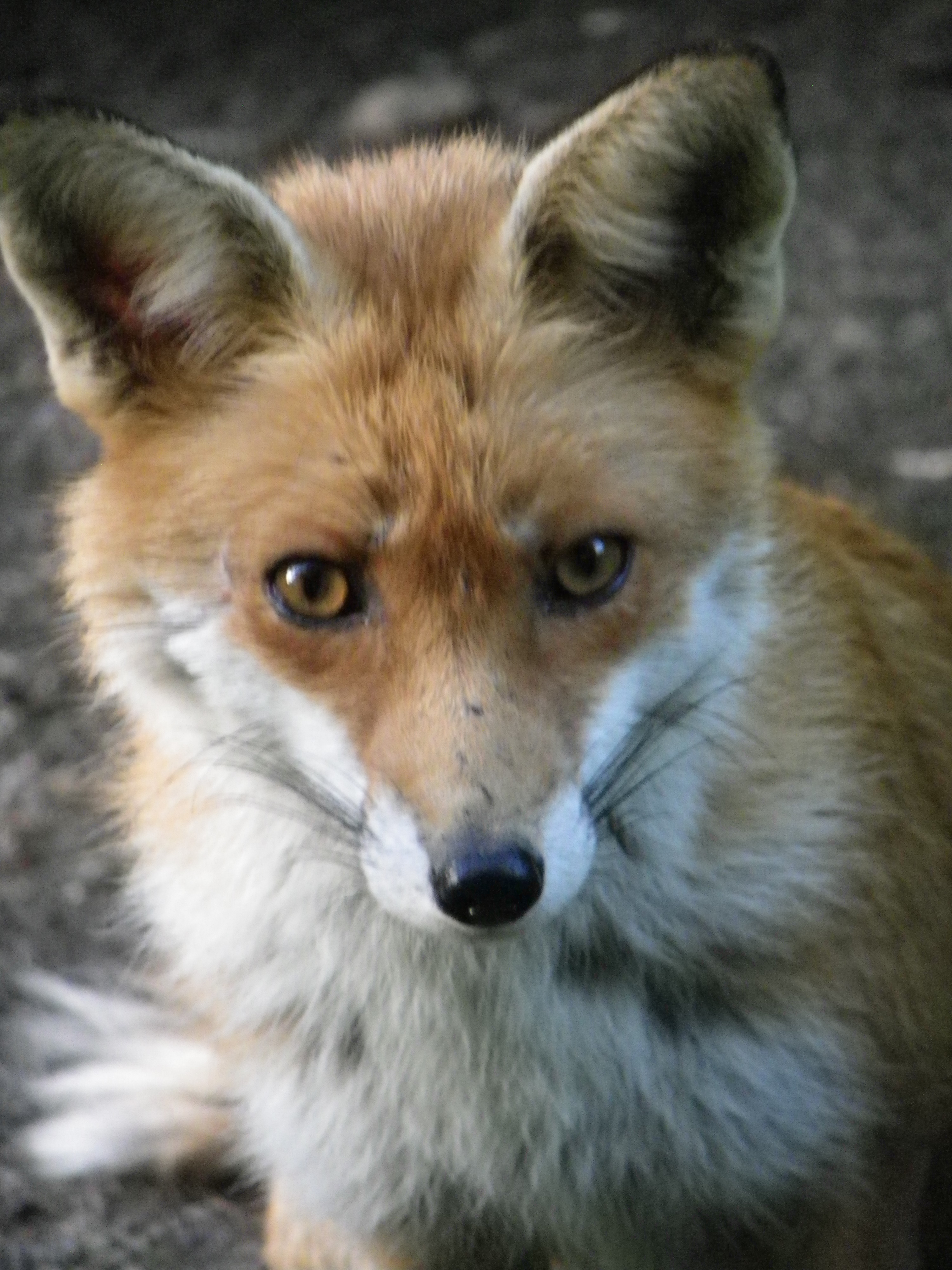
Below (2 photos) – I like these; just lucky to catch the ‘eyes’ in the photos – Mark.
So; where’s the ‘Scoff’ ? – You always give me some !
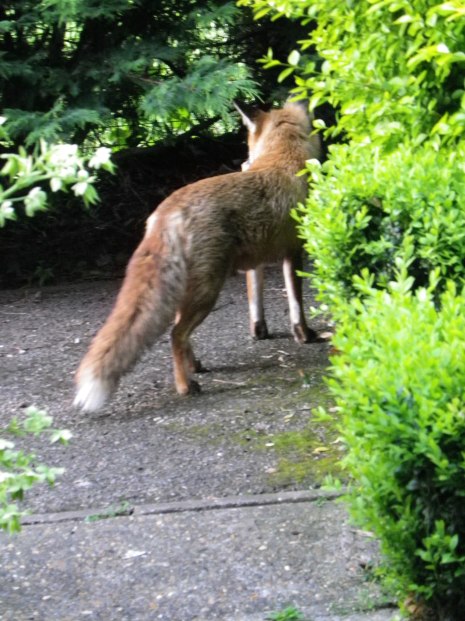
Above – A good healthy tail (Brush) is always a ‘Mange Free’ sign
Below – A video from the NFWS showing the rescue and treatment of a fox with Mange – Before and After:
Update 13/5/19 – Some additional shots I took this evening – how can any tosser kill or injure these ? – they have a big problem in the voids that are called their heads ! – for me it is a real pleasure to welcome these guys into the garden each night :








 World Animals Voice